In recent years, interactive walls equipped with LED displays have transformed the way businesses, educators, and public spaces engage with audiences. These vibrant, dynamic surfaces do more than just display information—they invite interaction, foster collaboration, and create immersive experiences. But what exactly are interactive LED walls, how do they work, and why are they becoming indispensable in various industries? This article delves into the technology behind interactive LED walls, explores their applications, and highlights the benefits and challenges associated with their implementation.
Understanding Interactive LED Walls
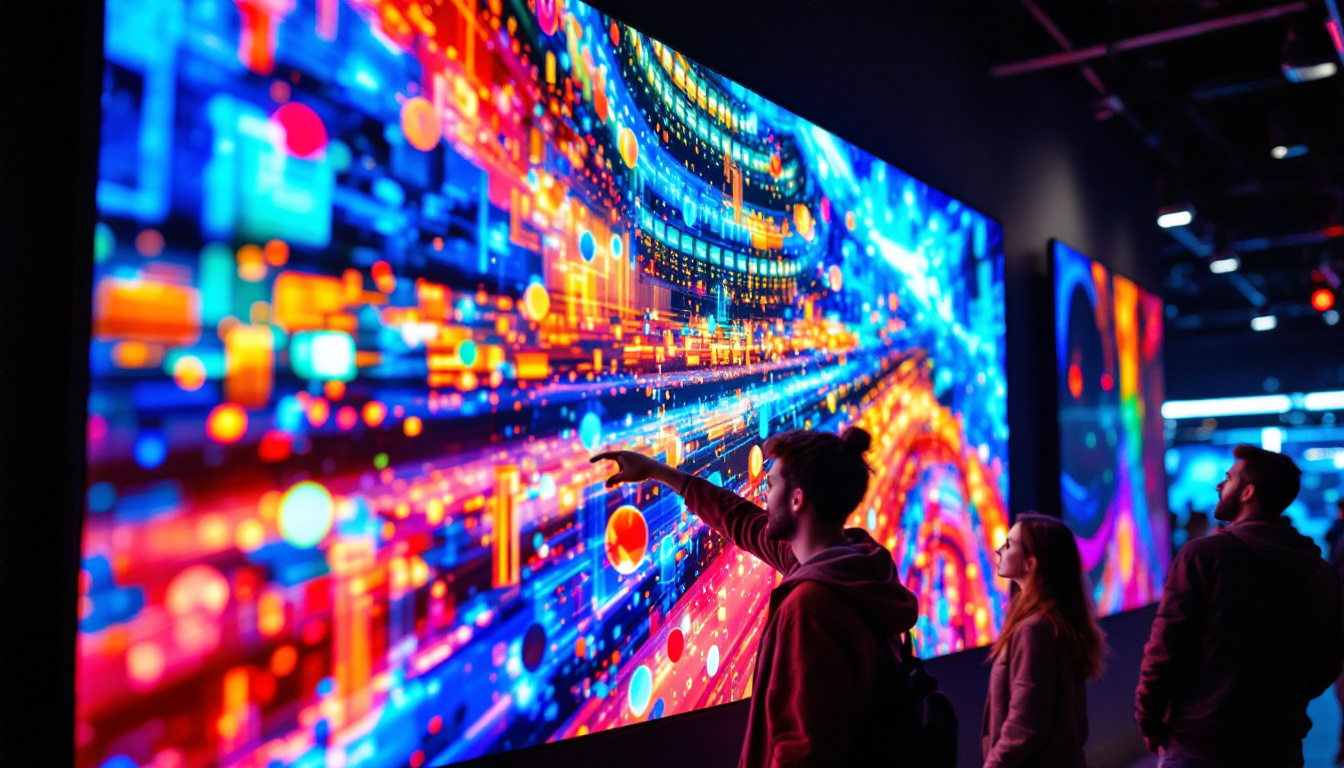
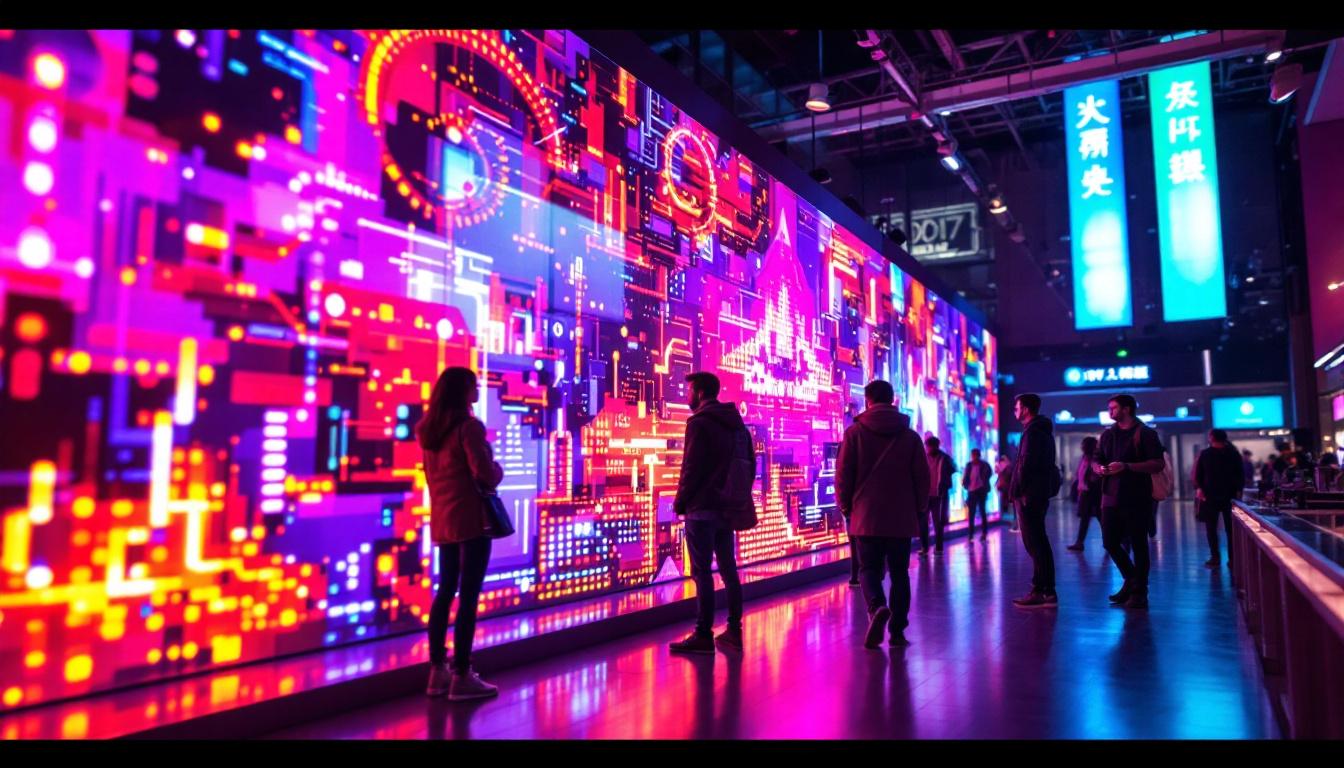
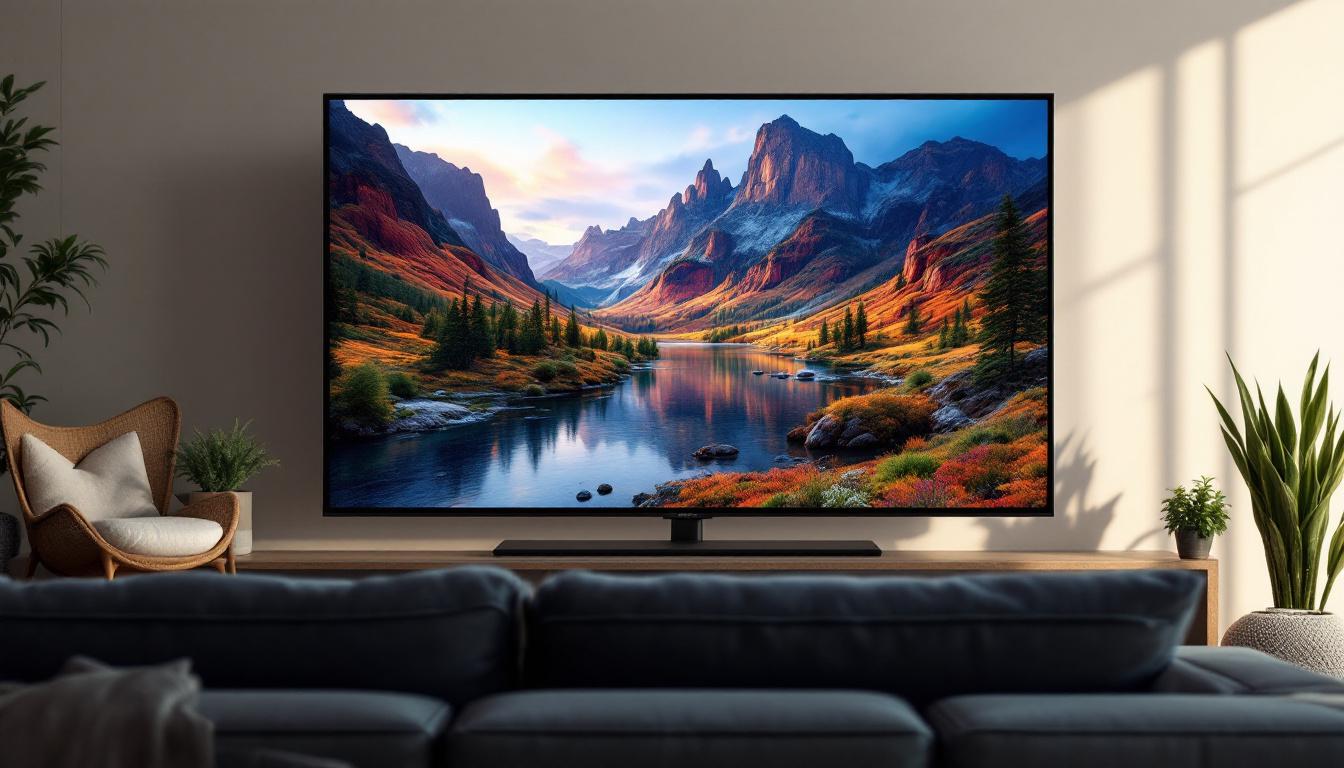
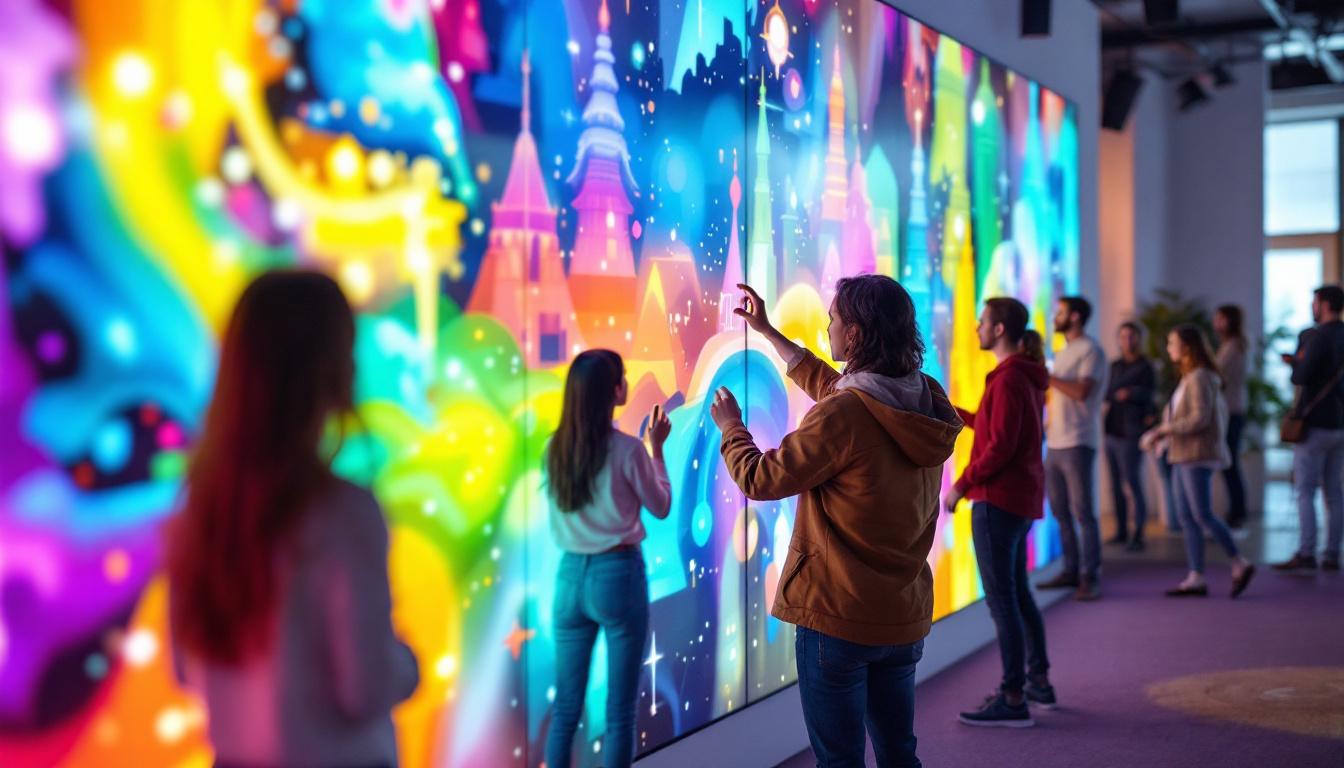
At its core, an interactive LED wall is a large-scale display composed of numerous light-emitting diodes (LEDs) that can show images, videos, and animations in high resolution. What sets these walls apart is their ability to respond to user inputs, such as touch, gestures, or proximity, enabling a two-way communication channel between the display and its audience. This interactivity not only captivates viewers but also transforms passive observation into an engaging experience, making it a popular choice in various environments, from museums and retail spaces to corporate events and educational institutions.
The Technology Behind LED Displays
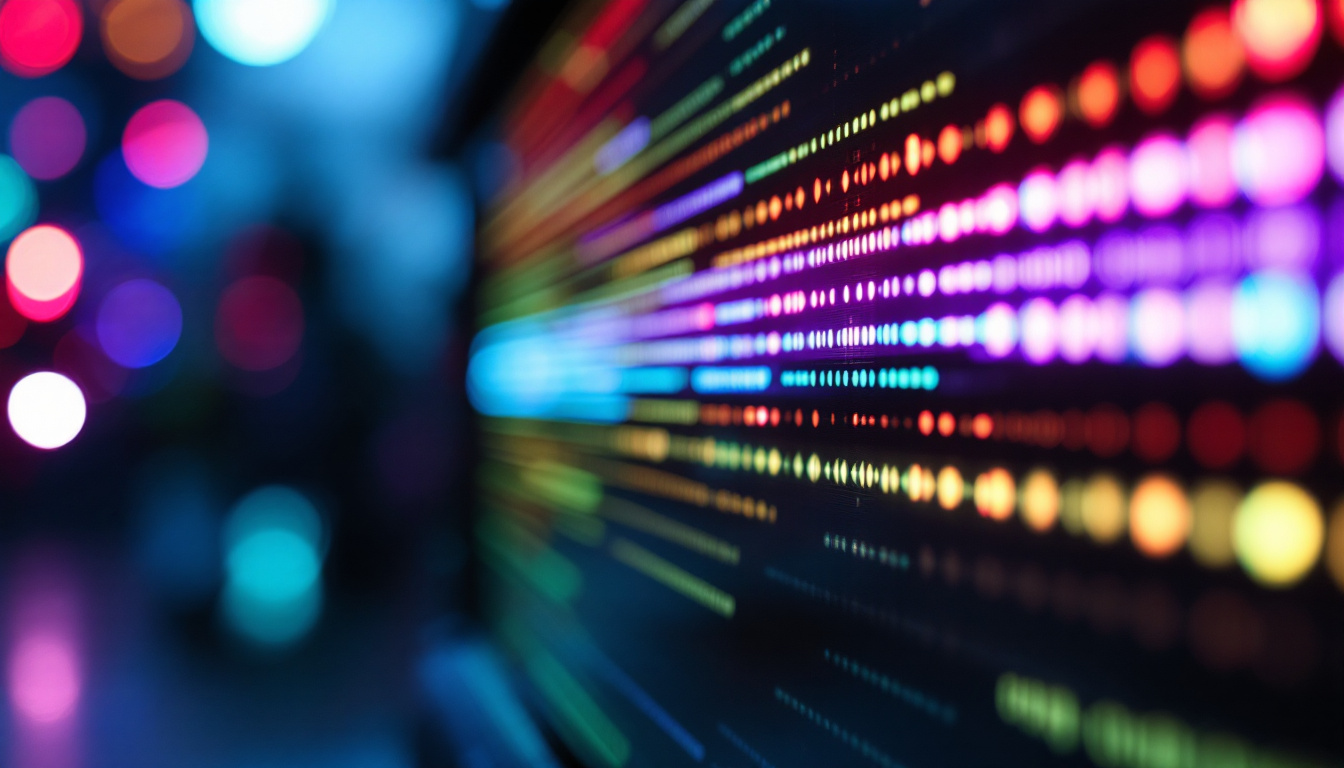
LED technology relies on tiny semiconductor devices that emit light when an electric current passes through them. These diodes are arranged in a grid to form pixels, each capable of producing a wide range of colors by combining red, green, and blue light. The result is a bright, energy-efficient display that can be scaled to enormous sizes without losing image quality. Furthermore, advancements in LED technology have led to the development of ultra-high-definition (UHD) displays, which provide even greater clarity and detail, making them ideal for showcasing intricate visuals and vibrant colors.
Modern LED walls use either surface-mounted device (SMD) LEDs or through-hole LEDs. SMD LEDs are more compact and provide better color uniformity, making them ideal for indoor interactive walls where viewers are close to the screen. Conversely, through-hole LEDs are often used in outdoor settings due to their higher brightness and durability. The choice between these technologies often depends on the intended use case; for instance, a retail store may favor SMD for its aesthetic appeal, while an outdoor concert venue might opt for through-hole LEDs to ensure visibility in bright sunlight.
How Interactivity is Integrated
Interactivity is achieved by integrating sensors and software that detect and interpret user actions. Common methods include:
- Touch Sensors: Capacitive or infrared touch sensors enable users to interact directly by touching the screen, similar to a smartphone or tablet but on a much larger scale.
- Motion and Gesture Sensors: Cameras and depth sensors track hand movements or body gestures, allowing users to control the display without physical contact.
- Proximity Sensors: These sensors detect when someone approaches the wall, triggering animations or content changes to draw attention.
Software platforms then interpret these inputs to modify the content in real time, creating an engaging, responsive experience. The potential applications of interactive LED walls are vast; they can be used for educational purposes, such as interactive learning modules in classrooms, or for marketing campaigns that allow customers to engage with products in a dynamic way. Additionally, these walls can serve as platforms for social interaction, where users can share their experiences or create content that is displayed in real-time, further enhancing the communal aspect of the environment.
Moreover, the integration of augmented reality (AR) with interactive LED walls is pushing the boundaries of how audiences engage with digital content. By overlaying digital information onto the physical world, AR can create immersive experiences that blend real and virtual elements, making the interactive LED wall not just a display, but a canvas for storytelling and creativity. This combination of technology and artistry opens up new avenues for entertainment, education, and marketing, allowing for a more profound connection between the audience and the content presented.
Applications of Interactive LED Walls
The versatility of interactive LED walls has led to their adoption across a wide range of sectors. Their ability to captivate audiences and convey information dynamically makes them valuable tools in marketing, education, entertainment, and public information.
Retail and Advertising
Retail environments leverage interactive LED walls to enhance customer engagement and boost sales. For example, fashion stores use interactive displays to showcase product catalogs where customers can browse items by touch or gesture, view different colors or styles, and even see virtual try-ons. According to a 2023 report by Grand View Research, the global digital signage market, which includes LED walls, is projected to reach $32.84 billion by 2030, driven largely by retail demand.
Interactive advertising campaigns also benefit from LED walls’ ability to create memorable brand experiences. Campaigns featuring real-time social media feeds, interactive games, or personalized content have demonstrated increased dwell time and brand recall among consumers.
Corporate and Conference Spaces
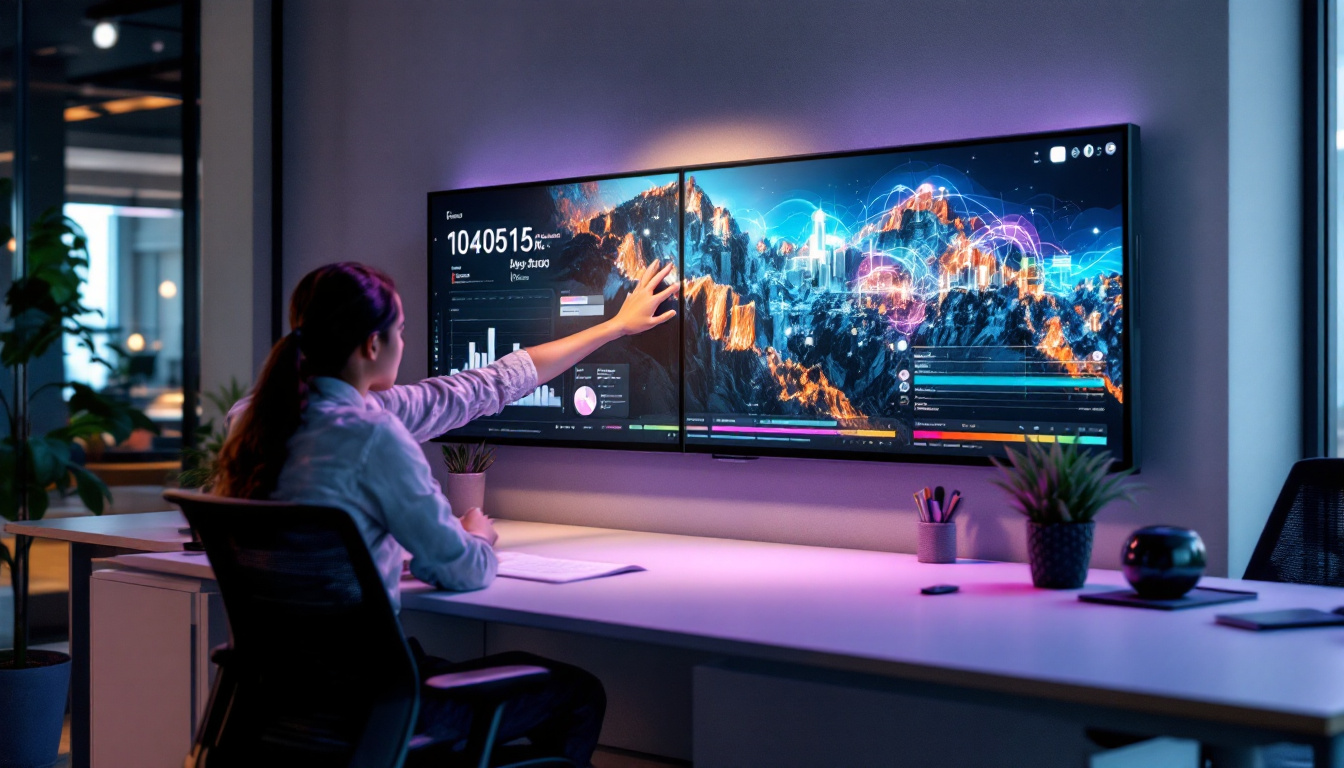
In corporate settings, interactive LED walls serve as powerful tools for presentations, brainstorming sessions, and video conferencing. Their large size and high resolution make complex data visualizations easier to understand, while interactive features encourage collaboration among participants. For instance, teams can manipulate charts, annotate documents, or switch between applications seamlessly during meetings.
Companies investing in such technology report improvements in meeting efficiency and employee engagement, underscoring the value of interactive walls in modern workplaces.
Education and Museums
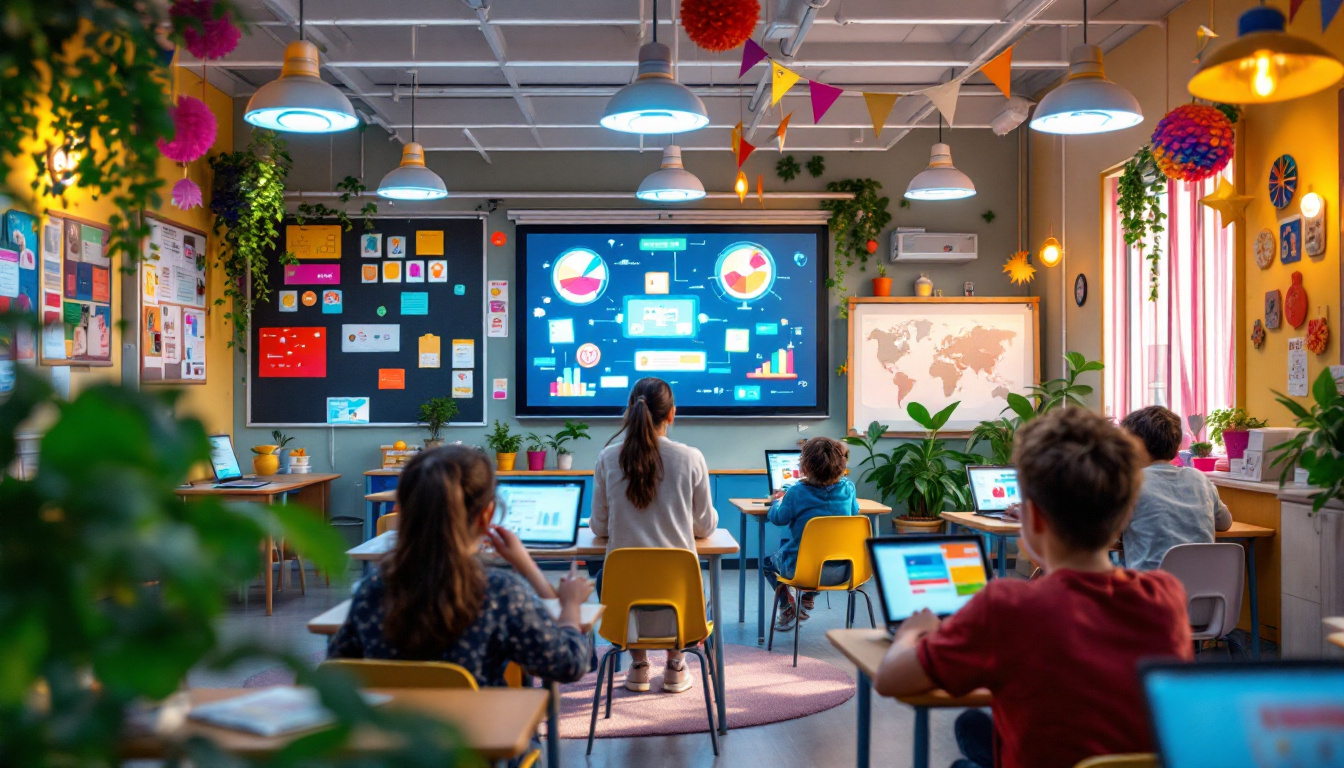
Interactive LED walls have revolutionized educational environments by making learning more engaging and accessible. Schools and universities use these walls to display interactive lessons, simulations, and multimedia content that cater to different learning styles. Museums and science centers incorporate them into exhibits to provide immersive storytelling experiences, allowing visitors to explore artifacts or scientific phenomena through touch and gesture.
Research indicates that interactive displays can improve knowledge retention by up to 25%, highlighting their potential to enhance educational outcomes.
Public Spaces and Events
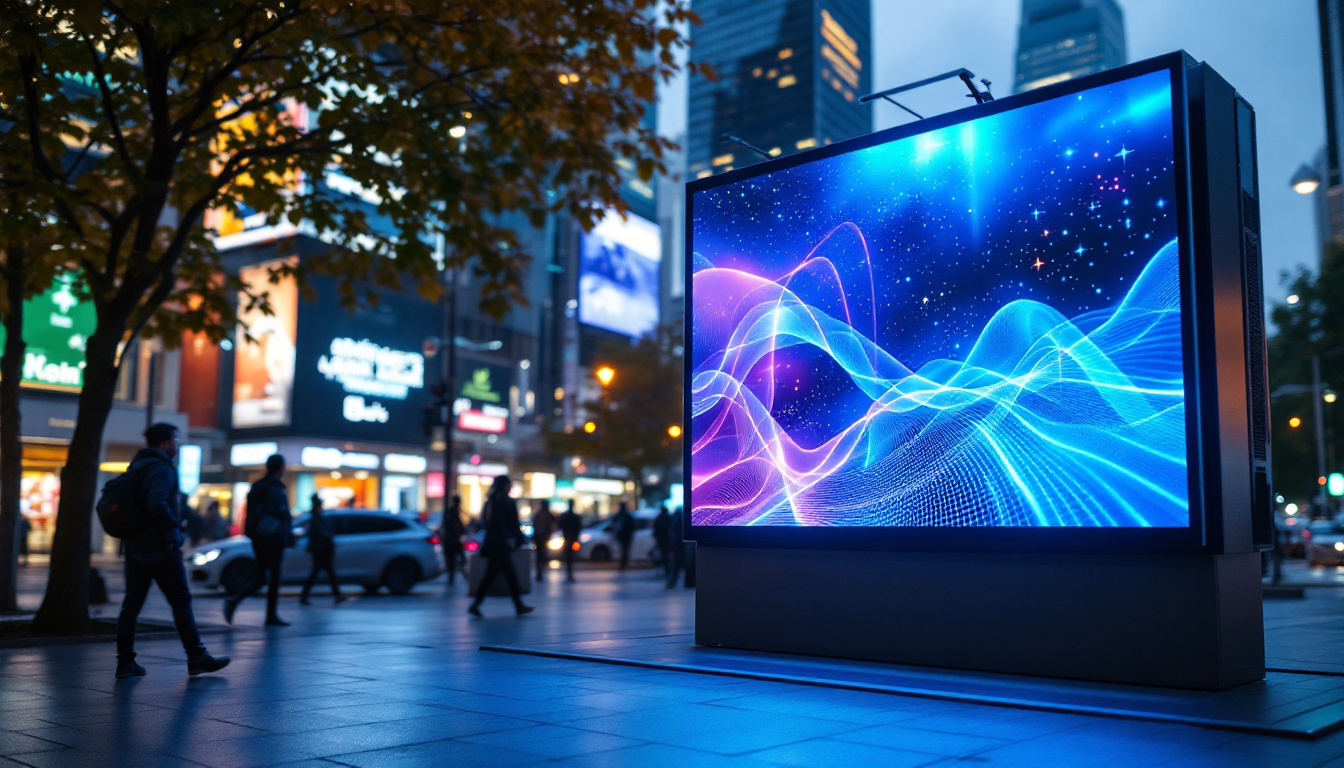
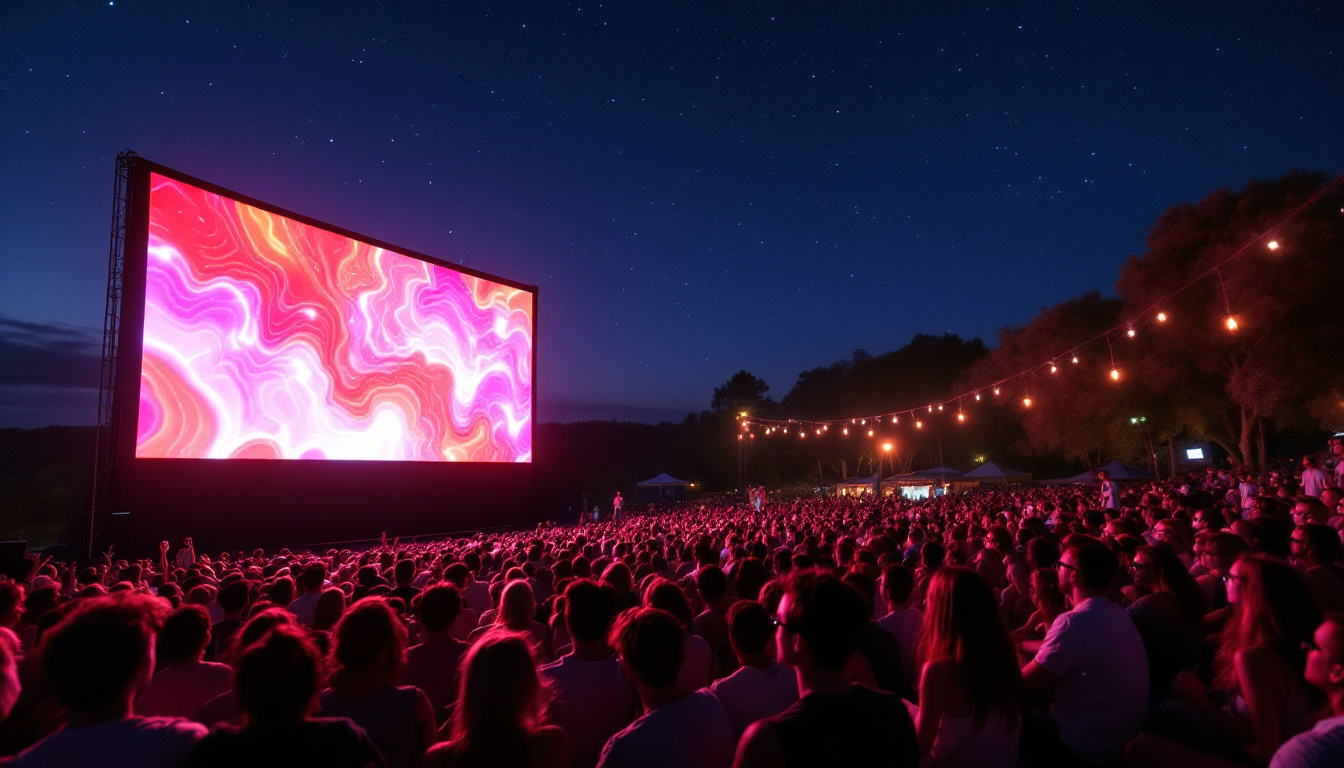
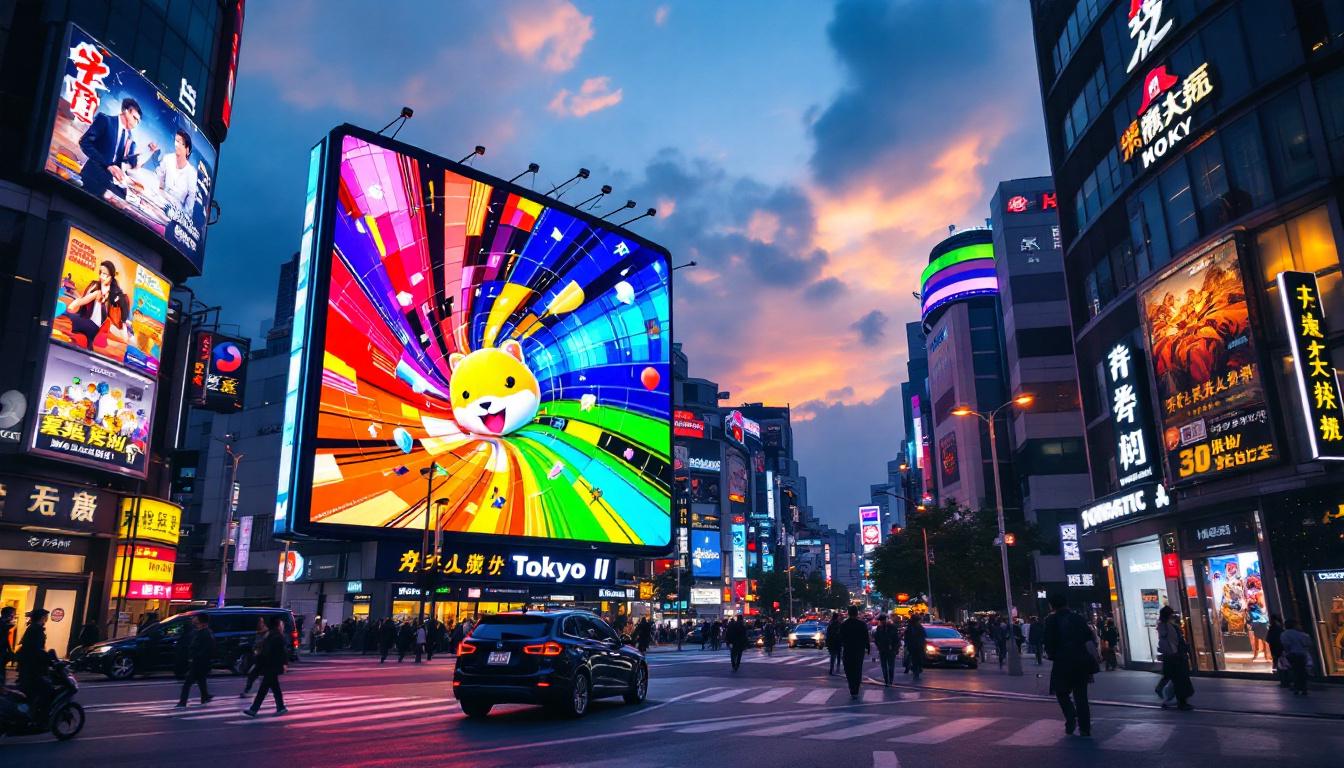
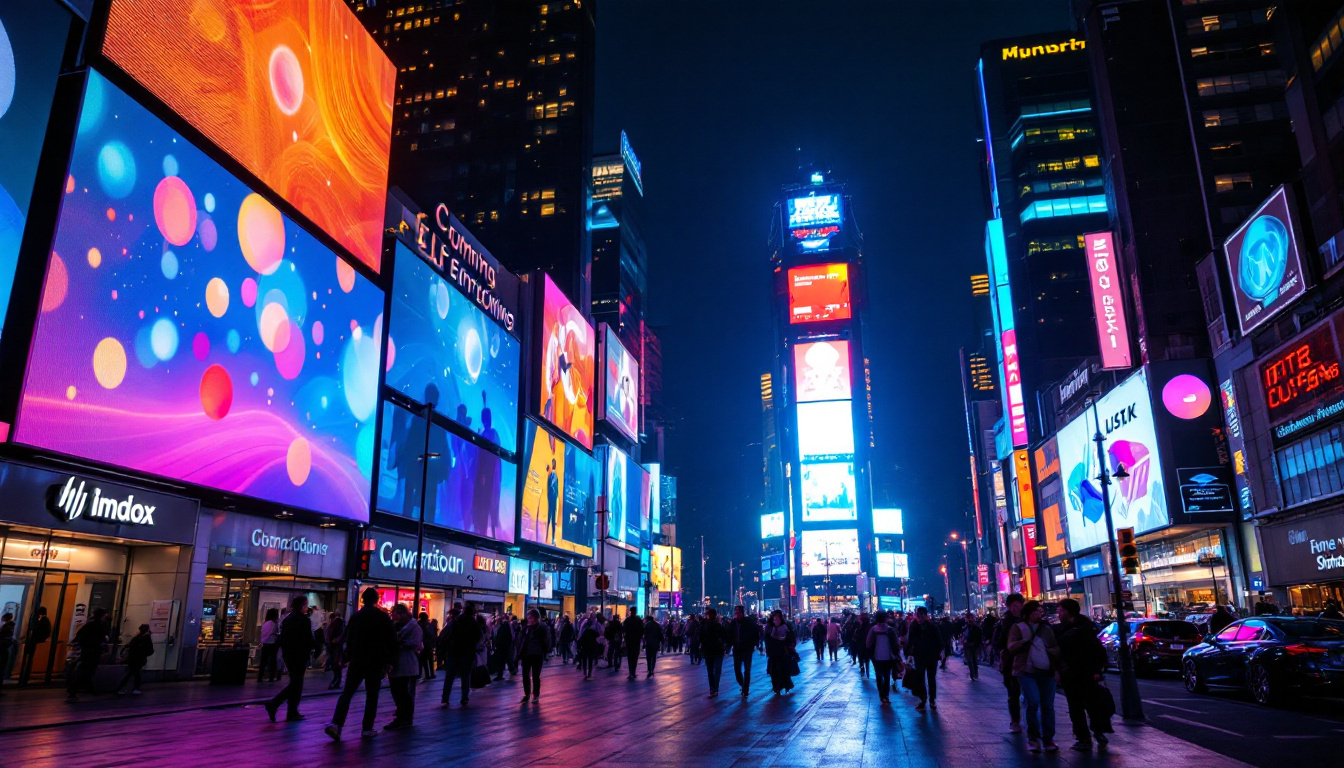
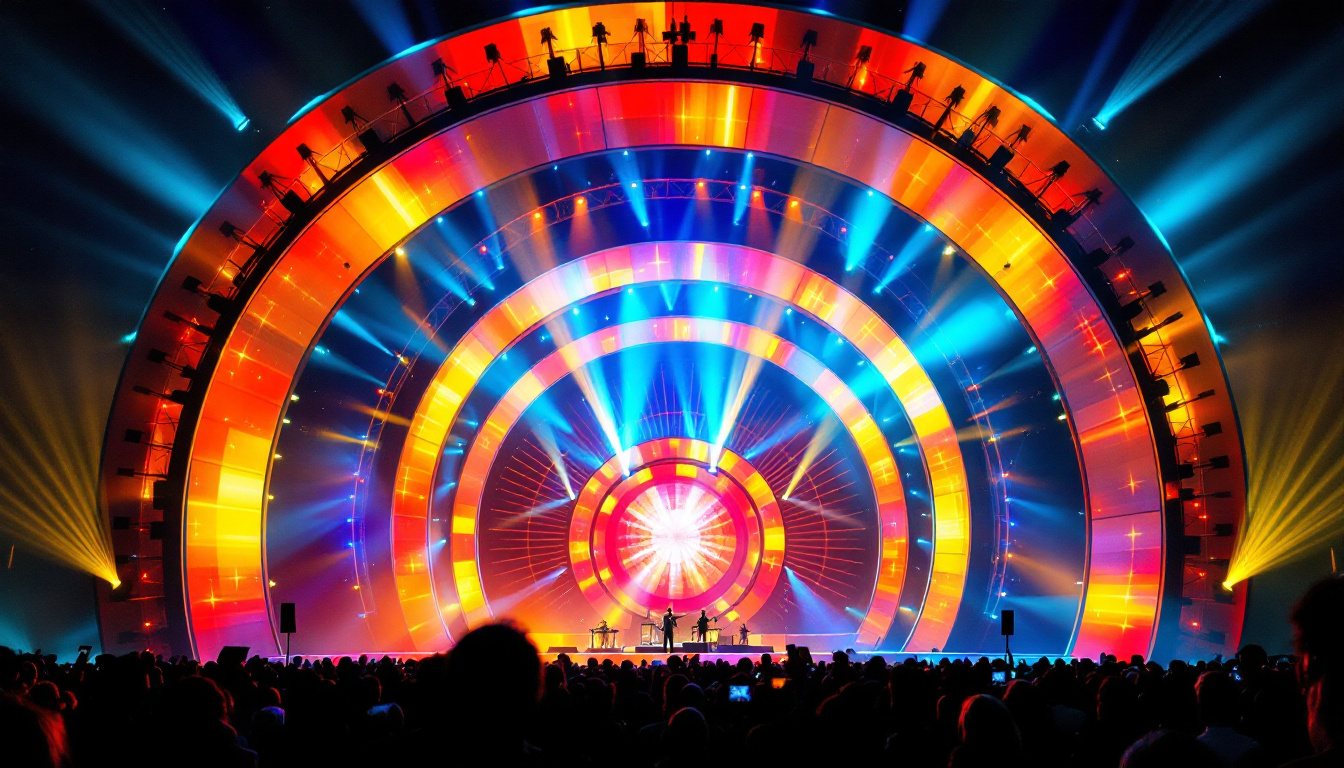
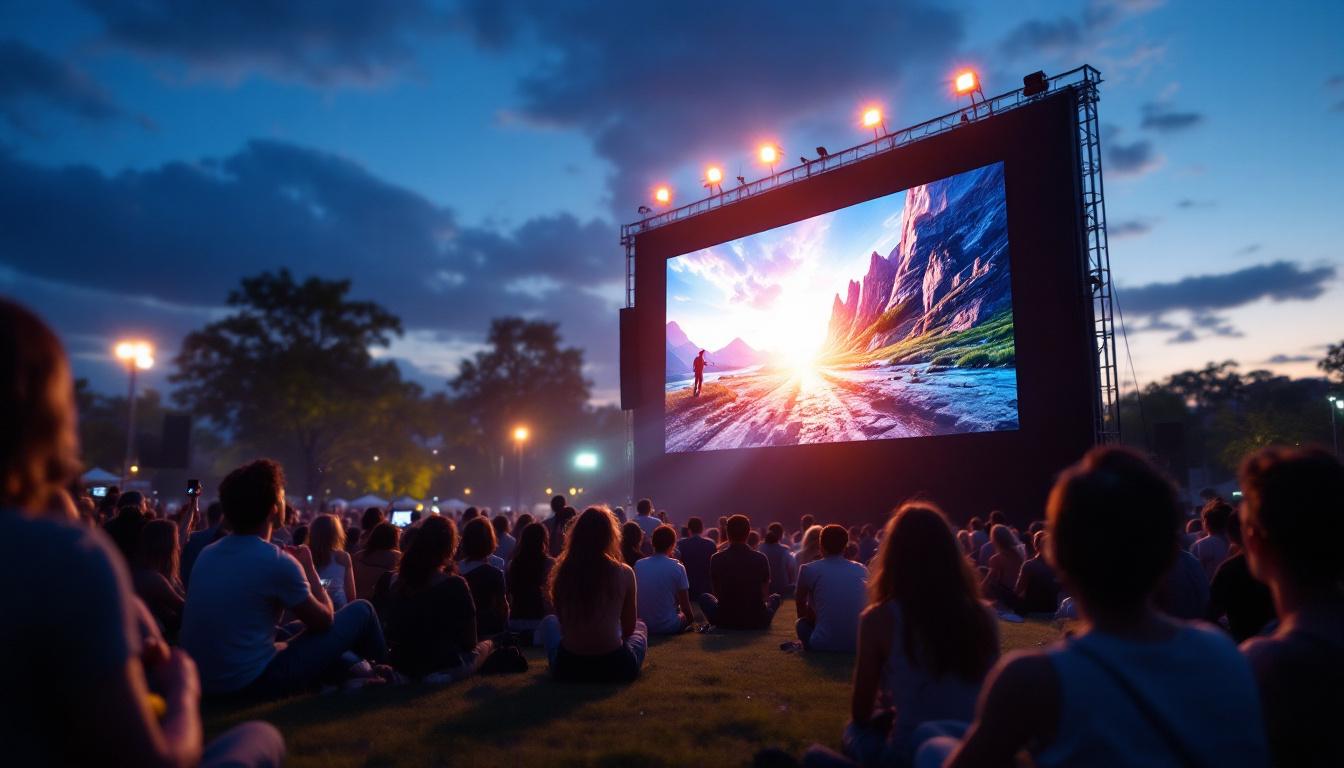
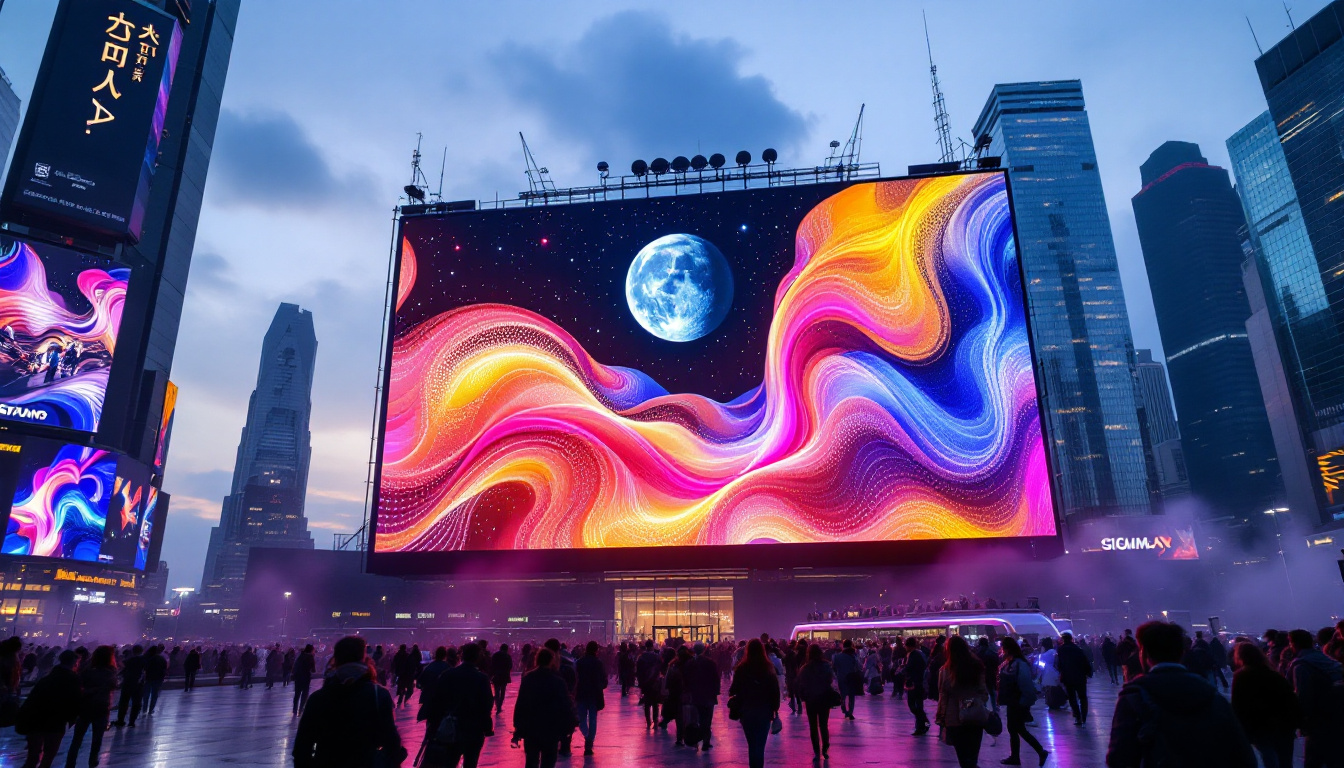
Beyond commercial and educational uses, interactive LED walls are increasingly common in public spaces such as airports, train stations, and city squares. They serve as dynamic information hubs, providing real-time updates on schedules, weather, or news. Additionally, these walls often double as interactive art installations or entertainment features during festivals and events.
For example, during the 2022 Winter Olympics, interactive LED walls were used in fan zones to engage visitors with live event data, athlete profiles, and interactive games, contributing to a richer spectator experience.
Benefits of Interactive LED Walls
Interactive LED walls offer numerous advantages that make them attractive investments for organizations seeking to enhance communication and engagement.
Enhanced Engagement and User Experience
Interactivity transforms passive viewers into active participants, increasing attention and emotional connection to the content. This heightened engagement can lead to better message retention and stronger brand loyalty in commercial contexts.
Flexibility and Customization
LED walls can be tailored to fit various sizes, shapes, and resolutions, accommodating unique architectural spaces and design requirements. Content can be updated instantly and remotely, allowing for timely and relevant messaging.
Durability and Energy Efficiency
Compared to traditional projection systems or LCD displays, LED walls are more durable and consume less power, resulting in lower maintenance and operational costs. Their brightness also ensures visibility even in brightly lit environments, expanding their usability.
Scalability
Interactive LED walls can be scaled from small installations to massive video walls spanning entire building facades. This scalability makes them suitable for a wide range of applications, from intimate retail displays to large public art projects.
Challenges and Considerations
Despite their many benefits, implementing interactive LED walls requires careful planning and consideration of potential challenges.
Initial Investment and Maintenance Costs
The upfront cost of high-quality LED panels, sensors, and control systems can be significant. Additionally, maintaining the hardware and software to ensure consistent performance may require specialized expertise.
Technical Complexity
Integrating interactivity involves sophisticated hardware and software coordination. Ensuring seamless user experiences demands thorough testing and ongoing updates, which can be resource-intensive.
Content Creation and Management
Producing engaging, interactive content tailored to the audience and context is critical. Organizations may need to invest in creative talent or partner with specialized agencies to maximize the impact of their interactive walls.
Environmental Factors
For outdoor installations, factors such as weather, ambient light, and vandalism must be addressed through robust design and protective measures.
Future Trends in Interactive LED Walls
As technology advances, interactive LED walls continue to evolve, promising even more immersive and intelligent experiences.
Integration with Artificial Intelligence and IoT
Future interactive walls are expected to leverage artificial intelligence (AI) to personalize content based on user behavior and preferences. Integration with the Internet of Things (IoT) will enable walls to interact with other smart devices, creating cohesive environments that respond dynamically to context.
Higher Resolution and Flexible Form Factors
Emerging microLED technology offers higher pixel density and improved color accuracy, enabling ultra-high-definition displays. Flexible and transparent LED panels will allow for innovative architectural applications, such as curved or see-through interactive walls.
Augmented Reality (AR) and Mixed Reality (MR) Integration
Combining LED walls with AR and MR technologies will blur the lines between physical and digital spaces, offering users enriched, multi-sensory experiences that extend beyond the screen.
Conclusion
Interactive LED walls represent a powerful convergence of display technology and user engagement tools. Their ability to deliver vibrant, customizable content while inviting active participation makes them invaluable across industries ranging from retail and corporate environments to education and public spaces.
While challenges such as cost and technical complexity exist, the benefits of enhanced engagement, scalability, and flexibility often outweigh these concerns. As innovations continue to emerge, interactive LED walls are poised to become even more integral to how people communicate, learn, and experience their surroundings.
For organizations considering adopting this technology, understanding the underlying components, applications, and future possibilities is essential to making informed decisions that maximize impact and return on investment.
Discover the Future of Interactive Displays with LumenMatrix
Ready to elevate your space with the latest in LED display technology? LumenMatrix is at the forefront of creating immersive environments that captivate and engage. From stunning Indoor and Outdoor LED Wall Displays to innovative solutions like Vehicle LED Displays, LED Posters, and Transparent Displays, we have the tools to transform your visual communication. Experience the power of our Custom LED Displays and see how our All-in-One solutions can bring your brand to life. Don’t just take our word for it; check out LumenMatrix LED Display Solutions today and join the revolution in interactive digital signage.