Watching movies at home has evolved dramatically over the past decade. With the rise of streaming services and affordable home theater equipment, many enthusiasts are looking beyond traditional TV screens to create a cinematic experience. One of the most popular options for this is using a projector to display movies directly on a wall. Among the various projector technologies available, LED projectors have gained significant attention for their unique advantages. This article explores the intricacies of LED display technology in projectors, helping you understand why it might be the perfect choice for your home movie setup.
Understanding LED Projector Technology
Projectors work by shining light through or reflecting it off an image source to display visuals on a surface, typically a wall or screen. Traditional projectors often use lamps or lasers as their light source, but LED projectors utilize light-emitting diodes (LEDs) to produce the required illumination.
LED projectors differ from conventional lamp-based projectors in several key ways. Instead of a single high-intensity bulb, they use arrays of red, green, and blue LEDs to generate light. This approach offers benefits in terms of energy efficiency, color accuracy, and lifespan.
How LED Displays Work in Projectors
In an LED projector, the light emitted by the LEDs passes through a series of optical components, including lenses and digital micromirror devices (DMD) or liquid crystal on silicon (LCoS) chips, which modulate the light to form the image. The combination of red, green, and blue LEDs allows the projector to produce a wide color gamut, resulting in vibrant and accurate colors on the projected image.
Unlike traditional lamps that require warm-up time, LEDs reach full brightness almost instantly. This rapid response is ideal for users who want a quick and hassle-free movie experience. Additionally, LED projectors often incorporate advanced features such as dynamic contrast ratios and enhanced brightness levels, which further improve the viewing experience in various lighting conditions. This adaptability makes them suitable for both home theaters and professional presentations.
Advantages of LED Projectors Over Traditional Lamps
One of the most compelling advantages of LED projectors is their longevity. While conventional projector lamps generally last between 2,000 to 5,000 hours, LED light sources can last upwards of 20,000 to 30,000 hours. This means less frequent replacements and lower maintenance costs.
Furthermore, LED projectors consume less power, making them more energy-efficient and environmentally friendly. Their compact size and lower heat output also allow for smaller, quieter projector designs, enhancing user comfort during movie sessions. This compactness is particularly beneficial for portable projectors, which can be easily transported for outdoor movie nights or business presentations. Additionally, many LED projectors come equipped with built-in speakers and wireless connectivity options, allowing for a seamless integration with various devices, further enhancing their versatility and user-friendliness.
Why Choose a Projector for Movies on a Wall?
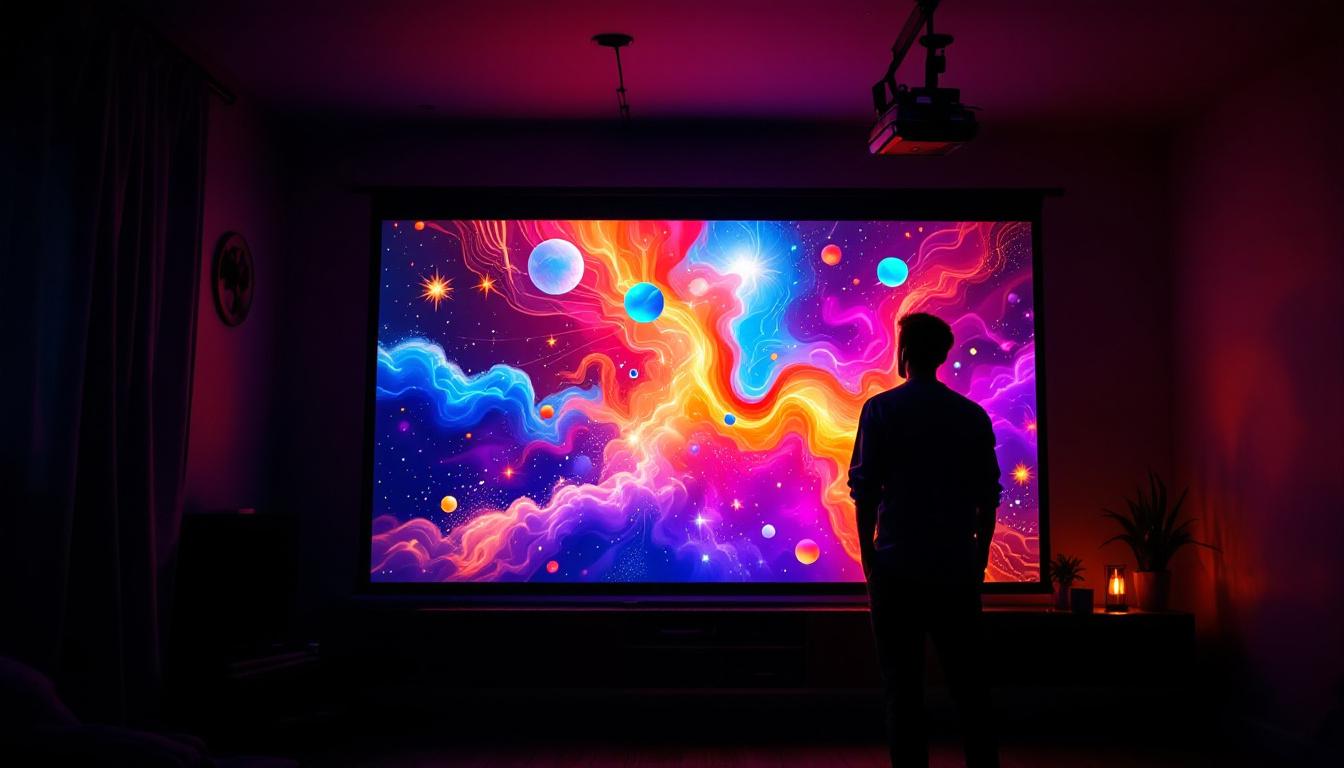
Using a projector to display movies on a wall offers a unique set of benefits that traditional televisions cannot match. For many movie lovers, the immersive experience of a large projected image is a key factor.
Creating a Cinematic Experience at Home
Projectors can easily scale the image size to 100 inches or more, far exceeding the size of most consumer TVs. This large display size mimics the feel of a movie theater, making it ideal for family movie nights, parties, or even casual viewing.
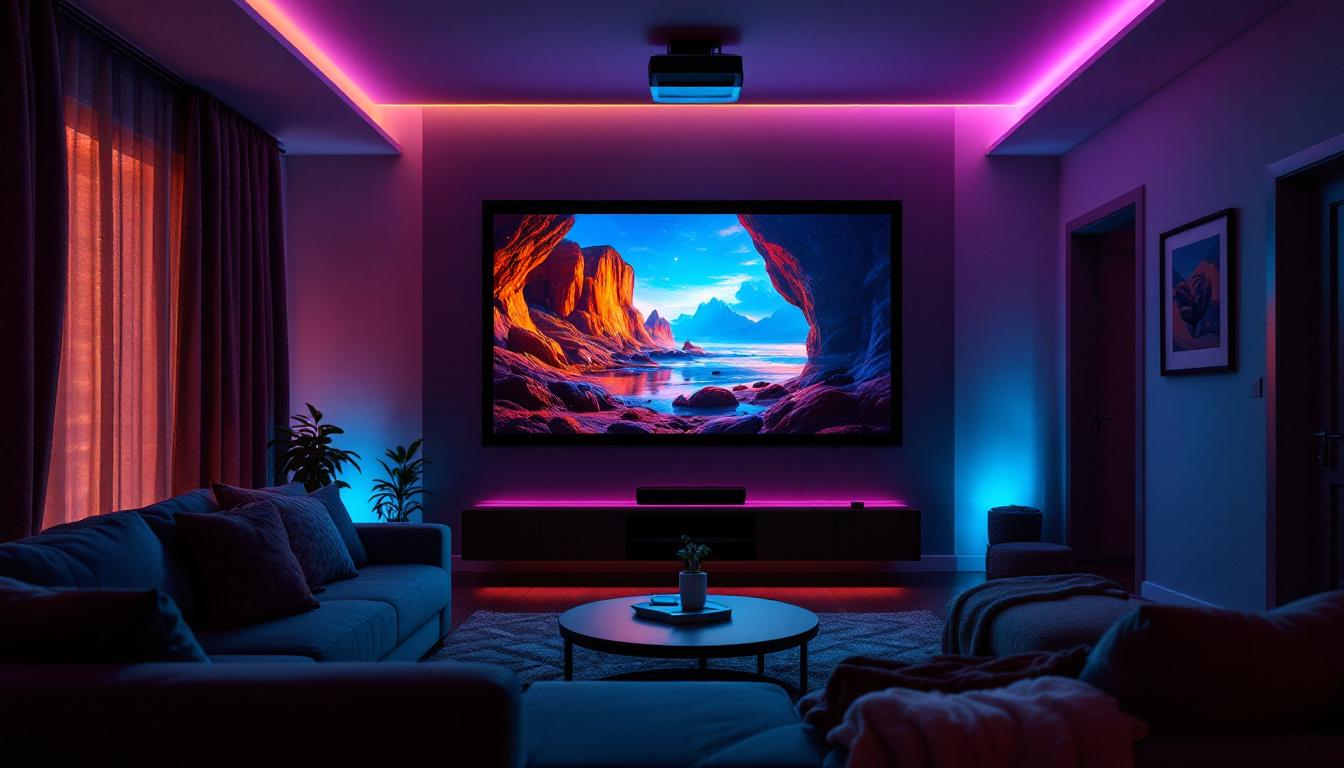
Moreover, projecting onto a plain wall or a dedicated projector screen allows for flexibility in placement and setup. You can transform any room into a home theater without the need for bulky furniture or expensive TV stands. The ambiance can be enhanced with dimmable lights or blackout curtains, creating the perfect environment for a cinematic experience. Imagine the excitement of gathering friends and family to enjoy a blockbuster film under the stars in your backyard, with a projector turning your outdoor space into a magical movie venue.
Cost-Effectiveness and Space Efficiency
While large-screen TVs can be prohibitively expensive, projectors often provide a more affordable way to enjoy big-screen entertainment. LED projectors, in particular, offer a balance between price and performance, making them accessible to a wide range of consumers.
Additionally, projectors take up minimal space and can be mounted on ceilings or placed on shelves, freeing up valuable floor area. This is especially beneficial for smaller living spaces where a large TV might not be practical. The ability to easily move or adjust a projector means that you can adapt your setup for different occasions, whether it’s a movie marathon, a gaming night, or even a presentation for work. This adaptability also extends to the technology itself, as many projectors now come equipped with smart features, allowing you to stream content directly from popular services without the need for additional devices.
Flexibility in Viewing Surfaces
Projectors can display images on various surfaces, including painted walls, projector screens, and even ceilings. This versatility allows users to customize their viewing environment based on room layout and personal preferences.
Some modern LED projectors also support short-throw or ultra-short-throw projection, enabling large images to be cast from a very short distance. This feature is perfect for rooms where space is limited or where wall placement options are constrained. Additionally, many projectors now offer features such as keystone correction and lens shift, which allow for easy adjustments to the image, ensuring that you can achieve the best possible picture quality no matter the setup. With advancements in technology, some projectors even provide 4K resolution and HDR capabilities, elevating your viewing experience to new heights and making every movie night feel like a special event.
Key Features to Consider When Choosing an LED Projector
Not all LED projectors are created equal. When selecting a projector for movies on a wall, several important specifications and features should be evaluated to ensure the best viewing experience.
Brightness (Lumens)
Brightness is measured in lumens and indicates how much light the projector emits. For home movie viewing in dim or dark rooms, a projector with 1,000 to 2,000 lumens is usually sufficient. However, if the room has ambient light or if you plan to watch during the day, higher brightness levels may be necessary to maintain image clarity.
Resolution
Resolution determines the sharpness and detail of the projected image. Full HD (1920×1080 pixels) is the standard for most movie content and provides excellent picture quality. For those seeking even higher fidelity, 4K resolution projectors are available, though they tend to be more expensive.
Contrast Ratio
The contrast ratio measures the difference between the darkest blacks and the brightest whites a projector can display. A higher contrast ratio contributes to more vivid images with better depth and detail, especially in scenes with varied lighting.
Color Accuracy and Gamut
Since LED projectors use red, green, and blue LEDs as their light source, they often deliver superior color accuracy compared to lamp-based projectors. Look for projectors that support wide color gamuts such as Rec. 709 or DCI-P3 standards to ensure vibrant, lifelike colors.
Connectivity Options
Modern projectors come equipped with various input options, including HDMI, USB, and wireless connectivity. These features allow seamless connection to streaming devices, laptops, gaming consoles, and smartphones, expanding the projector’s versatility.
Portability and Noise Levels
Consider the projector’s size and weight if you plan to move it between rooms or take it outdoors. Additionally, LED projectors typically generate less heat and noise compared to lamp projectors, but checking fan noise levels can improve the overall movie-watching experience.
Setting Up Your LED Projector for Optimal Movie Viewing
Proper setup is crucial to maximize the performance of your LED projector and enjoy the best possible movie experience on your wall.
Choosing the Right Wall or Screen
A smooth, light-colored wall is ideal for projecting movies. Walls painted with matte white or light gray paint provide good reflectivity without causing glare. If possible, investing in a dedicated projector screen can enhance image quality by offering a uniform surface designed specifically for projection.
Controlling Ambient Light
Ambient light can wash out the projected image, reducing contrast and color vibrancy. To counter this, use blackout curtains or dim the lights in the room during viewing. Some LED projectors with higher brightness ratings can perform well even in moderately lit environments, but controlling light is always beneficial.
Positioning the Projector
Place the projector at the appropriate distance from the wall to achieve the desired image size. Many projectors provide throw distance calculators or charts to help with this. Using a tripod or ceiling mount can help stabilize the projector and maintain alignment.
Adjusting Image Settings
Most projectors allow you to tweak settings such as brightness, contrast, color temperature, and sharpness. Experimenting with these options can tailor the image to your room’s lighting conditions and personal preferences.
Popular LED Projectors for Home Movie Enthusiasts
Several LED projectors have gained popularity for their performance, reliability, and value. Here are a few notable options that cater to different budgets and needs:
BenQ GV30 Portable LED Projector
The BenQ GV30 is a compact, portable LED projector that delivers 720p resolution with 300 lumens of brightness. It features a built-in speaker and supports wireless streaming, making it ideal for casual movie nights both indoors and outdoors.
ViewSonic M2 Full HD LED Projector
The ViewSonic M2 offers Full HD resolution with 1,200 lumens and supports HDR content. Its LED light source provides vibrant colors and long life, while its smart connectivity options allow easy access to streaming apps.
LG CineBeam PF50KA
LG’s CineBeam PF50KA is a versatile LED projector with Full HD resolution and 600 lumens brightness. It includes smart TV functionality and a rechargeable battery, making it a great choice for flexible home entertainment setups.
Conclusion: Is an LED Projector Right for Your Home Movie Setup?
LED projectors represent a compelling option for anyone looking to elevate their home movie experience. Their advantages in longevity, color accuracy, energy efficiency, and compact design make them well-suited for projecting movies on a wall.
When selecting an LED projector, consider factors such as brightness, resolution, contrast, and connectivity to ensure it meets your specific needs. Proper setup, including choosing the right wall and controlling ambient light, will further enhance your viewing pleasure.
Ultimately, an LED projector can transform your living space into a personal cinema, offering immersive visuals and the flexibility to enjoy movies on a grand scale without the cost and space requirements of large TVs.
Discover the Future of Home Cinema with LumenMatrix
Ready to take your home movie experience to the next level? LumenMatrix is at the forefront of LED display innovation, offering a diverse range of solutions that bring your favorite films to life with unparalleled clarity and vibrancy. From the comfort of your living room to the great outdoors, our Indoor and Outdoor LED Wall Displays, along with specialized options like Vehicle and Floor LED Displays, ensure that every scene captivates and immerses you in cinematic splendor. Embrace the future of visual storytelling with LumenMatrix’s cutting-edge technology. Check out LumenMatrix LED Display Solutions today and transform your space into a dynamic visual spectacle.