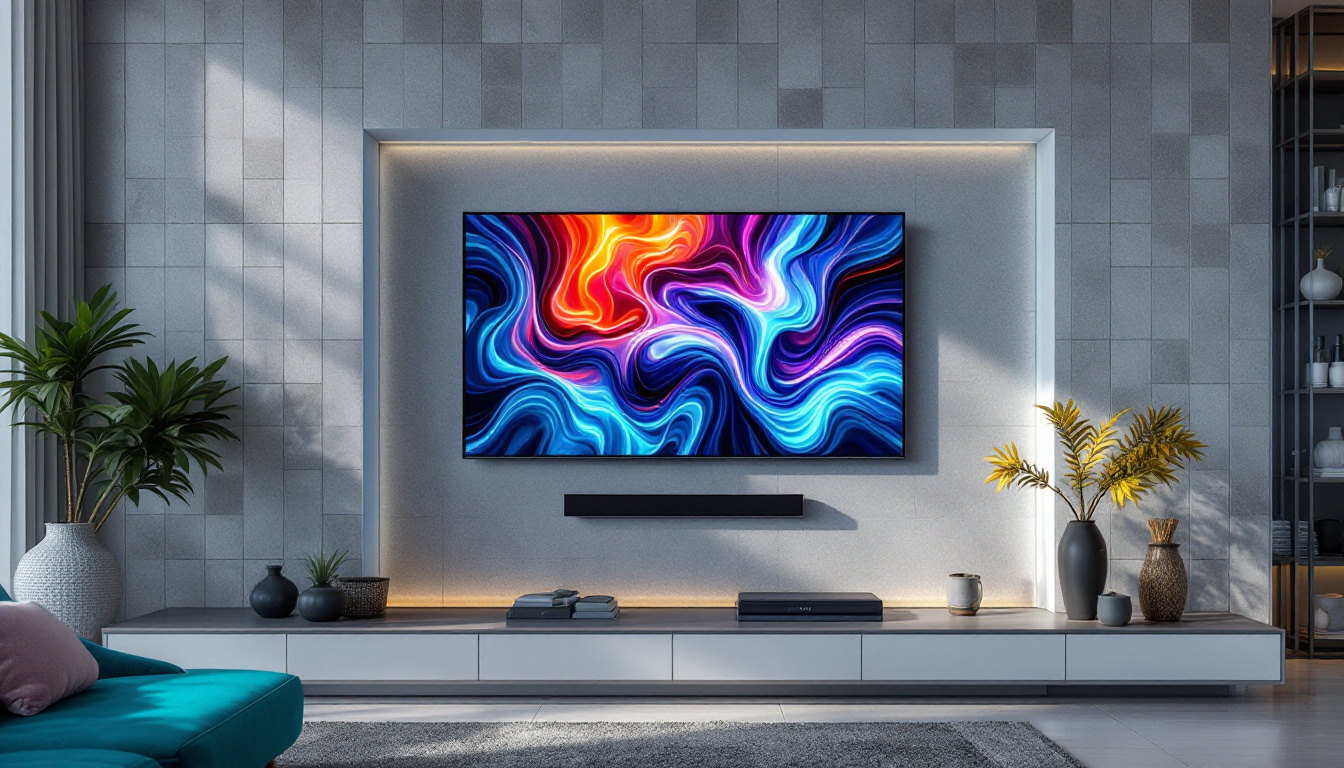
In the evolving world of display technology, LED lights for monitors have become a cornerstone of modern visual experiences. Whether for gaming, professional work, or everyday use, understanding how LED displays function can help consumers make informed decisions and appreciate the technology behind their screens. This article delves into the fundamentals of LED monitor technology, its advantages, types, and practical considerations to help you navigate the market with confidence.
Understanding LED Technology in Monitors
LED stands for Light Emitting Diode, a semiconductor device that emits light when an electric current passes through it. In the context of monitors, LEDs serve as the backlighting source for LCD (Liquid Crystal Display) panels. Unlike older CCFL (Cold Cathode Fluorescent Lamp) backlights, LEDs offer greater efficiency, brightness, and color accuracy.
It’s important to clarify a common misconception: LED monitors are not fundamentally different from LCD monitors. Instead, they are LCD screens that use LED backlighting instead of fluorescent lamps. This distinction matters because the display technology that controls pixel color and image formation remains LCD, while the illumination method has shifted to LEDs, enhancing performance significantly.
How LED Backlighting Works
In an LED-backlit LCD monitor, the liquid crystals themselves do not emit light. Instead, the LED backlight shines through the LCD panel, which manipulates the light to create images. The LEDs can be arranged in different configurations, affecting the monitor’s brightness uniformity and contrast capabilities.
Two primary LED backlighting arrangements exist: edge-lit and full-array. Edge-lit LEDs are positioned along the edges of the screen, allowing for thinner designs but sometimes resulting in uneven brightness. Full-array LED backlighting places LEDs directly behind the screen, enabling better local dimming control and superior contrast ratios.
Another significant aspect of LED technology is its impact on energy consumption and environmental sustainability. LED monitors consume considerably less power compared to their CCFL counterparts, which not only reduces electricity bills but also lowers carbon footprints. This energy efficiency is particularly beneficial in settings where multiple monitors are used, such as offices or gaming setups, where prolonged usage can lead to substantial energy savings. Furthermore, many manufacturers are now adopting eco-friendly practices in the production of LED monitors, using recyclable materials and reducing hazardous substances, contributing to a more sustainable electronics industry.
Moreover, the advancements in LED technology have led to the development of features such as HDR (High Dynamic Range), which significantly enhances the viewing experience. HDR allows for a broader range of colors and improved contrast, making images appear more lifelike and vibrant. This technology is particularly advantageous for graphic designers, photographers, and gamers who require accurate color representation and detail in dark and bright areas of the screen. As the demand for high-quality visuals continues to grow, the integration of HDR in LED monitors is becoming increasingly common, pushing the boundaries of what users can expect from their display technology.
Types of LED Displays for Monitors
The term “LED display” can sometimes cause confusion because it refers to various technologies. It’s helpful to distinguish between the types of LED-based monitors available on the market.
LED-Backlit LCD Monitors
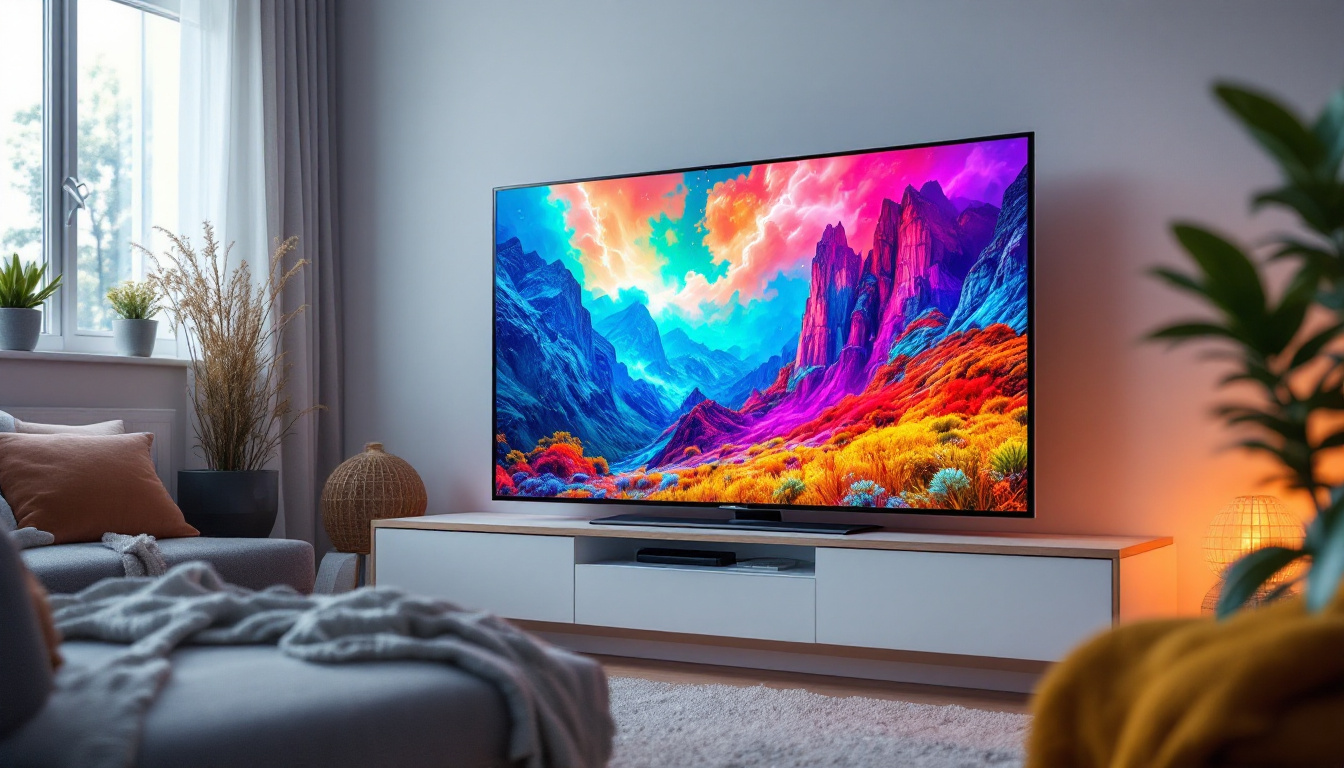
As mentioned, the most common LED monitors are LCD panels with LED backlighting. These displays benefit from improved energy efficiency, slimmer profiles, and better color reproduction compared to older fluorescent-backlit LCDs. They are widely used in consumer electronics, from desktop monitors to laptops and televisions. The advancements in LED technology have also led to features like higher refresh rates and better response times, making them suitable for gaming and professional use. Additionally, many manufacturers now offer models with enhanced color gamuts, allowing for more vibrant and true-to-life images, which is particularly beneficial for graphic designers and photographers who rely on accurate color representation.
OLED Monitors
Organic Light Emitting Diode (OLED) technology differs fundamentally from LED-backlit LCDs. OLED pixels emit their own light individually, allowing for true blacks and exceptional contrast ratios. While OLED monitors are still relatively rare and expensive compared to LED-backlit LCDs, they represent a significant advancement in display technology, especially for professionals requiring color accuracy and deep contrast. Furthermore, OLED displays are known for their wide viewing angles, making them ideal for collaborative work environments where multiple people may be viewing the screen simultaneously. As the technology matures, we are seeing more affordable OLED options entering the market, which could democratize access to this superior display quality for everyday consumers.
Mini-LED and Micro-LED Displays
Recent innovations include Mini-LED and Micro-LED technologies, which use thousands of tiny LEDs to provide local dimming with unprecedented precision. Mini-LED displays offer improved contrast and brightness over traditional LED-backlit LCDs without the high cost of OLED. Micro-LED, still in early stages for consumer monitors, promises even greater brightness, efficiency, and lifespan. These technologies not only enhance the visual experience but also contribute to lower energy consumption, making them more environmentally friendly. As manufacturers continue to refine these technologies, we can expect to see more applications in various fields, including virtual reality and augmented reality, where high dynamic range and color accuracy are paramount. The potential for modular designs in Micro-LED displays also opens up exciting possibilities for custom screen sizes and shapes, catering to the unique needs of different users and industries.
Advantages of LED Monitors
LED technology has transformed monitor design and performance, bringing several compelling benefits that appeal to a broad range of users.
Energy Efficiency and Environmental Impact
LED backlighting consumes less power than CCFL backlights, contributing to lower electricity bills and reduced environmental impact. Studies have shown that LED-backlit monitors can use up to 40% less energy, making them a greener choice for both homes and offices.
Improved Brightness and Color Accuracy
LEDs can produce brighter light and a wider color gamut, resulting in more vivid and accurate images. This is particularly important for graphic designers, photographers, and video editors who rely on precise color representation. Many modern LED monitors support standards like sRGB, Adobe RGB, and DCI-P3, catering to professional needs.
Slimmer Designs and Enhanced Durability
Because LEDs are smaller and more flexible than fluorescent tubes, manufacturers can create thinner and lighter monitors. This makes LED monitors more aesthetically pleasing and easier to integrate into various workspaces. Additionally, LEDs have longer lifespans and are less prone to breakage, enhancing the monitor’s durability.
Faster Response Times and Better Refresh Rates
LED-backlit monitors often feature faster response times than older technologies, reducing motion blur and ghosting in fast-moving images. This is a critical advantage for gamers and video professionals who demand smooth, clear visuals during rapid action sequences.
Considerations When Choosing an LED Monitor
Selecting the right LED monitor involves more than just opting for the latest model. Understanding key specifications and features ensures the monitor fits your specific needs.
Resolution and Screen Size
Resolution determines the clarity and detail of images on the screen. Common resolutions include Full HD (1920×1080), Quad HD (2560×1440), and 4K Ultra HD (3840×2160). Larger screens benefit from higher resolutions to maintain sharpness. For example, a 27-inch monitor with 4K resolution offers a crisp display ideal for professional editing and multitasking.
Panel Type
The type of LCD panel—IPS, TN, or VA—affects color accuracy, viewing angles, and response times. IPS (In-Plane Switching) panels are favored for their superior color reproduction and wide viewing angles, making them ideal for creative work. TN (Twisted Nematic) panels offer faster response times but poorer color performance, often preferred by competitive gamers. VA (Vertical Alignment) panels provide better contrast ratios, suitable for watching movies and general use.
Refresh Rate and Response Time
Refresh rate, measured in Hertz (Hz), indicates how many times per second the screen updates. Higher refresh rates (120Hz, 144Hz, or even 240Hz) provide smoother motion, essential for gaming and video playback. Response time measures how quickly pixels change color, with lower times reducing motion blur. A response time of 1-5 milliseconds is typical for gaming monitors.
Connectivity and Additional Features
Modern LED monitors come with various input options, including HDMI, DisplayPort, USB-C, and legacy VGA or DVI ports. USB hubs, built-in speakers, adjustable stands, and blue light filters are additional features that enhance usability and comfort.
LED Lighting Beyond Backlighting: Ambient and Bias Lighting
LED technology is not limited to the internal backlighting of monitors. Many users enhance their viewing experience with external LED lighting solutions.
Ambient LED Lighting for Eye Comfort
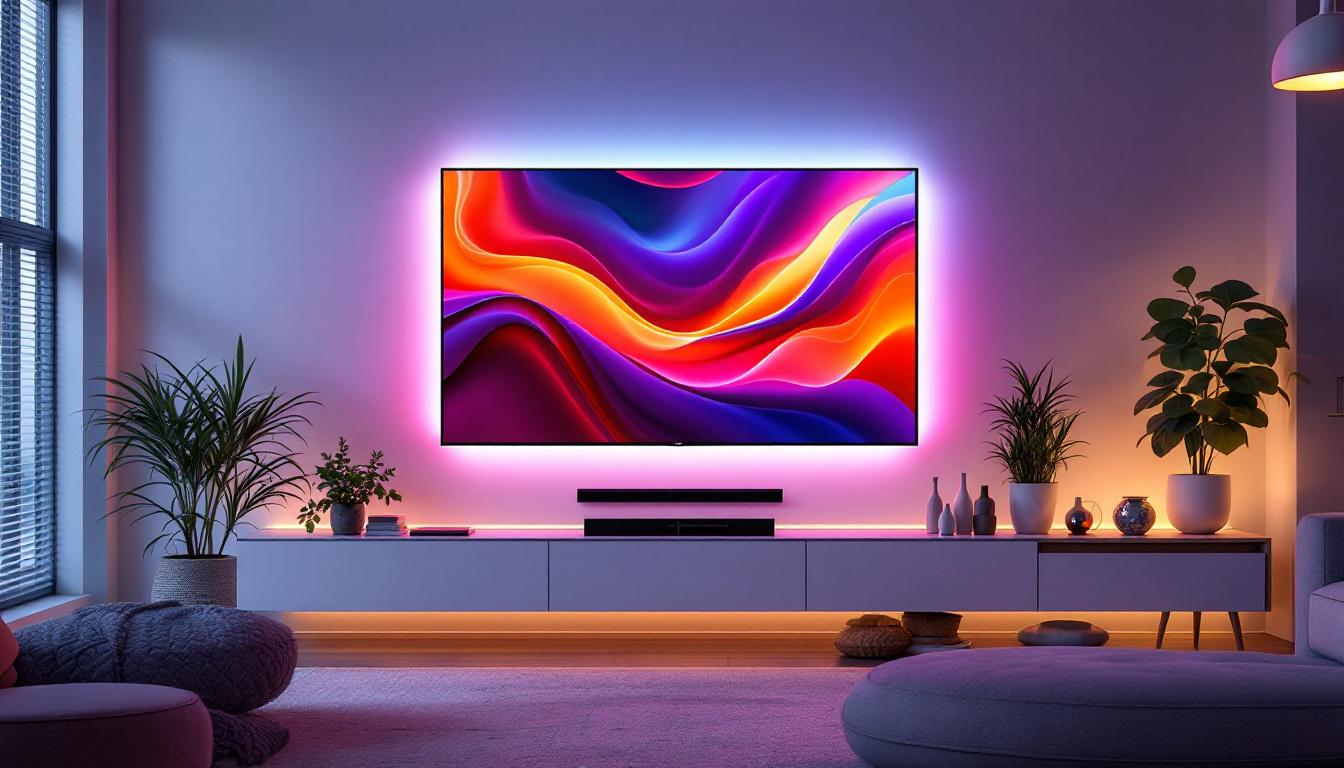
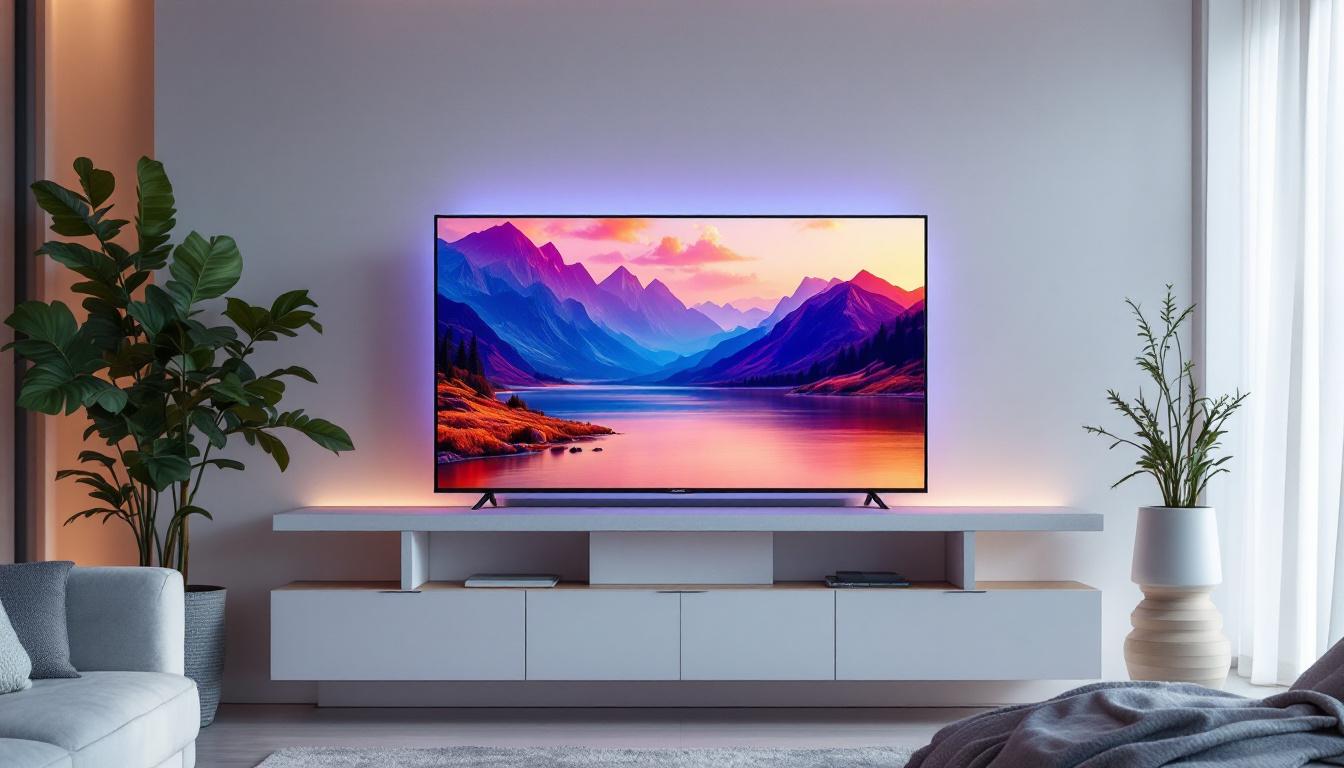
Bias lighting involves placing LED lights behind the monitor to create a soft glow on the wall. This reduces eye strain by balancing the brightness between the screen and the surrounding environment. Studies have shown that bias lighting can improve perceived contrast and reduce fatigue during extended screen use.
RGB LED Lighting for Aesthetics and Immersion
Gamers and streamers often use RGB LED strips around their monitors to create dynamic lighting effects that sync with on-screen content. This not only enhances aesthetics but can also improve immersion during gameplay or media consumption.
Future Trends in LED Monitor Technology
The LED monitor landscape continues to evolve rapidly, with several exciting developments on the horizon.
Advancements in Mini-LED and Micro-LED
As Mini-LED technology becomes more affordable, it is expected to replace traditional LED backlighting in high-end monitors, offering better contrast and HDR performance. Micro-LED, with its self-emissive pixels, promises to combine the best qualities of OLED and LED displays without the drawbacks like burn-in or limited lifespan.
Integration of AI and Smart Features
Artificial intelligence is being integrated into monitors to optimize display settings automatically based on ambient lighting and content type. This enhances user experience by delivering the best possible image quality without manual adjustments.
Improved Sustainability and Recycling
Manufacturers are increasingly focusing on sustainable materials and recycling programs to reduce the environmental footprint of LED monitors. Energy-efficient designs and longer-lasting components contribute to greener technology adoption.
Conclusion
LED lights for monitors represent a significant advancement in display technology, combining efficiency, performance, and design flexibility. Understanding the distinctions between LED-backlit LCDs, OLEDs, and emerging Mini-LED and Micro-LED technologies helps consumers and professionals choose the right monitor for their needs. As innovations continue, LED displays will remain at the forefront of delivering vibrant, energy-efficient, and immersive visual experiences.
Whether upgrading a home office, enhancing a gaming setup, or investing in professional-grade equipment, LED technology offers a broad spectrum of options tailored to diverse requirements. Staying informed about the latest developments ensures that users can maximize the benefits of their monitors today and in the future.
Explore Cutting-Edge LED Displays with LumenMatrix
Ready to experience the future of visual technology? LumenMatrix is at the forefront of LED display innovation, offering a wide array of solutions that cater to any need—from Indoor and Outdoor LED Wall Displays to specialized options like Vehicle, Sports, and Floor LED Displays. Our mission is to transform your visual communication with displays that not only captivate and engage but also amplify your message with unparalleled clarity. Don’t miss out on the opportunity to elevate your space with our advanced LED display modules. Check out LumenMatrix LED Display Solutions today and see the difference for yourself.