Screen doors are a practical addition to many homes, providing ventilation while keeping insects and debris out. Over time, however, the mesh in these doors can become worn, torn, or outdated, prompting homeowners to consider replacement options. Interestingly, advances in technology have introduced LED displays as a novel alternative or complement to traditional screen door mesh. This article explores the process of replacing screen door mesh and delves into how LED display technology is revolutionizing this everyday home feature.
Understanding Screen Door Mesh: Purpose and Types
The primary function of screen door mesh is to allow airflow and natural light into a home while preventing insects, leaves, and other unwanted elements from entering. Traditional screen meshes are made from materials such as fiberglass, aluminum, stainless steel, or even pet-resistant fabrics. Each type has its own advantages and disadvantages in terms of durability, visibility, and cost.
Fiberglass mesh is the most common and affordable option, offering decent visibility and resistance to rust. Aluminum mesh is more durable but can dent or crease easily. Stainless steel mesh is highly durable and corrosion-resistant, making it ideal for harsh climates or homes with pets. Pet-resistant mesh is designed to withstand claws and scratches, extending the lifespan of the screen.
Choosing the right mesh depends on the homeowner’s priorities—whether it’s budget, durability, or aesthetics. However, regardless of the type, all traditional screen meshes eventually require replacement due to wear and tear.
When and Why to Replace Screen Door Mesh
Screen door mesh replacement is often necessary when the mesh becomes damaged or less effective. Common signs indicating the need for replacement include visible holes, tears, sagging, discoloration, or difficulty in keeping insects out. Additionally, some homeowners may want to upgrade their mesh to newer, more durable materials or to improve the door’s visual appeal.
According to the Home Improvement Research Institute, approximately 30% of homeowners replace their screen door mesh every 3 to 5 years, depending on environmental exposure and usage. Harsh weather conditions, pets, and frequent door use accelerate mesh deterioration.
Replacing the mesh not only restores the door’s functionality but can also enhance energy efficiency by improving ventilation and reducing the need for air conditioning. Moreover, a fresh screen door mesh can improve curb appeal, especially when the mesh is part of a decorative or modern door design.
Step-by-Step Guide to Replacing Screen Door Mesh
Materials and Tools Needed
Before starting the replacement process, gather the necessary materials and tools. These typically include:
- Replacement screen mesh (fiberglass, aluminum, or pet-resistant)
- Spline (the rubber or vinyl strip that holds the mesh in place)
- Spline roller tool
- Scissors or utility knife
- Flathead screwdriver or putty knife
- Measuring tape
- Gloves (optional for protection)
Removing the Old Mesh
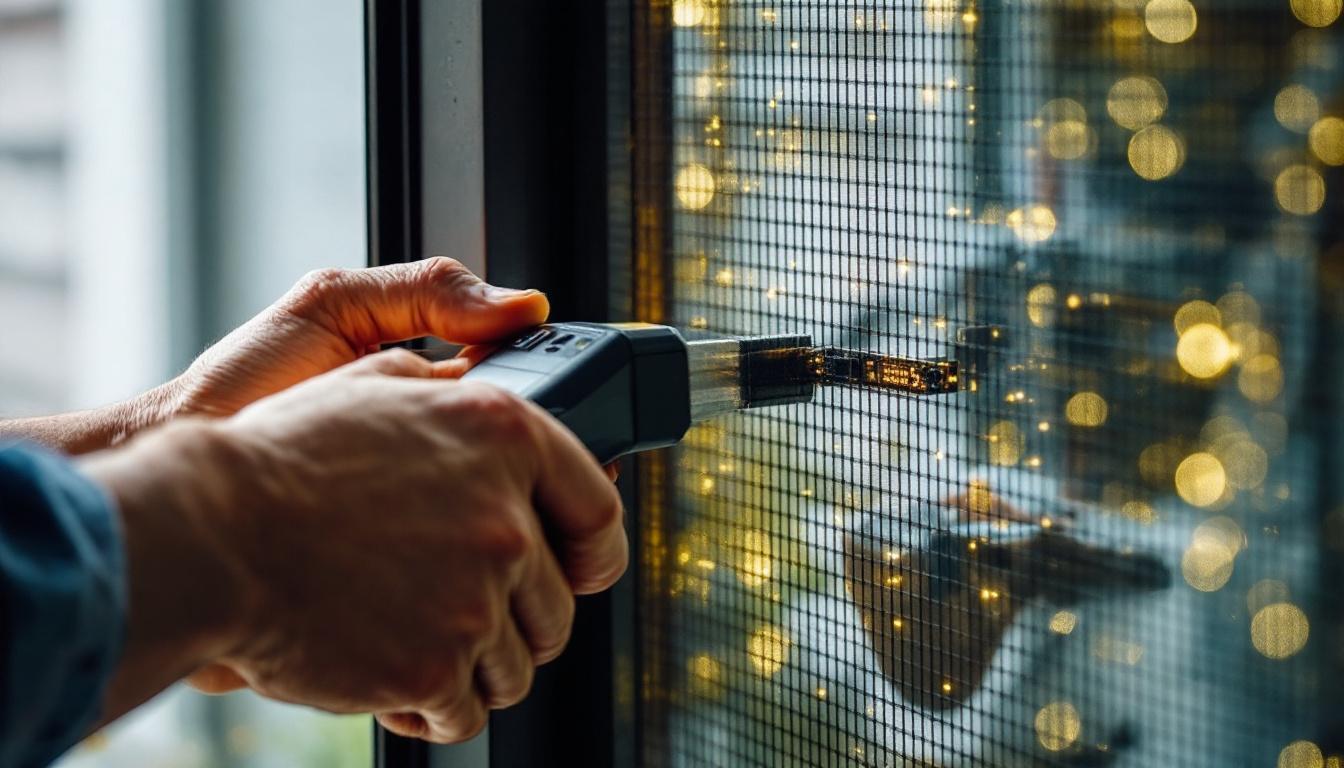
Start by removing the screen door from its frame and laying it flat on a clean surface. Use the flathead screwdriver or putty knife to pry out the old spline carefully. Once the spline is removed, the old mesh can be pulled away from the frame. Dispose of the old mesh responsibly.
Measuring and Cutting the New Mesh
Measure the dimensions of the screen door frame accurately. Cut the new mesh slightly larger than the frame to ensure full coverage. This extra mesh will be trimmed after installation.
Installing the New Mesh
Lay the new mesh over the frame, ensuring it is taut and wrinkle-free. Starting at one corner, press the spline into the groove over the mesh using the spline roller tool. Work your way around the frame, keeping the mesh tight but not overstretched. Once the spline is fully seated, trim the excess mesh along the edges with scissors or a utility knife.
Reinstalling the Screen Door
After the mesh is securely installed, reinstall the screen door onto its hinges. Test the door’s functionality and inspect the mesh for any loose areas or imperfections.
Innovations in Screen Door Technology: LED Displays
While traditional screen door mesh serves its purpose well, technological advancements have introduced innovative alternatives. One such development is the integration of LED display technology into screen doors. LED (Light Emitting Diode) displays are commonly used in advertising, signage, and home lighting, but their application in screen doors is a relatively new concept.
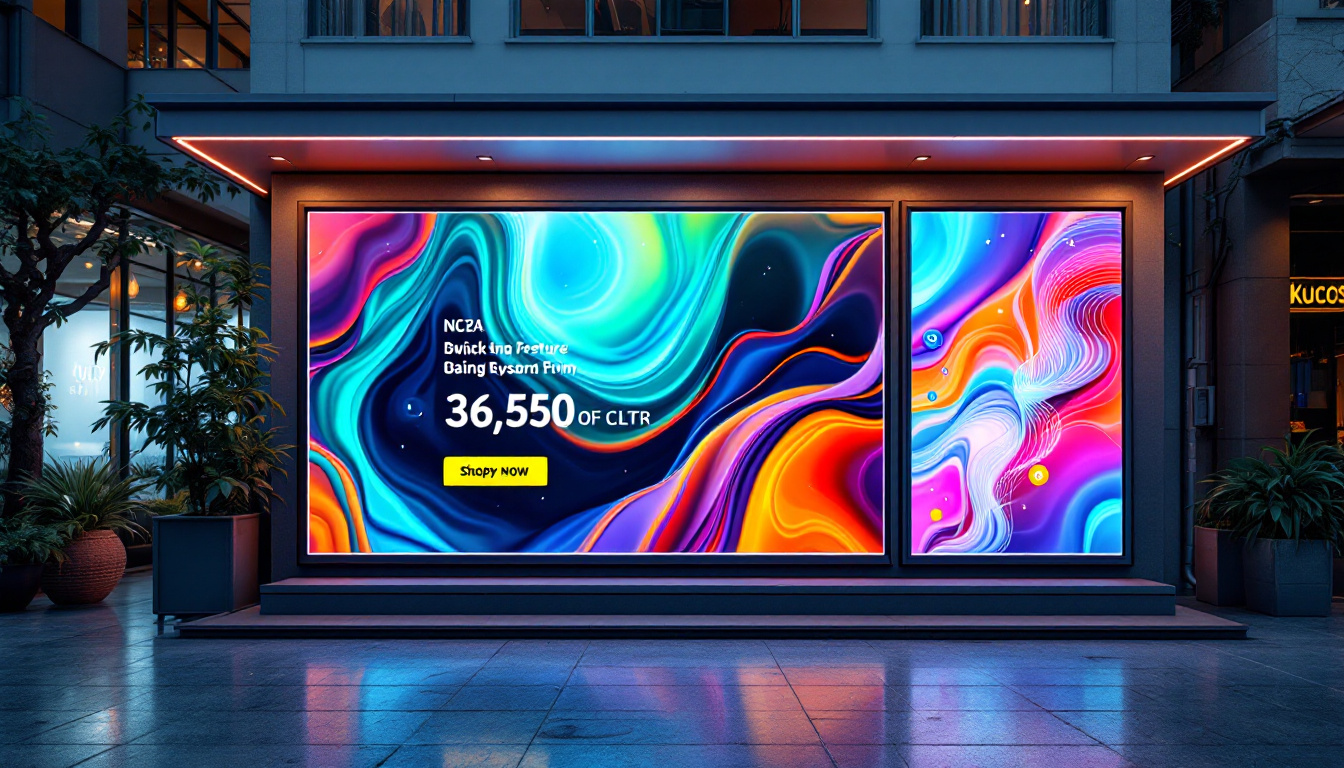
LED display screen doors combine the functionality of a traditional screen with dynamic visual capabilities. These doors can display customizable images, messages, or animations while still allowing airflow and visibility. This dual functionality opens up exciting possibilities for homeowners and businesses alike.
How LED Display Screen Doors Work
LED display screen doors consist of a mesh embedded with tiny LEDs arranged in a grid pattern. These LEDs can be individually controlled to emit light in various colors and intensities, creating images or text on the door’s surface. The mesh design ensures that the door remains breathable and transparent enough to maintain visibility.
The LED system is typically powered by a low-voltage source and controlled via a smartphone app or a dedicated control panel. Users can upload custom content, schedule displays, or adjust brightness levels depending on the time of day or ambient lighting conditions.
Some models also incorporate sensors to adjust display brightness automatically or to switch off the display when the door is closed, conserving energy and extending the lifespan of the LEDs.
Benefits of LED Display Screen Doors
Enhanced Aesthetics and Customization
LED display screen doors offer unparalleled customization options. Homeowners can personalize their entryways with seasonal greetings, welcome messages, or decorative patterns. Businesses can use these doors to display branding, promotions, or important announcements, turning an ordinary entrance into a dynamic marketing tool.
Increased Security and Visibility
Some LED screen doors incorporate security features such as motion detection lighting or integrated cameras. The illuminated display can deter intruders by giving the impression of an active, monitored entryway. Additionally, the bright LED lights improve visibility at night, reducing the risk of accidents or unwanted access.
Energy Efficiency and Durability
Modern LED technology is highly energy-efficient, consuming minimal power compared to traditional lighting. The LEDs used in screen doors are designed to withstand outdoor conditions, including moisture and temperature fluctuations, ensuring long-term durability.
Considerations and Challenges with LED Display Screen Doors
Despite their advantages, LED display screen doors come with certain considerations. The initial cost is significantly higher than traditional screen mesh replacement, which may deter some homeowners. Installation can be more complex, often requiring professional assistance to integrate power sources and control systems.
Maintenance is another factor; while LEDs are durable, they may require occasional servicing or software updates. Additionally, privacy concerns may arise if the display is visible from the outside, necessitating thoughtful content management.
Finally, the technology is still emerging, and widespread adoption may take time. Homeowners should weigh the benefits against the costs and practicalities before opting for an LED display screen door.
Comparing Traditional Mesh Replacement and LED Display Screen Doors
| Feature | Traditional Screen Mesh | LED Display Screen Door |
|---|---|---|
| Cost | Low to moderate (typically $10–$50 per replacement) | High (can range from $500 to $2,000+ depending on features) |
| Installation | DIY-friendly with basic tools | Professional installation recommended |
| Functionality | Allows airflow, blocks insects | Allows airflow, blocks insects, displays images/text |
| Durability | Varies by material; typically 3–5 years | High durability with weather-resistant LEDs |
| Customization | Limited to mesh type and color | Highly customizable digital content |
Future Trends in Screen Door Technology
The integration of LED displays into screen doors is part of a broader trend toward smart home technology and multifunctional design. Future developments may include:
- Interactive Displays: Touch-sensitive LED mesh allowing users to interact directly with the door for information or control.
- Energy Harvesting: Solar-powered LED screen doors that generate their own energy, reducing power consumption.
- Smart Home Integration: Seamless connectivity with home automation systems for synchronized lighting, security alerts, and remote control.
- Advanced Materials: Development of ultra-thin, flexible LED meshes that maintain transparency and airflow while enhancing display quality.
These innovations promise to transform the humble screen door from a simple barrier against insects into a dynamic, interactive element of the home environment.
Conclusion
Replacing screen door mesh is a routine home maintenance task that ensures comfort, ventilation, and protection from insects. Traditional mesh materials offer cost-effective and straightforward solutions for most homeowners. However, the advent of LED display screen doors introduces exciting new possibilities, combining functionality with digital customization and enhanced security features.
While LED screen doors currently represent a premium option, their benefits in aesthetics, interactivity, and smart home integration make them an intriguing choice for tech-savvy homeowners and businesses looking to make a statement. As technology advances and prices become more accessible, LED display screen doors may become a common feature in modern homes.
Ultimately, whether opting for a simple mesh replacement or investing in an LED display door, homeowners should consider their needs, budget, and long-term goals to select the best solution for their entryway.
Explore Cutting-Edge Screen Door Solutions with LumenMatrix
Ready to elevate your home or business with the latest in screen door technology? LumenMatrix, a pioneer in LED display innovation, offers an array of advanced solutions that go beyond traditional expectations. From captivating Indoor and Outdoor LED Wall Displays to dynamic Vehicle and Sports LED Displays, each product is designed to transform your space and engage your audience. Embrace the future with Custom LED Displays, All-in-One solutions, and even LED Transparent Displays that blend seamlessly into any environment. Don’t miss the opportunity to make a lasting impression. Check out LumenMatrix LED Display Solutions today and step into a world of vivid, interactive visual experiences.