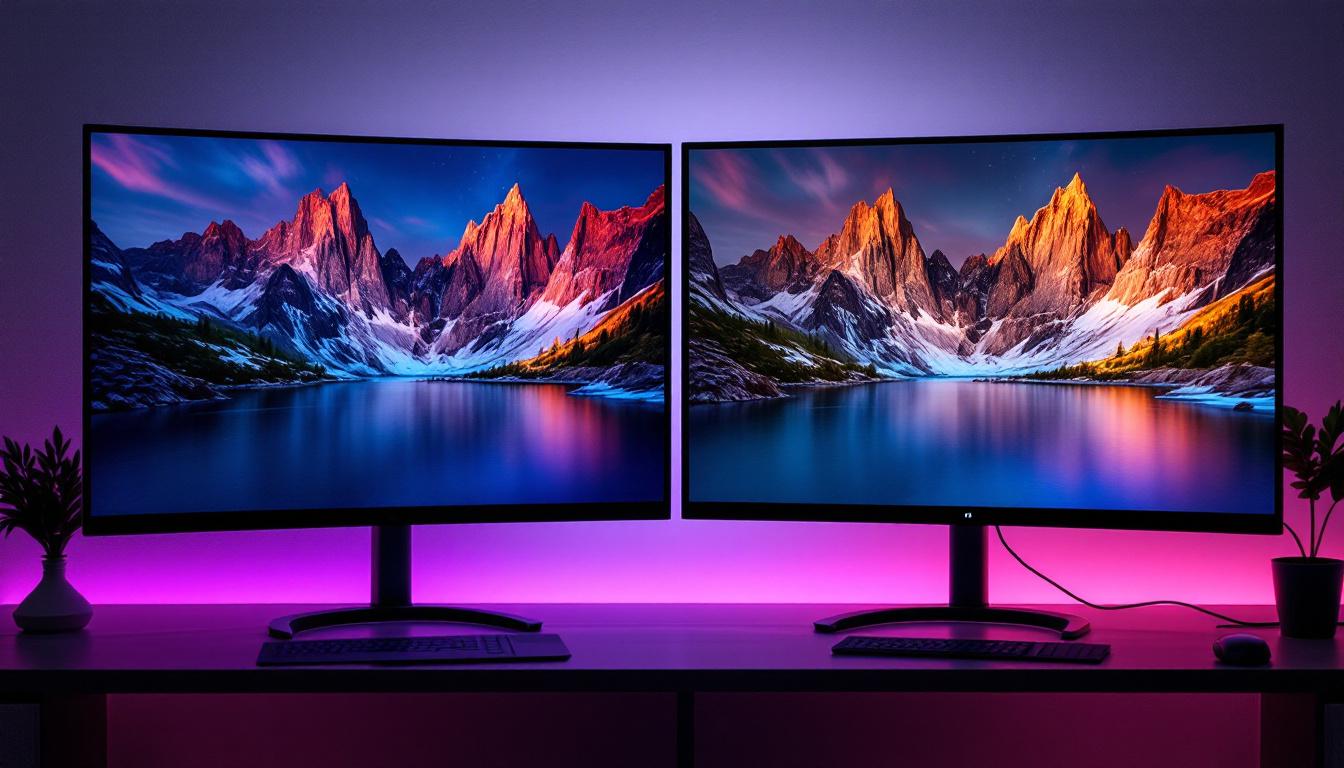
4K TV Pixels: LED Display Explained
In recent years, 4K TVs have become the standard for home entertainment, offering stunning visuals and immersive viewing experiences. However, understanding what makes a 4K TV truly exceptional requires a closer look at the technology behind the pixels and the LED display. This article dives deep into the world of 4K TV pixels and LED displays, explaining how they work, why they matter, and what consumers should consider when choosing their next television.
What Does 4K Mean in Terms of Pixels?
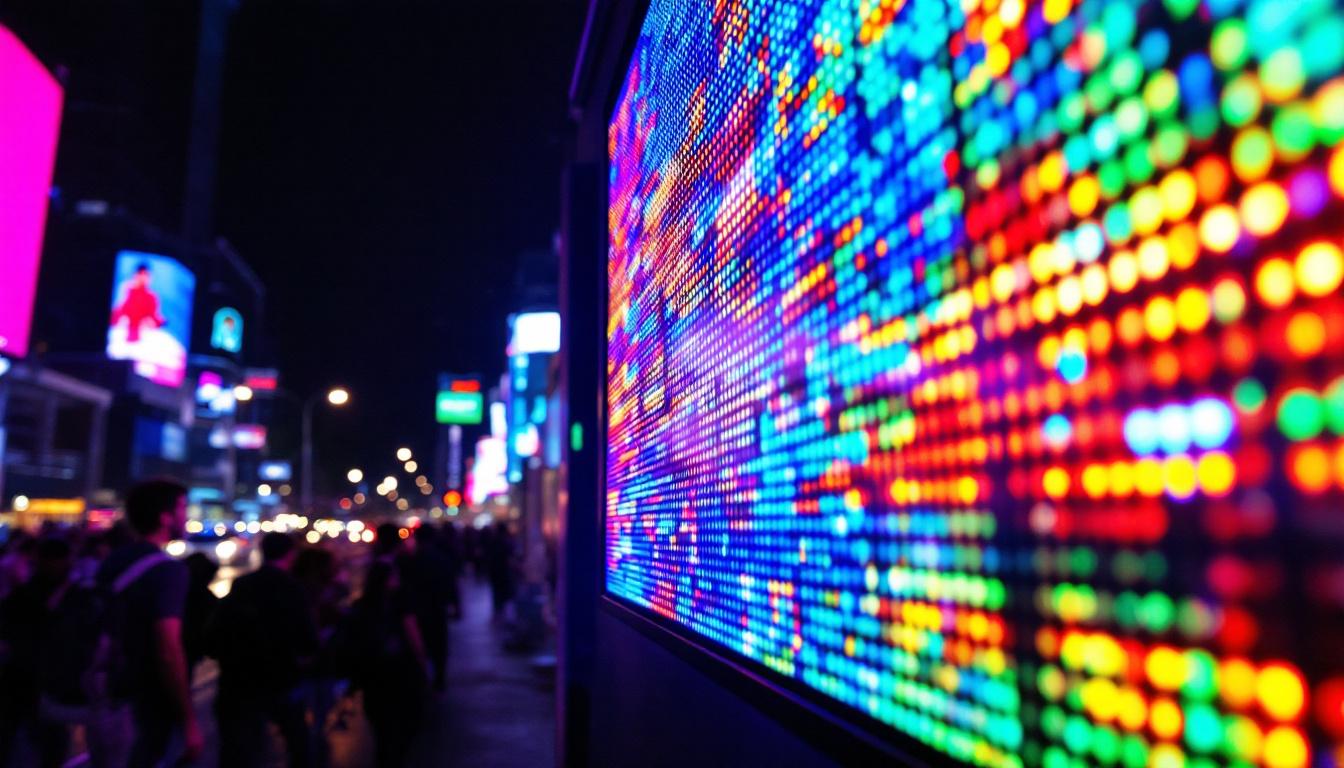
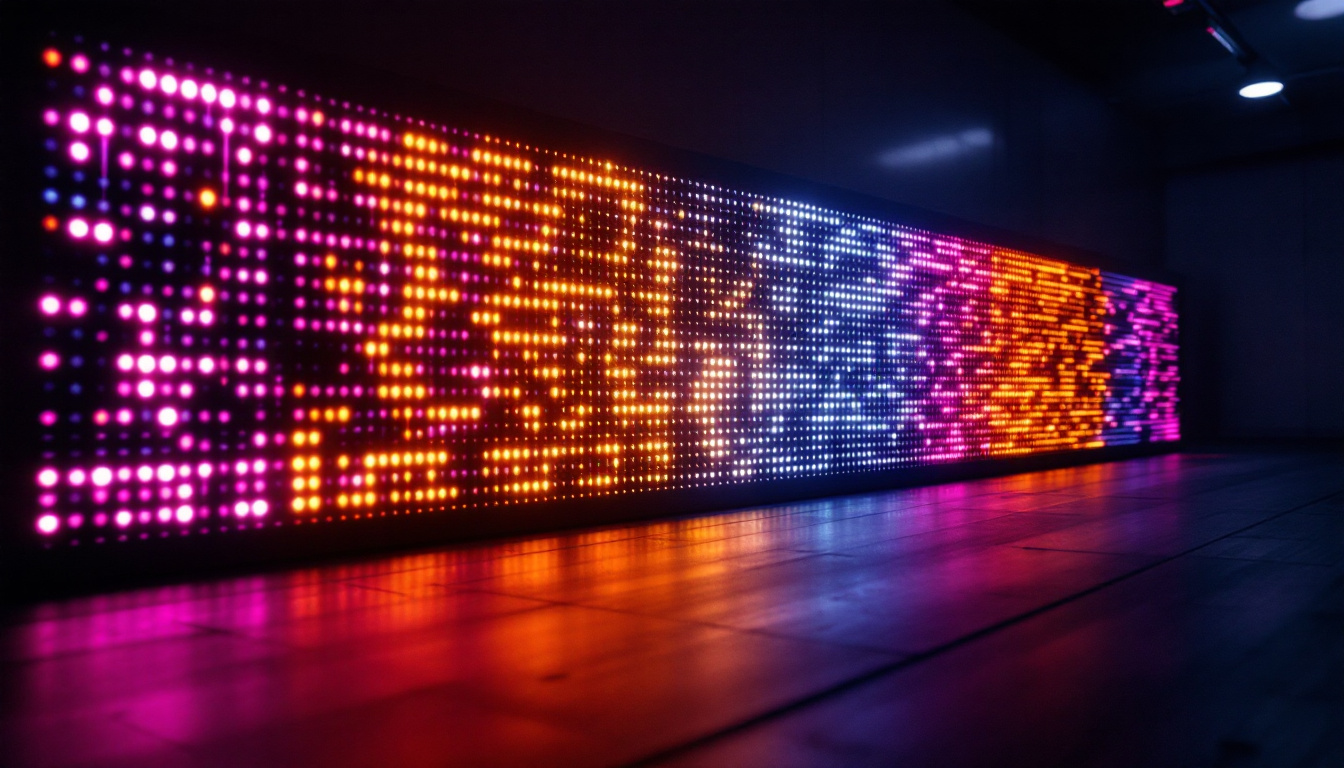
The term “4K” refers to the resolution of the television screen, specifically the number of pixels it contains. Pixels are the tiny dots that make up the images on the screen, and the more pixels there are, the sharper and more detailed the picture will be.
Technically, 4K resolution is 3840 pixels wide by 2160 pixels tall, which totals approximately 8.3 million pixels. This is four times the pixel count of Full HD (1920 x 1080), hence the name “4K.” This massive increase in pixel density allows for much finer detail and a more lifelike image, especially on larger screens where individual pixels would otherwise be noticeable. The transition from 1080p to 4K has revolutionized how we experience visual media, with filmmakers and content creators now able to capture and present images with unprecedented clarity and depth.
For consumers, the benefit of 4K resolution is clear: enhanced clarity, better color accuracy, and an overall more immersive viewing experience. This is particularly noticeable when watching high-quality content such as 4K Blu-rays, streaming services like Netflix or Disney+ that offer 4K content, or playing video games on next-generation consoles. The richness of detail in 4K content can transform even the most mundane scenes into breathtaking visuals, allowing viewers to appreciate subtleties in texture, lighting, and color that were previously lost in lower resolutions.
Pixel Density and Screen Size
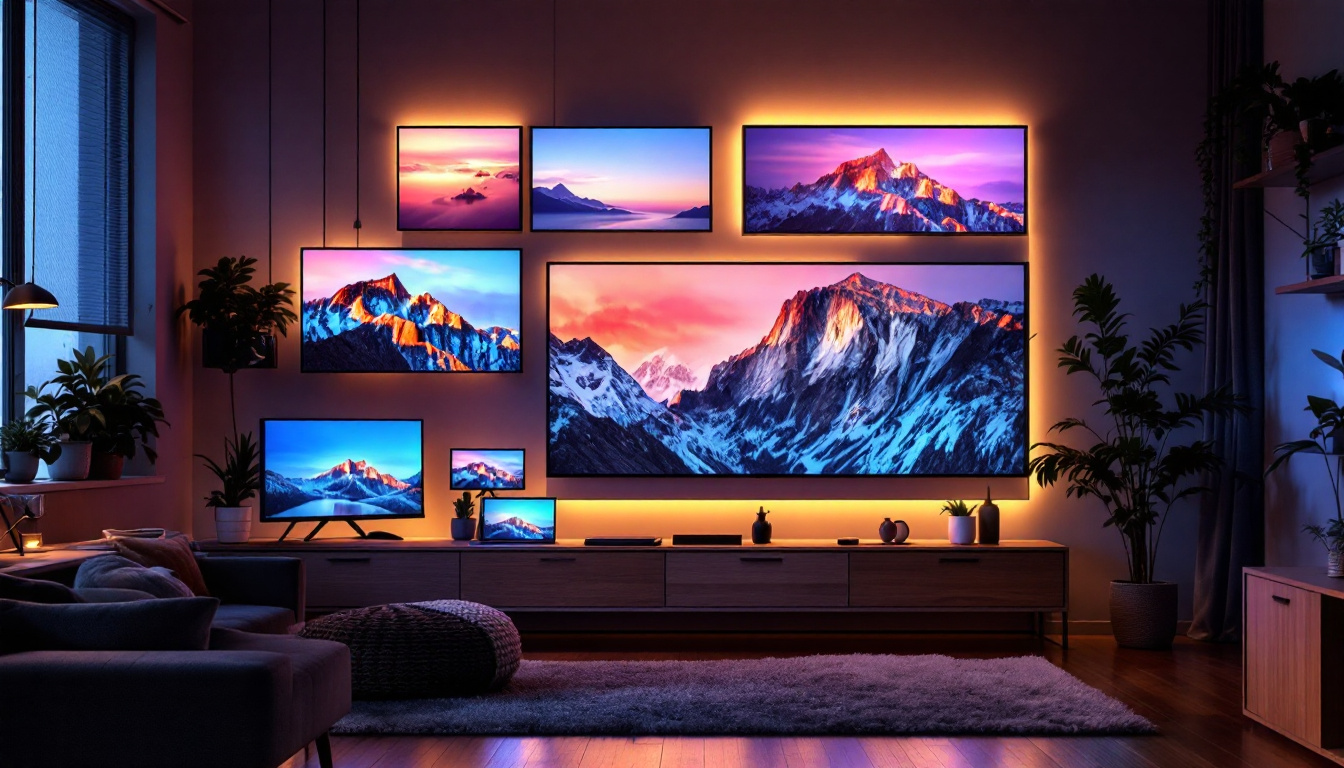
While 4K resolution provides a fixed number of pixels, the pixel density—the number of pixels per inch (PPI)—depends on the size of the TV screen. For example, a 50-inch 4K TV will have a higher pixel density than a 75-inch 4K TV because the same number of pixels is spread over a smaller area. This difference in pixel density can significantly affect the viewing experience, particularly in close-range settings where viewers are more likely to notice pixelation on larger screens.
Higher pixel density means sharper images, but the difference becomes less noticeable at typical viewing distances. For most living rooms, a 55-65 inch 4K TV strikes a good balance between screen size and pixel density, delivering crisp images without visible pixelation. Additionally, advancements in display technology, such as OLED and QLED, further enhance the viewing experience by providing deeper blacks and more vibrant colors, making the high pixel count of 4K even more impactful. As a result, consumers are not just investing in higher resolution; they are also embracing a new standard of visual excellence that elevates everything from blockbuster films to everyday television shows.
Understanding LED Display Technology
Most modern 4K TVs use LED (Light Emitting Diode) technology to illuminate the screen. Despite the name, LED TVs are actually LCD (Liquid Crystal Display) panels that use LEDs as a backlight source. This combination creates the vibrant and bright images viewers enjoy. The advancement in LED technology has revolutionized how we perceive visual content, making it more immersive and engaging than ever before. With the ability to produce a wider color gamut and deeper blacks, LED displays have become the standard for high-definition viewing experiences in homes and theaters alike.
How LED Backlighting Works
The LCD panel itself does not emit light; it only controls the passage of light to create images. The LEDs behind or around the LCD panel provide the necessary illumination. By adjusting the light intensity at different points, the TV can display a wide range of colors and brightness levels. This intricate process is made possible by the use of advanced technologies, such as quantum dots, which enhance color accuracy and brightness, further elevating the viewing experience. As a result, viewers can enjoy content with stunning detail and clarity, whether they are watching a blockbuster movie or playing the latest video games.
There are two main types of LED backlighting:
- Edge-lit LED: LEDs are placed around the edges of the screen. This design allows for thinner TVs but can sometimes lead to uneven brightness.
- Full-array LED: LEDs are distributed evenly behind the entire screen, allowing for better control of brightness and contrast.
Local Dimming and Its Impact on Picture Quality
Full-array LED TVs often support local dimming, a feature that dims or brightens specific zones of the backlight to improve contrast. This means that dark scenes can appear truly black without washing out brighter areas, enhancing the overall picture quality. The technology behind local dimming is continually evolving, with manufacturers developing more sophisticated algorithms that allow for finer control over the backlight. This results in a more nuanced and lifelike representation of scenes, particularly in high-contrast situations.
Local dimming is especially important for HDR (High Dynamic Range) content, which relies on a wide range of brightness levels to deliver more realistic images. TVs with effective local dimming can significantly improve the viewing experience by making highlights pop and shadows more detailed. Additionally, the integration of HDR formats, such as HDR10 and Dolby Vision, allows for an even greater dynamic range, pushing the boundaries of what is possible in home entertainment. As a result, viewers can experience films and shows as the creators intended, with stunning visual fidelity that captures every nuance of the original content.
Pixel Types and Color Accuracy in 4K LED TVs
Each pixel on a 4K LED TV is made up of subpixels that produce red, green, and blue light. These subpixels combine at varying intensities to create the full spectrum of colors the human eye can perceive. The quality of these subpixels and the way they are controlled directly affect color accuracy and vibrancy.
RGB vs. RGBW Pixels
Traditional LED TVs use RGB pixels, which have three subpixels per pixel: red, green, and blue. Some manufacturers have introduced RGBW pixels, adding a white subpixel to enhance brightness and energy efficiency.
While RGBW can increase brightness, it sometimes compromises color accuracy because the white subpixel can dilute the purity of colors. Consumers who prioritize color fidelity, especially for movie watching or photo editing, may prefer TVs with true RGB pixels.
Wide Color Gamut and HDR Support
Modern 4K TVs often support wide color gamut (WCG) standards such as DCI-P3 or Rec. 2020, which allow for a broader range of colors than the older sRGB standard. This means more vibrant and lifelike images.
Coupled with HDR, which enhances contrast and brightness, WCG support can transform the viewing experience. When shopping for a 4K LED TV, looking for HDR10, Dolby Vision, or HDR10+ support is advisable, as these standards ensure compatibility with high-quality HDR content.
Factors to Consider When Choosing a 4K LED TV
Understanding pixels and LED technology is essential, but other factors also play a critical role in determining the overall performance and value of a 4K TV.
Refresh Rate and Motion Handling
The refresh rate, measured in hertz (Hz), indicates how many times per second the TV updates the image on the screen. Higher refresh rates, such as 120Hz, provide smoother motion, which is particularly beneficial for fast-paced sports, action movies, and gaming.
Some TVs use motion interpolation techniques to simulate higher refresh rates, but native refresh rate is generally more reliable for smooth motion.
Viewing Angles and Screen Uniformity
LED TVs, especially those with VA (Vertical Alignment) panels, can suffer from limited viewing angles where colors and brightness shift when viewed from the side. IPS (In-Plane Switching) panels offer wider viewing angles but may have lower contrast.
Screen uniformity, or the consistency of brightness and color across the screen, also affects the viewing experience. High-end models tend to have better uniformity, reducing issues like clouding or color tinting.
Smart Features and Connectivity
Most 4K LED TVs come with smart platforms that provide access to streaming apps, voice assistants, and other features. When choosing a TV, consider the ease of use, app availability, and compatibility with other devices in your home ecosystem.
Connectivity options such as HDMI 2.1 ports are increasingly important for gamers and those who want to future-proof their setup, as this standard supports higher bandwidth for 4K at 120Hz and advanced gaming features.
The Future of 4K LED Displays and Beyond
While 4K remains the current standard, the television industry is already moving towards even higher resolutions and improved display technologies. 8K TVs, with four times the pixels of 4K, are available but remain niche due to limited content and high costs.
Meanwhile, advancements in LED technology, such as mini-LED and micro-LED, promise better brightness, contrast, and energy efficiency. Mini-LED TVs use thousands of tiny LEDs for more precise backlighting control, enhancing local dimming and HDR performance.
Micro-LED technology, still in its early stages, offers self-emissive pixels like OLED but with higher brightness and longevity. These innovations will continue to push the boundaries of picture quality, making the understanding of pixels and LED displays even more relevant for consumers.
Conclusion
4K TV pixels and LED display technology are at the heart of the remarkable picture quality that modern televisions deliver. The combination of high resolution, advanced LED backlighting, and sophisticated pixel control creates images that are sharp, vibrant, and immersive.
When selecting a 4K LED TV, understanding these technical aspects helps consumers make informed decisions tailored to their viewing preferences and environments. Whether it’s the pixel density, local dimming capabilities, color accuracy, or smart features, each factor contributes to the overall experience.
As technology continues to evolve, staying informed about the latest developments ensures that viewers can enjoy the best possible picture quality today and in the years to come.
Explore Cutting-Edge 4K LED Displays with LumenMatrix
Ready to experience the ultimate in 4K LED display technology? LumenMatrix is at the forefront of innovation, offering a wide range of LED display solutions that bring your visual content to life. From the comfort of your home to the excitement of outdoor events, our Indoor and Outdoor LED Wall Displays, Vehicle LED Displays, and more are designed to maximize your viewing experience. Embrace the future of visual communication with LumenMatrix’s advanced digital signage and LED displays. Check out LumenMatrix LED Display Solutions today and transform the way you see the world.