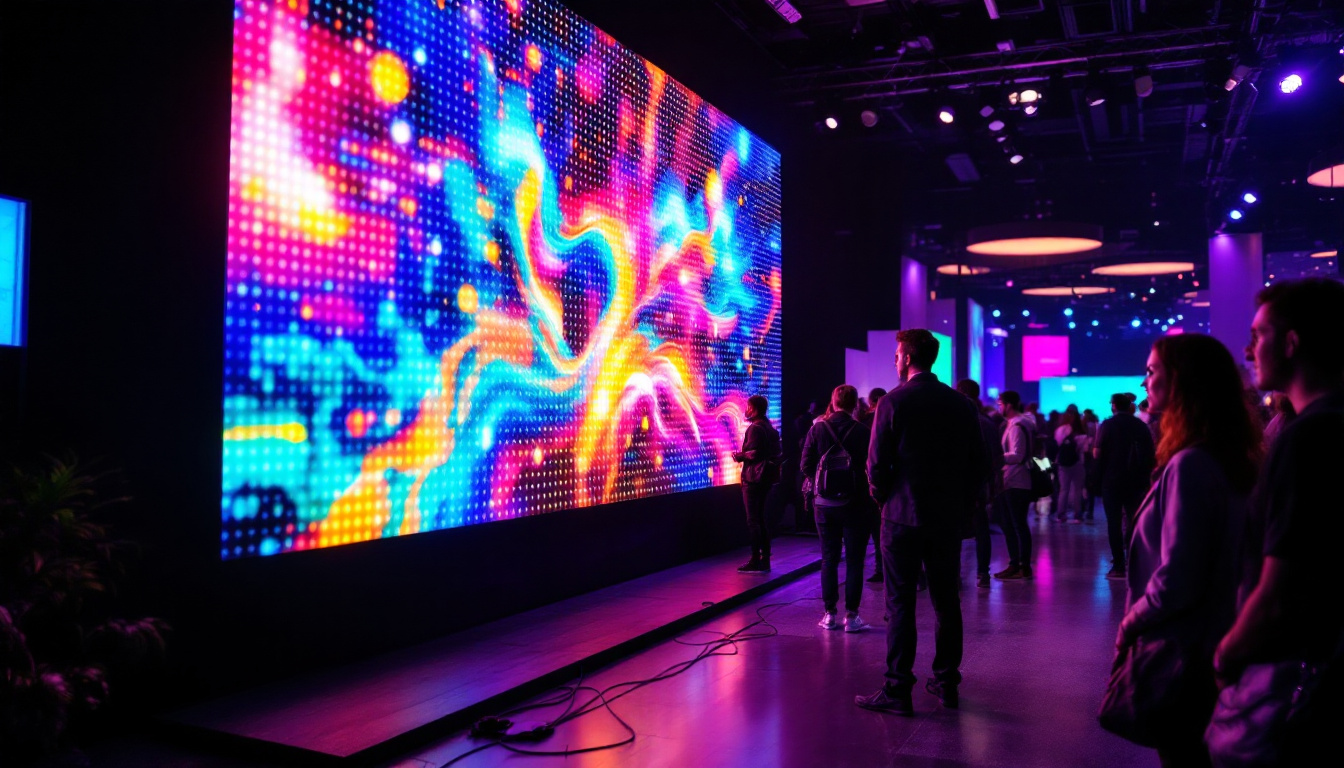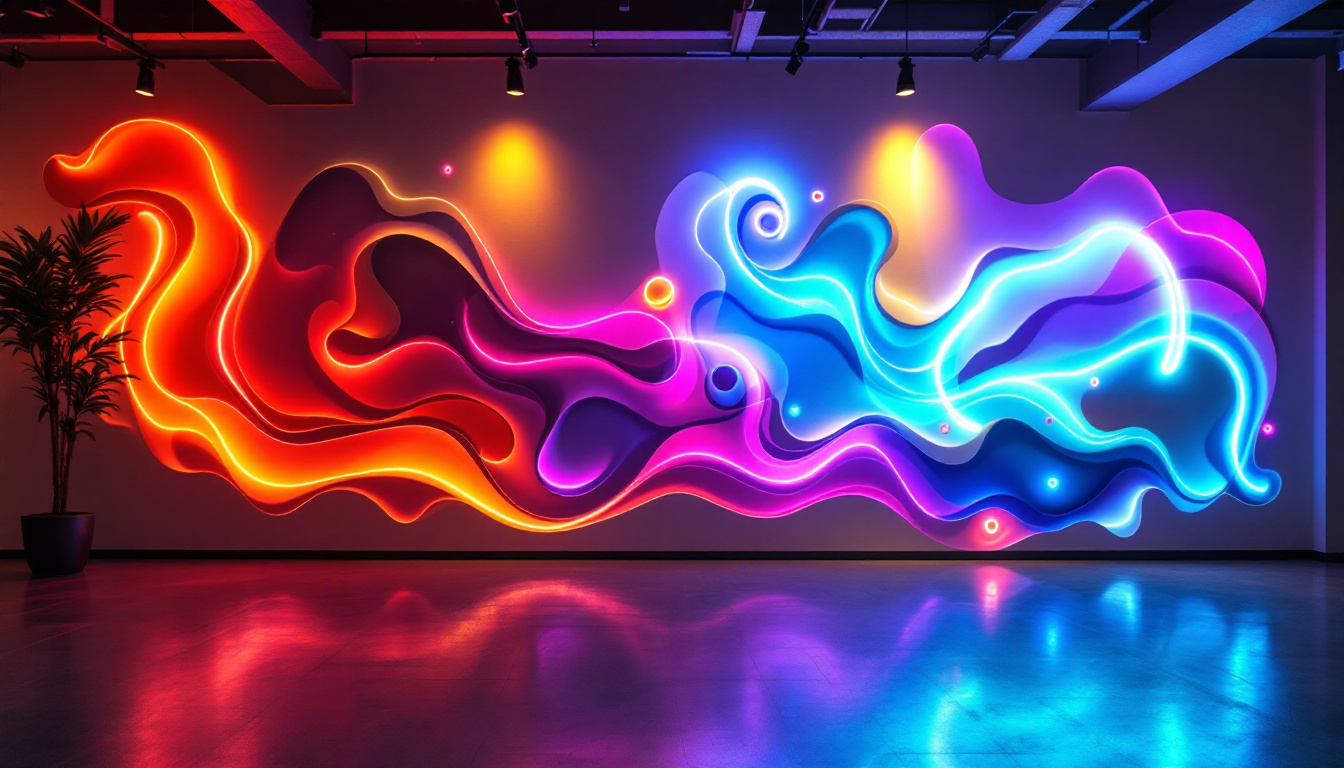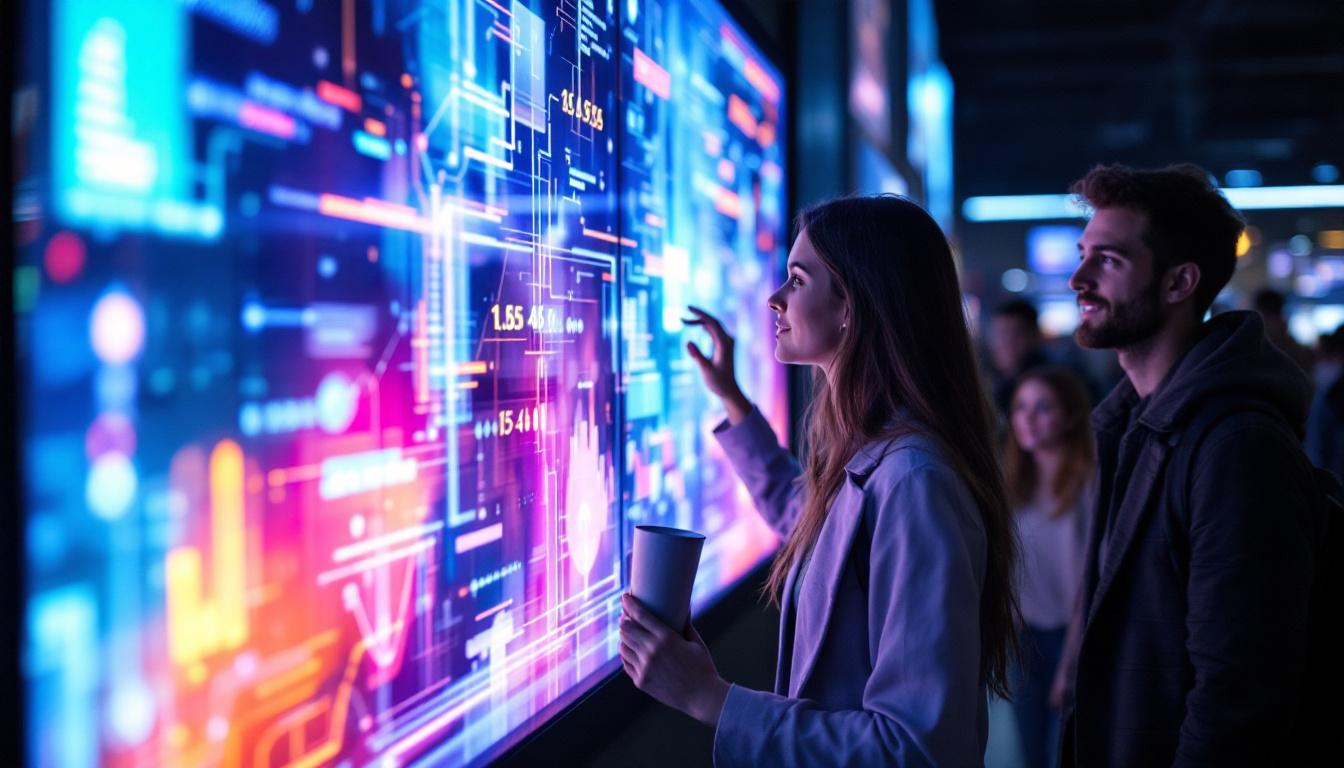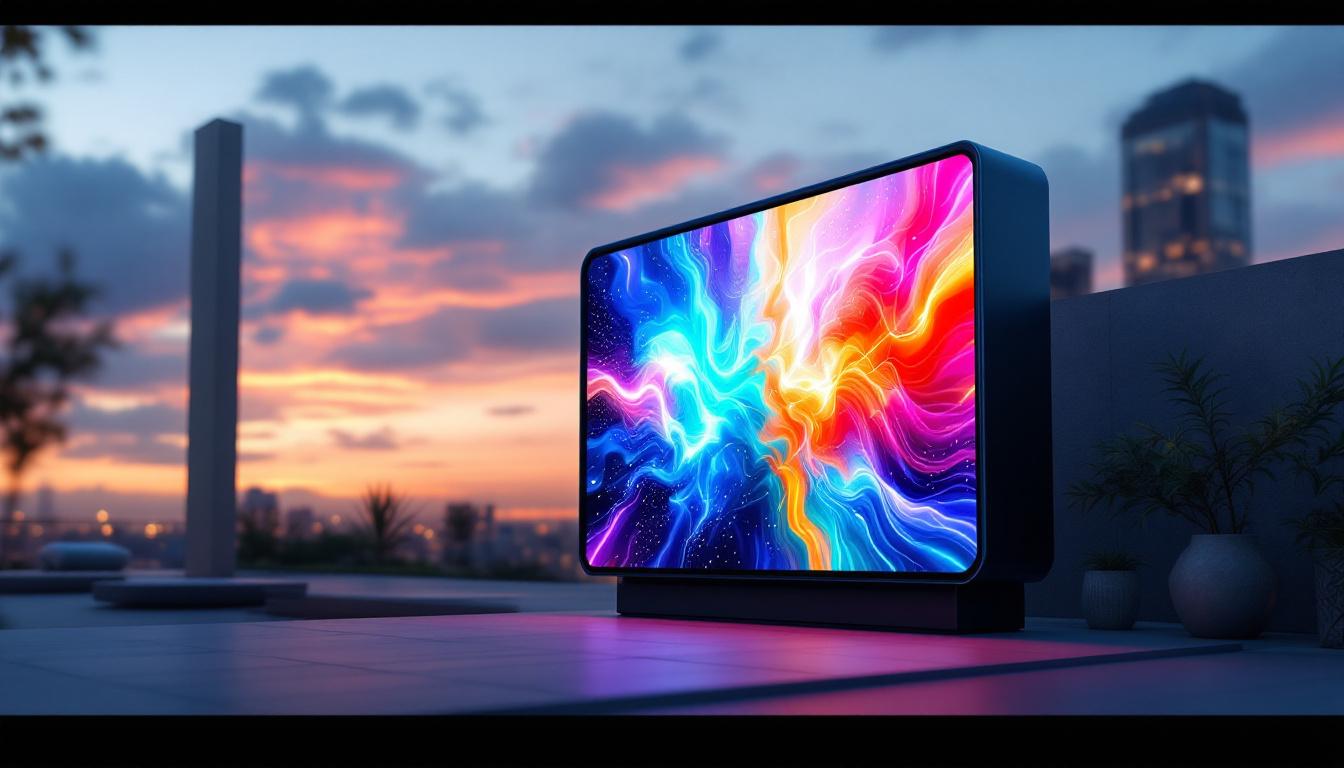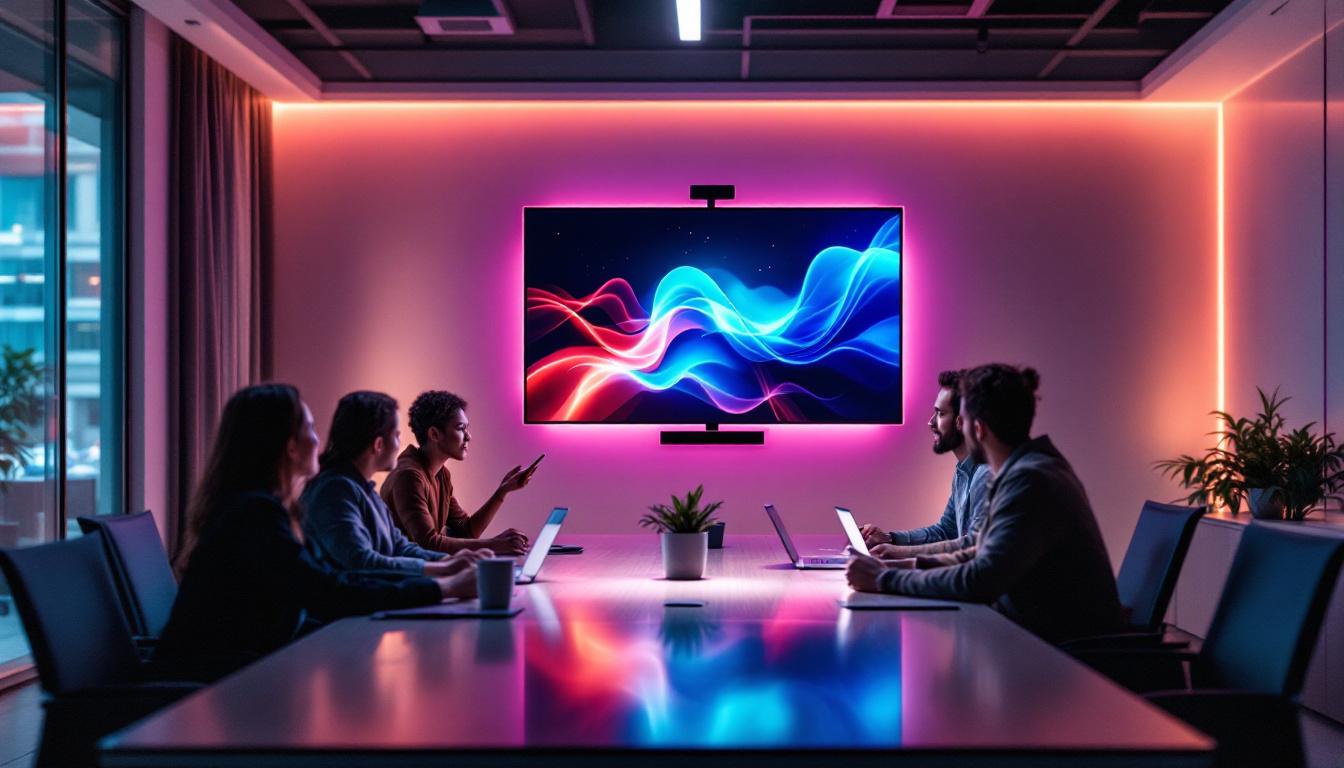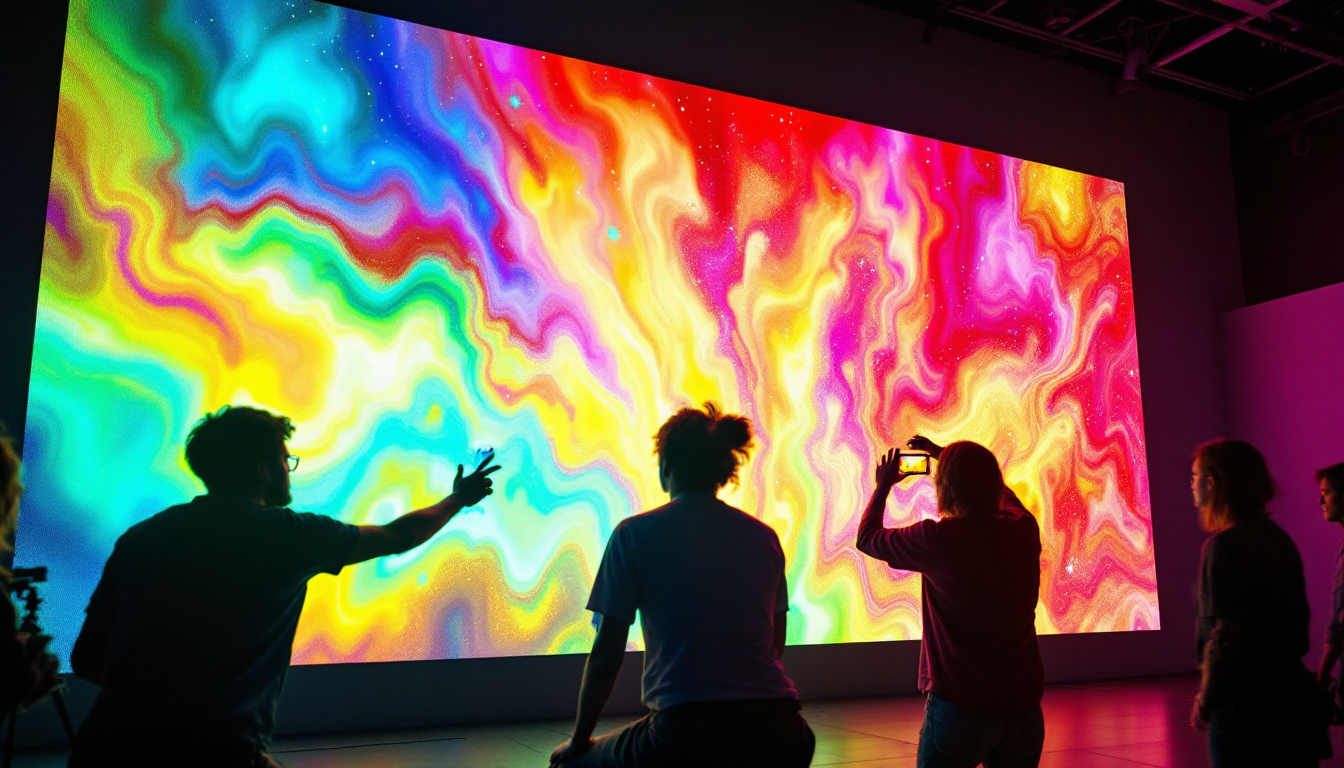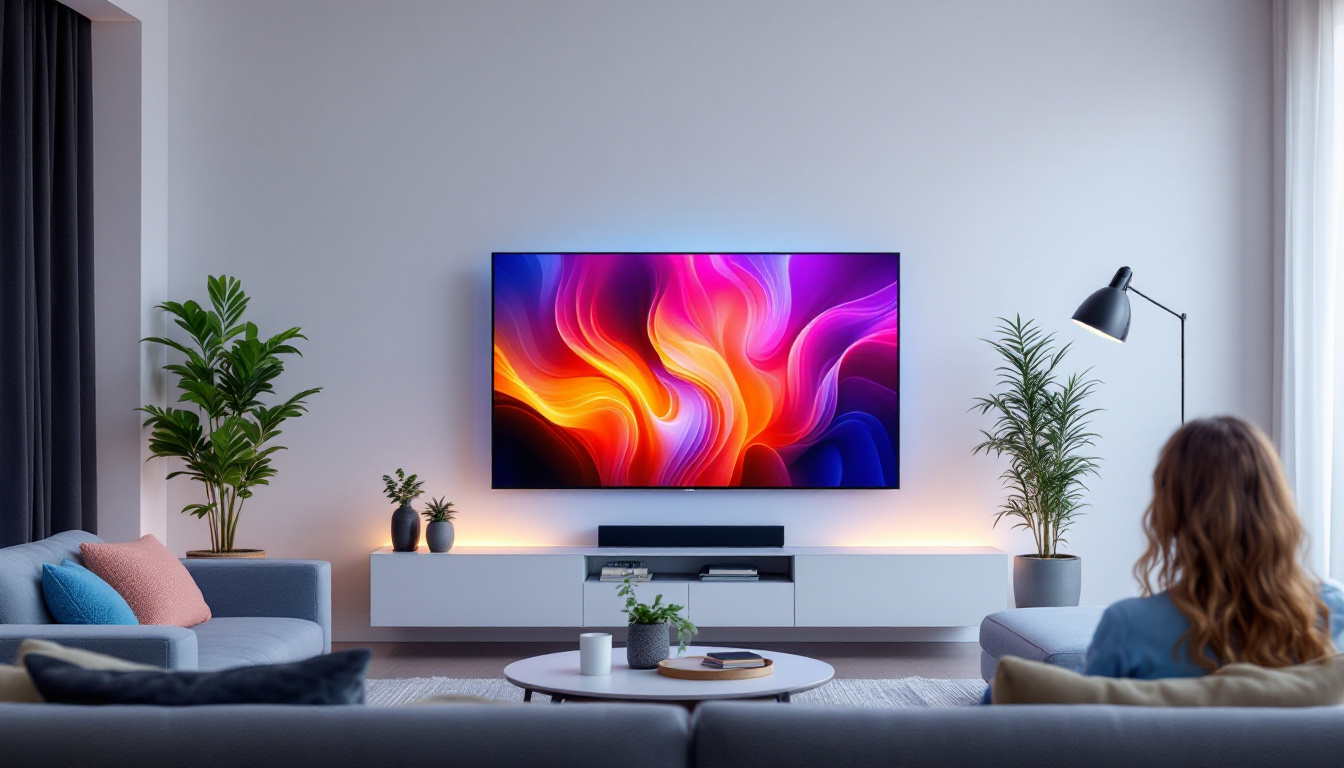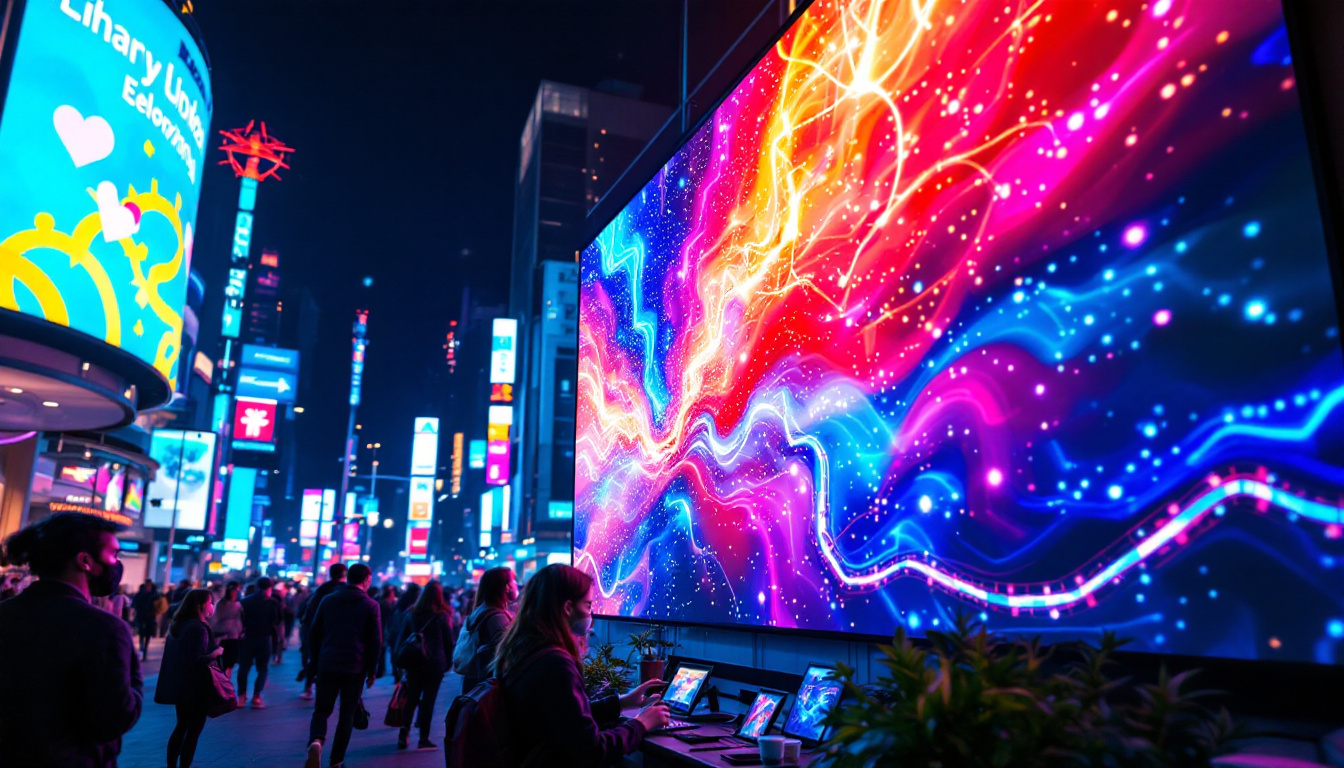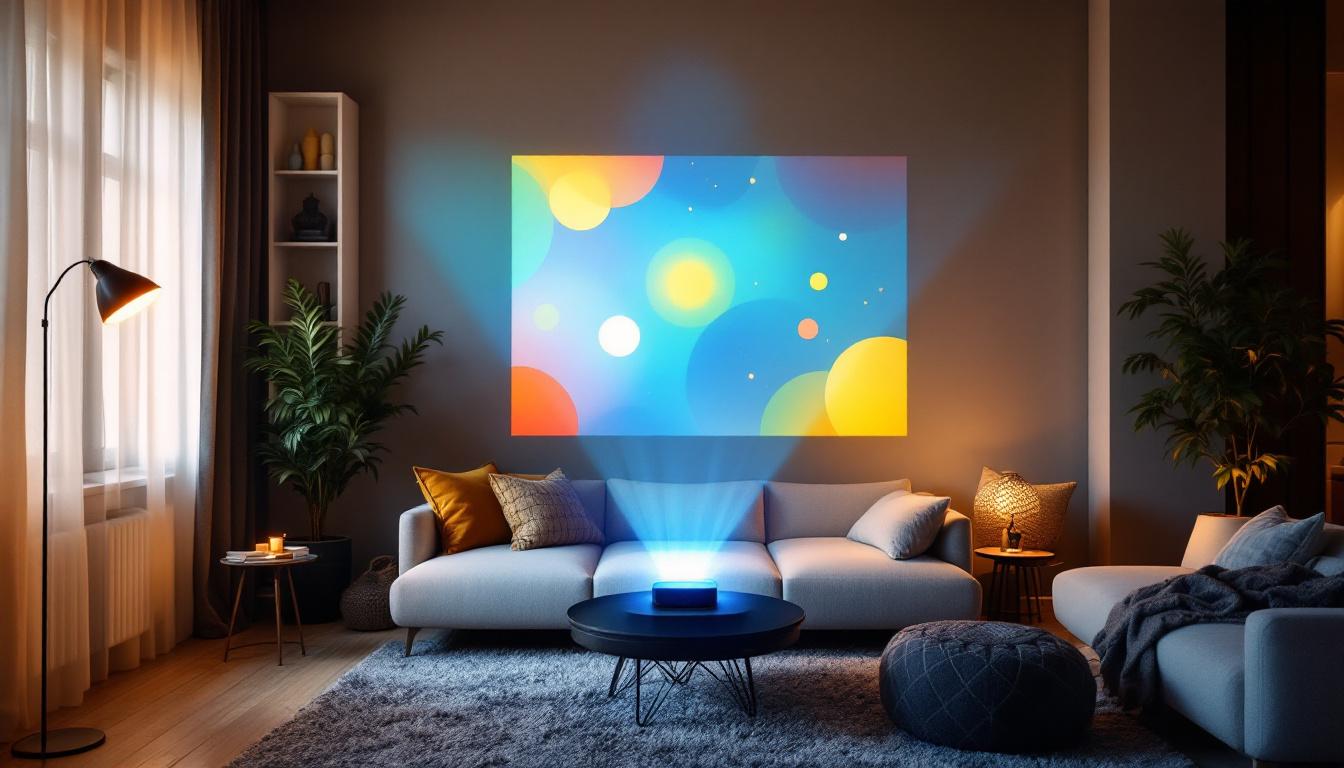
In recent years, the way we decorate and personalize our living and working spaces has evolved dramatically. Among the most innovative advancements is the emergence of wall art projectors using LED display technology. These devices blend modern technology with artistic expression, offering a dynamic alternative to traditional wall art. This article delves into the technology behind wall art projectors, how LED displays work within these devices, and why they are becoming a popular choice for interior design enthusiasts and professionals alike.
Understanding Wall Art Projectors
Wall art projectors are devices designed to project images, videos, or animations onto walls or other flat surfaces. Unlike static paintings or prints, these projectors allow for a constantly changing display, transforming any space with vibrant visuals. They can range from simple projectors that display pre-loaded images to sophisticated systems capable of streaming live content or responding interactively to environmental stimuli. This adaptability makes them an exciting option for various settings, from cozy home interiors to bustling commercial spaces.
The growing popularity of wall art projectors is driven by their versatility and the immersive experience they create. For example, museums and galleries use them to enhance exhibits with dynamic visuals, while homeowners use them to personalize living spaces without committing to permanent decor. The integration of LED display technology has further enhanced the quality, brightness, and energy efficiency of these projectors. Additionally, many projectors now come equipped with smart features, allowing users to control them via smartphone apps or voice commands, making it easier than ever to curate the perfect ambiance for any occasion.
Types of Wall Art Projectors
Wall art projectors vary widely depending on their technology and intended use. The most common types include:
- LCD Projectors: Utilize liquid crystal displays to project images. They are generally affordable but may lack brightness in well-lit rooms.
- DLP Projectors: Use digital light processing technology with micro-mirrors to create sharp images. They offer better contrast and color accuracy than LCDs.
- LED Projectors: Employ light-emitting diodes as the light source, providing longer lifespan, energy efficiency, and superior color vibrancy.
Among these, LED projectors are increasingly favored for wall art applications due to their ability to deliver vivid colors and operate quietly, which is essential for maintaining ambiance. Furthermore, many modern projectors come with built-in Wi-Fi capabilities, allowing users to easily access a vast library of online content, including art collections, nature scenes, or even personalized photo slideshows. This feature not only enhances the user experience but also encourages creativity, as individuals can frequently update their displays to reflect current moods, seasons, or themes.
In addition to the technological advancements, wall art projectors are also becoming more aesthetically pleasing. Manufacturers are now designing projectors that blend seamlessly into home decor, with sleek and modern finishes that can complement any room’s style. Some models even offer customizable casings or interchangeable skins, allowing users to match their projector to their existing decor. This focus on design ensures that while the functionality of these projectors is paramount, their visual appeal is not overlooked, making them a stylish addition to any space.
The Role of LED Displays in Wall Art Projectors
LED displays have revolutionized the projection industry by enhancing image quality and durability. Unlike traditional bulbs used in older projectors, LEDs offer several advantages that make them ideal for wall art projection.
How LED Technology Works
LEDs, or light-emitting diodes, produce light when an electric current passes through semiconductor material. In projectors, arrays of red, green, and blue LEDs combine to create a full spectrum of colors. This direct emission of light results in brighter images with higher contrast ratios compared to lamp-based projectors.
Furthermore, LED projectors can achieve a wider color gamut, meaning they can display more vibrant and accurate colors. This is critical for art projection, where color fidelity significantly impacts the viewer’s experience. The precision of LED technology ensures that subtle hues and intricate details in artwork are rendered with remarkable clarity, allowing artists and curators to present their work in the best possible light.
Advantages of LED Displays in Wall Art Projectors
Several key benefits explain why LED displays are preferred in wall art projectors:
- Longevity: LED light sources typically last between 20,000 to 30,000 hours, far surpassing traditional projector lamps that last around 2,000 to 4,000 hours. This reduces maintenance and replacement costs.
- Energy Efficiency: LEDs consume less power, making them environmentally friendly and cost-effective over time.
- Brightness and Color Quality: LED projectors maintain consistent brightness and deliver vivid colors, even in moderately lit rooms, enhancing the visual impact of projected art.
- Compact and Lightweight Design: The smaller size of LED components allows for more portable and aesthetically pleasing projector designs, which is beneficial for home and commercial use.
These advantages contribute to the growing adoption of LED projectors in both consumer and professional markets. Additionally, the versatility of LED technology extends beyond just art projection; it opens up new avenues for interactive installations and immersive experiences. Artists can now create dynamic displays that change in real-time, engaging viewers in ways that static images cannot. This interactivity not only captivates audiences but also encourages them to explore the deeper meanings behind the artwork, fostering a more profound connection between the viewer and the piece.
Moreover, the integration of LED displays in wall art projectors aligns with the increasing trend of digital art and multimedia presentations. As artists experiment with digital mediums, LED projectors serve as a bridge between traditional art forms and modern technology, allowing for innovative storytelling techniques. The ability to layer images, incorporate movement, and synchronize sound creates a multi-sensory experience that can transform a simple gallery space into a vibrant canvas of creativity.
Applications of Wall Art Projectors with LED Displays
The versatility of LED wall art projectors opens up a wide range of applications across different environments. Their ability to transform spaces dynamically makes them attractive for various industries and personal uses.
Residential Use: Personalizing Living Spaces
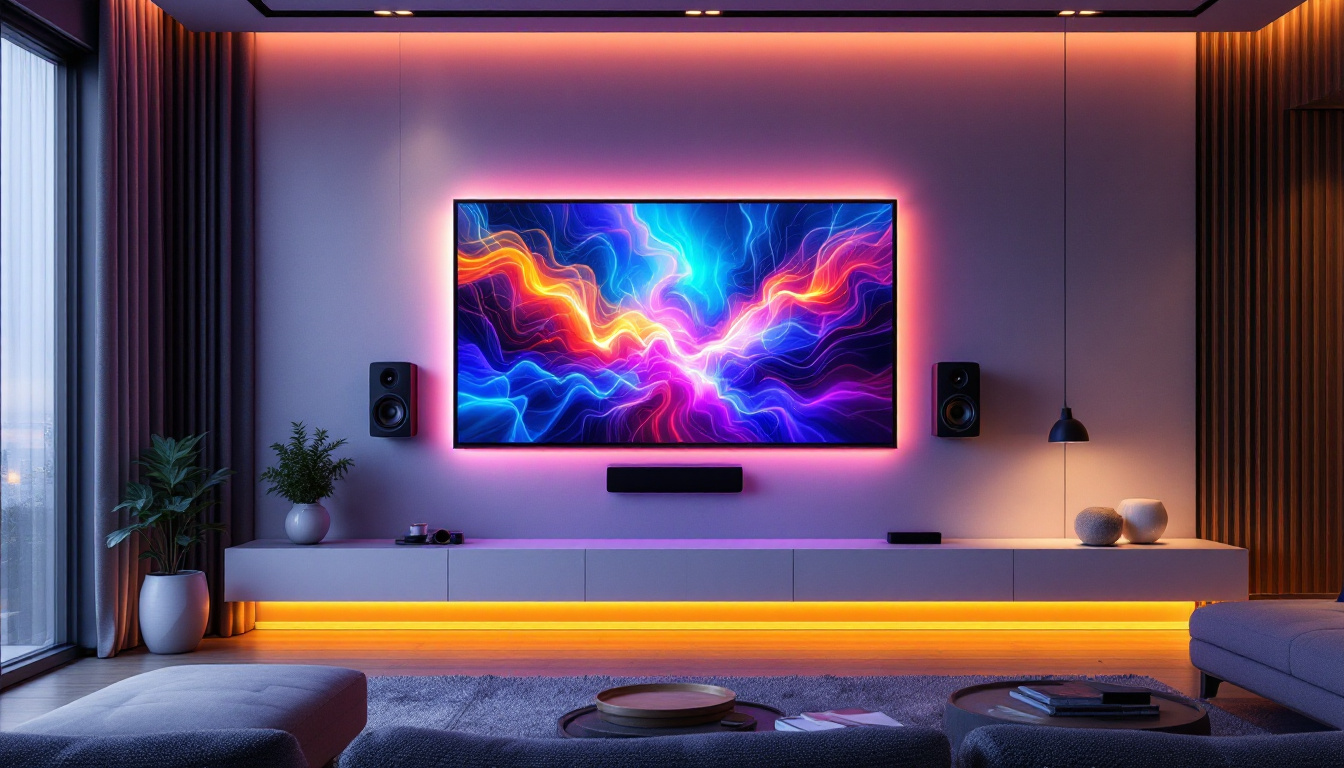
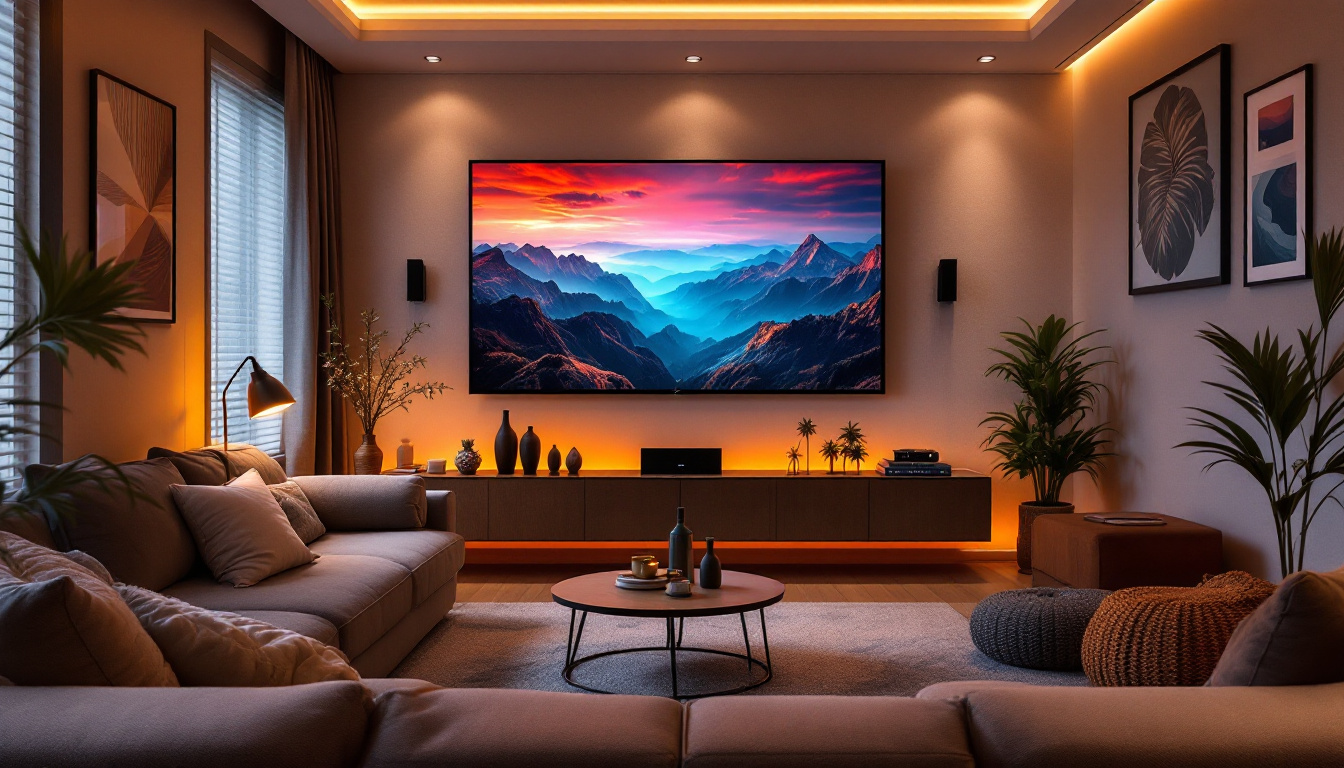
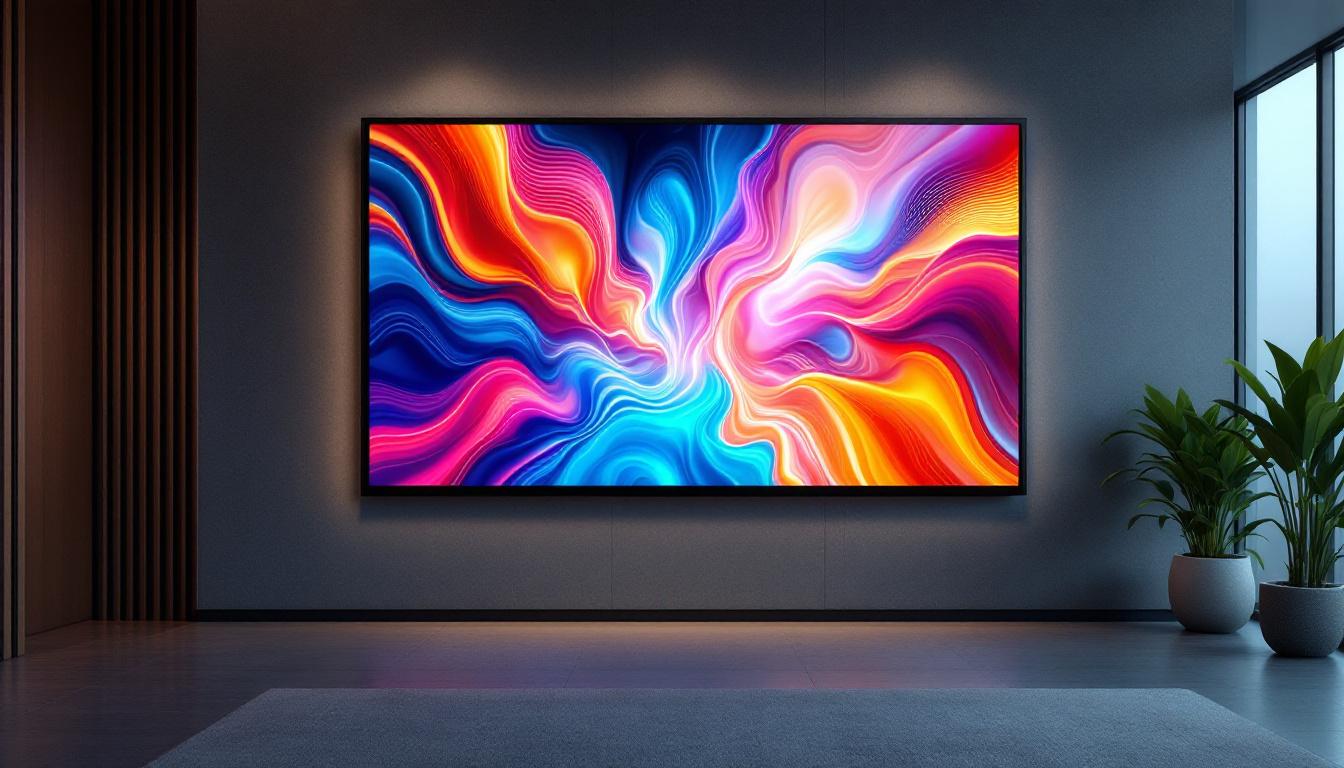
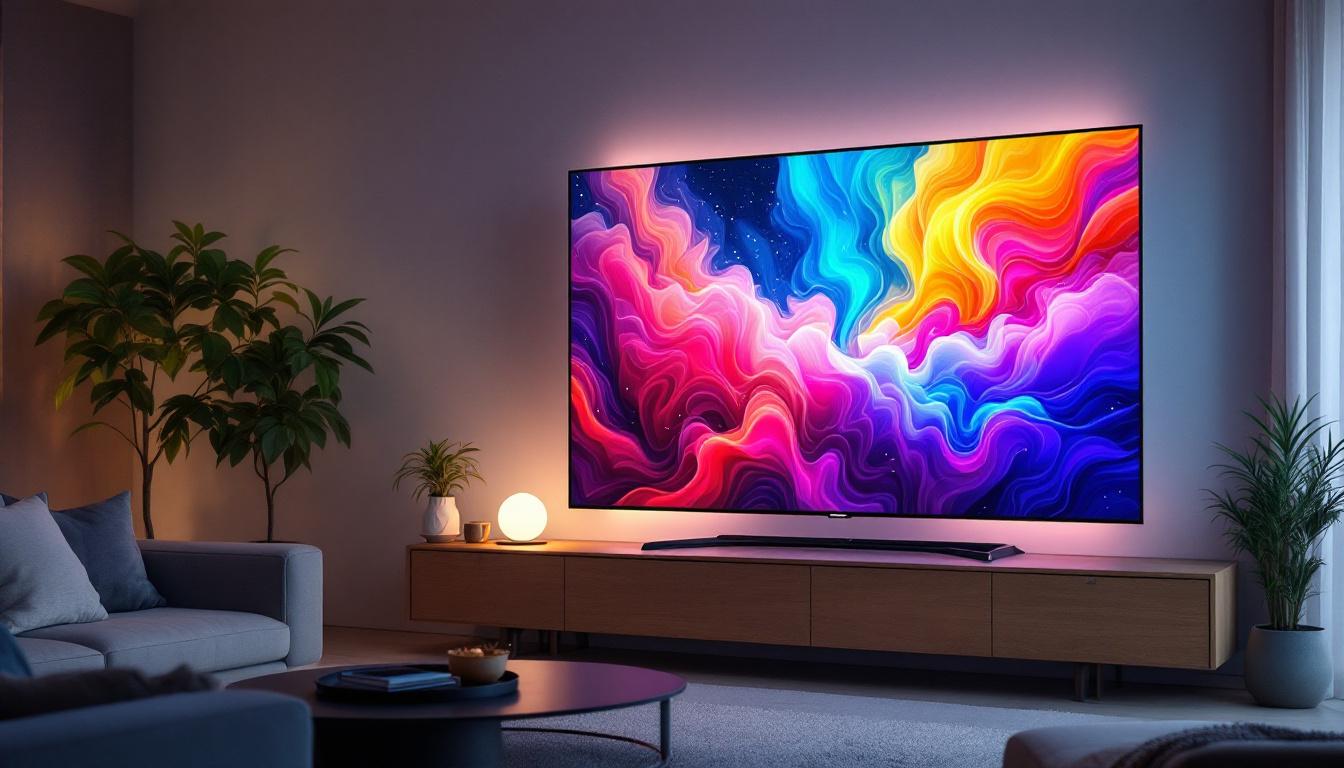
Homeowners are increasingly using LED wall art projectors to create customizable decor that can change with seasons, moods, or occasions. Instead of investing in multiple paintings or prints, a single projector can display thousands of images or animations.
For instance, projecting calming nature scenes during relaxation time or vibrant abstract art during social gatherings can significantly enhance the atmosphere. Additionally, some projectors come with smart home integration, allowing users to control displays via voice commands or smartphone apps.
Commercial and Public Spaces
Retail stores, restaurants, and hotels leverage wall art projectors to create immersive environments that attract and engage customers. Dynamic visuals can highlight products, set themes, or provide entertainment without physical installations.
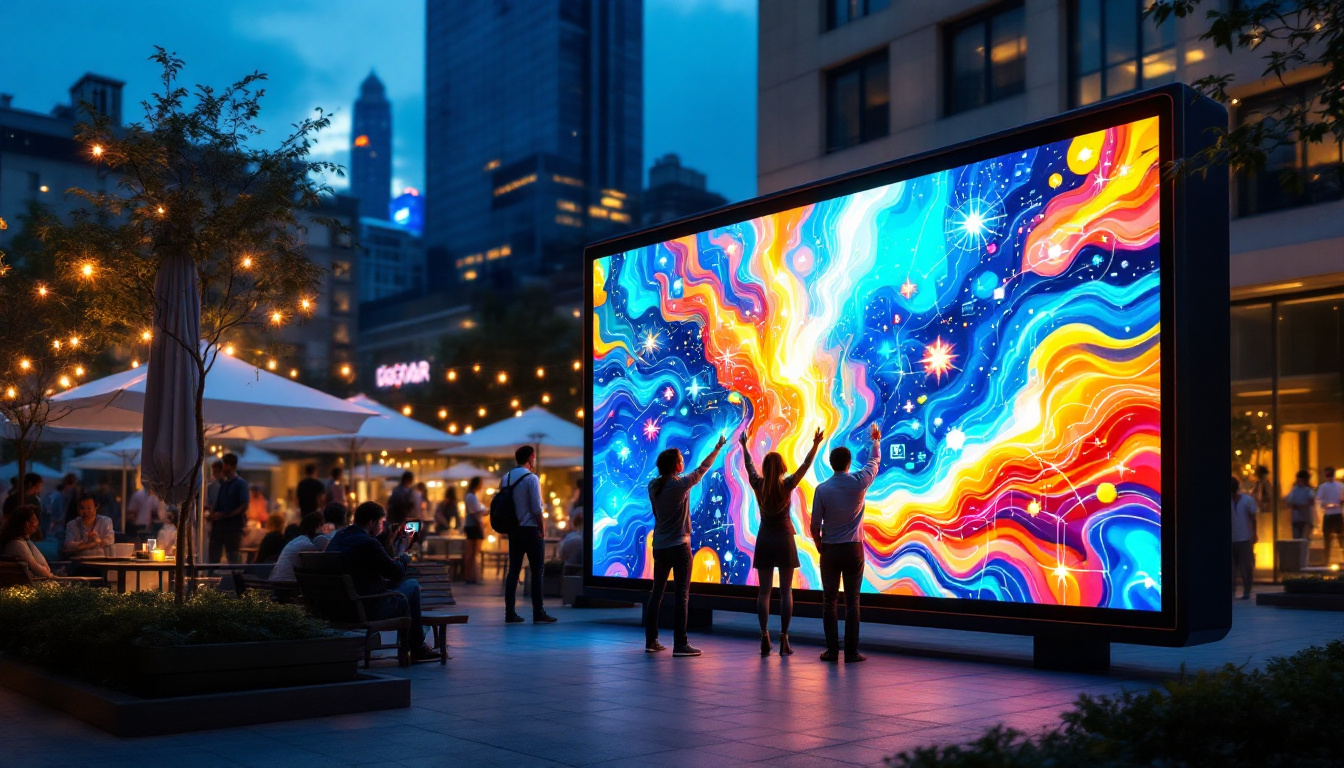
In museums and galleries, LED projectors enable interactive exhibits where artwork can be animated or altered based on visitor interaction. This not only enriches the educational experience but also preserves delicate originals by reducing physical contact.
Event and Entertainment Industry
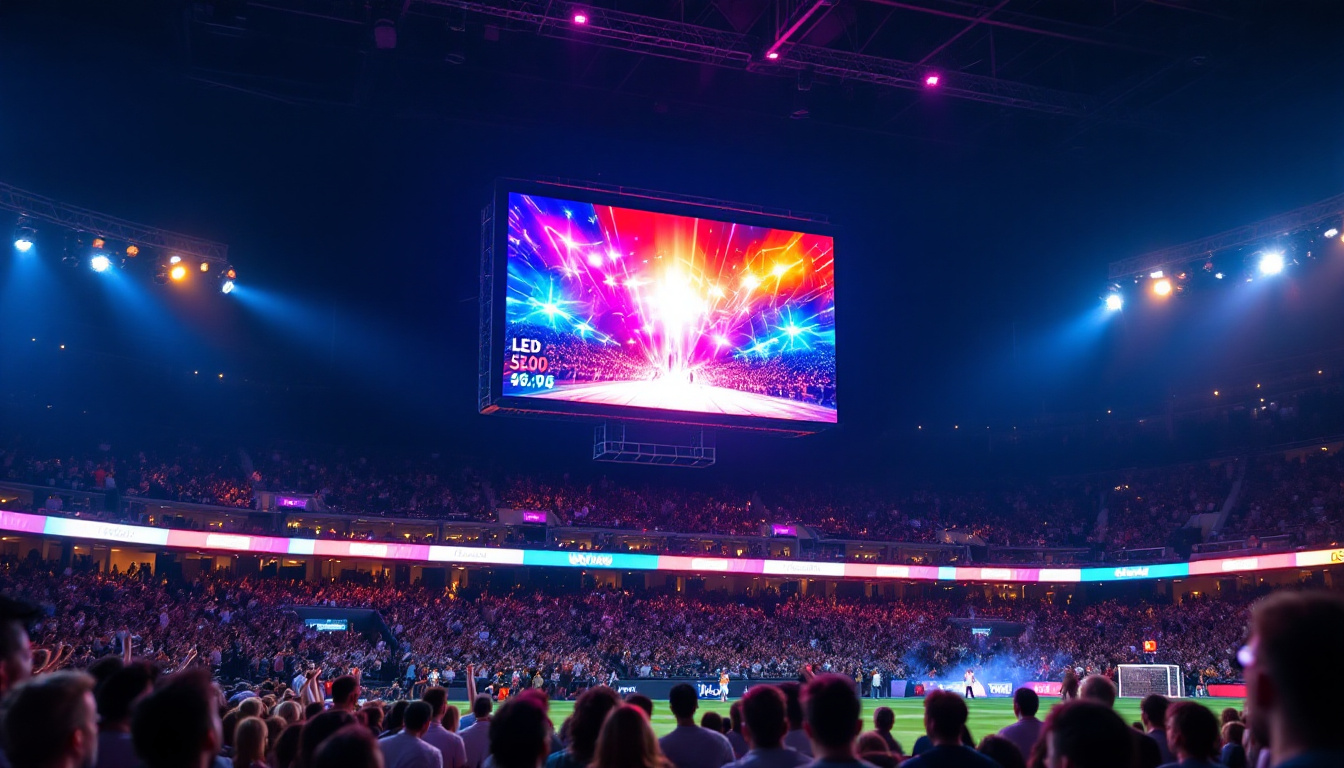
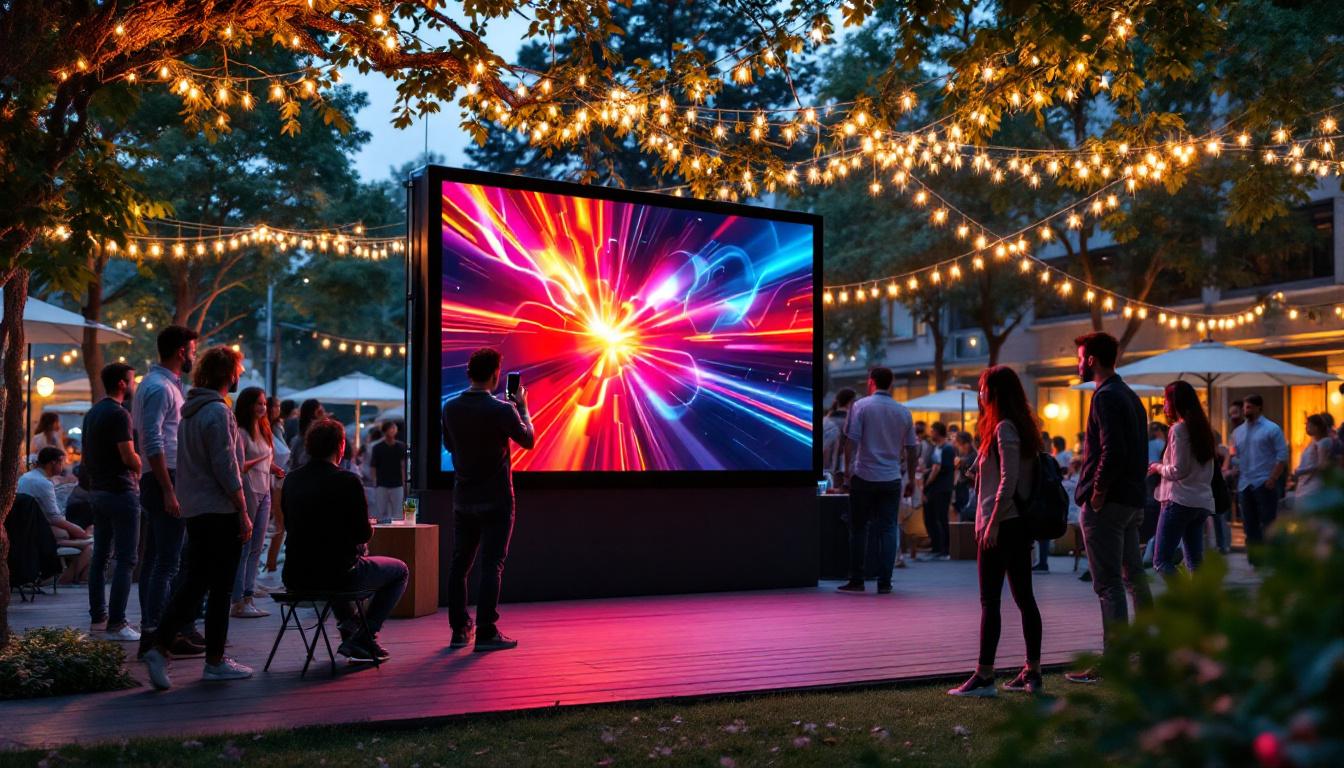
Concerts, theater productions, and festivals utilize wall art projectors to create spectacular backdrops and visual effects. The high brightness and color accuracy of LED projectors ensure that visuals remain striking even in large venues with complex lighting setups.
Moreover, the portability and quick setup of LED projectors make them ideal for temporary installations and touring shows.
Choosing the Right Wall Art Projector
Selecting the appropriate wall art projector depends on several factors, including the intended use, room conditions, and budget. Understanding these considerations helps ensure the best visual experience and long-term satisfaction.
Brightness and Ambient Light
Brightness, measured in lumens, is a crucial specification. For rooms with controlled lighting, projectors with 1,000 to 2,000 lumens may suffice. However, in spaces with natural or strong artificial light, projectors with 3,000 lumens or more are recommended to maintain image clarity and vibrancy.
Resolution and Image Quality
Higher resolution projectors provide sharper and more detailed images, which is particularly important for displaying intricate artwork. Full HD (1920×1080) is a common standard, while 4K projectors are becoming more accessible for those seeking premium quality.
Connectivity and Content Compatibility
Modern wall art projectors often support various input methods, including HDMI, USB, Wi-Fi, and Bluetooth. This flexibility allows users to stream content directly from smartphones, computers, or cloud services. Some models also support smart apps that offer curated art collections and scheduling features.
Portability and Installation
Consider whether the projector will be permanently installed or moved between locations. Compact, lightweight models are ideal for portability, while ceiling-mounted units provide a clean, unobtrusive setup for permanent displays.
Future Trends in Wall Art Projection and LED Technology
The intersection of LED technology and projection art continues to evolve, with several promising trends on the horizon.
Advancements in MicroLED and MiniLED
Emerging display technologies like MicroLED and MiniLED promise even greater brightness, contrast, and energy efficiency. These could lead to wall art projectors with unprecedented image quality and thinner, more flexible form factors.
Interactive and Augmented Reality Integration
Future wall art projectors may incorporate sensors and AI to create interactive experiences that respond to viewer movements or environmental changes. Augmented reality overlays could blend projected art with physical objects, offering immersive storytelling possibilities.
Customization and AI-Generated Art
Artificial intelligence is increasingly used to generate unique art pieces based on user preferences or moods. Integrating AI with wall art projectors could allow for truly personalized and ever-changing displays tailored to individual tastes.
Conclusion
Wall art projectors utilizing LED display technology represent a significant leap forward in how art and visuals are integrated into our environments. Their ability to deliver vibrant, dynamic, and customizable imagery makes them an attractive option for homes, businesses, and cultural institutions. As LED technology continues to advance and new features emerge, these projectors will likely become even more central to creative expression and interior design.
For anyone interested in combining technology with art, understanding the capabilities and benefits of LED wall art projectors is essential. Whether enhancing a cozy living room or transforming a public space, these devices offer limitless possibilities for visual storytelling and ambiance creation.
Explore the Future of Visual Art with LumenMatrix
Ready to elevate your space with the vibrant, dynamic world of LED display technology? Discover how LumenMatrix’s innovative LED display solutions can transform your environment into a canvas of digital artistry. From captivating Indoor LED Wall Displays to versatile All-in-One LED Displays, LumenMatrix offers a wide array of options to bring your visual storytelling to life. Don’t miss the opportunity to create unforgettable experiences and share your message with unparalleled clarity. Check out LumenMatrix LED Display Solutions today and join the revolution in visual communication.