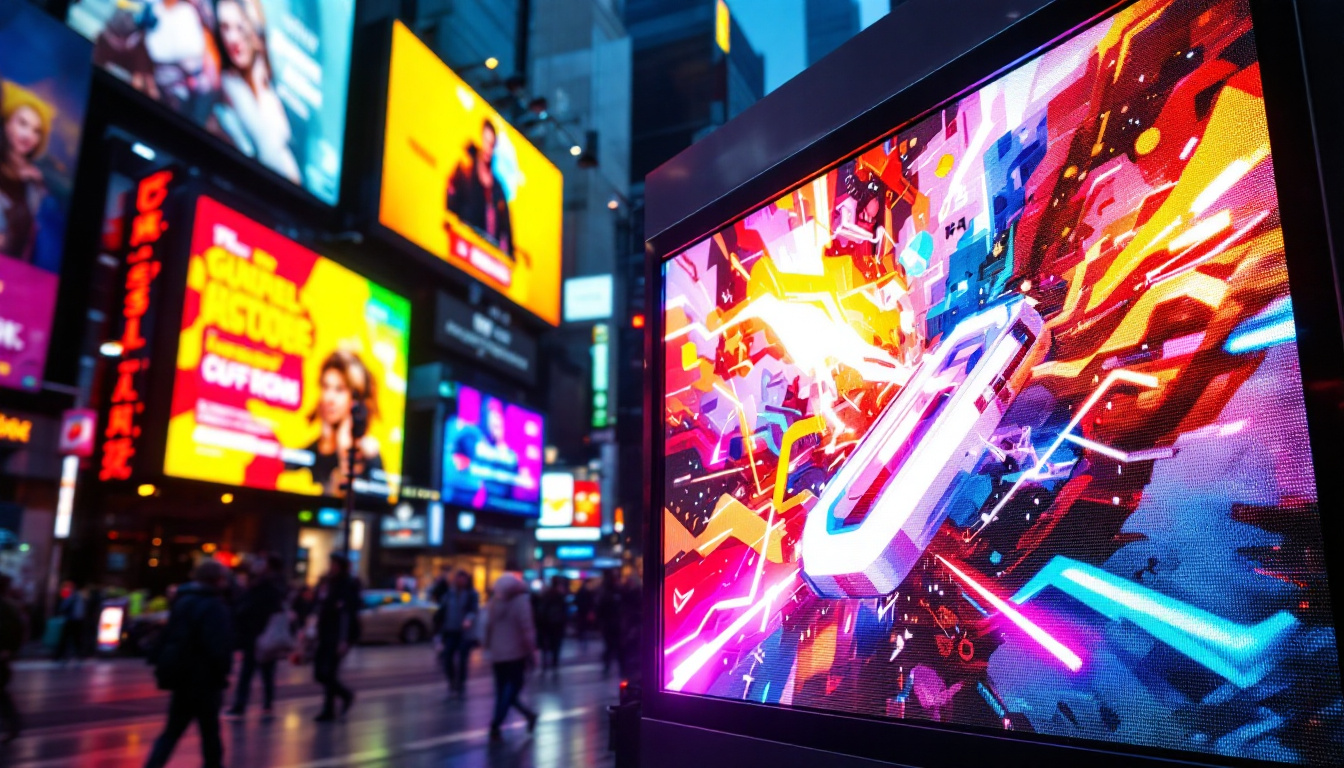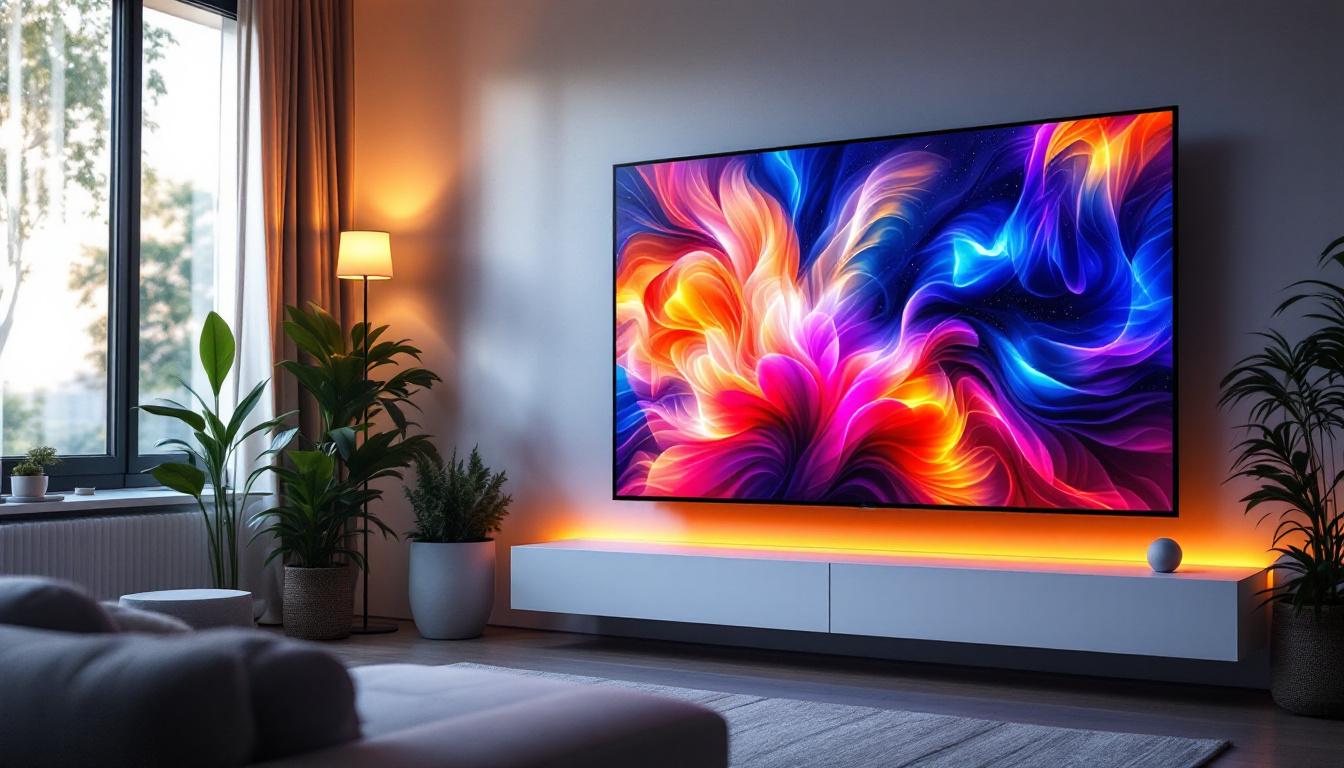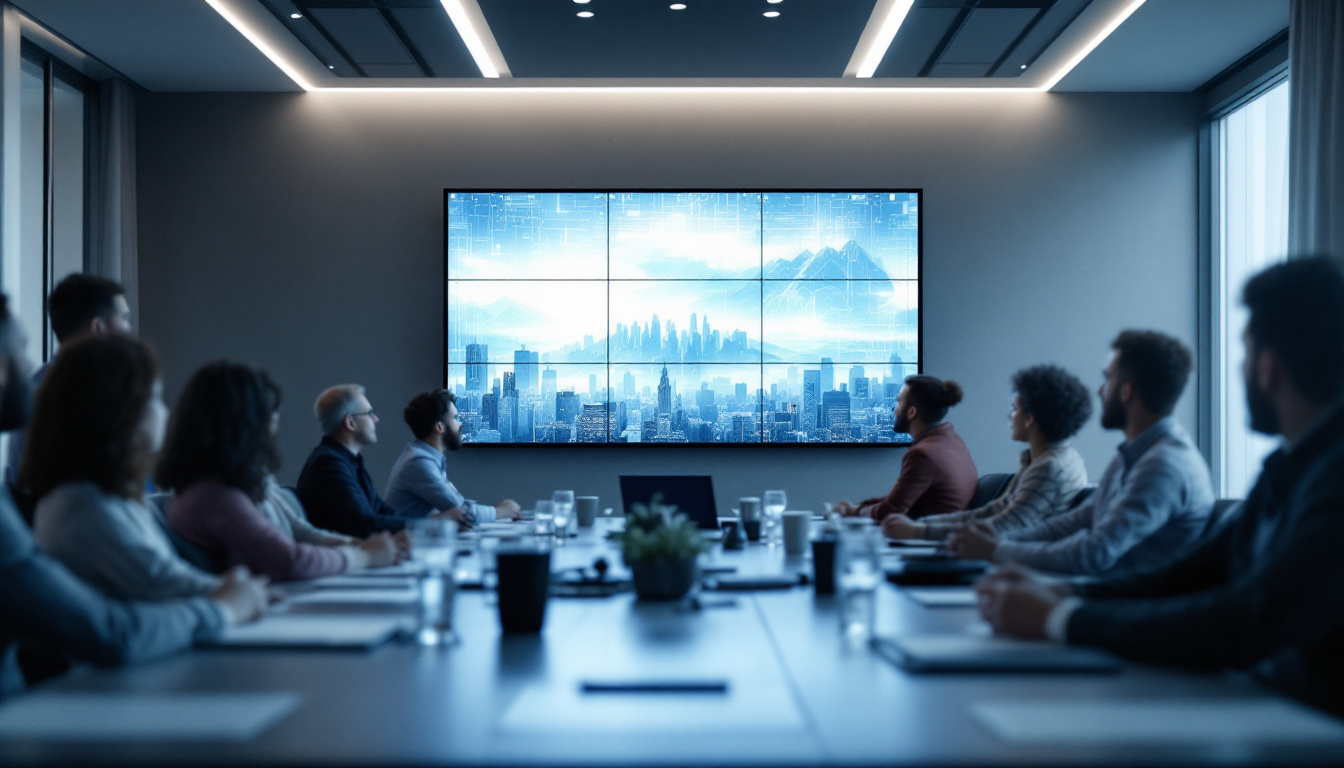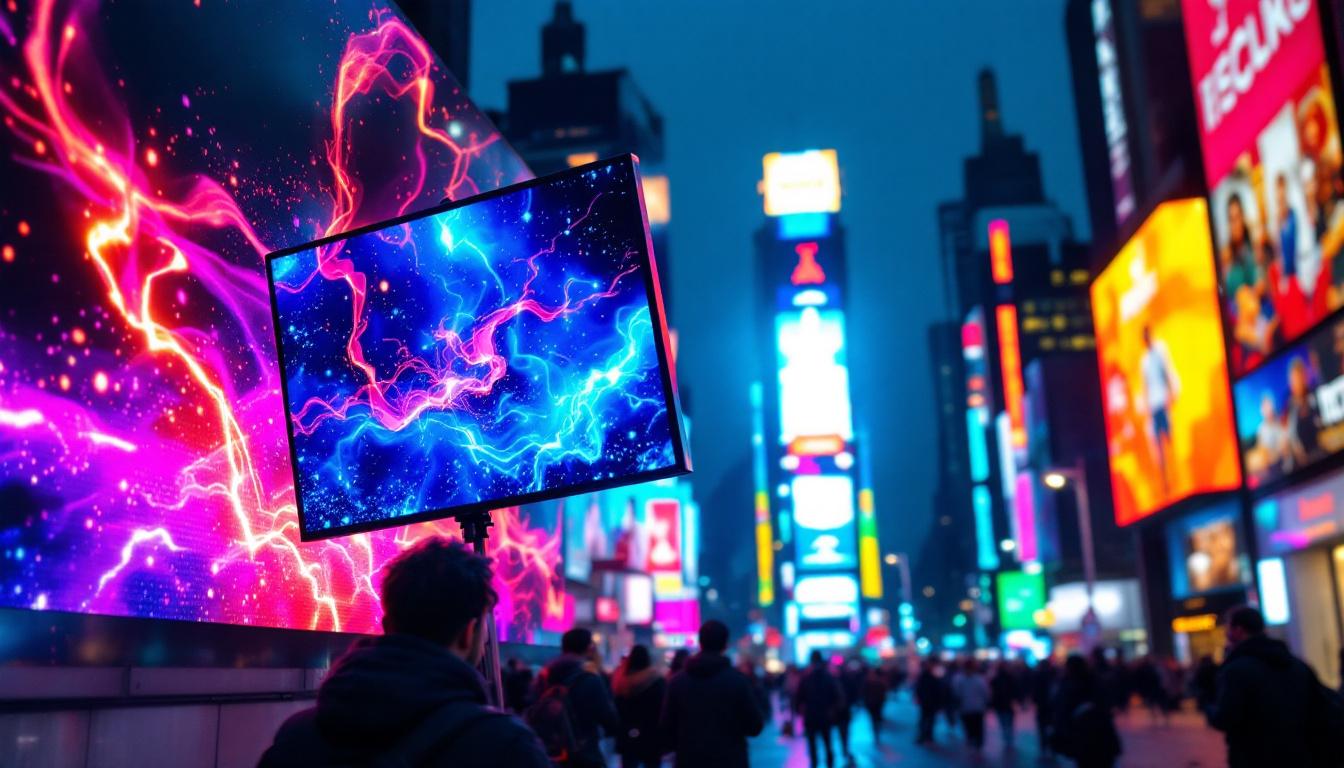
In recent years, LED posters have become an increasingly popular choice for businesses and advertisers aiming to capture attention with vibrant, dynamic displays. These eye-catching digital signs offer a modern alternative to traditional printed posters, combining brightness, flexibility, and interactivity. However, understanding the cost of LED posters—and what factors influence pricing—can be complex. This article breaks down the essential elements of LED display technology, the variables affecting cost, and practical considerations for investing in an LED poster.
What Is an LED Poster?
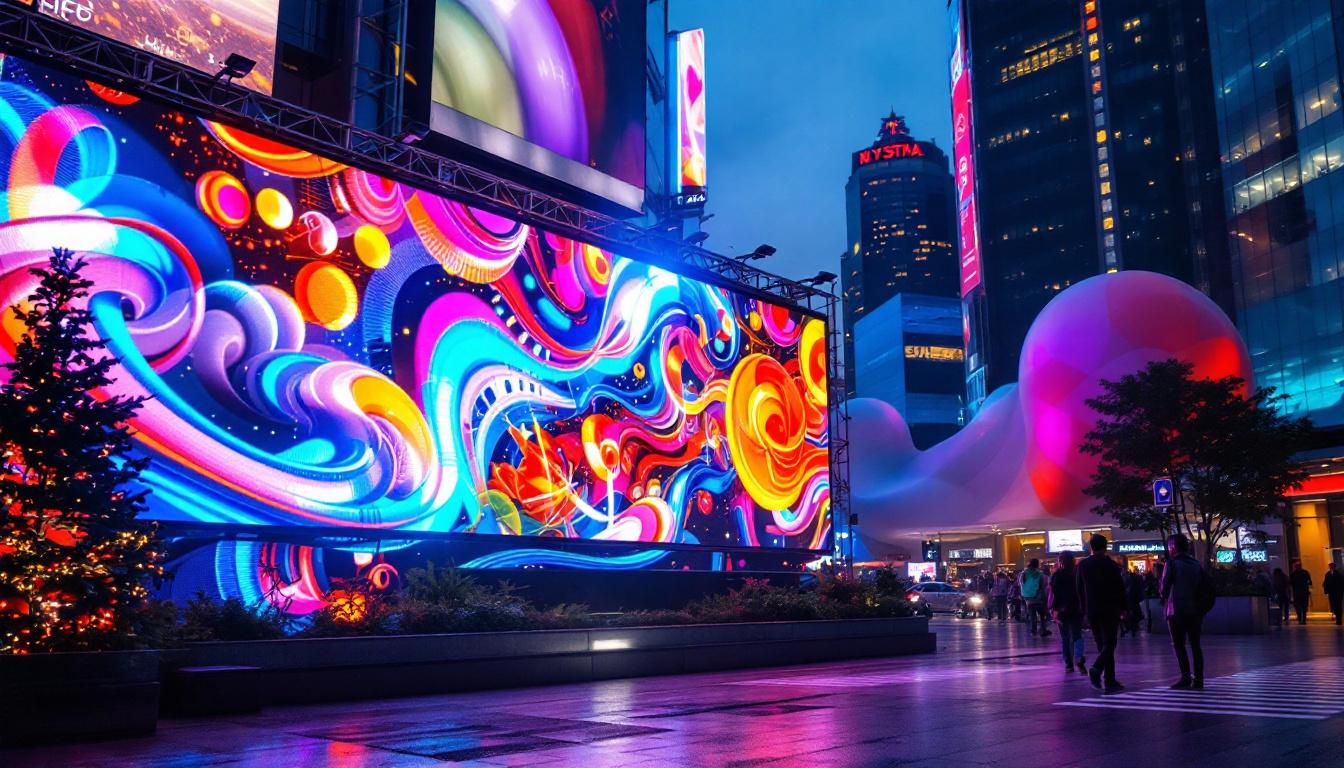
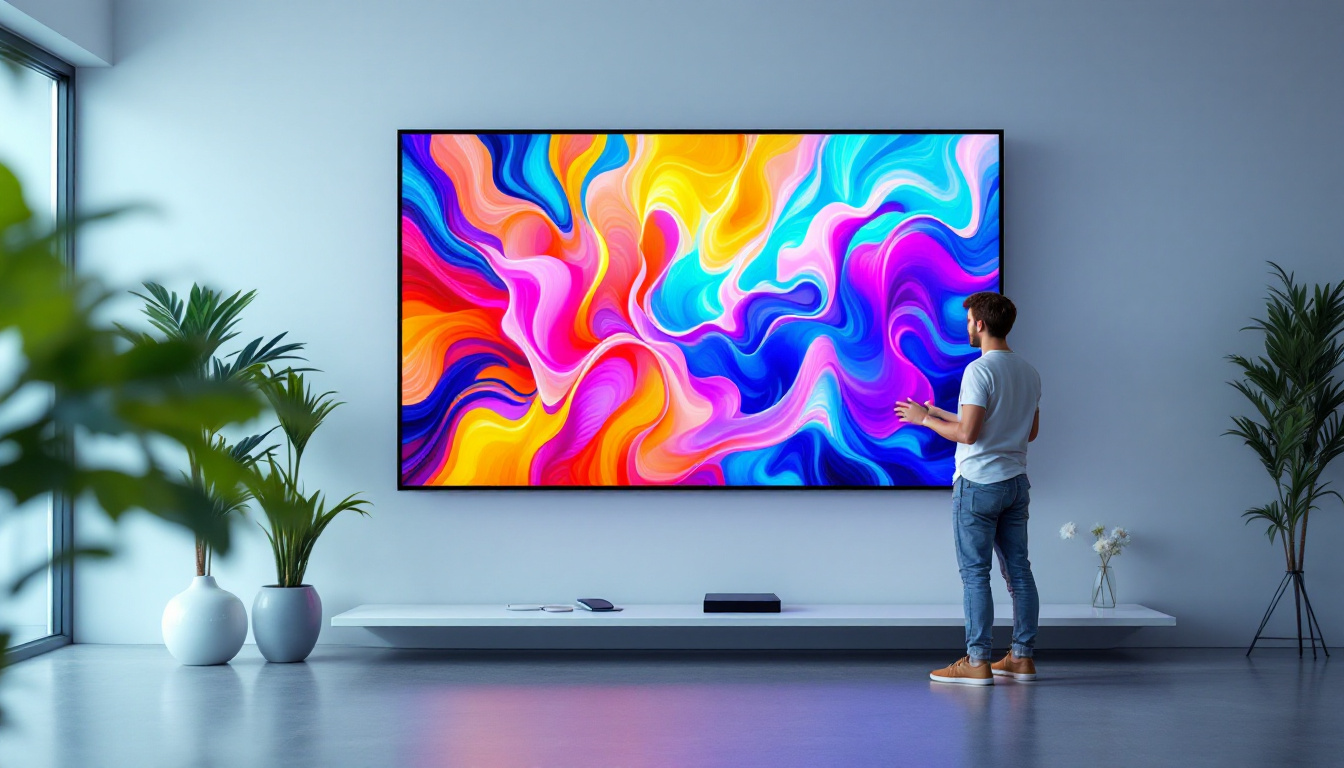
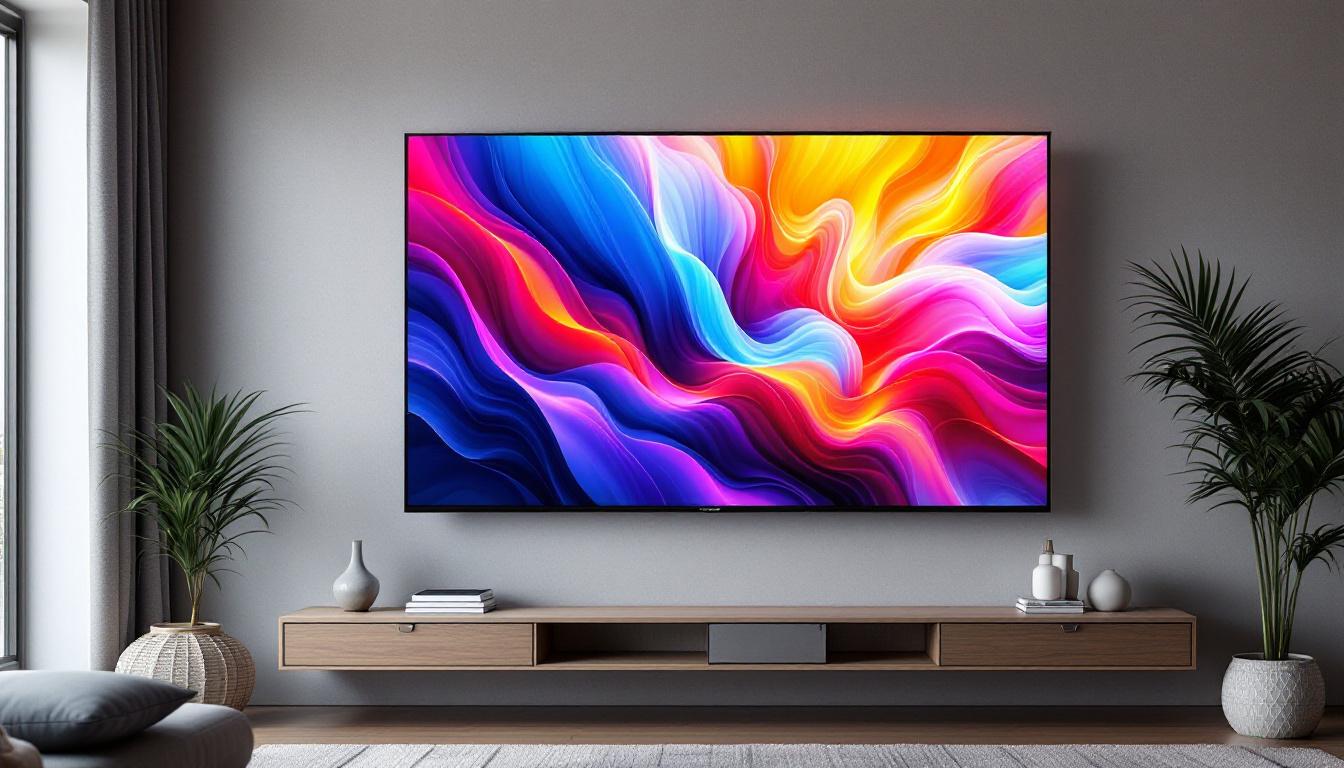
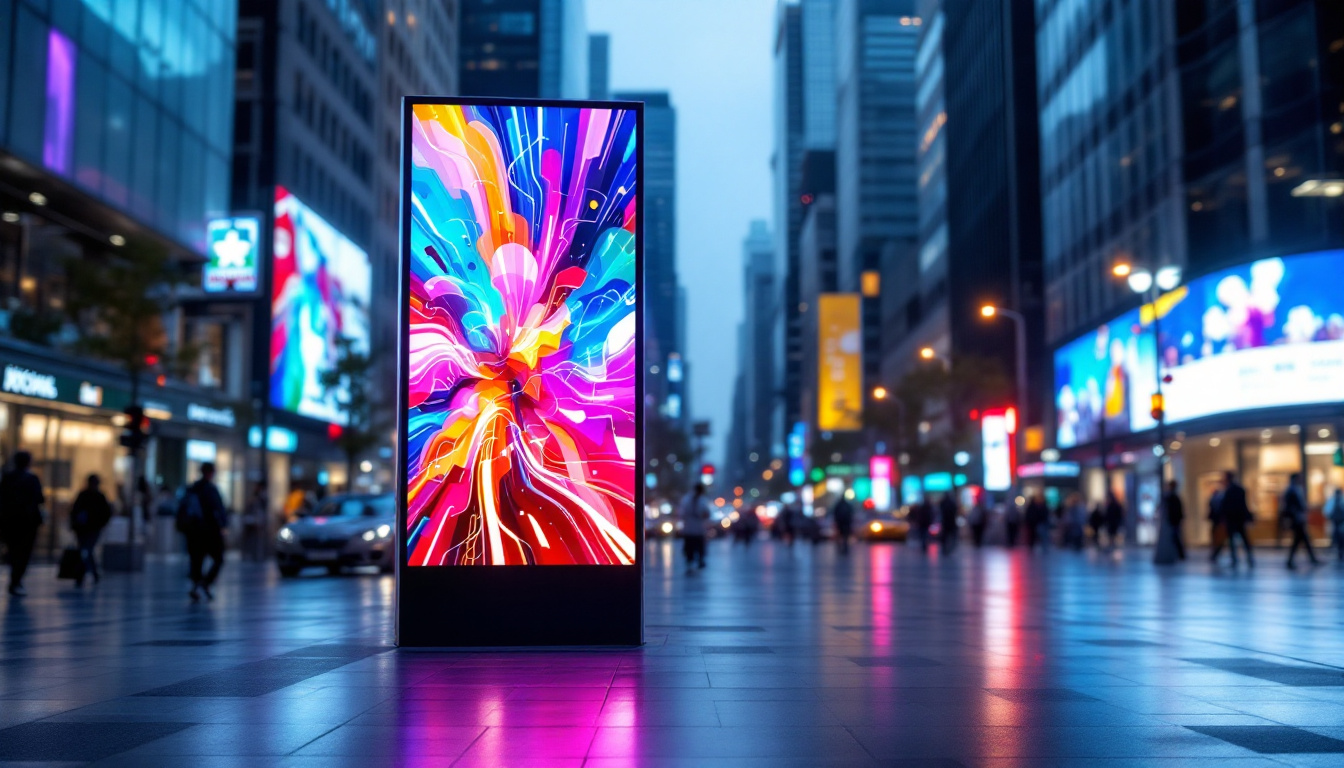
An LED poster is a type of digital signage that uses Light Emitting Diodes (LEDs) to create bright, colorful images and videos. Unlike static printed posters, LED posters can display dynamic content, including animations, videos, and real-time updates. They are typically slim, lightweight, and designed to be mounted on walls or placed in high-traffic areas such as retail stores, airports, and event venues.
LED posters differ from larger LED billboards or video walls primarily in size and pixel density. While billboards are designed for long-distance visibility, LED posters are optimized for close-range viewing, often with higher resolution and finer pixel pitch to ensure crisp images.
One of the standout features of LED posters is their versatility. They can be easily updated or changed remotely, allowing businesses to tailor their messaging to specific audiences or events. This adaptability makes them an excellent choice for promotions, seasonal sales, or even emergency announcements. Additionally, many LED posters come equipped with scheduling software, enabling users to pre-program content to display at certain times, maximizing engagement and effectiveness.
Moreover, the energy efficiency of LED technology contributes to their growing popularity. Compared to traditional lighting methods, LEDs consume significantly less power, which not only reduces operational costs but also aligns with sustainability goals. This eco-friendly aspect is increasingly important for companies looking to enhance their corporate social responsibility profiles. As a result, LED posters are not just a modern advertising tool; they also represent a step towards greener business practices in the digital age.
Key Factors Affecting LED Poster Cost
1. Size and Resolution
The size of an LED poster is one of the most significant cost drivers. Larger displays require more LEDs, power, and structural support, which increases manufacturing and installation expenses. Common sizes range from small 24-inch panels to larger 55-inch or even 75-inch displays. The choice of size often depends on the intended use; for instance, a retail environment may benefit from larger displays that can capture the attention of passersby, while smaller sizes may be suitable for more intimate settings like conference rooms or lobbies.
Resolution, measured in pixels, also impacts cost. Higher resolution means more LEDs per square inch, resulting in sharper images but also higher production costs. For example, a 4K resolution LED poster will cost considerably more than a basic 1080p display due to the increased number of LEDs and more advanced control systems. Additionally, the viewing distance plays a crucial role; the closer the audience is to the display, the higher the resolution needed to maintain image clarity. This consideration can further influence the decision-making process when selecting the appropriate display for specific applications.
2. Pixel Pitch
Pixel pitch refers to the distance between the centers of two adjacent LEDs and is usually measured in millimeters. A smaller pixel pitch means LEDs are closer together, producing higher image clarity and detail. For indoor LED posters, pixel pitches typically range from 1.2mm to 2.5mm. The smaller the pixel pitch, the more expensive the display, as it requires more LEDs and precise manufacturing. For instance, a pixel pitch of 1.2mm is ideal for environments where viewers are close to the screen, such as trade shows or retail displays, ensuring that the images remain crisp and engaging.
Moreover, the choice of pixel pitch can also affect the overall design and aesthetic of the installation. A display with a smaller pixel pitch can create a seamless look, blending into the environment while providing high-quality visuals. This can be particularly advantageous in high-end retail or corporate settings, where the visual experience is a key factor in customer engagement and brand perception.
3. Brightness and Color Quality
Brightness is measured in nits, and LED posters designed for indoor use usually have brightness levels between 800 and 1500 nits. Higher brightness ensures visibility even in well-lit environments. Additionally, color quality—defined by color gamut and accuracy—affects cost. Premium LED posters use advanced LEDs and calibration techniques to deliver vivid, true-to-life colors, which can increase the price. The ability to produce a wider color spectrum can enhance the viewer’s experience, making content more appealing and engaging.
Furthermore, the importance of brightness and color quality cannot be overstated in applications such as advertising and entertainment, where visual impact is paramount. Displays used in bright retail spaces or during events must maintain their vibrancy and clarity, even under challenging lighting conditions. This requirement often leads businesses to invest in higher-quality displays, as the return on investment can be significant when it comes to capturing audience attention and driving sales.
4. Build Quality and Durability
The materials and construction quality of an LED poster influence longevity and maintenance costs. High-end models feature robust aluminum frames, tempered glass fronts, and advanced cooling systems to prevent overheating. These features add to the initial cost but reduce the risk of failure and extend the display’s lifespan. In environments where displays are frequently moved or adjusted, such as events or exhibitions, the durability of the build becomes even more critical.
Additionally, the choice of materials can also affect the overall weight and portability of the display. Lightweight yet durable options are often preferred for mobile applications, allowing for easier transportation and setup. Investing in a display with superior build quality can lead to long-term savings by minimizing the frequency of repairs and replacements, ultimately ensuring that the display remains a reliable asset for years to come.
5. Control Systems and Software
Modern LED posters come with sophisticated control systems that allow users to schedule content, adjust brightness, and remotely manage multiple displays. Some models include touchscreen capabilities or interactive features. The complexity and licensing fees of the software can significantly affect the overall cost. Advanced software solutions may offer analytics and reporting features, enabling businesses to track viewer engagement and optimize their content strategy effectively.
Moreover, the integration of smart technology into LED displays is becoming increasingly common. Features such as cloud connectivity and compatibility with mobile devices can enhance user experience and streamline content management. As businesses seek to leverage technology for better audience interaction, the demand for displays with advanced control systems is likely to rise, further influencing pricing structures in the market.
6. Installation and Maintenance
Installation costs vary depending on the location, mounting requirements, and electrical setup. Professional installation ensures safety and optimal performance but adds to the upfront expense. Maintenance contracts, including cleaning, repairs, and software updates, should also be factored into the total cost of ownership. Regular maintenance is essential for preserving the display’s performance and longevity, as dust and debris can accumulate and affect image quality over time.
In addition to routine maintenance, businesses should also consider the availability of technical support and warranty options when purchasing LED posters. A robust support system can mitigate downtime and ensure that any issues are addressed promptly, which is particularly important for displays used in high-traffic areas or critical applications. By factoring in these considerations, businesses can make more informed decisions that align with their operational needs and budget constraints.
Typical Price Ranges for LED Posters
Understanding the price range for LED posters helps businesses budget effectively. Prices can vary widely based on the factors outlined above, as well as brand reputation and warranty terms.
Small Indoor LED Posters (24 to 32 inches)
These compact displays are ideal for point-of-sale advertising, menu boards, or small retail spaces. Prices typically range from $1,000 to $3,000 depending on resolution and features. Entry-level models might have a pixel pitch of around 2.5mm and basic control software, while premium models offer finer resolution and enhanced color accuracy.
Medium-Sized LED Posters (40 to 55 inches)
Medium-sized LED posters are suitable for larger retail environments, showrooms, or event spaces. These displays usually cost between $3,000 and $8,000. Higher resolution (1080p or 4K), smaller pixel pitch (1.5mm to 2mm), and advanced software options are common in this category.
Large LED Posters (65 inches and above)
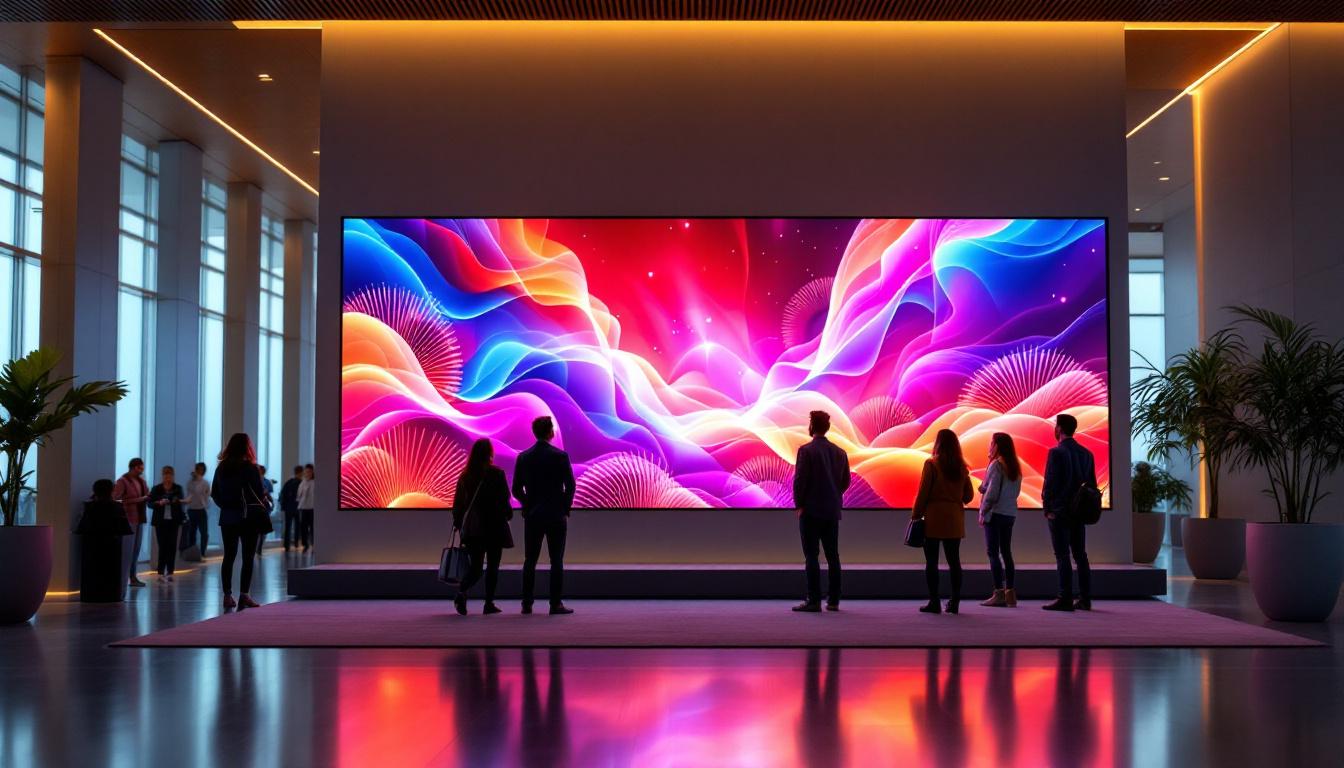
Large LED posters offer impressive visual impact and are often used in corporate lobbies, airports, and exhibition centers. Prices for these can range from $8,000 to $20,000 or more, depending on size, resolution, and additional features such as interactivity or custom content management systems.
Comparing LED Posters to Other Digital Display Options
When considering an LED poster, it’s useful to compare it with alternative digital display technologies such as LCD and OLED screens.
LED vs. LCD Displays
LCD screens are generally less expensive than LED posters and offer good image quality, but they are less bright and have limited viewing angles. LED posters provide higher brightness and better visibility in ambient light, making them more suitable for public spaces. Additionally, LED displays tend to have longer lifespans and lower maintenance costs.
LED vs. OLED Displays
OLED displays offer superior color accuracy and contrast but are currently more expensive and less durable for large-format, high-brightness applications. LED posters strike a balance between cost, brightness, and durability, which is why they remain the preferred choice for commercial signage.
Benefits of Investing in LED Posters
Understanding the cost is important, but it’s equally vital to appreciate the value LED posters bring to businesses and advertisers.
Dynamic Content Flexibility
LED posters allow for easy content updates, enabling businesses to tailor messages in real-time based on promotions, events, or customer demographics. This flexibility can significantly enhance marketing effectiveness compared to static posters.
Enhanced Customer Engagement
Bright, colorful displays naturally attract more attention and can increase foot traffic. Interactive LED posters with touchscreen capabilities further boost engagement by allowing customers to explore products or services directly.
Long-Term Cost Efficiency
Although the initial investment can be higher than traditional signage, LED posters reduce recurring printing and installation costs. Their energy efficiency and long lifespan also contribute to lower operating expenses over time.
Practical Tips for Choosing the Right LED Poster
Selecting an LED poster that fits your needs and budget requires careful consideration of several factors.
Assess Your Viewing Environment
Consider where the display will be installed. Indoor environments with controlled lighting require different brightness and pixel pitch specifications than areas exposed to sunlight or glare.
Define Your Content Needs
Determine the type of content you plan to display. High-resolution videos and detailed graphics require higher pixel density and more advanced control systems.
Evaluate Total Cost of Ownership
Look beyond the initial purchase price to include installation, maintenance, software licenses, and potential upgrades. A slightly higher upfront cost may be justified by lower long-term expenses and better performance.
Choose Reputable Manufacturers
Invest in LED posters from established manufacturers known for quality, warranty support, and customer service. This reduces risk and ensures access to technical assistance if needed.
Conclusion
LED posters represent a compelling investment for businesses seeking vibrant, flexible, and durable advertising solutions. While costs can vary widely based on size, resolution, pixel pitch, and additional features, understanding these factors helps buyers make informed decisions. By carefully assessing needs and evaluating total cost of ownership, organizations can select LED posters that maximize impact and deliver long-term value.
As LED technology continues to advance, prices are expected to become more accessible, making LED posters an increasingly attractive option for a wide range of applications. Whether for retail, corporate, or public spaces, LED posters offer a powerful way to engage audiences and elevate brand presence.
Discover Cutting-Edge LED Displays with LumenMatrix
Ready to elevate your advertising and captivate your audience with the most dynamic and flexible signage solutions? Look no further than LumenMatrix, a leader in LED display innovation. From vibrant Indoor and Outdoor LED Wall Displays to engaging Vehicle and Sports LED Displays, LumenMatrix offers an extensive range of products tailored to your unique needs. Experience the future of visual communication with our Custom, Floor, All-in-One, and Transparent LED Displays, designed to make your brand stand out. Check out LumenMatrix LED Display Solutions today and transform how you connect with your audience.