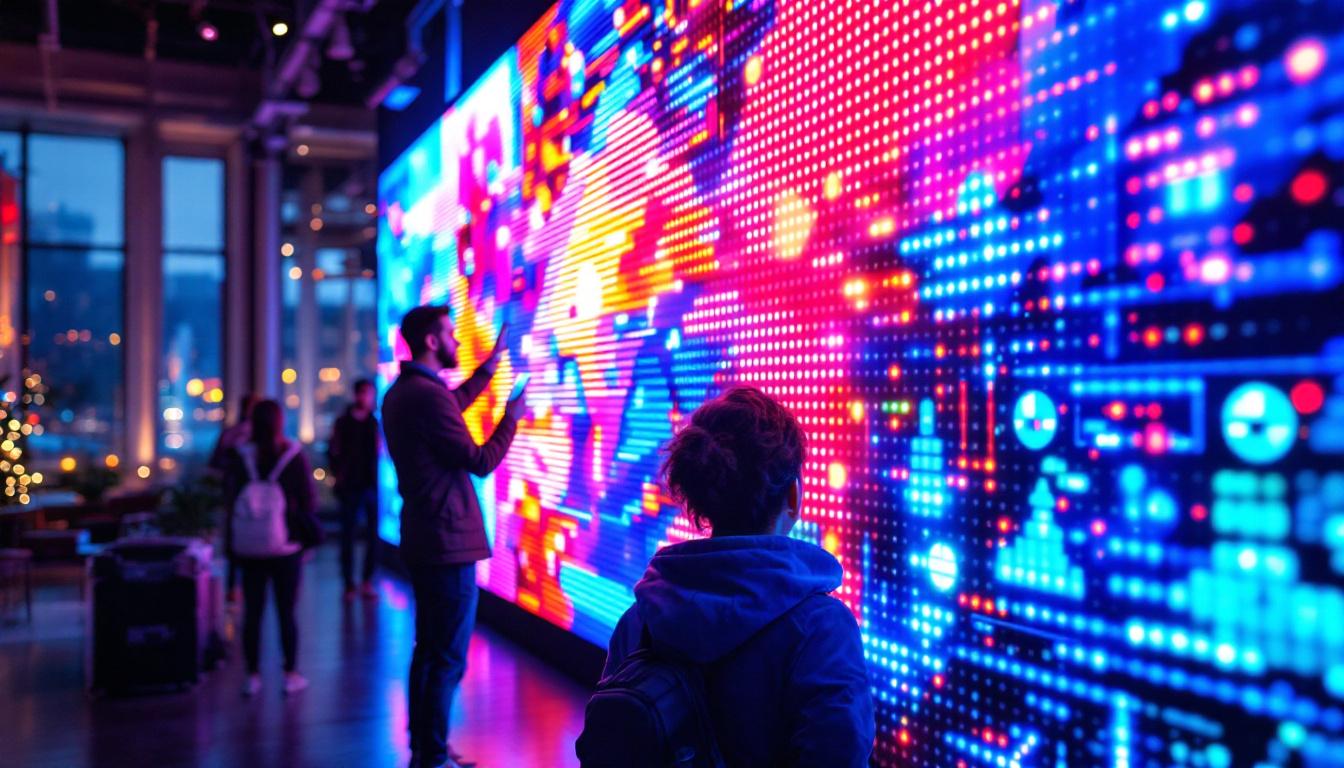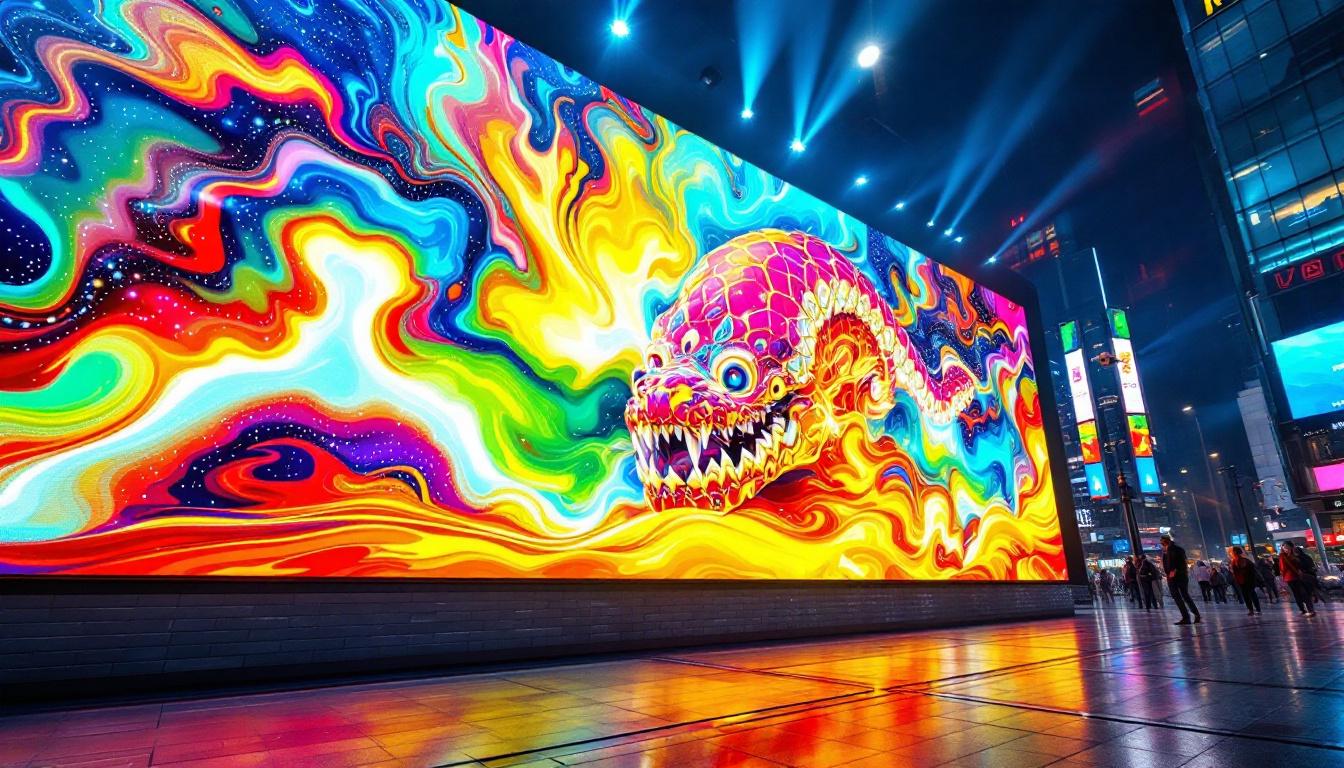
The rapid advancement of display technology has transformed the way people experience visual content, from movies and gaming to advertising and professional presentations. Among the most significant developments is the rise of 4K resolution LED displays, which offer unparalleled clarity and detail. However, understanding 4K pixel size and its impact on LED display performance is essential for making informed decisions, whether purchasing a television, designing a digital billboard, or setting up a high-end video wall.
This article delves into the intricacies of 4K pixel size in LED displays, exploring how pixel dimensions influence image quality, viewing distance, and overall user experience. It also covers the technical aspects of LED technology, real-world applications, and tips for selecting the right display for specific needs.
What Does 4K Resolution Mean?
Before diving into pixel size, it’s crucial to clarify what 4K resolution entails. The term “4K” generally refers to a horizontal display resolution of approximately 4,000 pixels. In consumer electronics, the most common 4K standard is 3840 x 2160 pixels, which is exactly twice the 1080p Full HD resolution in both width and height, resulting in four times the total pixel count.
This increase in pixel density allows for sharper images, more detailed textures, and a more immersive viewing experience. The 4K resolution standard has become prevalent in televisions, computer monitors, projectors, and LED displays used in various industries.
Understanding Pixel Density and Pixel Size
Pixel density, often measured in pixels per inch (PPI), describes how many pixels fit within a given physical area of the display. Higher pixel density means smaller pixels packed closer together, which typically results in crisper images. Conversely, pixel size refers to the physical dimensions of each pixel, usually measured in millimeters (mm) on LED displays.
In LED displays, each pixel consists of one or more light-emitting diodes that produce the image. The pixel size directly affects the display’s resolution and viewing distance. Smaller pixels allow for higher resolution in a smaller physical space, while larger pixels are more suitable for displays viewed from a distance, such as outdoor billboards.
How Pixel Size Affects LED Display Quality
Pixel size is a fundamental factor in determining the visual quality of an LED display. It influences sharpness, color accuracy, brightness uniformity, and the overall viewing experience.
Pixel Pitch: The Key Metric
In the context of LED displays, pixel pitch is the distance from the center of one pixel to the center of the adjacent pixel, measured in millimeters. It essentially represents the pixel size and determines the display’s resolution density. For example, a pixel pitch of 1.2mm means pixels are spaced 1.2 millimeters apart.
Smaller pixel pitch values correspond to higher resolution and finer image detail, making them ideal for close-up viewing environments such as control rooms, retail stores, or indoor arenas. Larger pixel pitches are more cost-effective for large-scale outdoor displays where viewers are farther away.
Impact on Viewing Distance and Image Clarity
The relationship between pixel size and optimal viewing distance is critical. A display with a large pixel pitch will appear pixelated or blurry when viewed too closely, while a display with a small pixel pitch can maintain sharpness even at short distances.
For 4K LED displays, maintaining an appropriate pixel size ensures that the high resolution delivers meaningful improvements in image quality. For instance, a 4K LED video wall with a pixel pitch of 0.9mm will provide stunning detail for viewers standing just a few feet away, whereas a 4K billboard with a 10mm pixel pitch is designed to be viewed from tens of meters away.
Brightness and Color Uniformity Considerations
Pixel size also influences brightness and color uniformity. Smaller pixels might produce less brightness individually but can compensate through higher pixel density. Conversely, larger pixels can emit more light per pixel, which is advantageous for outdoor visibility under direct sunlight.
Manufacturers balance pixel size with LED chip technology, driving current, and display calibration to achieve consistent brightness and color across the entire screen. This is especially vital for professional applications where image fidelity is paramount.
Technical Aspects of 4K LED Displays
Understanding the technical components behind 4K LED displays provides insight into how pixel size integrates with other factors to deliver superior performance.
LED Types and Their Influence on Pixel Size
LED displays use various types of LEDs, including surface-mounted device (SMD) LEDs and mini-LEDs. SMD LEDs are commonly used in indoor displays due to their small size and high pixel density capabilities. Mini-LEDs, which are smaller than traditional LEDs but larger than micro-LEDs, offer a balance between brightness and pixel size, making them suitable for both indoor and outdoor applications.
The choice of LED type affects the minimum achievable pixel pitch. For example, SMD technology can achieve pixel pitches as low as 0.7mm, supporting ultra-high-definition 4K displays with excellent close-range clarity.
Display Size and Resolution Relationship
The physical size of the LED display combined with its pixel pitch determines the total resolution. For a 4K LED display, the total number of pixels is fixed at approximately 8.3 million (3840 x 2160). To achieve this resolution, the display size and pixel pitch must be carefully matched.
For example, a 4K LED display with a 1.5mm pixel pitch will be physically smaller than one with a 3mm pixel pitch. This relationship is essential when planning installations, as it impacts both the viewing experience and the installation logistics.
Refresh Rate and Response Time
While pixel size primarily affects image clarity and resolution, refresh rate and response time are also critical for overall display performance. High refresh rates (e.g., 120Hz or higher) ensure smooth motion rendering, which is important for video playback and gaming applications.
LED displays with smaller pixels often incorporate advanced driver ICs and processing technologies to maintain high refresh rates without compromising brightness or color accuracy.
Real-World Applications of 4K LED Displays
The versatility of 4K LED displays with optimized pixel size is evident across various industries and use cases.
Home Entertainment and Gaming
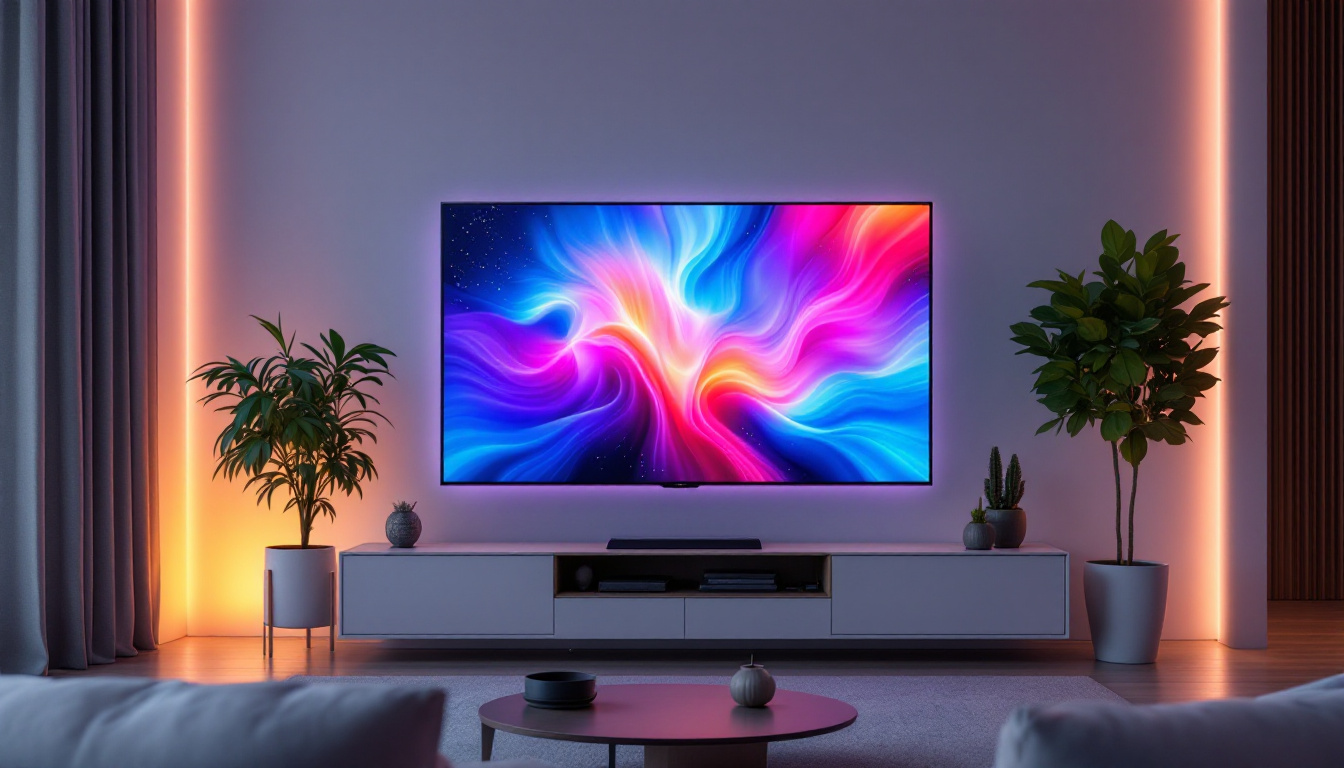
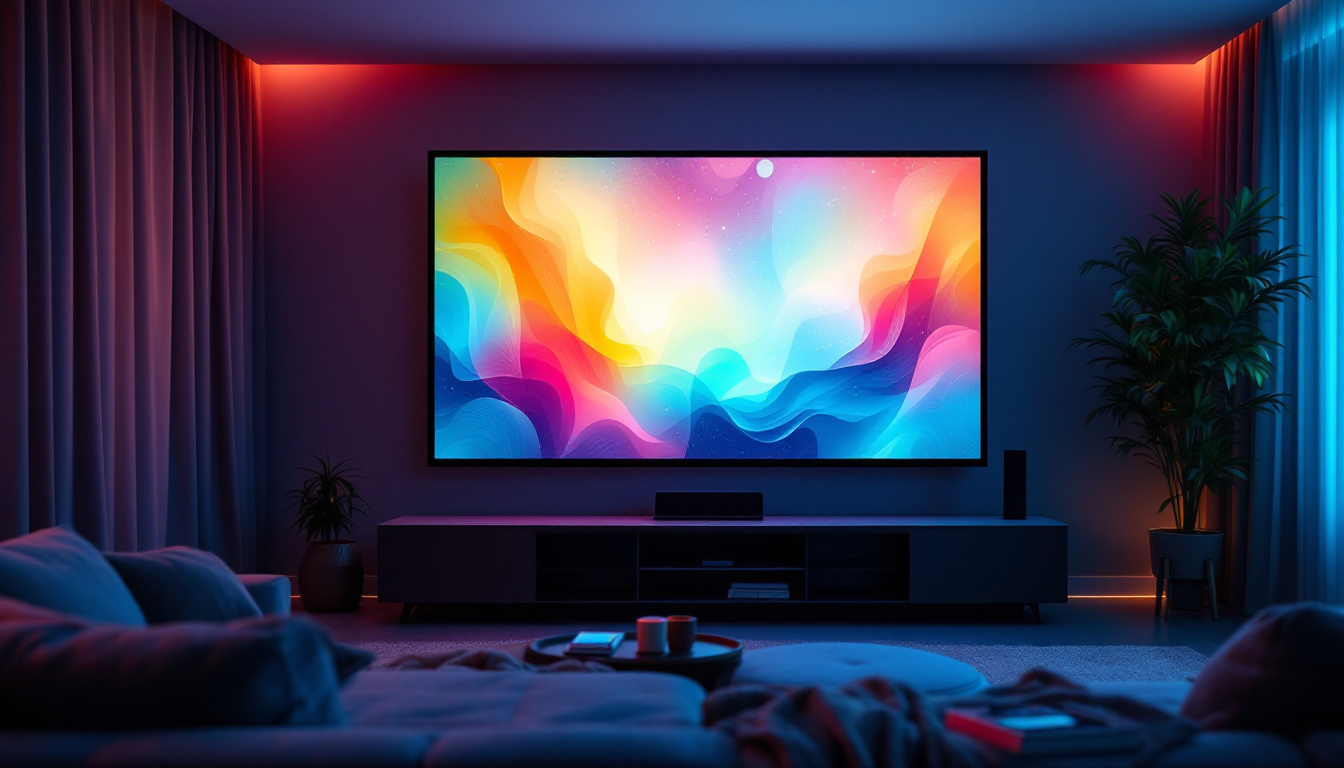
In the consumer market, 4K LED TVs and monitors have become standard for home entertainment. Smaller pixel sizes in these displays enable viewers to sit closer without noticing pixelation, enhancing immersion in movies and games.
Gaming monitors with pixel pitches around 0.23mm to 0.27mm support ultra-high-definition visuals and fast refresh rates, providing competitive advantages in fast-paced games.
Commercial and Retail Displays
Retail environments benefit from 4K LED displays with fine pixel pitches, which can showcase detailed product images and promotional content. These displays attract customer attention and improve brand messaging.
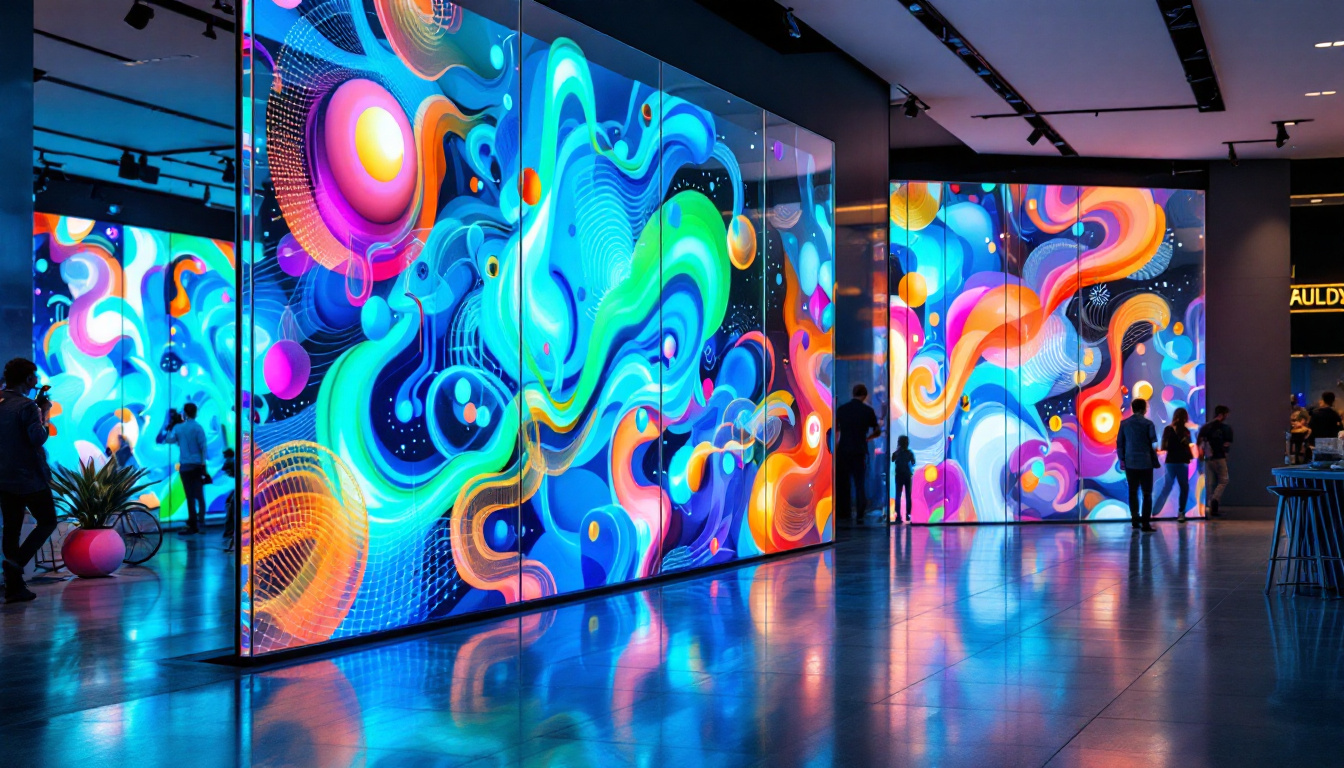
Digital signage in airports, malls, and corporate lobbies often uses 4K LED video walls with pixel pitches between 1mm and 2mm, balancing cost and visual impact.
Outdoor Advertising and Stadium Screens
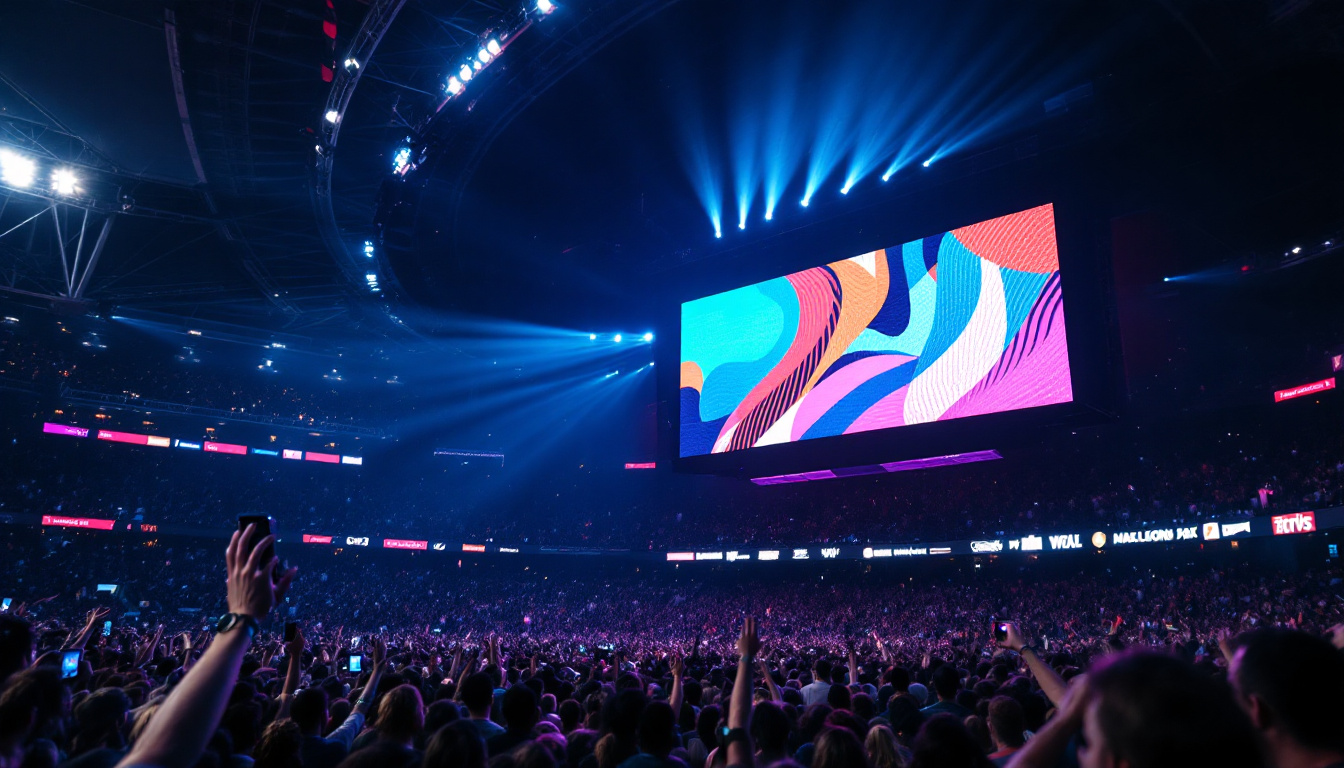
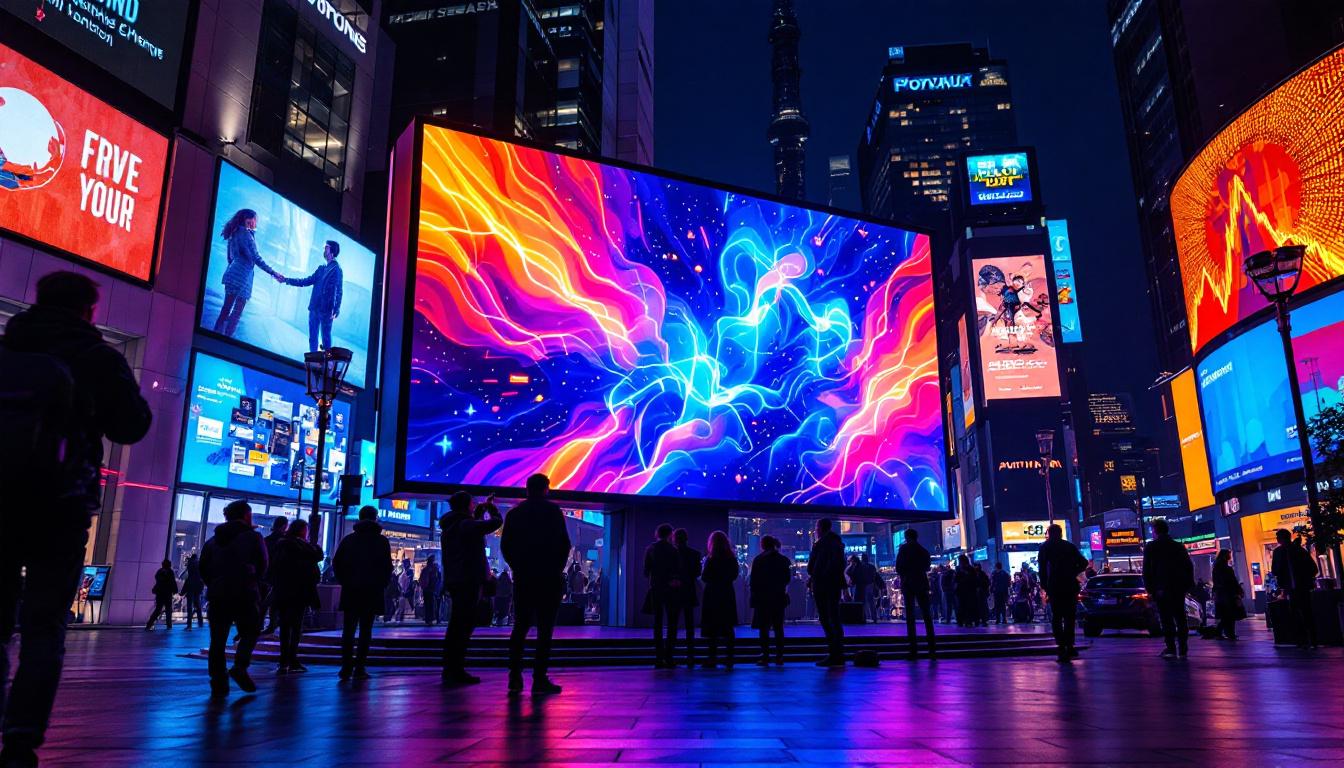
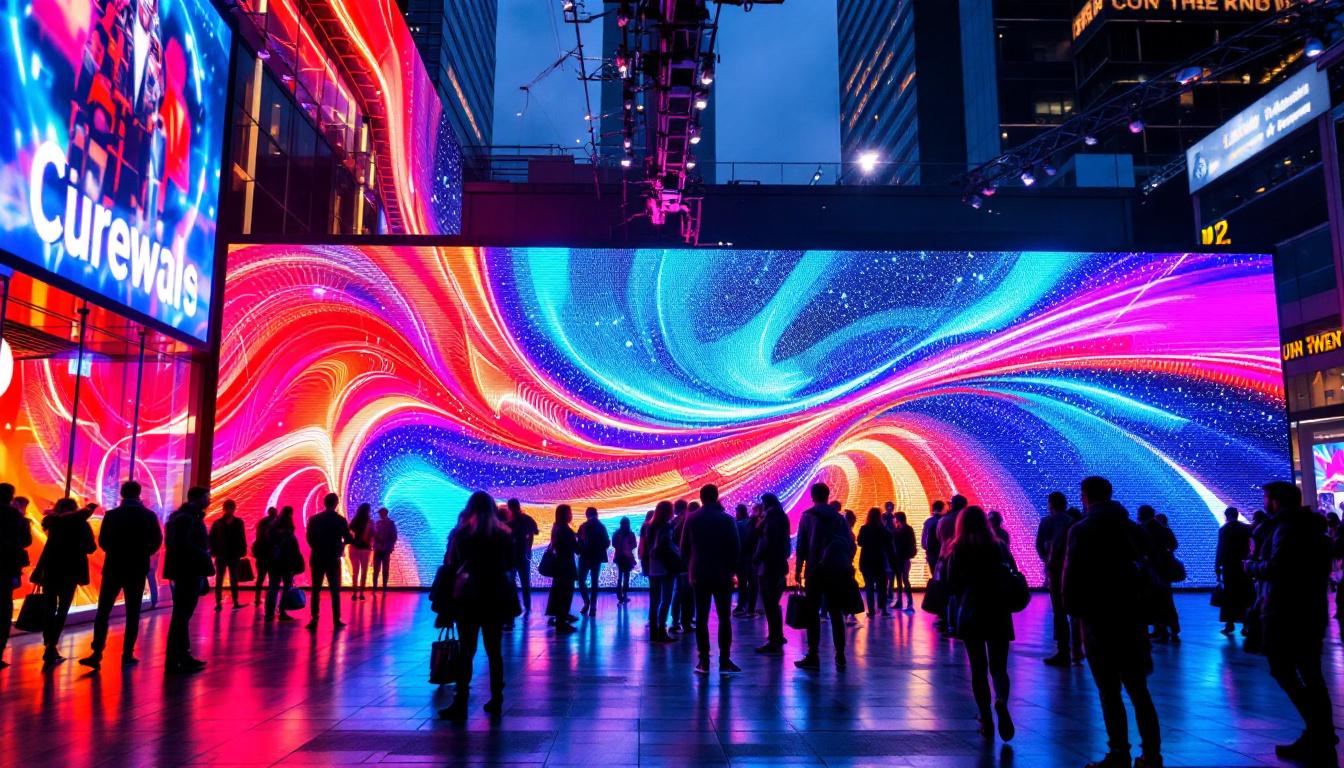
Large-scale outdoor LED billboards and stadium screens prioritize brightness and viewing distance over ultra-fine pixel pitch. However, advancements in LED technology have enabled 4K resolution even on massive displays, with pixel pitches around 4mm to 10mm.
These displays provide vibrant, high-resolution content visible from hundreds of meters, enhancing audience engagement during events and advertising campaigns.
Choosing the Right 4K LED Display: Key Considerations
Selecting the optimal 4K LED display involves balancing pixel size with other factors to meet specific needs and environments.
Assessing Viewing Distance and Environment
Determining the typical viewing distance is the first step. For close-range viewing (under 3 meters), choose displays with pixel pitches below 1.5mm to avoid visible pixelation. For medium distances (3 to 10 meters), pixel pitches between 1.5mm and 4mm are suitable. For long distances (above 10 meters), larger pixel pitches are acceptable.
Environmental factors such as ambient light also influence pixel size choice. Bright outdoor settings require larger pixels for higher brightness, while controlled indoor environments allow for smaller pixels and higher resolution.
Budget and Installation Constraints
Smaller pixel pitches generally increase the cost of LED displays due to the higher number of LEDs and more complex manufacturing processes. Installation complexity and maintenance should also be considered, as fine-pitch displays require precise calibration and handling.
Intended Use and Content Type
Consider the primary content type—static images, video, text, or interactive media. High-detail content benefits from smaller pixel sizes, while simpler graphics or text-based content may not require ultra-fine resolution.
For dynamic content like live sports or concerts, displays with fast refresh rates and low response times are essential alongside appropriate pixel size.
Future Trends in 4K LED Pixel Technology
Ongoing innovations continue to push the boundaries of pixel size and LED display capabilities.
Micro-LED and Beyond
Micro-LED technology promises even smaller pixel sizes with superior brightness, contrast, and energy efficiency compared to traditional LEDs. This technology could enable 4K displays with pixel pitches below 0.5mm, revolutionizing both consumer and professional markets.
AI-Driven Calibration and Image Processing
Artificial intelligence is increasingly used to optimize image quality dynamically, compensating for pixel size limitations by enhancing sharpness, color accuracy, and brightness uniformity in real-time.
Integration with Augmented and Virtual Reality
As AR and VR applications demand ultra-high-resolution displays with minimal latency, advancements in pixel size and LED technology will play a critical role in delivering immersive experiences.
Conclusion
Understanding 4K pixel size in LED displays is vital for selecting the right technology for any application, from home entertainment to large-scale commercial installations. Pixel size, expressed through pixel pitch, directly influences image clarity, viewing distance, brightness, and cost.
By considering factors such as viewing environment, intended use, and budget, users can make informed decisions that maximize the benefits of 4K LED technology. With ongoing advancements like micro-LEDs and AI-driven enhancements, the future of 4K LED displays promises even greater visual experiences.
Explore Cutting-Edge 4K LED Displays with LumenMatrix
Ready to experience the ultimate in visual clarity and immersion? LumenMatrix is at the forefront of LED display innovation, offering a wide range of solutions tailored to your unique needs. From captivating Indoor LED Wall Displays to dynamic Outdoor LED Wall Displays, and from versatile Vehicle LED Displays to stunning LED Sports Displays, our technology is designed to elevate your visual communication. Discover how our Custom LED Displays and All-in-One LED Display solutions can transform your space and engage your audience. Don’t miss out on the future of digital signage—check out LumenMatrix LED Display Solutions today and see your message come to life like never before.