In the ever-evolving world of display technology, the quest for bigger, brighter, and more immersive screens has driven remarkable innovations. Among these, the largest monitors in the world—massive LED displays—stand out as technological marvels that redefine how we experience visual content. From sprawling digital billboards to colossal indoor video walls, these giant LED displays are transforming industries ranging from entertainment and advertising to control rooms and public information systems.
This article delves into the fascinating world of the largest LED monitors globally, exploring what makes them unique, how they are constructed, their applications, and the future trends shaping this dynamic field.
Understanding LED Display Technology
What Is an LED Display?
LED stands for Light Emitting Diode, a semiconductor device that emits light when an electric current passes through it. An LED display is composed of thousands to millions of these tiny diodes arranged in a grid, each acting as a pixel capable of producing light in various colors. Unlike traditional LCDs, which rely on backlighting, LED displays generate their own light, resulting in higher brightness, better contrast, and superior energy efficiency. This self-illuminating characteristic not only enhances the visual experience but also contributes to lower energy consumption, making LED displays an environmentally friendly choice.
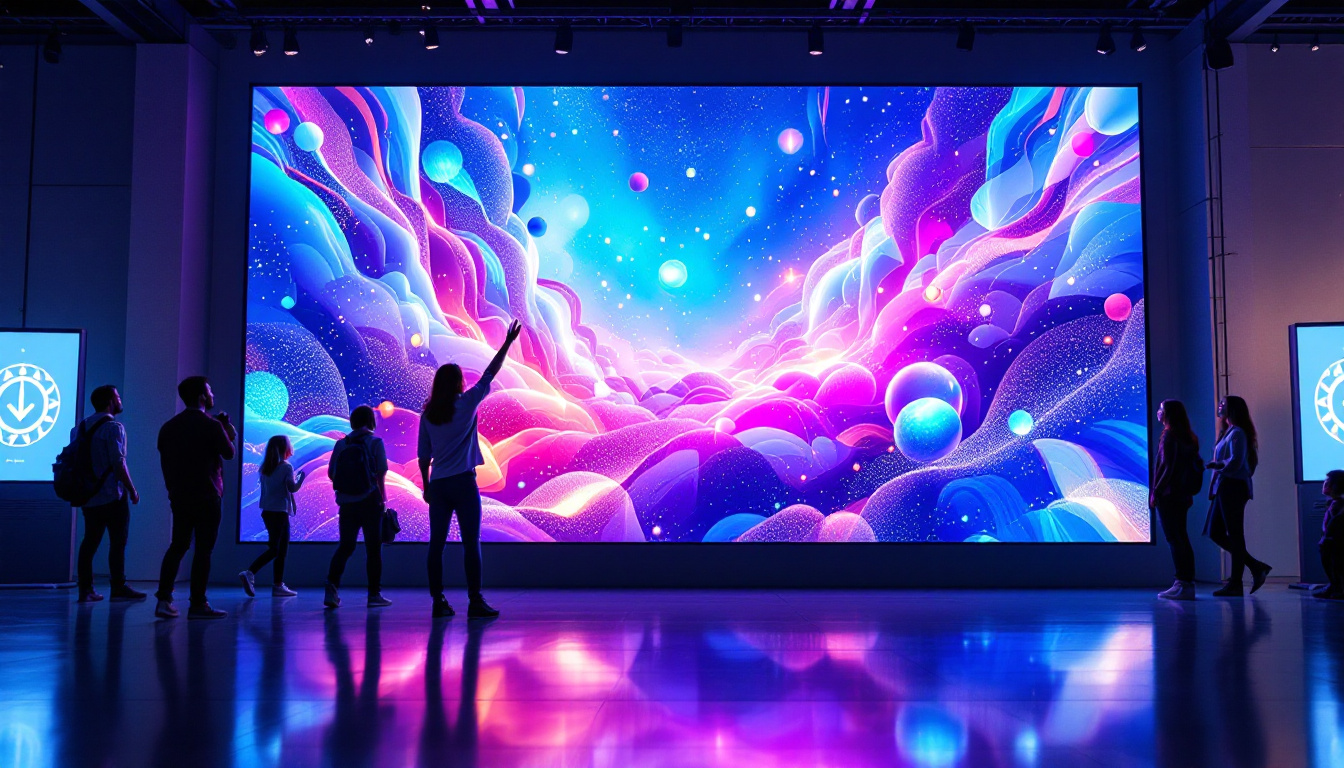
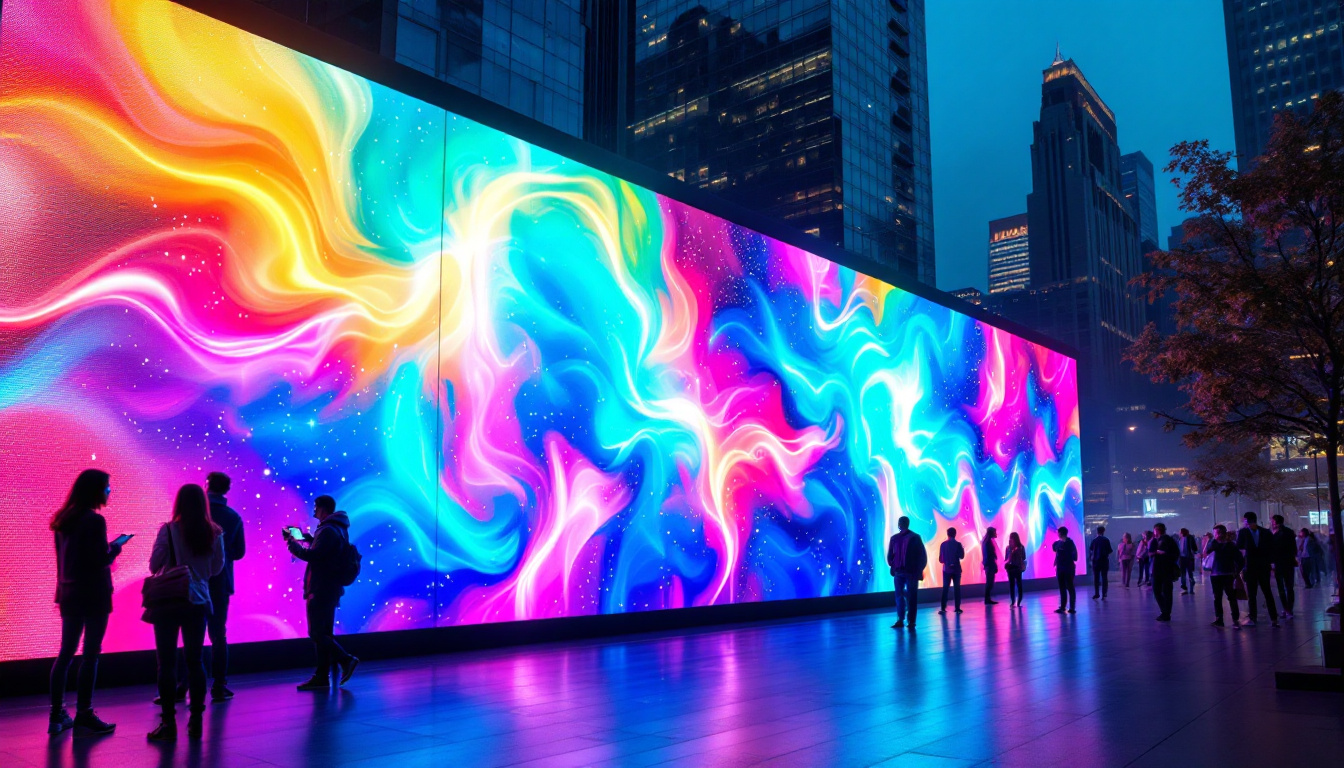
Large LED displays, often called LED video walls or LED billboards, use modular panels that can be seamlessly combined to create screens of virtually any size. This modularity allows for extraordinary scalability, making it possible to build some of the largest monitors in the world. The flexibility of these panels also enables creative installations, such as curved or irregularly shaped displays, which can transform public spaces and enhance advertising strategies. As a result, LED displays have become a popular choice for concerts, sporting events, and large-scale advertising campaigns, captivating audiences with their vibrant colors and dynamic content.
Types of LED Displays
There are two primary categories of LED displays: indoor and outdoor. Indoor LED displays typically have a smaller pixel pitch (the distance between individual LEDs), which allows for higher resolution and closer viewing distances. These displays are often used in environments such as shopping malls, conference rooms, and theaters, where detail and clarity are paramount. The ability to deliver sharp images and videos makes indoor LED displays ideal for presentations and entertainment, creating an immersive experience for viewers.
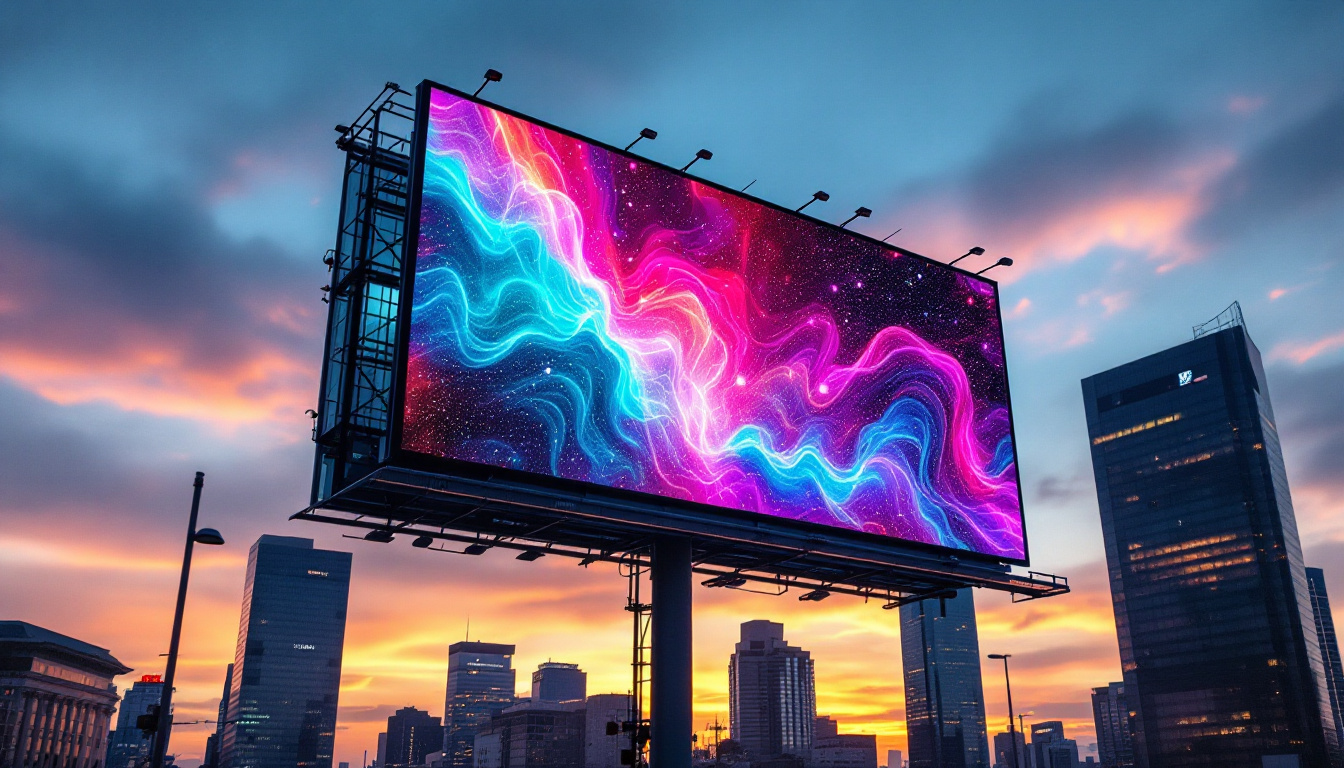
Outdoor LED displays prioritize brightness and durability to withstand environmental conditions such as sunlight, rain, and temperature fluctuations. These displays often incorporate advanced technologies like weatherproofing and anti-glare coatings, ensuring that content remains visible and vibrant even in direct sunlight. Another distinction is between direct view LED (DVLED) and LED-backlit LCDs. DVLED displays use LEDs as the actual pixels, providing superior color accuracy and viewing angles, while LED-backlit LCDs use LEDs only as a backlight source. The largest monitors in the world almost exclusively use direct view LED technology due to its scalability and visual performance. Furthermore, advancements in pixel density and color calibration are continually enhancing the capabilities of LED displays, allowing for even more stunning visuals that can adapt to various applications, from digital signage to high-definition video walls in sports arenas. This ongoing evolution in LED technology ensures that displays not only meet but exceed the expectations of modern audiences, creating a captivating visual landscape.
The Largest LED Monitors in the World: Record-Breaking Examples
The Fremont Street Experience, Las Vegas
One of the most iconic examples of a massive LED display is the Fremont Street Experience in Las Vegas. This canopy-style LED screen stretches approximately 1,500 feet (457 meters) in length and 90 feet (27 meters) in width, covering an area of over 130,000 square feet. Installed in 1995 and upgraded multiple times since, this display uses millions of LEDs to create immersive light shows that attract millions of visitors annually.
The Fremont Street Experience demonstrates how large-scale LED displays can transform public spaces into interactive entertainment hubs, blending technology, art, and advertising.
The Coex Starfield, Seoul
In South Korea, the Coex Starfield LED display is another example of a giant indoor LED monitor. Located in the Starfield COEX Mall, this ceiling-mounted display measures approximately 150 feet (45 meters) long and 30 feet (9 meters) wide. It uses cutting-edge LED technology to simulate a starry sky, captivating shoppers with dynamic visuals and immersive content.
This installation highlights the potential of large LED displays in retail environments, enhancing customer experience and driving foot traffic.
Samsung’s The Wall
Samsung’s “The Wall” is a modular microLED display that can be configured into enormous sizes, with some versions reaching up to 292 inches diagonally. While not the largest single display in the world, its technology represents a leap forward in image quality, color accuracy, and scalability.
MicroLED technology, a subset of LED displays, offers higher resolution and brightness with lower power consumption, making it a promising candidate for future large-scale monitors.
How Are These Giant LED Displays Built?
Modular Panel Construction
The construction of the largest LED monitors relies heavily on modular panels. Each panel contains thousands of LEDs and is designed to fit seamlessly with adjacent panels. This modular approach allows manufacturers to customize the size and shape of the display to fit specific architectural or functional requirements.
Panels are typically mounted on robust frameworks that provide structural integrity and allow for precise alignment. Advanced mounting systems also facilitate maintenance and replacement of individual panels without disrupting the entire display.
Pixel Pitch and Resolution Considerations
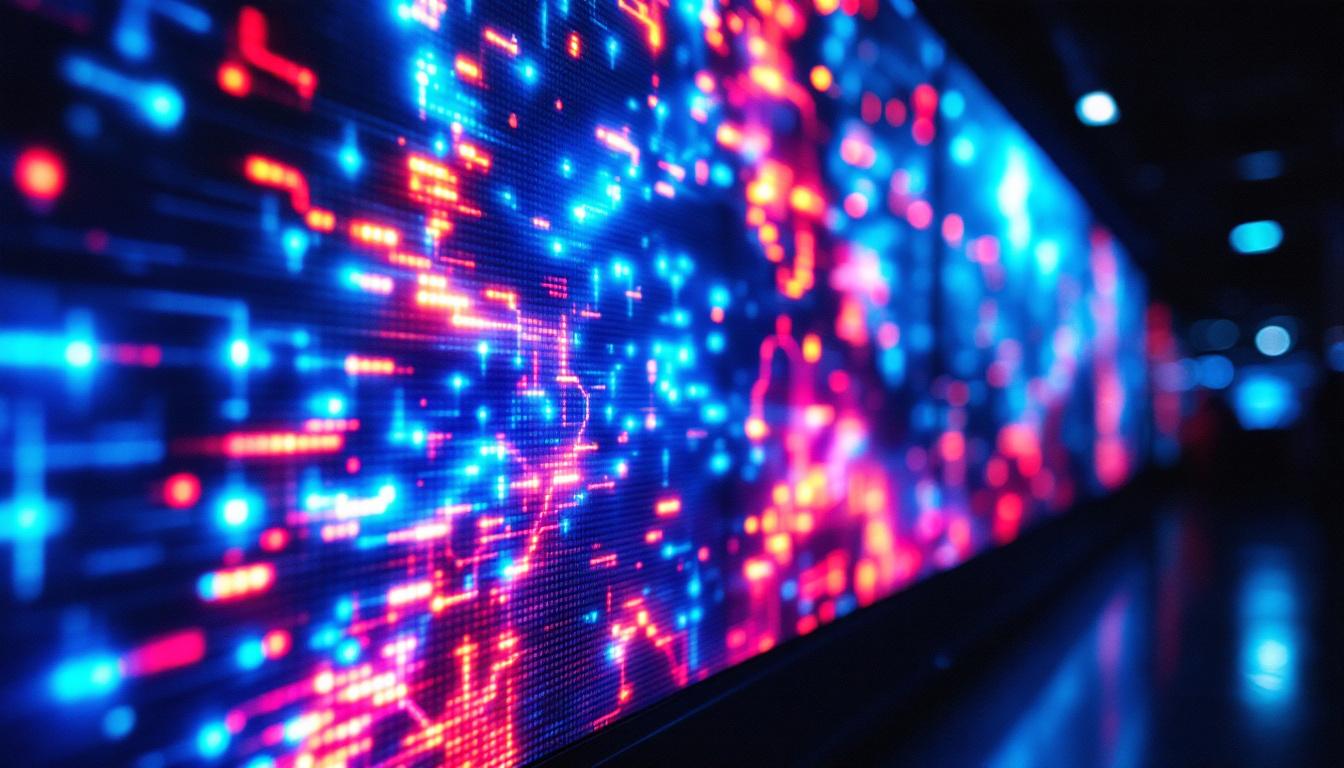
Pixel pitch is a critical factor in determining the resolution and viewing distance of an LED display. Smaller pixel pitches mean higher pixel density and sharper images, but they also increase the cost and complexity of the display. For the largest monitors, designers balance pixel pitch with intended viewing distance to optimize visual performance and cost-effectiveness.
For example, an outdoor billboard visible from hundreds of feet away may use a pixel pitch of 10mm or more, while an indoor video wall viewed from a few feet away might use a pixel pitch as low as 0.9mm.
Brightness and Color Calibration
Large LED displays must deliver consistent brightness and color across their entire surface. This requires precise calibration during installation and ongoing maintenance. Automated calibration tools are often used to adjust brightness levels and color balance, compensating for environmental factors and LED aging.
High brightness is especially important for outdoor displays to ensure visibility in direct sunlight, with some LED monitors achieving brightness levels exceeding 5,000 nits.
Applications of the World’s Largest LED Monitors
Advertising and Marketing
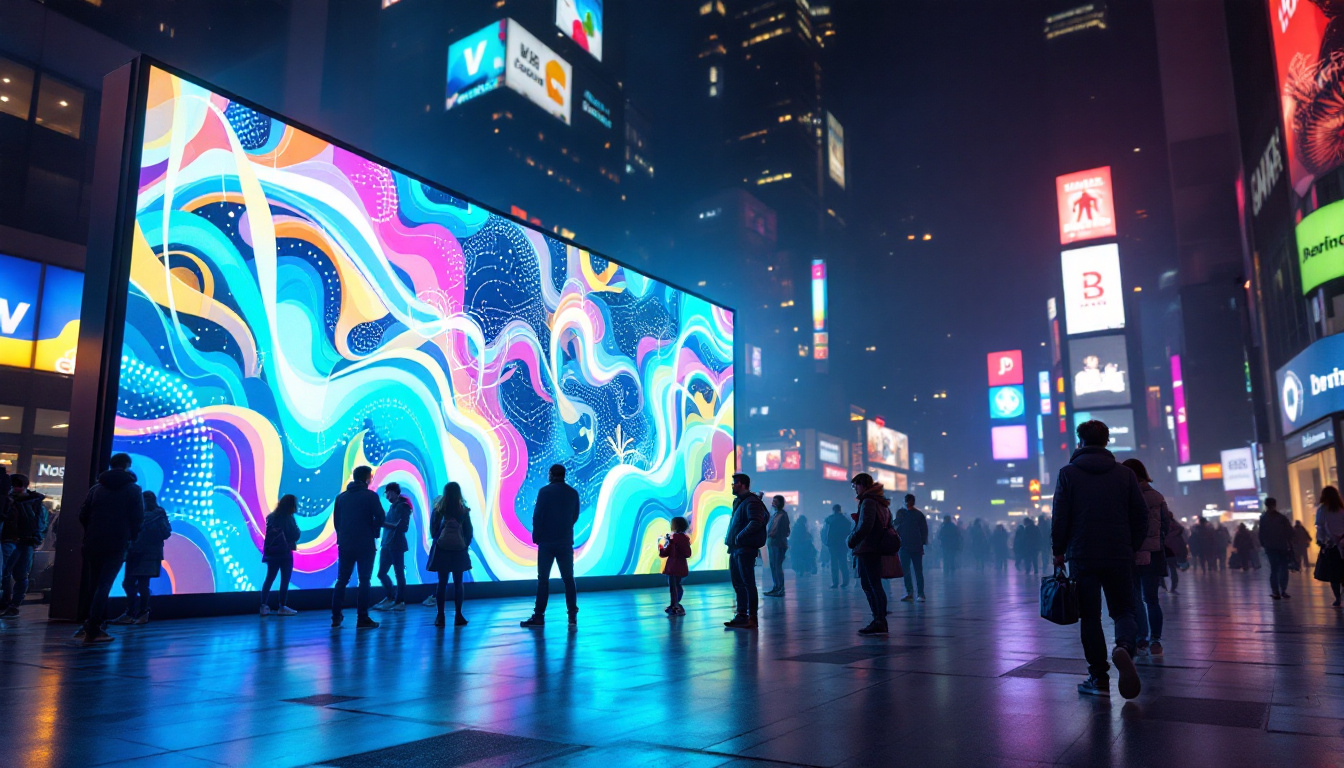
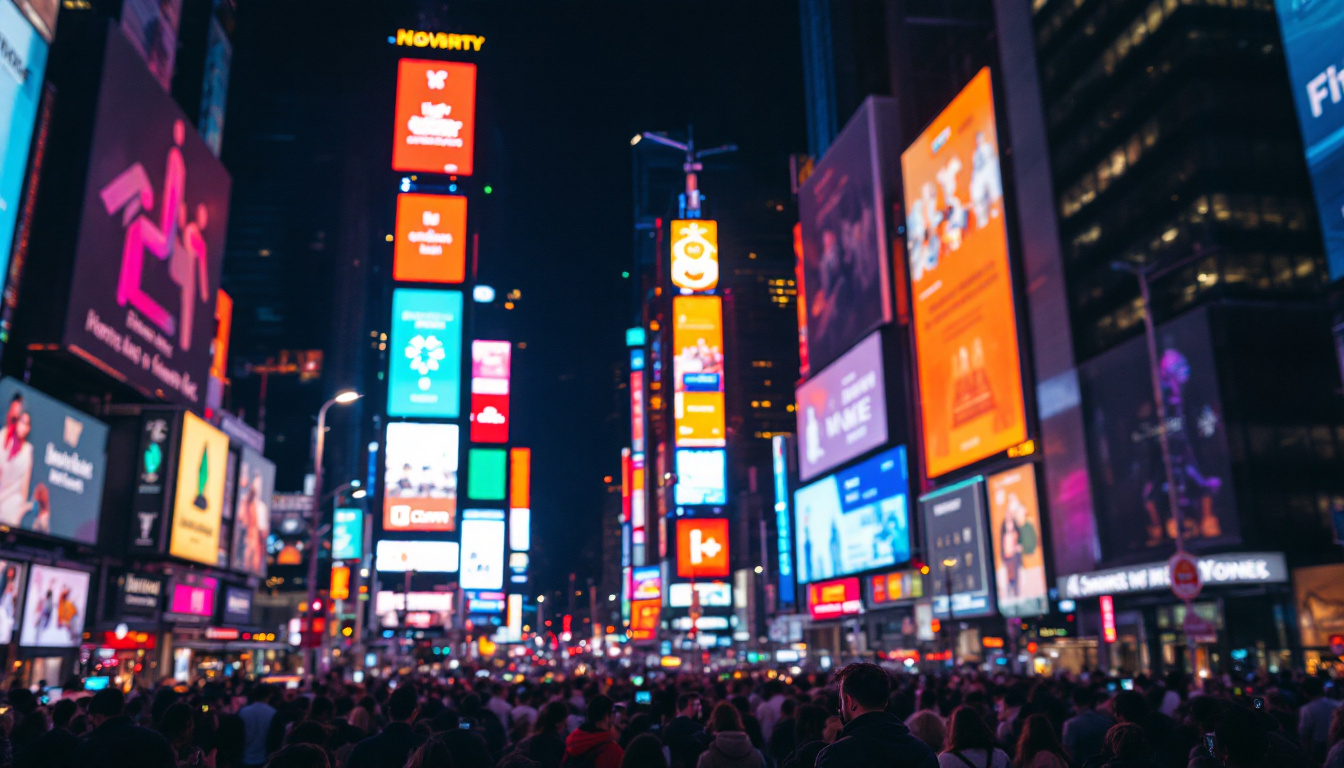
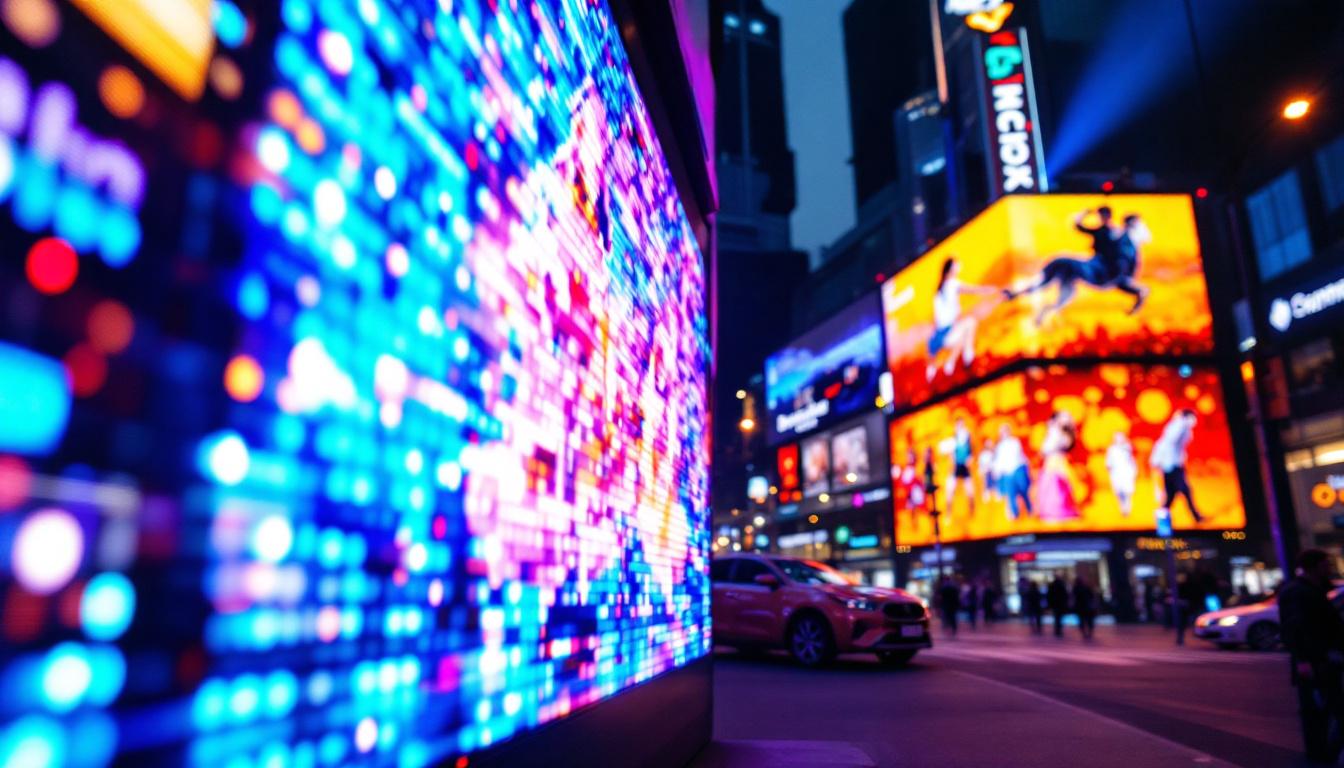
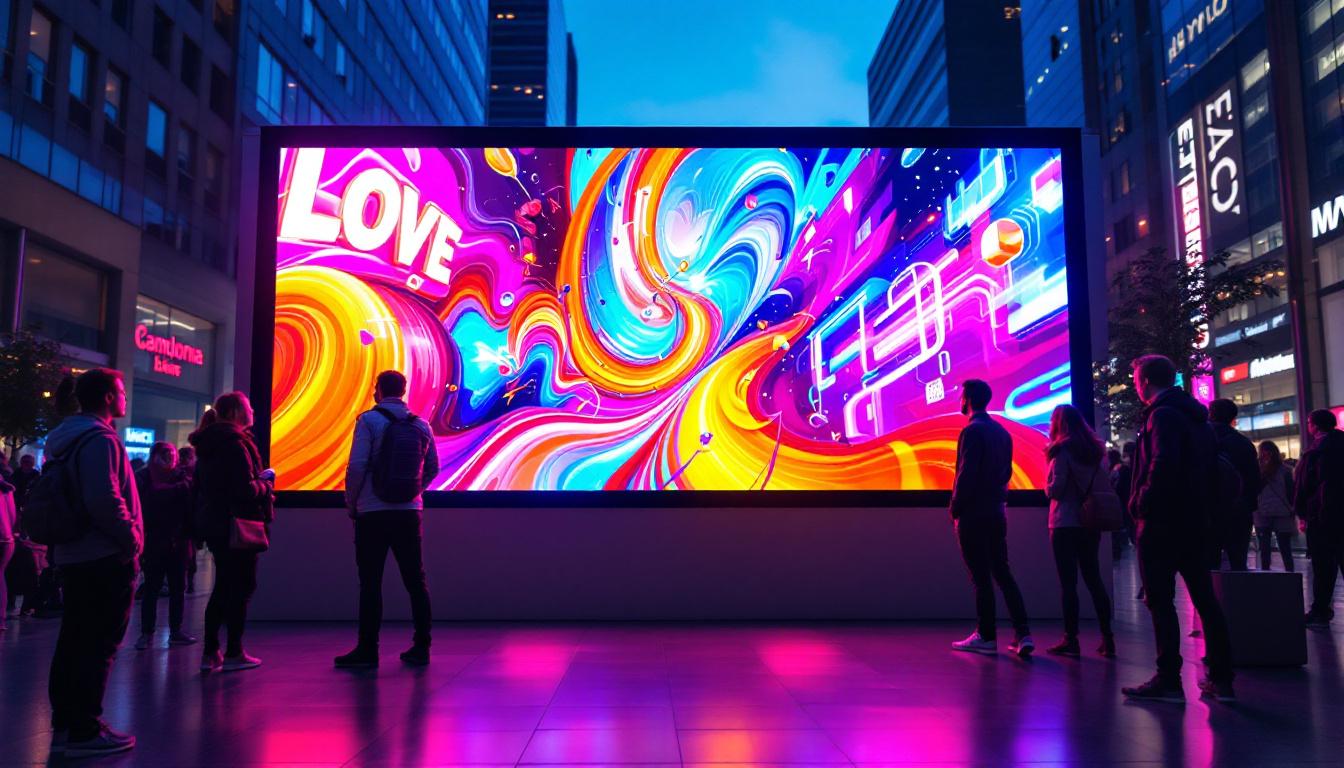
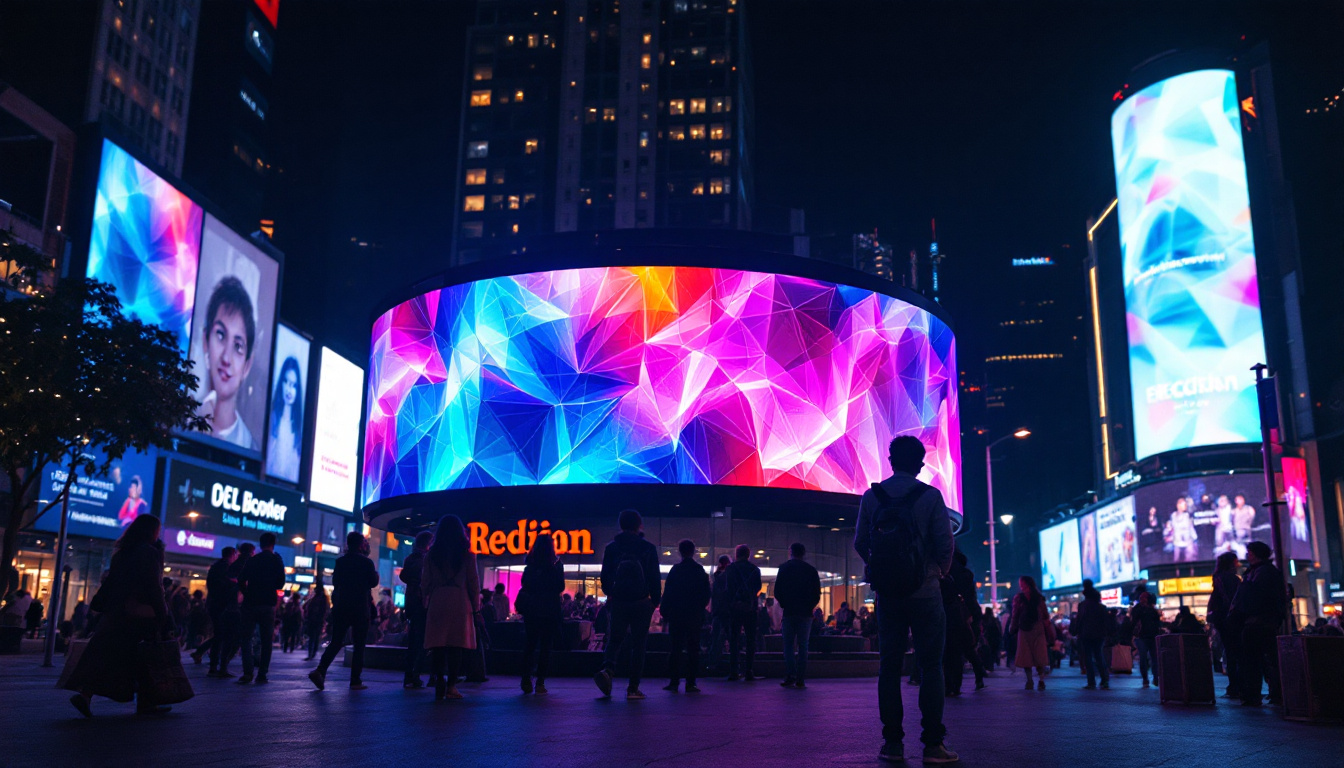
One of the most prominent uses of giant LED displays is in advertising. Digital billboards and video walls in high-traffic areas like Times Square in New York City and Piccadilly Circus in London leverage enormous LED screens to deliver dynamic, eye-catching advertisements. These displays enable advertisers to update content in real time, tailor messages to different audiences, and create interactive campaigns.
Entertainment and Events
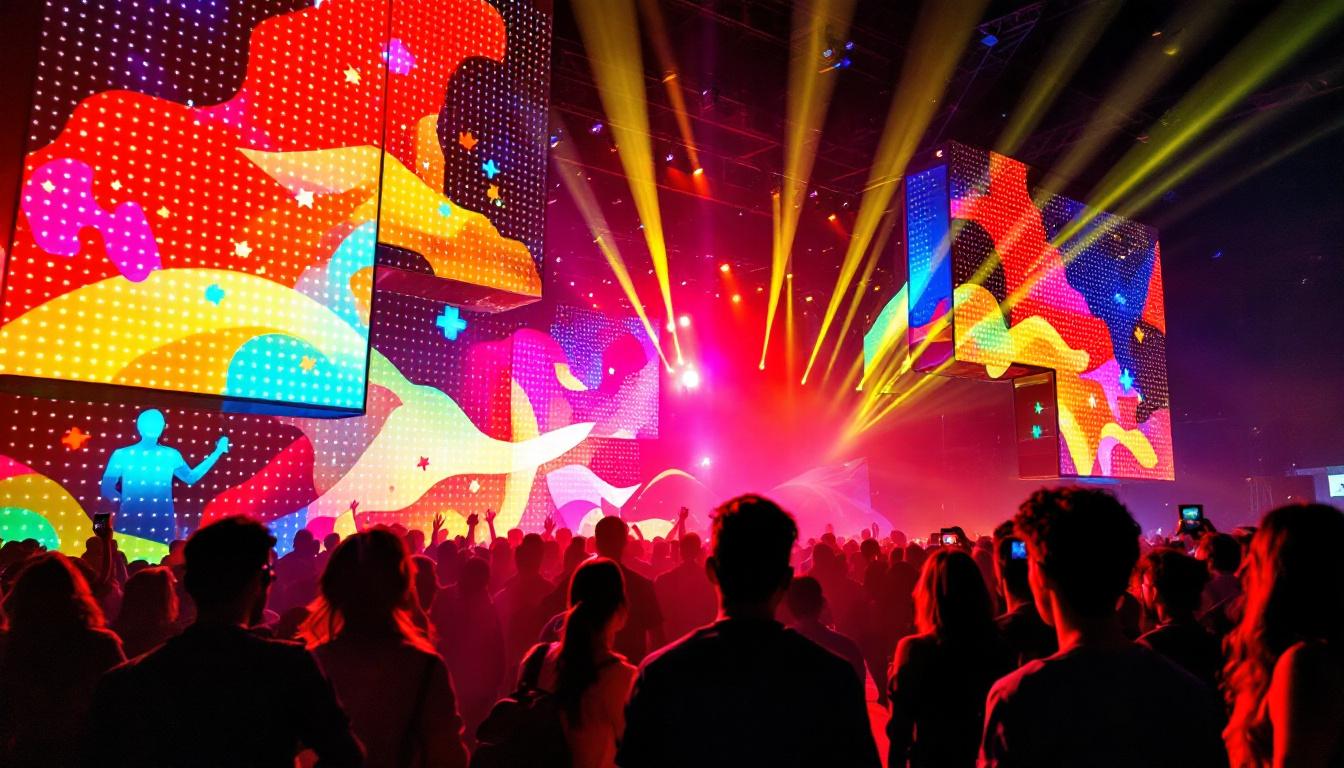
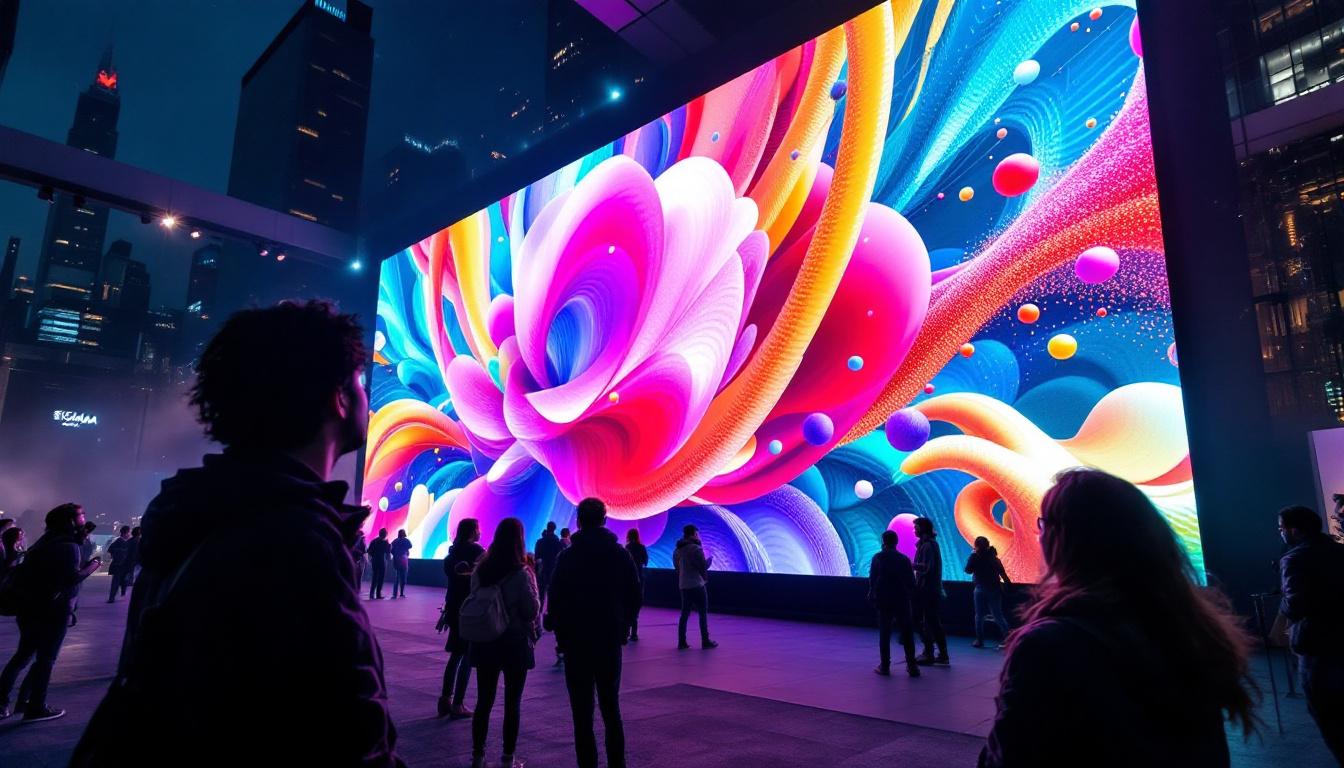
Concerts, sports arenas, and festivals increasingly use large LED screens to enhance the audience experience. These displays provide clear visuals to attendees far from the stage, display live feeds, and integrate special effects. The ability to create immersive environments with LED video walls has revolutionized event production.
Control Rooms and Command Centers
In sectors such as transportation, utilities, and emergency response, large LED monitors serve as critical tools for monitoring and decision-making. Video walls in control rooms display real-time data, surveillance footage, and operational dashboards, enabling teams to respond quickly and effectively.
Public Information and Art Installations
Beyond commercial uses, massive LED displays serve public information purposes, such as displaying transit schedules, weather updates, and emergency alerts. Additionally, artists and designers use these displays as canvases for digital art, creating engaging public installations that blend technology and creativity.
Challenges and Future Trends in Large LED Displays
Technical and Logistical Challenges
Building and maintaining the largest LED monitors involves several challenges. These include managing heat dissipation, ensuring structural stability, and achieving uniform image quality. The sheer size of these displays also poses logistical hurdles in transportation, installation, and ongoing maintenance.
Moreover, energy consumption is a concern, particularly for outdoor displays that operate continuously. Advances in LED efficiency and smart power management are helping to mitigate these issues.
Emerging Technologies: MicroLED and Beyond
MicroLED technology is poised to redefine the limits of large-scale displays. By using microscopic LEDs as individual pixels, microLED screens offer unparalleled brightness, contrast, and energy efficiency. Their modularity also makes it easier to create custom sizes and shapes.
Other innovations include flexible and transparent LED displays, which open new possibilities for architectural integration and interactive experiences.
Sustainability and Environmental Impact
As the size and number of LED displays grow, so does the importance of sustainability. Manufacturers and operators are increasingly focused on reducing energy consumption, using recyclable materials, and implementing responsible disposal practices.
Smart controls that adjust brightness based on ambient light and usage patterns also contribute to lowering the environmental footprint of these massive monitors.
Conclusion: The Future of the Largest LED Displays
The largest monitors in the world, powered by LED technology, represent a convergence of engineering, design, and creativity. These colossal displays are not just screens—they are immersive experiences that captivate audiences, convey critical information, and transform spaces.
As LED technology continues to advance, with innovations like microLED and flexible displays on the horizon, the possibilities for even larger, more vibrant, and more energy-efficient monitors are expanding. Whether in public entertainment, advertising, control rooms, or art, the future of giant LED displays promises to be as bright and dynamic as the screens themselves.
Explore the Future of LED Displays with LumenMatrix
Ready to experience the future of visual technology? LumenMatrix is at the forefront of LED display innovation, offering a wide range of solutions that push the boundaries of size, clarity, and interactivity. From immersive Indoor LED Wall Displays to dynamic Outdoor LED Wall Displays, and from versatile Vehicle LED Displays to engaging LED Sports Displays, our products are designed to capture attention and deliver messages with unparalleled impact. Discover how LumenMatrix can transform your space and captivate your audience. Check out LumenMatrix LED Display Solutions and join the visual revolution today.