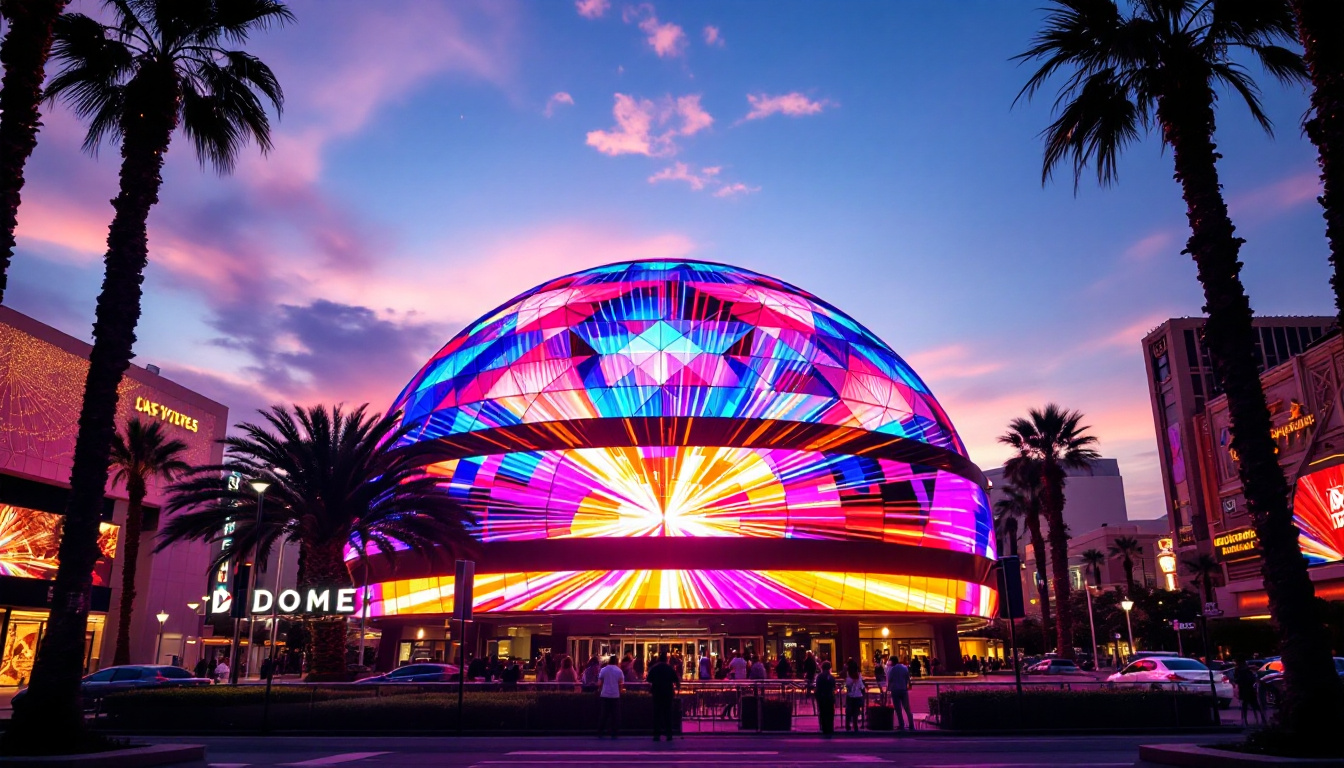
In the rapidly evolving world of digital signage and display technology, LED screens have become a cornerstone for businesses, advertisers, and entertainment venues worldwide. From stadiums to shopping malls, LED displays captivate audiences with their vibrant colors, high brightness, and versatility. But what exactly makes an LED display tick? This article delves into the fundamentals of LED technology, explores the different types of LED displays, and highlights the key factors that influence their performance and application.
Understanding LED Technology: The Basics
At its core, an LED (Light Emitting Diode) is a semiconductor device that emits light when an electric current passes through it. Unlike traditional incandescent bulbs, LEDs are highly energy-efficient and have a longer lifespan, making them ideal for modern display applications. This efficiency translates into lower energy bills and reduced environmental impact, as less power consumption means fewer carbon emissions associated with electricity generation.
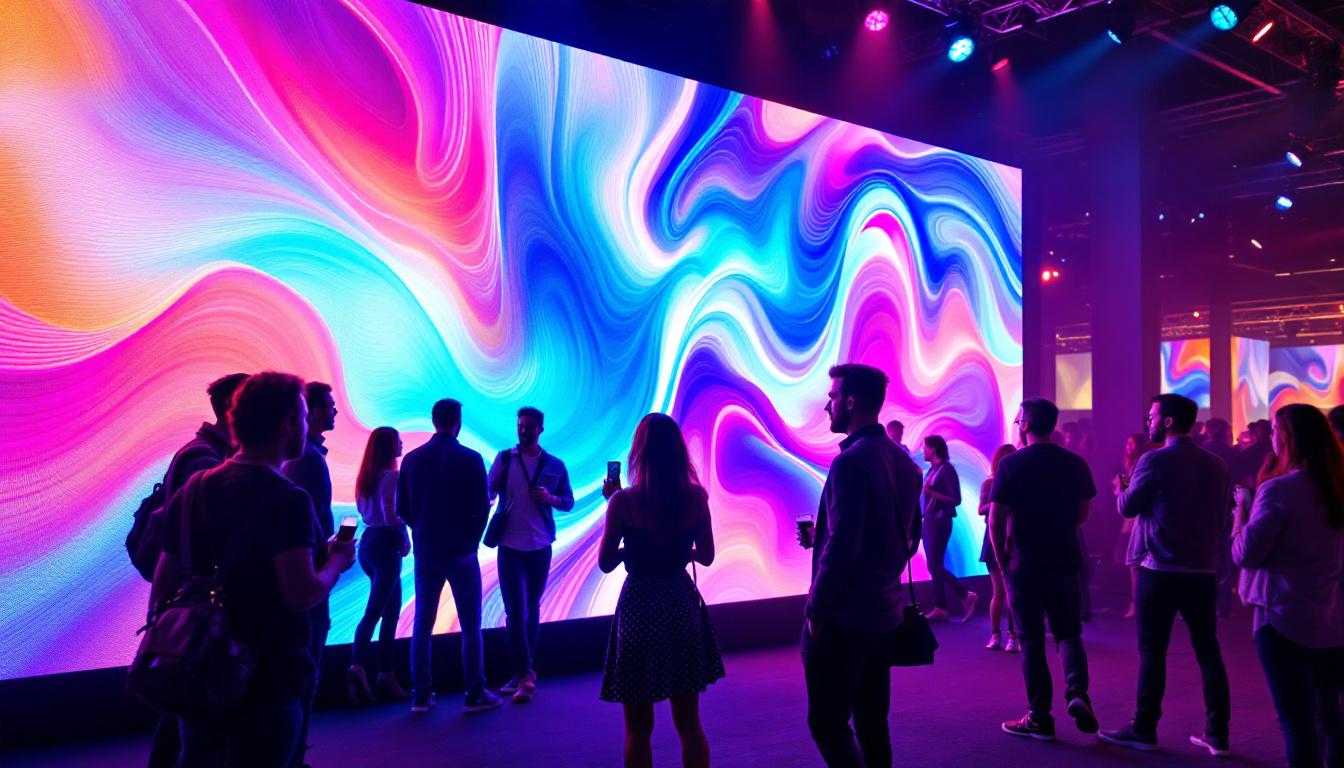
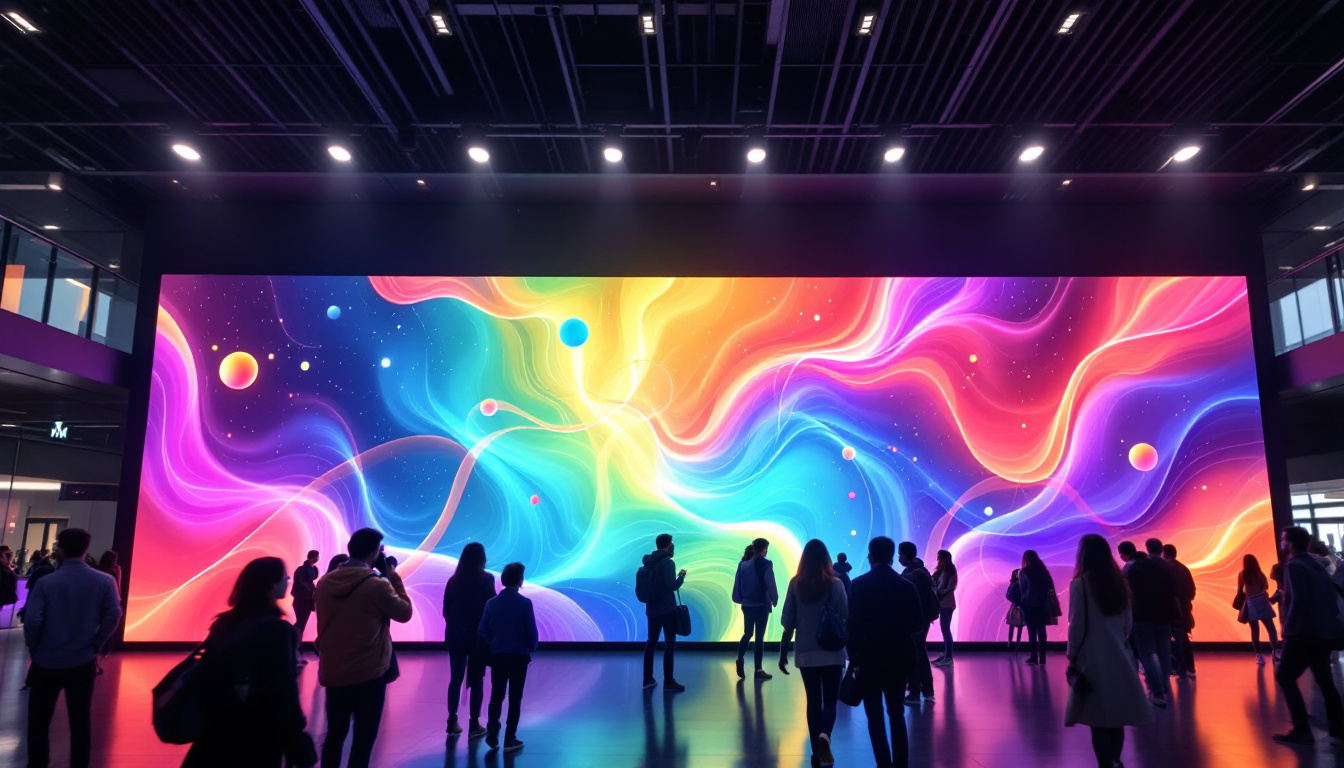
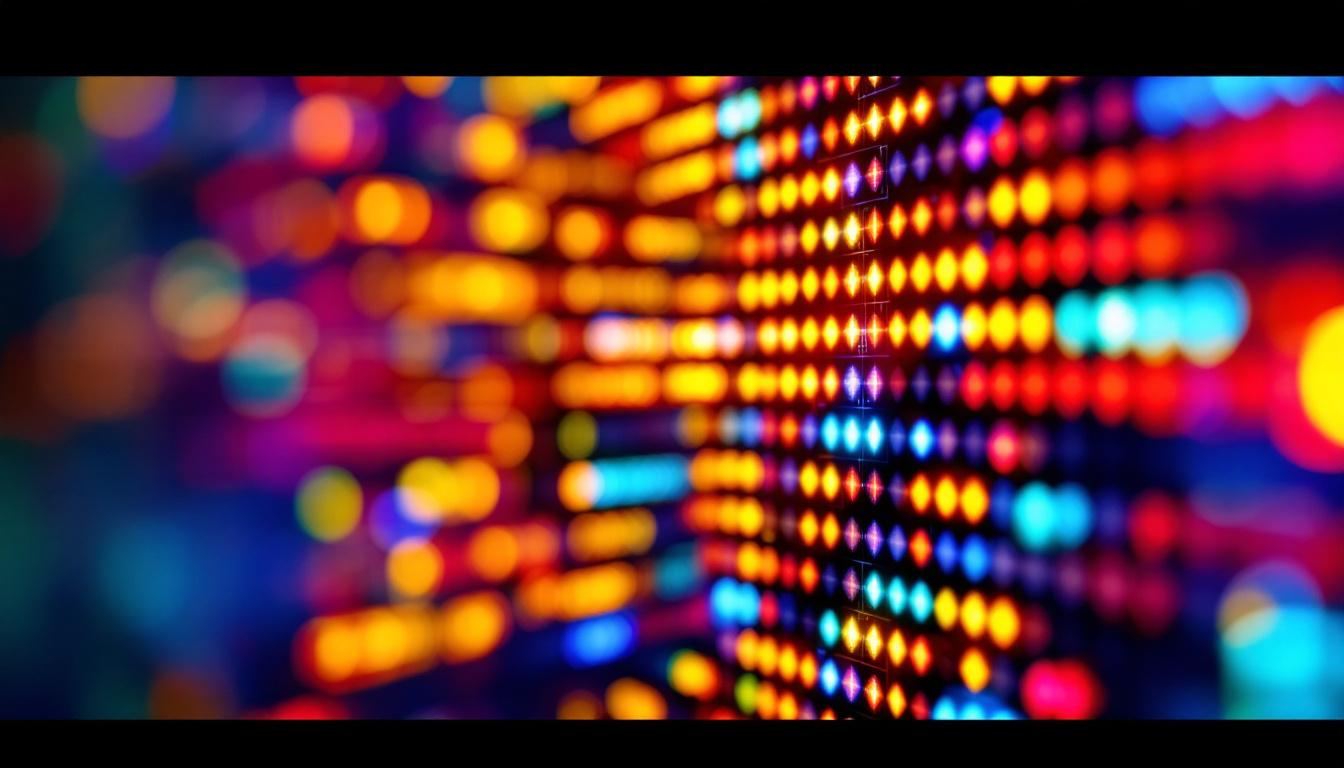
LED displays are essentially composed of thousands to millions of these tiny diodes arranged in a matrix. Each diode acts as a pixel or part of a pixel, illuminating to form images, videos, or text. The ability to control each LED individually allows for dynamic content presentation with exceptional brightness and color accuracy. This technology not only enhances the viewing experience but also opens up new avenues for creative expression in advertising, art installations, and entertainment venues.
How LEDs Produce Light
LEDs produce light through a process called electroluminescence. When electrons recombine with holes within the semiconductor material, energy is released in the form of photons — visible light. The color of the light depends on the semiconductor’s material composition, which can be engineered to emit red, green, blue, or other colors. This precise engineering allows manufacturers to create LEDs that can produce a wide range of colors, enhancing their versatility in various applications, from decorative lighting to signaling devices.
In LED displays, these primary colors combine in varying intensities to create a full spectrum of colors, enabling rich and vivid images. This RGB (red, green, blue) color mixing is fundamental to how LED screens render content. Moreover, advancements in technology have led to the development of white LEDs, which utilize a blue LED with a phosphor coating to produce a warm white light, further expanding the potential uses of LEDs in both indoor and outdoor settings.
Advantages Over Other Display Technologies
Compared to LCD (Liquid Crystal Display) and OLED (Organic Light Emitting Diode) screens, LED displays offer several distinct advantages, especially for large-scale and outdoor applications:
- Brightness: LEDs can achieve much higher brightness levels, often exceeding 5,000 nits, which is essential for visibility in direct sunlight.
- Durability: LED displays are robust and can withstand harsh weather conditions, making them suitable for outdoor use. This resilience is particularly important for outdoor advertising and public information displays, where exposure to the elements is a constant challenge.
- Energy Efficiency: LEDs consume less power relative to their brightness output, reducing operational costs. This efficiency not only benefits businesses financially but also contributes to a more sustainable approach to energy consumption.
- Scalability: LED modules can be combined seamlessly to create displays of virtually any size and shape. This adaptability allows for innovative designs in architecture and event staging, enabling creators to push the boundaries of visual communication.
Furthermore, the rapid advancements in LED technology have led to the emergence of smart LED displays that can integrate with IoT (Internet of Things) systems. These displays can be programmed to change content based on real-time data, such as weather conditions or audience engagement, making them an invaluable tool for marketers and event organizers looking to create interactive experiences. As technology continues to evolve, the potential applications for LED displays are virtually limitless, promising exciting developments in the world of visual media.
Types of LED Displays: Indoor vs Outdoor and Beyond
LED displays come in various forms, tailored to different environments and use cases. Understanding these distinctions is crucial for selecting the right display for a given application.
Indoor LED Displays
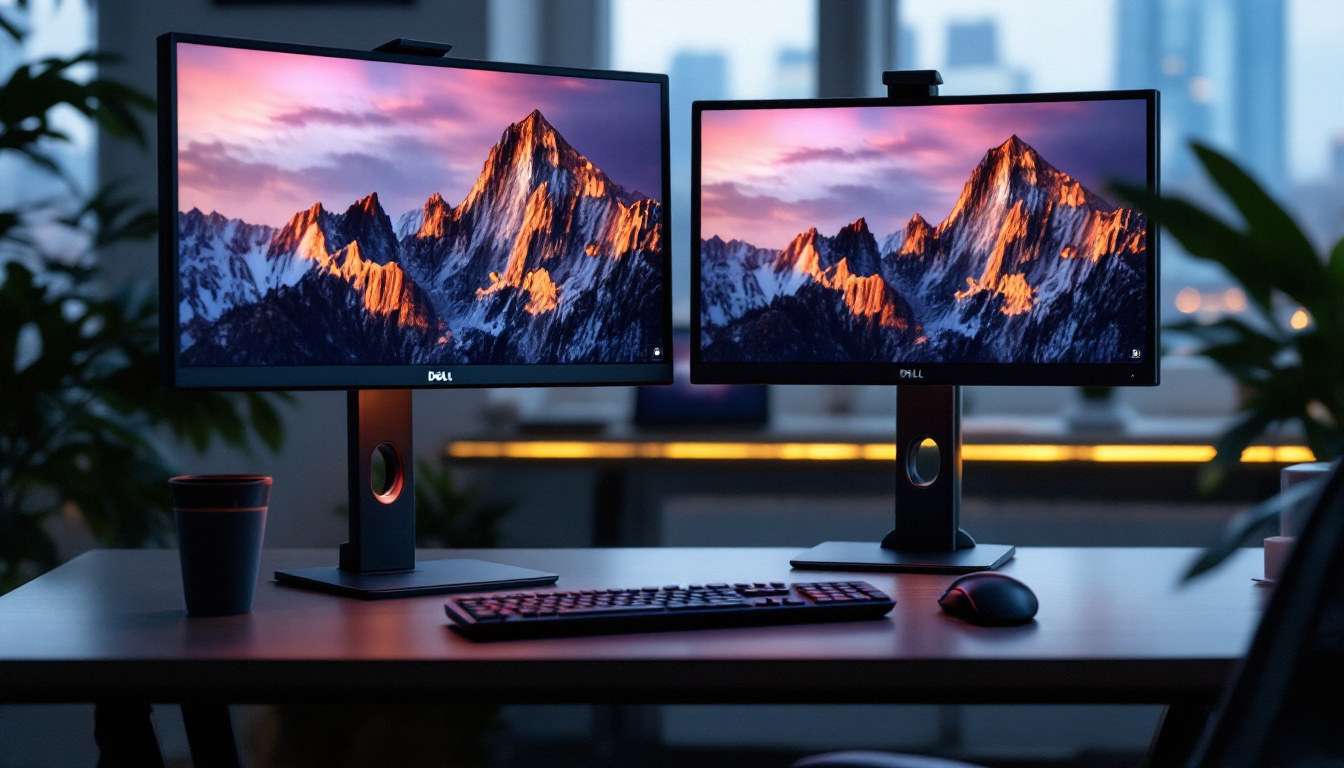
Indoor LED screens are designed for environments with controlled lighting and closer viewing distances. They typically have a smaller pixel pitch — the distance between individual LEDs — ranging from 0.9mm to 4mm. This fine pitch allows for high-resolution images and crisp text, making them ideal for conference rooms, retail stores, and broadcast studios.
Because indoor environments do not require extreme brightness, these displays usually operate at brightness levels between 800 and 1,500 nits, which is sufficient to provide clear visibility without causing eye strain.
Outdoor LED Displays
Outdoor LED screens face more demanding conditions, including exposure to sunlight, rain, dust, and temperature fluctuations. To combat these challenges, outdoor LEDs have a larger pixel pitch, typically between 4mm and 20mm, which allows for greater brightness — often between 5,000 and 10,000 nits or more.
Additionally, outdoor LED modules are built with weatherproof enclosures and often feature anti-glare coatings to maintain visibility under direct sunlight. These displays are commonly found in sports arenas, billboards, and public transportation hubs.
Flexible and Transparent LED Displays
Recent innovations have introduced flexible LED panels that can bend or curve, enabling creative installations on irregular surfaces such as building facades or vehicle wraps. Transparent LED displays, meanwhile, allow light to pass through, making them suitable for storefront windows where maintaining visibility is important.
These cutting-edge formats expand the possibilities for digital signage, blending technology seamlessly with architecture and design.
Key Performance Metrics: What Makes a Great LED Display?
When evaluating LED displays, several technical specifications determine their quality and suitability for specific applications. Understanding these metrics helps buyers and users make informed decisions.
Pixel Pitch and Resolution
Pixel pitch, measured in millimeters, is the distance from the center of one LED cluster to the next. A smaller pixel pitch means more LEDs per unit area, resulting in higher resolution and sharper images. For example, a 1.5mm pitch display will have much finer detail than a 10mm pitch screen.
Resolution is directly tied to pixel pitch and screen size. High-resolution LED displays are essential for close viewing distances, such as in retail or control rooms, whereas lower resolution is acceptable for large outdoor screens viewed from afar.
Brightness and Contrast Ratio
Brightness, expressed in nits (candelas per square meter), determines how well the display performs under various lighting conditions. Outdoor screens require high brightness to combat sunlight, while indoor screens prioritize balanced brightness to avoid glare.
The contrast ratio, the difference between the brightest white and the darkest black a display can produce, affects image depth and clarity. Higher contrast ratios enhance visual impact, especially in video content.
Refresh Rate and Viewing Angle
The refresh rate, measured in hertz (Hz), indicates how many times per second the image is updated. Higher refresh rates reduce flicker and motion blur, which is particularly important for video playback and live broadcasts.
Viewing angle defines the maximum angle from which the display can be viewed without significant loss of image quality or color distortion. Wide viewing angles ensure that content remains clear and vibrant for audiences positioned off-center.
Applications and Industry Use Cases
LED displays have transformed how information and entertainment are presented across multiple sectors. Their adaptability and visual impact make them invaluable tools for communication.
Advertising and Digital Billboards
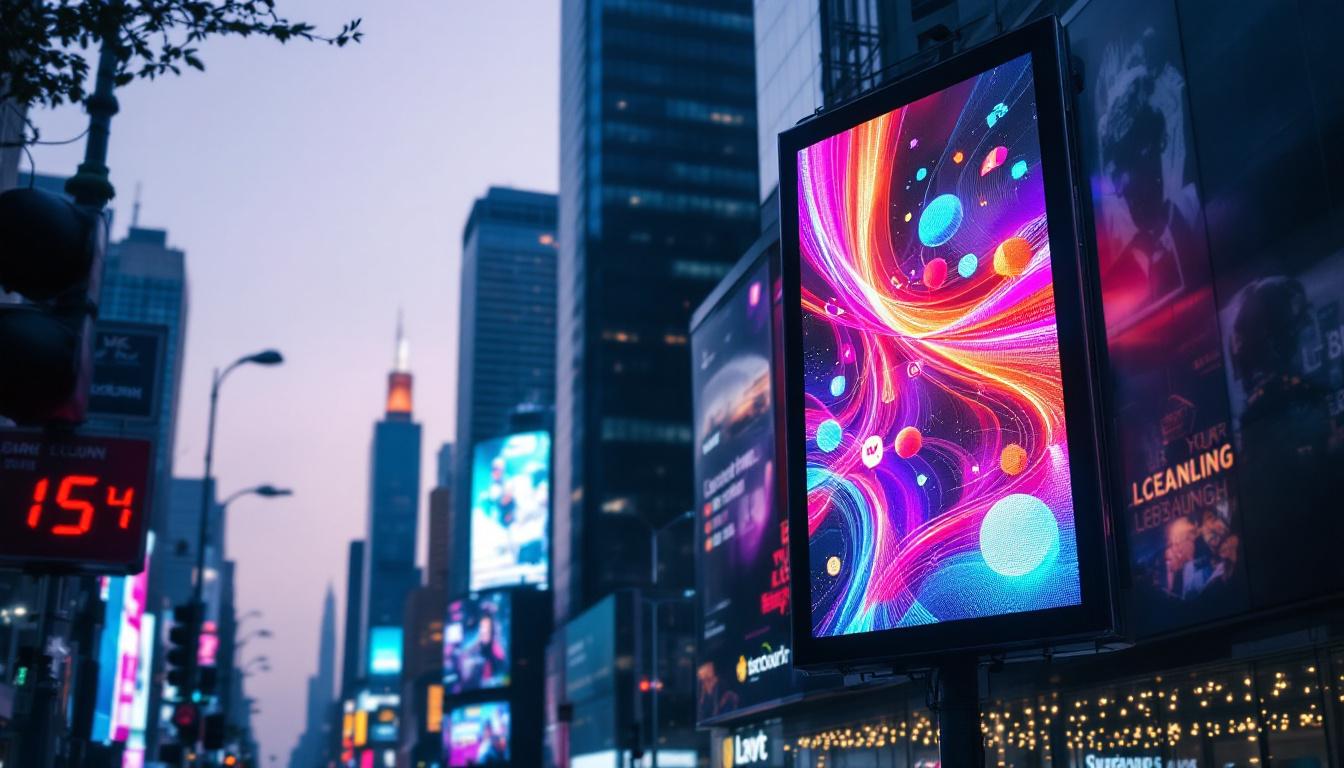
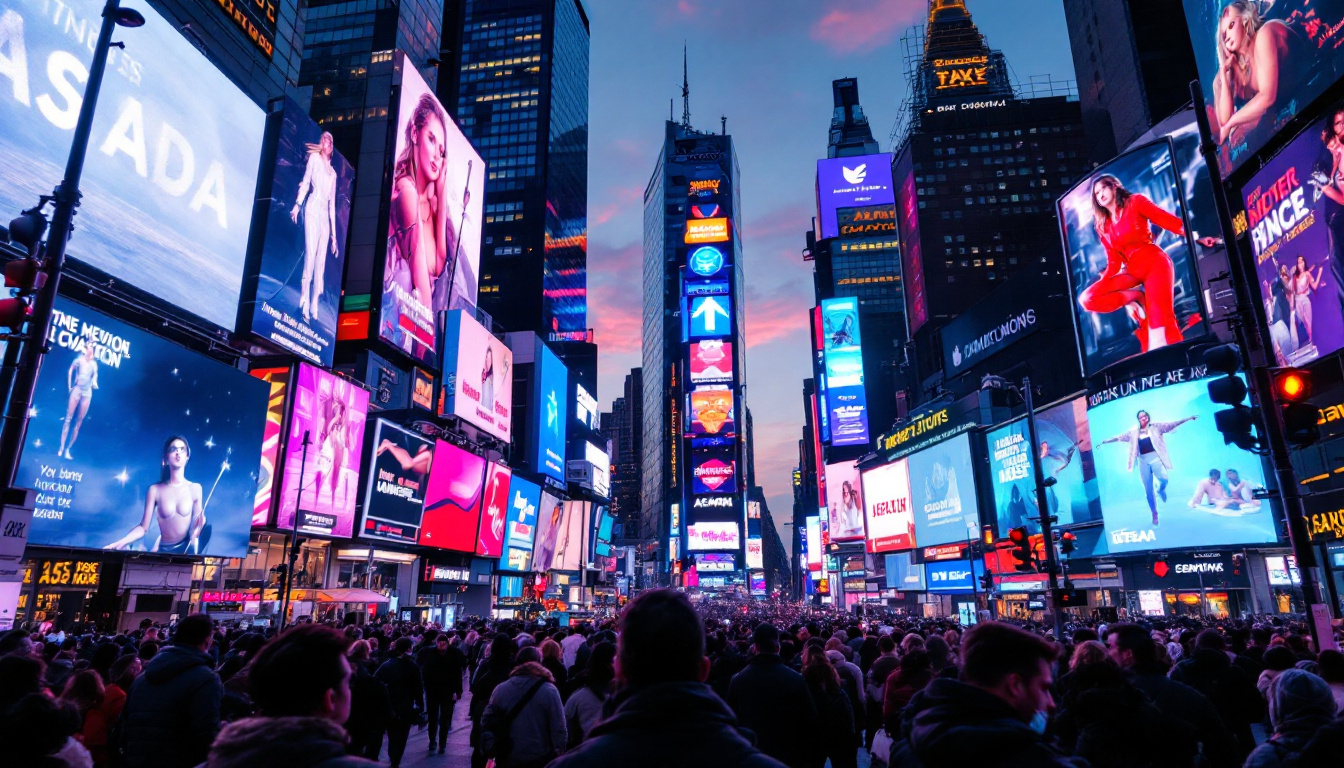
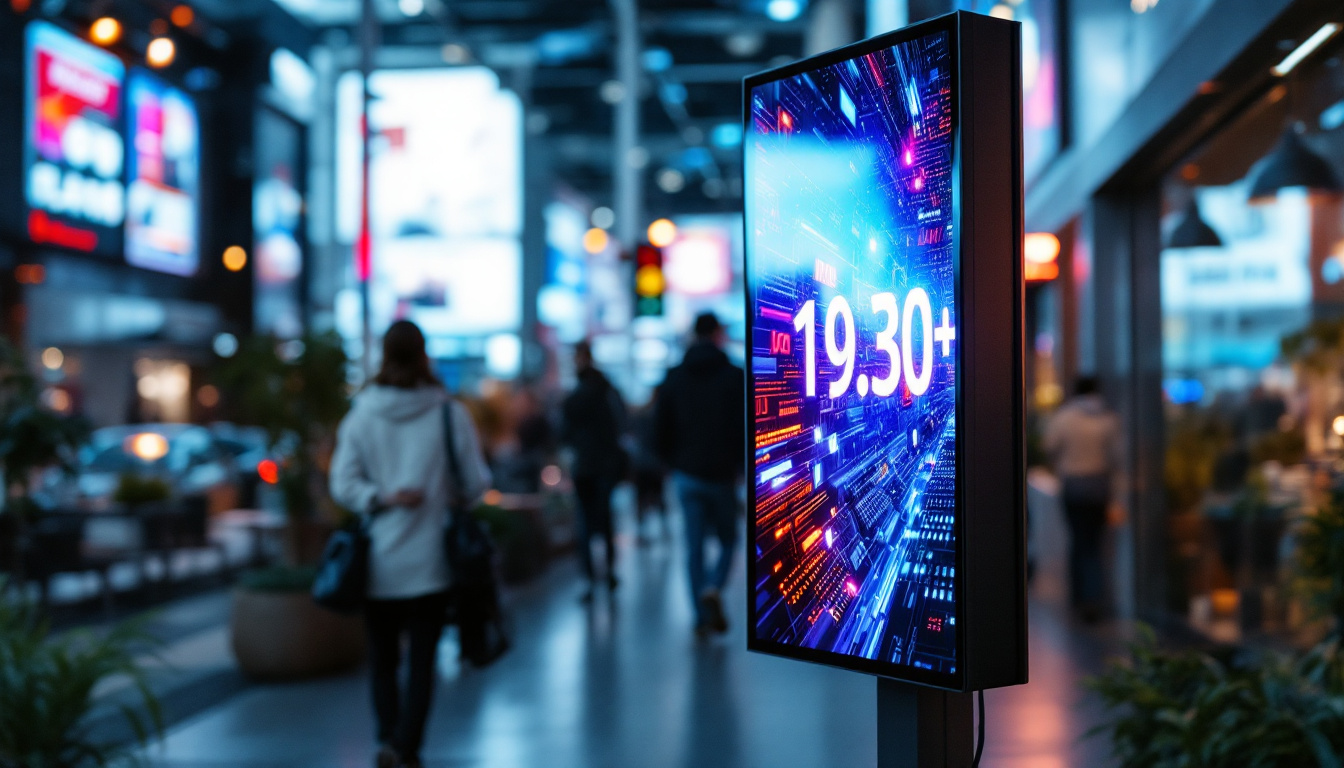
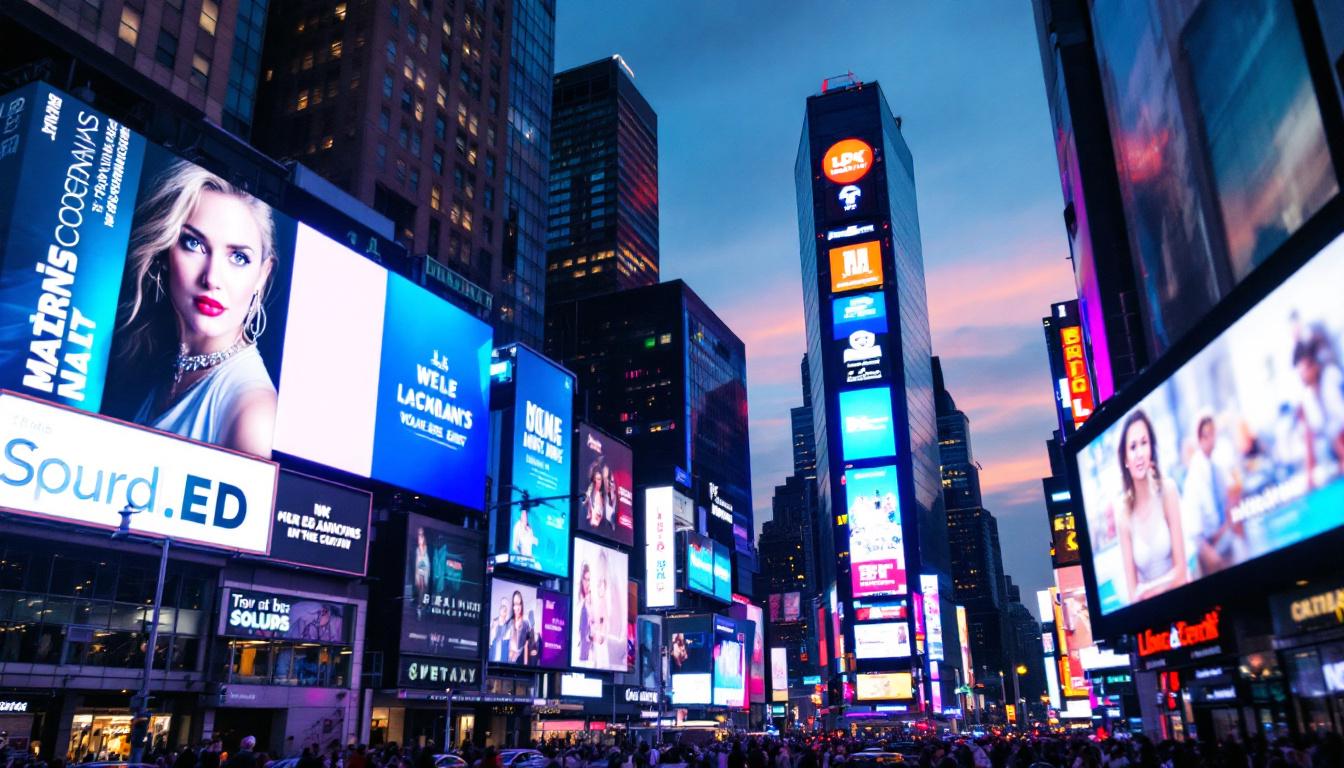
One of the most visible applications of LED technology is in outdoor advertising. Digital billboards leverage LED displays to deliver dynamic and eye-catching advertisements that can be updated remotely and in real-time. According to recent market research, the global digital billboard market is expected to grow at a compound annual growth rate (CAGR) of over 10% through 2027, driven by increasing urbanization and demand for interactive advertising.
Sports and Entertainment Venues
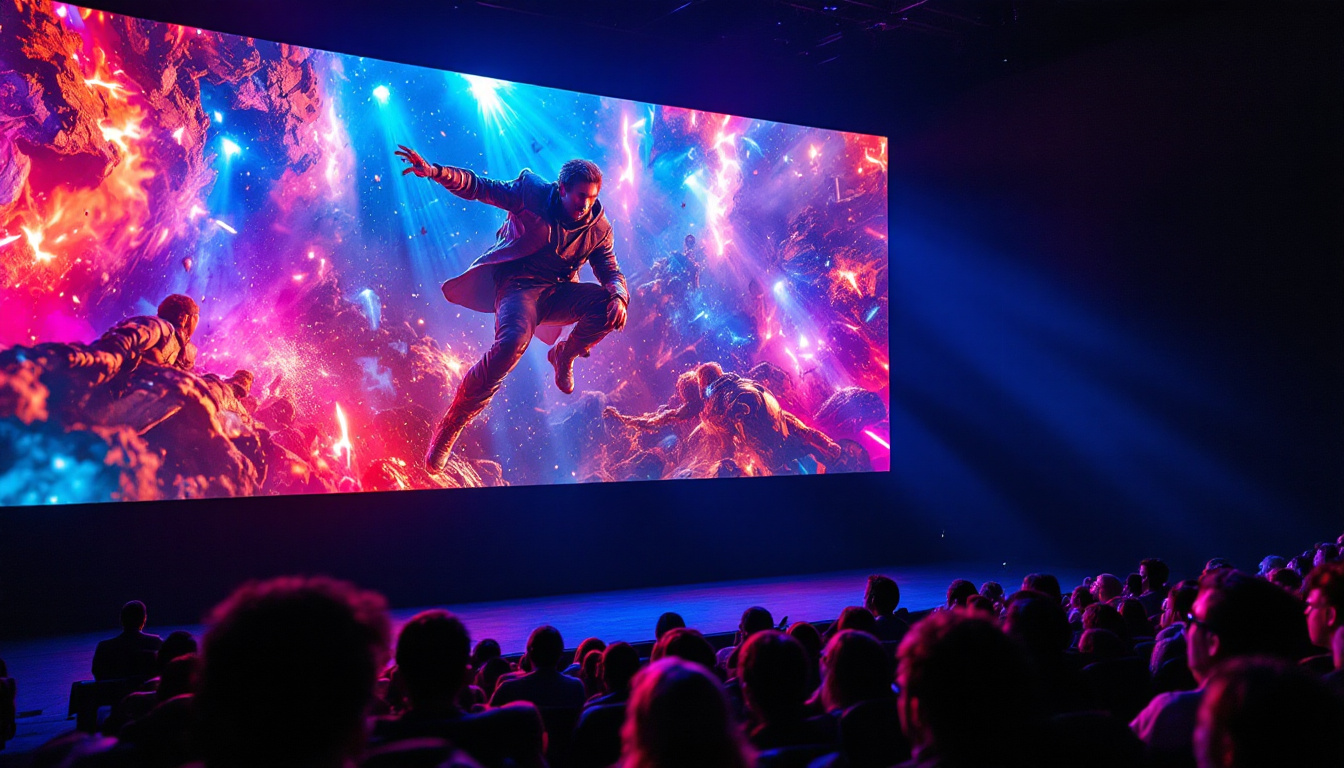
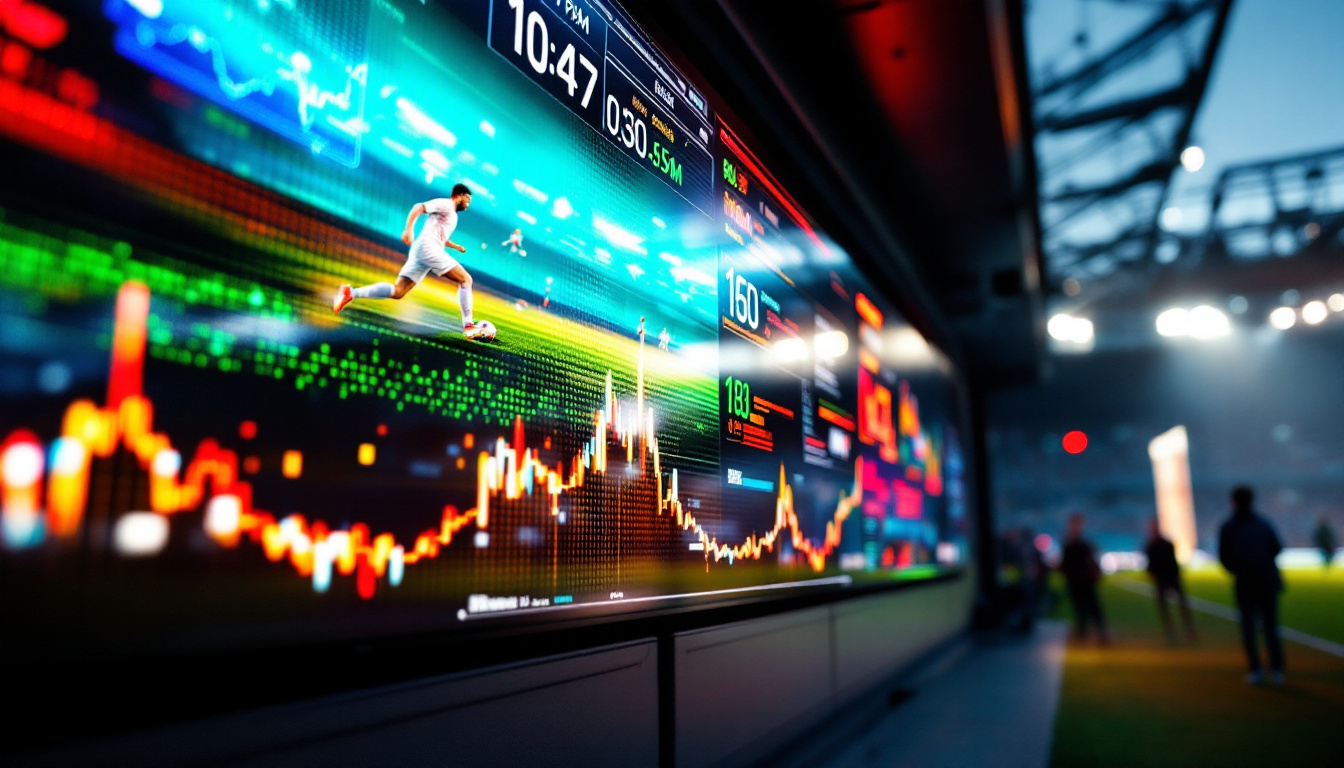
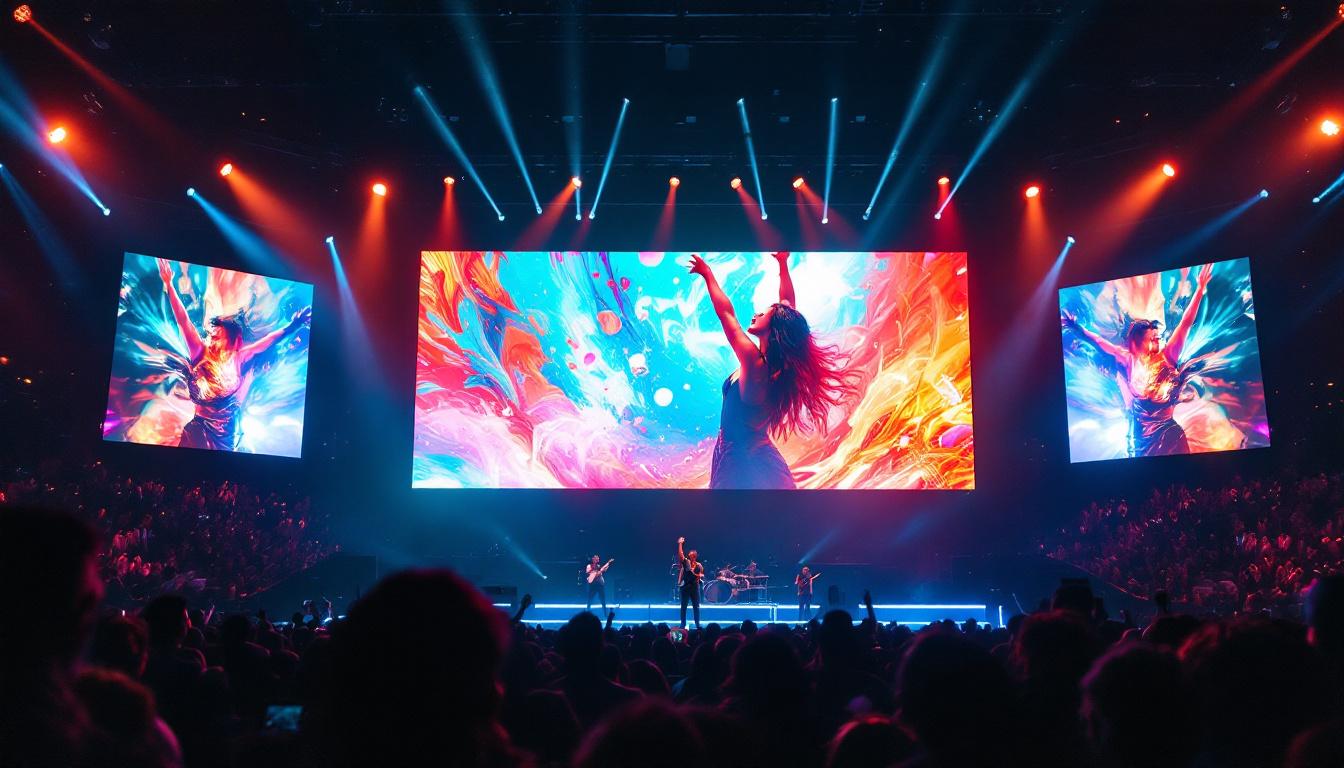
Stadiums and arenas use massive LED screens to enhance the spectator experience with live video feeds, replays, and interactive content. These displays must be ultra-bright and durable to withstand outdoor conditions and large crowds. The ability to create curved and flexible LED installations also allows for immersive environments that engage fans.
Corporate and Retail Environments
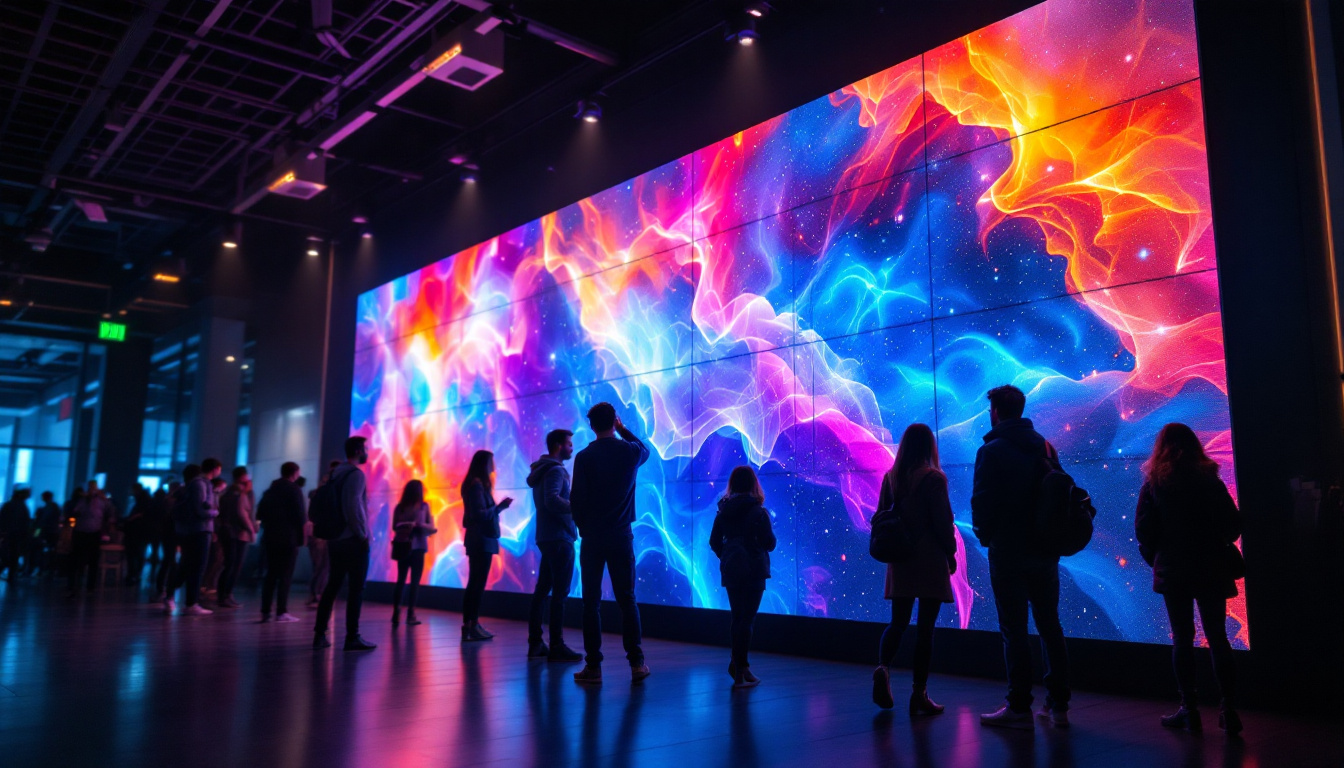
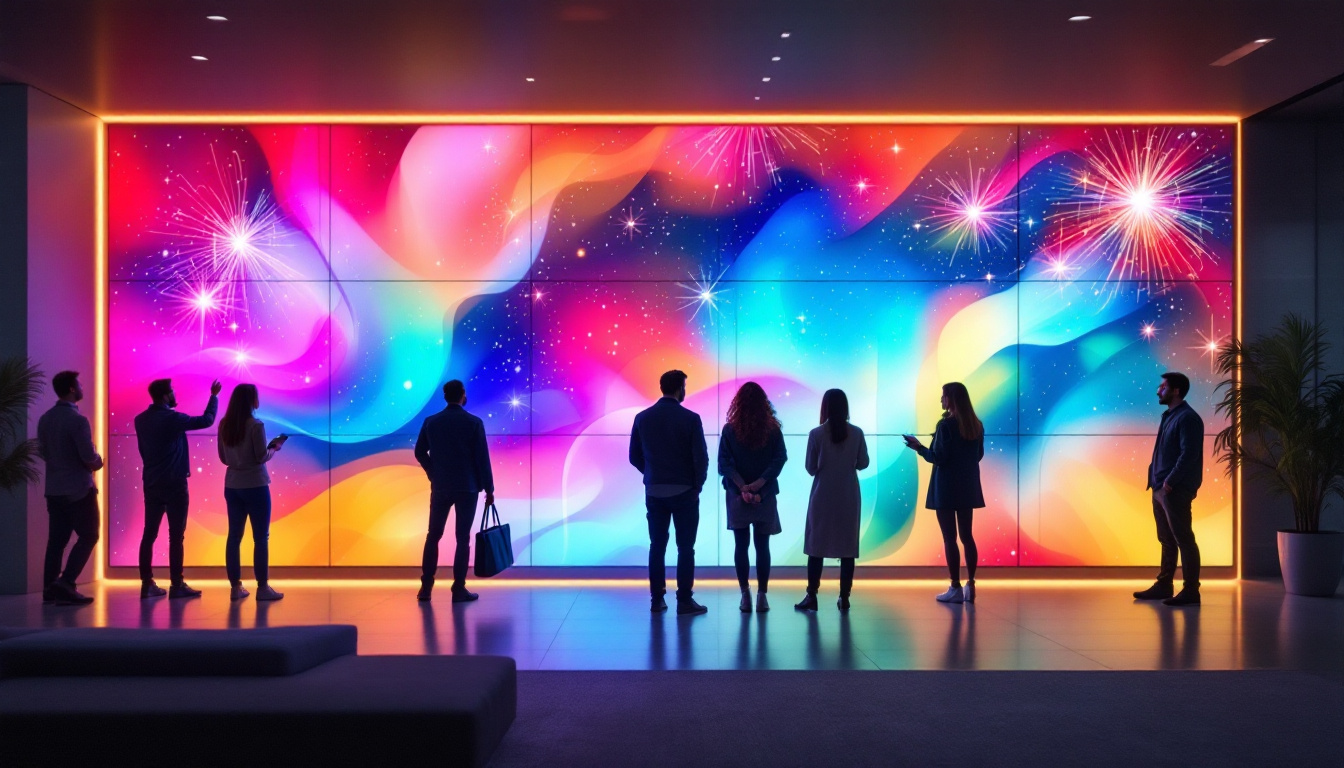
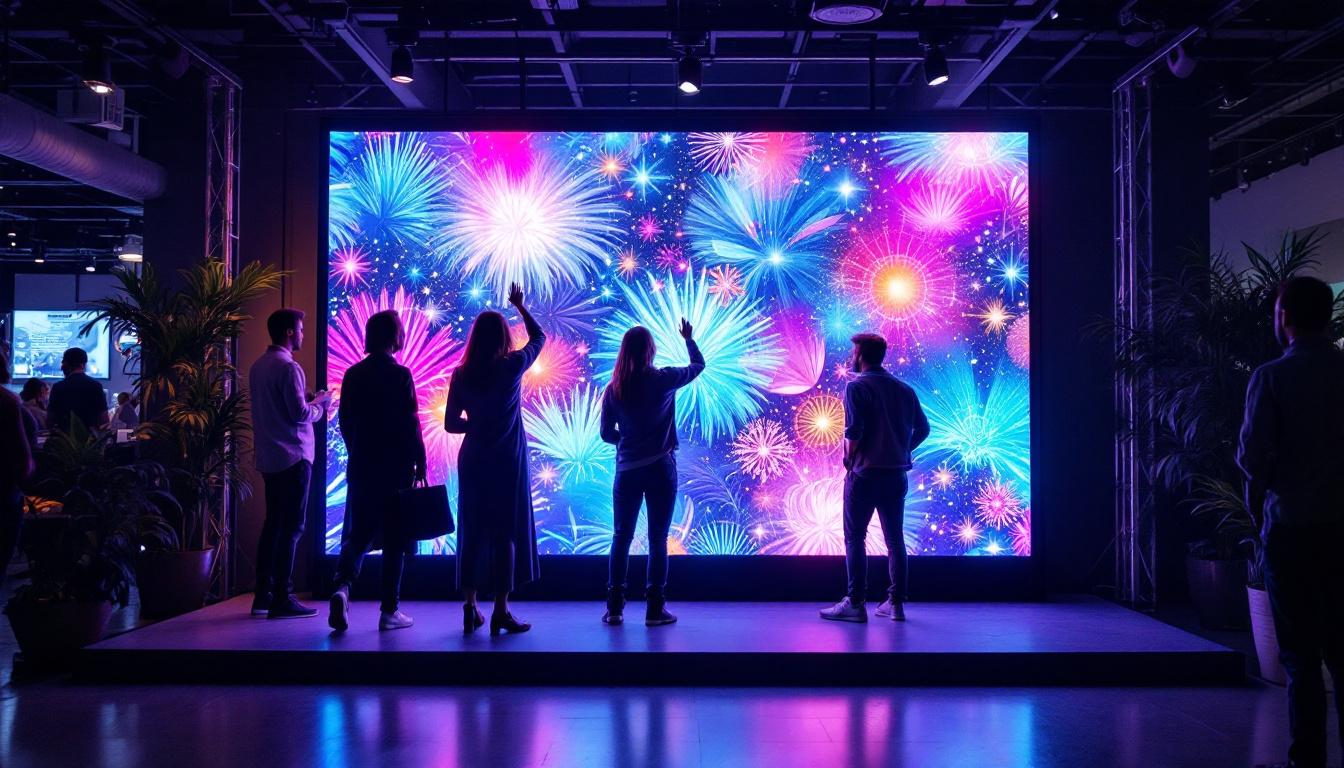
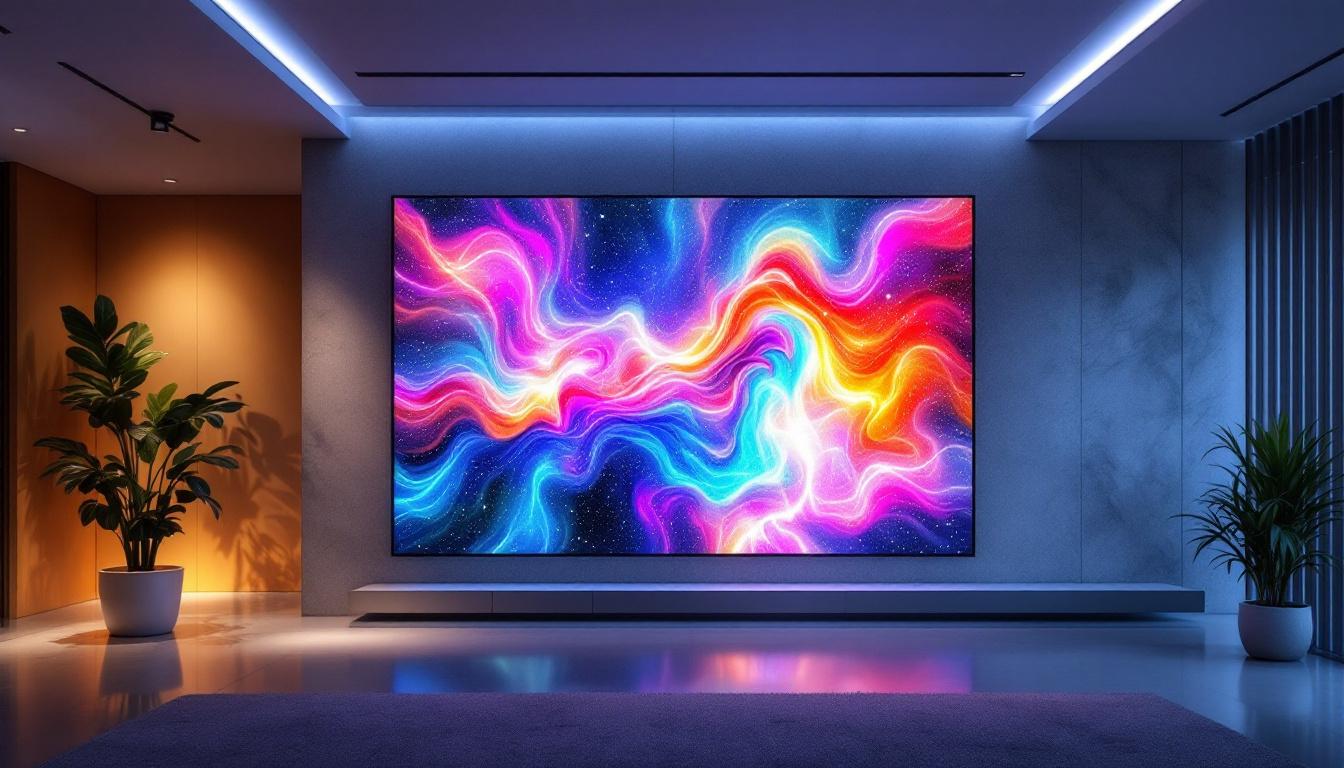
In corporate settings, LED video walls serve as dynamic backdrops for presentations, conferences, and events. Retailers use LED displays to attract customers and provide product information, often integrating them with interactive touchscreens.
The flexibility in size and resolution means LED technology can be tailored to fit a variety of spaces, from small storefronts to expansive shopping centers.
Future Trends in LED Display Technology
The LED display industry continues to innovate, pushing the boundaries of what is possible in visual communication.
Mini-LED and Micro-LED Advances
Mini-LED and Micro-LED technologies represent the next generation of LED displays, offering even smaller pixel pitches and improved performance. Micro-LEDs, in particular, promise higher brightness, better contrast, and lower power consumption compared to traditional LEDs and OLEDs.
These advancements are expected to revolutionize consumer electronics, including televisions, smartphones, and augmented reality devices, while also enhancing commercial display solutions.
Integration with AI and IoT
Artificial intelligence (AI) and the Internet of Things (IoT) are increasingly integrated with LED displays to create smarter, more interactive experiences. AI can optimize content delivery based on audience demographics or environmental conditions, while IoT connectivity enables real-time monitoring and remote management of display networks.
Sustainability and Energy Efficiency
As environmental concerns grow, manufacturers are focusing on developing LED displays with reduced energy consumption and recyclable materials. Innovations in power management and heat dissipation contribute to greener digital signage solutions, aligning with global sustainability goals.
Conclusion
LED displays have become an indispensable part of modern visual communication, offering unparalleled brightness, flexibility, and durability. Understanding the technology behind these “naked screens” empowers businesses and organizations to harness their full potential, whether for advertising, entertainment, or information dissemination.
With ongoing advancements in miniaturization, interactivity, and sustainability, LED display technology is poised to continue transforming how audiences engage with digital content across the globe.
Explore the Future of Visual Communication with LumenMatrix
Ready to elevate your visual storytelling and captivate your audience like never before? Discover LumenMatrix’s comprehensive range of LED display solutions, from the vibrant Indoor LED Wall Display to the dynamic Outdoor LED Wall Display, and beyond. Each product is crafted with precision to ensure your message resonates with clarity and impact. Embrace the revolution in digital signage and join the ranks of businesses transforming their spaces with LumenMatrix. Check out LumenMatrix LED Display Solutions today and step into the future of visual engagement.