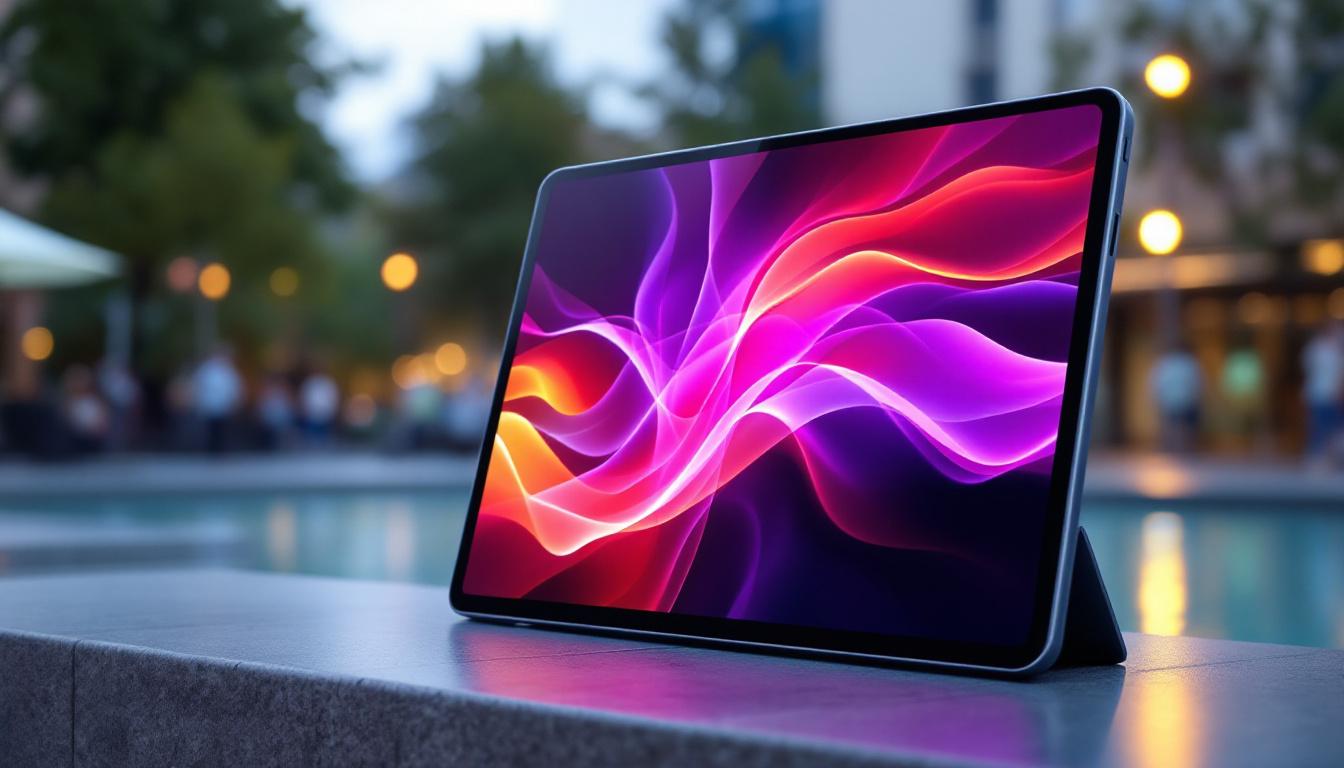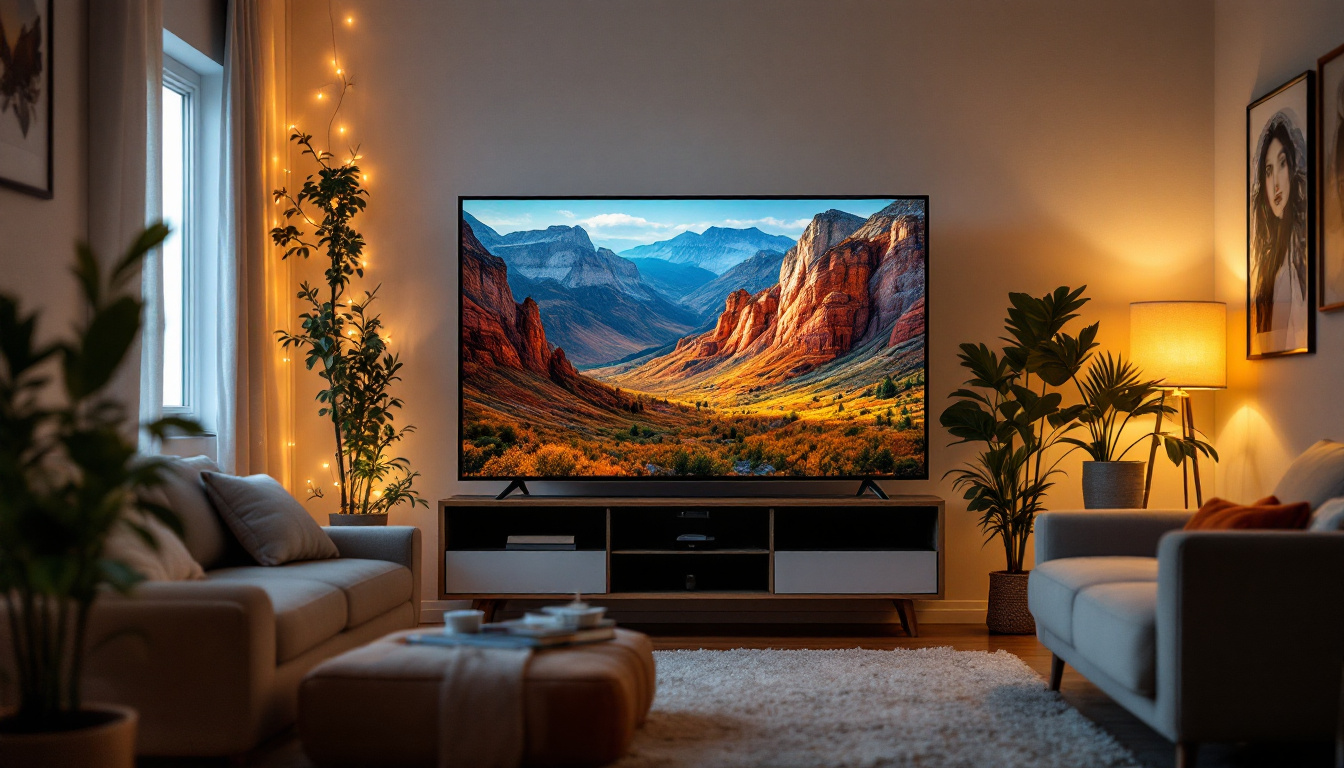
In today’s world, television monitors have become an integral part of both entertainment and professional environments. Among the various types of display technologies available, LED displays stand out for their vibrant colors, energy efficiency, and versatility. This article delves into the intricacies of LED displays used in TV monitors, explaining their technology, advantages, and considerations for consumers and professionals alike.
Understanding LED Display Technology
What is an LED Display?
LED stands for Light Emitting Diode, a semiconductor device that emits light when an electric current passes through it. In the context of TV monitors, an LED display refers to a type of LCD (Liquid Crystal Display) that uses LEDs as a backlight source instead of traditional CCFL (Cold Cathode Fluorescent Lamp) backlights.
Unlike older LCD monitors that relied on fluorescent tubes, LED displays utilize arrays of tiny LEDs positioned behind or along the edges of the screen to illuminate the liquid crystals. This change in backlighting technology has dramatically improved picture quality, energy consumption, and screen design. The vibrant colors and deeper blacks achieved through LED technology have made it a popular choice for both home entertainment and professional applications, such as digital signage and broadcasting.
Types of LED Backlighting
There are primarily two types of LED backlighting used in TV monitors: Edge-lit and Direct-lit (or Full-array).
- Edge-lit LED: LEDs are placed along the edges of the screen, and light is diffused across the panel. This allows for thinner screens and lighter designs but can sometimes result in uneven brightness or contrast. Edge-lit technology is often favored for its sleek design, making it a popular choice for modern aesthetics in home décor.
- Direct-lit (Full-array) LED: LEDs are distributed evenly behind the entire screen. This arrangement supports local dimming, where specific zones of LEDs can be dimmed or brightened independently, enhancing contrast and black levels. This type of backlighting is particularly beneficial for viewing in darker environments, as it provides a more immersive experience with richer colors and improved detail in shadowy scenes.
Understanding these types helps consumers make informed decisions based on their preferences for picture quality and design aesthetics. Additionally, the choice of backlighting can significantly impact the overall viewing experience, especially for those who enjoy watching movies or playing video games. For instance, gamers often prefer displays with faster response times and higher refresh rates, which can be better achieved with direct-lit LED technology. Furthermore, as the technology continues to evolve, new innovations such as Mini-LED and MicroLED are beginning to emerge, promising even greater advancements in brightness, color accuracy, and energy efficiency.
Advantages of LED Displays in TV Monitors
Superior Picture Quality
LED displays offer remarkable improvements in brightness, color accuracy, and contrast compared to older LCD and plasma technologies. The use of LED backlighting enables higher peak brightness levels, making images more vivid even in brightly lit rooms. Additionally, technologies like local dimming in full-array LED TVs enhance black levels by dimming parts of the screen independently, resulting in deeper blacks and more dynamic images.
Modern LED TVs also support wide color gamuts and high dynamic range (HDR) standards, which further enrich the viewing experience by delivering more lifelike and vibrant colors.
Energy Efficiency and Longevity
One of the key benefits of LED displays is their energy efficiency. LEDs consume significantly less power than CCFL backlights and plasma displays, which translates to lower electricity bills and a reduced environmental footprint. According to the U.S. Department of Energy, LED-backlit TVs can use up to 30-50% less energy than comparable CCFL-backlit LCD TVs.
Moreover, LEDs have a longer operational lifespan, often exceeding 60,000 hours of use. This durability ensures that TV monitors maintain consistent brightness and color performance over many years, making them a cost-effective investment.
Sleek and Versatile Designs
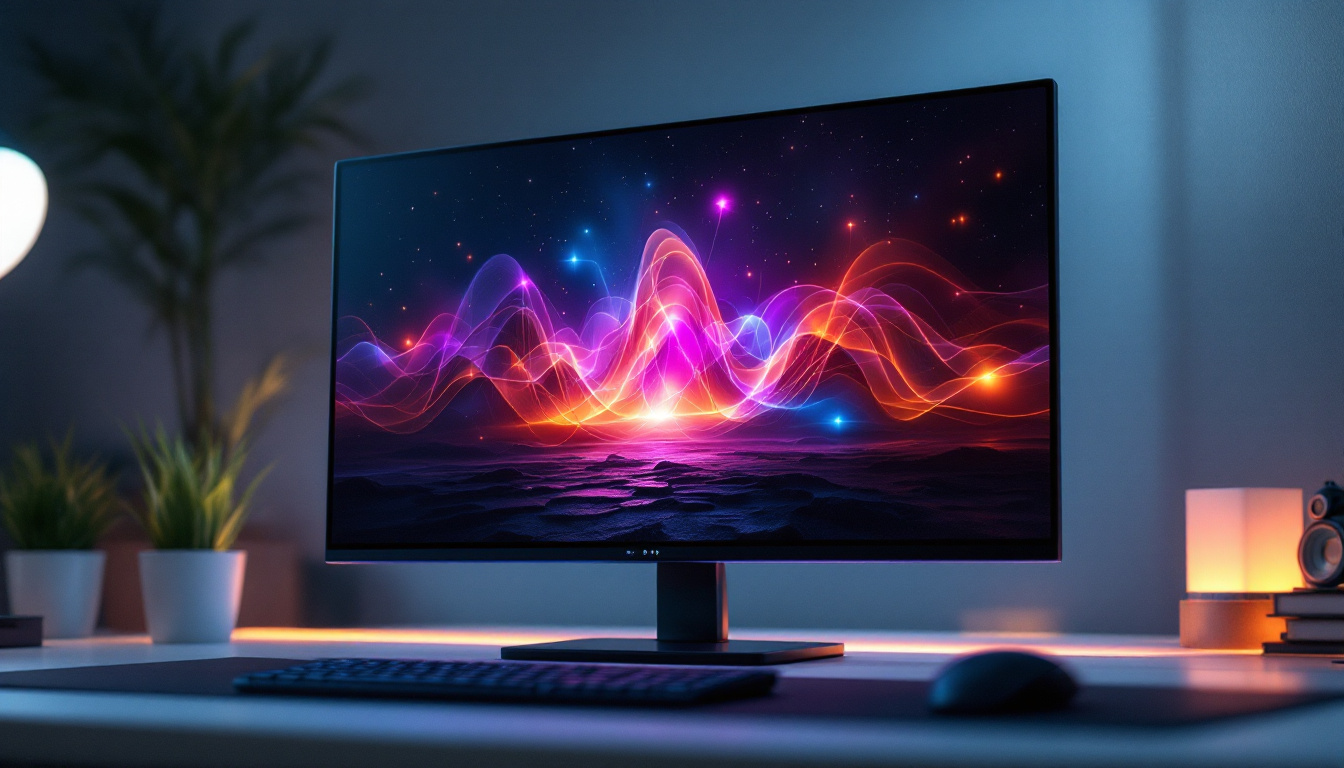
The compact size of LEDs allows manufacturers to create ultra-thin TV monitors with sleek profiles. Edge-lit LED TVs, in particular, can be incredibly slim, fitting seamlessly into modern living spaces or professional environments where aesthetics matter.
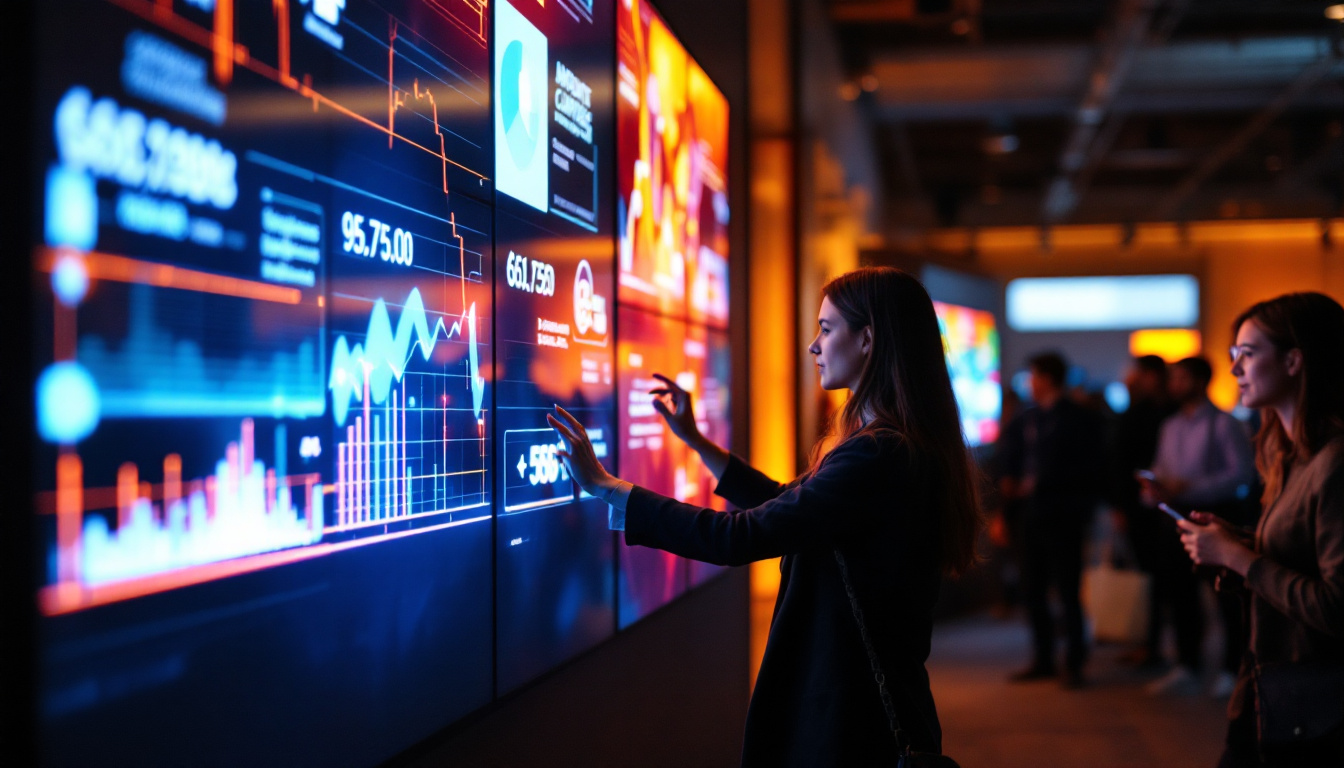
Additionally, LED technology supports a wide range of screen sizes, from compact desktop monitors to large home theater displays and commercial video walls. This versatility makes LED displays suitable for diverse applications beyond just home entertainment.
Comparing LED Displays to Other Technologies
LED vs. OLED
While LED displays are prevalent, OLED (Organic Light Emitting Diode) technology is often seen as a premium alternative. Unlike LED TVs that use backlighting, OLED pixels emit their own light, allowing for perfect black levels and exceptional contrast ratios.
However, OLED displays tend to be more expensive and can be susceptible to burn-in if static images are displayed for prolonged periods. LED displays, especially those with local dimming, offer a more affordable option with excellent brightness and durability, making them suitable for a broader audience.
LED vs. QLED
QLED (Quantum Dot LED) is a marketing term used by some manufacturers to describe LED TVs enhanced with quantum dot technology. Quantum dots are microscopic particles that improve color accuracy and brightness by emitting precise wavelengths of light when illuminated by the LED backlight.
QLED TVs are essentially advanced LED displays that provide better color performance and higher peak brightness, particularly beneficial in HDR content. For viewers seeking enhanced color vibrancy without the premium cost of OLED, QLED represents a compelling choice.
LED vs. Plasma and LCD
Plasma TVs, once popular for their excellent contrast and color reproduction, have largely been phased out due to higher power consumption and bulkier designs. Traditional LCD TVs with CCFL backlighting have also been replaced by LED-backlit models due to the latter’s superior performance and efficiency.
LED displays combine the advantages of LCD technology with improved backlighting, offering a balanced solution that meets the needs of most consumers today.
Key Features to Consider When Choosing an LED TV Monitor
Resolution and Screen Size
Resolution remains a critical factor in determining picture clarity. Most modern LED TVs support at least Full HD (1920×1080 pixels), with 4K UHD (3840×2160 pixels) becoming the standard for mid-to-high-end models. For professional applications such as video editing or graphic design, higher resolutions provide more workspace and finer detail.
Screen size should be selected based on viewing distance and room size. For example, a 55-inch 4K TV is ideal for viewing at about 7 to 9 feet, while smaller monitors may be better suited for desktop use or smaller rooms.
Refresh Rate and Response Time
Refresh rate, measured in hertz (Hz), indicates how many times per second the image is updated. Higher refresh rates (120Hz or above) provide smoother motion, which is especially important for fast-paced content such as sports or gaming.
Response time refers to how quickly a pixel can change color. Lower response times reduce motion blur and ghosting effects. When purchasing an LED TV monitor for gaming or action movies, these specifications should be carefully evaluated.
Smart Features and Connectivity
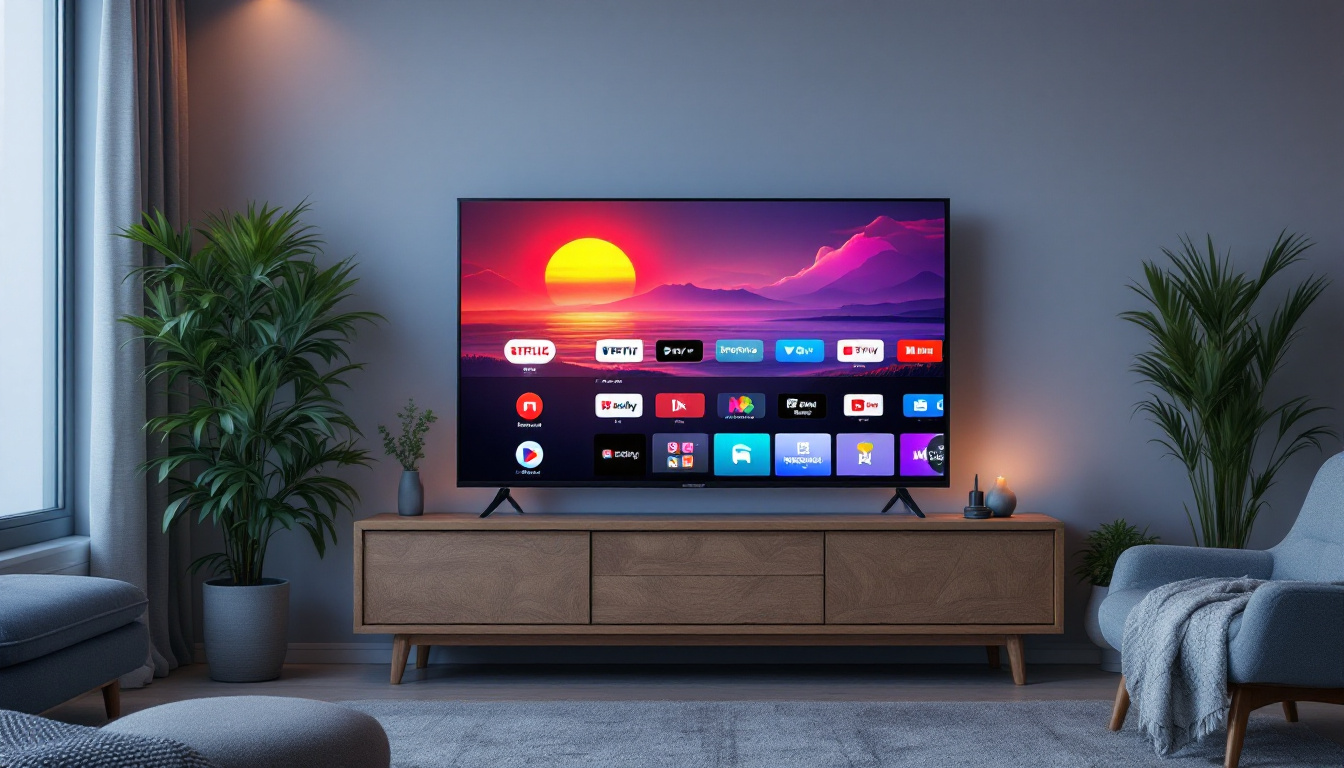
Most modern LED TVs come equipped with smart capabilities, including built-in streaming apps, voice control, and internet connectivity. These features enhance user convenience by providing access to a wide range of content without external devices.
Connectivity options such as HDMI ports, USB inputs, and wireless protocols (Wi-Fi, Bluetooth) are essential for connecting gaming consoles, sound systems, and other peripherals. Ensuring the TV monitor supports the necessary connections is vital for a seamless multimedia experience.
HDR Support and Color Accuracy
High Dynamic Range (HDR) technology improves the contrast and color range of the display, making images appear more realistic. Popular HDR formats include HDR10, Dolby Vision, and HLG. When selecting an LED TV, verifying HDR support and the TV’s ability to display wide color gamuts can significantly impact viewing quality.
Professional users, such as photographers and video editors, may require displays with factory-calibrated color accuracy and support for standards like AdobeRGB or DCI-P3 to ensure precise color reproduction.
Common Misconceptions About LED TV Monitors
LED TVs Emit Blue Light That Harms Eyesight
While it is true that LED displays emit blue light, which can cause eye strain if viewed excessively, modern TVs often include blue light reduction modes or “eye comfort” settings. Using these features, along with proper viewing habits such as limiting screen time and maintaining appropriate distance, can mitigate potential eye discomfort.
LED TVs Are Always Better Than LCD TVs
LED TVs are technically a subset of LCD TVs, differentiated by their backlighting method. While LED backlighting generally improves performance, not all LED TVs are created equal. Factors such as panel quality, backlight type, and image processing significantly influence overall picture quality.
Thinner TVs Are Always Higher Quality
Although slim designs are appealing, the thinnest TVs often use edge-lit LED technology, which may compromise uniformity and contrast compared to full-array backlit models. Buyers should balance aesthetics with performance requirements rather than assuming thinner is always better.
Future Trends in LED Display Technology
Mini-LED and Micro-LED Innovations
Recent advances in LED technology include Mini-LED and Micro-LED displays. Mini-LEDs use thousands of tiny LEDs as backlighting, enabling more precise local dimming and improved contrast. This technology bridges the gap between traditional LED and OLED displays, offering superior brightness and black levels.
Micro-LED, on the other hand, features self-emissive microscopic LEDs that function similarly to OLED pixels but with higher brightness and longer lifespan. Though currently expensive, Micro-LED displays are poised to revolutionize the market in the coming years.
Integration of AI and Enhanced Processing
Artificial intelligence is increasingly integrated into LED TV monitors to optimize picture quality dynamically. AI-driven upscaling, noise reduction, and motion smoothing enhance the viewing experience by adapting to content type and ambient lighting conditions.
These smart features are expected to become more sophisticated, offering personalized viewing experiences and better energy management.
Conclusion
LED display technology has transformed the landscape of TV monitors, offering a compelling combination of picture quality, energy efficiency, and design flexibility. Understanding the nuances of LED backlighting, comparing it with other display technologies, and evaluating key features can help consumers and professionals select the ideal TV monitor for their needs.
As innovations like Mini-LED and Micro-LED continue to emerge, the future of LED displays promises even more impressive visual experiences. Whether for home entertainment, gaming, or professional use, LED TV monitors remain a versatile and reliable choice in the evolving world of display technology.
Discover LumenMatrix’s Innovative LED Solutions
Ready to elevate your visual experience with the latest in LED display technology? Look no further than LumenMatrix, a pioneer in crafting LED display modules that not only enhance brand visibility but also create immersive visual experiences. From Indoor and Outdoor LED Wall Displays to specialized solutions like Vehicle LED Displays, LED Sports Displays, and even Custom LED Displays, LumenMatrix is at the forefront of revolutionizing visual communication. Whether you’re looking to captivate your audience, engage more effectively, or convey your message with unparalleled clarity, LumenMatrix has the solution. Check out LumenMatrix LED Display Solutions today and see the difference for yourself.