In the evolving landscape of smart home technology, LED displays have become a cornerstone of modern home automation systems. From thermostats to security panels, these vibrant, energy-efficient screens provide intuitive interfaces that enhance user experience and streamline control. This article delves into the role of LED displays within smart home planners, explaining their technology, benefits, and practical applications to help homeowners make informed decisions when designing or upgrading their smart environments.
Understanding LED Displays in Smart Home Systems
What is an LED Display?
LED, or Light Emitting Diode, displays are screens that use tiny light-emitting diodes to create images and text. Unlike traditional LCD screens that rely on backlighting, LED displays produce their own light, resulting in brighter visuals, better contrast, and improved energy efficiency. This makes them particularly suitable for smart home devices that require clear, readable interfaces in various lighting conditions.
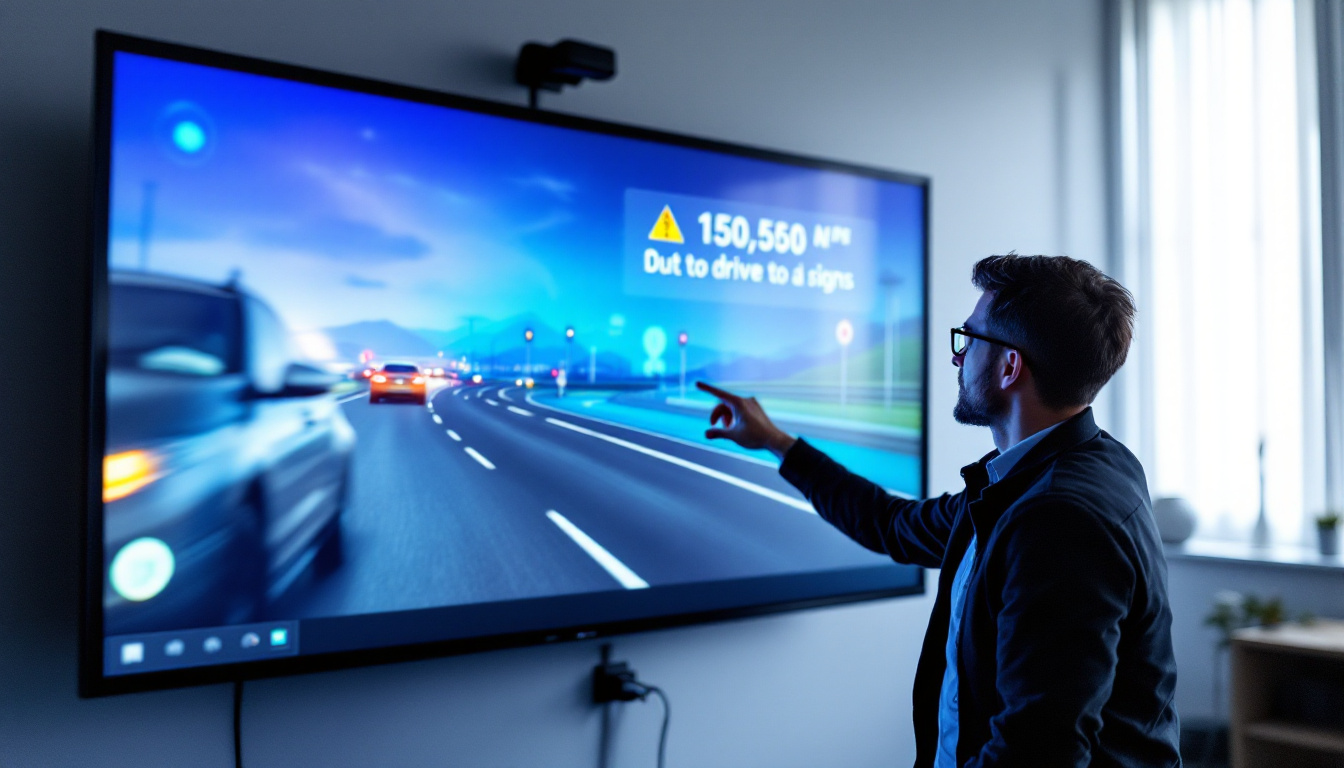
In smart home planners, LED displays serve as the primary interface for users to interact with their home automation systems. Whether it’s adjusting lighting, monitoring security cameras, or setting climate controls, the LED display provides a responsive and visually appealing medium for these interactions.
Types of LED Displays Used in Smart Homes
Several types of LED displays are commonly integrated into smart home devices, each with unique characteristics:
- Segmented LED Displays: Often used for simple numeric or alphanumeric readouts, such as thermostats or timers.
- Dot Matrix Displays: These provide more flexibility, allowing for basic graphics and text, suitable for security panels or notification systems.
- OLED Displays: A subset of LED technology, Organic Light Emitting Diodes offer higher contrast and wider viewing angles, favored in premium smart home devices.
- Full-Color LED Panels: Utilized in advanced smart home hubs, these displays can show detailed graphics, animations, and touch interfaces.
Choosing the right type depends on the device’s function, budget constraints, and desired user experience.
The Role of LED Displays in Smart Home Planning
Enhancing User Interaction and Accessibility
One of the primary benefits of incorporating LED displays into smart home planners is the enhanced user interaction they facilitate. Clear visual feedback allows users to understand system status at a glance, reducing confusion and improving control accuracy. For example, a smart thermostat with an LED display can show current temperature, setpoints, and system mode, enabling quick adjustments without needing a smartphone app.
Accessibility is another key consideration. LED displays with adjustable brightness and contrast settings ensure that users with varying visual abilities can comfortably interact with their smart home systems. Some devices also incorporate tactile buttons alongside displays, providing multimodal interaction options.
Integration with Voice and Mobile Controls
While voice assistants and mobile apps dominate much of the smart home control landscape, LED displays remain vital as complementary interfaces. They provide immediate visual confirmation of commands and system alerts, which voice feedback alone cannot always convey effectively. For instance, a security system’s LED display can show which door is open or if a sensor has been triggered, information that enhances situational awareness.
Smart home planners often design LED displays to synchronize seamlessly with voice and app controls, creating a cohesive ecosystem. This integration ensures that whether a user interacts via touch, voice, or smartphone, the information presented remains consistent and accessible.
Technical Considerations for LED Displays in Smart Homes
Energy Efficiency and Longevity
Energy consumption is a critical factor in smart home device design, especially for battery-powered or always-on systems. LED displays excel in this regard, consuming significantly less power than traditional LCDs with backlights. According to a 2023 report by the Consumer Technology Association, devices with LED displays can reduce energy usage by up to 40%, contributing to lower household energy bills and environmental impact.
Moreover, LED displays have long operational lifespans, often exceeding 50,000 hours of use. This durability reduces maintenance needs and replacement costs, making them a cost-effective choice for smart home planners aiming for long-term reliability.
Brightness, Resolution, and Viewing Angles
Optimal brightness and resolution are essential for ensuring that LED displays remain legible under various lighting conditions, including direct sunlight or dim ambient light. Smart home planners must balance these factors with power consumption to achieve the best user experience.
Viewing angles also play a role, especially for devices mounted in common areas. OLED displays, for example, offer wider viewing angles than traditional LEDs, making them suitable for wall-mounted control panels where multiple users may interact from different positions.
Touchscreen Capabilities and User Interface Design
Many modern LED displays incorporate touchscreen functionality, allowing for intuitive control through taps, swipes, and gestures. This capability transforms simple displays into versatile control hubs, capable of displaying complex menus, notifications, and real-time data.
Effective user interface (UI) design tailored for LED displays is crucial. Planners must consider font sizes, button spacing, color schemes, and feedback mechanisms to ensure ease of use. A well-designed interface minimizes user errors and enhances satisfaction, particularly for users less familiar with technology.
Practical Applications of LED Displays in Smart Home Planning
Climate Control Systems
Smart thermostats are among the most common devices featuring LED displays. These displays provide real-time temperature readings, humidity levels, and system status. Advanced models use full-color LED panels to show weather forecasts, energy usage statistics, and personalized comfort settings.
Integrating LED displays into climate control systems allows homeowners to quickly adjust settings and monitor environmental conditions, contributing to energy savings and improved comfort. According to a 2022 study by the Environmental Protection Agency, homes with smart thermostats can reduce heating and cooling costs by an average of 10-12%.
Security and Surveillance Panels
Security systems rely heavily on LED displays to communicate alerts, sensor statuses, and system modes. For example, an LED panel might indicate whether doors and windows are secured, display live camera feeds, or provide alarm notifications.
These displays enhance situational awareness and enable rapid response to potential threats. Some systems incorporate color-coded LEDs to differentiate between normal operation, warnings, and critical alerts, improving clarity during emergencies.
Lighting Control Interfaces
Smart lighting systems often use LED displays to offer customizable control options. Users can select lighting scenes, adjust brightness levels, and change colors through intuitive menus displayed on LED screens. This visual feedback simplifies complex lighting configurations, making it accessible to all household members.
Additionally, LED displays can show schedules and automation statuses, helping users optimize lighting for energy efficiency and ambiance.
Home Entertainment and Information Hubs
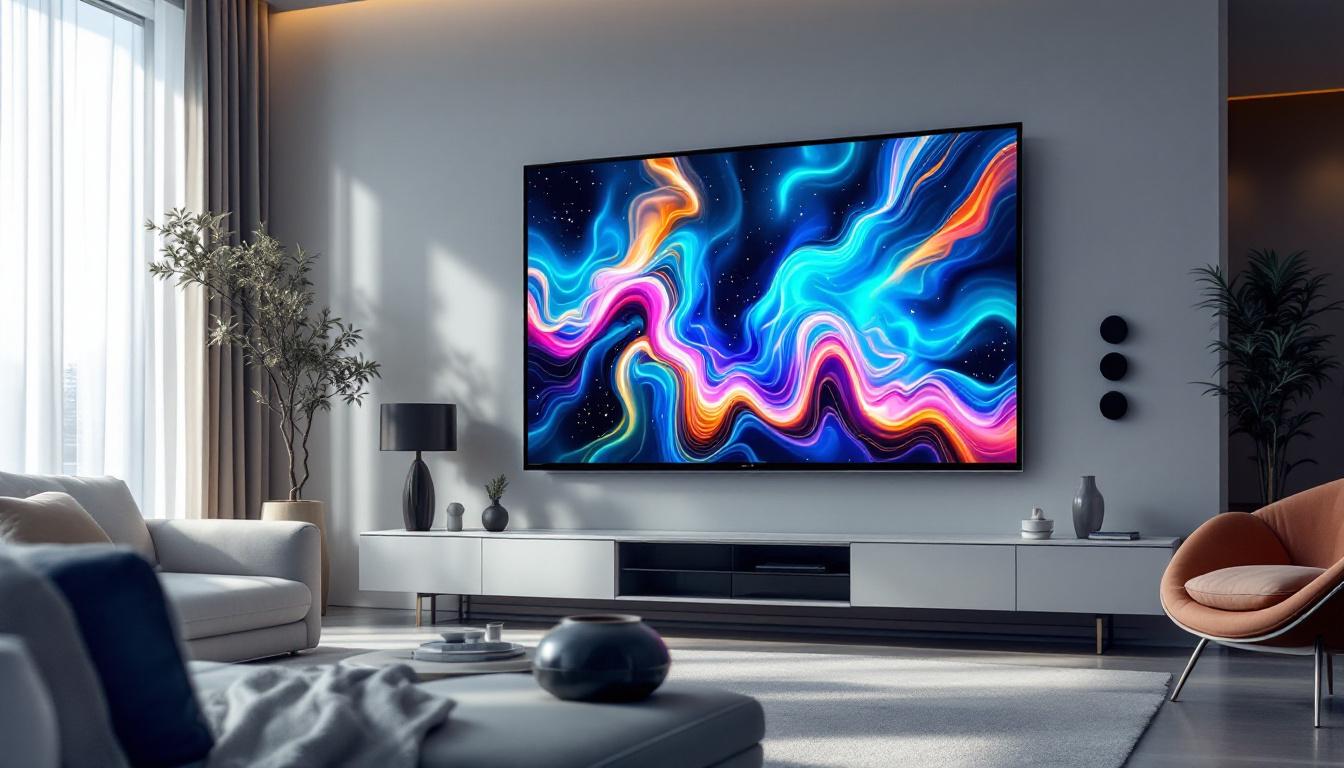
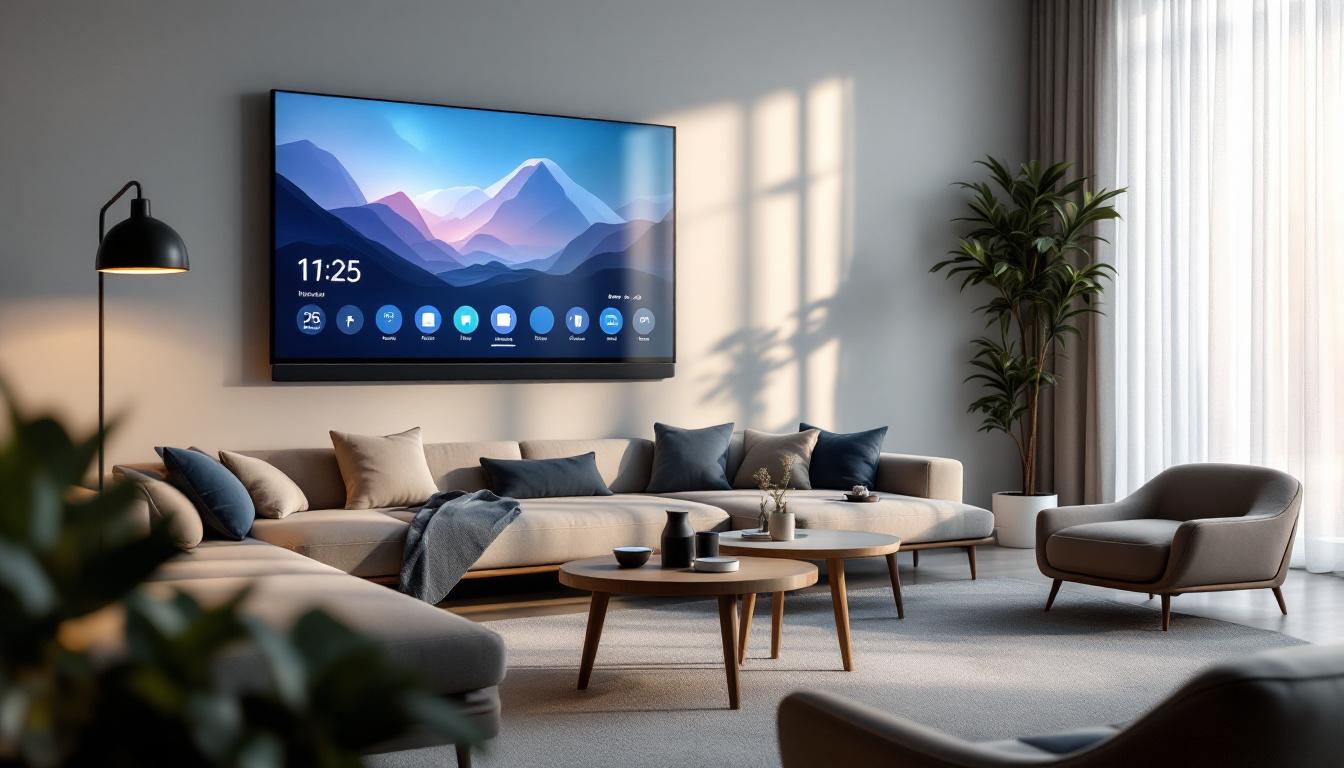
Centralized smart home hubs frequently feature large, high-resolution LED displays that serve as control centers for entertainment, communication, and information. These displays can stream media, show calendar events, weather updates, and even integrate with smart appliances.
By consolidating multiple functions into a single, visually rich interface, these LED displays enhance convenience and encourage greater use of smart home capabilities.
Future Trends in LED Displays for Smart Homes
Advancements in MicroLED and Flexible Displays
Emerging technologies like MicroLED and flexible LED displays promise to revolutionize smart home interfaces. MicroLED offers superior brightness, color accuracy, and energy efficiency compared to current OLED and traditional LED panels, potentially leading to even more vivid and power-saving displays.
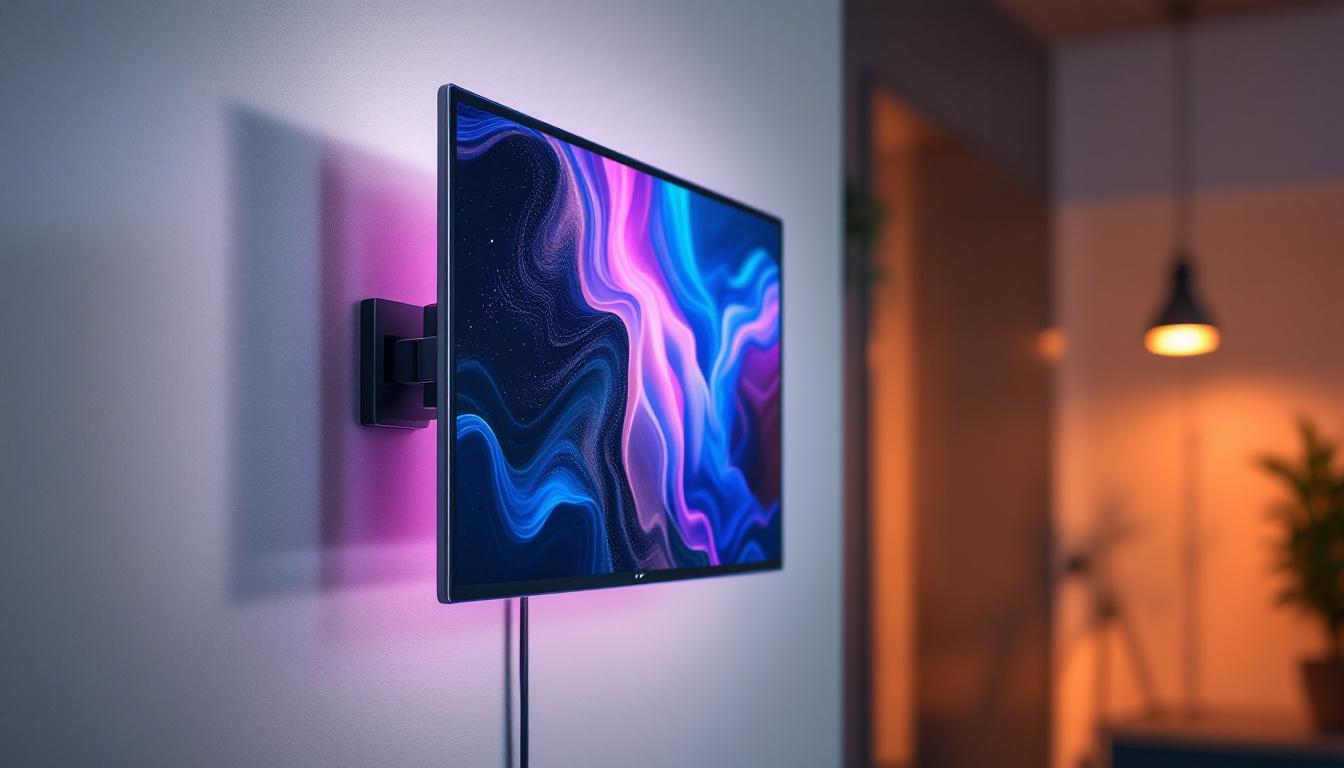
Flexible LED displays open new possibilities for device form factors, allowing screens to curve around surfaces or be embedded into furniture and walls. This could enable seamless integration of smart controls into home decor, enhancing aesthetics without sacrificing functionality.
Increased Integration with AI and IoT Ecosystems
As artificial intelligence (AI) and Internet of Things (IoT) technologies advance, LED displays will become more context-aware and interactive. Future smart home planners may incorporate displays that adapt content based on user behavior, environmental conditions, or predictive analytics.
For example, an LED display might proactively show energy-saving tips during peak usage times or highlight security alerts based on AI-driven threat detection. This dynamic interaction will elevate the role of LED displays from passive interfaces to intelligent assistants within the smart home.
Enhanced Customization and Personalization
Personalization features will become increasingly important, allowing users to tailor LED display interfaces to their preferences. This could include customizable themes, adaptive brightness based on time of day, and user-specific profiles that adjust displayed information accordingly.
Such customization enhances user engagement and satisfaction, making smart home technology more approachable and enjoyable for diverse households.
Choosing the Right LED Display for Your Smart Home Plan
Assessing Your Needs and Environment
When planning a smart home, it’s essential to evaluate the specific requirements for LED displays based on device function, location, and user demographics. High-traffic areas may benefit from larger, high-resolution displays with touch capabilities, while secondary devices might only require simple segmented LEDs.
Consider environmental factors such as ambient lighting, potential glare, and viewing angles to ensure optimal visibility. For example, a display near a window should have sufficient brightness and anti-reflective properties to remain readable in sunlight.
Balancing Cost and Performance
LED display technology varies widely in cost, influenced by size, resolution, and additional features like touchscreens or color capabilities. Smart home planners must balance budget constraints with desired performance to select displays that provide the best value.
Investing in higher-quality displays can lead to better user experiences and longer device lifespans, potentially reducing total cost of ownership over time.
Compatibility and Integration
Ensure that chosen LED displays are compatible with existing smart home protocols and devices. Open standards like Zigbee, Z-Wave, and Matter facilitate interoperability, allowing displays to communicate seamlessly with other components.
Integration with voice assistants and mobile platforms should also be considered to create a unified control ecosystem that leverages the strengths of LED displays alongside other interfaces.
Conclusion
LED displays play a pivotal role in smart home planners, offering bright, energy-efficient, and user-friendly interfaces that enhance control and accessibility. Understanding the different types of LED displays, their technical considerations, and practical applications enables homeowners and designers to make informed choices that optimize the smart home experience.
As technology advances, LED displays will continue to evolve, integrating more deeply with AI and IoT systems while offering greater customization and innovative form factors. By carefully selecting and implementing LED displays, smart home planners can create intuitive, efficient, and aesthetically pleasing environments that meet the needs of today’s connected households.
Discover the Future of Smart Home Visuals with LumenMatrix
Ready to elevate your smart home experience with leading-edge LED display technology? LumenMatrix is at the forefront of creating immersive visual experiences that integrate seamlessly into your smart home design. From captivating Indoor LED Wall Displays to innovative Transparent LED solutions, our products are designed to bring your home to life. Embrace the revolution in visual communication and check out LumenMatrix LED Display Solutions today to see how we can enhance your smart home planning with clarity, engagement, and style.