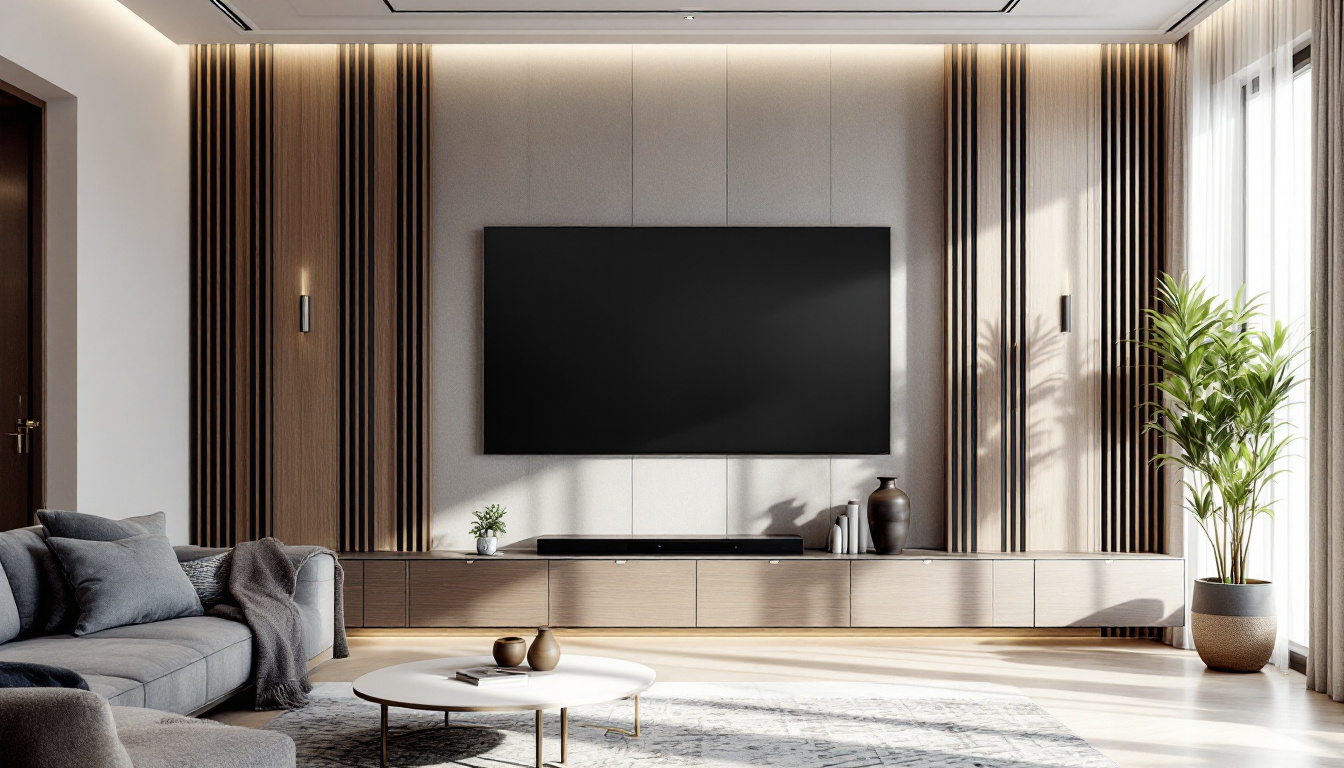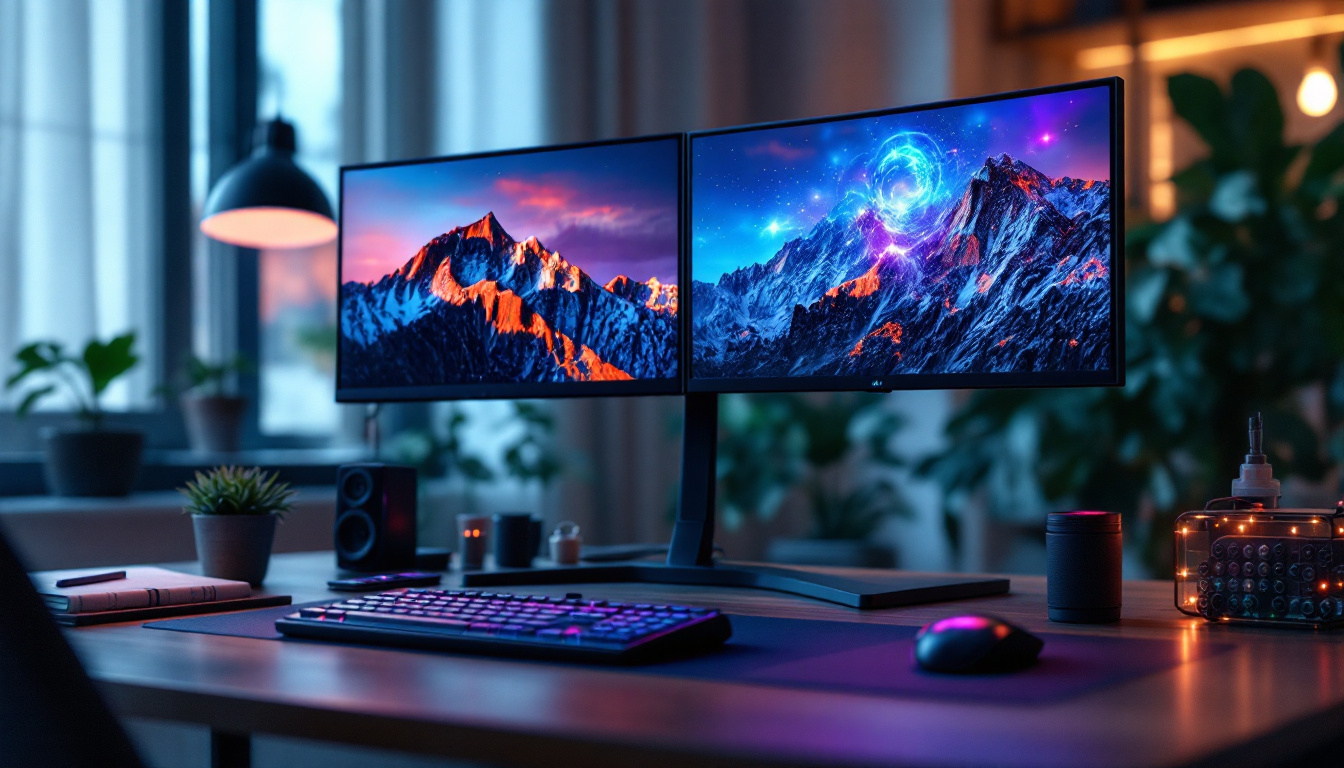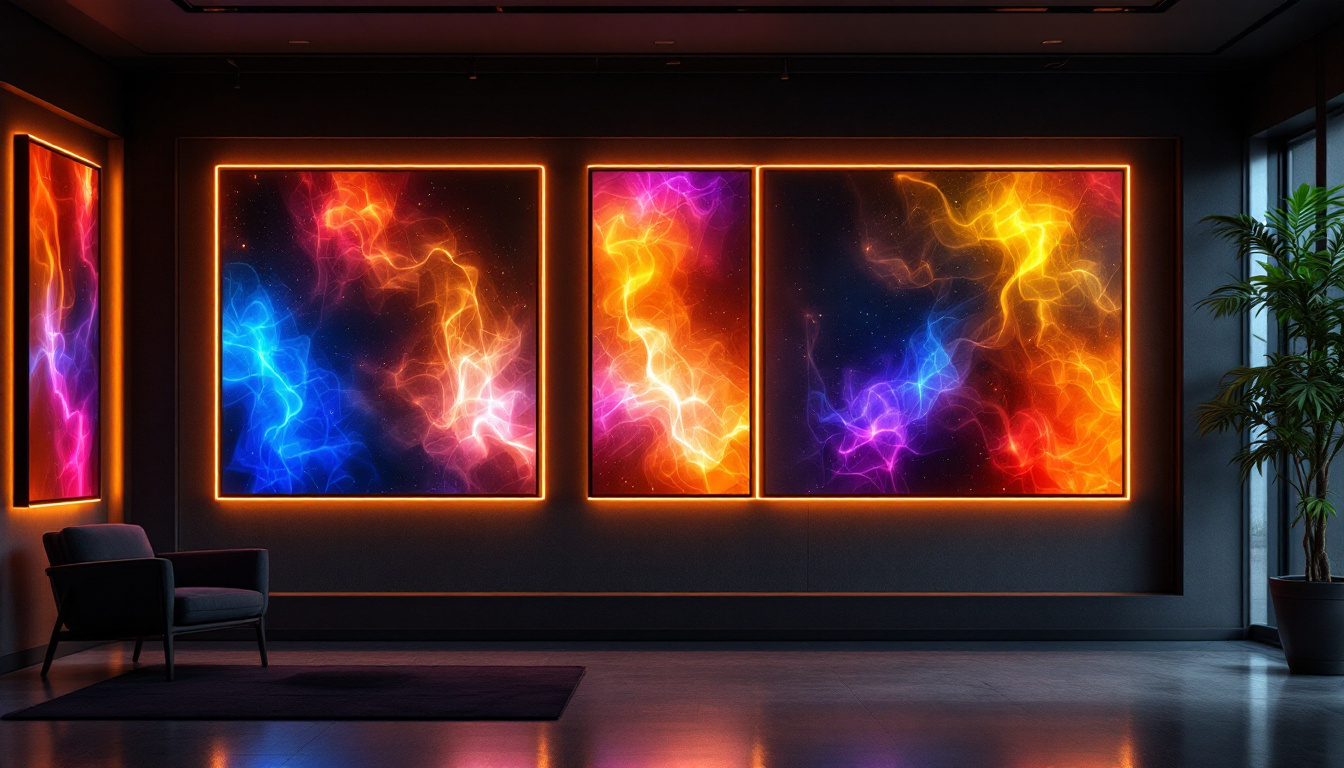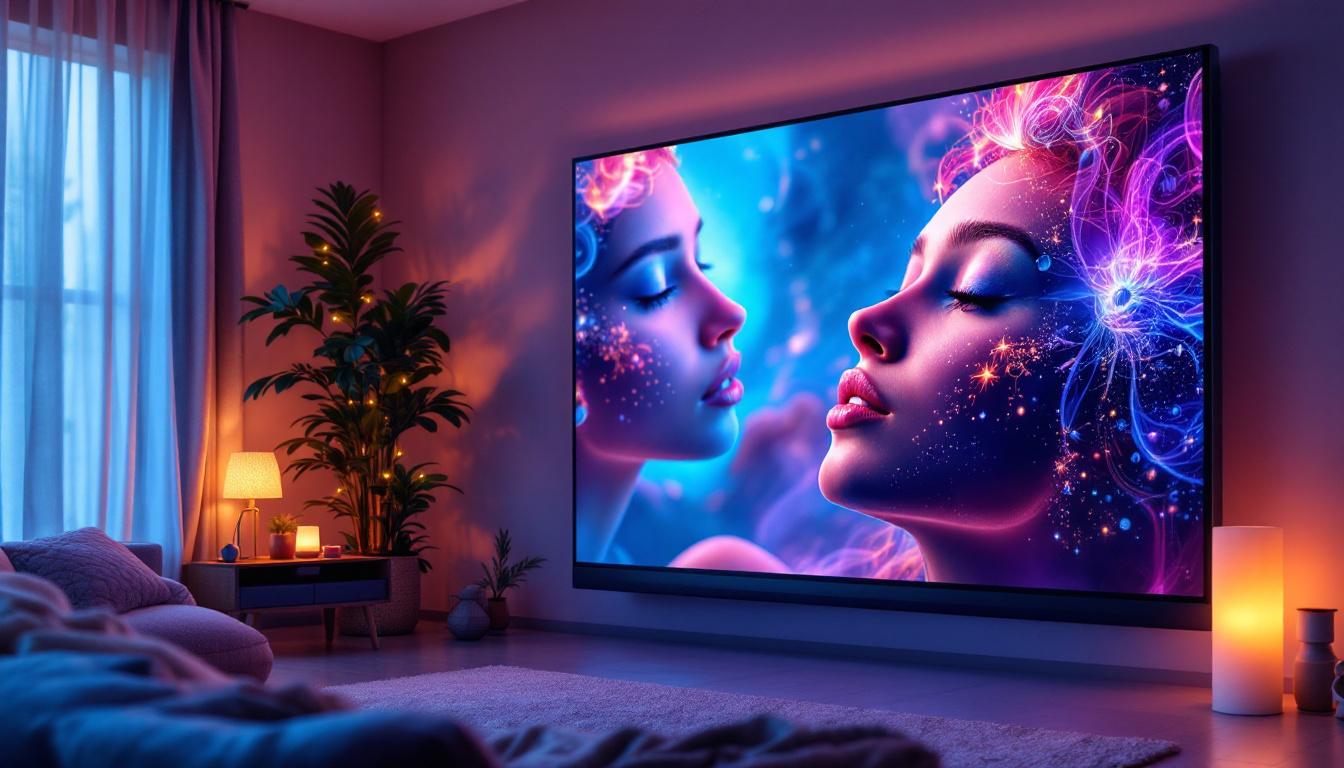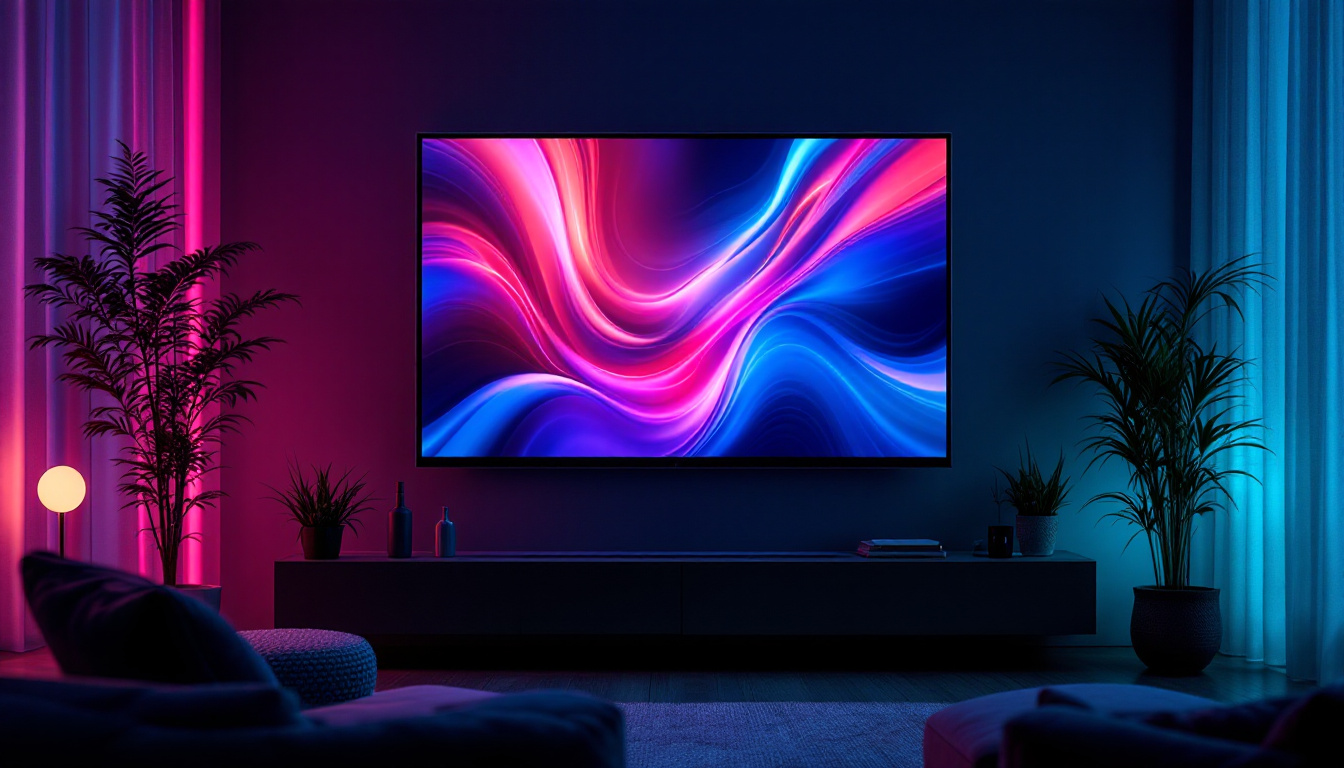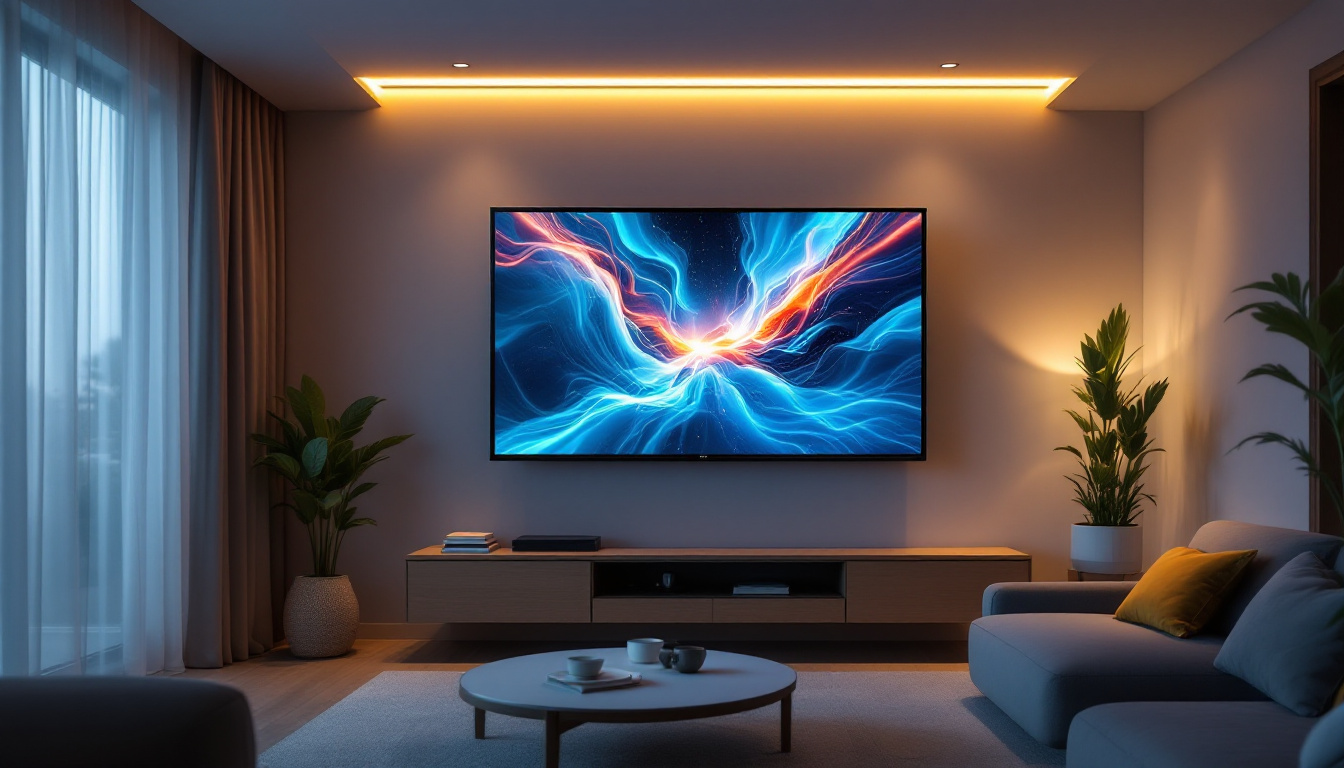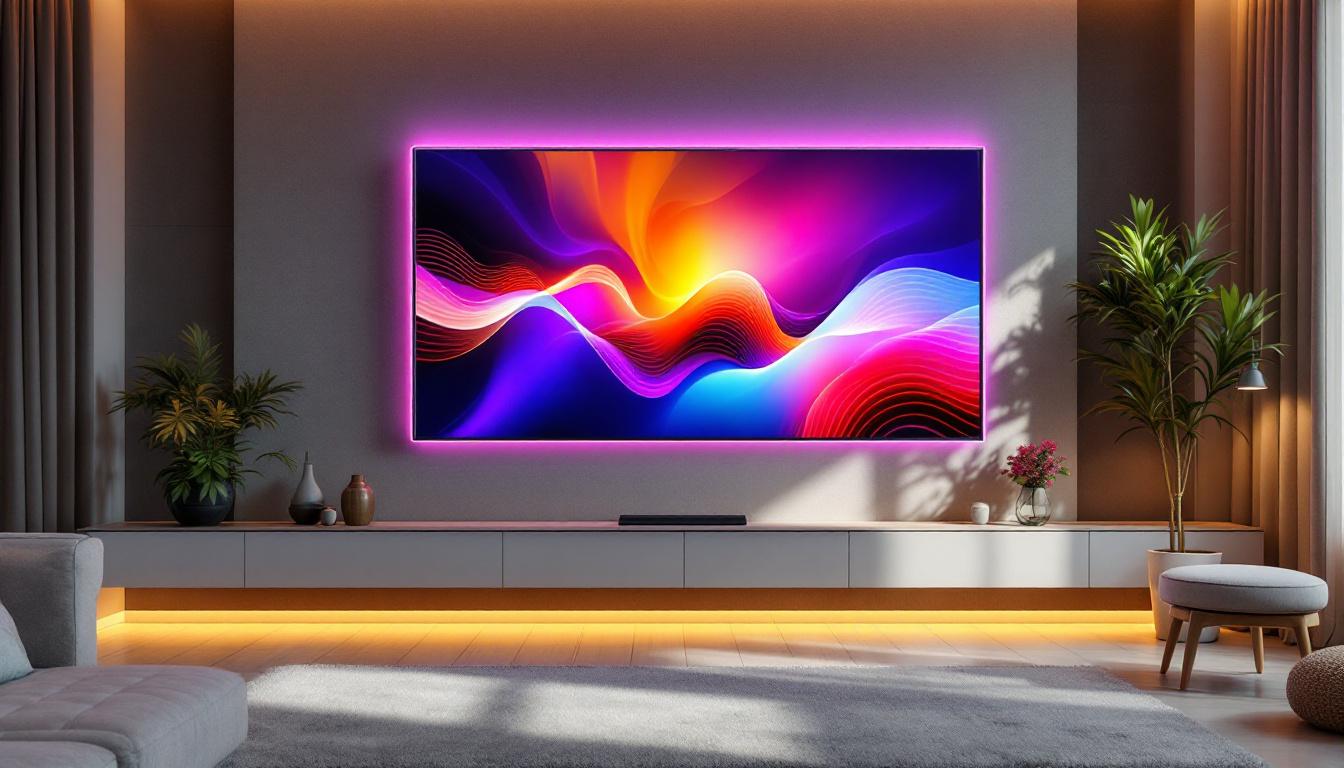
In recent years, the way people decorate and interact with their living spaces has evolved dramatically. Among the most innovative trends is the integration of LED displays into home walls. These dynamic surfaces transform static walls into vibrant, interactive canvases capable of displaying art, information, or ambiance-enhancing visuals. But what exactly are LED displays for home walls, how do they work, and why are they becoming a popular choice for modern homeowners? This article delves into the technology, applications, and benefits of LED displays in residential settings, offering a comprehensive guide for anyone considering this cutting-edge home enhancement.
Understanding LED Display Technology
What Is an LED Display?
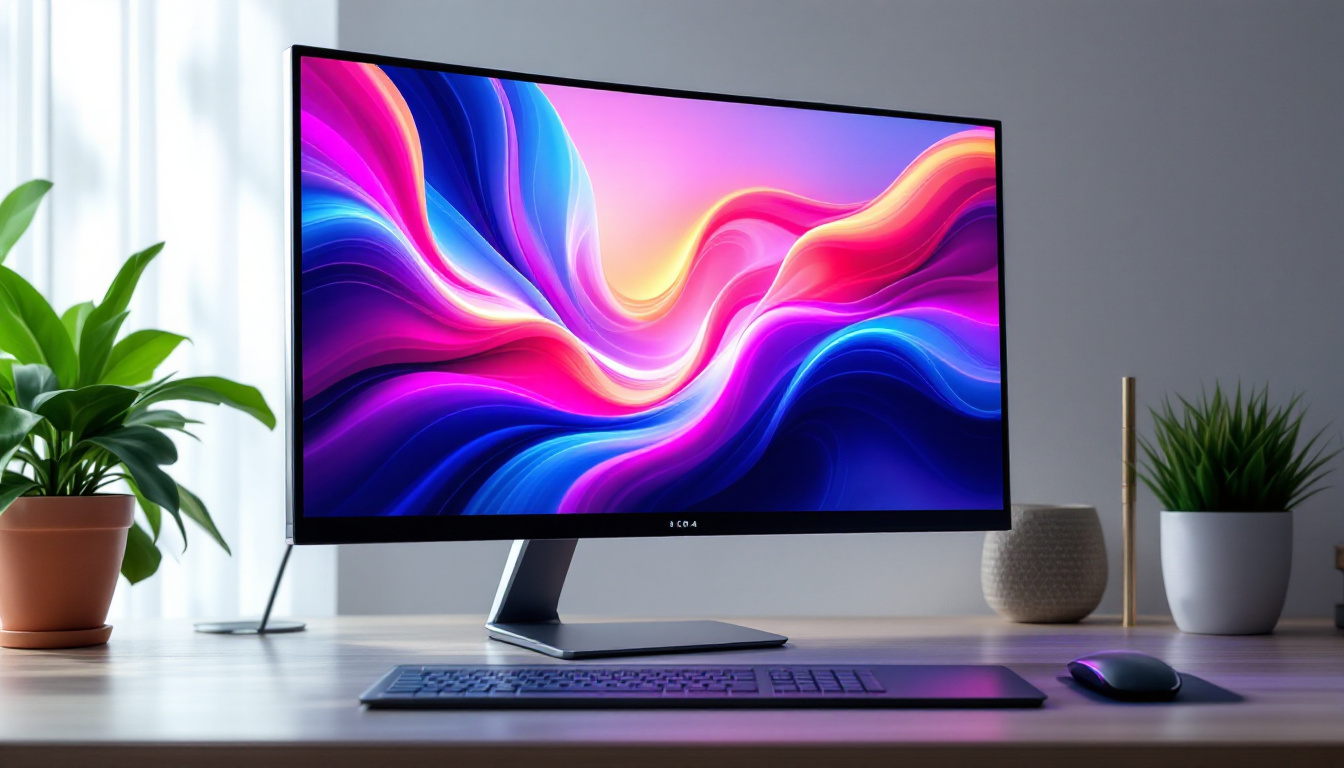
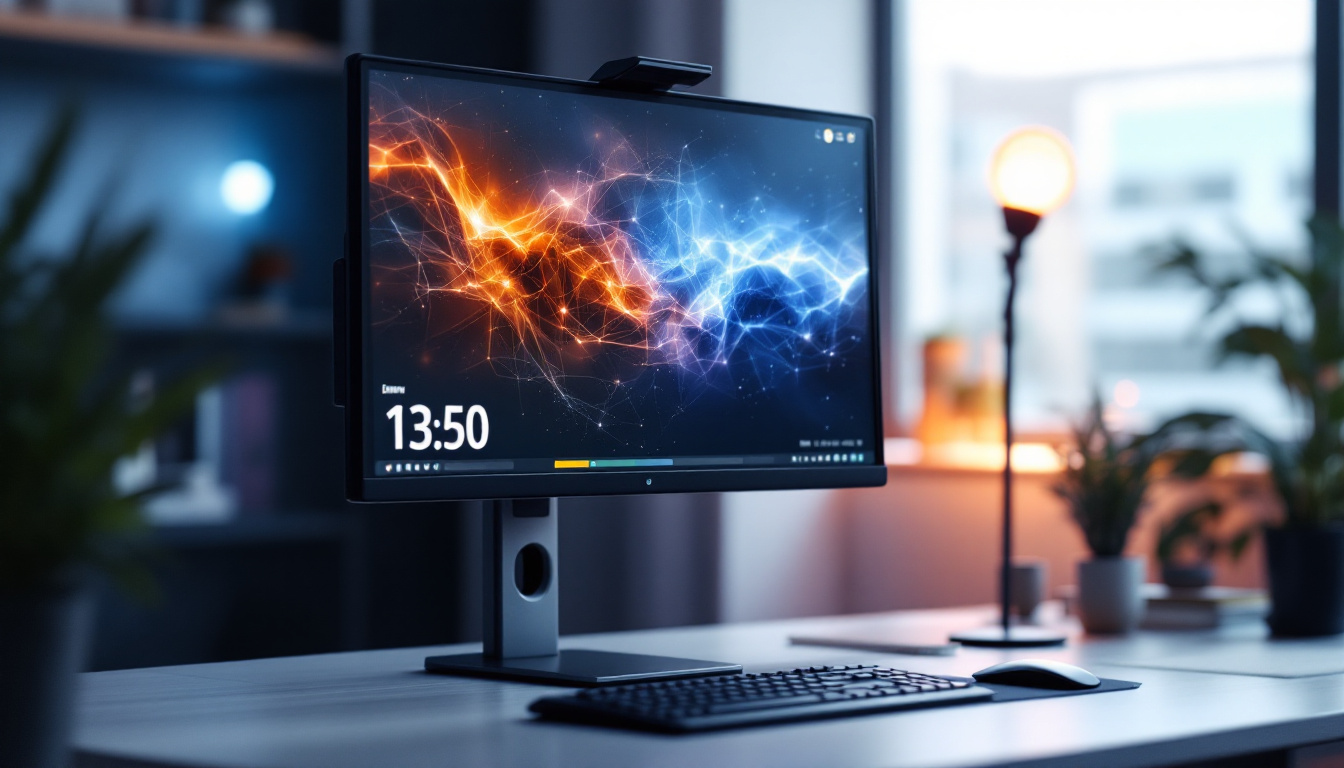
LED stands for Light Emitting Diode, a semiconductor device that emits light when an electric current passes through it. An LED display is a flat panel that uses an array of these tiny diodes to produce images, videos, or text. Unlike traditional screens, LED displays rely on individual light sources, which can be controlled precisely to create bright, vivid visuals with excellent contrast.
In the context of home walls, LED displays are often large-scale panels or modular tiles that can be mounted directly onto or integrated within the wall surface. These panels can be customized in size and shape, allowing for seamless installations that blend with the interior design. This adaptability not only enhances aesthetic appeal but also allows homeowners to create unique focal points in their living spaces, transforming ordinary walls into dynamic canvases that can change with the mood or occasion.
Types of LED Displays for Home Use
There are several types of LED displays suitable for residential applications, each with distinct characteristics:
- Direct View LED Panels: These consist of closely packed LEDs that form the display surface itself. They offer high brightness and can be viewed from various angles, making them ideal for large wall installations.
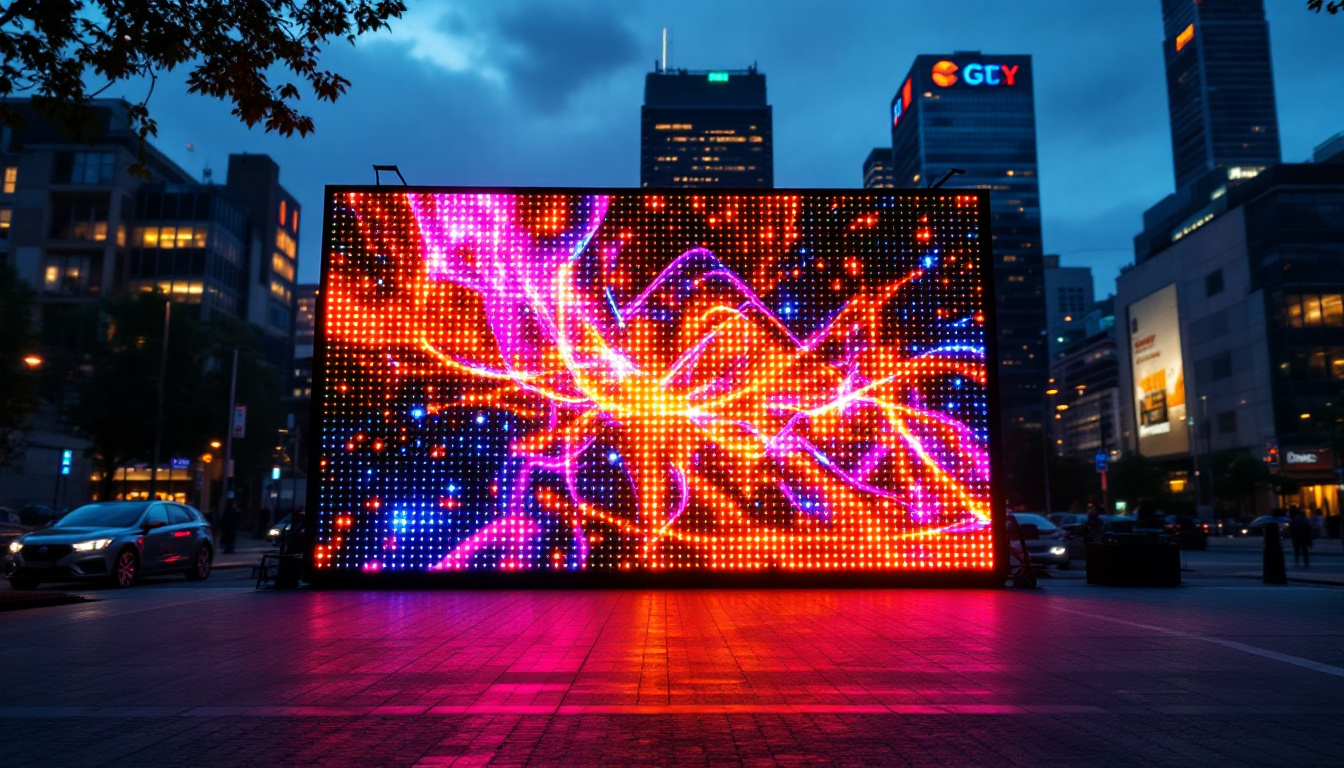
- LED Video Walls: Composed of multiple LED panels tiled together, video walls can cover extensive areas and display continuous content. They are often used for immersive experiences in home theaters or entertainment rooms.
- Flexible LED Screens: These are bendable and lightweight, allowing for creative, curved installations that conform to unique wall shapes. This flexibility opens up new possibilities for artistic designs and innovative layouts that can enhance the overall ambiance of a room.
- MicroLED Displays: An emerging technology, microLEDs offer superior brightness, energy efficiency, and pixel density, but are currently more expensive and less common in home settings. As this technology matures, it promises to deliver even more stunning visuals and could revolutionize how we interact with digital content in our homes.
Choosing the right type depends on factors such as viewing distance, room lighting, budget, and desired visual effects. Additionally, considerations such as resolution and refresh rate can significantly impact the quality of the viewing experience. For instance, higher resolutions are crucial for larger displays to ensure that images remain sharp and detailed, while a higher refresh rate is essential for smooth motion in videos and gaming. Homeowners should also think about the integration of smart technology, as many modern LED displays come equipped with features that allow for seamless connectivity with other smart home devices, enhancing the overall functionality and convenience of the display.
Benefits of LED Displays on Home Walls
Dynamic and Customizable Aesthetics
One of the most compelling reasons to install LED displays on home walls is the ability to change the look and feel of a room instantly. Instead of static paintings or wallpaper, homeowners can display digital art, family photos, or ambient visuals that suit their mood or occasion. This flexibility allows for endless customization and personalization.
For example, a living room wall could display a serene forest scene during the day and switch to an abstract art piece for evening gatherings. Seasonal decorations can be digitally rendered without the hassle of physical installations, enhancing convenience and creativity.
Enhanced Entertainment Experiences
LED walls can significantly elevate home entertainment setups. When integrated into media rooms, they provide immersive viewing experiences with large, bright, and high-resolution displays. Unlike traditional projectors, LED walls maintain image quality regardless of ambient light and offer superior color accuracy.
Moreover, LED walls can serve as interactive gaming surfaces or virtual reality backdrops, creating engaging environments for family and guests. The ability to stream content directly to the wall also simplifies media consumption.
Energy Efficiency and Longevity
Modern LED technology is highly energy-efficient compared to older lighting and display methods. LEDs consume less power while delivering brighter images, which translates into lower electricity bills for homeowners. Additionally, LED displays have long lifespans, often exceeding 50,000 hours of use, reducing maintenance and replacement costs over time.
Smart Home Integration
Many LED display systems are compatible with smart home ecosystems. This allows users to control the content, brightness, and scheduling through mobile apps or voice commands. Integration with platforms like Amazon Alexa, Google Assistant, or Apple HomeKit enhances user convenience and accessibility.
Installation Considerations for Home LED Walls
Assessing Wall Space and Structural Support
Before installing an LED display, it’s crucial to evaluate the available wall space and the structural integrity of the surface. LED panels can vary in weight, and large installations may require reinforcement or specialized mounting hardware. Consulting with a professional installer ensures that the wall can safely support the display and that the installation complies with building codes.
Resolution and Pixel Pitch
The resolution of an LED wall is determined by its pixel pitch, which is the distance between individual LEDs. A smaller pixel pitch means higher resolution and sharper images, especially important for close viewing distances typical in homes.
For example, a pixel pitch of 1.5mm to 2.5mm is generally recommended for living rooms or bedrooms, providing crisp visuals without excessive cost. Larger pixel pitches might be suitable for rooms where viewers are farther away, such as home theaters or open-plan spaces.
Brightness and Ambient Light
LED displays are known for their brightness, but it’s essential to balance this with the room’s lighting conditions. Excessive brightness can cause glare or discomfort, while insufficient brightness may make the display hard to see in well-lit environments.
Many LED systems offer adjustable brightness settings or ambient light sensors that automatically optimize display output based on the room’s lighting. This feature enhances viewing comfort and energy efficiency.
Content Management and Connectivity
Managing what appears on the LED wall requires compatible hardware and software. Most systems come with dedicated media players or support streaming from computers, smartphones, or cloud services. Wi-Fi or Ethernet connectivity enables seamless content updates and remote control.
Choosing a system with user-friendly content management software is vital for homeowners who want to change displays frequently without technical difficulties.
Popular Applications of LED Walls in Residential Spaces
Living Rooms and Lounges
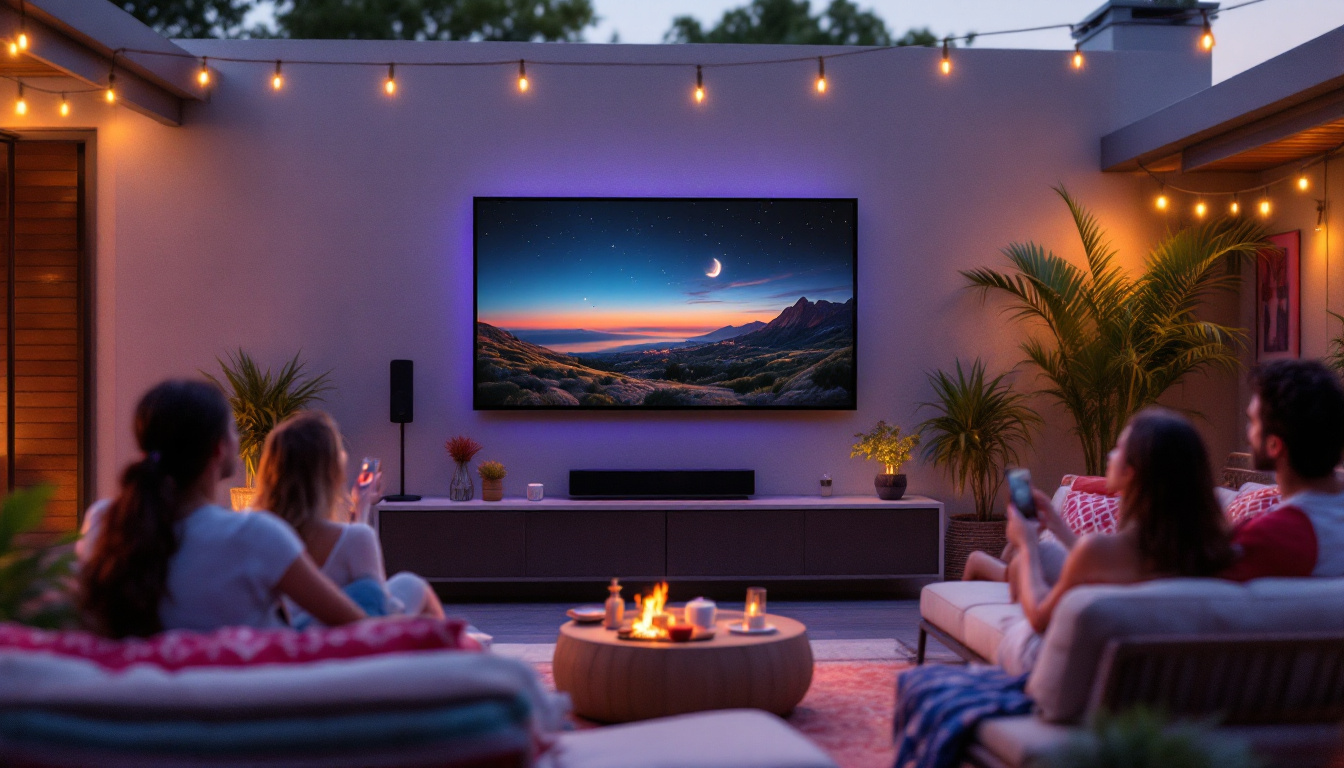
In living areas, LED walls serve both decorative and entertainment purposes. They can display family photos, digital art galleries, or ambient scenes that enhance the room’s atmosphere. When paired with sound systems, they create immersive environments for movie nights or social gatherings.
Home Theaters
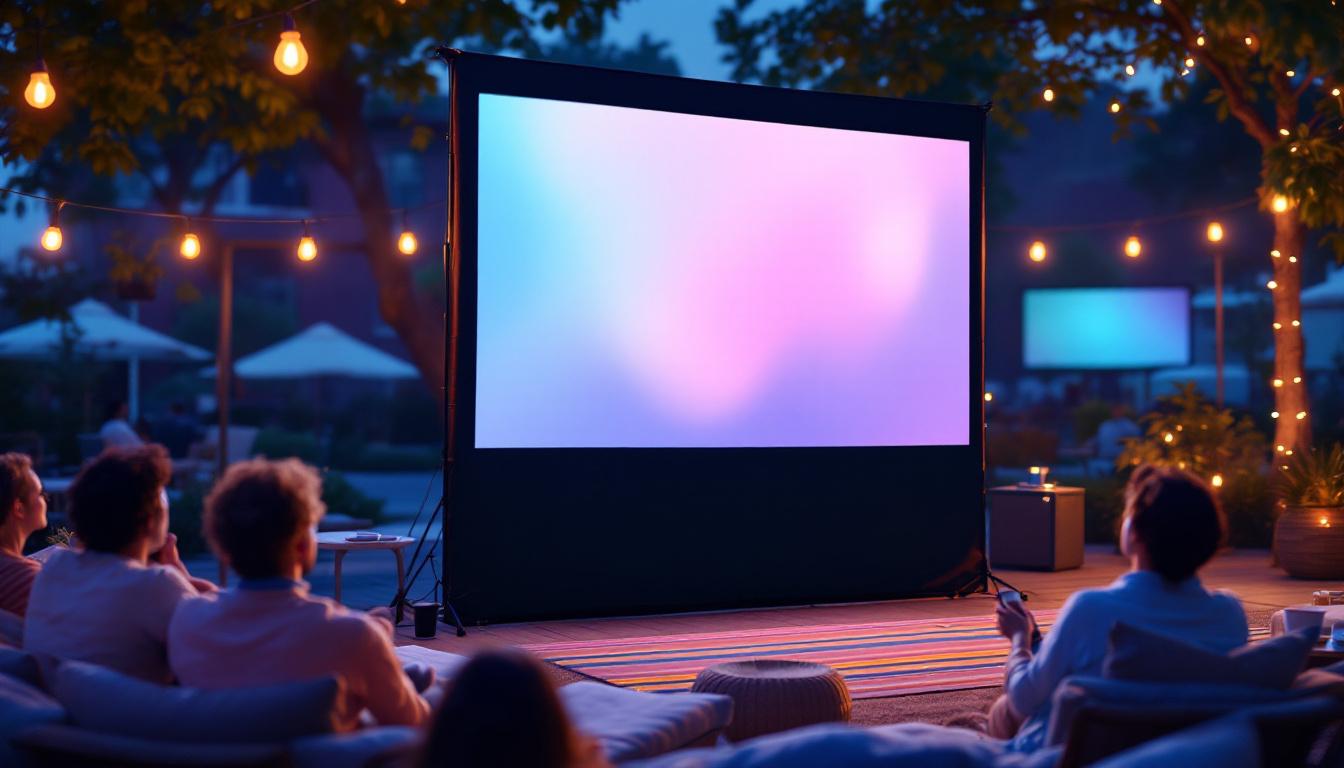
LED walls are increasingly replacing traditional projection screens in home theaters. Their ability to deliver bright, high-contrast images makes them ideal for cinematic experiences. Additionally, LED walls eliminate issues like shadows or image distortion caused by projector placement.
Gaming Rooms
For avid gamers, LED walls provide expansive, responsive displays that enhance gameplay immersion. Some setups incorporate interactive elements or synchronize lighting effects with game actions, creating a multisensory experience.
Home Offices and Study Areas
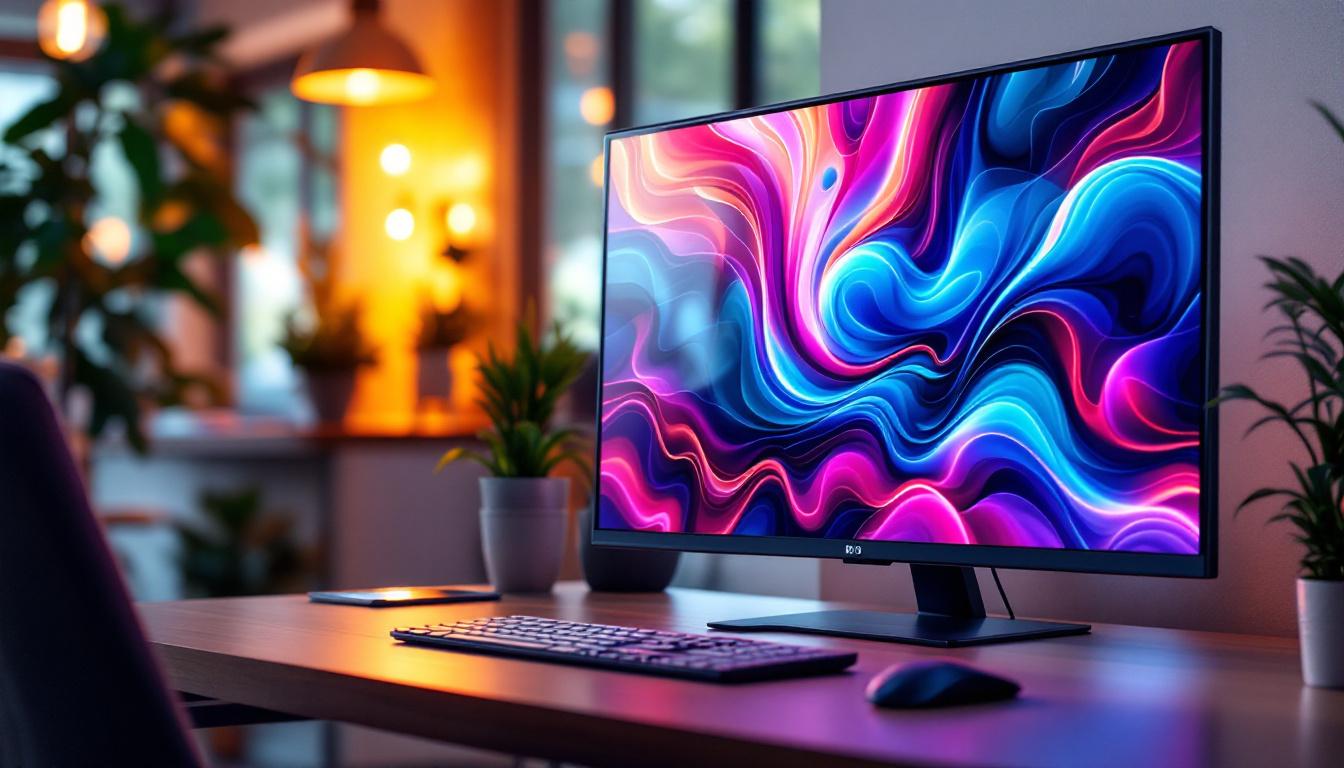
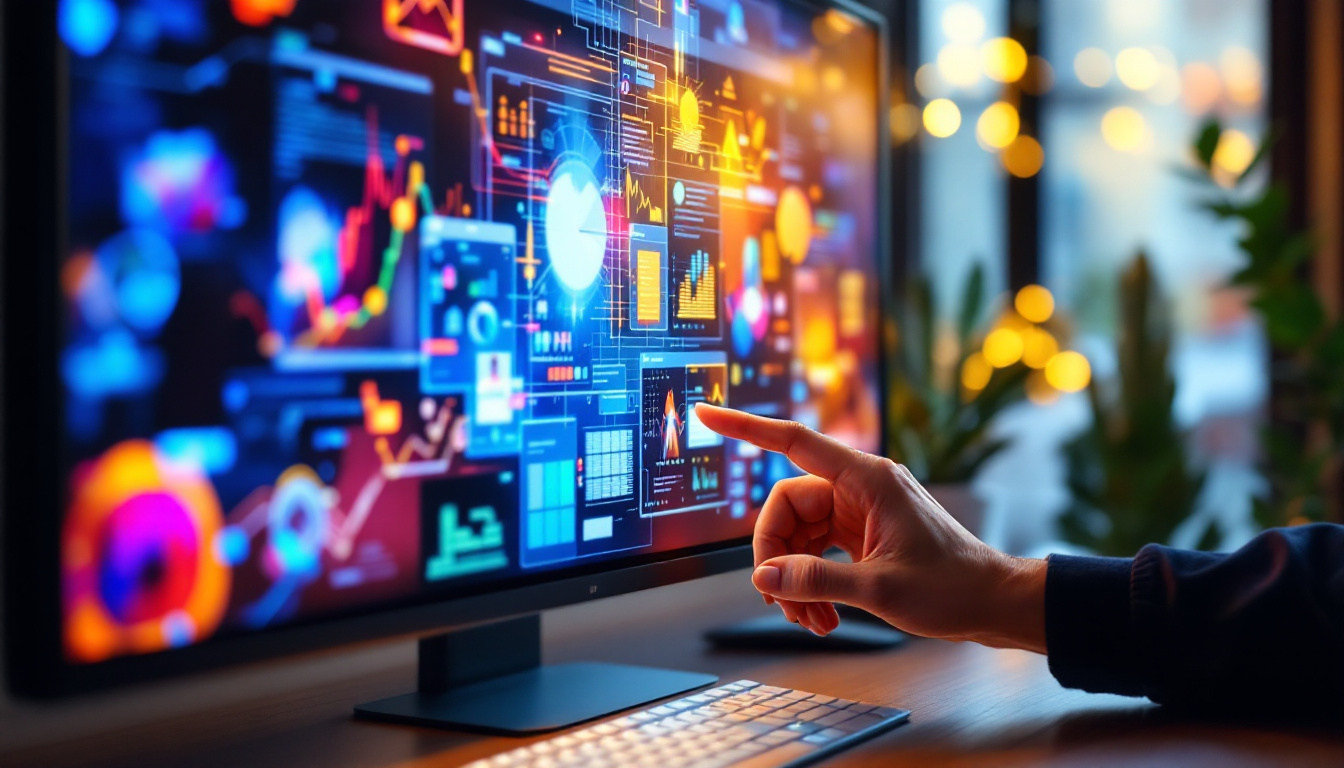
LED displays can also be functional in workspaces, offering large digital whiteboards, calendars, or information dashboards. This integration supports productivity and modernizes the home office environment.
Wellness and Meditation Spaces
Displaying calming visuals such as nature scenes, flowing water, or soft color gradients, LED walls contribute to relaxation and mindfulness practices. This application highlights the versatility of LED technology beyond entertainment.
Cost and Maintenance of Home LED Walls
Investment and Pricing Factors
The cost of installing an LED wall varies widely depending on size, resolution, and technology. As of 2024, prices for residential LED panels generally range from $1,000 to $3,000 per square meter, with higher-end microLED options costing significantly more.
Additional expenses include installation, content management hardware, and potential structural modifications. While the initial investment may be substantial, the long-term benefits in aesthetics, functionality, and energy savings often justify the cost.
Maintenance Requirements
LED displays require minimal maintenance compared to other display technologies. Regular dusting and occasional software updates are typically sufficient. In case of malfunctioning LEDs or panels, modular designs allow for easy replacement without dismantling the entire wall.
Longevity and Warranty
Most manufacturers offer warranties ranging from 2 to 5 years, with expected lifespans exceeding 50,000 hours. Proper care and professional installation contribute to maximizing the display’s operational life.
Future Trends in Home LED Wall Technology
Advancements in MicroLED and MiniLED
Emerging microLED and miniLED technologies promise even higher resolution, better color accuracy, and improved energy efficiency. These advancements will likely make LED walls more accessible and affordable for residential use in the coming years.
Integration with Augmented Reality (AR)
Future home LED walls may incorporate AR capabilities, allowing interactive overlays and real-time information display. This integration could redefine how homeowners engage with their environment.
Eco-Friendly and Sustainable Designs
Manufacturers are focusing on reducing the environmental impact of LED production and operation. Innovations in recyclable materials and lower power consumption align with growing consumer demand for sustainable home technologies.
Conclusion
LED displays on home walls represent a remarkable fusion of technology and interior design. They offer unparalleled versatility, transforming ordinary walls into dynamic, interactive surfaces that enhance aesthetics, entertainment, and functionality. While the initial investment and installation require careful planning, the long-term benefits in customization, energy efficiency, and immersive experiences make LED walls an attractive option for modern homeowners.
As technology continues to advance and prices become more accessible, LED walls are poised to become a standard feature in contemporary homes, redefining how people live, work, and relax within their personal spaces.
Illuminate Your Space with LumenMatrix
Ready to elevate your home with the dynamic beauty of LED displays? Discover LumenMatrix’s innovative LED display solutions tailored to your lifestyle. From immersive Indoor LED Wall Displays to captivating Custom LED Displays, LumenMatrix is at the forefront of transforming your living spaces into a canvas of light and creativity. Check out LumenMatrix LED Display Solutions today and step into the future of home design.