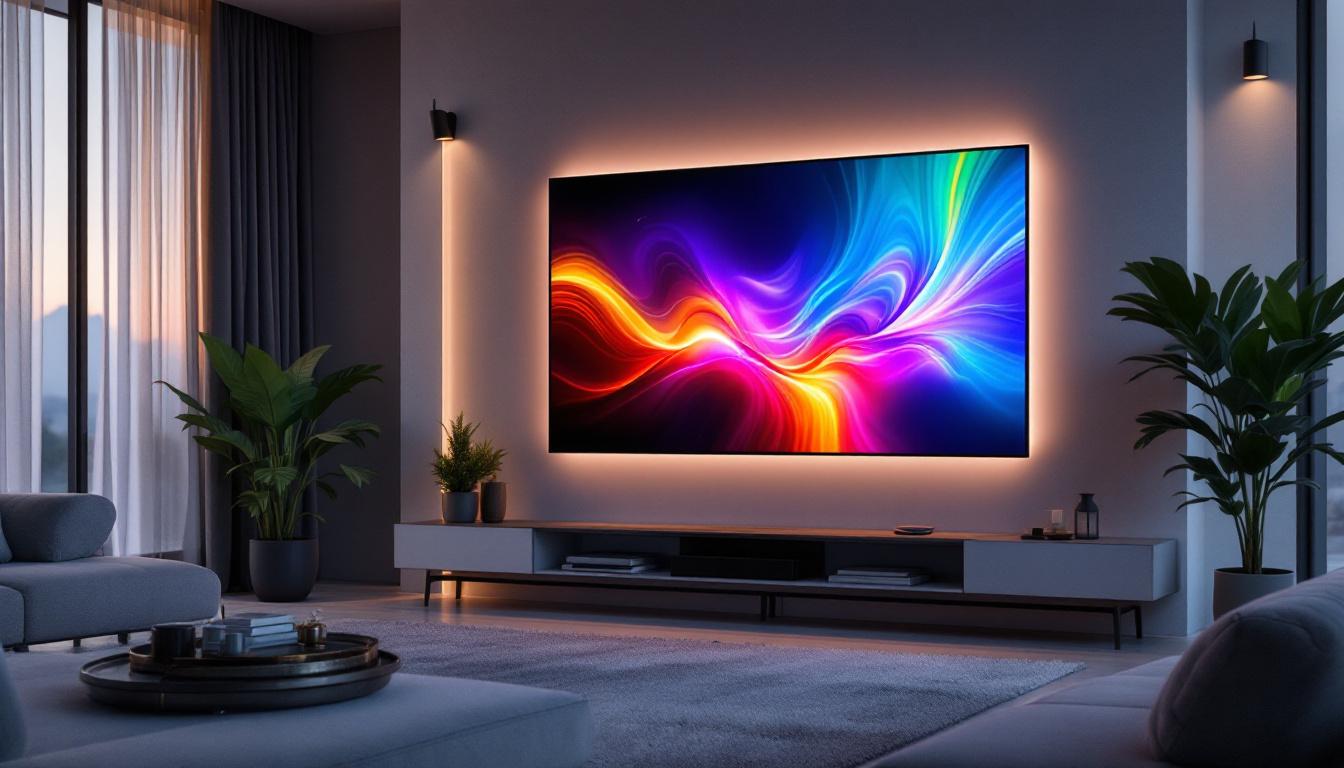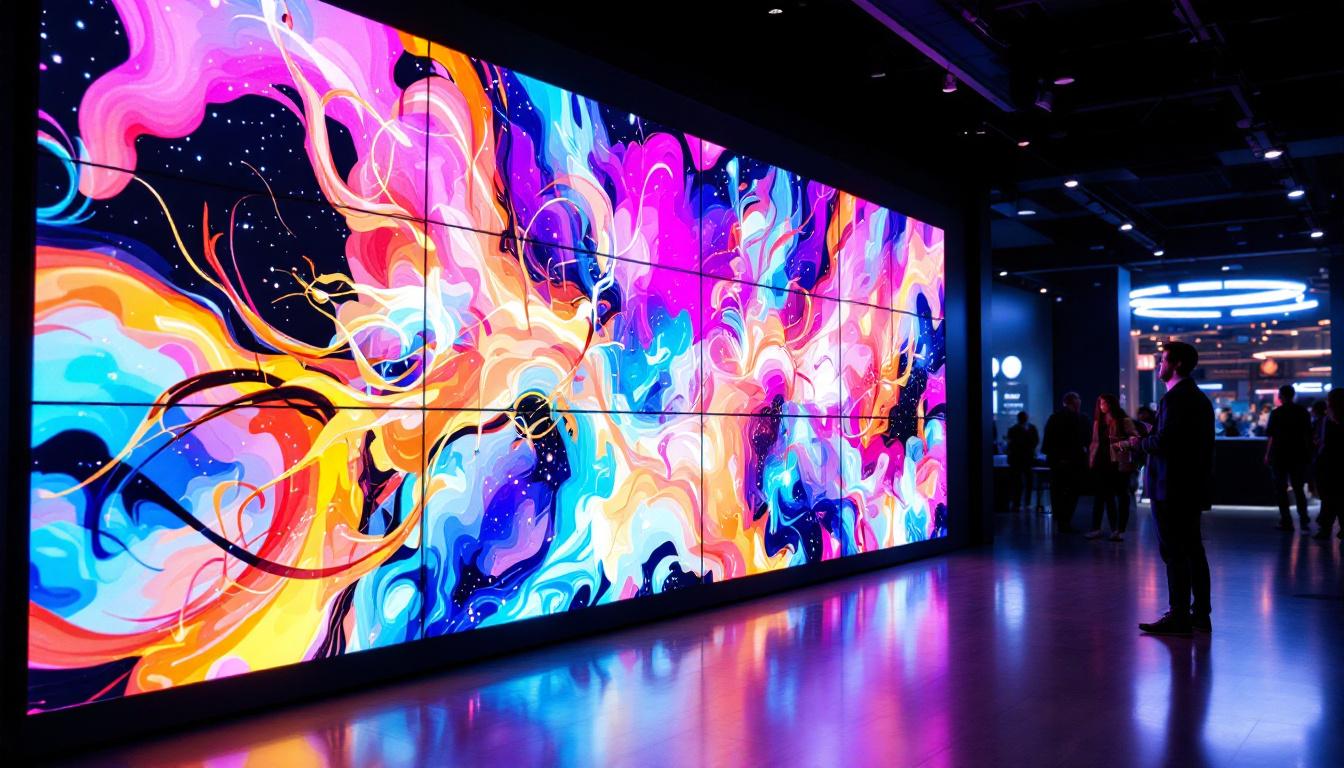
In today’s fast-paced world, visual communication is more important than ever. Whether in corporate offices, retail environments, public spaces, or entertainment venues, wall display boards featuring LED technology have become a cornerstone for delivering dynamic, high-impact messages. This article delves into the fundamentals of LED display boards, explaining their technology, applications, benefits, and considerations for choosing the right solution.
Understanding LED Display Boards
What Is an LED Display Board?
An LED (Light Emitting Diode) display board is a flat panel that uses an array of tiny LEDs to produce images, videos, and text. Unlike traditional display technologies such as LCD or plasma, LED displays emit their own light, which results in brighter, more vibrant visuals with better contrast and energy efficiency.
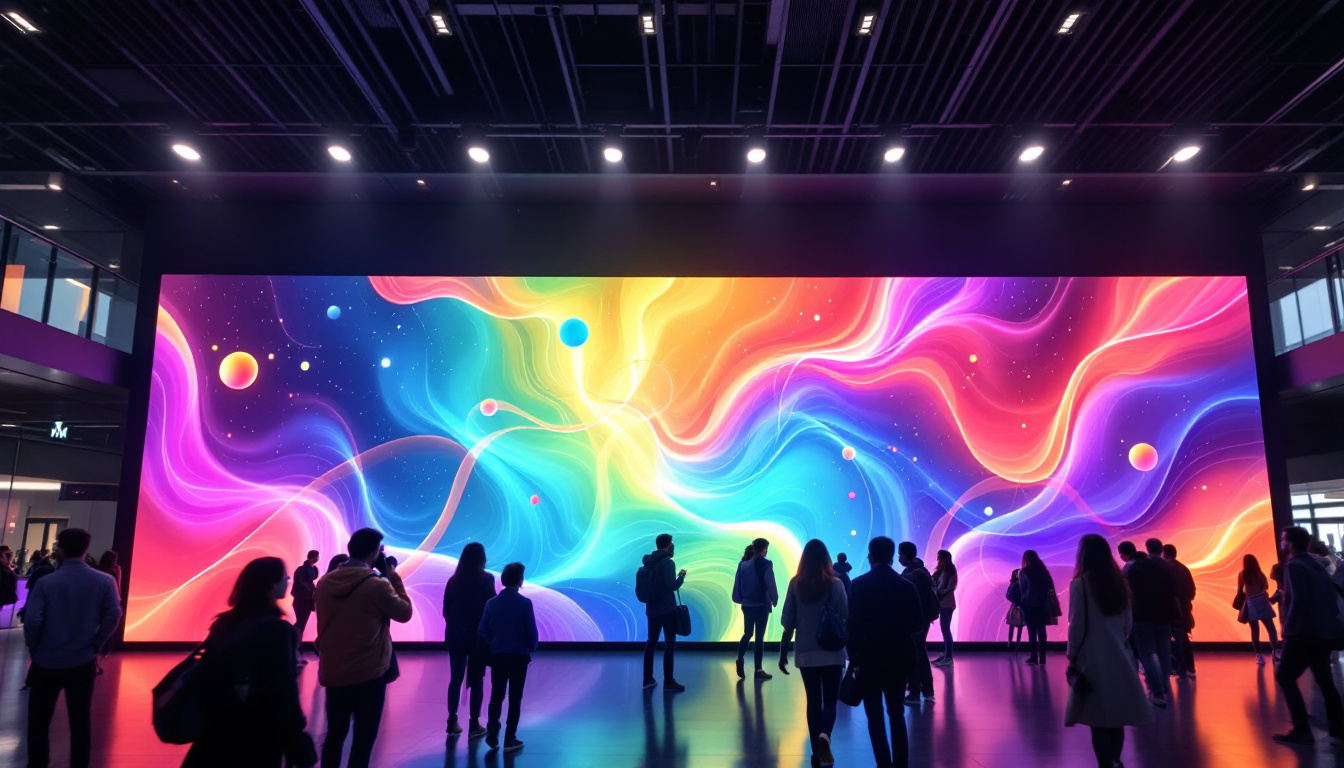
LED display boards can vary in size from small indoor screens to massive outdoor billboards spanning several meters. They are composed of numerous LED modules arranged in a grid, each module containing red, green, and blue LEDs that combine to create a full spectrum of colors. The versatility of LED technology allows for creative applications in various environments, including retail spaces, sports arenas, and public transportation hubs, where dynamic visual content can capture attention and convey information effectively.
Moreover, the durability and weather resistance of outdoor LED display boards make them ideal for long-term use in challenging conditions. Many of these boards are designed to withstand extreme temperatures, rain, and UV exposure, ensuring that they remain functional and visually appealing over time. This resilience has led to their widespread adoption in advertising and information dissemination, where consistent performance is crucial.
How Do LED Displays Work?
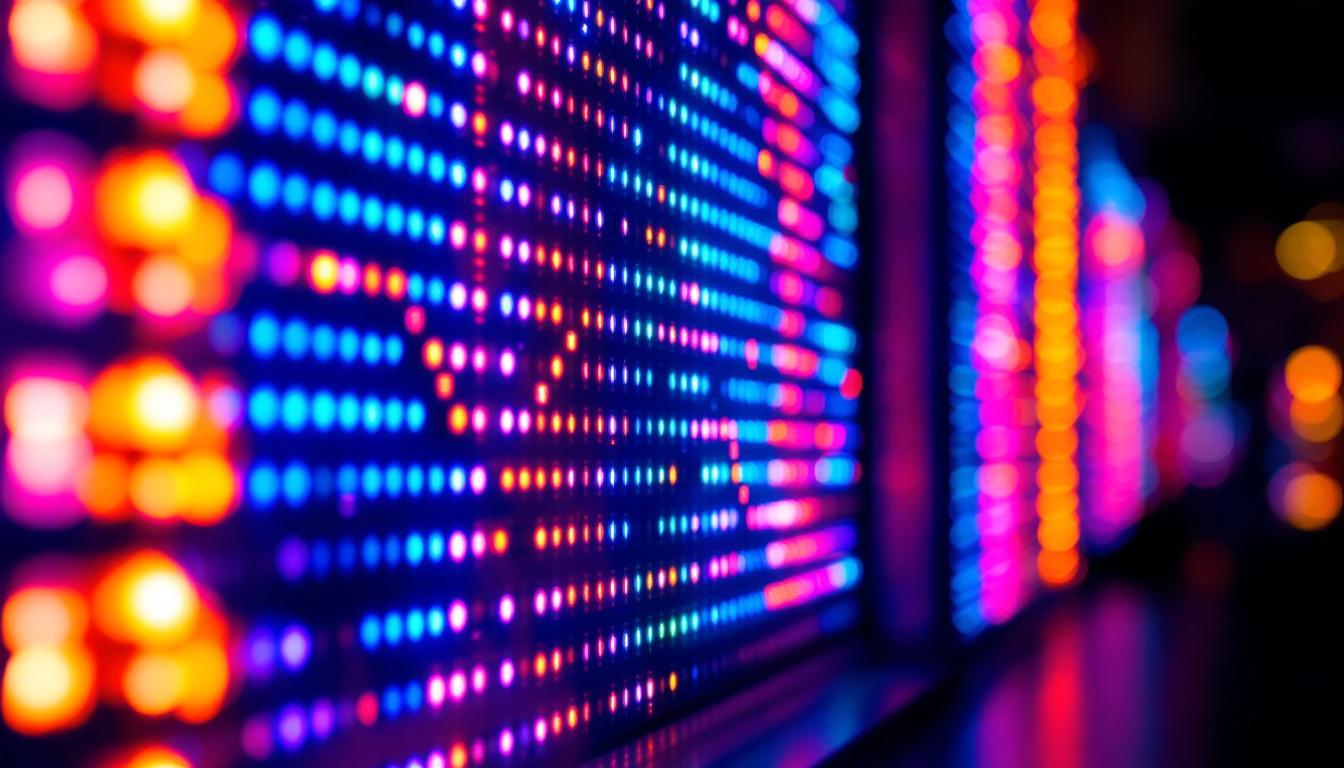
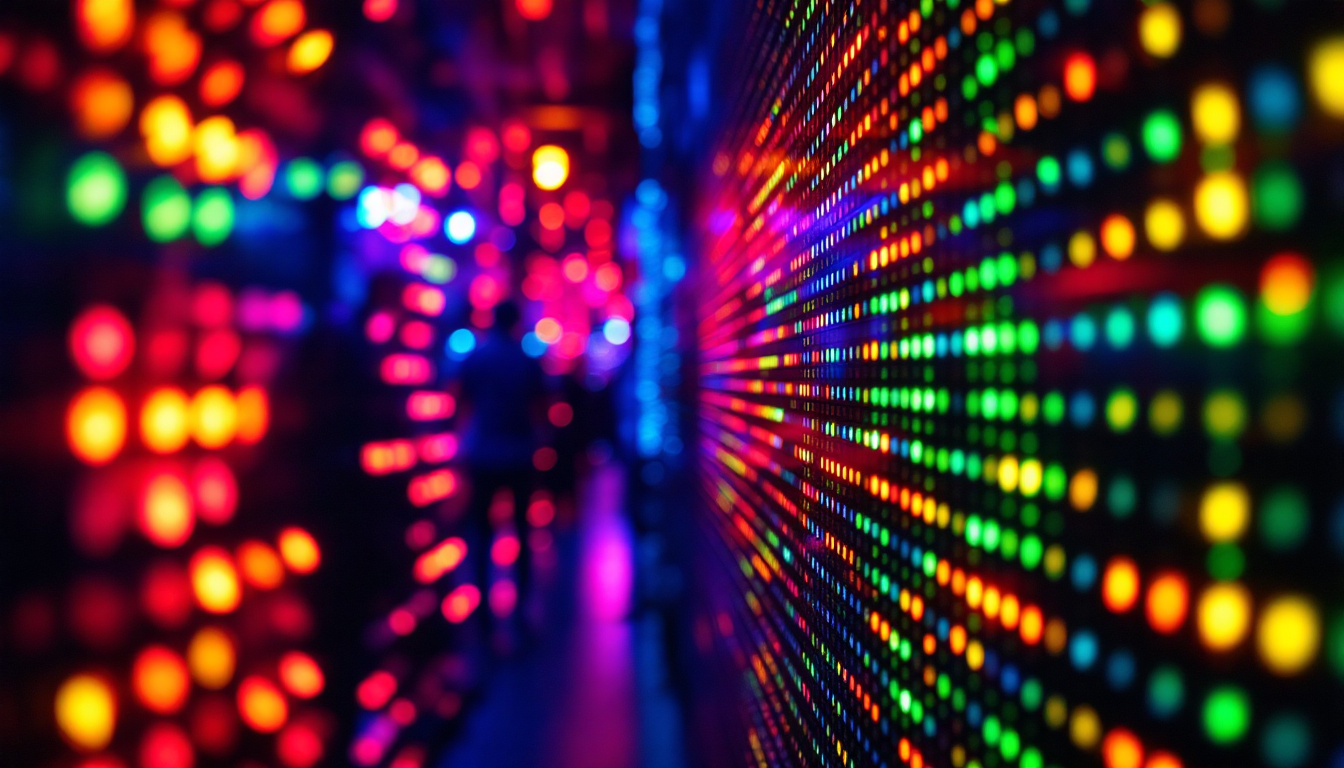
Each LED pixel on the display is made up of three sub-pixels—red, green, and blue—that can be individually controlled to emit light at varying intensities. By adjusting these intensities, the display can render millions of colors and produce detailed images and videos. This pixel-level control enables LED displays to achieve remarkable clarity and depth, making them suitable for everything from high-definition video presentations to intricate graphic displays.
The display is controlled by sophisticated electronics and software that manage the timing and color output of each LED. This allows for smooth motion, high refresh rates, and sharp image quality, even when viewed from a distance or under direct sunlight. Additionally, many modern LED displays incorporate advanced technologies such as automatic brightness adjustment and color calibration, which optimize performance based on ambient lighting conditions. This ensures that the visuals remain consistent and vibrant, enhancing the overall viewing experience for audiences, whether they are attending a live event or passing by an advertising installation.
Furthermore, the integration of smart technology into LED displays has opened up new avenues for interactivity and engagement. With the ability to connect to the internet, these displays can showcase real-time data, social media feeds, and interactive content, transforming static advertising into dynamic experiences. This capability not only captivates viewers but also allows businesses to tailor their messaging based on audience behavior and preferences, making LED display boards a powerful tool in modern marketing strategies.
Types of LED Display Boards
Indoor vs. Outdoor LED Displays
One of the primary distinctions in LED display boards is between indoor and outdoor models. Indoor LED displays are designed for environments with controlled lighting and are optimized for close viewing distances. They typically have a higher pixel density, meaning the LEDs are packed more tightly together, resulting in sharper images.
Outdoor LED displays, on the other hand, are built to withstand weather conditions such as rain, wind, and extreme temperatures. They have higher brightness levels—often exceeding 5,000 nits—to remain visible even in direct sunlight. Their pixel pitch (the distance between LEDs) is usually larger, as they are intended to be viewed from greater distances.
Fixed vs. Rental LED Displays
Fixed LED display boards are permanently installed in a specific location, such as a stadium scoreboard or a retail storefront. These displays are designed for long-term use and often feature custom sizes and shapes to fit architectural requirements.
Rental LED displays are modular and portable, intended for temporary events like concerts, trade shows, or conferences. They are designed for quick assembly and disassembly, offering flexibility and convenience for short-term use.
Transparent and Flexible LED Displays
Innovations in LED technology have led to the development of transparent LED displays, which allow light to pass through the panel. These are ideal for storefront windows or glass facades, enabling digital content without obstructing the view.
Flexible LED displays use bendable substrates, allowing them to conform to curved surfaces. This opens new creative possibilities for architectural integration and immersive installations.
Applications of LED Wall Display Boards
Corporate and Educational Environments
In corporate settings, LED wall displays are widely used for presentations, video conferencing, digital signage, and real-time data visualization. Their high resolution and brightness make them perfect for boardrooms, lobbies, and auditoriums.
Educational institutions leverage LED displays to enhance learning experiences, displaying interactive content, announcements, and live feeds during events. The ability to customize content on the fly makes LED displays a versatile tool for engaging students and staff.
Retail and Advertising
Retailers use LED display boards to attract customers with eye-catching promotions, product information, and dynamic advertisements. Studies show that digital signage can increase customer engagement by up to 30%, making LED displays a powerful marketing tool.
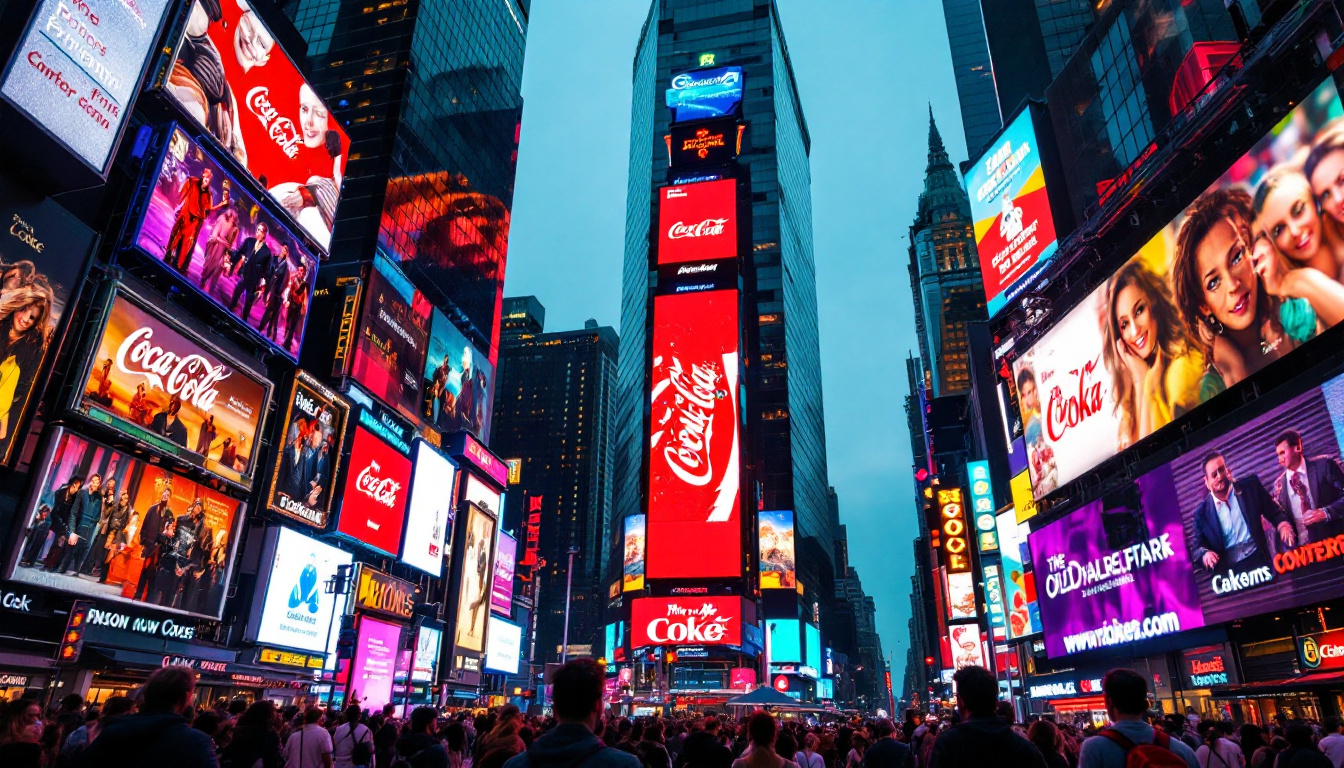
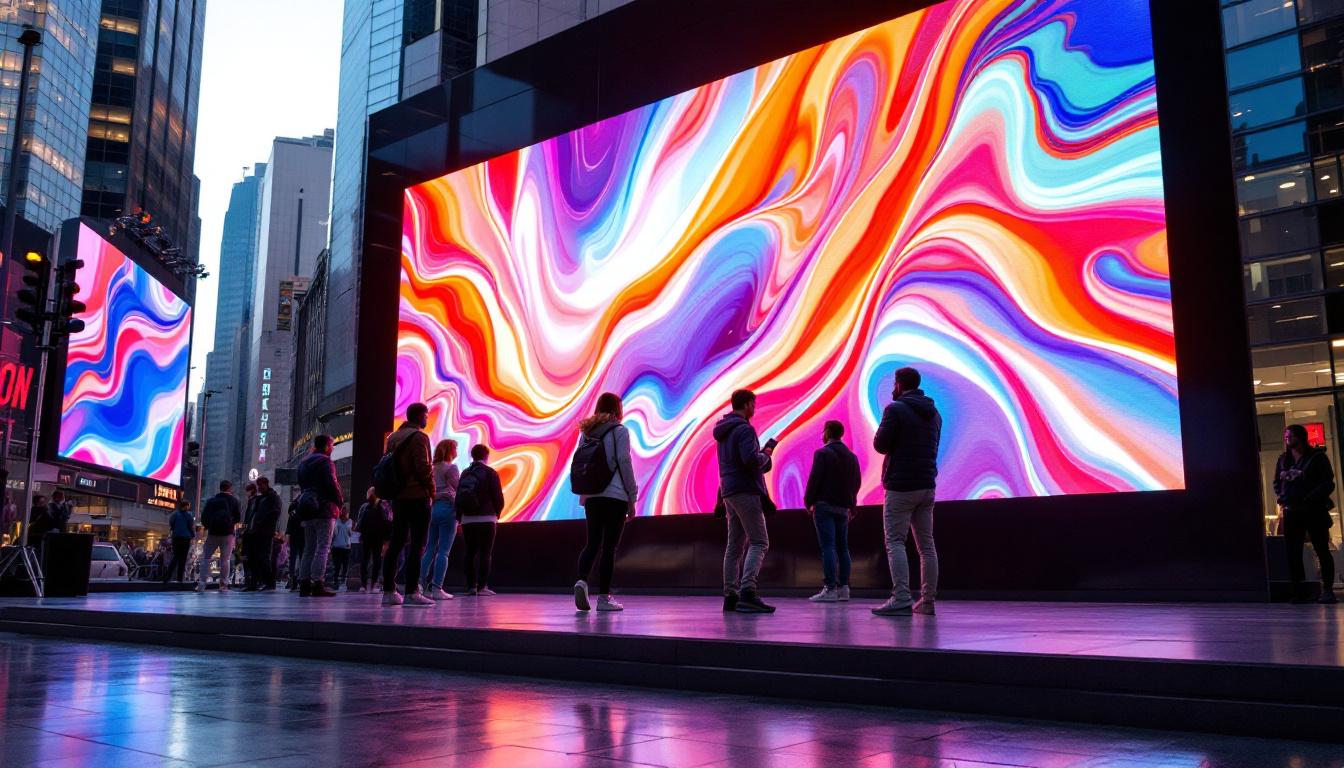
Outdoor LED billboards are a staple in urban advertising, offering high visibility and the ability to update content remotely in real time. This flexibility allows brands to tailor messages based on time of day, weather, or special events.
Entertainment and Sports Venues
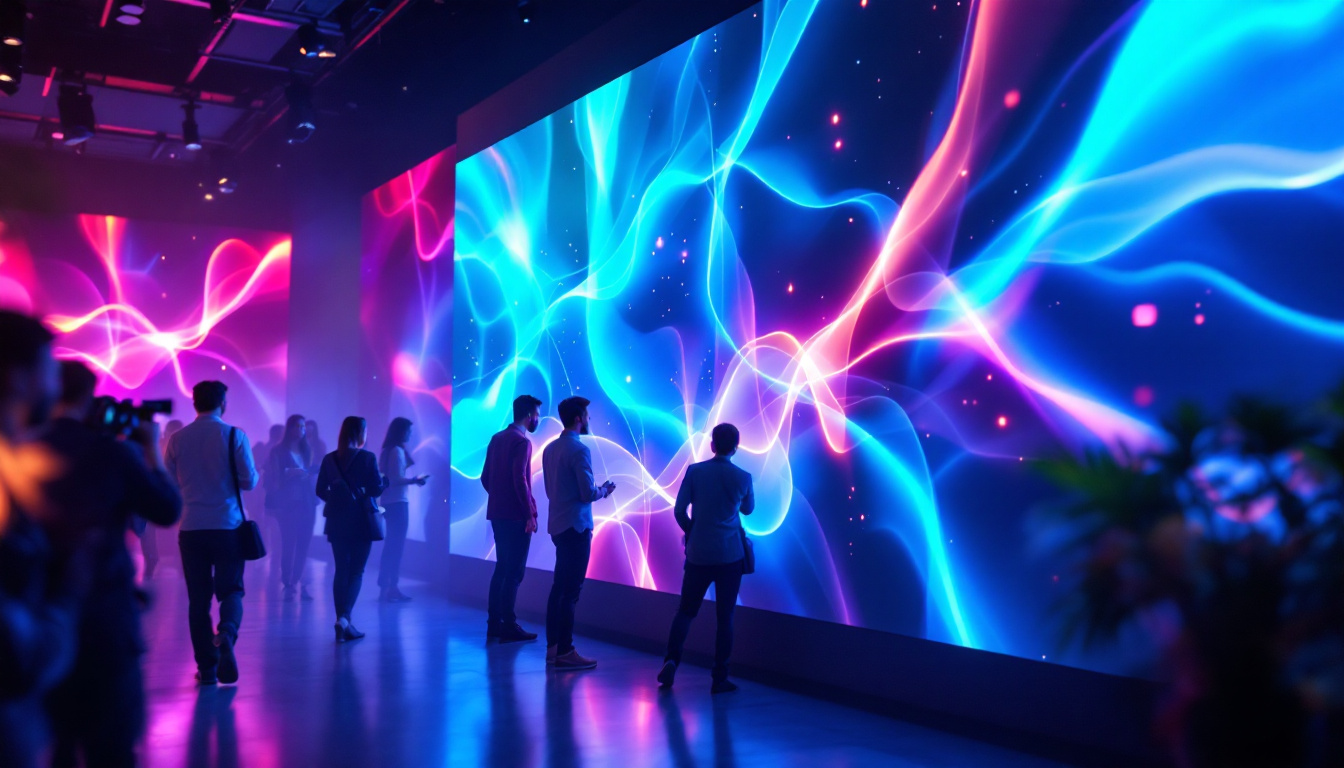
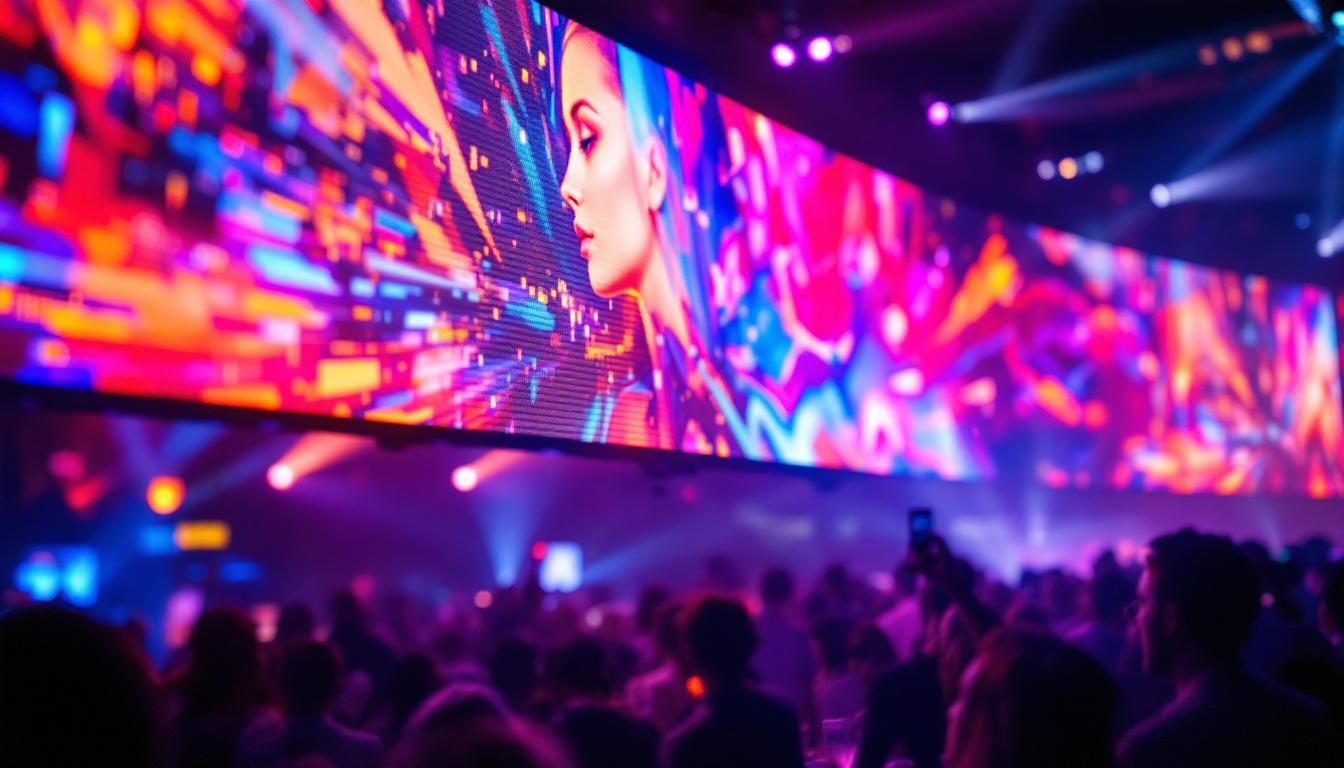
LED displays are integral to modern entertainment venues, from concert backdrops to stadium scoreboards. Their ability to deliver vivid, large-scale visuals enhances the audience experience, providing real-time statistics, live video, and interactive content.
For sports arenas, LED boards can display instant replays, player stats, and sponsor advertisements, contributing to both fan engagement and revenue generation.
Transportation and Public Spaces
Airports, train stations, and bus terminals use LED displays for real-time schedules, wayfinding, and emergency notifications. The high visibility and reliability of LED technology make it ideal for critical information dissemination.
Public spaces also utilize LED walls for community announcements, event promotions, and interactive art installations, enriching urban environments and fostering community engagement.
Benefits of LED Display Boards
Superior Visual Quality
LED displays offer unmatched brightness and contrast levels, making them visible in a wide range of lighting conditions. Their color accuracy and wide viewing angles ensure that content looks vibrant and clear from almost any perspective.
Additionally, LED technology supports high refresh rates, reducing flicker and motion blur, which is essential for video playback and dynamic content.
Energy Efficiency and Longevity
Compared to older display technologies, LEDs consume significantly less power. Modern LED displays can operate efficiently 24/7 with minimal energy costs, making them a sustainable choice for businesses and public installations.
The lifespan of LEDs typically exceeds 50,000 hours, meaning they can function reliably for many years before requiring replacement. This durability reduces maintenance costs and downtime.
Flexibility and Customization
LED display boards can be customized in size, shape, and resolution to suit specific needs. Modular designs allow for scalable installations, whether it’s a small lobby screen or a massive outdoor billboard.
The ability to update content remotely and instantly provides unmatched flexibility for marketing campaigns, informational displays, and interactive experiences.
Robustness and Weather Resistance
Outdoor LED displays are engineered to withstand harsh environmental conditions, including rain, dust, and extreme temperatures. Their rugged construction ensures continuous operation even in challenging settings.
This robustness makes LED displays a reliable choice for critical communication in public and industrial environments.
Key Considerations When Choosing an LED Display Board
Pixel Pitch and Resolution
Pixel pitch, the distance between individual LEDs, directly affects image clarity and viewing distance. Smaller pixel pitches (1-3 mm) provide higher resolution and are ideal for close-up viewing, typical of indoor displays.
Larger pixel pitches (5 mm and above) are suitable for outdoor displays where viewers are farther away. Selecting the right pixel pitch ensures optimal image quality without unnecessary cost.
Brightness and Contrast
Brightness is measured in nits, with indoor displays typically requiring 800-1,500 nits, while outdoor displays may need 5,000 nits or more to combat sunlight glare. Contrast ratio also impacts image depth and detail.
Understanding the ambient lighting conditions of the installation site is crucial to choosing a display with adequate brightness and contrast.
Viewing Angle and Placement
Wide viewing angles ensure that content remains clear and vibrant even when viewed from the side. This is especially important in public spaces and large venues where audiences are dispersed.
Proper placement and mounting height should be considered to maximize visibility and engagement.
Connectivity and Control Systems
Modern LED displays support various input sources such as HDMI, DVI, and network streaming. Advanced control systems allow for seamless content management, scheduling, and remote monitoring.
Choosing a system with user-friendly software and reliable connectivity is essential for efficient operation.
Budget and Total Cost of Ownership
While initial investment in LED display boards can be significant, it’s important to consider long-term benefits such as energy savings, reduced maintenance, and increased revenue opportunities.
Evaluating total cost of ownership helps in making an informed decision that balances quality, performance, and budget constraints.
Future Trends in LED Display Technology
MicroLED and MiniLED Innovations
Emerging technologies like MicroLED and MiniLED promise even higher brightness, better color accuracy, and thinner form factors. MicroLED, in particular, offers self-emissive pixels similar to OLED but with greater durability and efficiency.
These advancements are expected to revolutionize both indoor and outdoor display markets in the coming years.
Integration with AI and Interactive Features
Artificial intelligence is increasingly being integrated with LED displays to enable personalized content, facial recognition, and interactive experiences. This enhances audience engagement and provides valuable data insights.
Touch-sensitive LED walls and gesture control are also becoming more common, transforming static displays into immersive environments.
Sustainability and Eco-Friendly Designs
Manufacturers are focusing on eco-friendly materials, recyclable components, and energy-efficient designs to reduce the environmental impact of LED displays.
As sustainability becomes a priority, these innovations will influence purchasing decisions and regulatory standards.
Conclusion
LED wall display boards represent a powerful medium for communication across various industries and environments. Their superior visual quality, energy efficiency, and adaptability make them an ideal choice for delivering impactful messages and engaging audiences.
Understanding the technology, applications, and key considerations is essential for selecting the right LED display solution that meets specific needs and maximizes return on investment. As LED technology continues to evolve, it will open new possibilities for creativity, interaction, and sustainability in visual communication.
Discover LumenMatrix’s Innovative LED Solutions
Ready to elevate your visual communication with cutting-edge LED technology? Look no further than LumenMatrix, a pioneer in crafting LED display modules that transform spaces and captivate audiences. From vibrant indoor and outdoor displays to specialized solutions like vehicle and sports displays, LumenMatrix offers a wide range of products designed to make your brand shine. Experience the future of digital signage with our custom, all-in-one, and transparent LED solutions. Check out LumenMatrix LED Display Solutions today and start creating unforgettable visual experiences.