In today’s world of visual technology, choosing the right display solution for your needs can be a daunting task. Whether you’re setting up a home theater, designing a conference room, or planning a large-scale event, the decision between using a traditional projector with a screen or opting for an LED display is critical. This article explores the key differences, advantages, and considerations of projector screens and LED displays, helping you determine which option is best suited for your environment and purpose.
Understanding Projector Screens and LED Displays
What is a Projector Screen?
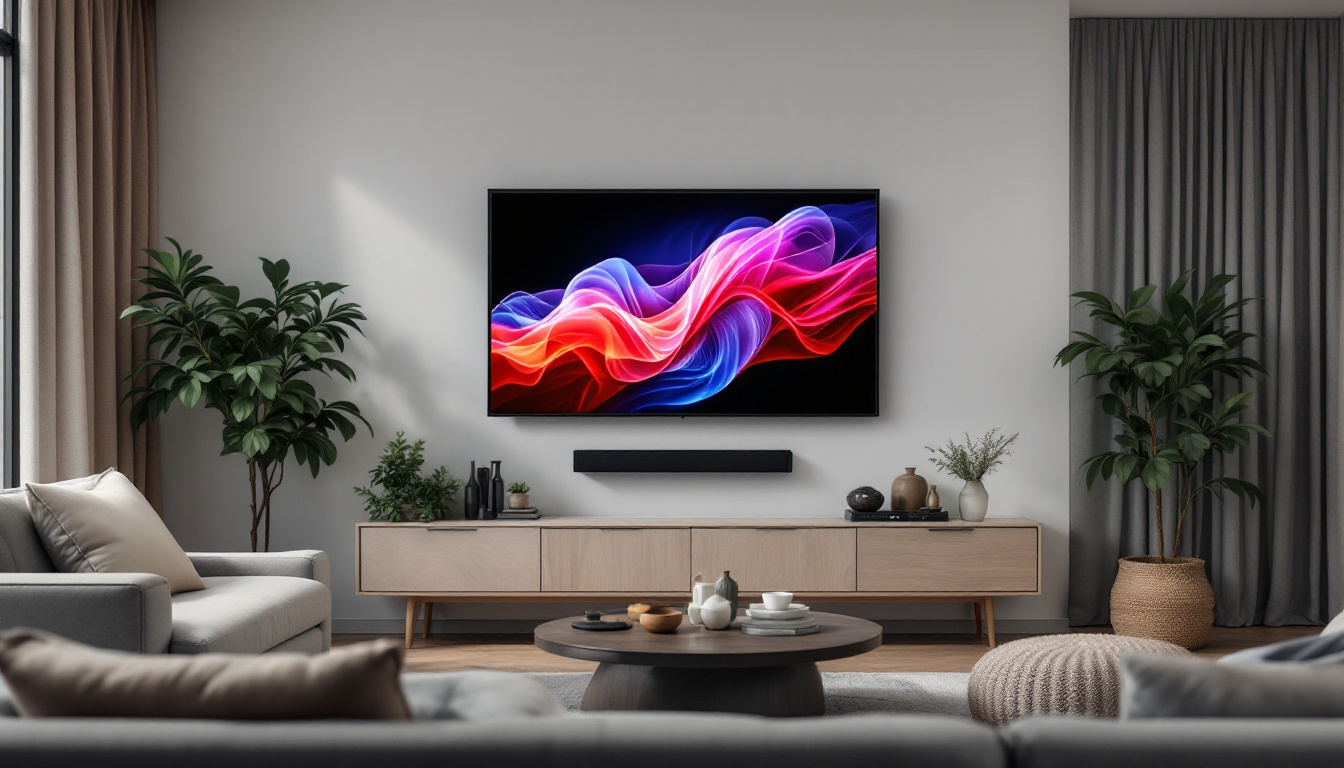
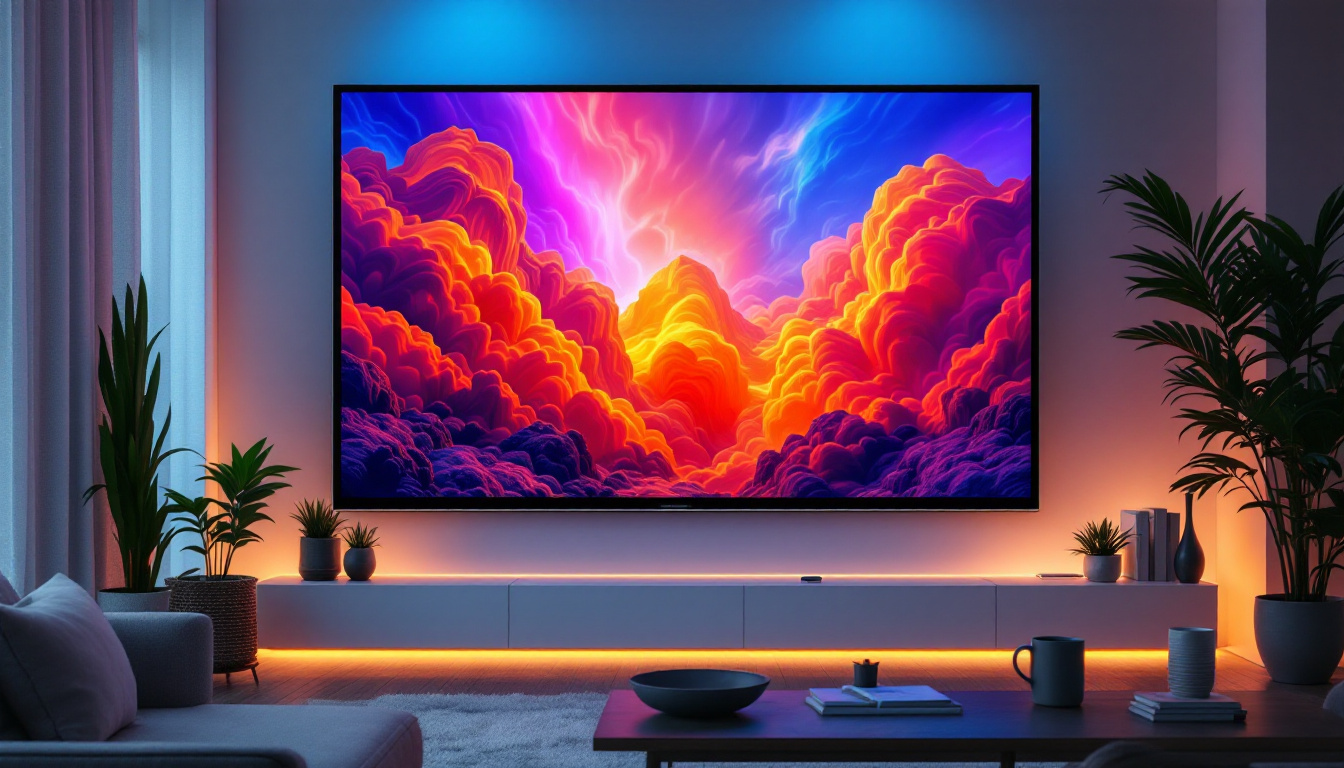
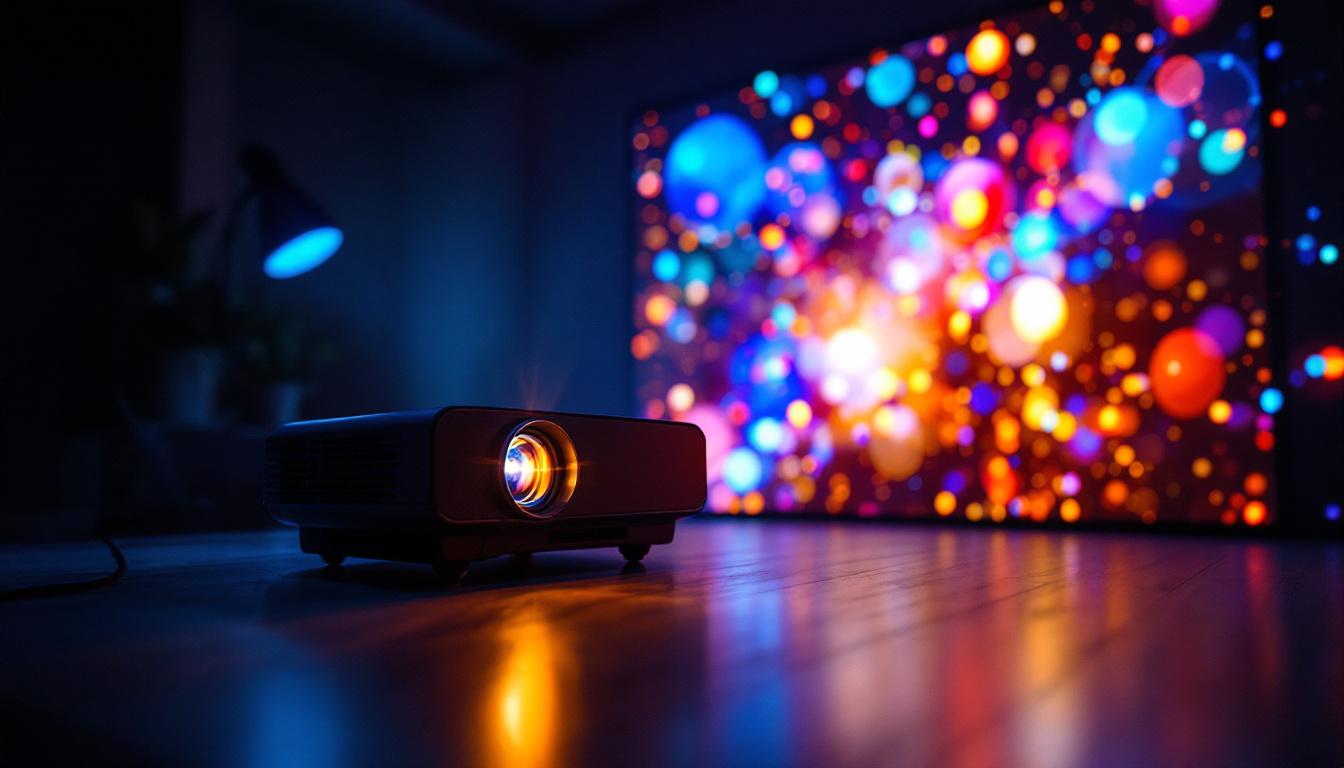
A projector screen is a surface onto which images or videos are projected using a projector. These screens come in various materials, sizes, and formats, designed to optimize image quality by reflecting light from the projector toward the audience. The most common types include fixed-frame screens, pull-down screens, and portable screens, each catering to different installation needs and portability requirements.
Projectors themselves use different technologies such as LCD (Liquid Crystal Display), DLP (Digital Light Processing), and LCoS (Liquid Crystal on Silicon) to project images. The quality of the image depends heavily on the projector’s brightness (measured in lumens), resolution, and the screen’s gain and surface characteristics. For instance, a high-gain screen can enhance brightness in low-light conditions, making it ideal for home theater setups, while a matte white screen is often preferred for environments with ambient light, as it provides a more uniform image across wide viewing angles.
Additionally, the installation of a projector screen can greatly impact the viewing experience. Factors such as the distance from the projector to the screen, the height at which the screen is mounted, and the room’s lighting conditions all play crucial roles in achieving optimal performance. Many users also consider the aspect ratio of the screen, which can vary from standard 4:3 to widescreen 16:9 or even ultra-wide formats, depending on the content being displayed. This attention to detail ensures that viewers enjoy a cinematic experience, whether for movies, presentations, or educational purposes.
What is an LED Display?
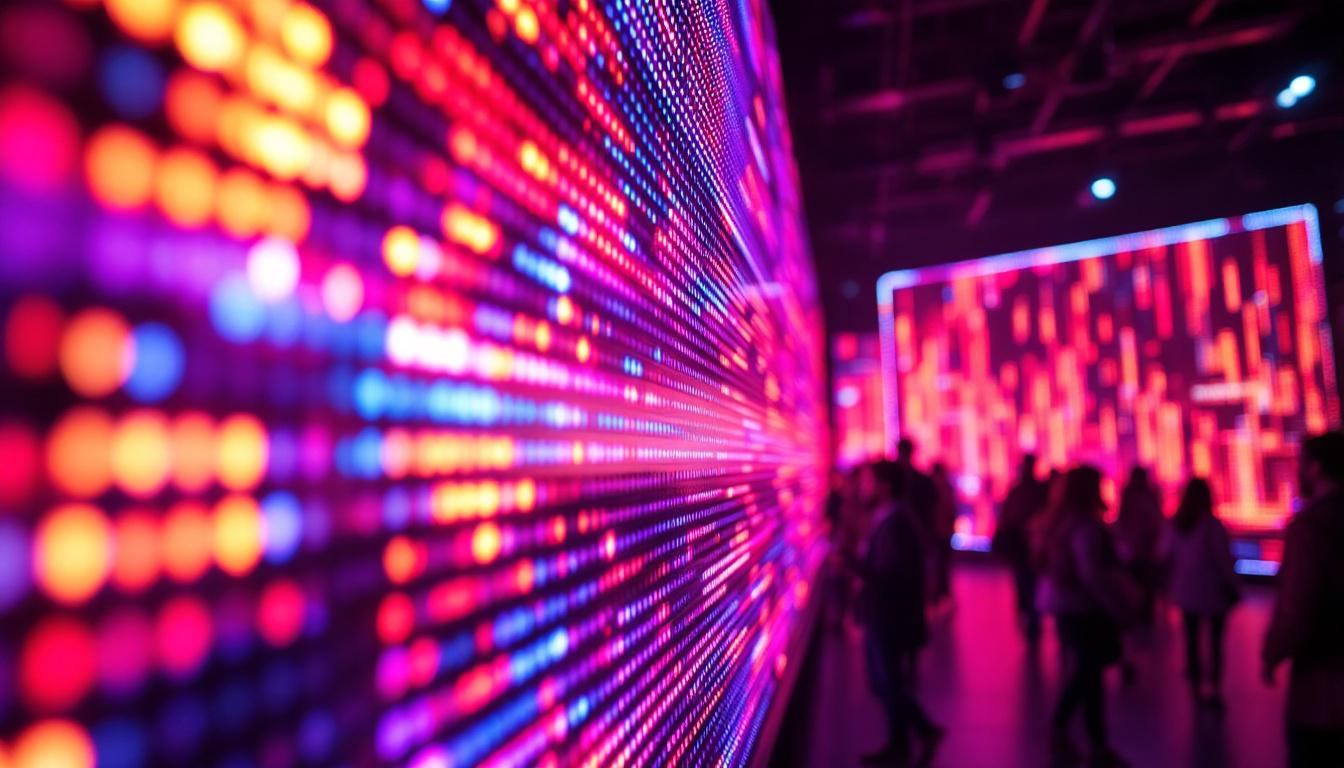
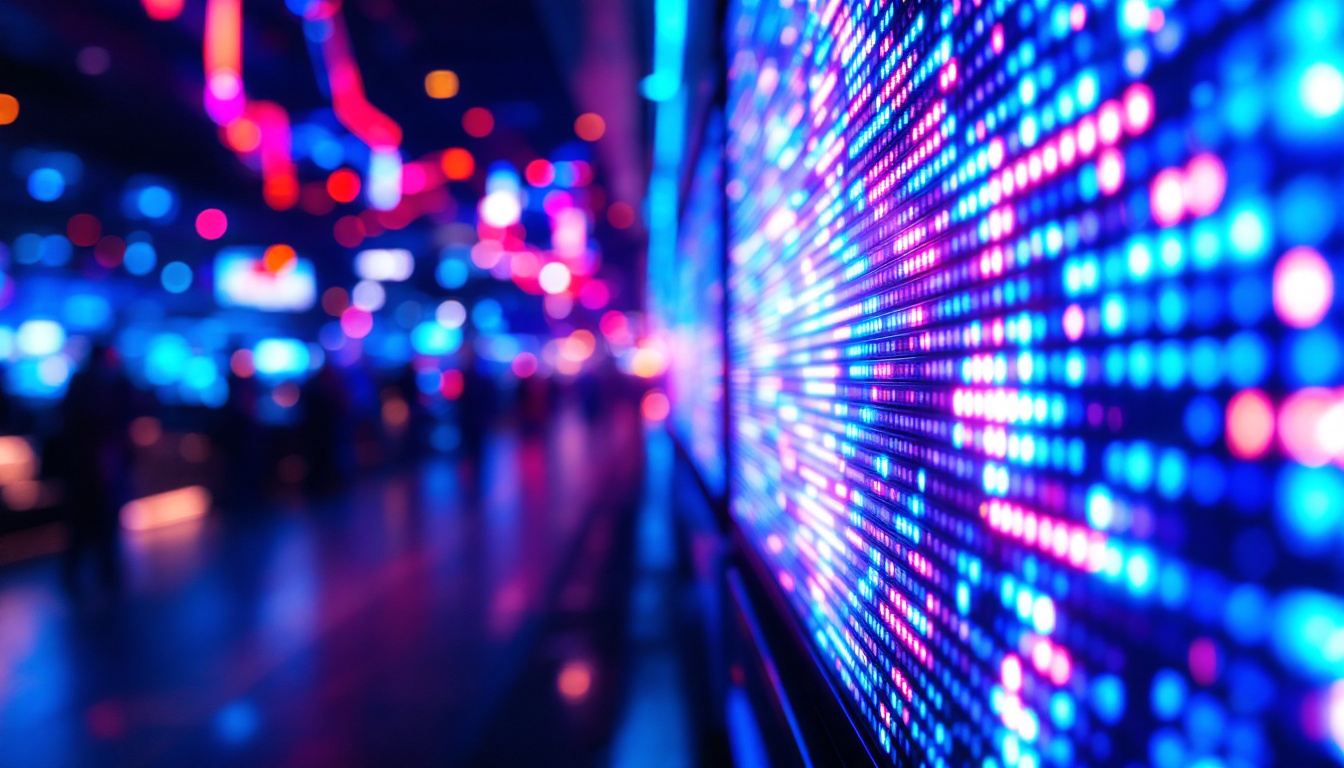
LED (Light Emitting Diode) displays are composed of numerous tiny LEDs that emit light to form images directly, without the need for a separate projector. These displays can range from small panels to massive video walls, commonly used in stadiums, retail environments, and high-end conference rooms. LED technology has evolved rapidly, offering high brightness, excellent color accuracy, and wide viewing angles.
Unlike projector screens, LED displays are self-illuminating, meaning they produce their own light. This results in vibrant images even in brightly lit environments, making them highly versatile for various applications. The modular nature of LED displays allows for creative configurations, enabling designers to create unique shapes and sizes tailored to specific venues or events. Furthermore, advancements in pixel pitch technology have led to finer pixel densities, allowing for closer viewing distances without sacrificing image quality, which is particularly beneficial in settings like trade shows and exhibitions where audience engagement is key.
Moreover, LED displays are known for their durability and low maintenance requirements compared to traditional projection systems. They are less susceptible to issues such as bulb burn-out or color degradation over time, making them a cost-effective long-term investment. With the rise of smart technology, many LED displays now come equipped with integrated software solutions that facilitate content management and real-time updates, enhancing their functionality for dynamic advertising and information dissemination. This adaptability makes LED displays an increasingly popular choice for businesses looking to make a lasting impression in a competitive market.
Key Differences Between Projector Screens and LED Displays
Brightness and Ambient Light Handling
One of the most significant differences between projector screens and LED displays is how they handle ambient light. Projectors rely on reflecting light off a screen, which means that in brightly lit rooms, the image can appear washed out or less vibrant. Even high-lumen projectors struggle to compete with strong ambient light, often necessitating darkened rooms or specialized high-gain screens to maintain image quality.
LED displays, on the other hand, emit their own light and can reach brightness levels upwards of 1,000 nits or more, making them easily visible in well-lit environments. This attribute makes LED displays ideal for spaces where controlling ambient light is challenging, such as conference rooms with windows or outdoor venues.
Image Quality and Resolution
Projector technology has advanced significantly, with many models now supporting 4K resolution and HDR (High Dynamic Range). However, the final image quality depends on multiple factors, including the projector’s optics, the screen’s surface, and room conditions.
LED displays offer consistent image quality regardless of room conditions. Their pixel pitch—the distance between individual LEDs—determines resolution and image sharpness. Modern indoor LED displays can have pixel pitches as low as 0.9mm, delivering razor-sharp images suitable for close viewing distances. This makes LED displays particularly advantageous for applications requiring high detail and clarity.
Installation and Space Requirements
Projector setups typically require careful placement to ensure the image is projected correctly onto the screen. This includes considerations for throw distance, mounting height, and potential obstructions. Additionally, projector installations may require ceiling mounts and cable management, which can complicate setup.
LED displays offer more flexibility in installation. They can be mounted on walls, suspended, or even configured as modular video walls. Their slim profile and lightweight panels make them easier to integrate into various environments without requiring extensive space or structural modifications.
Maintenance and Lifespan
Projectors use lamps or bulbs as their light source, which have a limited lifespan—typically between 2,000 to 5,000 hours depending on the model. These bulbs can be expensive to replace and may require professional servicing. Additionally, projectors have filters that need regular cleaning to prevent overheating and maintain performance.
LED displays boast longer lifespans, often exceeding 50,000 hours of operation without significant degradation in brightness or color. Maintenance is generally limited to cleaning and occasional module replacements, making LED displays a more durable and cost-effective solution over time.
When Do You Need a Projector Screen?
Cost-Effectiveness for Large, Occasional Use
Projector screens are often more affordable upfront, especially for large image sizes. If you require a large display for occasional use—such as presentations, movie nights, or events—a projector and screen setup can provide a big image at a lower initial investment compared to LED displays.
For example, a 120-inch projector screen paired with a mid-range projector can cost significantly less than an LED display of equivalent size. This makes projectors a popular choice for home theaters, classrooms, and small-to-medium-sized venues where budget constraints are a priority.
Portability and Flexibility
Portable projector screens and compact projectors offer unmatched flexibility for mobile presentations or temporary setups. Whether you’re delivering a sales pitch at a client’s office or hosting an outdoor movie night, the ability to pack up and transport your display system is a major advantage.
LED displays, while increasingly modular, still require more effort and planning to move and set up, making projectors the better choice for users who need mobility.
Darkened or Controlled Lighting Environments
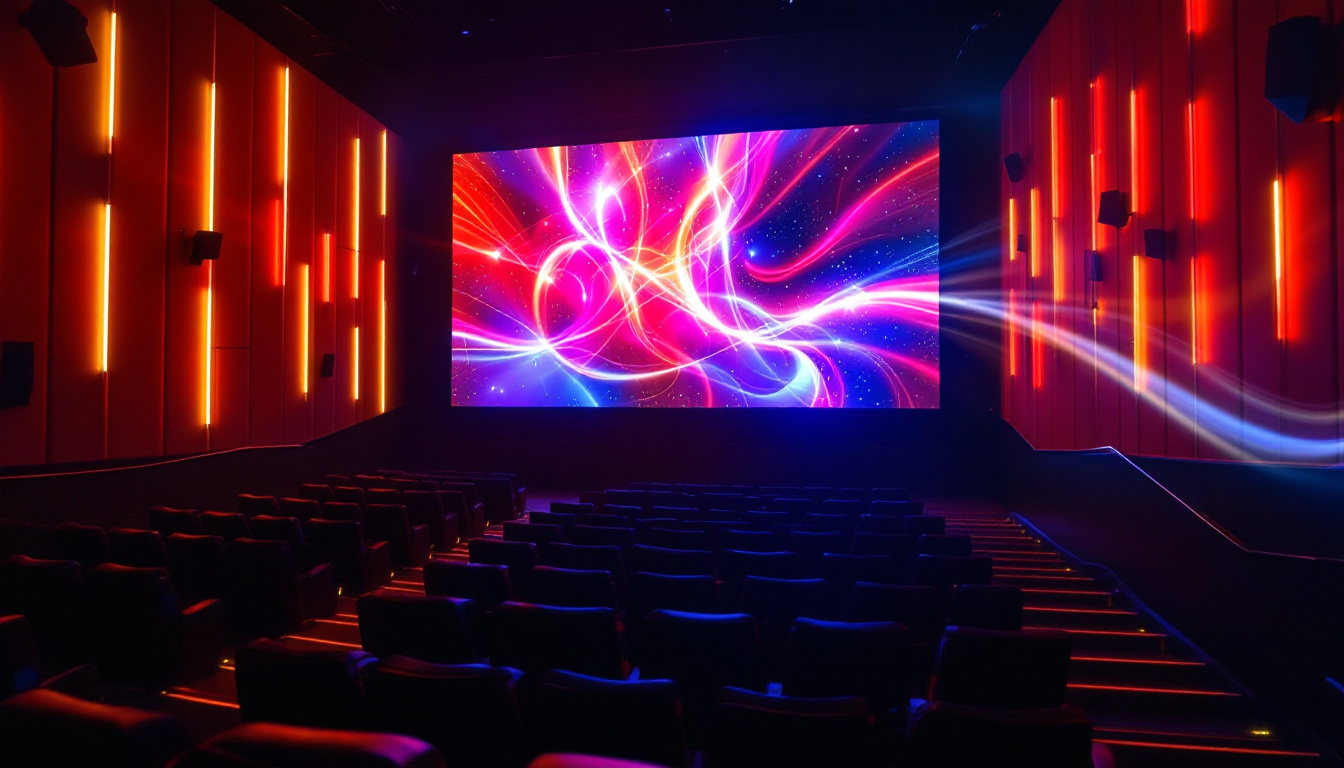
If your viewing environment can be controlled to minimize ambient light, projectors can deliver excellent image quality with deep blacks and vibrant colors. Home theaters, dedicated screening rooms, and certain conference rooms with blackout curtains are ideal for projector setups.
In these controlled settings, projector screens can provide a cinematic experience that rivals or exceeds LED displays, particularly when combined with high-quality projectors and acoustically transparent screens.
When Should You Choose an LED Display?
Bright or Outdoor Environments
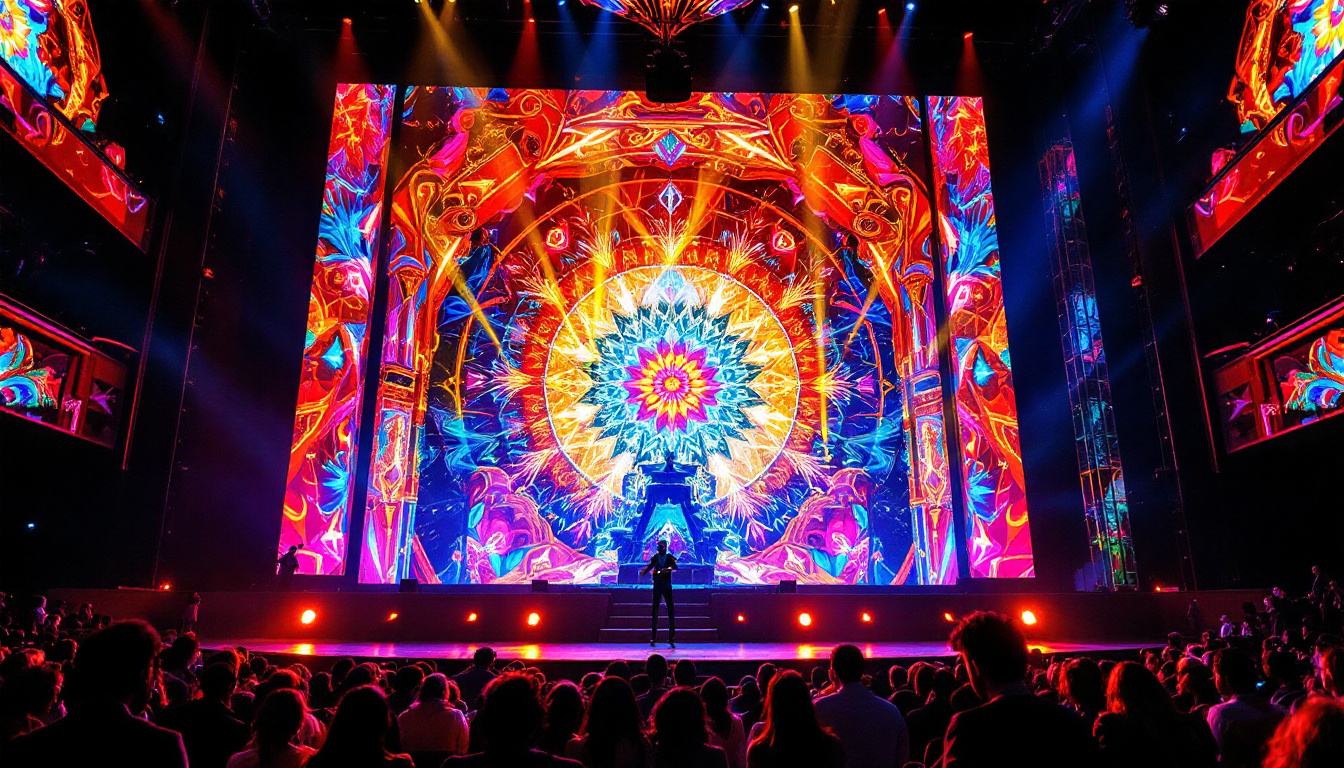
LED displays excel in environments where ambient light cannot be controlled. For instance, retail stores, airports, stadiums, and outdoor event spaces benefit from the high brightness and visibility of LED screens. Their ability to maintain image quality under direct sunlight or bright indoor lighting is unmatched by projectors.
High-Resolution and Close Viewing Applications
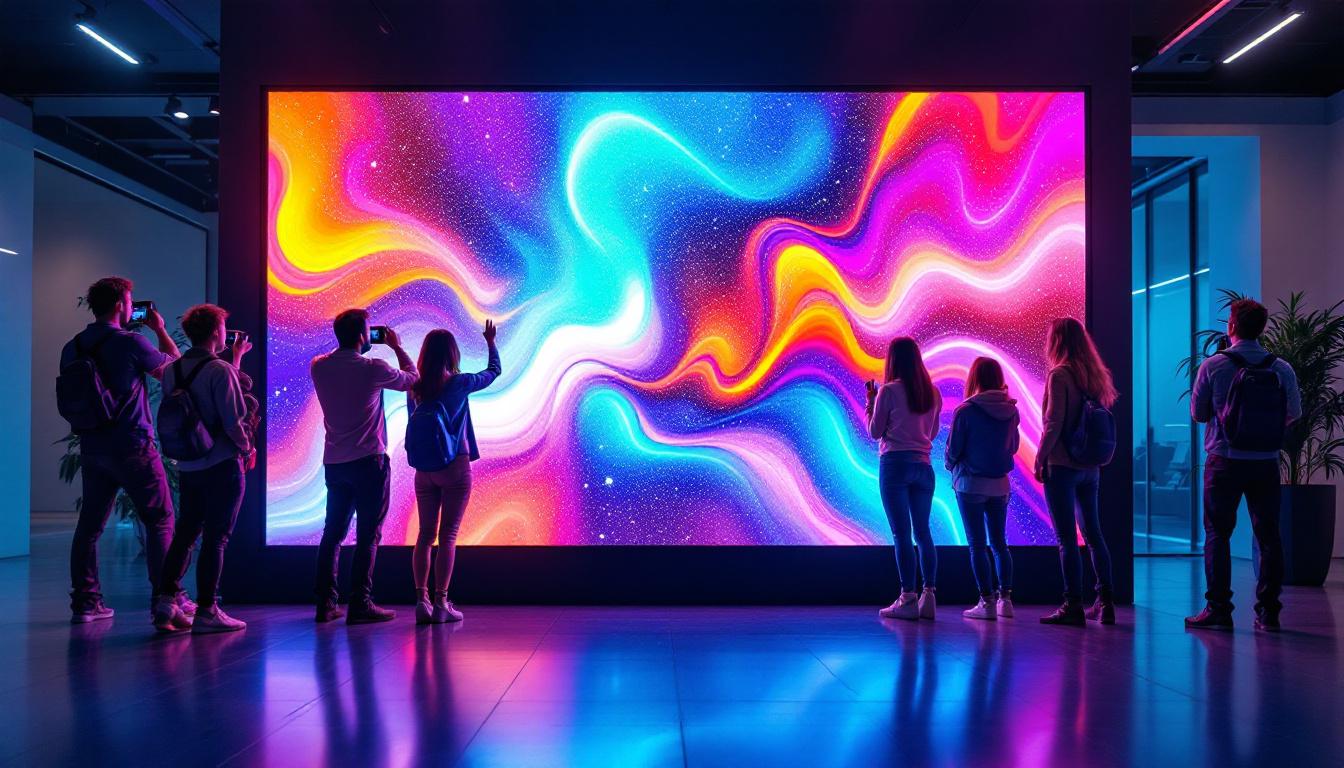
For applications requiring high detail and close viewing distances—such as control rooms, broadcast studios, or digital signage—LED displays provide superior clarity and color accuracy. The modular nature of LED panels allows for custom sizes and aspect ratios, accommodating unique spatial constraints and design preferences.
Long-Term, High-Usage Installations
LED displays are ideal for permanent installations that demand reliability and minimal downtime. Corporate lobbies, museums, and large-scale venues benefit from the durability and low maintenance of LED technology. The initial investment is higher, but the long-term operational costs and performance advantages often justify the expense.
Additional Considerations for Choosing Between Projector Screens and LED Displays
Viewing Distance and Audience Size
The size of your audience and the viewing distance play a crucial role in determining the appropriate display technology. Projector screens are well-suited for medium to large audiences where viewers are seated at a distance, allowing the image to fill the field of vision effectively.
LED displays, with their high brightness and sharpness, can accommodate both large audiences and close-up viewing scenarios. However, pixel pitch and resolution must be carefully matched to viewing distances to avoid visible pixelation.
Content Type and Usage
Consider the type of content you’ll be displaying. For video playback, presentations, or static images, both projectors and LED displays can perform well. However, LED displays are better suited for dynamic content, live feeds, and interactive applications due to their responsiveness and brightness.
Energy Consumption and Environmental Impact
Projectors generally consume less power than large LED displays, especially when used intermittently. However, the need for cooling and bulb replacements can offset some of these savings. LED displays, while consuming more power, are becoming increasingly energy-efficient with advances in technology.
Environmental factors such as heat generation and recyclability of components may also influence your decision, especially for large-scale or permanent installations.
Conclusion: Making the Right Choice for Your Display Needs
Deciding whether you need a projector screen or an LED display depends on multiple factors including budget, environment, usage patterns, and desired image quality. Projector screens remain a cost-effective and flexible solution for controlled lighting environments and occasional use, offering large images at a reasonable price.
Conversely, LED displays provide superior brightness, durability, and image quality in bright or demanding environments. Their modularity and long lifespan make them an excellent investment for permanent installations and professional applications.
Ultimately, understanding your specific requirements and constraints will guide you to the best choice. Advances in both projector and LED technologies continue to blur the lines, offering more options than ever before to create captivating visual experiences.
Explore Cutting-Edge LED Display Solutions with LumenMatrix
Ready to elevate your visual experience with the latest in LED technology? LumenMatrix offers a diverse range of LED display solutions tailored to meet your unique needs. From captivating Indoor and Outdoor LED Wall Displays to dynamic Vehicle and Sports LED Displays, our innovative products are designed to enhance engagement and brand visibility. Discover the possibilities with our Custom, All-in-One, and Transparent LED Displays, and see how our mission to revolutionize visual communication can empower your business. Check out LumenMatrix LED Display Solutions today and transform your space into a vibrant canvas for your message.