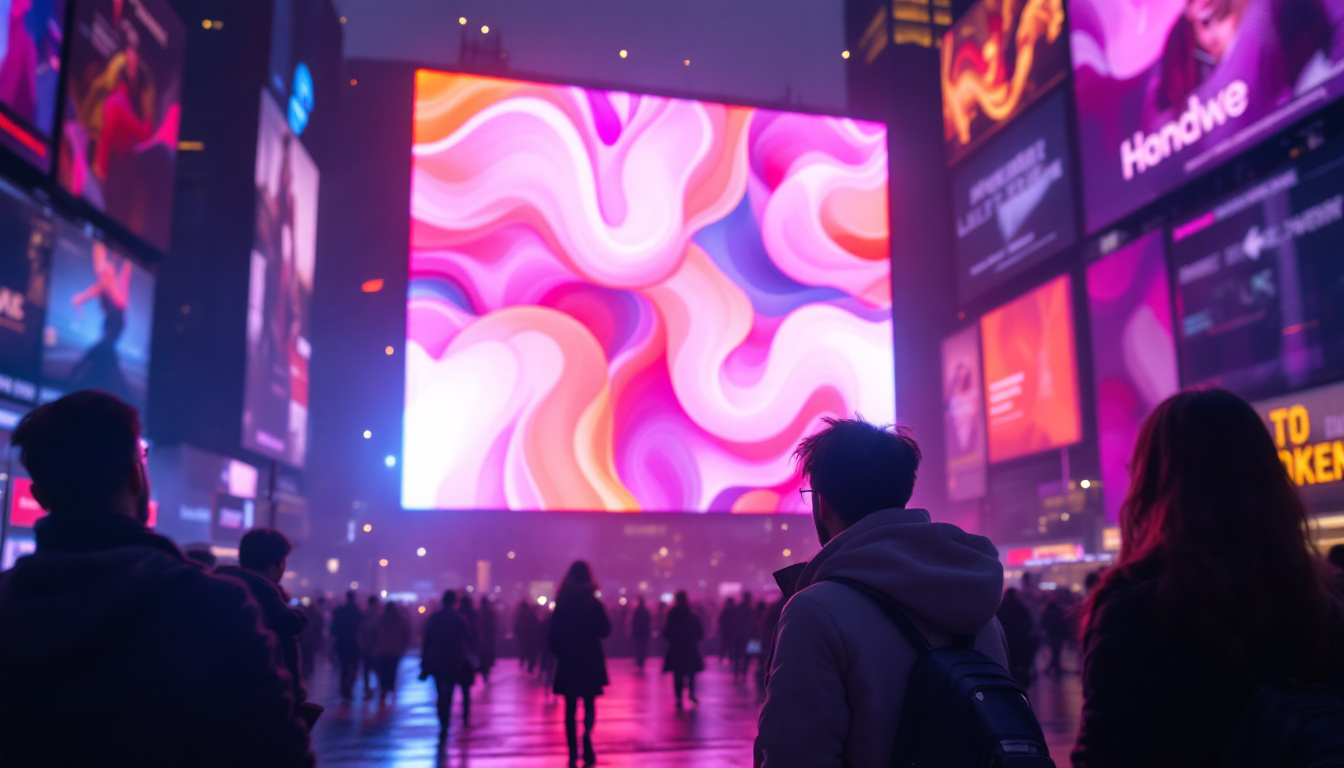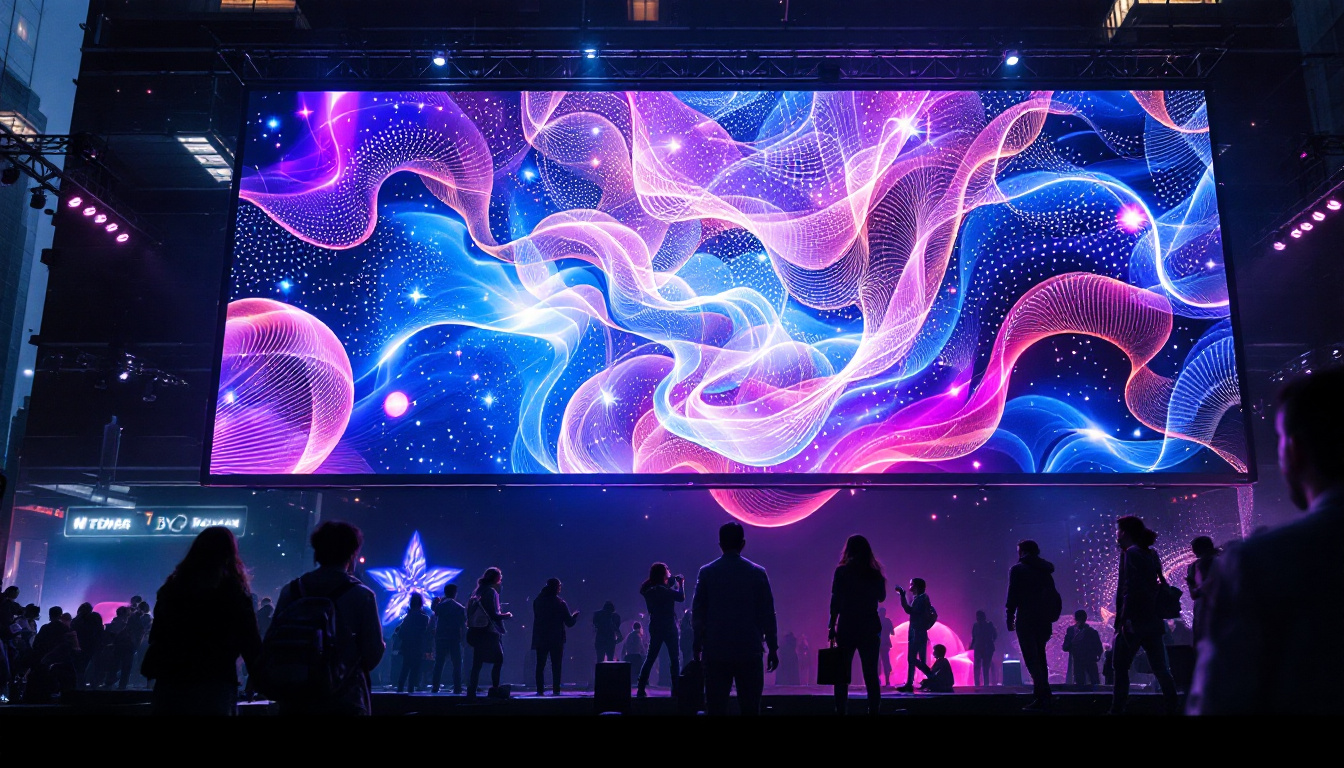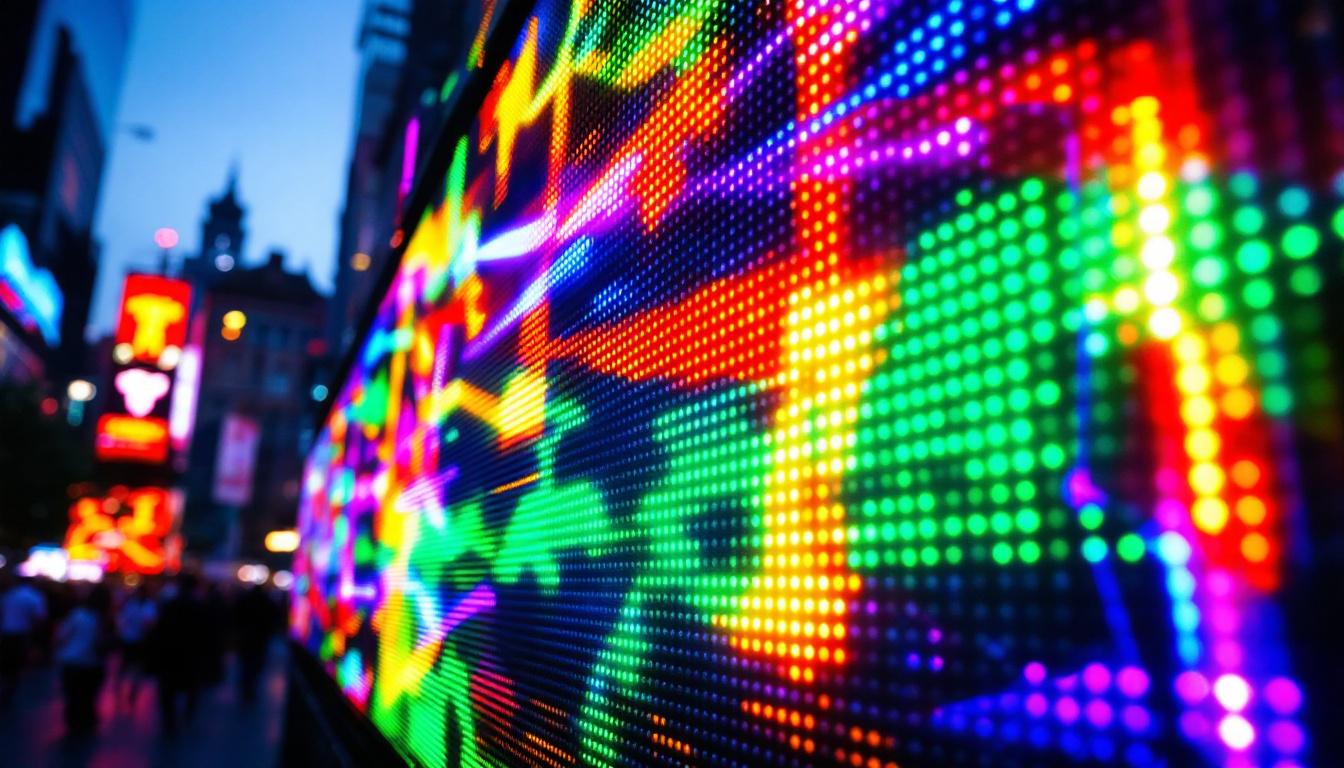
In today’s digital age, LED displays have become an integral part of how information is communicated visually. From vibrant billboards in city centers to the screens on our smartphones, LED technology is everywhere. This article delves deep into the world of LED displays, explaining their technology, types, applications, and the future trends shaping this dynamic field.
Understanding the Basics of LED Displays
LED stands for Light Emitting Diode, a semiconductor device that emits light when an electric current passes through it. Unlike traditional display technologies such as LCD or plasma, LEDs produce their own light, which offers several advantages including higher brightness, better contrast, and improved energy efficiency.
At its core, an LED display is composed of thousands to millions of tiny LEDs arranged in a matrix. These LEDs can be controlled individually to emit different colors and intensities, allowing the display to render images, videos, and text with remarkable clarity and vibrancy. This capability makes LED displays particularly popular in various applications, from large outdoor billboards to small electronic devices like smartphones and televisions, where vivid colors and sharp images are essential for user engagement.
How LEDs Work
The principle behind LEDs is electroluminescence, where materials emit light in response to an electric current. When electrons recombine with holes within the semiconductor, energy is released in the form of photons, producing visible light. The color of the light depends on the semiconductor material and the energy band gap. This means that different materials can be used to create LEDs that emit various colors, from the warm glow of red to the cool brightness of blue and green.
This fundamental mechanism enables LEDs to be highly efficient light sources. Compared to incandescent bulbs, LEDs consume up to 80% less energy and have a much longer lifespan, often exceeding 50,000 hours of operation. This longevity not only reduces the frequency of replacements but also contributes to lower maintenance costs, making LEDs an economically viable option for both residential and commercial lighting solutions.
Key Components of an LED Display
An LED display consists of several essential components:
- LED Modules: These are the building blocks made up of multiple LEDs arranged in clusters, often referred to as pixels.
- Driver ICs: Integrated circuits that control the brightness and color of each LED pixel.
- Control System: Hardware and software that process input signals and translate them into pixel-level commands.
- Power Supply: Provides the necessary electrical power to the LEDs and control electronics.
- Protective Housing: Encloses the components, often designed to be weatherproof for outdoor displays.
In addition to these components, the quality of an LED display can also depend on its pixel pitch, which refers to the distance between the centers of two adjacent pixels. A smaller pixel pitch results in higher resolution and greater detail, making it ideal for close-viewing applications such as indoor displays in retail environments or conference rooms. Conversely, larger pixel pitches are suitable for outdoor displays where the viewing distance is greater, allowing for cost-effective solutions without compromising visibility.
Furthermore, advancements in technology have led to the development of flexible LED displays, which can be bent or shaped to fit various surfaces and designs. This innovation opens up new possibilities for creative installations in architecture, advertising, and entertainment, where traditional rigid displays would not suffice. As the demand for dynamic and engaging visual experiences continues to grow, the versatility of LED displays positions them as a leading choice in the realm of modern visual technology.
Types of LED Displays
LED displays come in various forms, each suited for different applications and environments. Understanding these types helps businesses and consumers choose the right display for their needs.
Indoor LED Displays
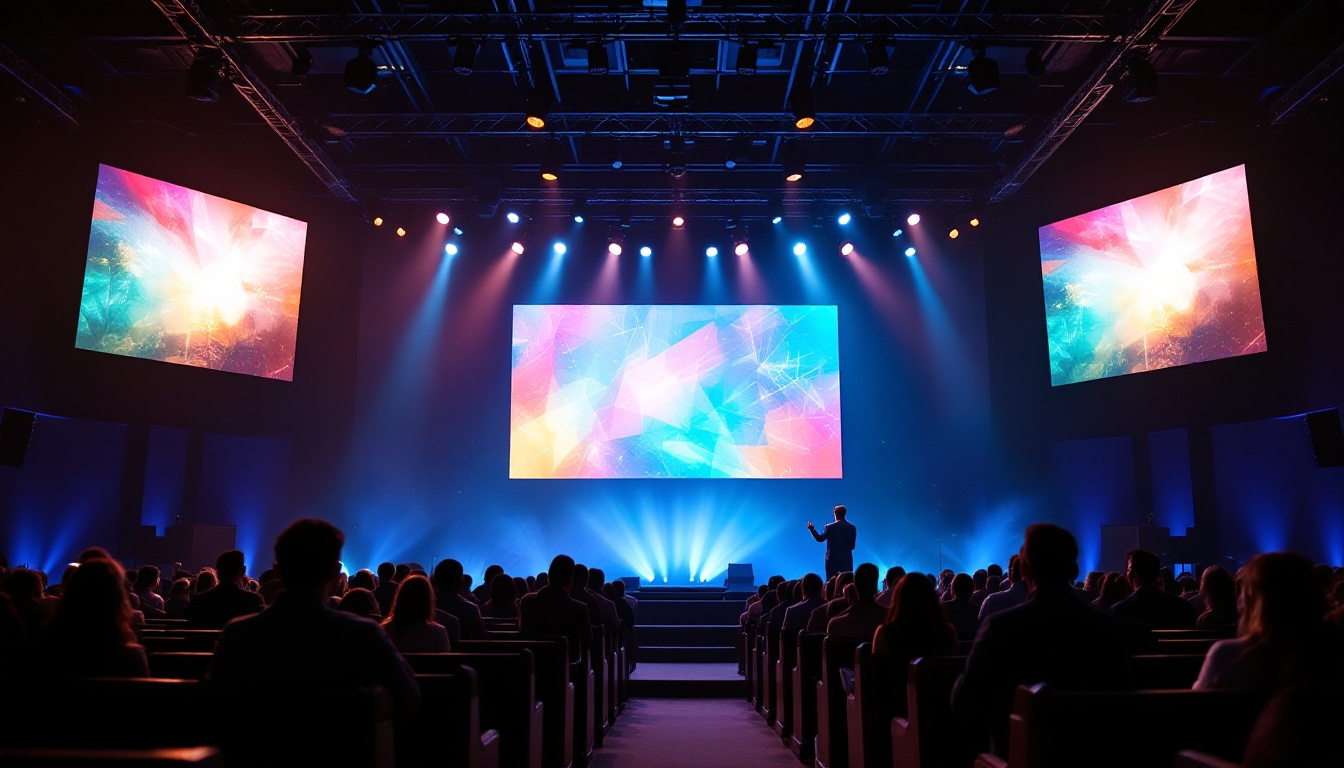
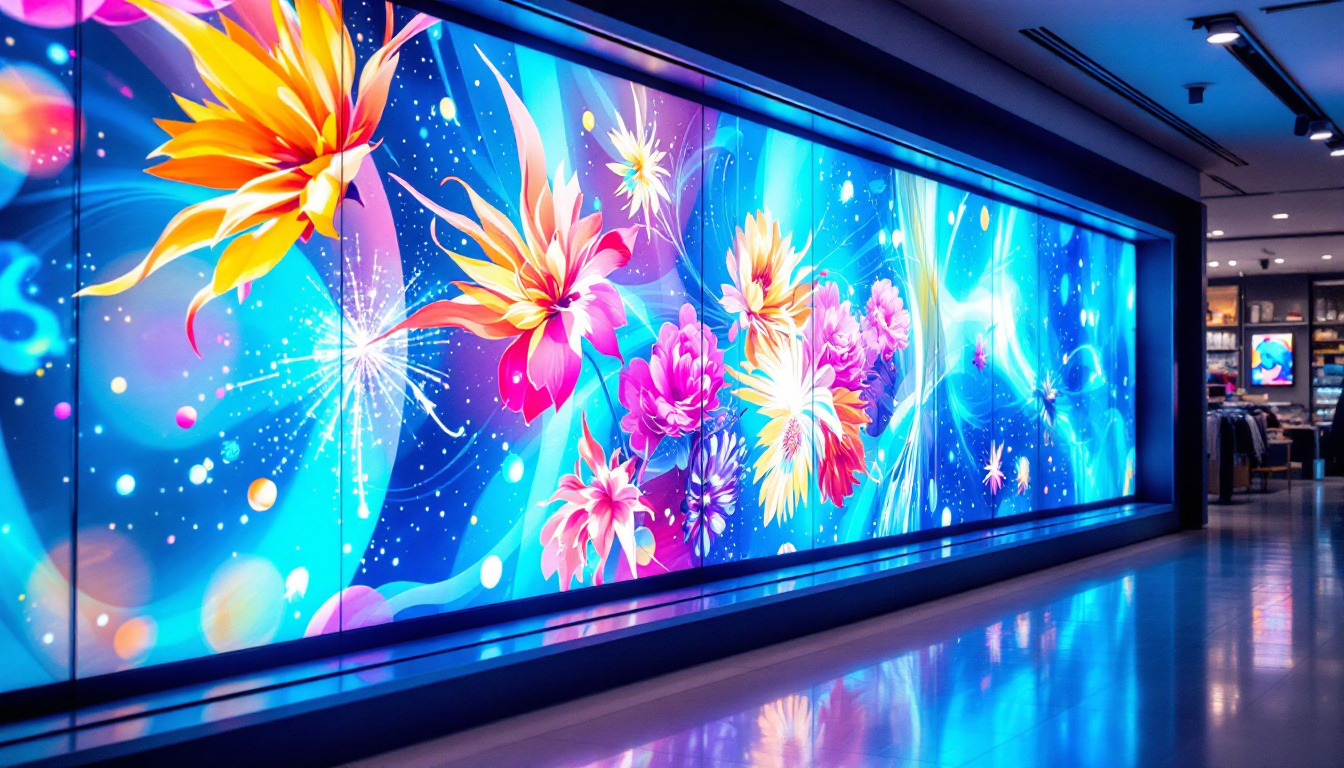
Indoor LED displays are designed for environments with controlled lighting, such as conference rooms, retail stores, and event venues. These displays typically have a smaller pixel pitch — the distance between individual LEDs — which allows for higher resolution and sharper images at close viewing distances.
For example, a pixel pitch of 1.5mm to 2.5mm is common in indoor displays, providing crisp visuals even when viewed from just a few feet away. Indoor LED panels are also optimized to reduce glare and offer consistent color performance under various lighting conditions.
Outdoor LED Displays
Outdoor LED displays are built to withstand harsh weather conditions including rain, wind, dust, and extreme temperatures. They feature higher brightness levels, often exceeding 5,000 nits, to remain visible even under direct sunlight.
The pixel pitch in outdoor displays is generally larger, ranging from 4mm to 20mm or more, since these screens are viewed from greater distances. This makes them ideal for billboards, stadium screens, and public information displays.
Flexible and Transparent LED Displays
Recent innovations have introduced flexible LED displays that can bend and curve, opening new possibilities for creative installations in architecture and design. Transparent LED displays, on the other hand, allow light to pass through the screen, making them perfect for storefront windows and glass facades where visibility from both sides is desired.
These advanced displays combine aesthetic appeal with functionality, enabling brands to engage audiences in novel ways.
Applications of LED Displays
The versatility of LED displays has led to their widespread adoption across numerous industries. Their ability to deliver bright, dynamic content in various sizes and formats makes them invaluable tools for communication and advertising.
Advertising and Marketing
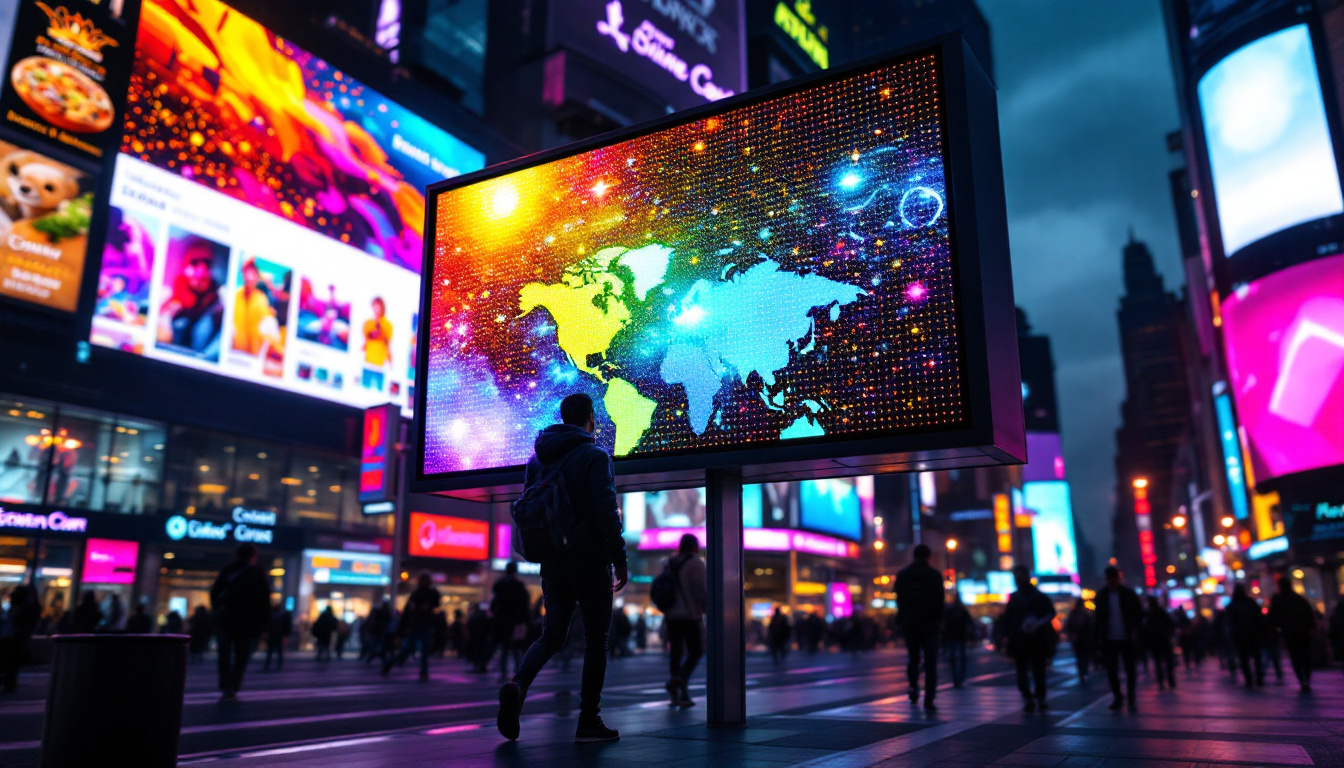
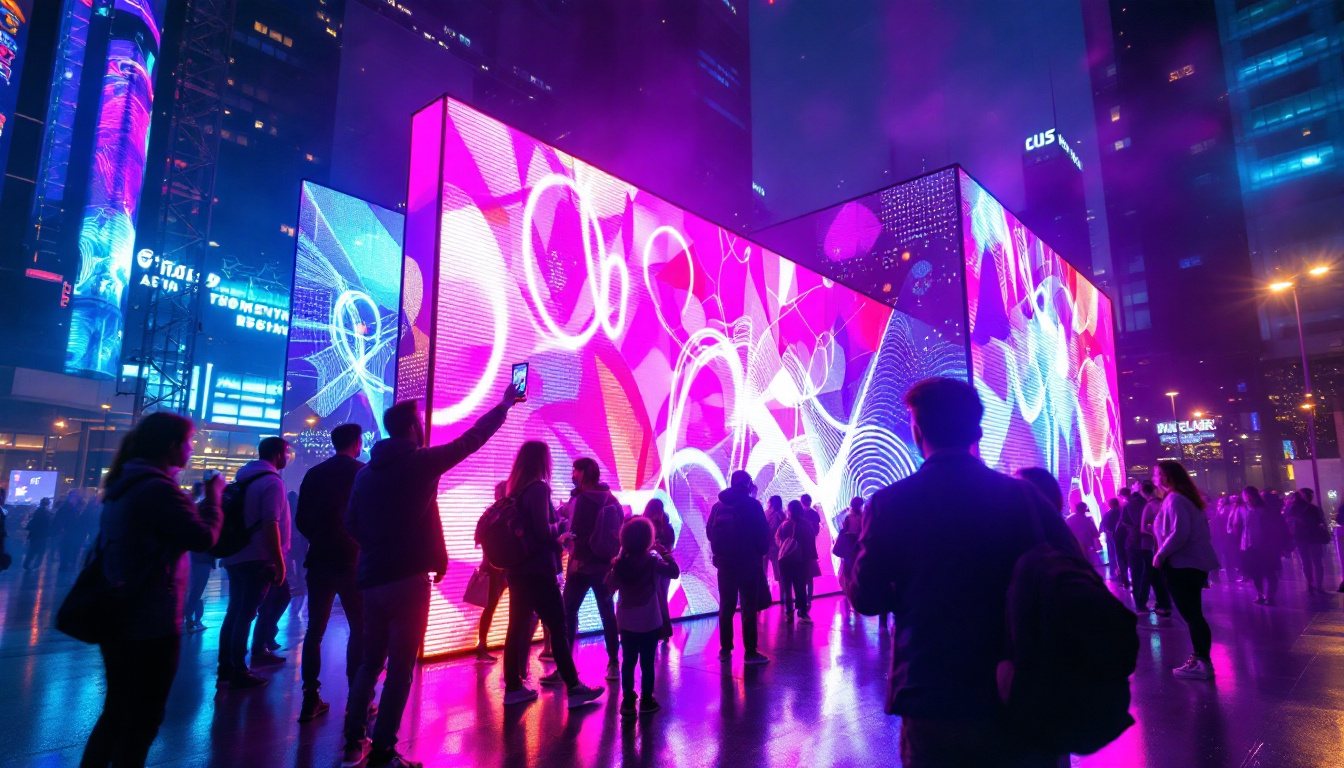
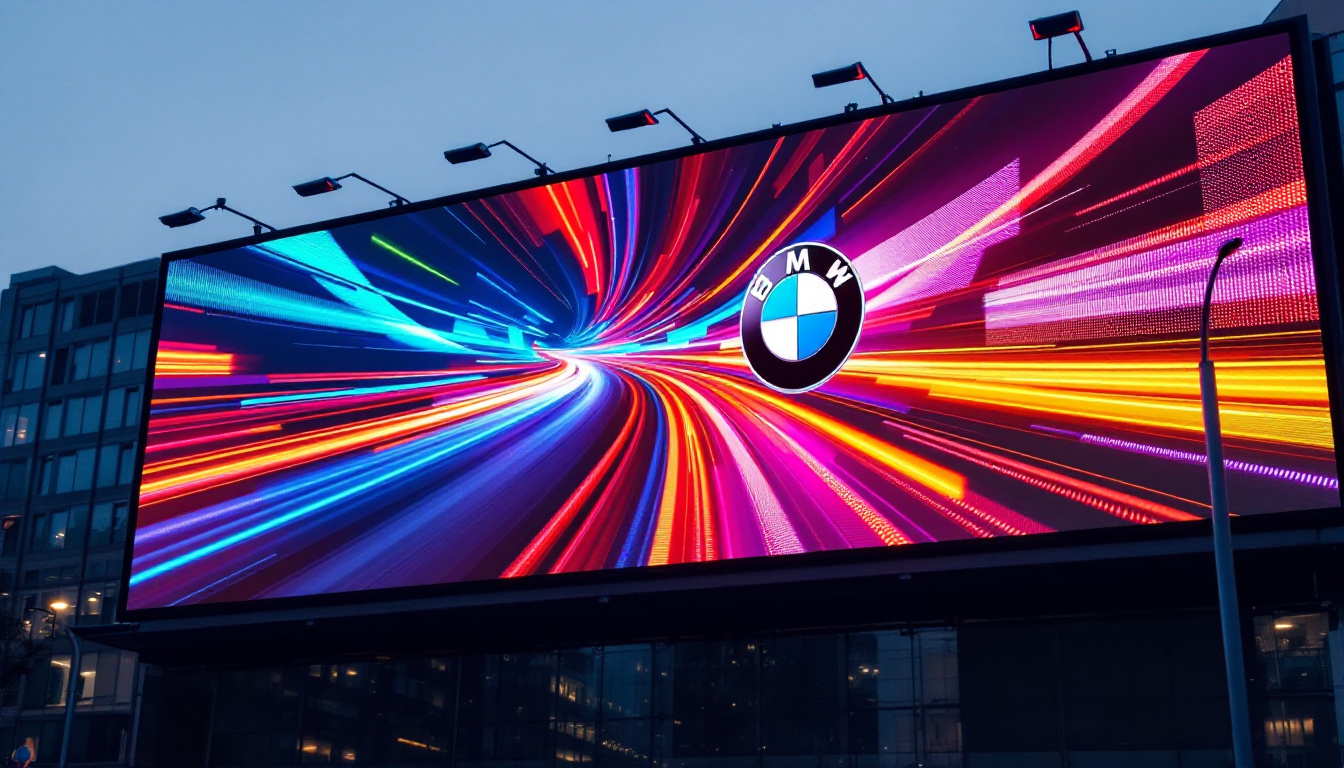
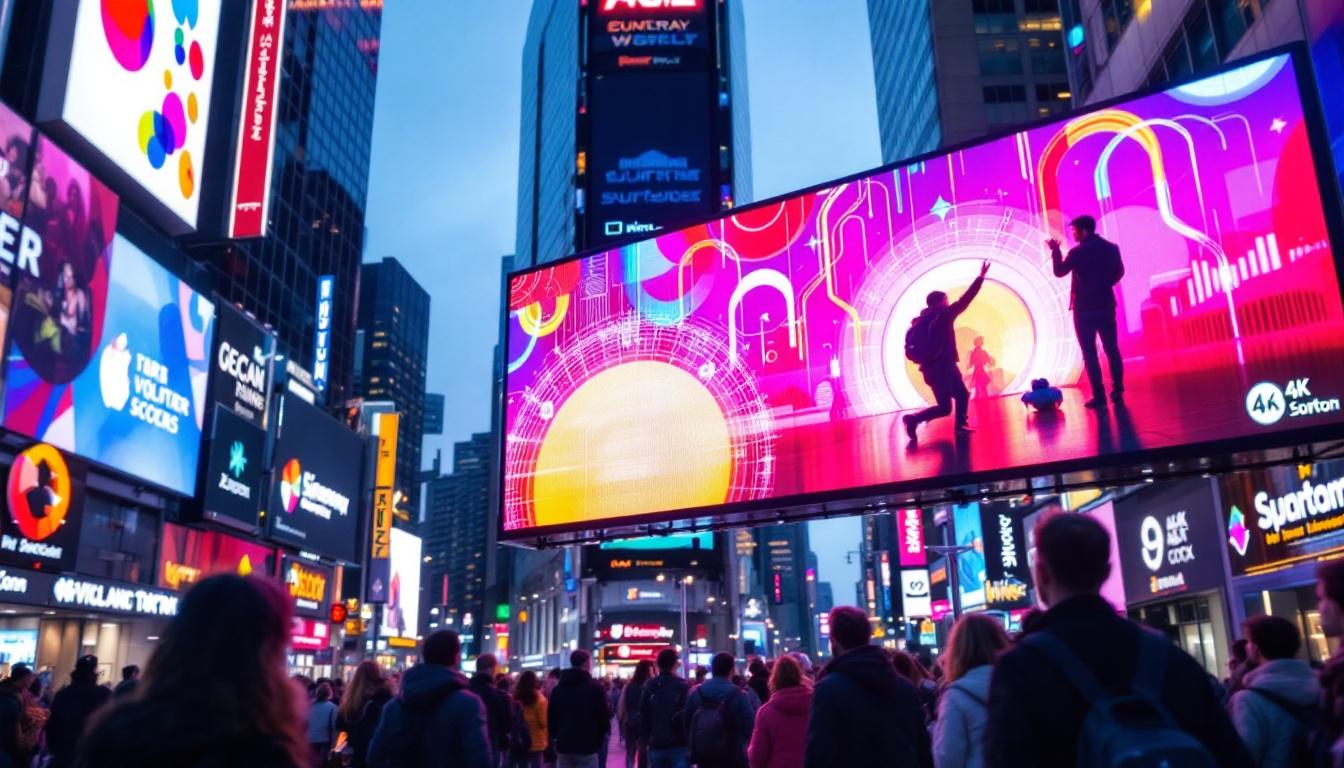
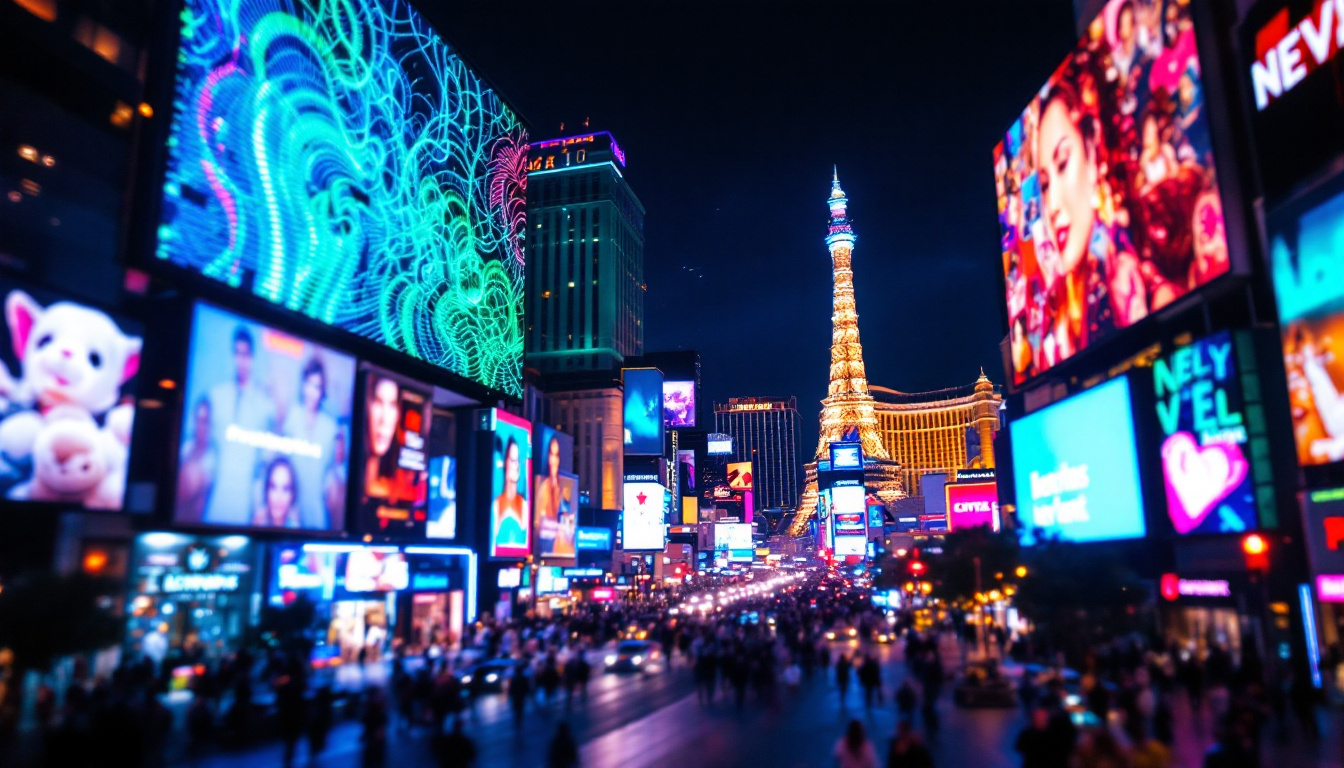
One of the most prominent uses of LED displays is in outdoor advertising. Digital billboards equipped with LED technology offer advertisers the flexibility to change content instantly, schedule campaigns, and display dynamic visuals that capture attention more effectively than static posters.
According to a study by the Outdoor Advertising Association of America, digital billboards can increase brand recall by up to 47% compared to traditional billboards. This makes LED displays a powerful medium for marketers aiming to boost engagement and sales.
Sports and Entertainment Venues
Stadiums and arenas rely heavily on large LED screens to enhance the spectator experience. These displays show live action replays, scores, advertisements, and interactive content, ensuring fans remain engaged throughout the event.
For instance, the AT&T Stadium in Texas features one of the world’s largest LED video boards, measuring 160 feet wide and 72 feet tall, delivering stunning visuals that are visible from every seat.
Retail and Hospitality
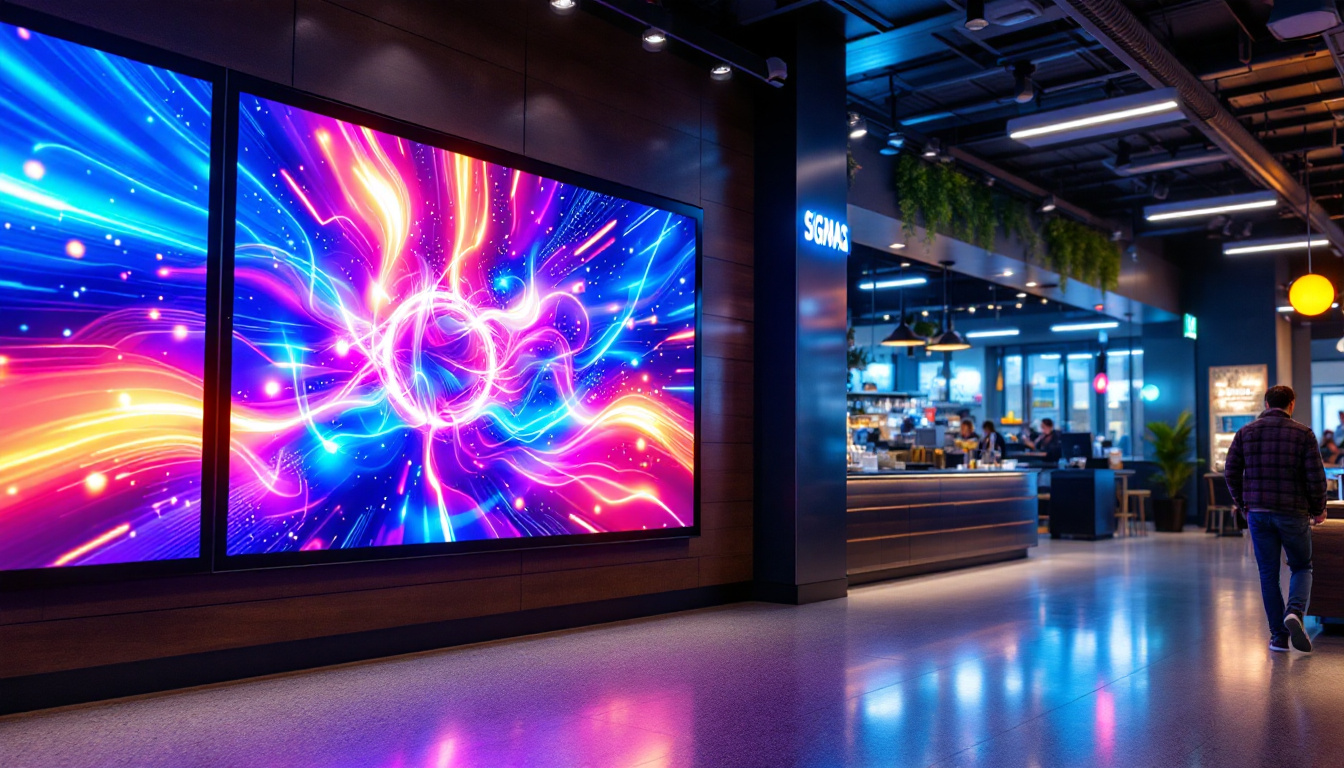
In retail environments, LED displays are used for digital signage, promotional messaging, and interactive kiosks. They help create immersive shopping experiences and drive customer engagement.
Hotels and restaurants also utilize LED displays for wayfinding, event promotion, and enhancing ambiance through dynamic lighting and visuals.
Transportation and Public Information
LED displays play a critical role in transportation hubs such as airports, train stations, and bus terminals. They provide real-time updates on schedules, alerts, and directions, improving passenger experience and operational efficiency.
Moreover, cities deploy LED screens for public announcements, emergency alerts, and community messaging, contributing to public safety and awareness.
Technical Considerations When Choosing an LED Display
Selecting the right LED display involves evaluating several technical factors that impact performance, cost, and suitability for the intended application.
Pixel Pitch and Resolution
Pixel pitch directly influences the display’s resolution and viewing distance. A smaller pixel pitch means more LEDs per square meter, resulting in higher resolution and finer image detail. However, this also increases cost and power consumption.
For example, a 1.2mm pixel pitch display is ideal for close-up viewing in retail or control rooms, while a 10mm pitch is sufficient for roadside billboards viewed from hundreds of feet away.
Brightness and Contrast Ratio
Brightness, measured in nits, determines how well the display performs under different lighting conditions. Outdoor screens require higher brightness levels (5,000+ nits) to remain visible in sunlight, whereas indoor screens typically operate around 800-1,200 nits.
Contrast ratio, the difference between the darkest black and brightest white, affects image depth and clarity. High contrast ratios are essential for delivering vivid and lifelike visuals.
Viewing Angle
The viewing angle defines the range within which the display can be seen clearly without color distortion or brightness loss. Wider viewing angles are important for displays meant to be viewed by large audiences from multiple directions.
Durability and Maintenance
For outdoor installations, weather resistance, waterproof ratings (such as IP65 or higher), and robust construction are critical. Additionally, ease of maintenance, including module replacement and cleaning, can significantly reduce long-term operational costs.
Future Trends in LED Display Technology
The LED display industry is evolving rapidly, driven by advancements in materials, manufacturing techniques, and digital integration. Several emerging trends are shaping the future landscape.
MicroLED and MiniLED Technology
MicroLEDs are tiny LEDs, often less than 100 micrometers in size, that promise even higher resolution and better color accuracy than traditional LEDs. They offer superior brightness and energy efficiency, making them ideal for next-generation displays in smartphones, televisions, and augmented reality devices.
MiniLED technology, which uses smaller LEDs to create backlighting for LCD panels, is also gaining traction. It enhances contrast ratios and local dimming capabilities, improving picture quality without the high cost of full MicroLED displays.
Integration with IoT and Smart Systems
LED displays are increasingly integrated with Internet of Things (IoT) platforms, enabling real-time data-driven content updates. Smart displays can adjust brightness based on ambient light, display personalized messages, and interact with mobile devices to enhance user engagement.
Energy Efficiency and Sustainability
As sustainability becomes a priority, manufacturers are focusing on reducing the environmental impact of LED displays. Innovations include low-power designs, recyclable materials, and intelligent power management systems that minimize energy consumption without compromising performance.
Conclusion
LED displays have revolutionized the way visual information is presented across industries, offering unparalleled brightness, flexibility, and durability. Understanding the technology behind these displays, their various types, and applications helps businesses make informed decisions that maximize impact and return on investment.
With ongoing advancements like MicroLED technology and smart integration, LED displays are set to become even more versatile and efficient, continuing to transform communication in the digital era.
Discover LumenMatrix LED Display Solutions
Ready to elevate your visual communication with cutting-edge LED technology? LumenMatrix is at the forefront of innovation, offering a comprehensive range of LED display solutions tailored to your needs. From Indoor and Outdoor LED Wall Displays to specialized options like Vehicle, Sports, and Floor LED Displays, our products are designed to captivate audiences and amplify your brand’s message. Experience the future of digital signage with our Custom, All-in-One, and Transparent LED Displays. Check out LumenMatrix LED Display Solutions today and transform your space into a dynamic visual experience.