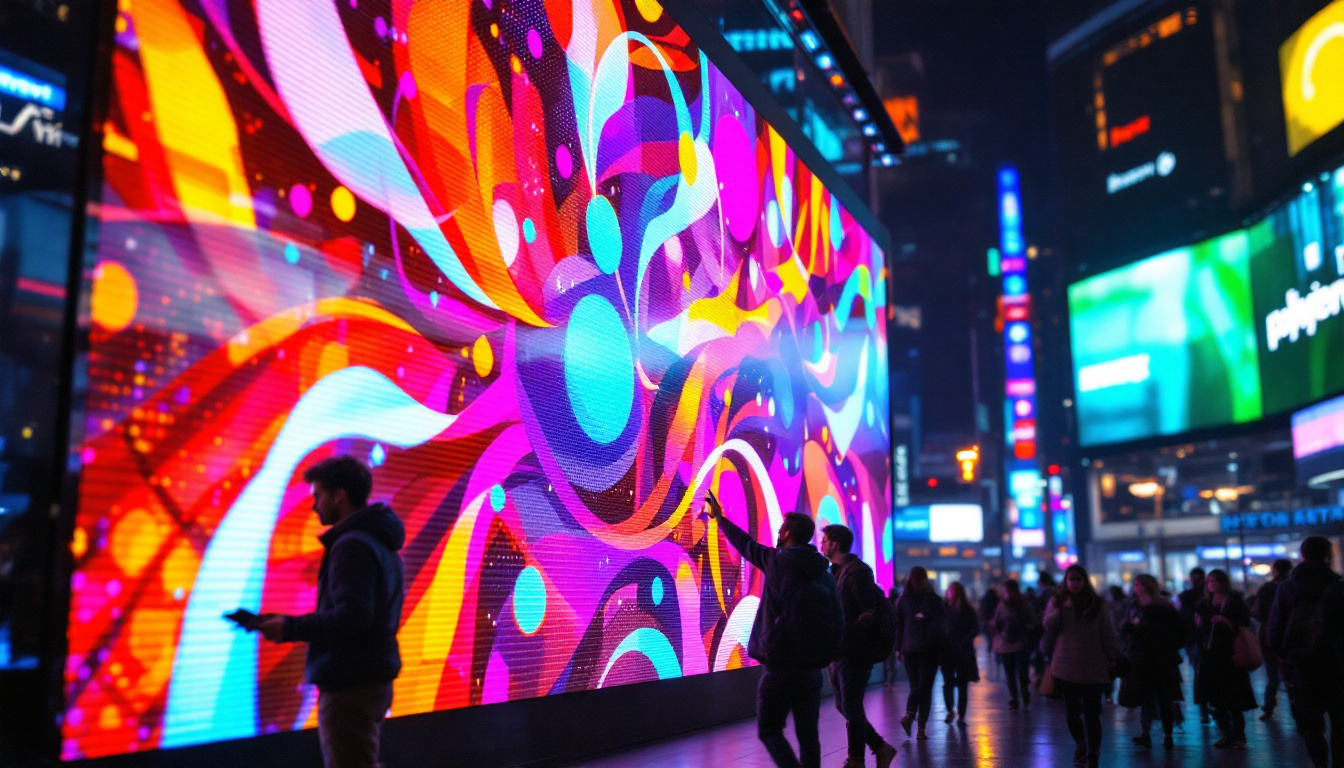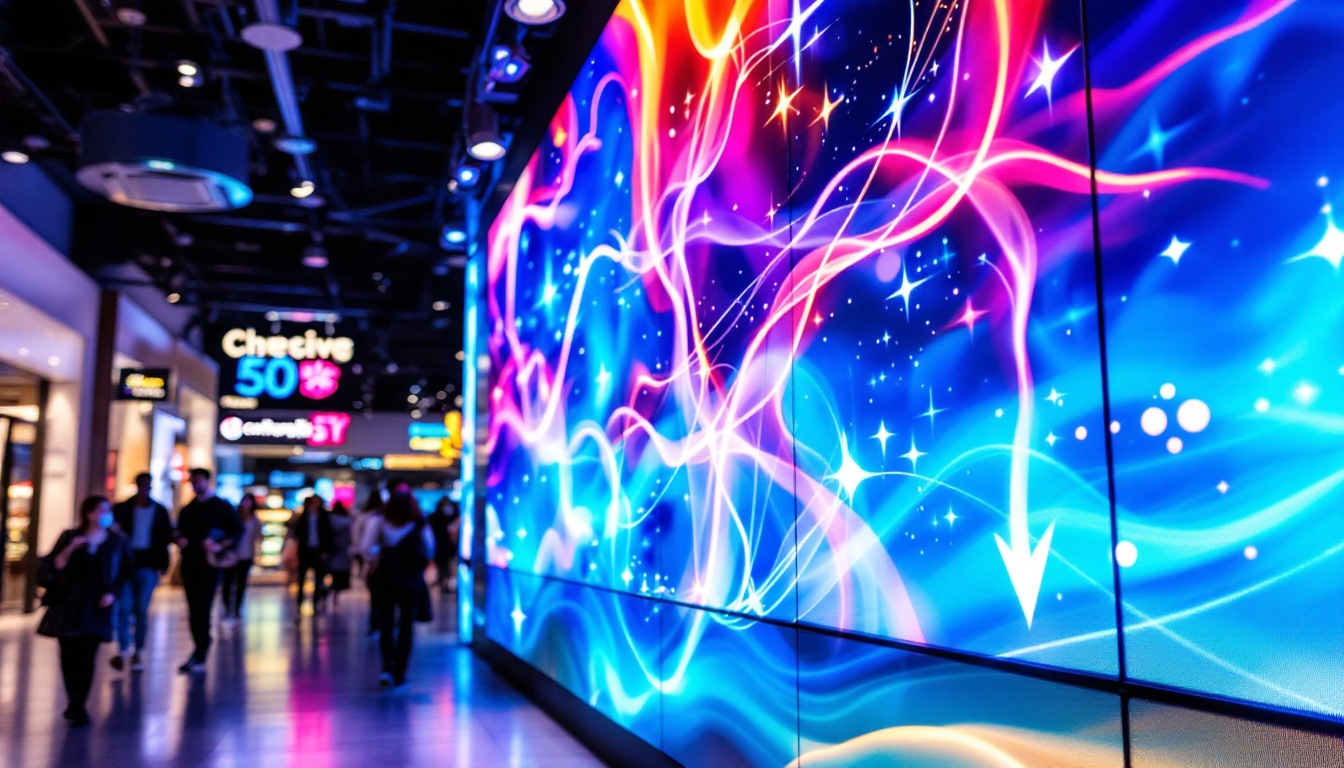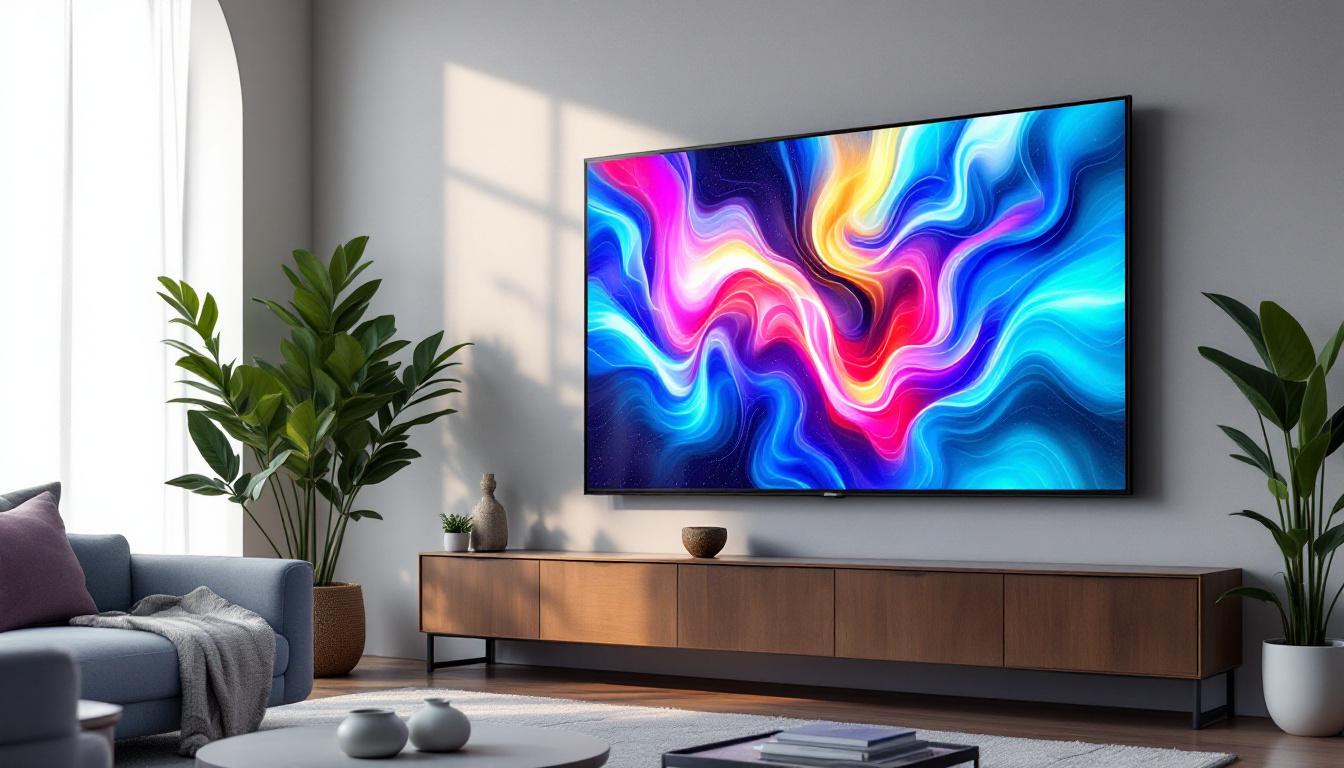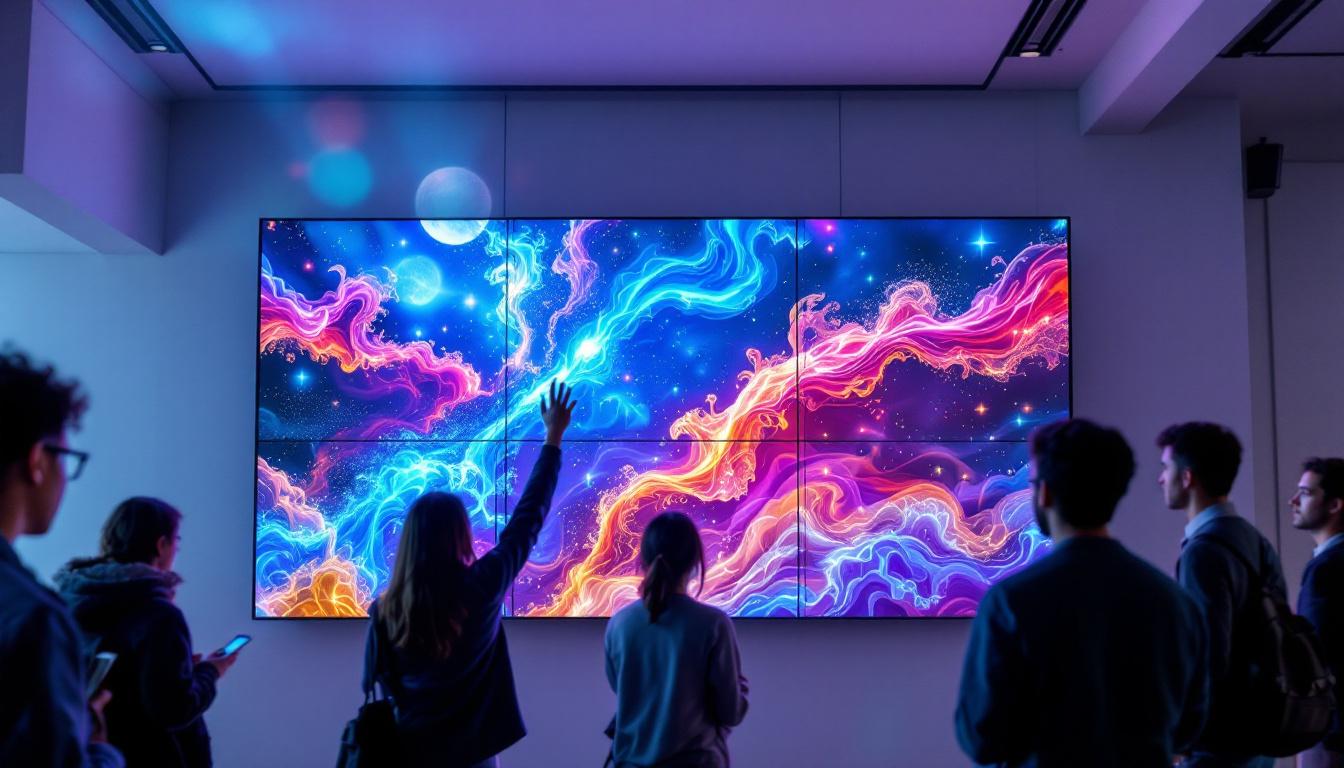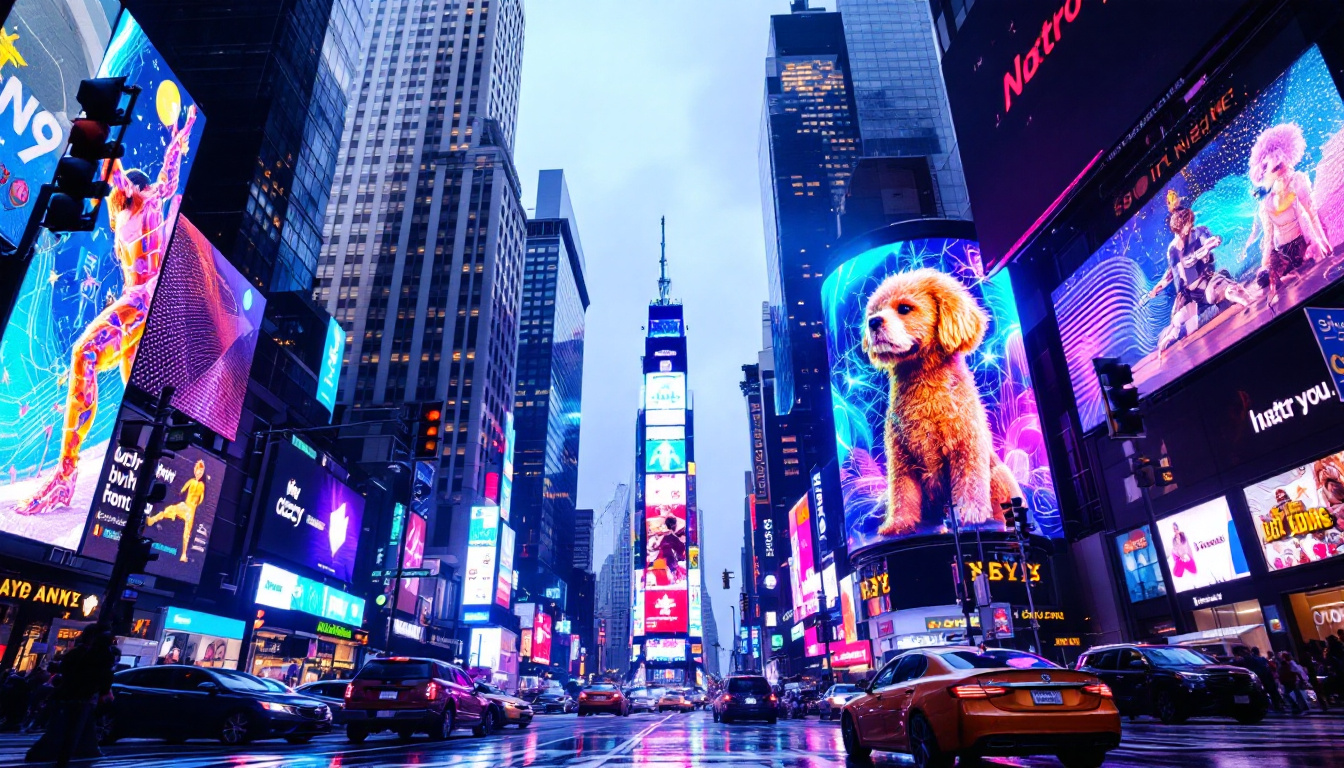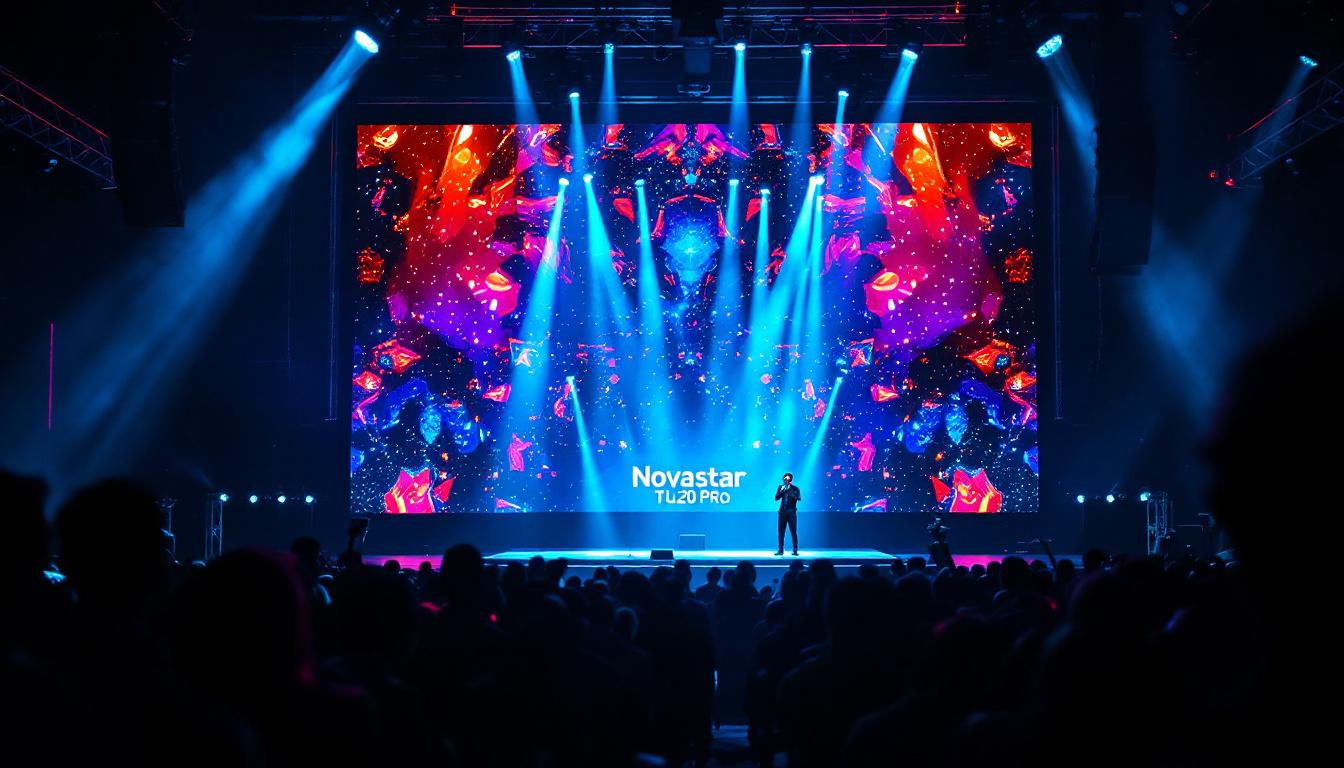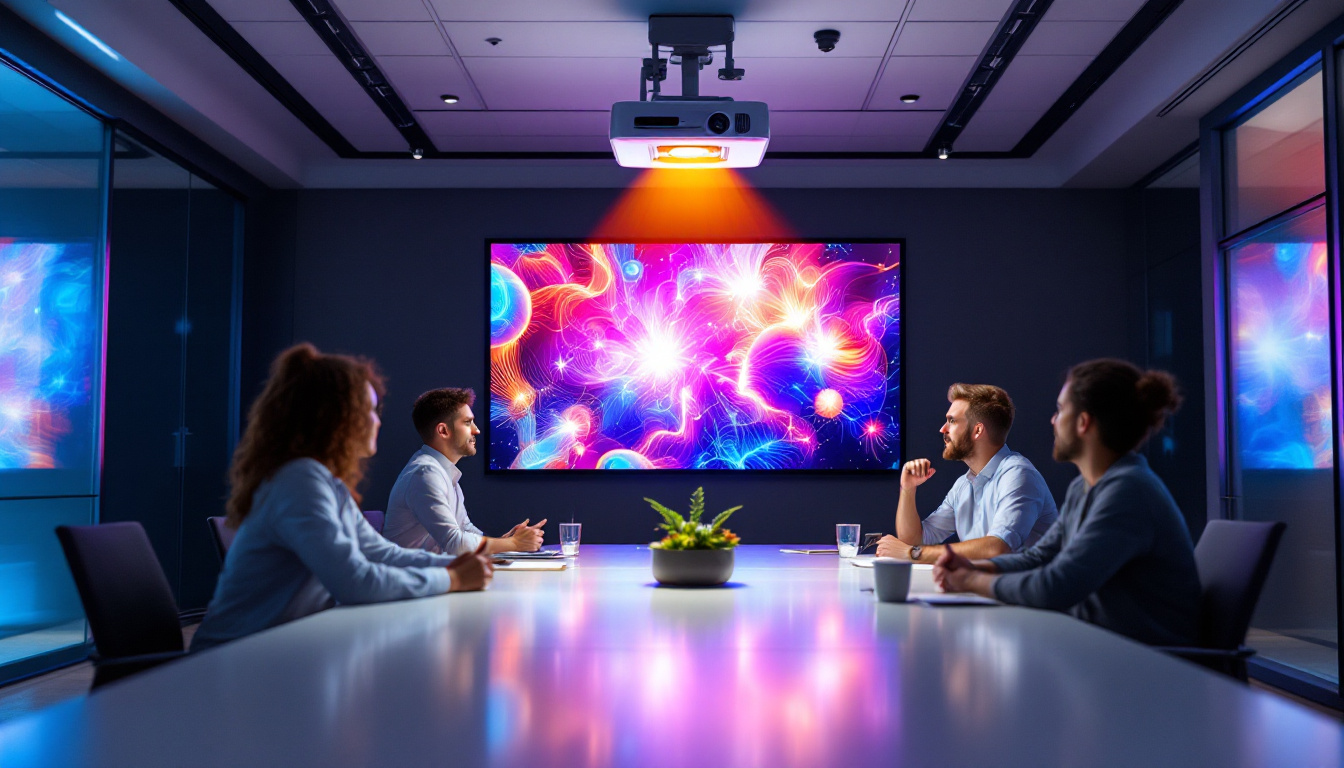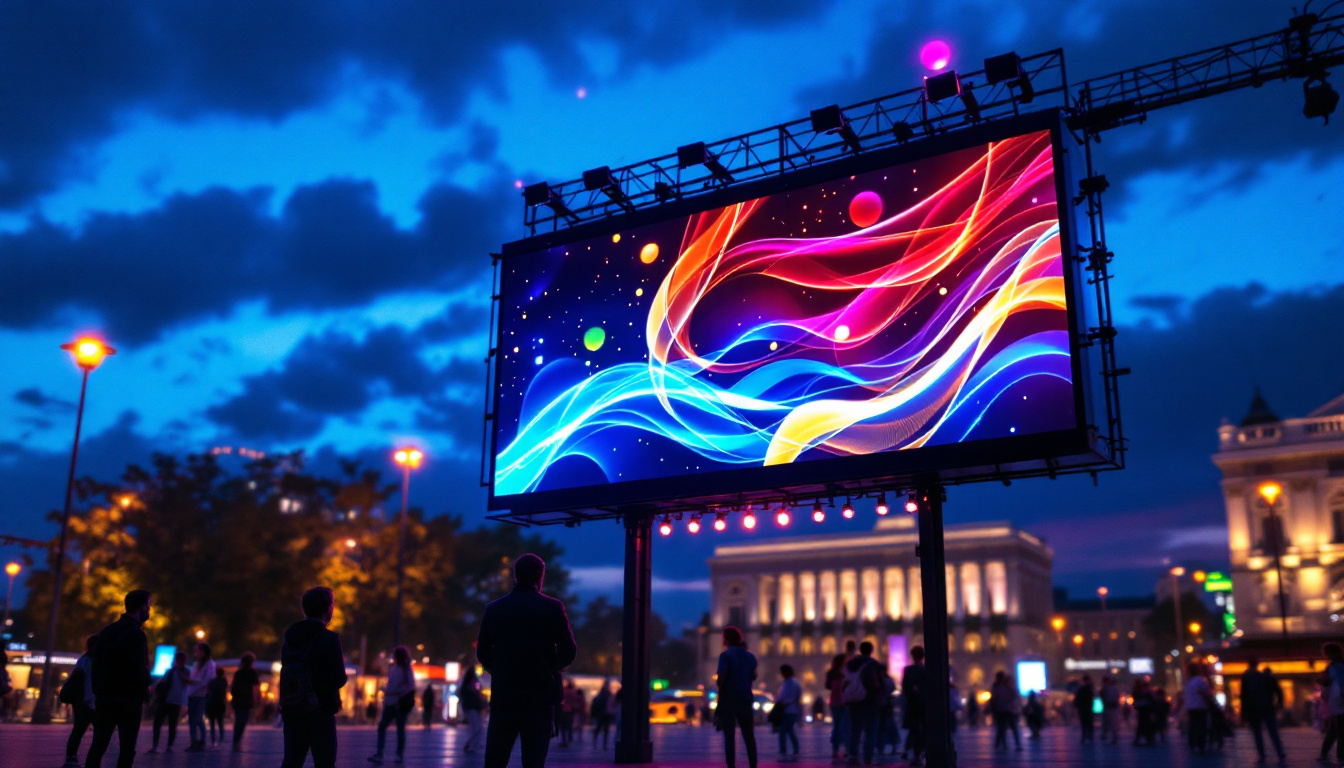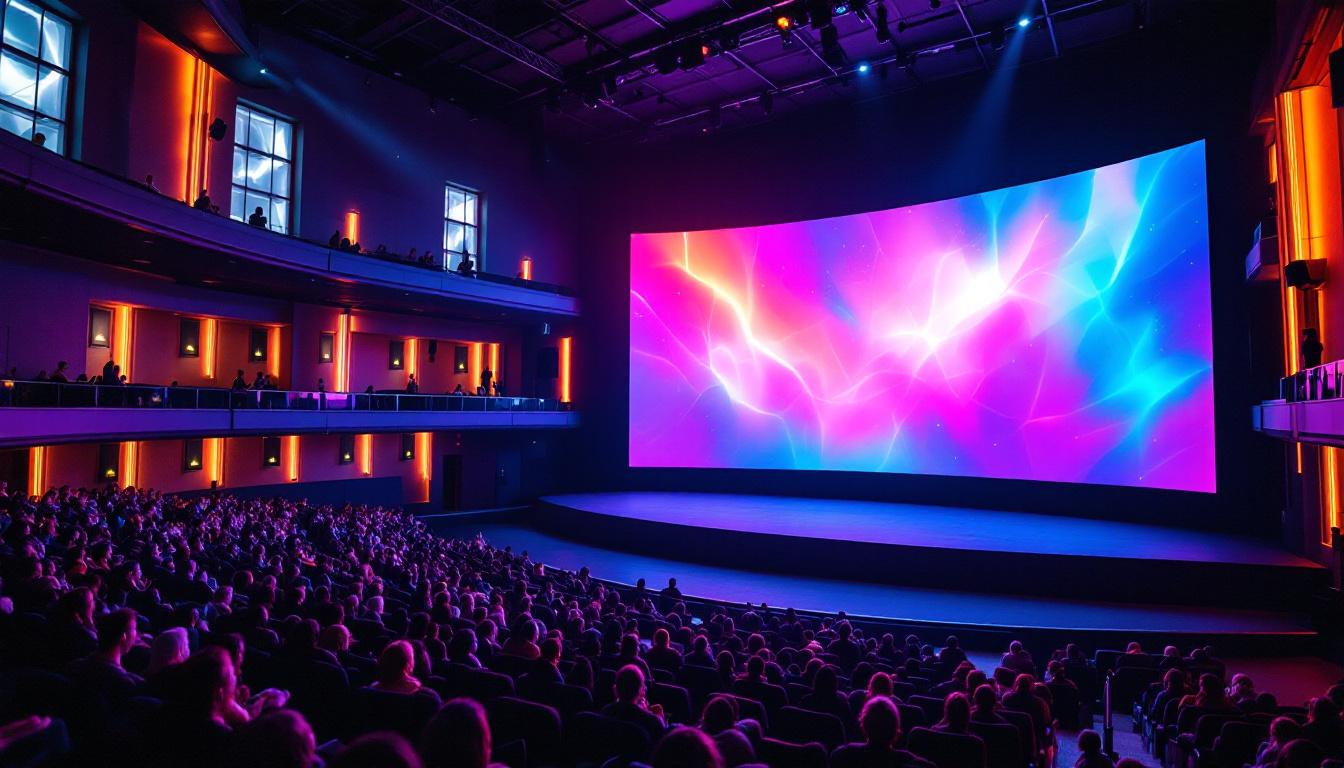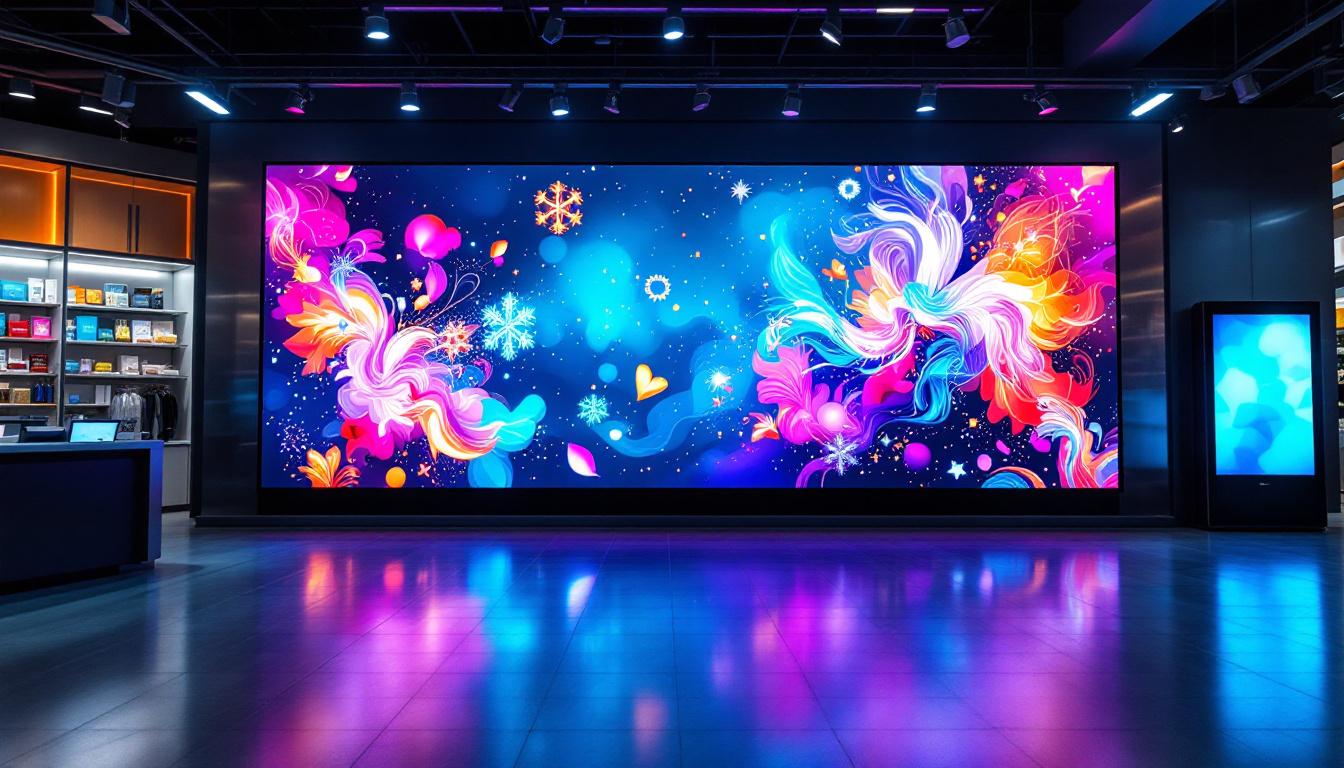
In the rapidly evolving world of digital signage and advertising, LED displays have emerged as a dominant technology. Their vibrant colors, high brightness, and energy efficiency make them ideal for a wide range of applications, from retail storefronts to large-scale outdoor billboards. Understanding the sales format of LED displays is crucial for businesses seeking to leverage this technology effectively. This article provides a comprehensive explanation of LED display sales formats, helping buyers and sellers navigate the complexities and make informed decisions.
What Is an LED Display Sales Format?
The term “sales format” in the context of LED displays refers to the way these products are packaged, marketed, and sold to customers. It encompasses the technical specifications, physical configurations, pricing models, and service agreements that define the purchase and deployment of LED display systems.
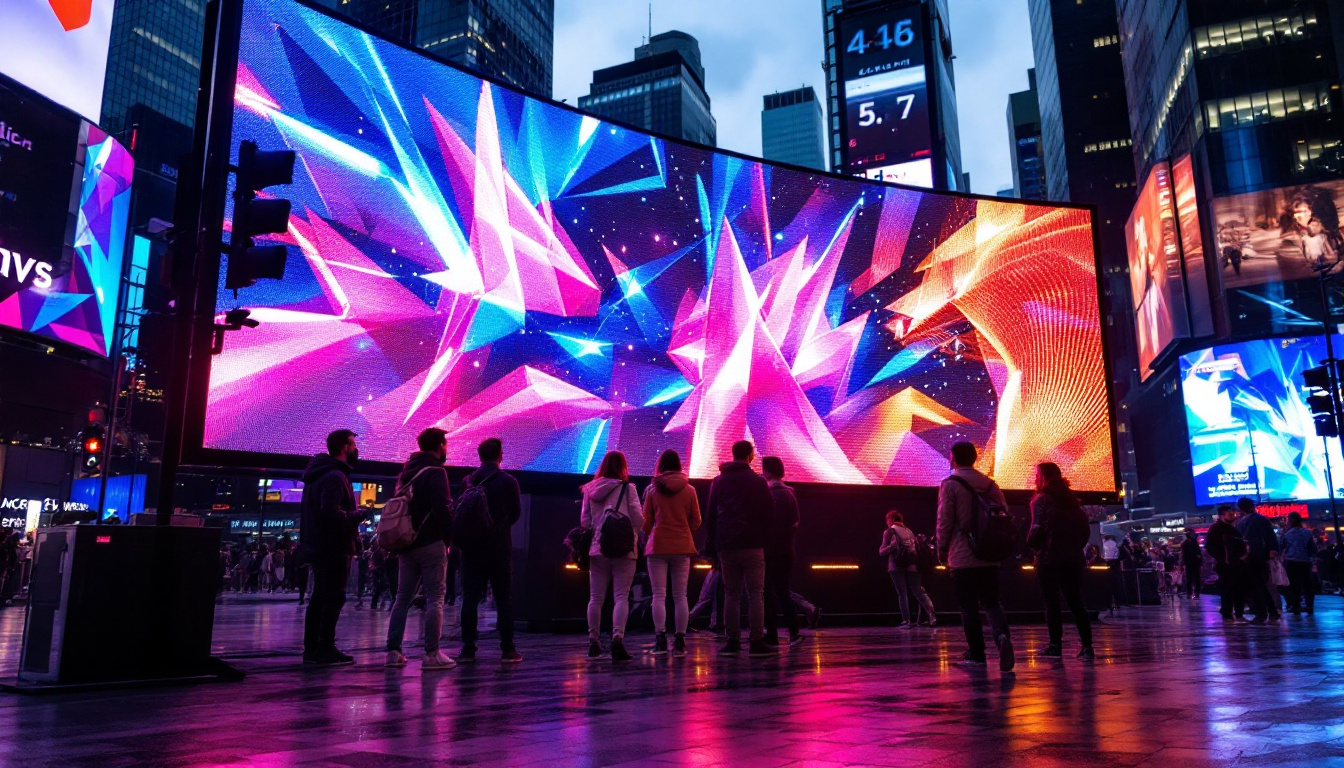
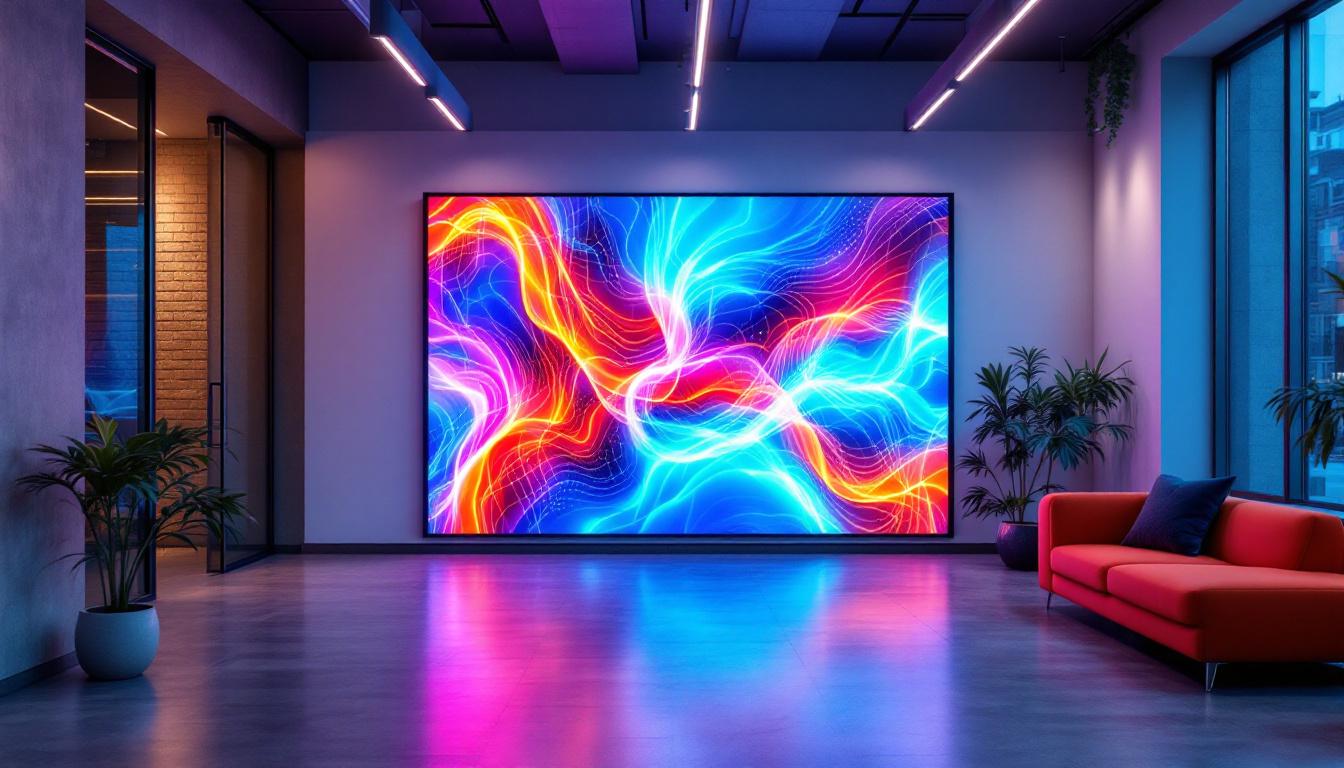
Unlike traditional screens, LED displays come in modular formats, allowing for customization in size, resolution, and pixel pitch. This modularity affects how sales formats are structured, as vendors often offer a range of options tailored to different use cases and budgets. For instance, a retail store may opt for a vibrant, high-resolution display to attract customers, while an outdoor venue might prioritize durability and visibility under various lighting conditions.
Key Components of LED Display Sales Formats
When discussing sales formats, it is important to consider several core components:
- Module Size and Resolution: LED displays are composed of multiple modules, each containing a matrix of LEDs. The size and resolution of these modules influence the overall display quality and price.
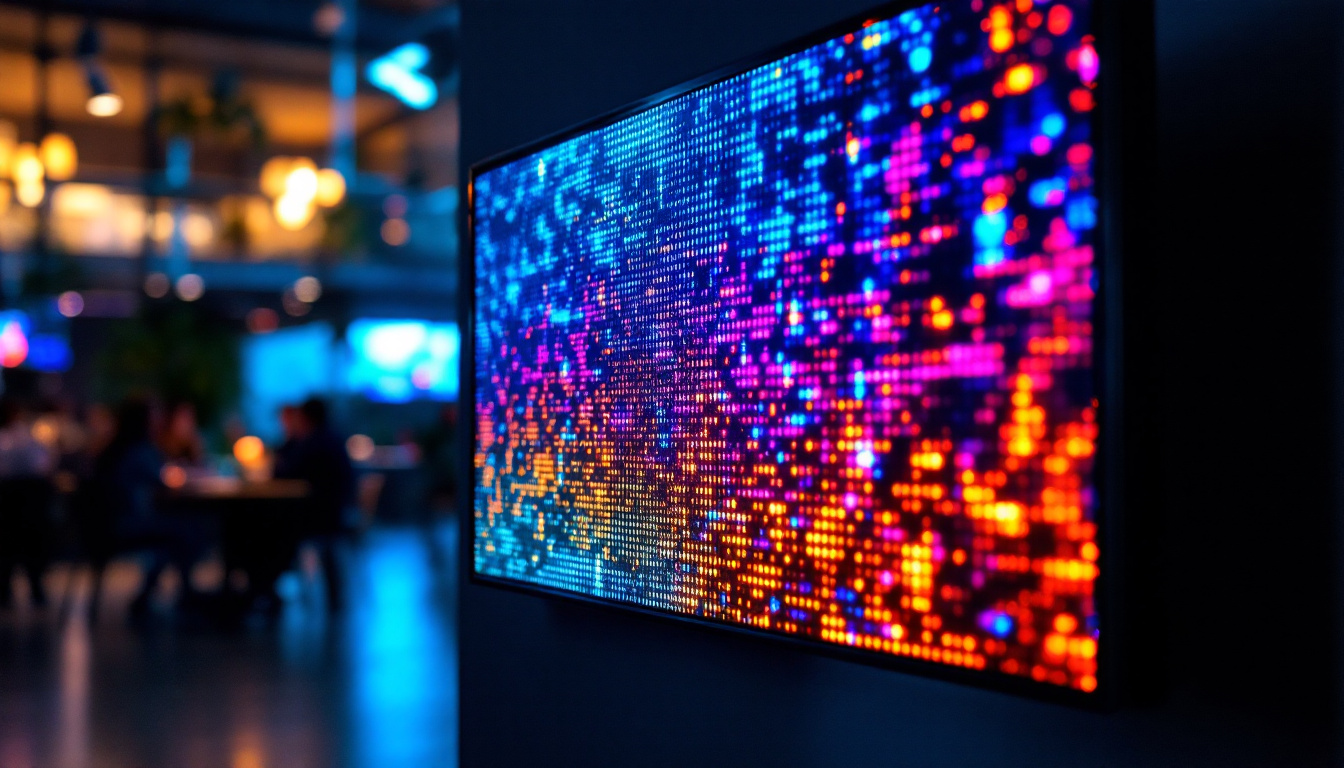
- Pixel Pitch: This is the distance between the centers of two adjacent pixels, usually measured in millimeters. Smaller pixel pitches mean higher resolution and sharper images but come at a higher cost.
- Cabinet Design: Cabinets house the LED modules and provide structural support. Their design affects installation flexibility and durability.
- Control Systems: These include the hardware and software used to manage content display, brightness, and connectivity.
- Service and Warranty: Sales formats often bundle installation, maintenance, and warranty services, which are critical for long-term performance.
In addition to these components, understanding the target market is crucial in shaping the sales format. For example, sports arenas may require high-refresh-rate displays to ensure smooth video playback during fast-paced action, while corporate environments might prioritize displays that facilitate seamless integration with existing technology. Furthermore, the rise of digital signage has led to innovative sales formats that include subscription-based models, allowing businesses to update their content dynamically without the need for significant upfront investment.
Another important aspect of LED display sales formats is the integration of advanced features such as interactivity and connectivity. Many modern LED displays now support touch functionality and can connect to various devices, enhancing user engagement. This capability is particularly valuable in retail settings, where interactive displays can provide customers with product information or promotional content, ultimately driving sales. As technology continues to evolve, vendors are likely to adapt their sales formats to incorporate these cutting-edge features, ensuring that their offerings remain competitive and relevant in a rapidly changing market.
Types of LED Display Sales Formats
LED displays are sold in various formats depending on the application, installation environment, and buyer requirements. Understanding these types helps businesses select the right product and negotiate effectively.
Fixed LED Displays
Fixed LED displays are designed for permanent installation. They are commonly used in retail stores, stadiums, transportation hubs, and corporate environments. These displays prioritize durability and high image quality.
Sales formats for fixed displays typically include full-service packages: site survey, custom design, installation, and ongoing maintenance. Pricing is often based on the total square footage of the display and the pixel pitch chosen. Additionally, many manufacturers offer warranties and support plans that can extend for several years, ensuring that the investment remains protected and that the display continues to perform at optimal levels. This long-term support is crucial for businesses that rely on these displays for advertising and information dissemination, as any downtime can lead to lost revenue and customer engagement.
Rental LED Displays
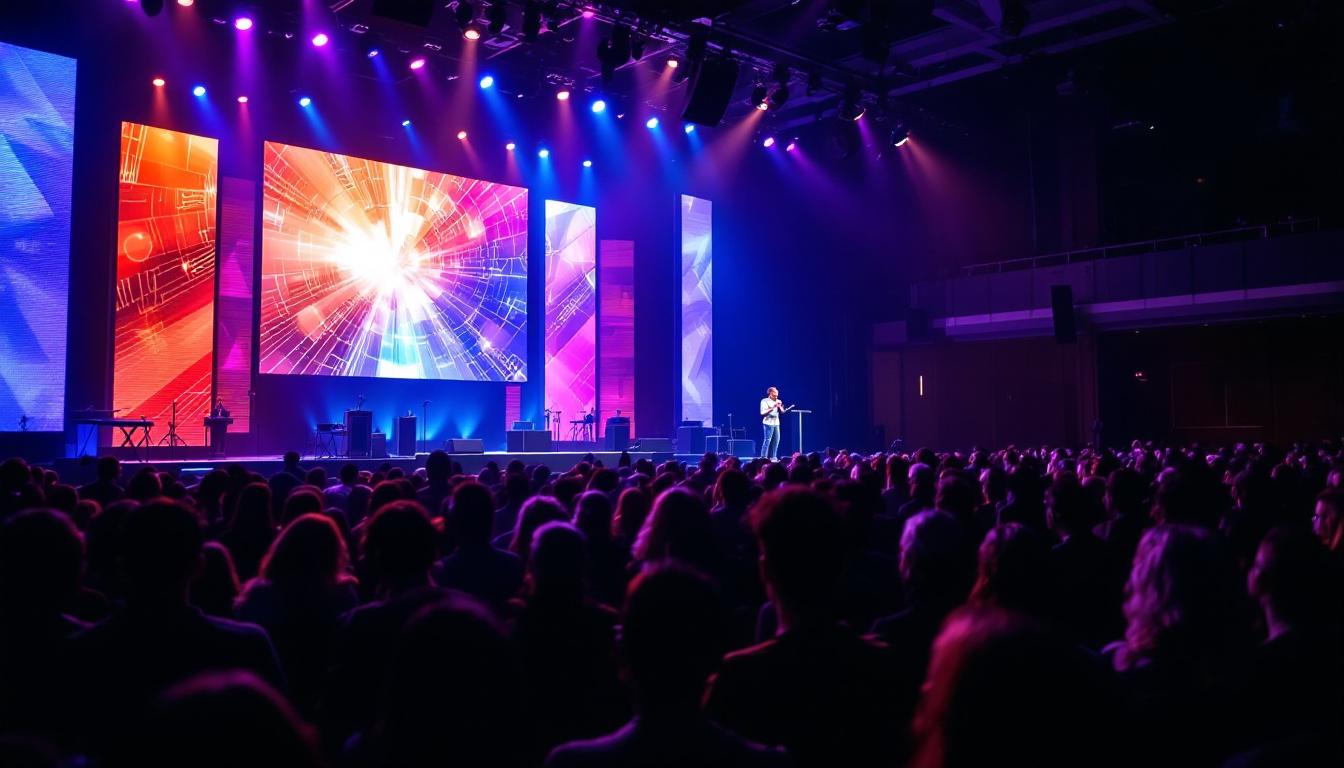
Rental LED displays are modular and portable, intended for temporary use at events, trade shows, concerts, and exhibitions. Their sales formats emphasize flexibility, ease of assembly, and quick deployment.
Vendors often offer rental packages that include transportation, setup, technical support during the event, and dismantling. Pricing models may be daily, weekly, or event-based, with options to purchase after rental periods. Furthermore, many rental companies provide a variety of display sizes and resolutions to cater to different event needs, allowing clients to choose the most suitable option for their audience. This adaptability is particularly beneficial for brands looking to create a memorable impact at high-profile events, as they can easily scale their display solutions based on venue size and audience engagement strategies.
Transparent and Creative LED Displays
Innovative sales formats have emerged for specialty LED displays such as transparent panels used in glass facades or creatively shaped displays for branding purposes. These formats often require bespoke design services and higher investment.
Buyers should expect detailed consultations and prototypes as part of the sales process. Pricing is influenced by customization complexity, installation challenges, and integration with architectural elements. Additionally, the rise of augmented reality (AR) and interactive features in these displays has opened new avenues for engagement, allowing brands to create immersive experiences that captivate audiences. This trend has led to increased demand for displays that not only serve as advertising tools but also enhance the overall aesthetic of a space, blending seamlessly with modern architecture while providing dynamic content that can be updated in real-time.
Understanding Pricing Models in LED Display Sales
Pricing is a critical factor in the sales format of LED displays, with several models prevalent in the industry. These models reflect the diverse needs of customers and the varying costs of technology and services.
Cost Per Square Meter
This is the most common pricing method, where the cost is calculated based on the total display area. Prices can range from $1,000 to $5,000 per square meter depending on resolution, brightness, and other specifications.
For example, a high-resolution indoor LED display with a pixel pitch of 1.5mm may cost significantly more per square meter than a large outdoor billboard with a 10mm pitch. Buyers should consider the intended viewing distance and environment to optimize cost-effectiveness.
All-Inclusive Packages
Many vendors offer all-inclusive sales formats that bundle hardware, installation, software, and maintenance into a single price. This approach simplifies budgeting and ensures professional support throughout the product lifecycle.
Such packages are especially popular for fixed installations where long-term reliability is paramount. They may also include training for in-house staff and remote monitoring services.
Leasing and Financing Options
To lower upfront costs, some suppliers provide leasing or financing plans. These formats allow businesses to spread payments over time, making high-end LED displays more accessible.
Leasing agreements often include service and upgrade options, ensuring the display remains current with technological advances. This model is gaining traction in retail and event industries where technology refresh cycles are rapid.
Key Considerations When Choosing an LED Display Sales Format
Selecting the right sales format for an LED display requires careful evaluation of technical, financial, and operational factors. The following considerations can guide buyers toward optimal decisions.
Application and Environment
The intended use of the display heavily influences the sales format. Outdoor displays demand weatherproof cabinets and higher brightness levels, while indoor displays focus on resolution and color accuracy.
Understanding the installation environment helps determine the necessary specifications and services included in the sales package.
Viewing Distance and Resolution Requirements
Pixel pitch and resolution must align with the typical viewing distance. For instance, a display viewed from several meters away can use a larger pixel pitch without compromising image quality, reducing costs.
Sales formats often provide recommendations based on these parameters, helping buyers avoid overpaying for unnecessarily high resolution.
Budget and Total Cost of Ownership
Beyond initial purchase price, buyers should consider installation, maintenance, energy consumption, and potential upgrades. Comprehensive sales formats that include these services can offer better value over time.
Energy-efficient LED displays, for example, reduce operational costs and environmental impact, an increasingly important consideration for many organizations.
Vendor Reputation and Support Services
Choosing a reputable supplier with proven expertise and strong after-sales support is vital. Sales formats that include warranties, technical support, and training ensure smoother implementation and longevity.
Customer testimonials, case studies, and industry certifications can provide insights into vendor reliability.
Emerging Trends in LED Display Sales Formats
The LED display market continues to innovate, influencing how products are sold and deployed. Staying informed about these trends can help businesses maintain a competitive edge.
Integration with IoT and Smart Technologies
Modern LED displays increasingly incorporate Internet of Things (IoT) capabilities, enabling remote monitoring, dynamic content updates, and energy management. Sales formats now often include software platforms that facilitate these features.
This integration enhances operational efficiency and allows for more personalized advertising strategies.
Eco-Friendly and Sustainable Solutions
Environmental concerns are driving demand for LED displays with lower power consumption and recyclable materials. Vendors are responding with sales formats highlighting sustainability credentials and green certifications.
Businesses adopting these solutions benefit from positive brand perception and potential regulatory incentives.
Customization and Modular Expansion
Flexible sales formats that allow modular expansion enable businesses to start with smaller displays and scale up as needed. This approach reduces initial investment risk and adapts to changing marketing needs.
Vendors are offering more customizable options, including shape, size, and interactivity, broadening the scope of LED display applications.
Conclusion
Understanding the sales format of LED displays is essential for businesses aiming to harness this powerful technology effectively. From fixed installations to rental solutions, from pricing models to emerging trends, each aspect plays a role in ensuring the right fit for specific needs and budgets.
By carefully evaluating technical specifications, application requirements, and vendor offerings, buyers can make informed decisions that maximize return on investment and enhance visual communication. As LED technology advances, staying informed about sales formats and market innovations will remain a key factor in successful digital signage strategies.
Discover LumenMatrix LED Display Solutions
Ready to elevate your visual communication strategy with cutting-edge LED display technology? Look no further than LumenMatrix, where innovation meets impact. From vibrant Indoor LED Walls to dynamic Outdoor LED Displays, and from sleek LED Posters to immersive Custom LED Solutions, LumenMatrix offers a comprehensive range of products designed to captivate your audience and amplify your message. Embrace the future of digital signage with LumenMatrix and create experiences that resonate. Check out LumenMatrix LED Display Solutions today and see your brand in a new light.