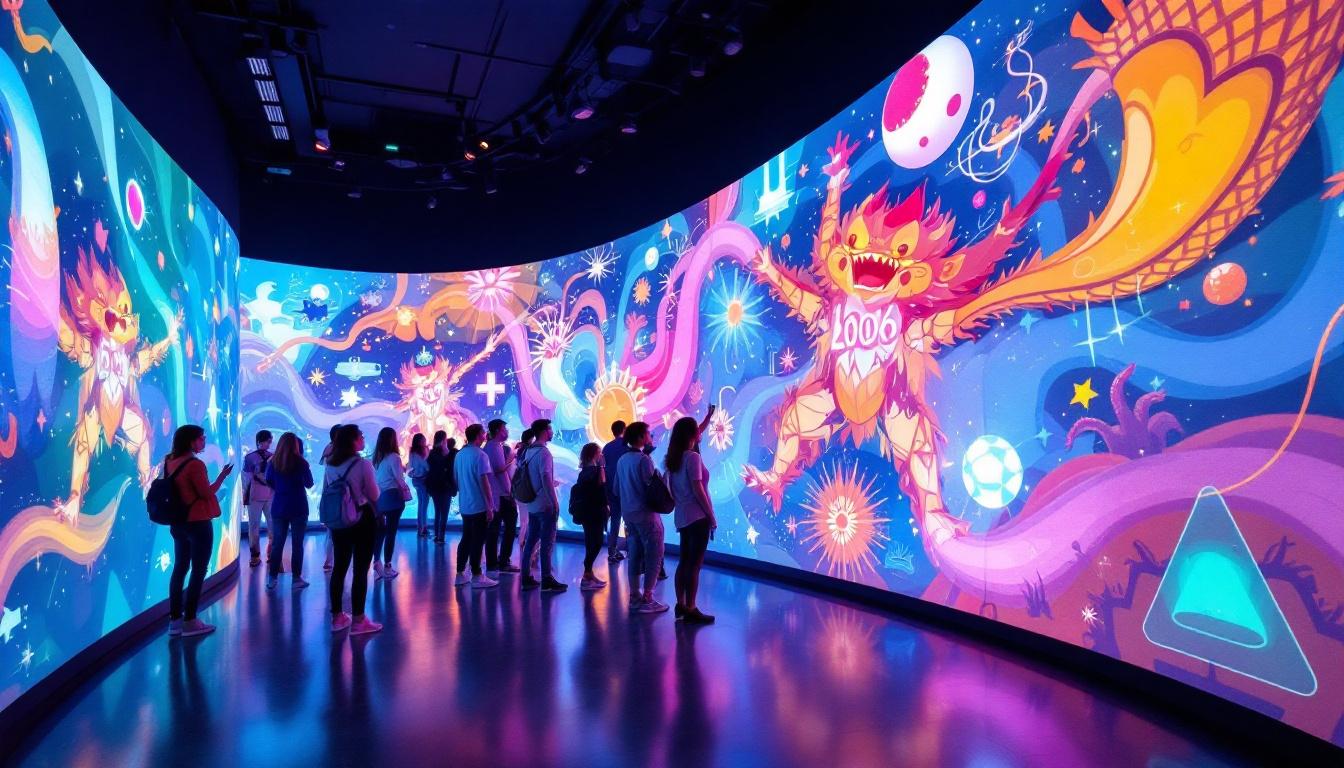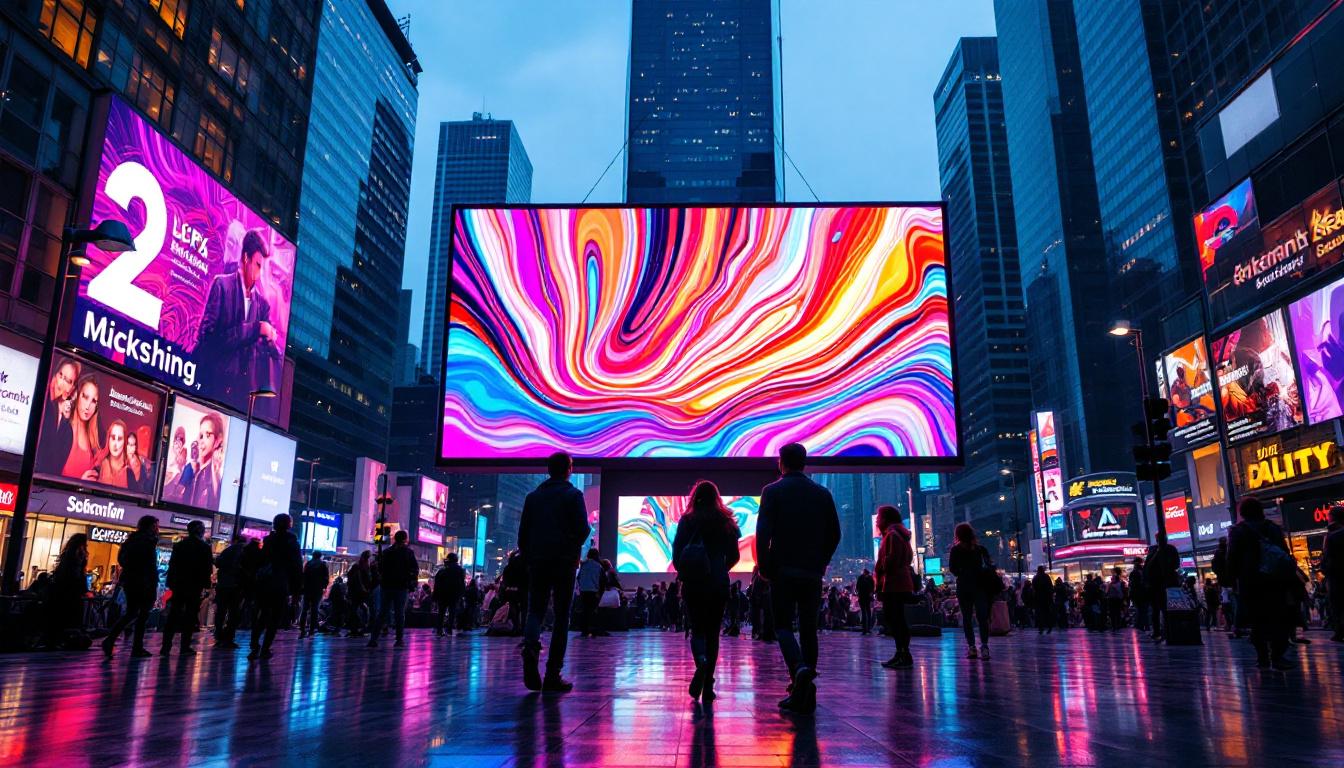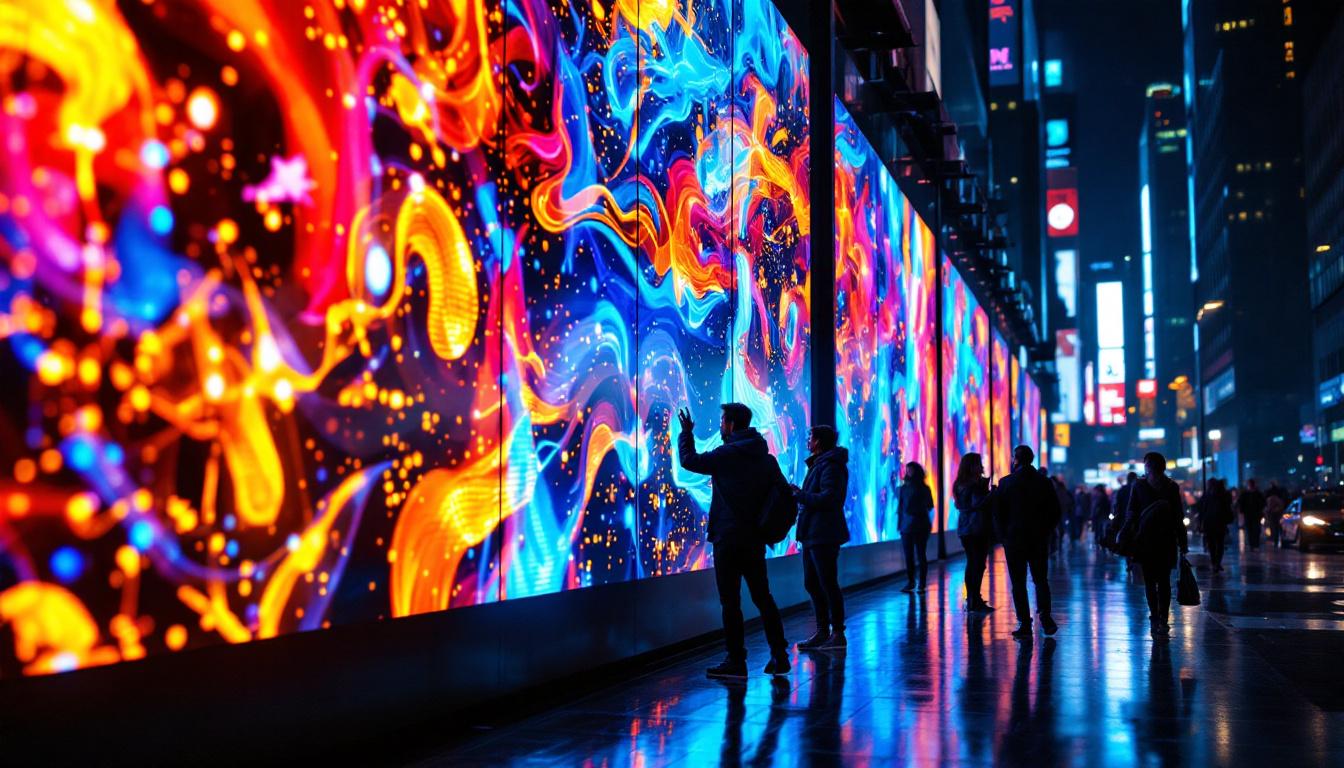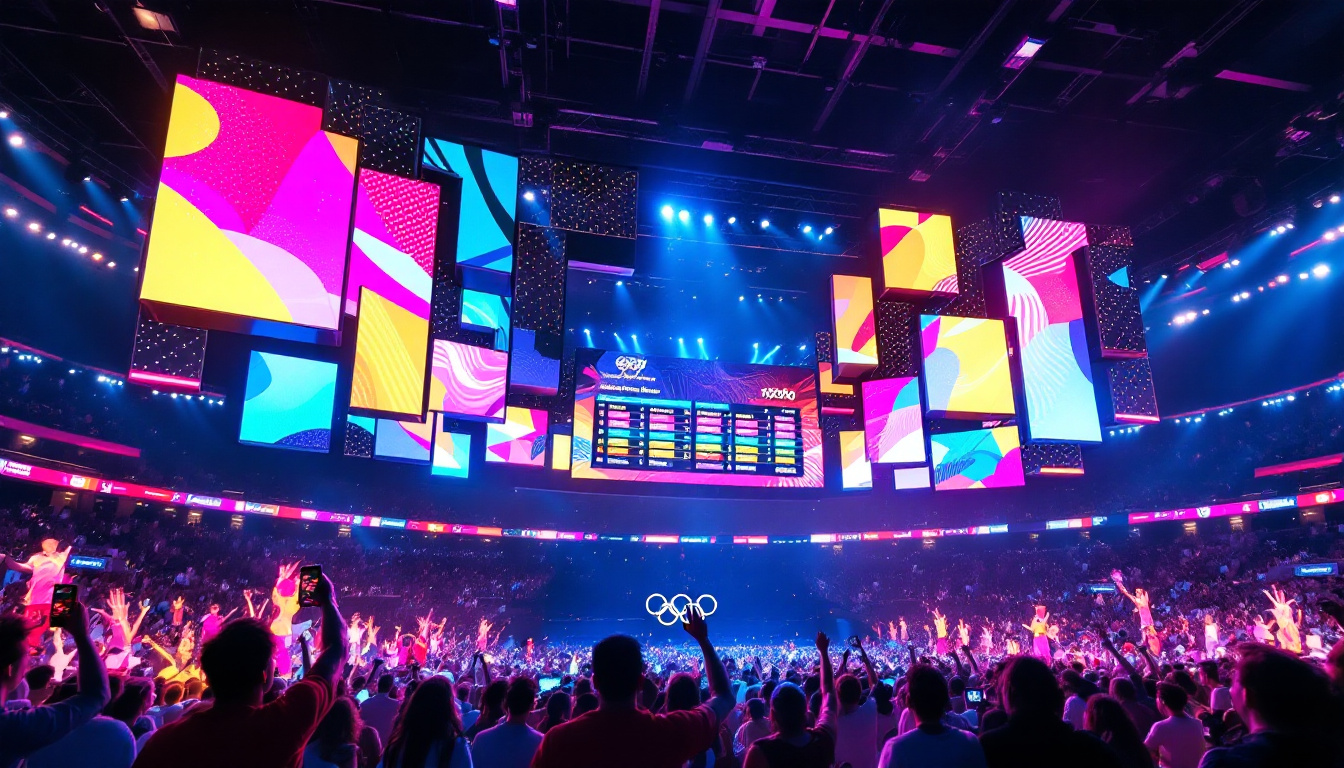
In the rapidly evolving world of interior design, event management, and commercial spaces, temporary indoor walls equipped with LED displays have emerged as a versatile and innovative solution. These dynamic partitions not only redefine spatial boundaries but also offer immersive visual experiences that captivate audiences and enhance functionality. This article delves into the concept of temporary indoor walls with LED displays, exploring their technology, applications, benefits, and considerations for optimal use.
Understanding Temporary Indoor Walls with LED Displays
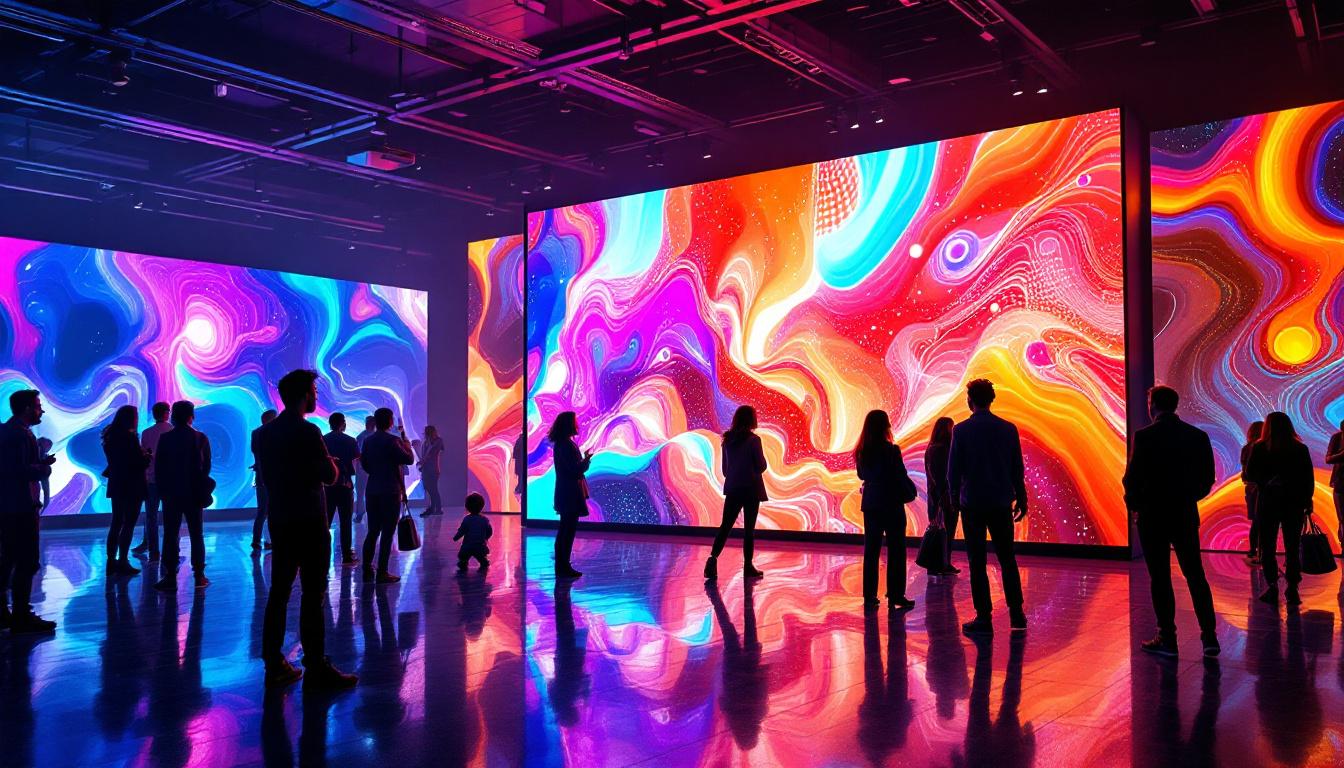
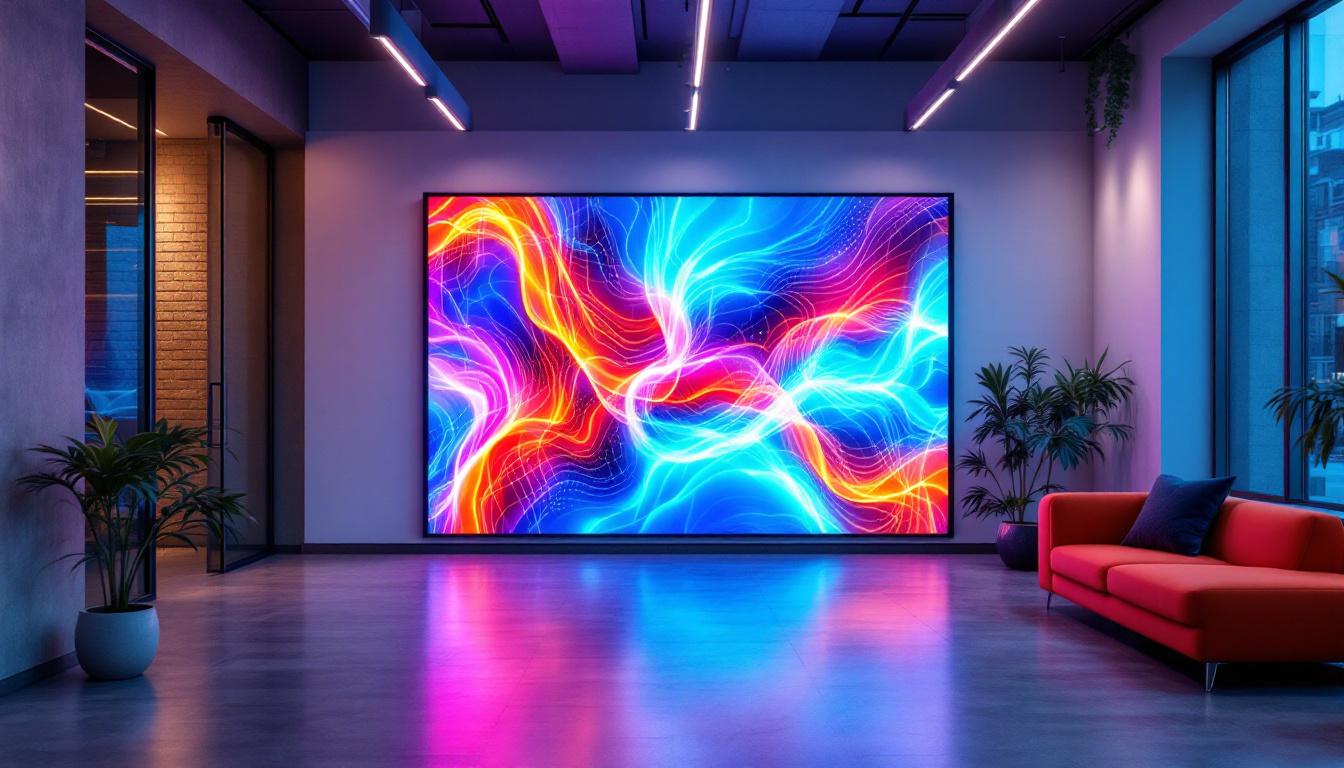
Temporary indoor walls are modular partitions designed for easy installation and removal, allowing flexible space division without permanent construction. When integrated with LED display technology, these walls transform from simple dividers into interactive digital canvases capable of displaying high-resolution content, from static images to dynamic videos. This innovative approach not only enhances the visual appeal of a space but also provides an engaging experience for visitors, making it a popular choice for modern event planning and interior design.
The fusion of temporary walls and LED displays caters to the growing demand for adaptable environments that blend aesthetics with technology. This combination supports a wide range of settings, including exhibitions, corporate events, retail spaces, and even office interiors. For instance, during trade shows, brands can utilize these walls to showcase their latest products or services in a visually striking manner, drawing in potential customers and creating memorable interactions. Additionally, the ability to easily update the displayed content allows businesses to tailor their messaging in real-time, responding to audience interests and trends.
What Are LED Displays?
LED (Light Emitting Diode) displays are screens composed of numerous tiny LEDs that emit light when electrically powered. They are known for their brightness, energy efficiency, and longevity. Unlike traditional LCDs, LED displays offer superior contrast ratios and vibrant colors, making them ideal for environments where visibility and impact are crucial. The technology behind LED displays has evolved significantly, with advancements leading to thinner profiles and improved image quality, which are essential for creating immersive experiences in temporary setups.
Modern LED panels used in temporary walls are typically lightweight and modular, allowing for seamless assembly into various sizes and shapes. This modularity enables customization to fit specific spatial requirements and design preferences. Furthermore, many LED panels come equipped with smart technology, enabling features like remote control, scheduling, and even interactive touch capabilities. This not only enhances user engagement but also allows for a more streamlined setup process, as event organizers can pre-program displays to change content automatically throughout the day.
Types of LED Displays Used in Temporary Walls
Several types of LED displays are commonly integrated into temporary indoor walls:
- Indoor LED Panels: Designed for close viewing distances, these panels feature fine pixel pitches (often below 2.5mm) to deliver crisp images and text. Their high resolution makes them ideal for detailed graphics and presentations, ensuring that every element is sharp and clear, even in crowded environments.
- Flexible LED Screens: These can bend or curve, offering creative freedom in wall design and enabling unique architectural features. Their adaptability allows designers to create eye-catching shapes and configurations that can enhance the overall aesthetic of a space while maximizing the impact of the displayed content.
- Transparent LED Displays: Allowing light to pass through, these displays maintain visibility while projecting digital content, ideal for storefronts or partitions that require some level of transparency. This innovative design not only provides a way to showcase products behind the display but also creates an open and inviting atmosphere, perfect for modern retail environments.
Applications of Temporary LED Walls Indoors
The adaptability of temporary LED walls makes them suitable for diverse indoor applications. Their ability to combine space division with digital content presentation opens new avenues for engagement and functionality.
Event and Exhibition Spaces
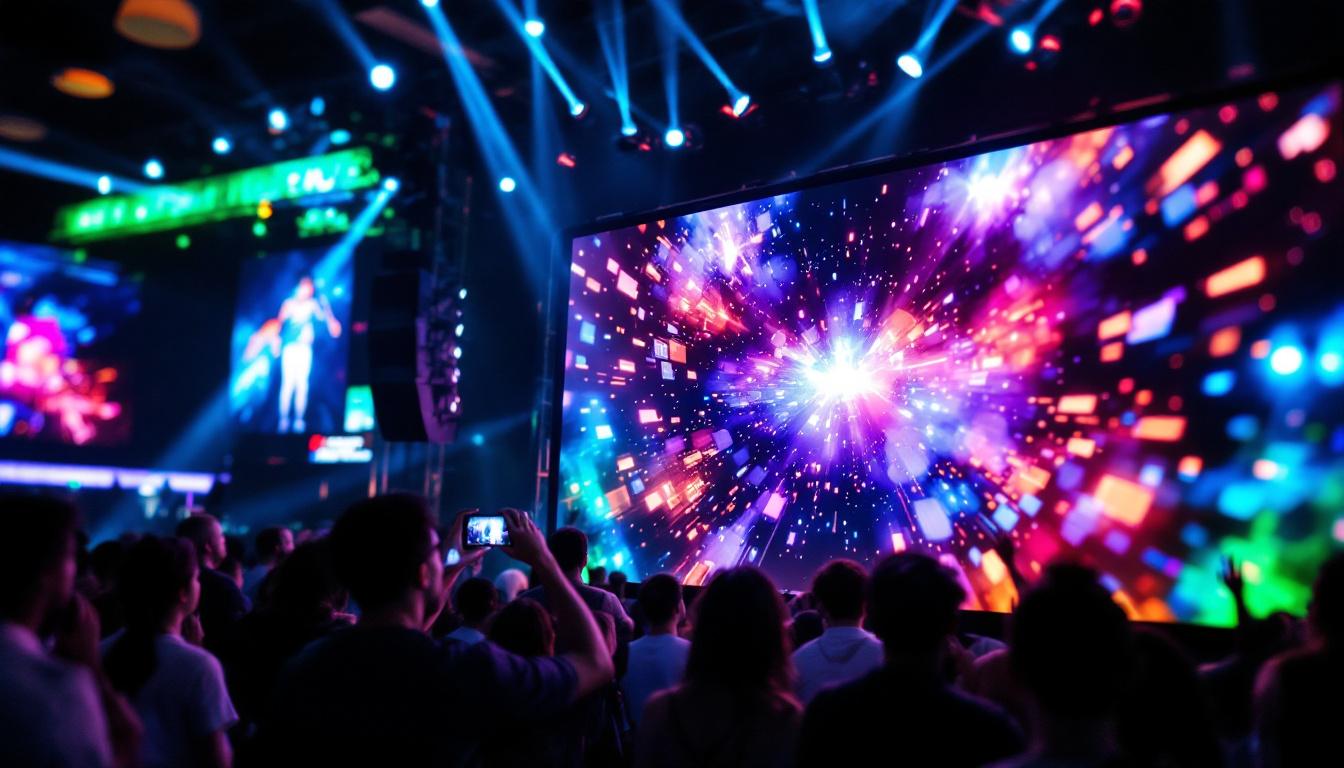
Trade shows, conferences, and exhibitions often require flexible layouts that can be rapidly assembled and dismantled. Temporary LED walls serve as eye-catching backdrops, digital signage, or interactive information hubs. For example, at major tech expos, companies use these walls to showcase product demos, live social media feeds, and immersive brand experiences.
According to a 2023 report by Event Marketer, 68% of event organizers prioritize digital engagement tools to enhance attendee experience, underscoring the growing importance of LED walls in event design.
Moreover, the integration of augmented reality (AR) with temporary LED walls is becoming increasingly popular. This technology allows attendees to interact with digital content in real-time, creating a more memorable experience. For instance, a company might set up an LED wall that not only displays their products but also allows users to visualize them in different settings through AR applications. This innovative approach not only captivates the audience but also encourages deeper engagement with the brand.
Retail Environments
Retailers leverage temporary LED walls to create dynamic store layouts, seasonal displays, or pop-up shops. These walls enable rapid content updates, allowing marketing teams to tailor promotions in real-time based on customer behavior or inventory changes. The high brightness and vivid colors of LED displays ensure visibility even under intense indoor lighting.
Research by Retail Dive indicates that digital signage, including LED displays, can increase customer dwell time by up to 30%, directly impacting sales performance.
Additionally, temporary LED walls can be strategically placed at key locations within a store to guide customers through the shopping experience. For instance, a wall near the entrance can highlight current promotions or new arrivals, while another near the checkout can display upsell opportunities or loyalty program benefits. This targeted approach not only enhances the shopping experience but also drives conversions by keeping customers informed and engaged throughout their visit.
Corporate Offices and Workspaces
In modern offices, temporary LED walls can be used to create meeting pods, collaborative zones, or privacy screens that double as information boards. This flexibility supports agile work environments where space needs frequently change. Additionally, LED walls can display real-time data dashboards, company news, or motivational content, fostering an engaging workplace culture.
Furthermore, the use of temporary LED walls in corporate settings can facilitate hybrid work models by providing a platform for virtual meetings and presentations. With the rise of remote work, companies are increasingly investing in technology that bridges the gap between in-person and virtual interactions. By incorporating LED walls into conference rooms or common areas, organizations can enhance communication and collaboration, ensuring that remote employees feel included and connected to their teams.
Benefits of Using LED Displays in Temporary Indoor Walls
The integration of LED technology into temporary walls offers multiple advantages that traditional partitions cannot match.
Flexibility and Customization
Modular LED panels can be configured to fit virtually any size or shape, allowing designers to tailor walls to specific spatial constraints and aesthetic goals. The ability to quickly change displayed content adds another layer of adaptability, making these walls suitable for varied events or campaigns without physical modifications.
Enhanced Visual Impact
LED displays provide bright, high-resolution visuals that capture attention and convey messages effectively. Their vibrant colors and dynamic content capabilities create immersive environments that engage viewers more deeply than static walls or printed graphics.
Space Optimization
By combining partitioning and digital display functions, temporary LED walls reduce the need for additional signage or media equipment, saving valuable floor space. This dual functionality is particularly beneficial in crowded venues or compact retail areas.
Energy Efficiency and Durability
LED technology consumes less power compared to other display types and boasts a long operational lifespan, reducing maintenance and replacement costs. Furthermore, LED panels designed for temporary use are built to withstand frequent assembly and disassembly, ensuring reliability over multiple deployments.
Key Considerations When Choosing Temporary LED Walls
While the benefits are compelling, selecting the right temporary LED wall solution requires careful evaluation of several factors to ensure optimal performance and return on investment.
Pixel Pitch and Resolution
The pixel pitch, measured in millimeters, indicates the distance between individual LEDs. A smaller pixel pitch means higher resolution and sharper images, which is critical for close viewing distances. For indoor applications, pixel pitches typically range from 1.2mm to 3mm.
Choosing the appropriate pixel pitch depends on the intended viewing distance and content type. For example, detailed text or fine graphics require finer pixel pitches, while larger, bold visuals may be effective with slightly larger pitches.
Brightness and Viewing Angles
Indoor LED displays generally have brightness levels between 800 to 1500 nits, sufficient to overcome ambient lighting without causing glare. Additionally, wide viewing angles ensure that content remains clear and vibrant from various positions within the space.
Installation and Mobility
Temporary walls must be easy to assemble, dismantle, and transport. Look for lightweight panels with robust locking mechanisms and integrated cabling to streamline setup. Some systems offer tool-free installation, which can significantly reduce labor costs and downtime.
Content Management Systems (CMS)
Effective control over displayed content is essential. A user-friendly CMS allows operators to schedule, update, and customize content remotely or on-site. Advanced systems support interactive features, multi-screen synchronization, and integration with external data sources.
Acoustic and Safety Considerations
Since temporary walls may be used in busy environments, consider acoustic properties to minimize noise transmission. Additionally, ensure that the LED panels and supporting structures comply with fire safety regulations and are stable enough to prevent accidents.
Future Trends and Innovations in Temporary LED Walls
As technology advances, the capabilities and applications of temporary LED walls continue to expand, promising even greater versatility and impact.
Integration with Augmented Reality (AR) and Interactive Technologies
Emerging solutions combine LED walls with AR and gesture recognition, enabling interactive experiences where users can manipulate digital content through touchless controls. This trend is particularly popular in retail and event settings, where engagement drives brand loyalty.
Eco-Friendly and Sustainable Designs
Manufacturers are increasingly focusing on environmentally sustainable materials and energy-saving features. Innovations include recyclable panel components, low-power consumption modes, and smart sensors that adjust brightness based on ambient light.
Higher Resolution and Miniaturization
Advances in LED manufacturing are enabling even smaller pixel pitches and thinner panels, allowing for ultra-high-definition displays that blend seamlessly into architectural elements. This miniaturization also facilitates more creative and flexible wall designs.
Conclusion
Temporary indoor walls equipped with LED displays represent a powerful convergence of spatial flexibility and digital communication. Their ability to transform environments quickly and effectively makes them indispensable in modern event production, retail innovation, and workplace design. By understanding the technology, applications, and key considerations outlined above, businesses and designers can harness the full potential of LED walls to create engaging, adaptable, and visually stunning indoor spaces.
Discover the Future of Visual Engagement with LumenMatrix
Ready to elevate your space with the latest in LED display technology? LumenMatrix is at the forefront of creating immersive environments that captivate and engage. From versatile Indoor LED Wall Displays to innovative Transparent LED solutions, our products are designed to transform any venue into a dynamic visual experience. Embrace the future of digital communication and make your brand stand out. Check out LumenMatrix LED Display Solutions today and see how we can help you share your message with the world.