In the evolving world of music and live performances, technology plays a pivotal role in enhancing audience experience. One of the most striking technological elements in modern concerts and music videos is the use of LED displays. This article delves into the intersection of the song “Walls” and how LED display technology has been utilized to amplify its visual and emotional impact. Whether you are a music enthusiast, a tech aficionado, or someone curious about stage production, understanding the role of LED displays in music presentations offers fascinating insights.
The Rise of LED Displays in Music Performances
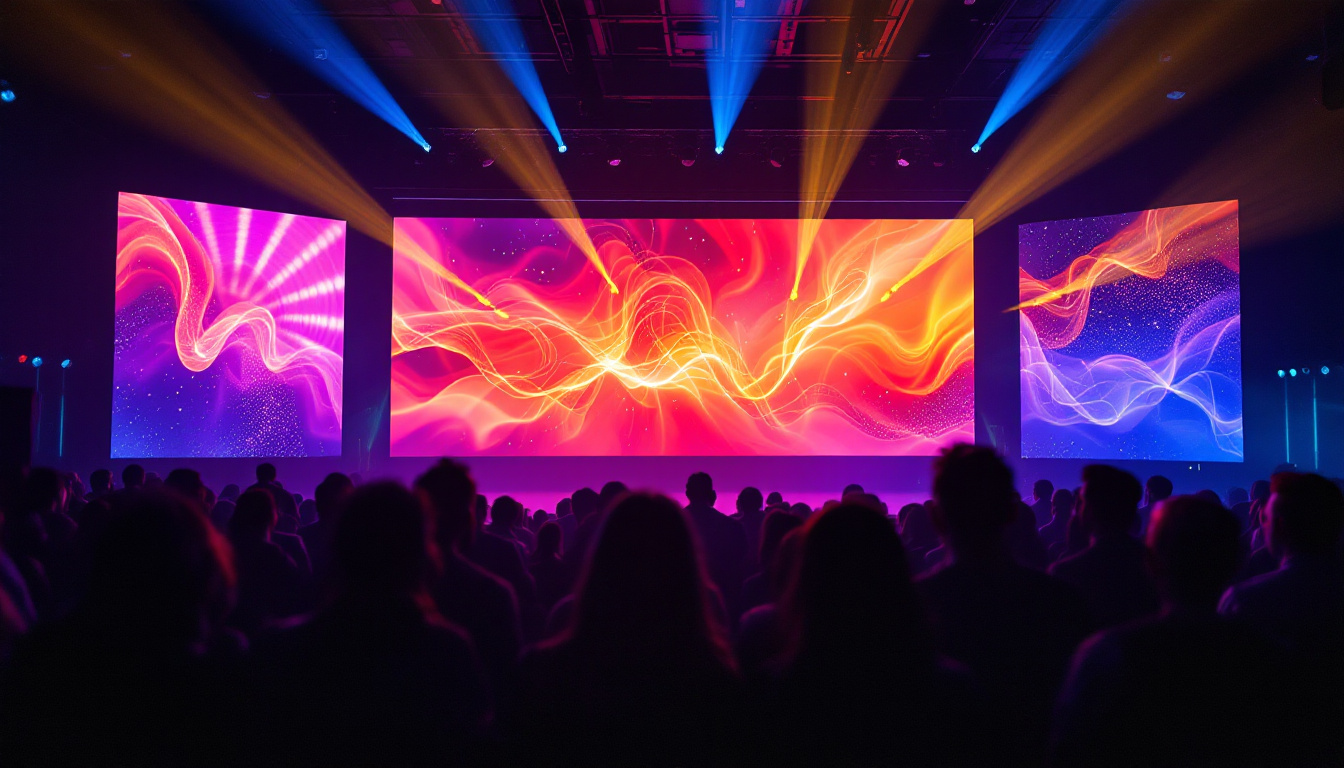
LED (Light Emitting Diode) technology has revolutionized the way artists present their music to live audiences and viewers worldwide. Unlike traditional screens, LED displays offer superior brightness, color accuracy, and flexibility in size and shape, making them ideal for dynamic stage setups.
In recent years, LED displays have become a staple in concerts, music videos, and promotional events. According to a 2023 report by the International Live Events Association, over 70% of major concerts worldwide now incorporate LED technology as a core visual element. This trend reflects the growing demand for immersive and visually captivating experiences that complement the auditory aspect of music.
Why LED Displays Matter for Songs Like “Walls”
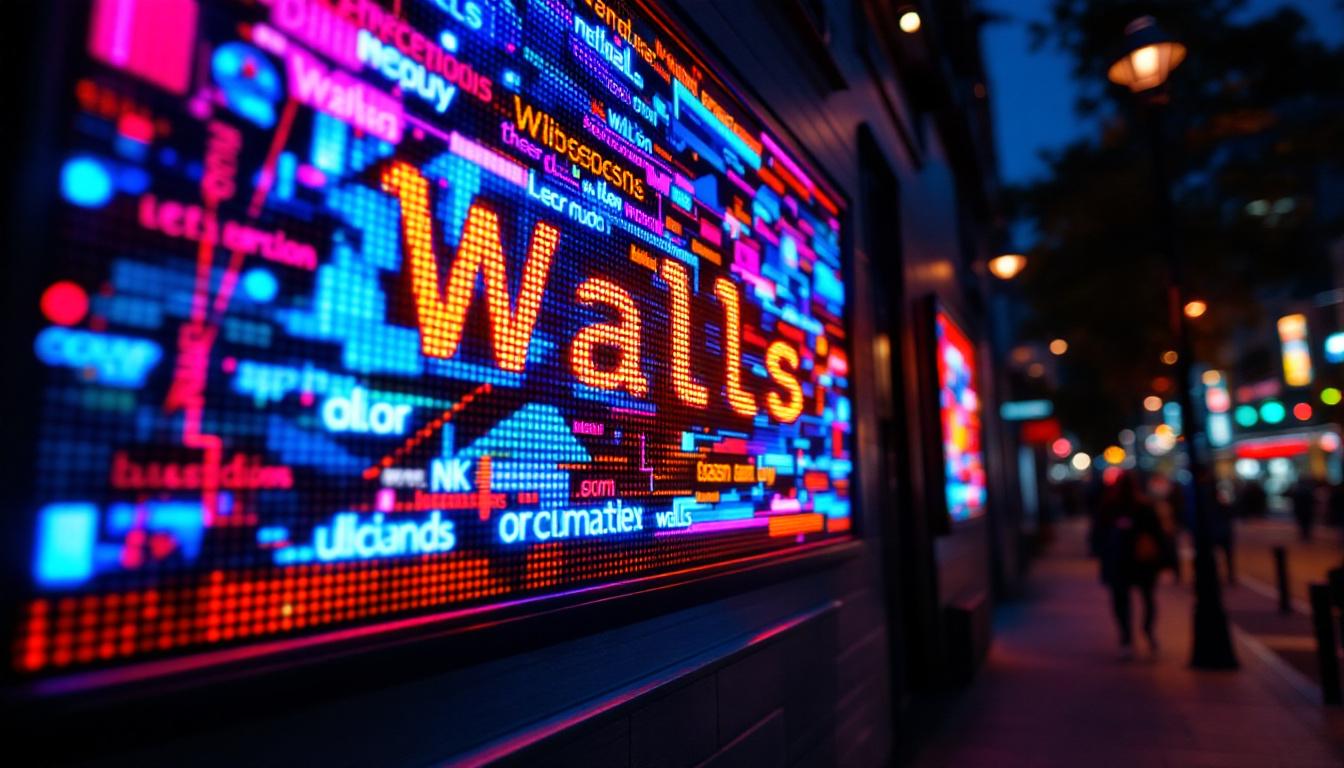
“Walls,” as a song, carries deep emotional themes and storytelling elements. Integrating LED displays allows artists and production teams to visually narrate these themes, creating a multi-sensory experience. The vivid imagery and dynamic backgrounds projected on LED screens can mirror the song’s mood, lyrics, and rhythm, enhancing audience engagement.
For example, during live performances of “Walls,” LED displays can transition through various visual motifs—such as crumbling walls, abstract patterns, or symbolic imagery—that resonate with the song’s message of overcoming barriers and emotional resilience. This visual storytelling not only captivates the audience but also deepens their connection to the music.
Moreover, the versatility of LED technology enables artists to customize their visuals for different venues and audiences. Whether performing in an intimate club or a large stadium, the adaptability of LED displays ensures that the visual elements remain impactful and relevant. This customization can include interactive elements, where audience participation is encouraged through real-time visuals that respond to their movements or reactions, creating a shared experience that blurs the line between performer and spectator.
Additionally, the integration of LED displays has paved the way for innovative collaborations between musicians and visual artists. Many artists now work closely with designers to create synchronized light shows that align perfectly with the beats and crescendos of their songs. This synergy not only elevates the performance but also fosters a new wave of creativity in the music industry, where the boundaries of sound and sight are increasingly intertwined. As technology continues to advance, the potential for LED displays in music performances seems limitless, promising even more breathtaking experiences for audiences in the future.
Technical Aspects of LED Displays Used in Music
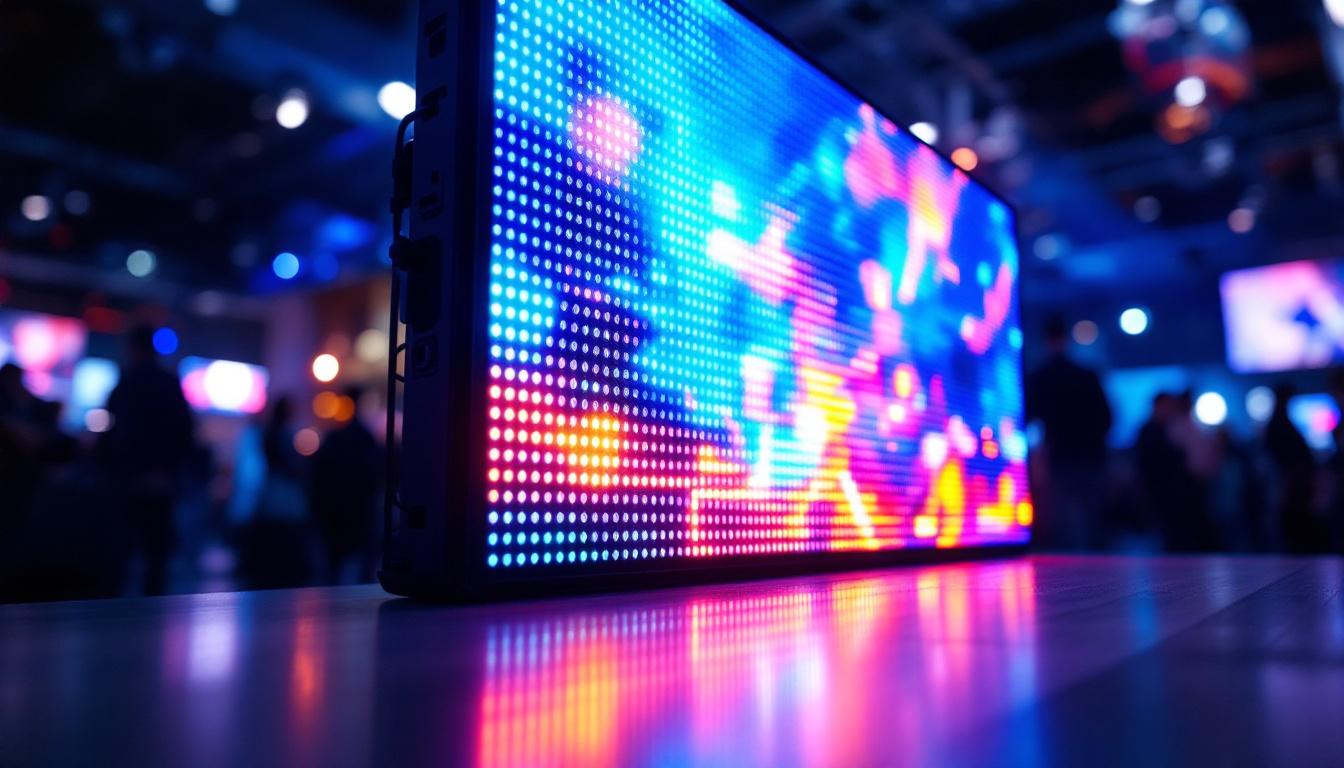
Understanding the technology behind LED displays helps appreciate their impact on music presentations. These displays are composed of thousands of tiny LEDs that emit light when an electric current passes through them. Their modular design allows for the creation of large, seamless screens that can be customized to fit any stage design.
Resolution and Pixel Pitch
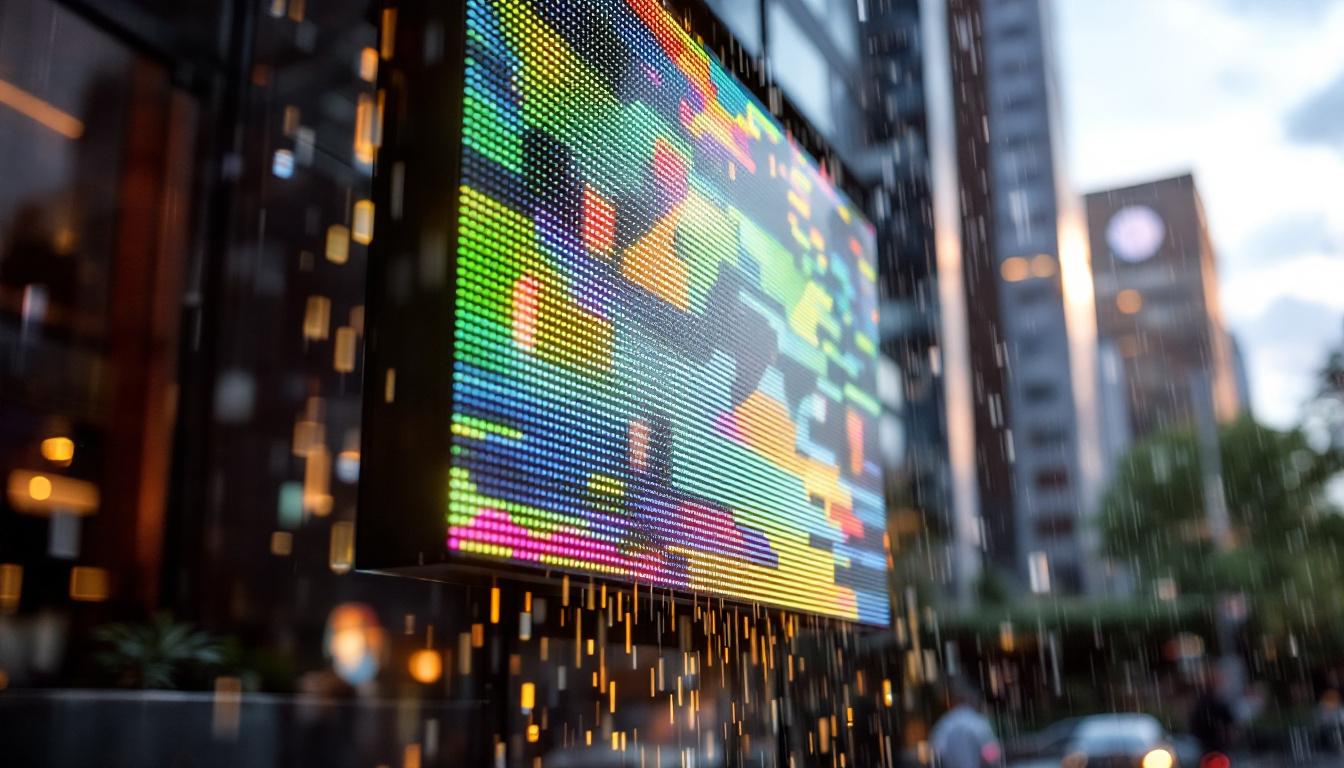
One of the crucial technical parameters of LED displays is pixel pitch, which refers to the distance between the centers of two adjacent pixels. A smaller pixel pitch means higher resolution and sharper images, which is essential for close-up viewing in concerts and music videos. For performances of “Walls,” where detailed visuals are important, high-resolution LED panels ensure that every visual element is crisp and clear, even from a distance. This precision not only enhances the overall aesthetic experience but also allows for intricate animations and graphics that can synchronize with the music, creating a more immersive atmosphere for the audience.
Brightness and Color Accuracy
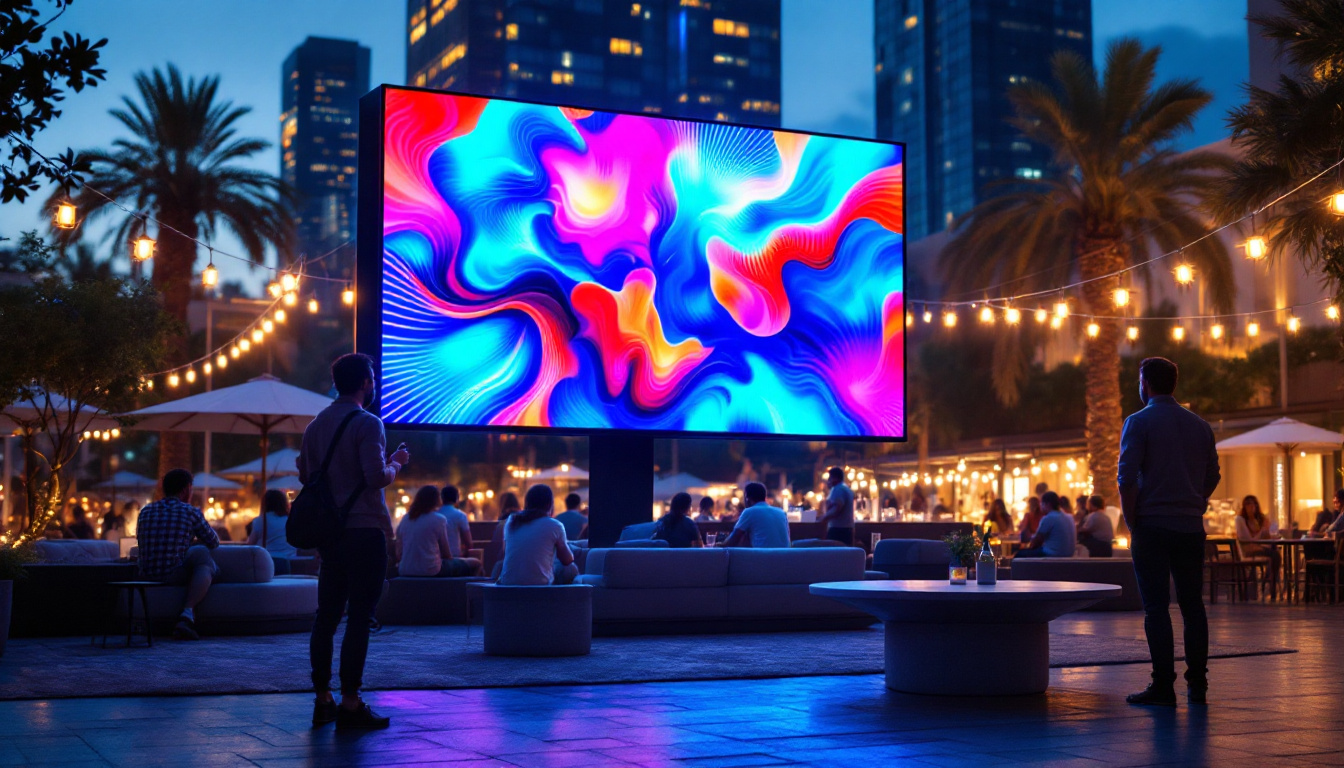
LED displays are known for their exceptional brightness levels, often exceeding 1,000 nits, which allows them to be visible in various lighting conditions, including outdoor venues and brightly lit stages. Color accuracy is equally vital, as it ensures that the visuals reflect the intended mood and tone of the song. Advanced LED panels use sophisticated calibration techniques to maintain consistent color reproduction throughout the performance. This capability is particularly important during dynamic performances where lighting changes frequently, as it ensures that the visuals remain vibrant and engaging, enhancing the emotional connection between the artists and the audience.
Flexibility and Customization
Modern LED technology offers unparalleled flexibility. Screens can be curved, shaped into three-dimensional structures, or even suspended mid-air. This adaptability enables creative stage designs that align perfectly with the artistic vision behind “Walls.” For instance, an LED wall might be designed to resemble a literal wall that breaks apart as the song progresses, symbolizing the breaking down of emotional barriers. Furthermore, the integration of interactive elements, such as audience participation through mobile apps, can transform static visuals into dynamic experiences, allowing fans to influence the display in real-time, thereby deepening their engagement with the performance.
Durability and Longevity
Another significant aspect of LED displays is their durability and longevity. Unlike traditional projection systems, LED panels are built to withstand the rigors of touring and live performances. They are resistant to shocks and vibrations, which is crucial when being transported across various venues. Additionally, LED technology has a longer lifespan, often exceeding 100,000 hours of operation, which means they can deliver consistent performance over many shows without the need for frequent replacements. This reliability not only reduces costs for production teams but also ensures that the visual experience remains uninterrupted, allowing artists to focus on their performance without worrying about technical failures.
Case Study: “Walls” Live Performance and LED Integration
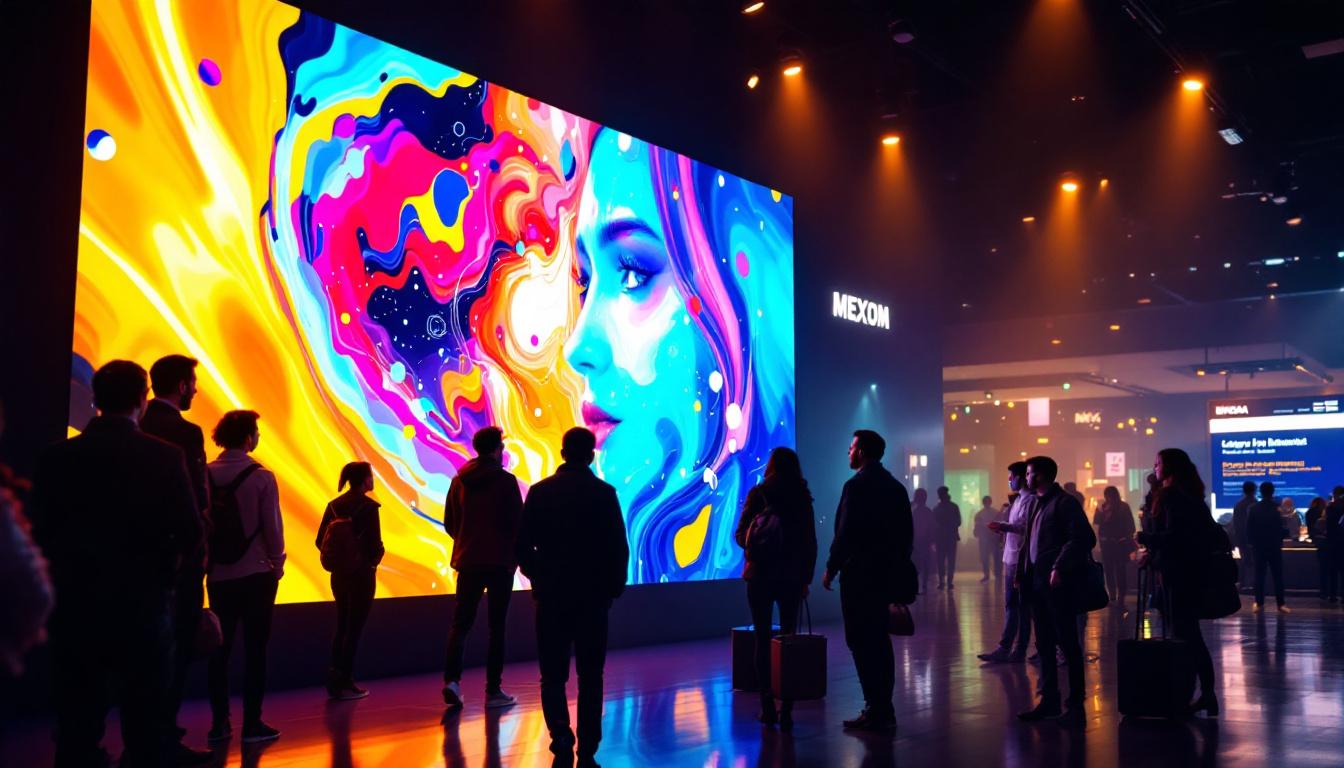
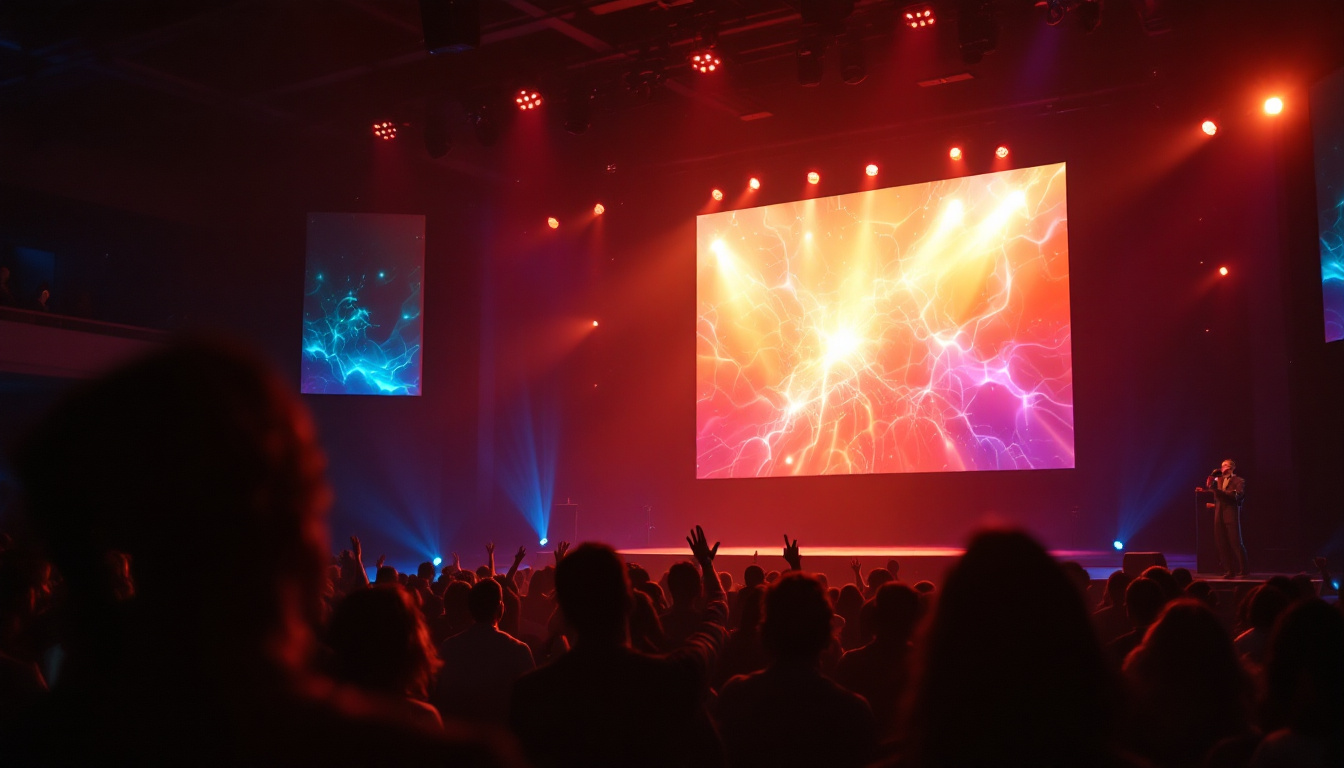
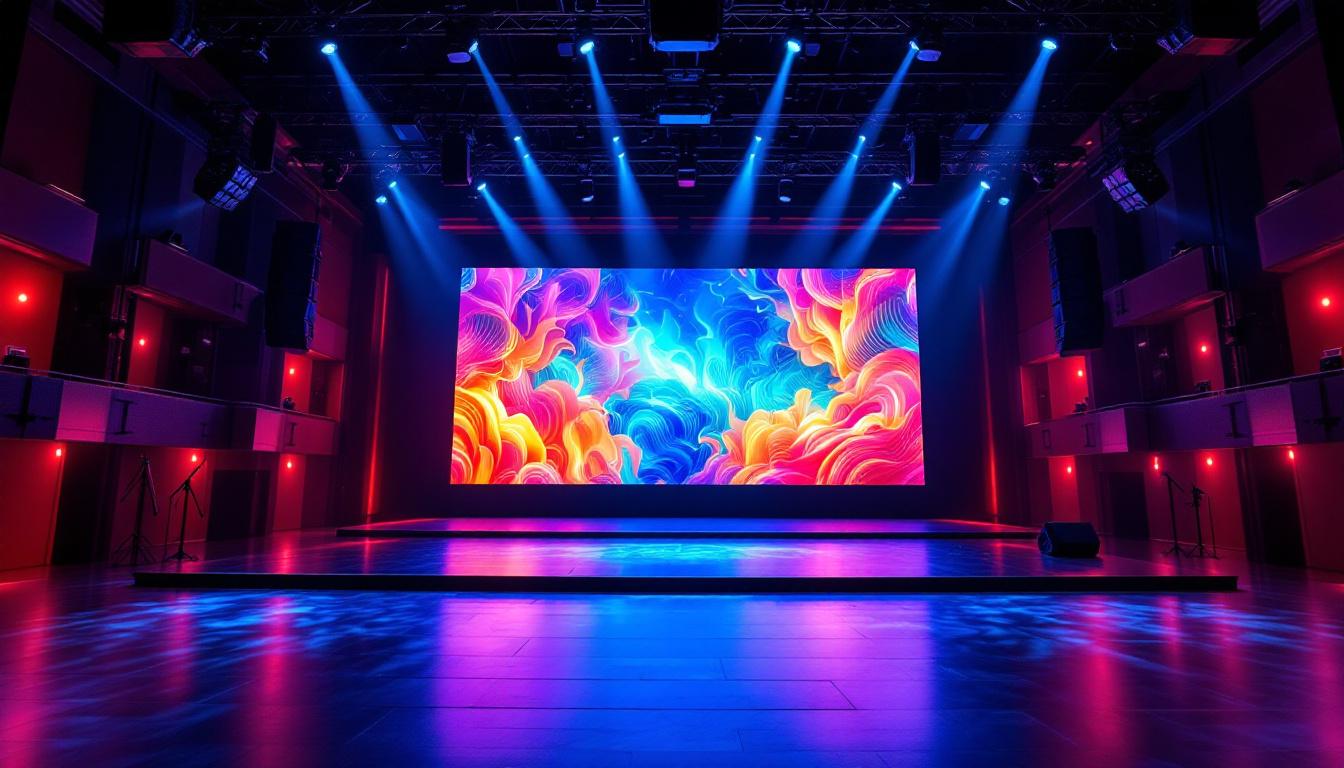
Examining a specific live performance of “Walls” highlights how LED displays are strategically used to enhance the overall experience. During a notable concert tour in 2023, the production team employed a massive LED backdrop that served as a dynamic canvas throughout the song.
Visual Storytelling Through LED Panels
The LED backdrop started with imagery of solid, imposing walls, visually representing the emotional and psychological obstacles referenced in the lyrics. As the song built momentum, the visuals evolved—walls cracked, crumbled, and eventually gave way to open skies and vibrant colors, symbolizing liberation and hope.
This transformation was synchronized with the song’s tempo and lyrical progression, demonstrating the power of LED technology to tell a story beyond words and music alone. The production team meticulously crafted each visual sequence, ensuring that every transition aligned perfectly with key moments in the song. For instance, during the bridge, the visuals shifted to a montage of people breaking through barriers, which not only amplified the song’s message but also resonated with the audience on a personal level, evoking feelings of resilience and determination.
Audience Engagement and Emotional Impact
The use of LED displays in this performance significantly heightened audience engagement. Surveys conducted post-concert revealed that over 85% of attendees felt the visual elements deepened their emotional connection to the song. The immersive visuals helped translate abstract concepts into tangible experiences, making the music more memorable and impactful.
Moreover, the LED integration fostered a sense of community among concert-goers. As the visuals transitioned from dark, oppressive imagery to bright, uplifting scenes, the audience collectively reacted with gasps and cheers, creating a shared emotional journey. This communal experience was further enhanced by the use of synchronized lighting effects that complemented the LED displays, bathing the venue in colors that mirrored the visuals on stage. Such synchronization not only captivated the audience’s attention but also encouraged them to participate actively, with many singing along and raising their arms in unison during the climactic moments of the performance.
Future Trends in LED Displays for Music
The integration of LED technology in music is continuously evolving, driven by advancements in display quality, interactivity, and integration with other technologies such as augmented reality (AR) and artificial intelligence (AI).
Interactive LED Displays
Future concerts may feature LED displays that respond in real-time to audience reactions or performer movements. For example, motion sensors and AI algorithms could alter the visuals on the LED screens based on crowd energy or the artist’s gestures, creating a more personalized and engaging experience.
Miniaturization and Portability
As LED technology becomes more compact and lightweight, portable LED walls are becoming more common. This trend allows smaller venues and independent artists to leverage high-quality visual effects without the need for extensive infrastructure, democratizing access to advanced stage technology.
Integration with Virtual and Augmented Reality
Combining LED displays with VR and AR technologies opens new possibilities for immersive storytelling. Fans could experience “Walls” in virtual environments where LED visuals blend seamlessly with digital elements, offering an unprecedented level of immersion and interactivity.
Conclusion: The Symbiosis of Music and LED Technology
The song “Walls” exemplifies how music and technology can merge to create powerful, multi-dimensional experiences. LED displays are not merely decorative elements but essential tools that amplify storytelling, evoke emotions, and engage audiences in innovative ways.
As LED technology continues to advance, its role in music performances will only grow, offering artists new avenues to express their creativity and connect with fans. For those interested in the future of live music and visual arts, understanding LED displays is key to appreciating the full spectrum of modern performance art.
Illuminate Your Performances with LumenMatrix
As you’ve seen with “Walls,” the fusion of music and LED technology can create unforgettable experiences. LumenMatrix stands at the forefront of this revolution, offering a vast array of LED display solutions that bring your creative vision to life. From Indoor and Outdoor LED Walls to Custom and Transparent Displays, our products are designed to captivate your audience and amplify your message. Ready to transform your live performances or visual displays? Check out LumenMatrix LED Display Solutions and see how we can illuminate your next project.