Projectors have long been a popular choice for delivering large, immersive images in settings ranging from home theaters to corporate boardrooms. However, as display technology advances, many are asking whether traditional projector screens are still necessary or if LED displays offer a better alternative. This article explores the role of screens in projector setups, compares them with LED display technology, and helps you decide which solution best fits your needs.
Understanding Projector Screens: Why They Matter
When using a projector, the image is cast onto a surface that reflects light back to the viewer. The quality of this surface significantly impacts the clarity, brightness, and color accuracy of the projected image. This is where projector screens come into play.
The Purpose of a Projector Screen
A projector screen is designed to optimize the light reflection and diffusion characteristics to produce a bright, clear image. Unlike ordinary walls, which may have uneven textures, inconsistent colors, or glossy finishes, projector screens provide a uniform surface that enhances image quality.
For example, screens often have a gain factor—a measure of reflectivity—that can amplify the brightness of the projected image. A gain of 1.0 means the screen reflects light evenly, while higher gains can increase brightness but may reduce viewing angles. This balance is crucial in environments where ambient light cannot be fully controlled. Moreover, the choice of screen material can also affect the overall viewing experience; materials like matte white or high-contrast gray can enhance color saturation and contrast, making them ideal for different types of content, from movies to presentations.
Types of Projector Screens
Projector screens come in various forms, including fixed frame, pull-down, motorized, and portable options. Each type caters to different installation needs and budgets. Fixed frame screens offer a taut, flat surface ideal for dedicated home theaters, while portable screens provide flexibility for presentations on the go.
Additionally, screens can be made from materials optimized for different projector types, such as front projection or rear projection. Specialized screens with ambient light rejection (ALR) technology are designed to maintain image quality even in brightly lit rooms. This technology is particularly beneficial in multi-purpose spaces where controlling light is a challenge, allowing users to enjoy vibrant images without the need for complete darkness. Furthermore, some screens are designed with specific aspect ratios in mind, accommodating everything from standard 16:9 formats for movies to 2.35:1 for cinematic experiences, ensuring that viewers get the most immersive experience possible regardless of the content being displayed.
LED Displays: A Modern Alternative to Projectors
LED (Light Emitting Diode) displays have gained significant traction in recent years as a direct-view display technology. Unlike projectors, which cast images onto a separate surface, LED displays consist of millions of tiny LEDs that emit light directly to form an image.
How LED Displays Work
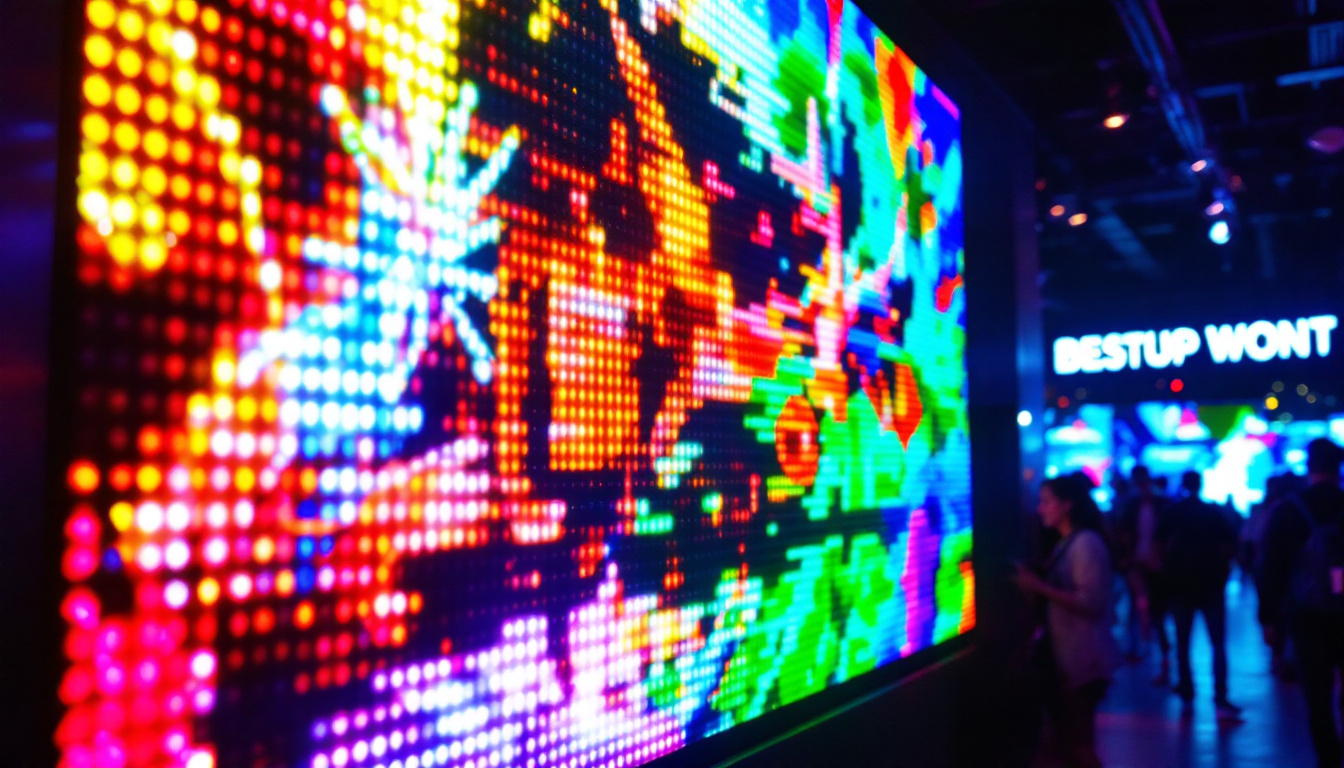
LED displays are composed of a grid of pixels, each containing red, green, and blue LEDs. By varying the intensity of these LEDs, the display produces vibrant, high-contrast images with excellent color accuracy. Because the light source is built into the display itself, LED screens do not require external projection surfaces.
This direct emission of light allows LED displays to achieve higher brightness levels than projectors, often exceeding 1,000 nits, making them suitable for environments with significant ambient light. They also offer wider viewing angles and eliminate issues such as shadows or image distortion caused by uneven projection surfaces.
Furthermore, LED technology has evolved to include features such as HDR (High Dynamic Range), which enhances the contrast and color range of images displayed. This means that viewers can enjoy deeper blacks and brighter whites, resulting in a more immersive viewing experience. Additionally, the longevity of LED displays is noteworthy, with many models boasting lifespans of over 100,000 hours, significantly reducing maintenance and replacement costs over time.
Applications of LED Displays
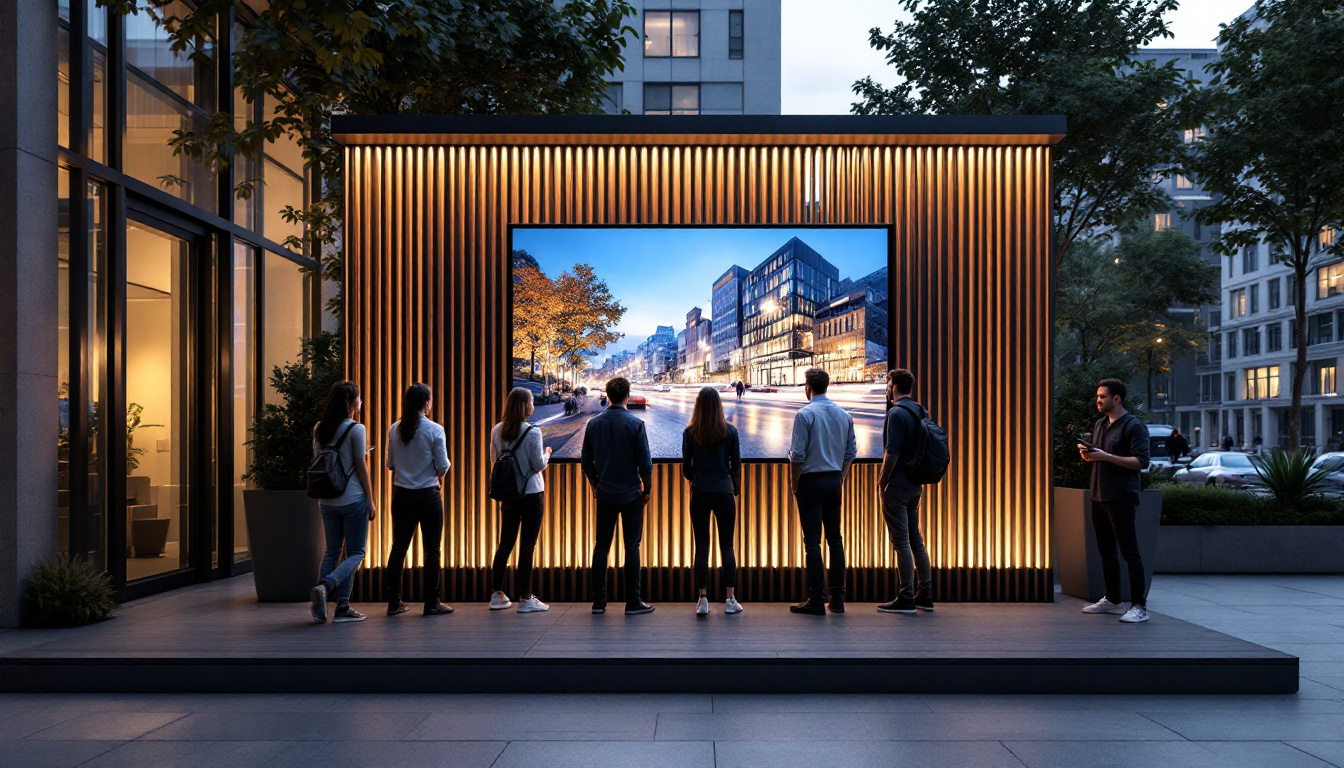
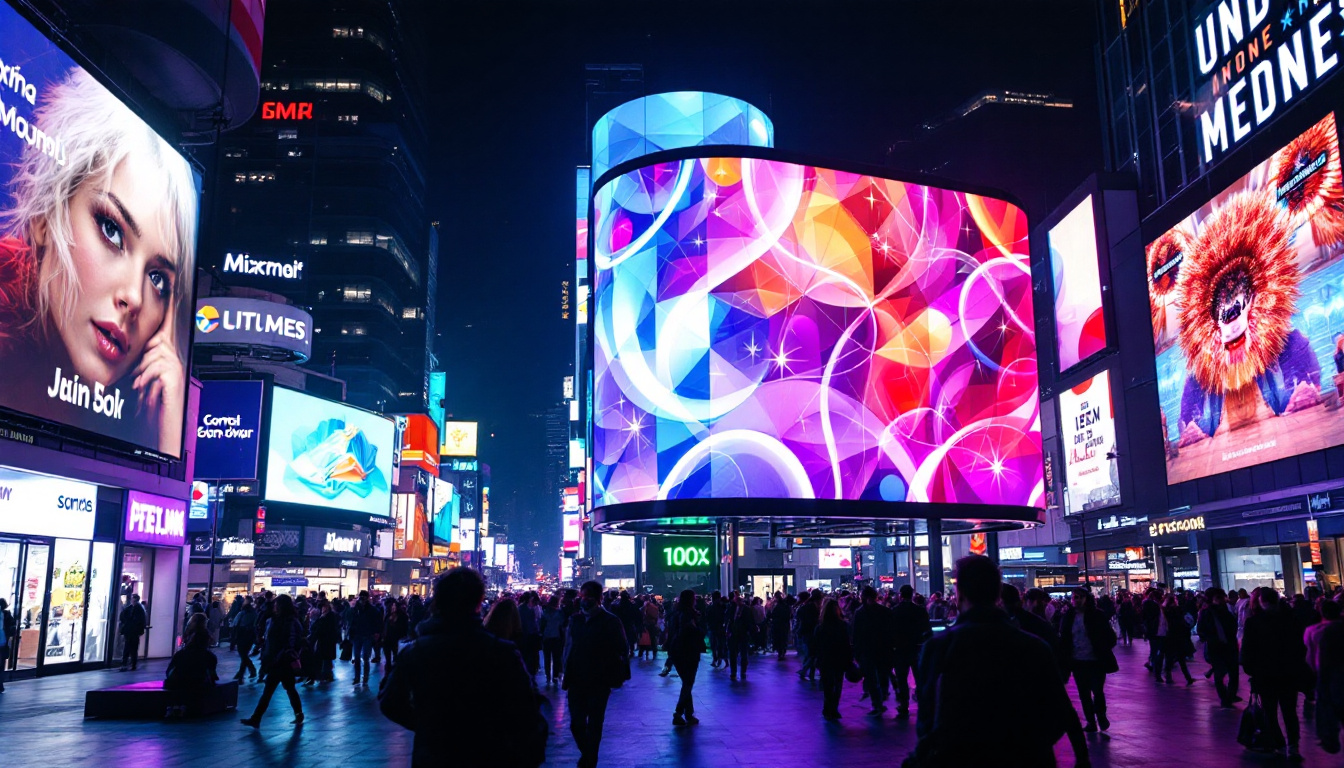
LED displays are widely used in outdoor advertising, stadium screens, control rooms, and increasingly in corporate and residential settings. Their modular design allows for custom sizes and shapes, making them highly versatile. For example, ultra-fine pitch LED displays with pixel pitches below 1mm are now available for close viewing distances, rivaling traditional LCD and OLED panels in image quality.
In the realm of entertainment, LED displays have transformed live performances and events. Concerts and festivals now utilize large-scale LED screens to engage audiences with dynamic visuals and real-time content. Additionally, in the corporate world, LED displays serve as powerful tools for presentations and digital signage, enabling businesses to convey information effectively and attractively. The ability to easily update content remotely makes them an efficient choice for advertising and information dissemination, allowing for timely changes that can be implemented in seconds.
Comparing Projector Screens and LED Displays
Choosing between a projector with a screen and an LED display depends on several factors, including budget, installation environment, image quality requirements, and use case.
Image Quality and Brightness
LED displays generally outperform projectors in brightness and contrast. Projectors can struggle in well-lit rooms, even with high-gain screens or ALR technology, whereas LED displays maintain vivid images regardless of ambient light. Additionally, LED displays offer superior color accuracy and uniformity without the need for calibration or adjustment.
Installation and Space Considerations
Projector setups require space between the projector and the screen for image projection, which can be a limiting factor in smaller rooms. Screens also need to be mounted or installed on walls, sometimes requiring structural support. LED displays, on the other hand, are self-contained units that can be wall-mounted or integrated into custom installations, often saving space and simplifying setup.
Cost and Maintenance
Projectors and screens typically have a lower initial cost compared to large LED displays. However, projectors require periodic lamp replacements (unless using laser projectors) and screen maintenance to prevent damage or discoloration. LED displays have higher upfront costs but lower maintenance due to their solid-state nature and longer lifespan, often exceeding 100,000 hours.
Flexibility and Scalability
Projectors offer flexibility in screen size by adjusting throw distance and lens options, allowing for variable image sizes on different screens. LED displays can be scaled modularly but are fixed in resolution based on pixel pitch and module size. For very large or uniquely shaped displays, LED technology provides unparalleled customization.
Do You Need a Screen for Your Projector?
The answer depends largely on your specific environment and usage.
When a Screen is Essential
If you are using a projector in a controlled lighting environment such as a dedicated home theater or a conference room with dimmable lights, a high-quality projector screen is crucial. It ensures optimal image brightness, color fidelity, and sharpness. Without a proper screen, projecting onto walls or other surfaces can result in washed-out, blurry, or uneven images.
When You Might Skip the Screen
In some casual settings or temporary setups, projecting onto a smooth, white wall may suffice, especially if image quality is not the top priority. However, this is generally not recommended for professional presentations or cinematic experiences.
Alternatives to Traditional Screens
Innovations such as ALR screens and ultra-short throw projectors reduce the need for large, dedicated screens by minimizing ambient light interference and reducing shadows. These solutions can be ideal for multi-purpose rooms or spaces where permanent screen installation is impractical.
Is an LED Display a Better Choice Than a Projector?
LED displays offer many advantages but are not universally superior to projectors. Understanding their strengths and limitations helps determine the best fit.
Advantages of LED Displays
- Brightness and Visibility: Perform well in bright environments without needing darkening.
- Durability: Resistant to damage from dust and physical impact.
- Maintenance: Lower ongoing costs due to long lifespan and no bulbs.
- Design Flexibility: Custom sizes and shapes for unique installations.
Limitations of LED Displays
- Cost: High initial investment, especially for large, high-resolution panels.
- Pixel Pitch Constraints: For very close viewing, ultra-fine pitch LEDs are expensive.
- Power Consumption: Generally higher than projectors, impacting operational costs.
Use Cases Favoring LED Displays
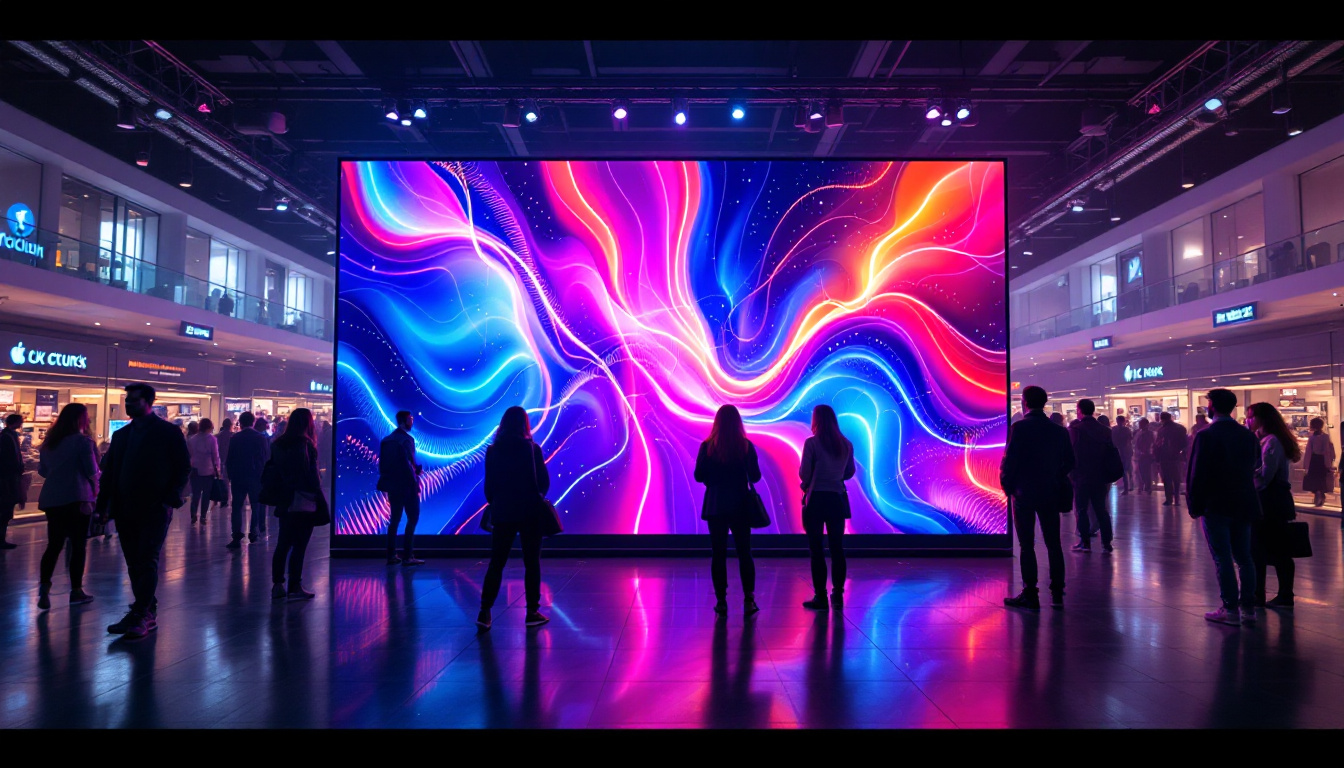
LED displays excel in commercial environments such as retail stores, airports, and sports arenas where ambient light is uncontrollable and large, bright visuals are necessary. They are also increasingly popular in corporate lobbies and modern home theaters that prioritize image quality and design aesthetics.
Making the Right Choice: Projector with Screen or LED Display?
To decide between a projector setup and an LED display, consider the following factors:
1. Environment and Lighting
If the viewing area can be darkened effectively, a projector with a quality screen will deliver excellent image quality at a lower cost. For bright or outdoor environments, LED displays are more reliable.
2. Budget Constraints
Projectors and screens generally require less upfront capital, making them attractive for home theaters or small businesses. LED displays demand a larger initial investment but may offer better long-term value through reduced maintenance.
3. Image Size and Resolution Requirements
For extremely large images or custom shapes, LED displays provide unmatched scalability. Projectors can offer large images but may sacrifice resolution or brightness at extreme sizes.
4. Installation and Space
Consider room size and layout. Projectors need throw distance and a suitable surface, while LED displays require wall space and structural support but no projection distance.
5. Usage Frequency and Purpose
For frequent, professional use where image quality is paramount, LED displays may be preferable. For occasional movie nights or presentations, projectors with screens remain a practical choice.
Conclusion
Whether you need a screen for your projector depends on your expectations for image quality, the environment, and your budget. Projector screens remain essential for achieving the best possible image from a projector, especially in controlled lighting conditions. Meanwhile, LED displays provide a compelling alternative for those seeking high brightness, durability, and design flexibility without the need for a projection surface.
Ultimately, both technologies have their place in modern visual display solutions. Understanding their differences and aligning them with your specific needs will ensure you make an informed decision that delivers the best viewing experience.
Discover the Future of Visual Display with LumenMatrix
Ready to elevate your visual experience with the latest in LED technology? LumenMatrix offers a wide array of innovative LED display solutions tailored to meet your unique needs. From captivating Indoor LED Walls to dynamic Outdoor LED Displays, and from versatile Vehicle LED Displays to sleek LED Posters, our products are designed to revolutionize visual communication. Whether you’re looking to engage audiences in sports arenas with our LED Sports Displays or create immersive environments with Custom LED Displays, LumenMatrix has the solution for you. Experience the difference in brand visibility and audience captivation with our All-in-One and Transparent LED Displays. Check out LumenMatrix LED Display Solutions today and transform your space into a visual masterpiece.