In the rapidly evolving world of audio-visual technology, linkable speakers combined with LED displays are transforming how events, presentations, and public gatherings engage audiences. These integrated systems offer remarkable flexibility, scalability, and visual appeal, making them indispensable tools for professionals in entertainment, corporate events, education, and public safety sectors.
This article explores the concept of linkable speakers paired with LED displays, explaining their technology, benefits, and practical applications. It also delves into how these systems are designed, connected, and optimized for various environments, helping readers understand why they have become a staple in modern event production and communication.
Understanding Linkable Speakers: What They Are and How They Work
Linkable speakers are audio devices designed to be connected or “linked” together, allowing multiple units to operate as a cohesive sound system. Unlike traditional standalone speakers, linkable speakers can be networked to cover larger areas or create immersive soundscapes without requiring a complex or bulky setup.
At their core, linkable speakers rely on digital or analog connections that synchronize audio signals and power. Modern systems often use wireless protocols such as Bluetooth, Wi-Fi, or proprietary RF (radio frequency) technology, enabling seamless integration without cumbersome cables. Wired options, including XLR or Speakon connectors, remain popular for professional-grade reliability and minimal latency.
Types of Linkable Speakers
There are several categories of linkable speakers, each suited to different needs:
- Portable Linkable Speakers: Compact and battery-powered, these are ideal for small to medium events where mobility and quick setup are priorities.
- Professional Line Array Systems: Designed for large venues and outdoor events, these speakers can be linked vertically or horizontally to create powerful, directional sound coverage.
- Smart Linkable Speakers: Integrated with smart technology, these speakers allow for app-based control, multi-room audio, and voice assistant compatibility.
Benefits of Using Linkable Speakers
The primary advantage of linkable speakers is scalability. Users can start with a single unit and expand their setup by adding more speakers as needed. This modularity reduces upfront costs and simplifies logistics.
Additionally, linkable speakers often feature synchronized audio playback, ensuring consistent sound quality and volume across all connected units. This is crucial for maintaining audience engagement and delivering clear messages in noisy or expansive environments.
Moreover, the versatility of linkable speakers extends beyond just sound amplification. They can be utilized in various settings, from home entertainment systems that allow for seamless streaming of music throughout the house to professional environments such as conferences and concerts where audio clarity is paramount. Many models also support advanced features like equalization settings, allowing users to tailor the sound profile to suit the acoustics of different spaces, enhancing the overall listening experience.
Furthermore, the integration of smart technology in linkable speakers has revolutionized how we interact with audio systems. With voice control capabilities, users can adjust volume, change tracks, or even group speakers together using simple voice commands. This hands-free operation is particularly beneficial during events or gatherings, where convenience is key. Additionally, many smart linkable speakers can connect to other smart home devices, creating a synchronized environment where audio, lighting, and even temperature can be controlled through a single app or voice command, elevating the user experience to new heights.
LED Displays: Revolutionizing Visual Communication
LED (Light Emitting Diode) displays have revolutionized the way information and visuals are presented in public and private settings. Known for their brightness, energy efficiency, and durability, LED displays are now a standard in advertising, entertainment, and event staging.
Unlike traditional LCD or projection screens, LED displays consist of thousands of tiny diodes that emit light directly. This direct emission results in vivid colors, high contrast ratios, and excellent visibility even in bright outdoor conditions.
Types of LED Displays
LED displays come in various forms to suit different applications:
- Indoor LED Displays: Designed for controlled lighting environments, these displays emphasize high resolution and color accuracy.
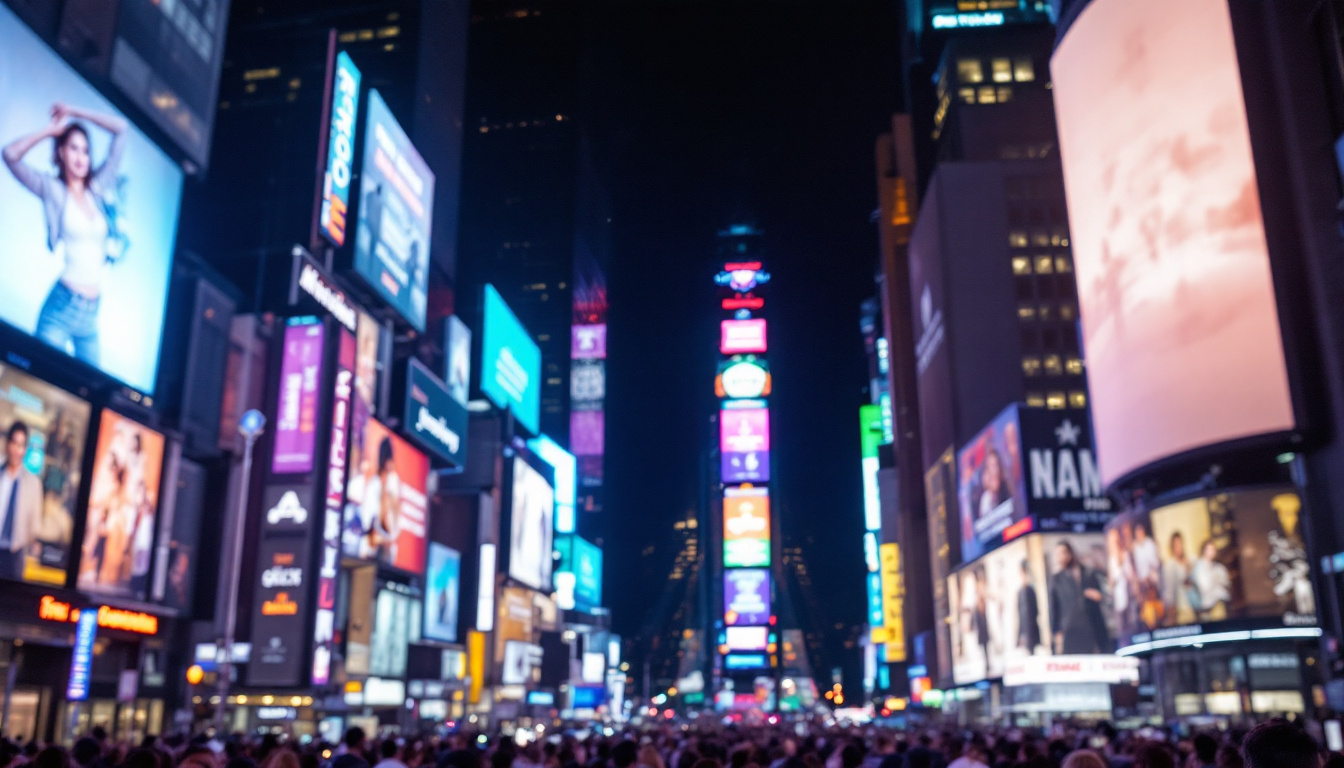
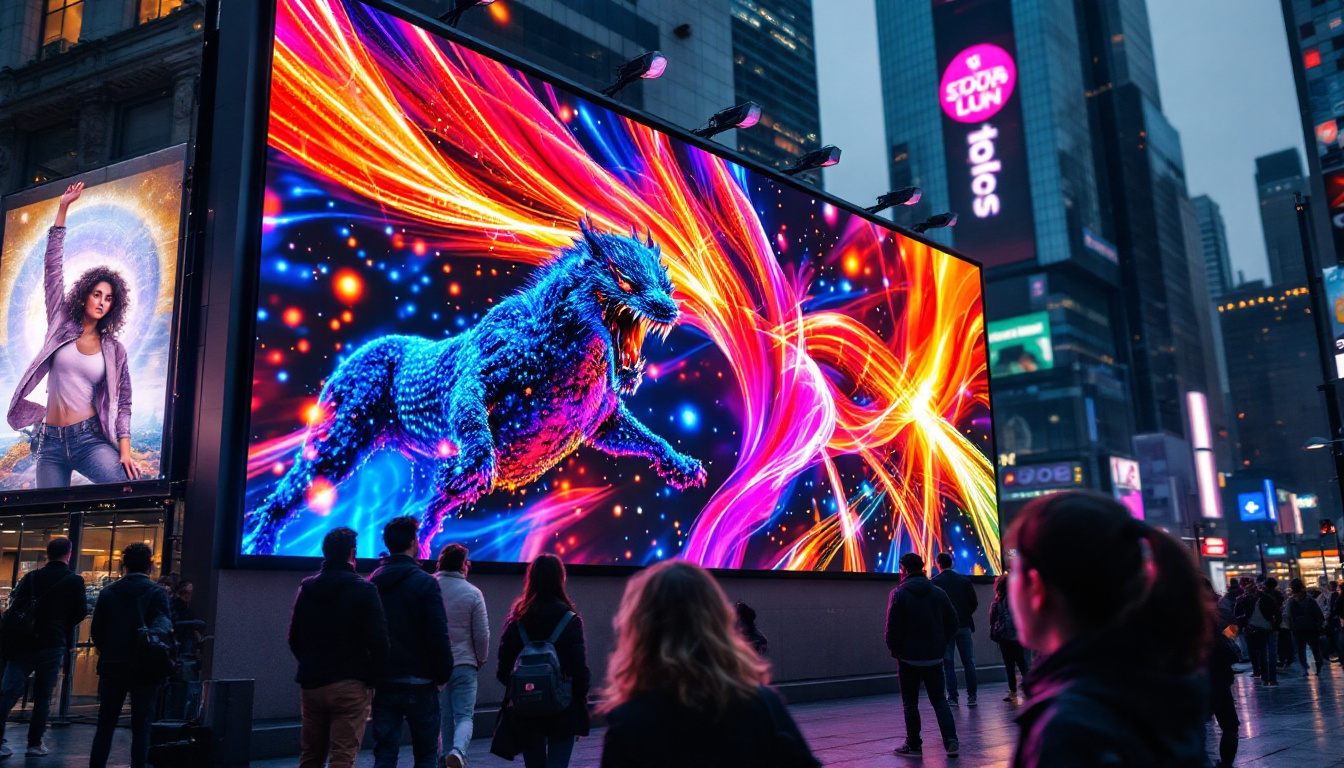
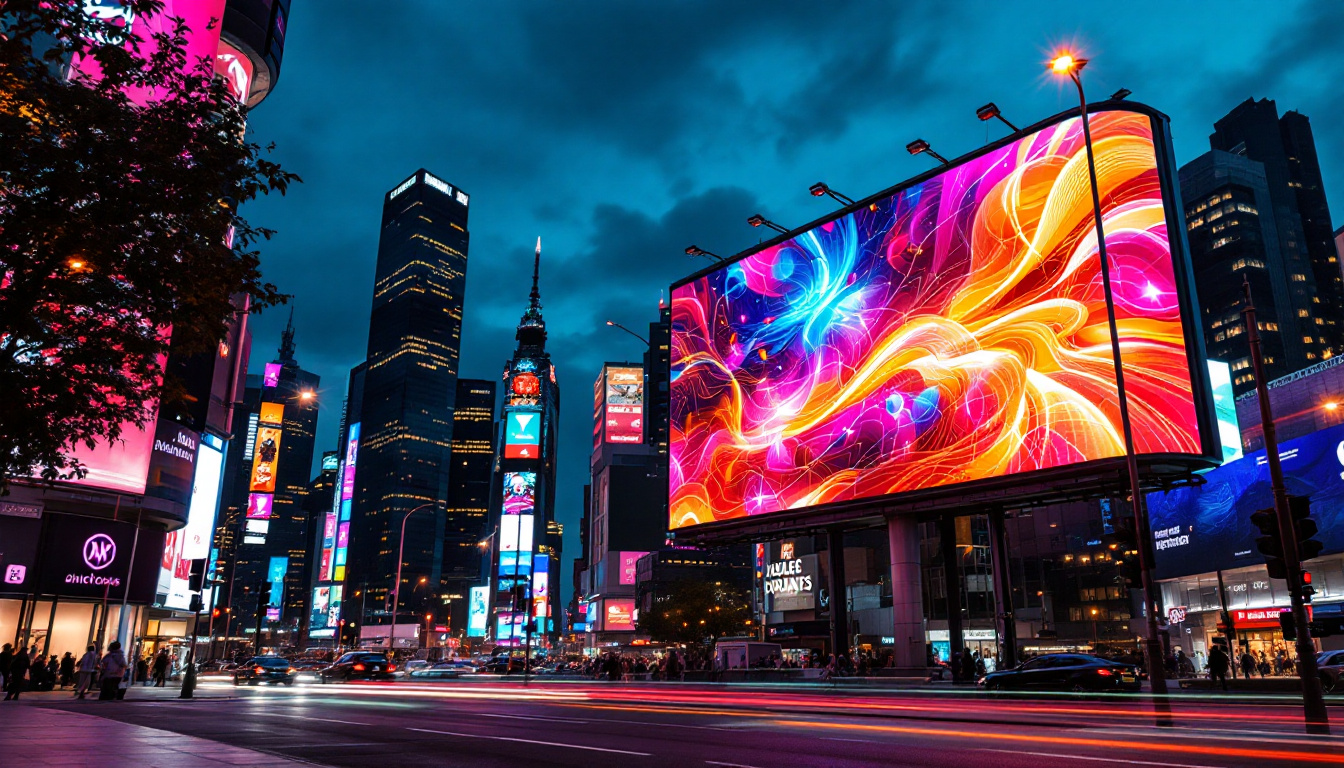
- Outdoor LED Displays: Built to withstand weather conditions, these displays are brighter and more robust, often used for billboards and stadium screens.
- Flexible and Transparent LED Displays: Innovative designs that can curve around surfaces or allow light to pass through, enabling creative architectural integrations.
Advantages of LED Displays in Events and Communication
LED displays offer unmatched brightness and clarity, making content visible from long distances and under direct sunlight. Their modular construction allows for custom sizes and shapes, adapting to venue constraints and creative visions.
Moreover, LED technology supports dynamic content, including video, animations, and real-time data feeds, which can significantly enhance audience engagement and information retention.
In addition to their visual prowess, LED displays are also environmentally friendly. They consume less power compared to traditional display technologies, which not only reduces operational costs but also minimizes carbon footprints. The longevity of LED displays, often exceeding 100,000 hours, ensures that they require less frequent replacements, further contributing to sustainability efforts in event management and advertising.
Furthermore, the versatility of LED displays extends beyond just static advertisements or presentations. They can be integrated with interactive technologies, allowing audiences to engage directly with the content. Touch-sensitive screens and motion sensors can create immersive experiences that captivate viewers, making events more memorable and impactful. This level of interactivity is particularly beneficial in trade shows and exhibitions, where attracting and retaining visitor attention is crucial.
Integrating Linkable Speakers with LED Displays: A Synergistic Approach
The combination of linkable speakers and LED displays creates a powerful multimedia platform that elevates the audience experience. This integration is especially relevant in live events, corporate presentations, concerts, and public safety announcements where synchronized audio-visual delivery is critical.
By linking speakers directly to LED display systems, event organizers ensure that sound and visuals are perfectly timed and spatially coordinated. This synchronization reduces distractions and improves message clarity, fostering a more immersive and memorable experience.
Technical Considerations for Integration
Successful integration requires attention to several technical factors:
- Signal Synchronization: Audio and video signals must be aligned with minimal latency. Professional systems use timecode or network protocols like Dante or AVB to maintain synchronization.
- Power Management: Both LED displays and linkable speakers can consume significant power. Efficient power distribution and backup solutions are essential for uninterrupted operation.
- Connectivity: Ensuring compatible interfaces (HDMI, SDI, Ethernet) and robust wireless or wired connections is crucial for seamless communication between devices.
Practical Applications and Case Studies
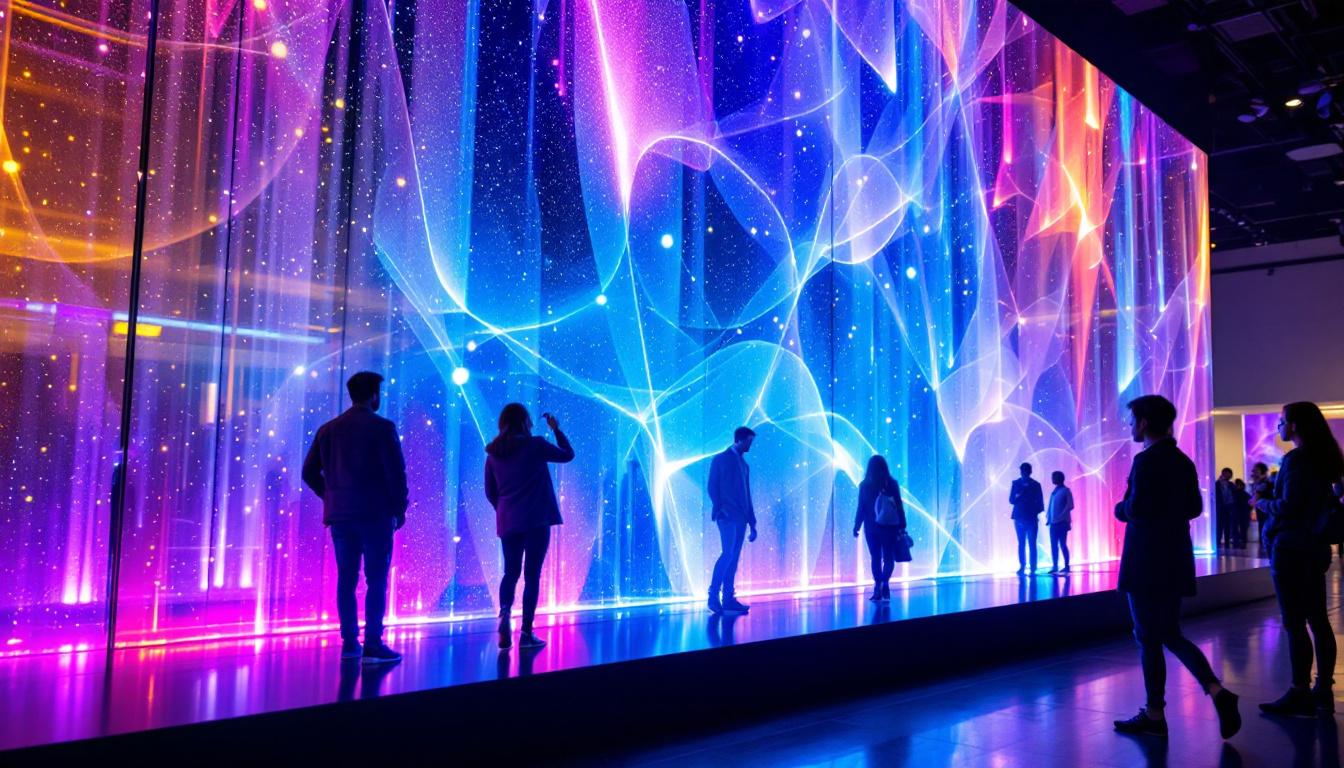
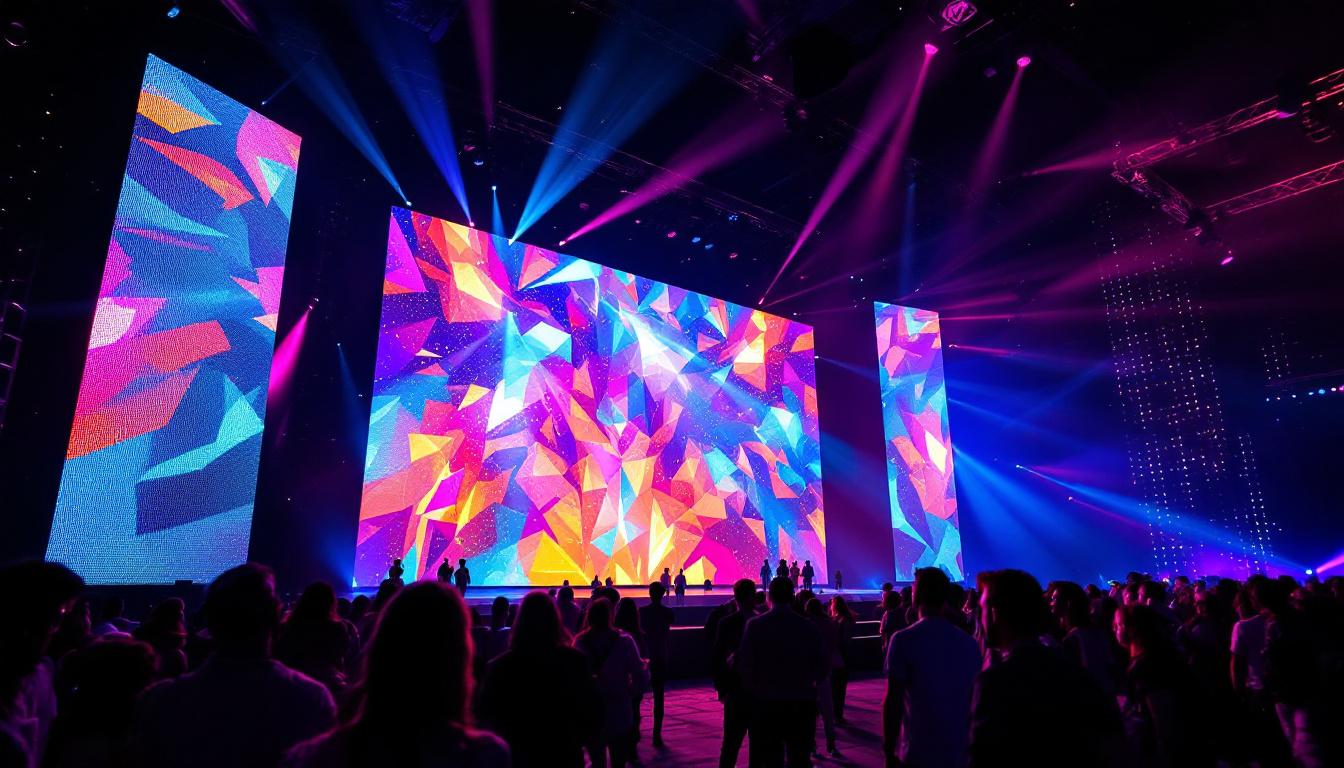
One notable example is the use of linkable speakers and LED displays in large-scale music festivals. Organizers deploy line array speakers linked across the venue to deliver clear, powerful sound, while massive LED walls display live video feeds and visual effects synchronized with the music.
In corporate environments, integrated systems enable dynamic presentations where speakers deliver clear audio while LED displays show slides, videos, and real-time data. This combination enhances audience engagement and facilitates better information absorption.
Choosing the Right System: Factors to Consider
Selecting the appropriate linkable speaker and LED display system depends on several factors, including venue size, audience type, budget, and intended use. Understanding these variables helps ensure optimal performance and return on investment.
Venue and Audience Size
For small venues or intimate gatherings, portable linkable speakers paired with compact indoor LED panels might suffice. Larger venues require more powerful line array speakers and expansive LED walls to cover the space effectively.
Audience expectations also influence system choice. For example, a corporate seminar demands clear speech intelligibility, while a concert prioritizes high-fidelity music reproduction and spectacular visuals.
Budget and Scalability
While integrated systems can represent a significant investment, modularity allows gradual expansion. Starting with a basic setup and adding components over time can make high-end audio-visual technology more accessible.
Additionally, leasing options and renting equipment for one-off events provide flexibility without long-term commitments.
Technical Support and Ease of Use
Professional-grade systems often require trained operators to manage complex configurations and troubleshoot issues. However, many manufacturers now offer user-friendly interfaces, remote control apps, and comprehensive support services to simplify operation.
Choosing systems with strong vendor support and clear documentation can reduce downtime and enhance event success.
Future Trends in Linkable Speakers and LED Displays
As technology advances, the integration of linkable speakers and LED displays continues to evolve, driven by innovations in connectivity, artificial intelligence, and materials science.
Wireless and Networked Solutions
Emerging wireless protocols promise lower latency, higher bandwidth, and more reliable connections, enabling larger and more complex linked systems without the clutter of cables.
Networked audio-visual solutions are becoming standard, allowing centralized control and monitoring of multiple devices from a single interface, increasing efficiency and flexibility.
Enhanced Interactivity and Smart Features
Future systems will likely incorporate AI-driven content adaptation, audience analytics, and interactive capabilities. For instance, LED displays might adjust brightness and content based on ambient conditions and audience engagement, while linkable speakers could optimize sound distribution dynamically.
Sustainability and Energy Efficiency
With growing environmental awareness, manufacturers are focusing on reducing power consumption and using sustainable materials. Advances in LED technology and speaker design contribute to greener events without compromising performance.
Conclusion
Linkable speakers combined with LED displays represent a powerful synergy in modern audio-visual technology. Their flexibility, scalability, and ability to deliver synchronized, high-quality sound and visuals make them essential tools across industries.
Understanding the technology behind these systems, their benefits, and practical considerations allows event organizers, AV professionals, and communicators to harness their full potential. As innovations continue to emerge, these integrated solutions will only become more sophisticated, interactive, and indispensable in creating compelling audience experiences.
Discover LumenMatrix’s Advanced LED Display Solutions
Ready to elevate your audio-visual experience with the latest in LED display technology? Look no further than LumenMatrix, a pioneer in crafting LED display modules that bring your brand to life and captivate your audience. From versatile Indoor and Outdoor LED Wall Displays to innovative solutions like Vehicle LED Displays, LED Posters, and Custom LED creations, LumenMatrix offers a range of products designed to revolutionize visual communication. Embrace the future of digital signage with LumenMatrix and create unforgettable visual experiences. Check out LumenMatrix LED Display Solutions today and see your message shine with unparalleled clarity and impact.