In today’s fast-paced digital environment, the demand for expansive, high-resolution visual displays has never been greater. Whether used in control rooms, broadcast studios, corporate environments, or public venues, multi monitor racks featuring LED displays have become essential tools for delivering impactful visual content. This article explores the technology behind LED displays, the advantages of multi monitor racks, and practical considerations for their implementation.
Understanding LED Display Technology
LED, or Light Emitting Diode, technology has revolutionized the way images and videos are displayed across various industries. Unlike traditional LCD or plasma screens, LED displays utilize tiny diodes that emit light when an electric current passes through them. This fundamental difference offers several advantages in terms of brightness, energy efficiency, and image quality. The adoption of LED technology has not only transformed consumer electronics but has also found applications in advertising, transportation, and even architectural lighting, showcasing its versatility and effectiveness.
How LED Displays Work
At the core of an LED display are millions of microscopic diodes arranged in a grid. Each diode acts as a single pixel, emitting red, green, or blue light. By varying the intensity of these diodes, the display can produce a full spectrum of colors and detailed images. Modern LED displays often use surface-mounted device (SMD) technology, which integrates multiple diodes into a single pixel for enhanced color accuracy and brightness. This technology allows for finer pixel pitches, which means that displays can be viewed from closer distances without losing image clarity, making them suitable for both indoor and outdoor applications.
The ability of LEDs to emit their own light means that LED displays do not require a backlight, unlike LCD screens. This results in higher contrast ratios and deeper blacks, making the images more vivid and lifelike. Additionally, LED displays can achieve much higher brightness levels, often exceeding 1,000 nits, which is critical for visibility in brightly lit environments or outdoor settings. Furthermore, the longevity of LED technology is impressive, with many displays rated for tens of thousands of hours of use, significantly reducing maintenance and replacement costs over time.
Types of LED Displays
LED displays come in various forms, primarily categorized as direct view LED and LED-backlit LCD. Direct view LED displays consist entirely of LEDs as pixels, making them ideal for large-scale video walls and outdoor signage due to their brightness and scalability. LED-backlit LCDs, on the other hand, use LEDs as a backlight source behind an LCD panel, offering improved energy efficiency and thinner designs but generally lower brightness and contrast compared to direct view LEDs. The choice between these types often depends on the specific application, desired visual impact, and budget considerations.
For multi monitor racks, direct view LED panels are often preferred, especially when seamless image blending and high durability are required. These panels can be tiled together to create expansive video walls without visible bezels, providing an immersive viewing experience. Additionally, advancements in technology have led to the development of flexible LED displays, which can be bent and shaped to fit unique spaces or artistic designs, further expanding the creative possibilities for designers and advertisers alike. As the technology continues to evolve, we can expect even more innovative applications and improved performance in LED display systems.
The Role of Multi Monitor Racks in LED Display Setups
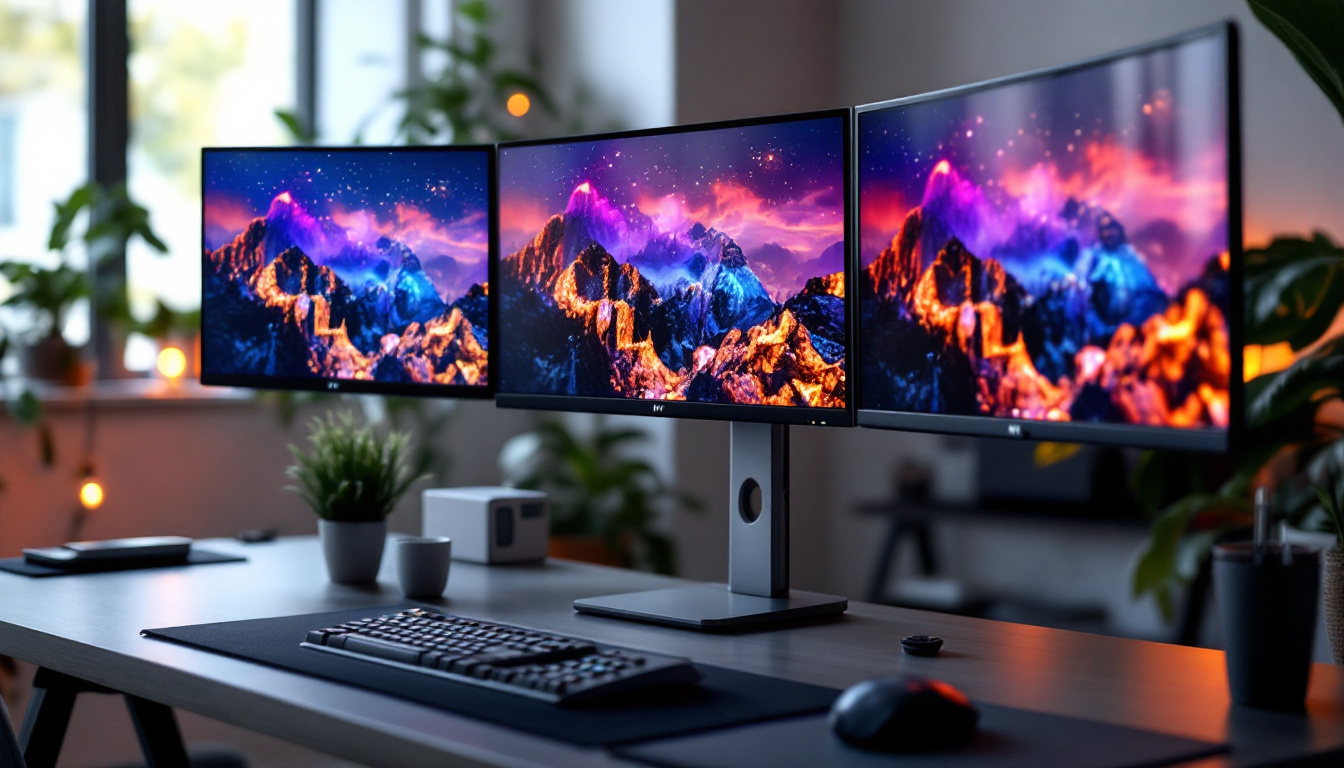
Multi monitor racks serve as the physical framework that supports and organizes multiple LED display panels or monitors. Their design and functionality are crucial for ensuring optimal performance, ease of maintenance, and aesthetic appeal in complex display installations.
Benefits of Using Multi Monitor Racks
One of the primary advantages of multi monitor racks is the ability to create large, continuous displays by aligning multiple LED panels seamlessly. This modular approach allows for flexible screen sizes and aspect ratios tailored to specific use cases, whether it’s a command center requiring a panoramic view or a retail environment showcasing dynamic advertisements.
Moreover, racks provide structural stability and precise alignment, which is essential for maintaining image uniformity across the entire display surface. They also facilitate efficient cable management, reducing clutter and minimizing signal interference. In environments where uptime is critical, such as broadcast studios or control rooms, racks enable quick access to individual panels for maintenance or replacement without disrupting the entire system.
Design Considerations for Multi Monitor Racks
When selecting or designing a multi monitor rack, several factors must be considered to ensure compatibility and performance:
- Weight Capacity: LED panels can be heavy, especially in larger sizes. The rack must support the combined weight safely.
- Ventilation and Cooling: LED displays generate heat, and proper airflow is necessary to prevent overheating and extend component lifespan.
- Accessibility: The rack should allow easy access to panels and cables for installation and maintenance.
- Adjustability: Features such as tilt, swivel, and height adjustment can improve viewing angles and ergonomics.
- Compatibility: The rack must accommodate the dimensions and mounting standards of the selected LED panels.
Applications of Multi Monitor LED Display Systems
The versatility of multi monitor racks combined with LED technology has led to widespread adoption across numerous industries. Understanding these applications highlights the importance of choosing the right system for specific needs.
Control Rooms and Command Centers
In environments such as traffic management centers, emergency response hubs, and security monitoring stations, operators rely on large, high-resolution displays to monitor multiple data streams simultaneously. Multi monitor LED video walls provide the expansive real estate and clarity necessary to track events in real time, facilitating faster decision-making and improved situational awareness.
For example, a transportation authority might use a 3×3 LED video wall to display live traffic feeds, weather updates, and system alerts. The modular nature of the racks allows for easy scaling as operational requirements evolve.
Broadcast and Media Studios
Broadcast studios often employ multi monitor LED walls as dynamic backdrops that can change instantly to suit different programming. The high brightness and color accuracy of LED displays ensure that visuals appear vibrant on camera, enhancing production quality. Additionally, the ability to configure the displays into various shapes and sizes provides creative flexibility for set design.
Retail and Advertising
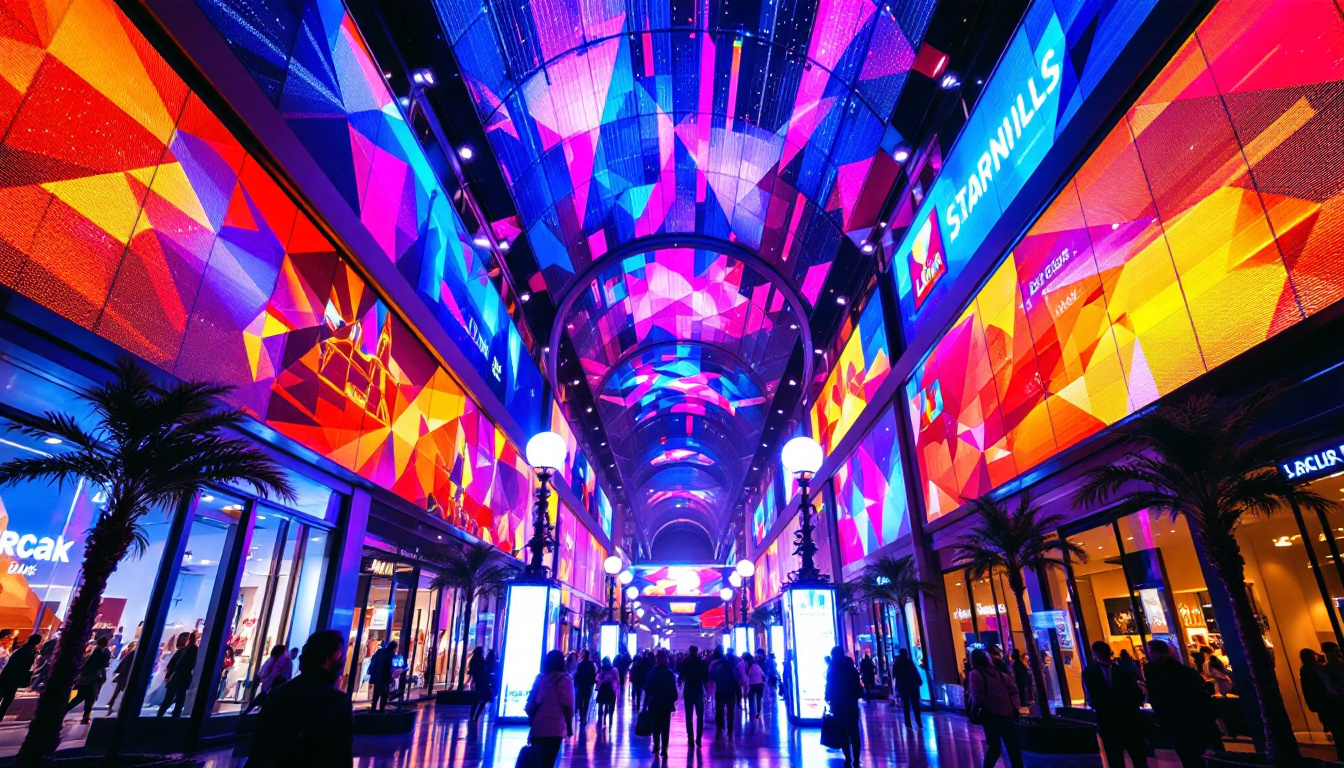
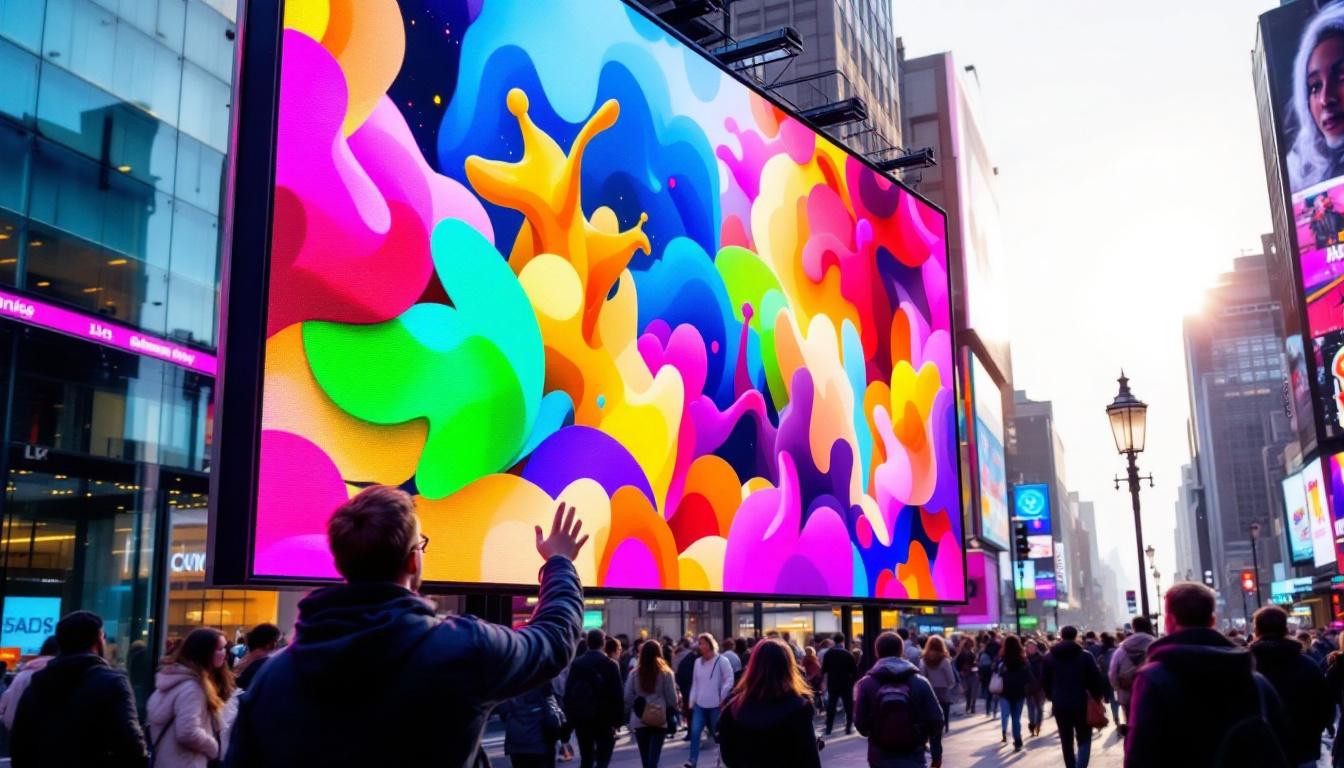
Retail environments leverage large LED video walls to capture customer attention with eye-catching advertisements and promotions. Multi monitor racks enable retailers to create immersive digital signage that can be updated in real time, driving engagement and sales. Outdoor LED displays, supported by robust racks, are particularly effective in high-traffic areas due to their visibility under direct sunlight.
Corporate and Educational Settings
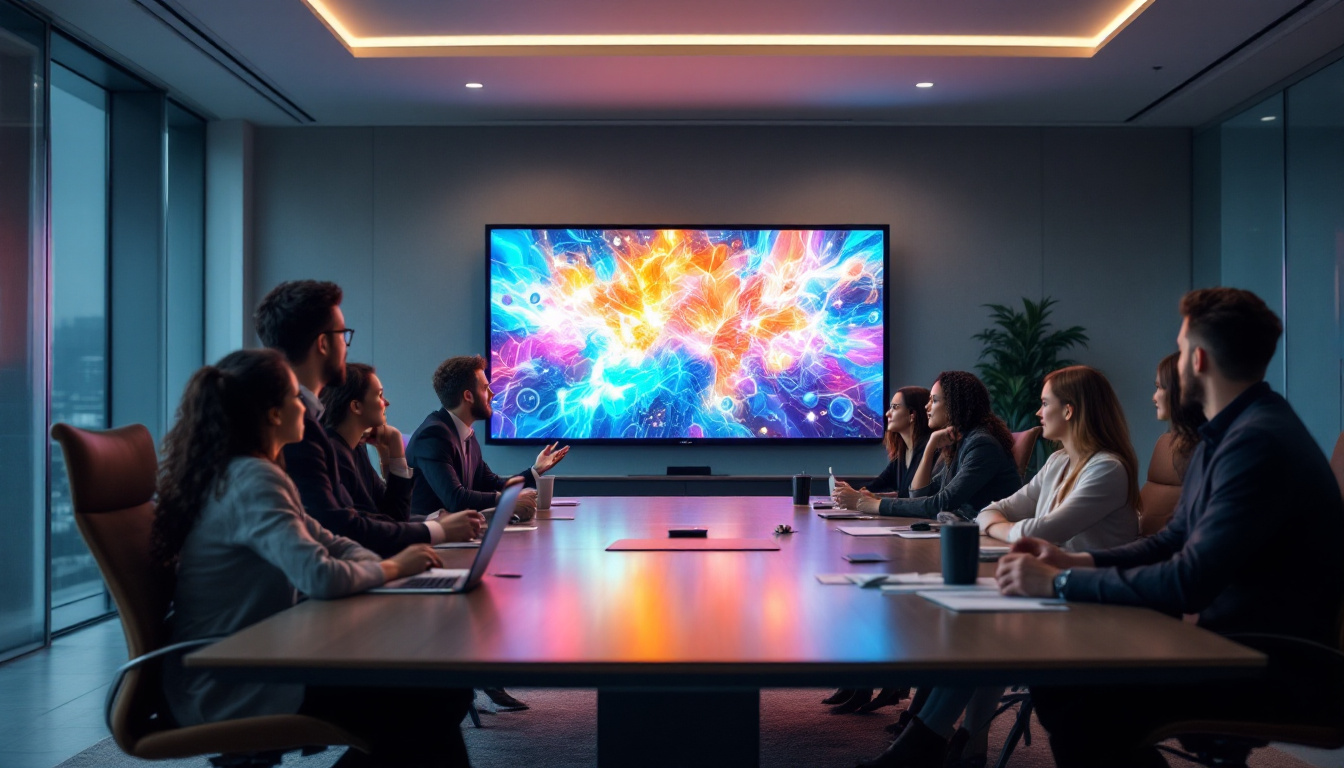
In corporate boardrooms and educational institutions, multi monitor LED systems facilitate presentations, video conferencing, and collaborative work. The ability to display multiple content sources simultaneously enhances communication and productivity. Adjustable racks allow the displays to be positioned for optimal viewing by all participants.
Key Considerations for Implementing Multi Monitor LED Displays
Deploying a multi monitor LED display system involves careful planning and execution. Several critical factors influence the success and longevity of the installation.
Resolution and Pixel Pitch
Resolution refers to the total number of pixels on the display, while pixel pitch is the distance between the centers of adjacent pixels, usually measured in millimeters. A smaller pixel pitch results in higher pixel density, which translates to sharper images, especially at close viewing distances.
For indoor applications where viewers are close to the screen, pixel pitches as low as 1.2mm to 2.5mm are common. Outdoor displays, viewed from greater distances, typically use larger pixel pitches ranging from 4mm to 10mm. Selecting the appropriate pixel pitch ensures optimal image clarity without unnecessary cost.
Brightness and Contrast Ratio
Brightness is a critical specification, especially for displays exposed to ambient light or direct sunlight. LED displays can achieve brightness levels from 600 nits indoors to over 5,000 nits for outdoor applications. Higher brightness improves visibility and color vibrancy.
Contrast ratio, the difference between the darkest black and the brightest white, affects image depth and realism. LED displays generally offer superior contrast ratios compared to other technologies, enhancing the viewing experience.
Connectivity and Control Systems
Multi monitor LED setups require robust connectivity solutions to handle high-bandwidth video signals. Common interfaces include HDMI, DisplayPort, and specialized video wall controllers that manage content distribution and synchronization across panels.
Advanced control systems enable features such as content scheduling, remote monitoring, and real-time adjustments, which are essential for dynamic environments like advertising or live events.
Installation and Maintenance
Proper installation is vital to ensure structural integrity and optimal performance. Professional installation services typically include precise alignment, secure mounting, and thorough testing. Maintenance plans should account for regular cleaning, firmware updates, and prompt replacement of faulty modules to minimize downtime.
Future Trends in Multi Monitor LED Displays
The LED display industry continues to evolve rapidly, driven by technological advancements and changing user demands. Several emerging trends are shaping the future of multi monitor racks and LED video walls.
MicroLED and MiniLED Technologies
MicroLED and MiniLED represent the next generation of LED technology, offering even higher brightness, better color accuracy, and improved energy efficiency. MicroLEDs are particularly promising for seamless, bezel-free video walls due to their microscopic size and self-emissive properties.
Flexible and Curved Displays
Innovations in panel design are enabling flexible and curved LED displays that can conform to unique architectural features. This flexibility expands creative possibilities for immersive environments and eye-catching installations.
Artificial Intelligence and Smart Control
Integrating AI into display management systems allows for smarter content optimization based on viewer behavior, ambient conditions, and operational analytics. This can enhance user engagement and reduce operational costs.
Conclusion
Multi monitor racks combined with LED display technology offer powerful solutions for a wide range of visual communication needs. Their modularity, superior image quality, and adaptability make them indispensable in modern control rooms, media production, retail, and corporate environments. By understanding the underlying technology, design considerations, and application contexts, businesses and organizations can make informed decisions to maximize the impact and efficiency of their LED display installations.
As LED technology continues to advance, the potential for more immersive, flexible, and intelligent multi monitor display systems will only grow, opening new opportunities for innovation and engagement.
Discover LumenMatrix’s Innovative LED Solutions
Ready to elevate your visual communication with the latest in LED technology? LumenMatrix offers a comprehensive range of LED display modules designed to bring your brand to life. From vibrant Indoor and Outdoor LED Wall Displays to dynamic Vehicle and Sports LED Displays, our solutions are tailored to create unforgettable visual experiences. Whether you’re looking for a Floor LED Display, a sleek LED Poster, or a Custom LED solution, LumenMatrix has you covered. Experience the future of digital signage with our All-in-One and Transparent LED Displays. Check out LumenMatrix LED Display Solutions today and transform your space into a captivating showcase of innovation.