In an age dominated by digital visuals, LED displays have become an integral part of how information and entertainment are delivered. From vibrant billboards lighting up cityscapes to crisp screens on smartphones and televisions, LED technology is everywhere. But what exactly is an LED display? How does it work, and why has it become the preferred choice for so many applications? This article dives deep into the world of LED displays, exploring their technology, types, advantages, and future trends.
Understanding LED Technology
What is an LED?
LED stands for Light Emitting Diode, a semiconductor device that emits light when an electric current passes through it. Unlike traditional incandescent bulbs that rely on heating a filament, LEDs produce light through electroluminescence, making them more energy-efficient and longer-lasting. This efficiency translates to lower energy costs and reduced heat output, which is particularly beneficial in applications where heat buildup can be a concern.
The first visible-spectrum LED was developed in the early 1960s, but it wasn’t until the 1990s that high-brightness LEDs became commercially viable for displays. Today, LEDs are the fundamental building blocks of modern display technology. Their compact size allows for innovative designs, such as flexible displays and ultra-thin screens, which have transformed the way we interact with technology. Moreover, advancements in LED technology continue to push boundaries, enabling features like color tunability and smart lighting systems that adapt to user preferences.
How Do LED Displays Work?
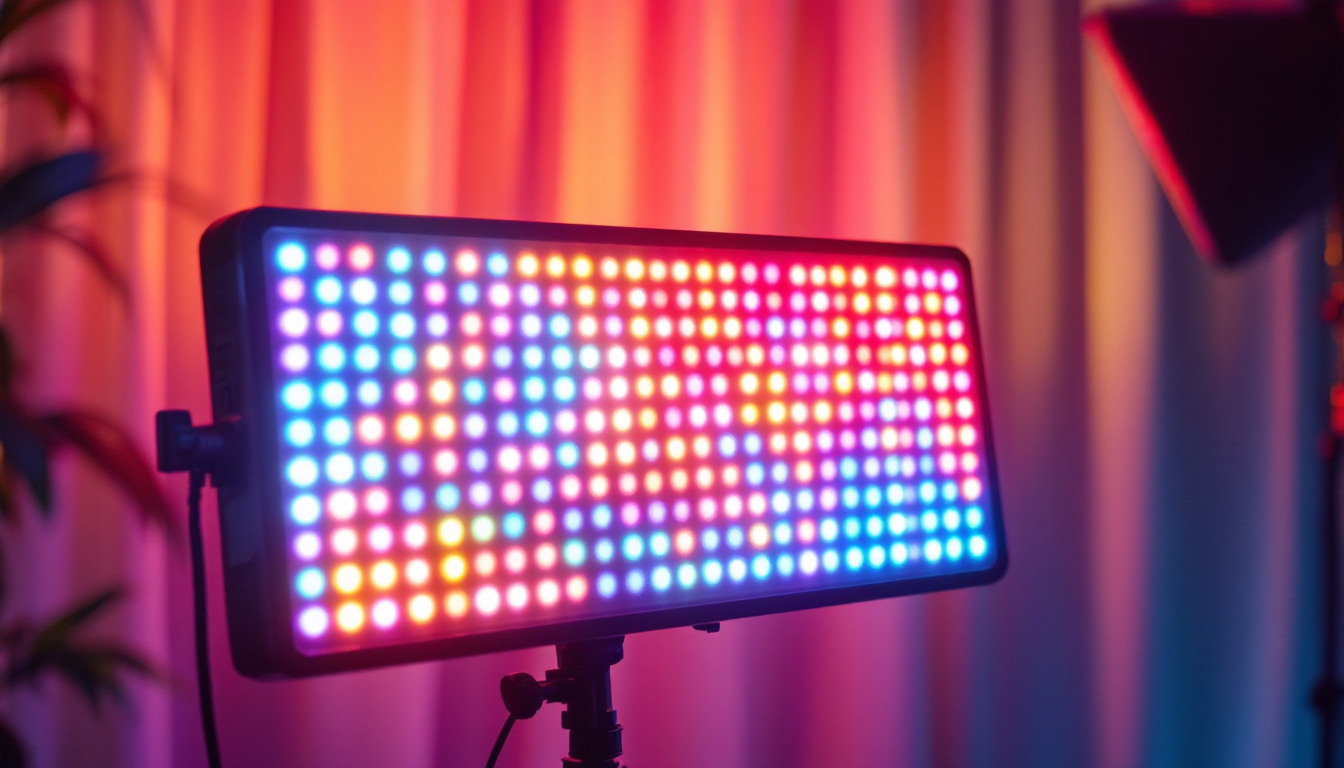
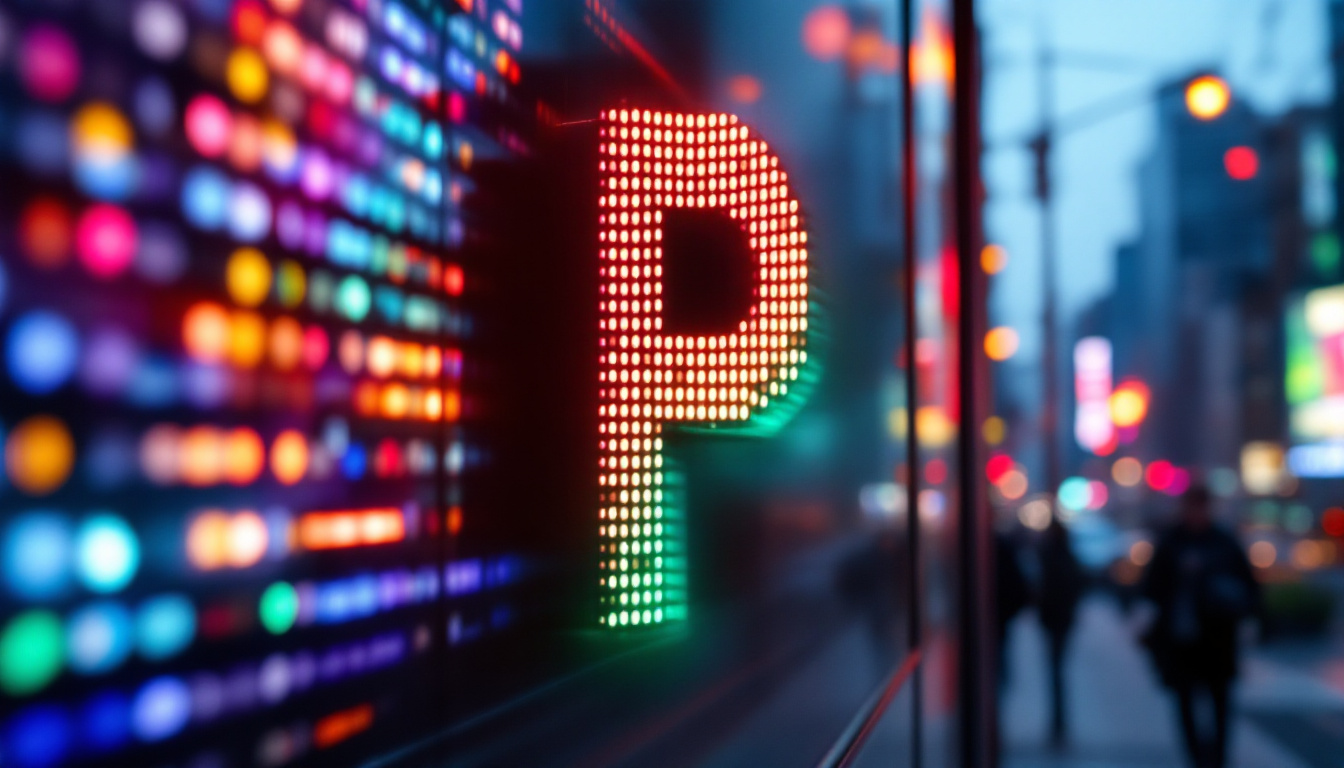
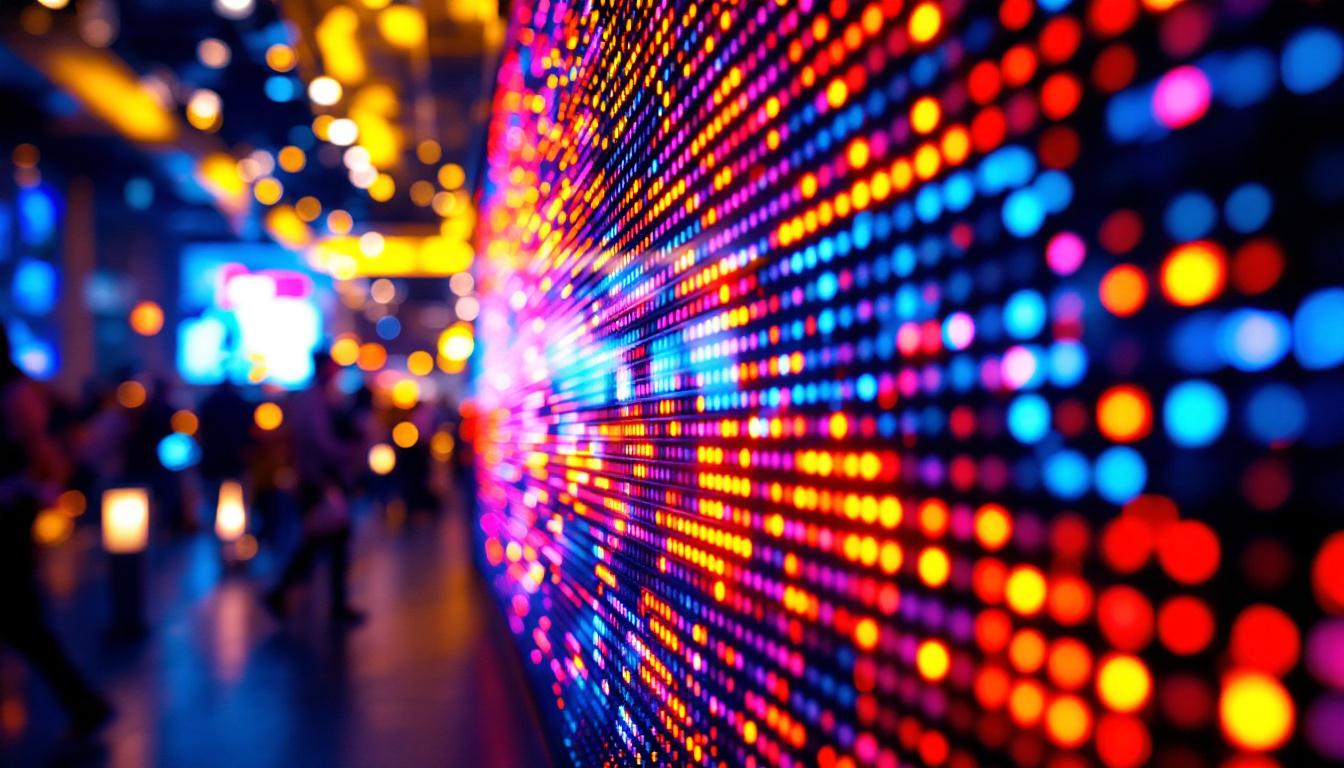
LED displays are composed of numerous tiny LEDs arranged in a matrix to form pixels. Each pixel typically contains red, green, and blue LEDs that combine to produce a full spectrum of colors through varying intensities. By controlling these LEDs individually, the display can render images, videos, and text with remarkable clarity and brightness. This capability allows for vibrant visuals that can be seen even in bright daylight, making them ideal for outdoor advertising and public information displays.
There are two primary ways LEDs are used in displays: direct view and backlighting. Direct view LED displays use LEDs as the actual pixels visible to the viewer, commonly seen in large outdoor screens and digital billboards. In contrast, many LCD screens use LEDs as a backlight source, illuminating the liquid crystal layer to produce images. The evolution of OLED (Organic LED) technology has further enhanced display quality, offering deeper blacks and wider viewing angles by eliminating the need for a backlight altogether. This shift not only improves picture quality but also contributes to thinner, more energy-efficient devices that are increasingly popular in consumer electronics.
Types of LED Displays
Direct View LED Displays
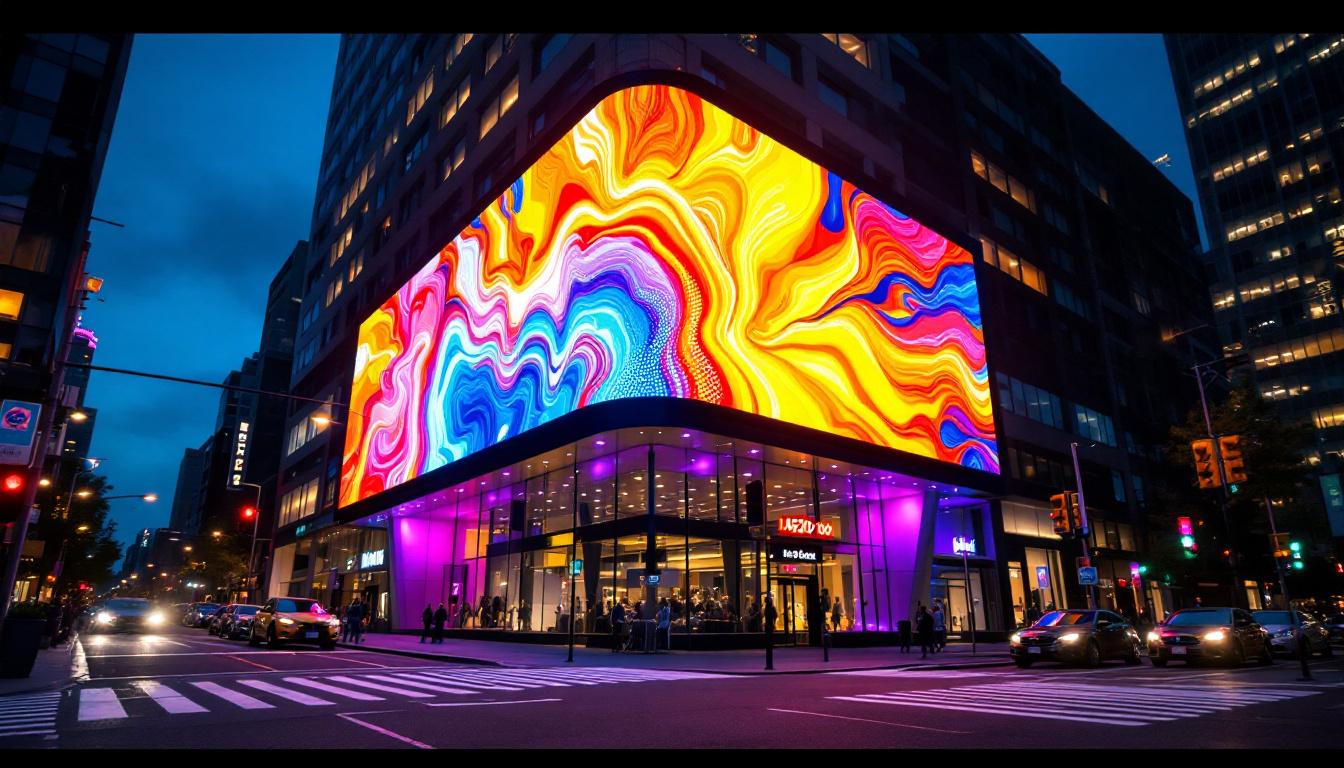
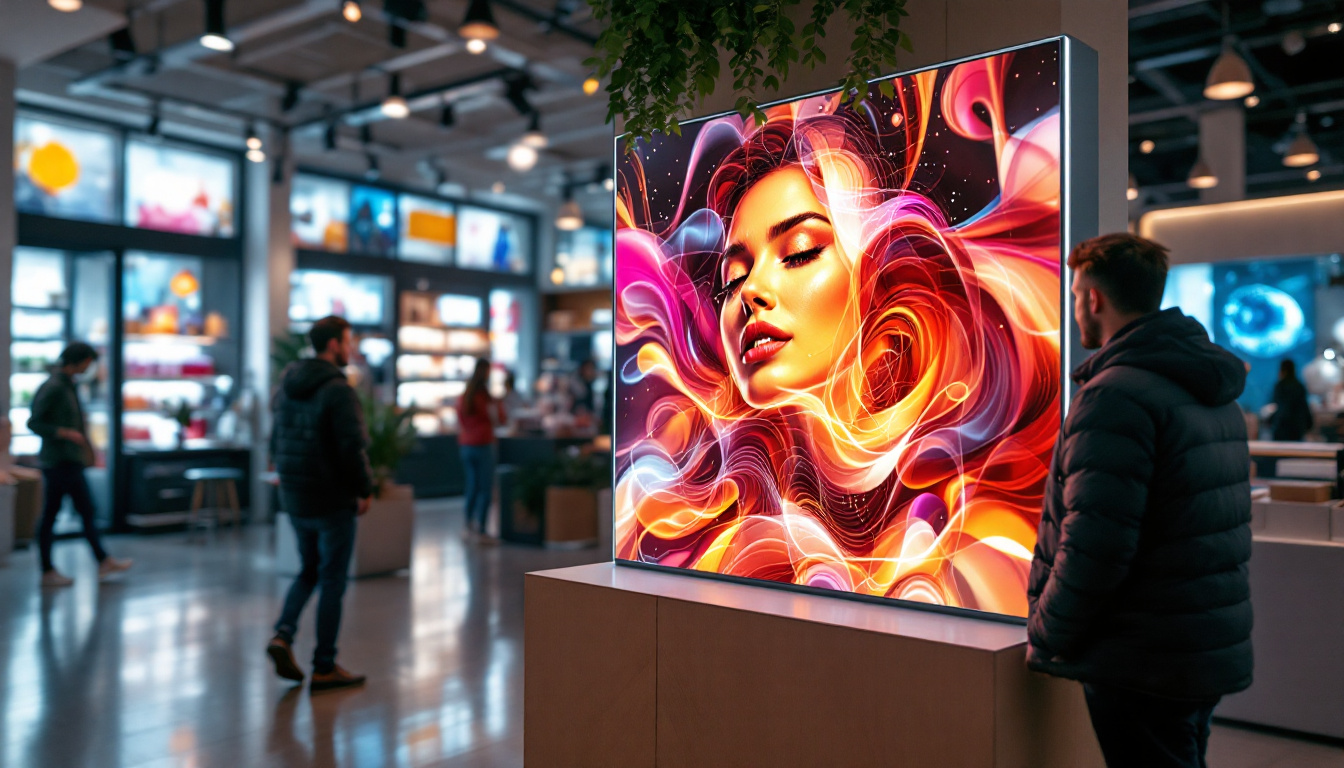
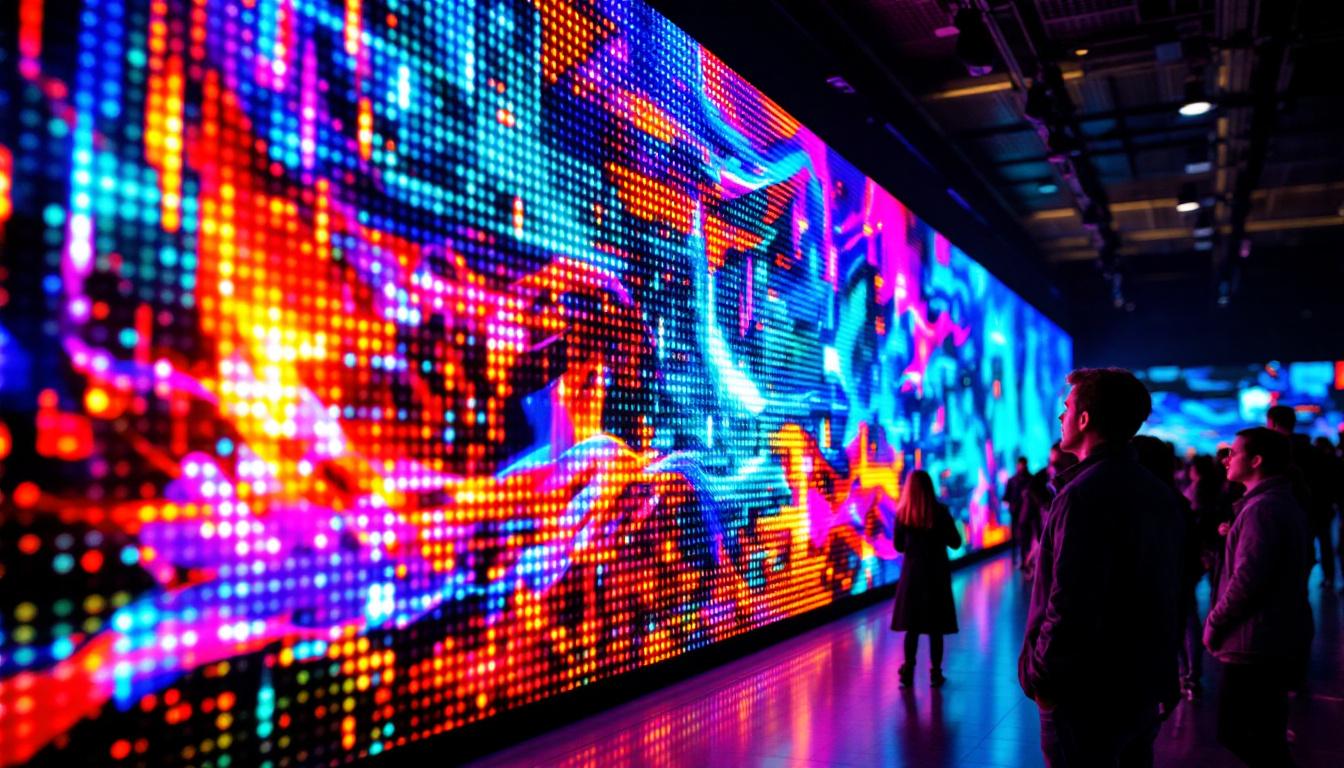
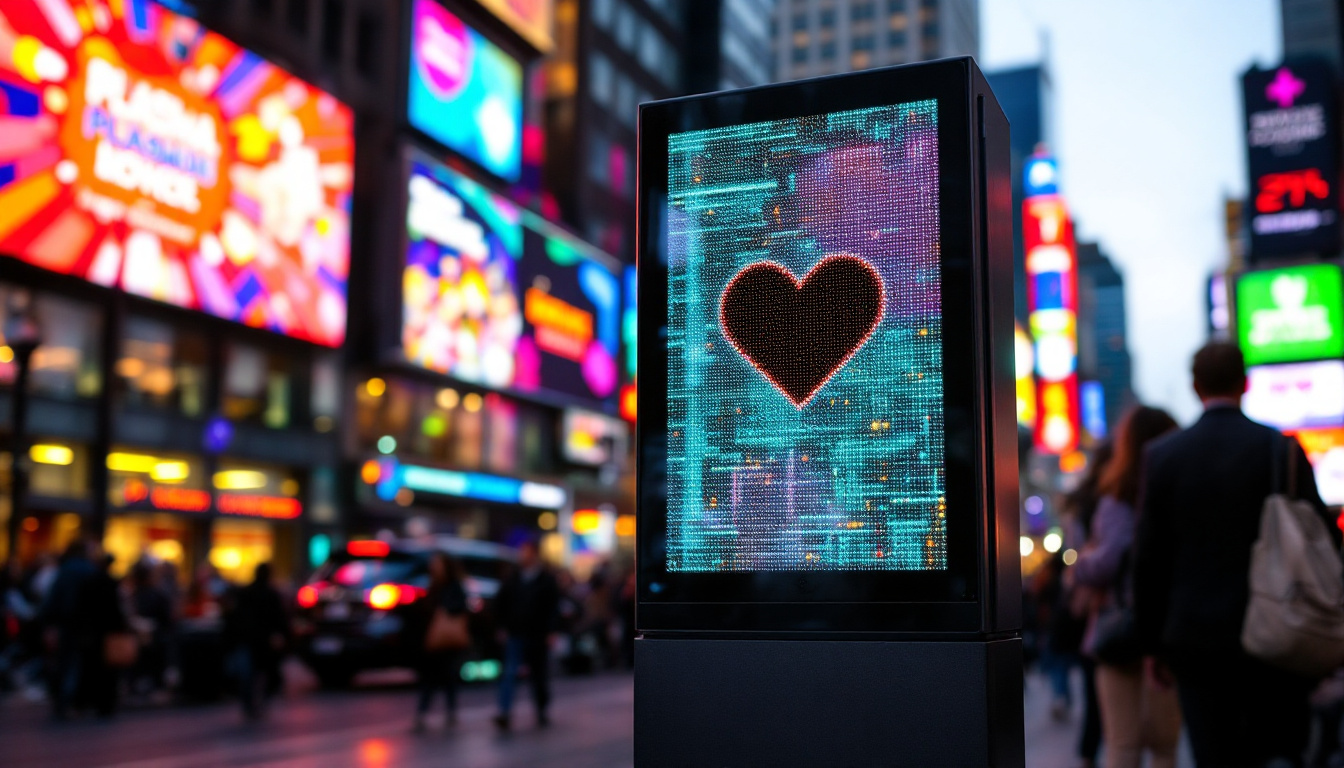
Direct view LED (DVLED) displays are made up of modular panels containing arrays of LEDs. These panels can be combined to create screens of virtually any size, from small indoor signage to massive stadium displays. Their brightness and durability make them ideal for outdoor use, where ambient light levels are high.
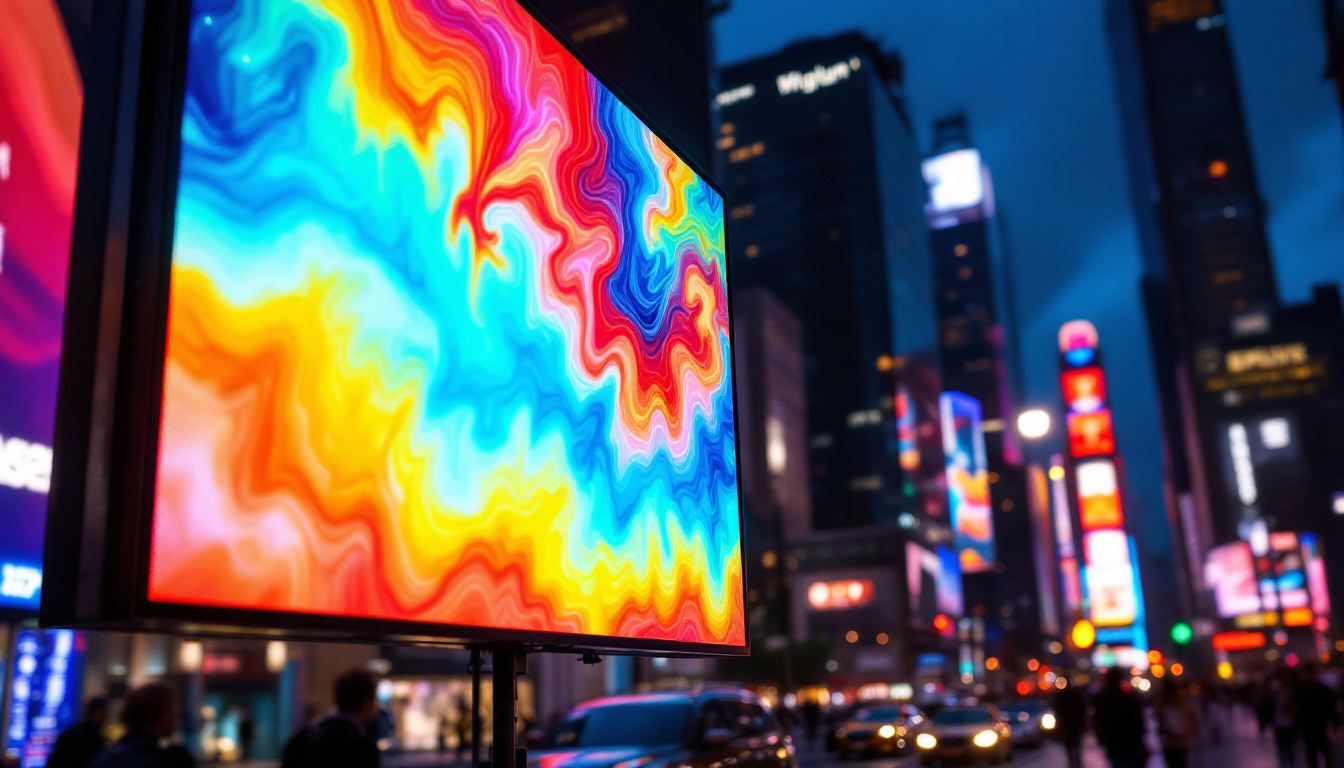
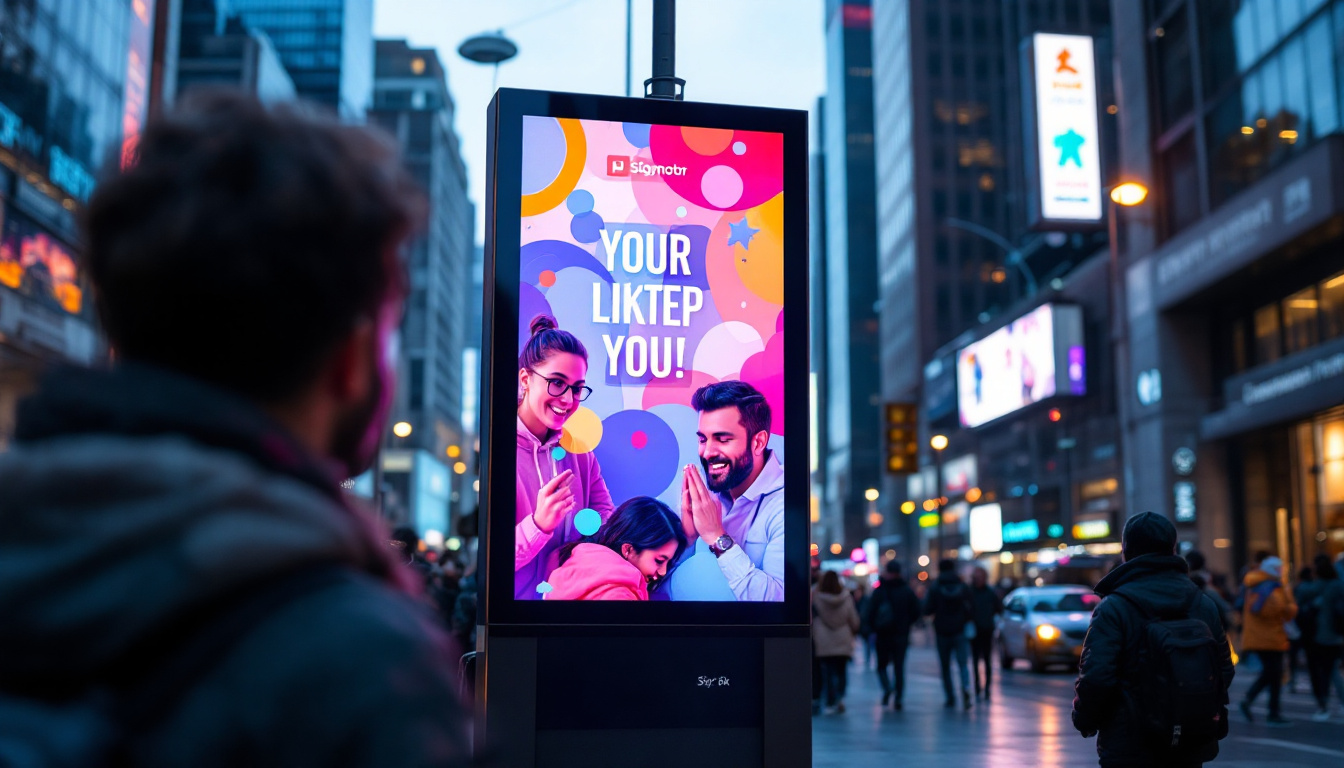
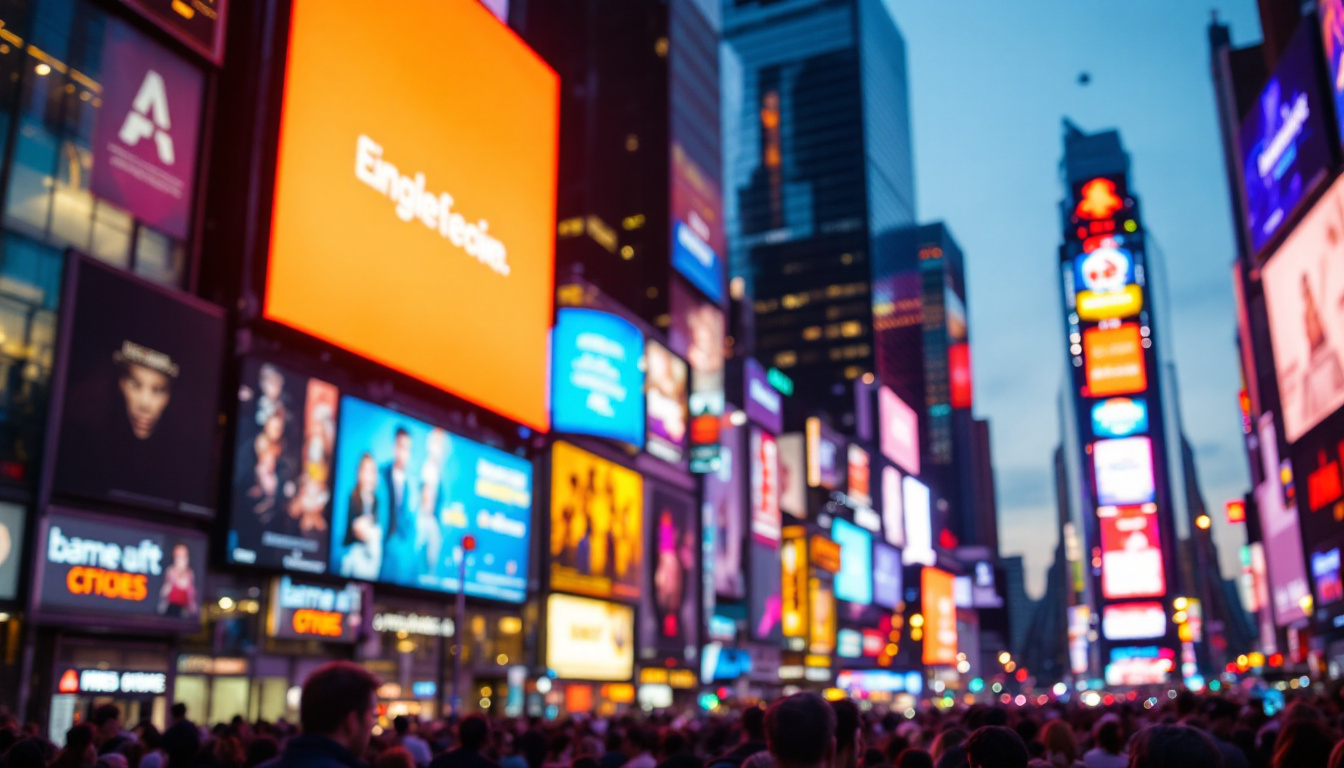
One notable example is Times Square in New York City, where enormous DVLED billboards deliver vivid advertisements visible even in direct sunlight. The pixel pitch, or the distance between individual LEDs, determines the resolution and viewing distance of these displays. Smaller pixel pitches provide higher resolution suitable for close viewing, while larger pitches are optimized for long-distance visibility. The versatility of DVLED technology allows for creative applications, such as curved screens and unique shapes, making them a popular choice for artistic installations and immersive environments in museums and exhibitions.
LED Backlit LCD Displays
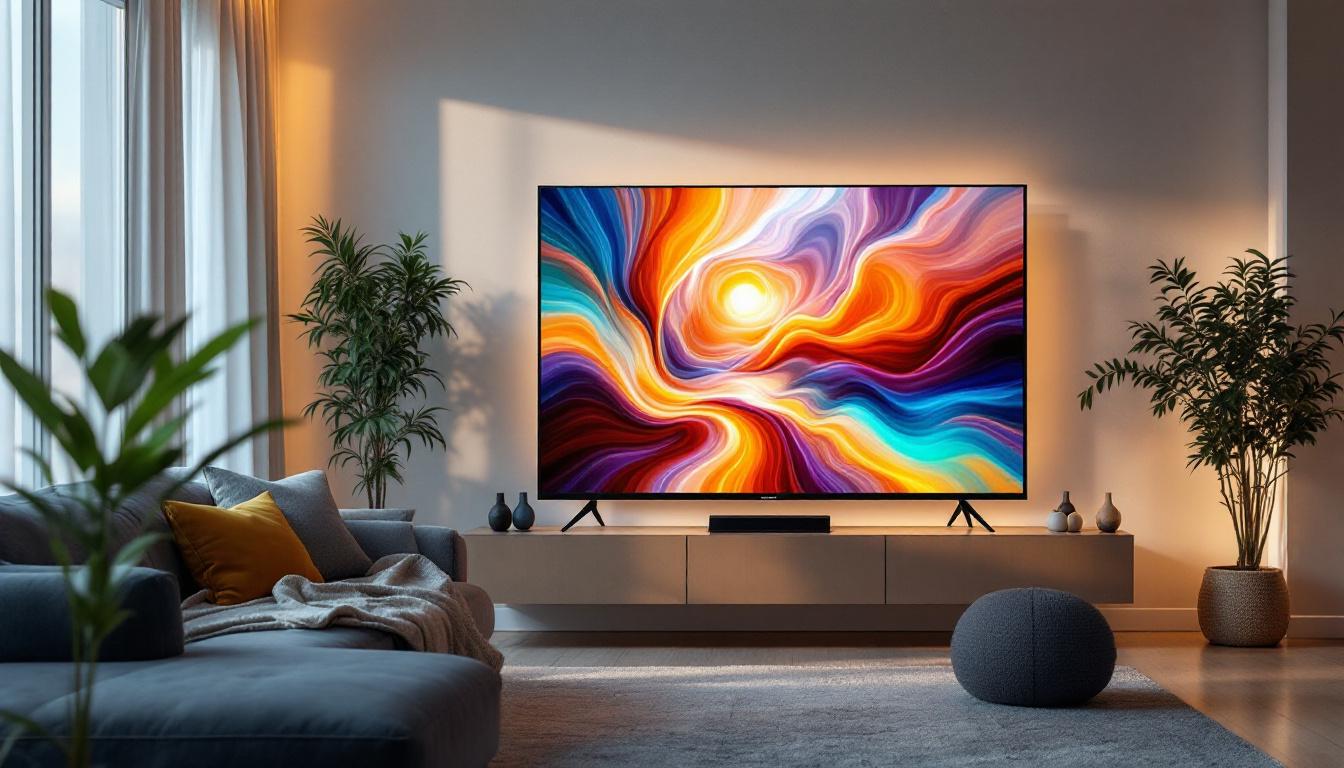
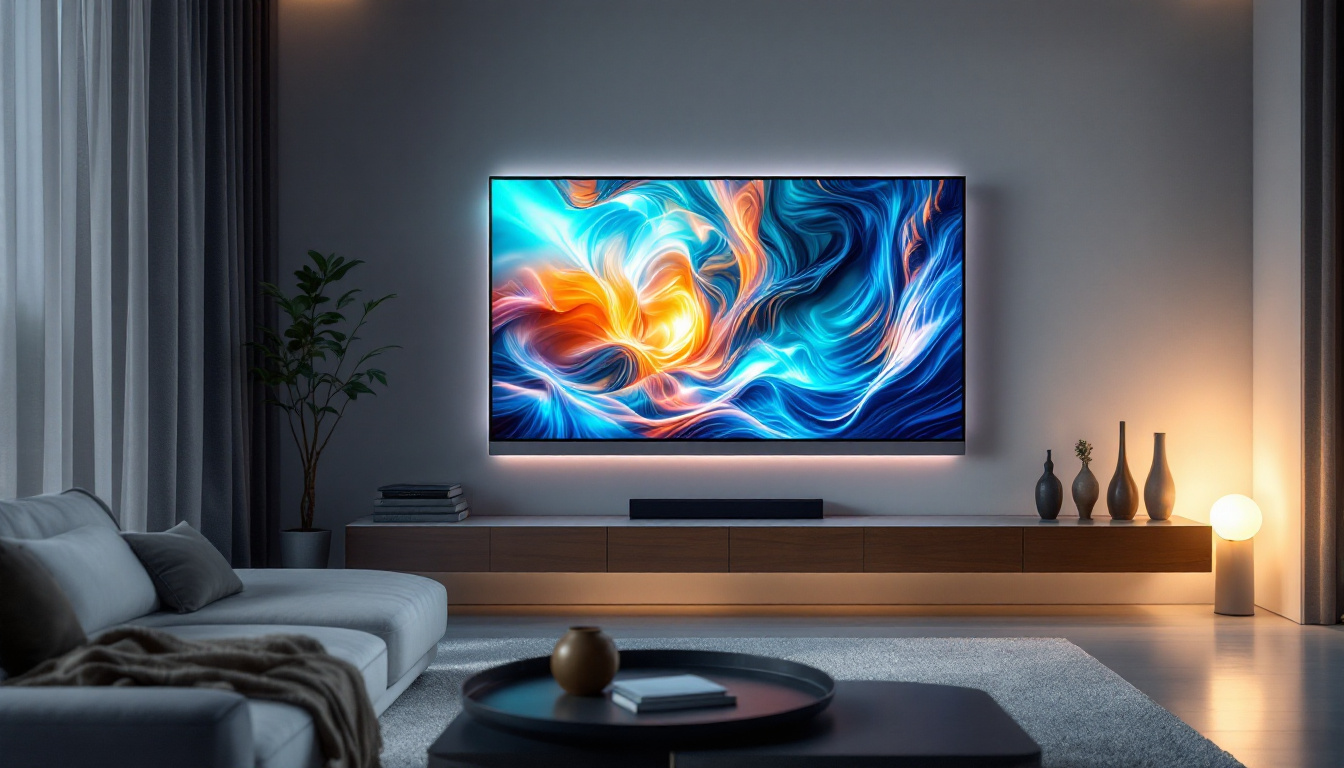
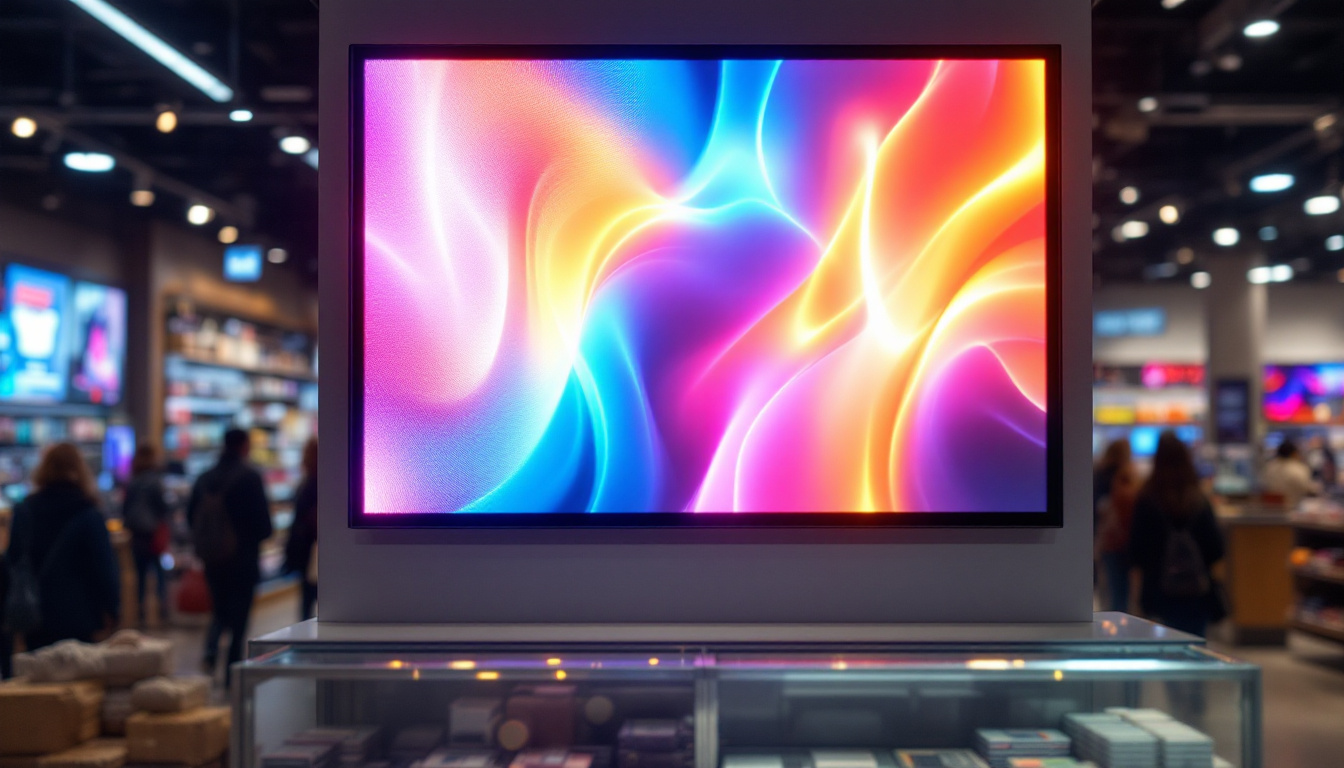
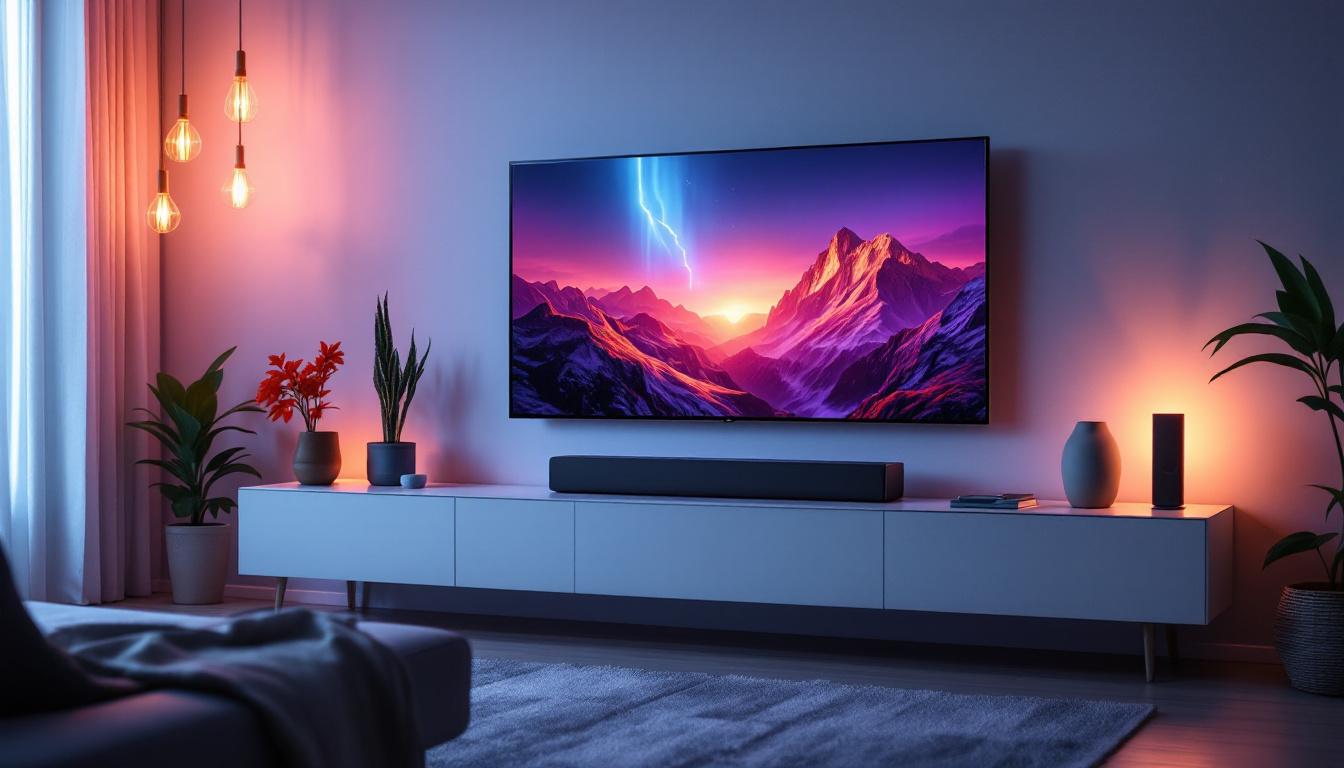
Most modern televisions, computer monitors, and smartphone screens use LED backlighting to illuminate LCD panels. In these displays, the LEDs do not emit the image directly but provide a bright, energy-efficient light source behind the liquid crystals. This technology has largely replaced older cold cathode fluorescent lamp (CCFL) backlights due to its superior energy efficiency, thinner form factors, and better color reproduction.
Advanced variations include edge-lit and full-array LED backlighting. Full-array backlighting, often paired with local dimming technology, allows for better contrast ratios by dimming or brightening specific zones of the screen, enhancing picture quality significantly. This capability is particularly beneficial for viewing high dynamic range (HDR) content, where the contrast between the brightest and darkest parts of the image is crucial. Furthermore, the integration of smart technologies into these displays has enabled features like adaptive brightness, which adjusts the backlighting based on ambient light conditions, ensuring optimal viewing experiences in various environments.
MicroLED and MiniLED: The Next Generation
Emerging technologies like MicroLED and MiniLED are pushing the boundaries of LED display performance. MicroLED displays use microscopic LEDs as individual pixels, combining the best qualities of OLED and traditional LED displays—offering high brightness, excellent contrast, and long lifespan without burn-in issues. These displays are not only energy-efficient but also allow for a wider color gamut and faster refresh rates, making them ideal for gaming and high-speed video applications. Additionally, the modular nature of MicroLED technology allows for seamless scaling, enabling manufacturers to create displays that can be customized to any size or aspect ratio.
MiniLED, on the other hand, refers to LED backlights with thousands of tiny LEDs, enabling more precise local dimming and improved contrast in LCD panels. Both technologies are gaining traction in premium TVs, monitors, and wearable devices, promising a new era of visual excellence. As manufacturers continue to innovate, we can expect to see these technologies integrated into more consumer products, enhancing not only the visual quality but also the overall user experience. The potential for MiniLED and MicroLED to revolutionize the display market is immense, with applications ranging from mobile devices to large-scale digital signage, paving the way for a future where displays are more vibrant, efficient, and adaptable than ever before.
Advantages of LED Displays
Energy Efficiency and Longevity
One of the most significant benefits of LED displays is their energy efficiency. LEDs consume far less power than traditional display technologies, translating into lower operational costs and reduced environmental impact. For example, LED backlit TVs can use up to 40% less energy than CCFL-backlit models.
Additionally, LEDs have a longer lifespan, often exceeding 50,000 hours of continuous use. This durability reduces maintenance and replacement costs, especially important for large-scale installations like digital billboards and stadium screens.
Brightness and Visibility
LED displays excel in brightness, making them suitable for both indoor and outdoor environments. Direct view LED screens can achieve brightness levels exceeding 5,000 nits, ensuring visibility even under direct sunlight. This capability is critical for outdoor advertising, sports venues, and public information displays where clarity is paramount.
Color Accuracy and Contrast
With precise control over individual red, green, and blue LEDs, LED displays can produce vibrant colors and deep blacks. Technologies like local dimming in LED-backlit LCDs and the self-emissive nature of MicroLEDs contribute to superior contrast ratios and color accuracy, enhancing the viewing experience for consumers and professionals alike.
Flexibility and Scalability
LED displays are highly modular, allowing for custom sizes and shapes. This flexibility enables creative applications such as curved screens, transparent displays, and even flexible panels integrated into architecture or wearable devices. The scalability of LED technology makes it suitable for everything from small retail signs to massive outdoor video walls.
Applications of LED Displays
Advertising and Public Information
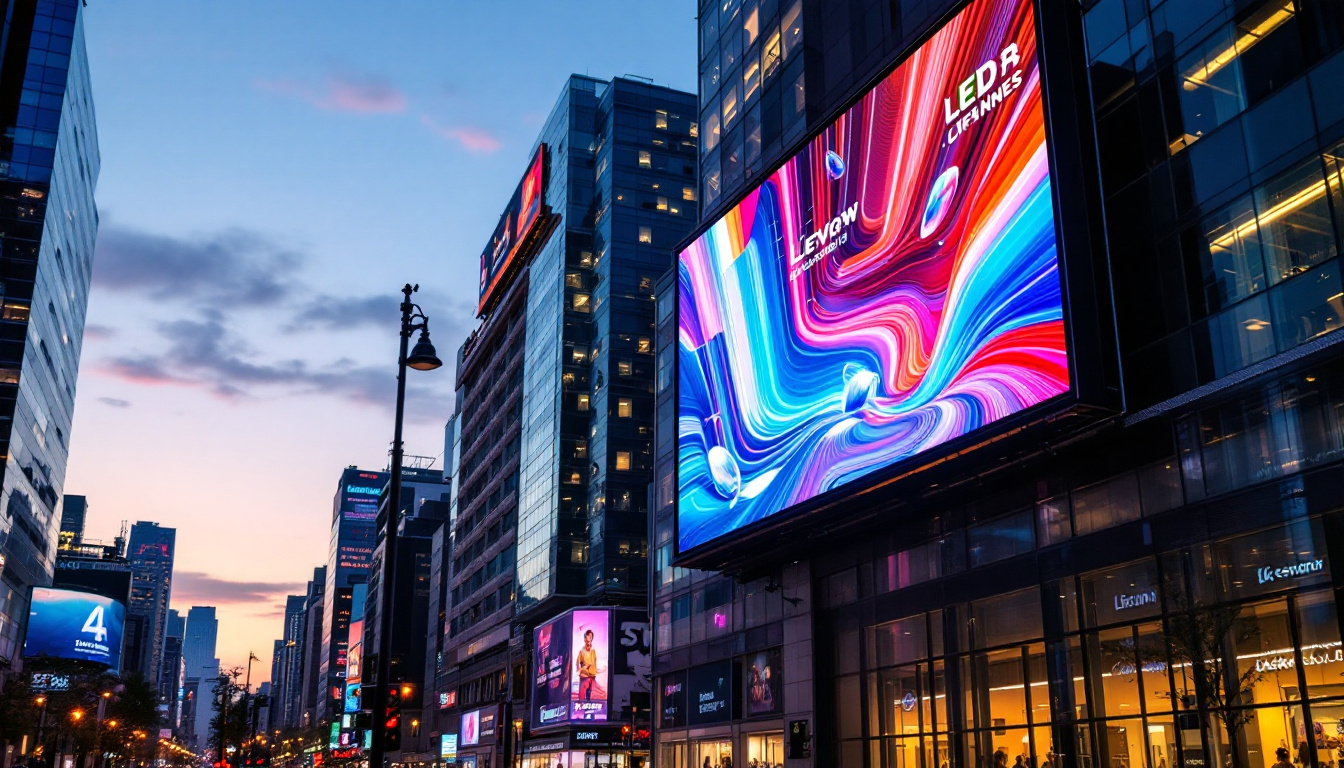
Perhaps the most visible use of LED displays is in advertising. Digital billboards and signage leverage the brightness, durability, and dynamic content capabilities of LED screens to attract attention and engage audiences. Cities worldwide have adopted LED displays for public information, including transit updates, emergency alerts, and event promotions.
Entertainment and Sports
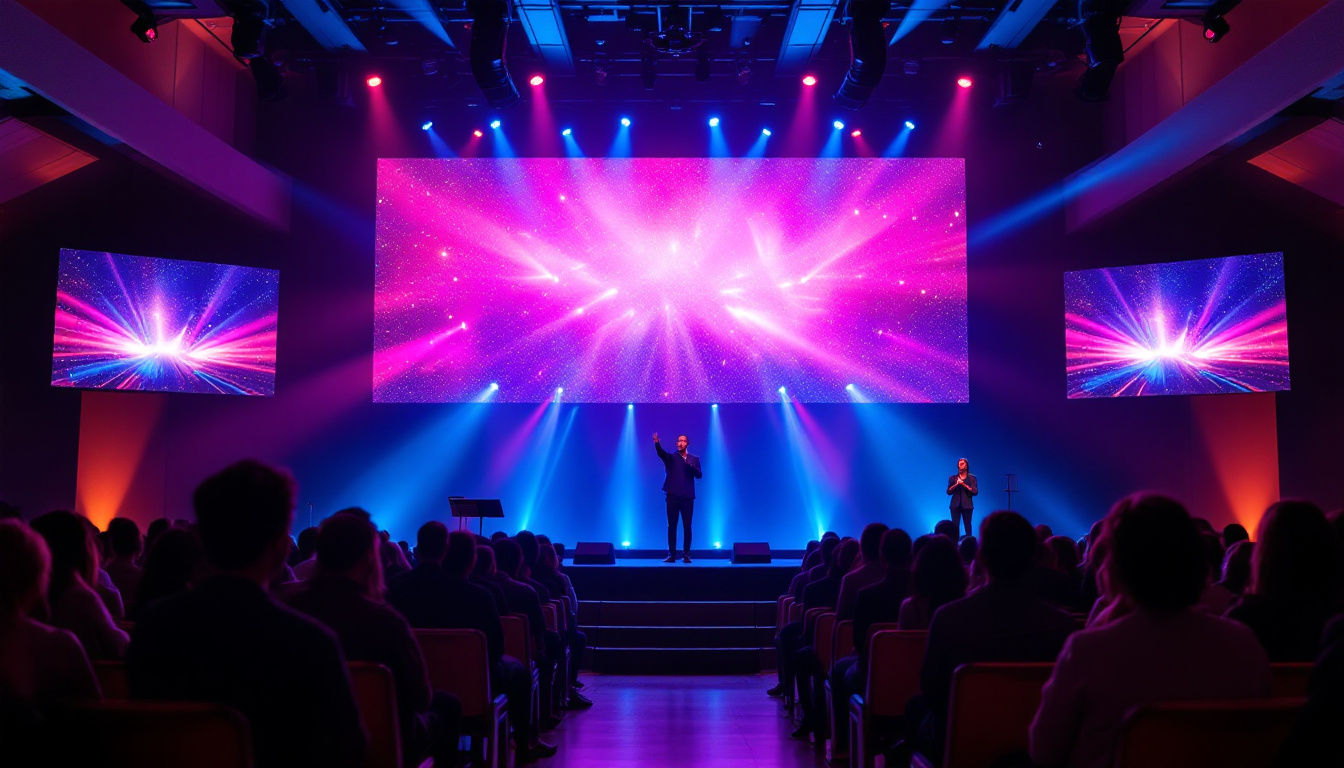
Sports arenas and concert venues rely heavily on LED displays to enhance spectator experiences. Large video walls provide live action replays, scores, and interactive content. The ability to customize screen sizes and shapes allows venues to create immersive environments that captivate audiences.
Consumer Electronics
From smartphones to televisions and computer monitors, LED technology underpins modern consumer electronics. The shift to LED backlighting has enabled thinner, lighter devices with better picture quality and lower power consumption. Emerging MicroLED displays promise even greater advances in mobile and wearable devices.
Industrial and Medical Uses
LED displays are also vital in industrial control rooms, medical imaging, and aviation. Their reliability, brightness, and clarity ensure critical information is conveyed accurately and promptly. For example, surgical monitors with LED backlighting provide surgeons with precise visuals necessary for complex procedures.
Future Trends and Innovations
Advancements in MicroLED Technology
MicroLED is poised to revolutionize display technology with its combination of brightness, color fidelity, and energy efficiency. As manufacturing techniques improve and costs decrease, MicroLED displays are expected to become more widespread in consumer electronics, automotive displays, and large-scale video walls.
Integration with Smart Technologies
LED displays are increasingly integrated with smart technologies, enabling interactive and adaptive content. Smart signage can adjust brightness based on ambient light, display personalized advertisements, or interact with mobile devices through sensors and AI-driven analytics.
Sustainability and Environmental Impact
As sustainability becomes a priority, LED technology’s energy efficiency and long lifespan position it as a greener alternative to older display methods. Manufacturers are also exploring recyclable materials and reducing hazardous substances in LED production to minimize environmental footprints further.
Conclusion
LED displays have transformed the way information and entertainment are presented, offering unparalleled brightness, energy efficiency, and versatility. From the towering billboards that define urban landscapes to the sleek screens of modern devices, LED technology continues to evolve and expand its reach.
Understanding the fundamentals of LED displays, their types, advantages, and applications provides valuable insight into why this technology dominates the visual communication landscape today and will continue to do so in the future. As innovations like MicroLED and smart integration advance, the potential for LED displays to enhance everyday life and business grows ever more exciting.
Discover the Future of LED Displays with LumenMatrix
As we embrace the advancements in LED display technology, it’s clear that the future is bright and full of color. LumenMatrix stands at the forefront of this innovation, offering a diverse range of LED display solutions that bring your content to life. Whether you’re looking to enhance your brand’s visibility with an Indoor LED Wall Display, captivate passersby with an Outdoor LED Wall Display, or create dynamic visual experiences with Custom LED Displays and more, LumenMatrix has the expertise to elevate your visual communication. Ready to transform your space with high-impact, energy-efficient LED displays? Check out LumenMatrix LED Display Solutions and join the visual revolution today.