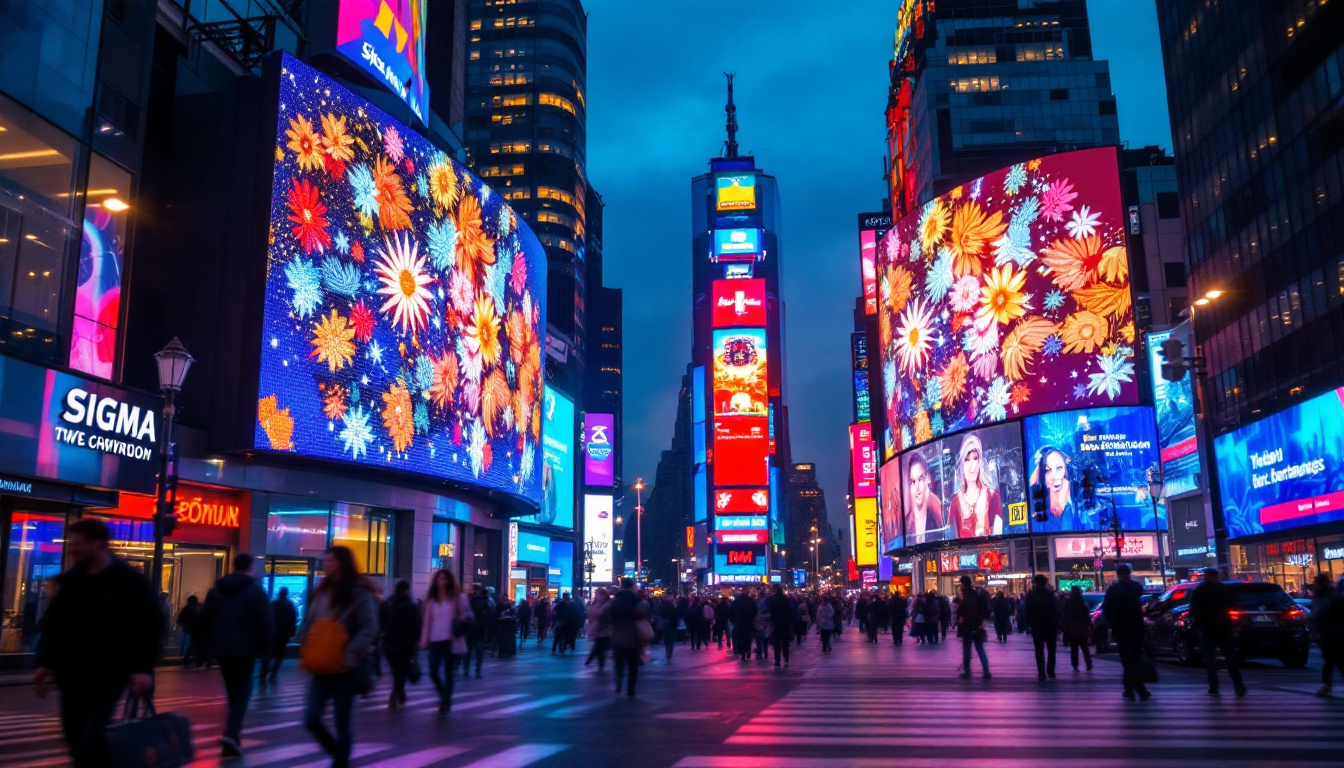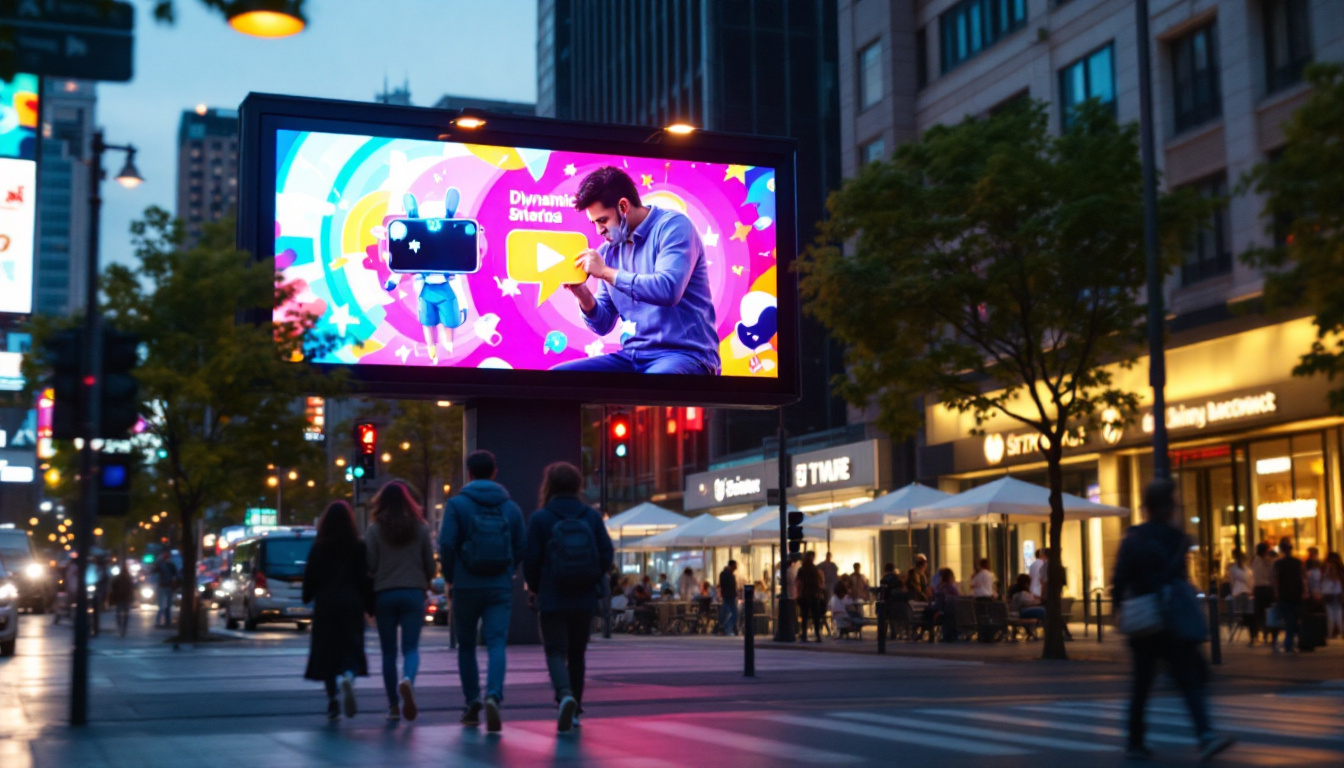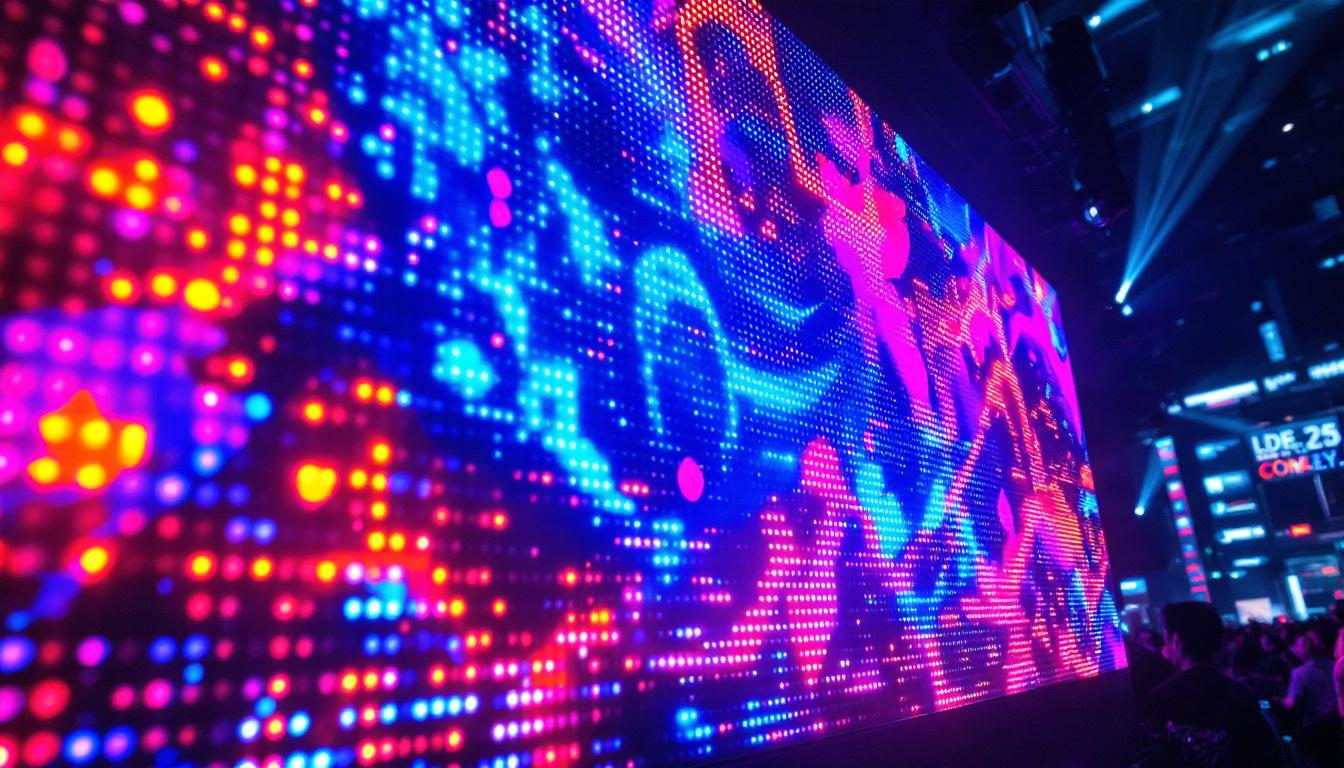
In today’s fast-evolving digital landscape, LED displays have become a cornerstone technology for visual communication. From massive stadium screens to sleek retail signage, the versatility and impact of LED displays are undeniable. This article delves into the fundamentals of LED displays, their technology, applications, and why platforms like Ww Video One Com play a pivotal role in delivering high-quality LED content.
Understanding LED Display Technology
LED stands for Light Emitting Diode, a semiconductor device that emits light when an electric current passes through it. Unlike traditional display technologies such as LCD or plasma, LED displays use tiny diodes to produce light directly, offering several advantages including brightness, energy efficiency, and durability. This technology has revolutionized the way we view content, making it possible to create vibrant displays that can be seen even in bright daylight, which is a significant advantage for outdoor advertising and public displays.
How LED Displays Work
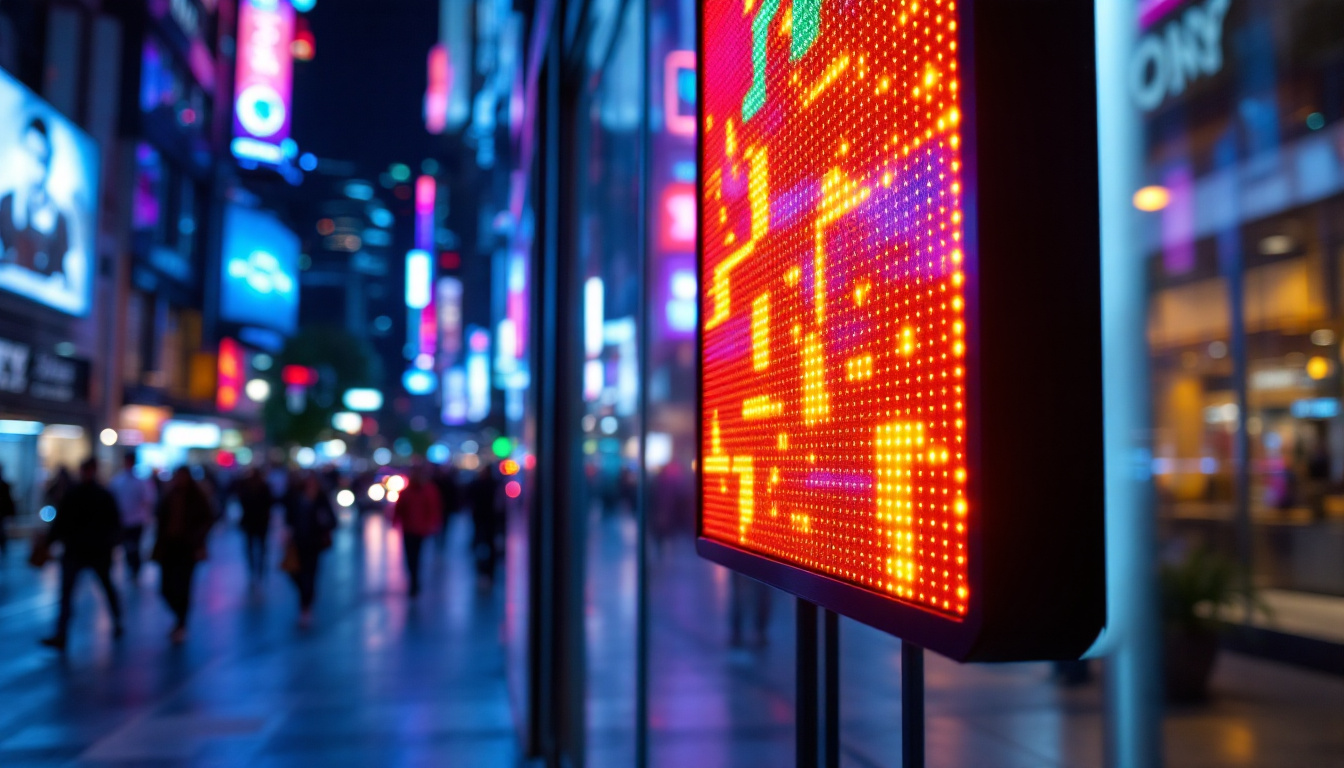
At the core of an LED display are thousands to millions of individual LEDs arranged in a grid. Each diode acts as a pixel, capable of emitting red, green, and blue light. By varying the intensity of these three colors, the display can produce a full spectrum of colors. The combination of these pixels creates the images and videos seen on the screen. The technology behind LED displays also allows for rapid refresh rates, which means that moving images can be displayed smoothly without blurring, making them ideal for dynamic content such as sports broadcasts or live performances.
The LEDs are embedded in modules that are connected to form larger panels. These panels can be scaled to virtually any size, making LED displays highly customizable for different environments and purposes. This modular design not only facilitates easy installation but also simplifies maintenance, as individual modules can be replaced without needing to dismantle the entire display. Additionally, advancements in LED technology have led to the development of energy-efficient models that consume less power while delivering superior brightness and color accuracy.
Types of LED Displays
LED displays come in various forms, primarily categorized by their intended use and pixel pitch — the distance between the centers of two adjacent pixels. Common types include:
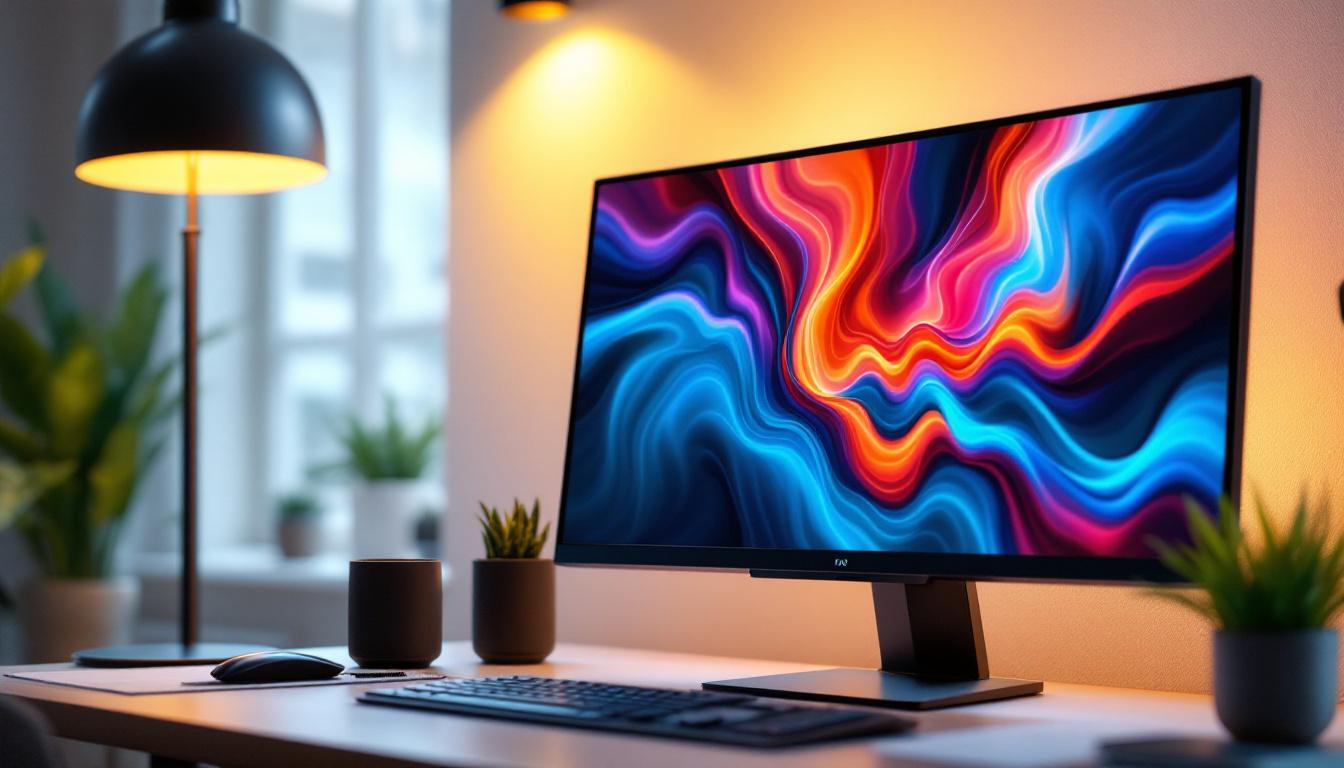
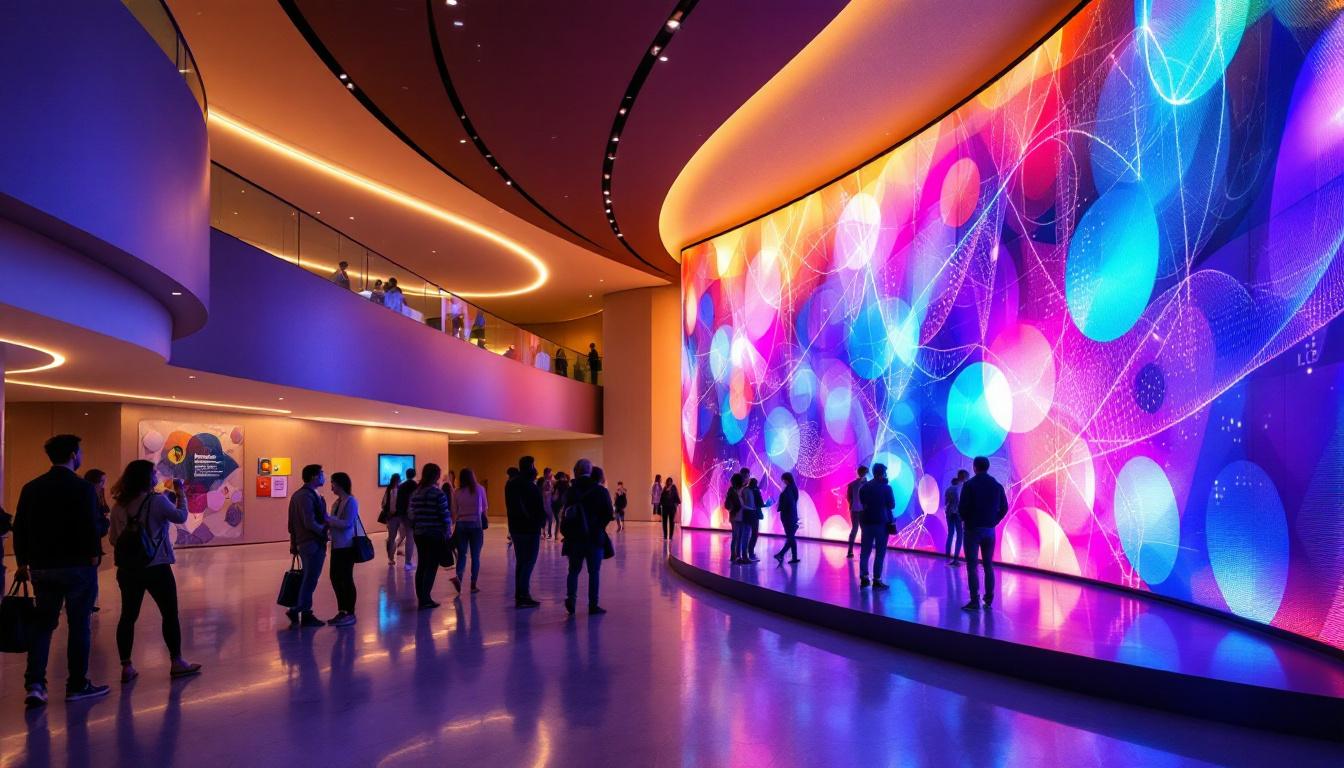
- Indoor LED Displays: Designed for close viewing distances, these displays have a small pixel pitch (typically under 2mm) to provide sharp, high-resolution images. They are often used in venues such as theaters, conference rooms, and retail spaces where detailed visuals are crucial for communication and engagement.
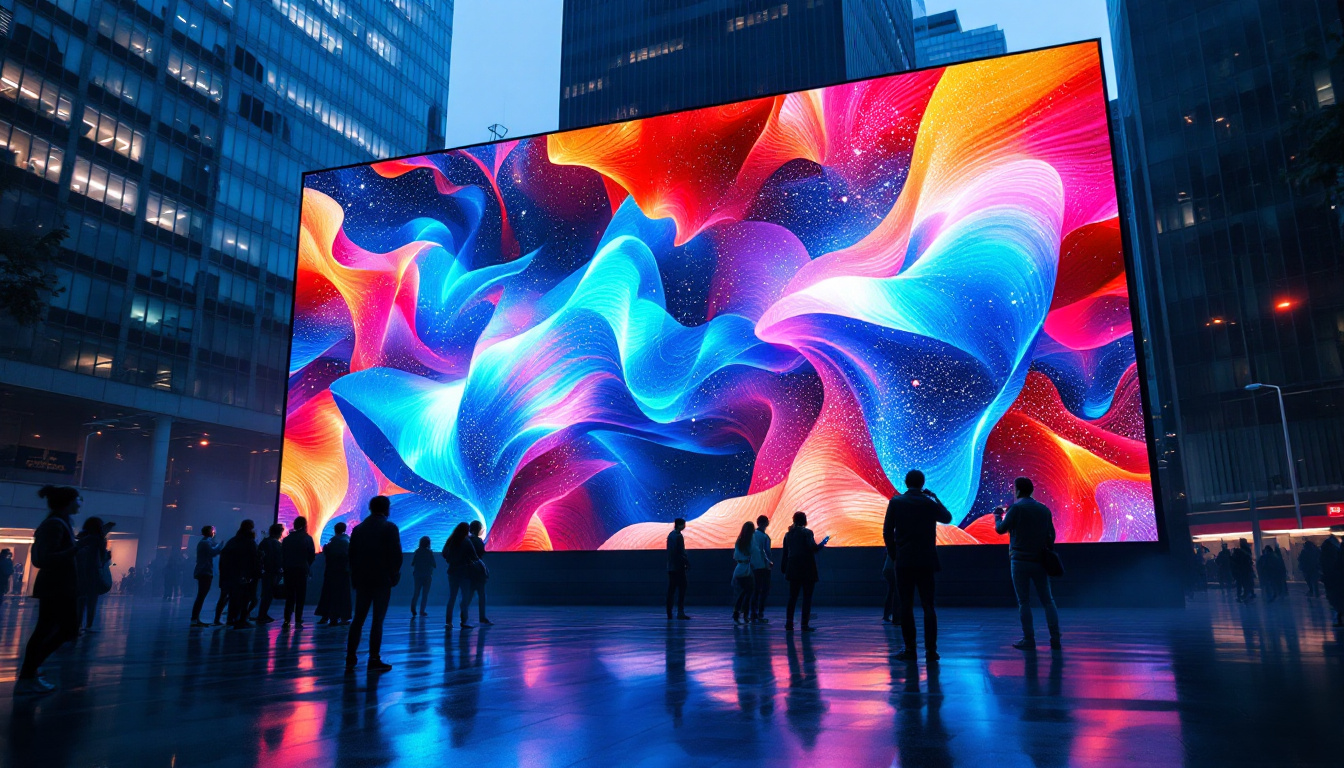
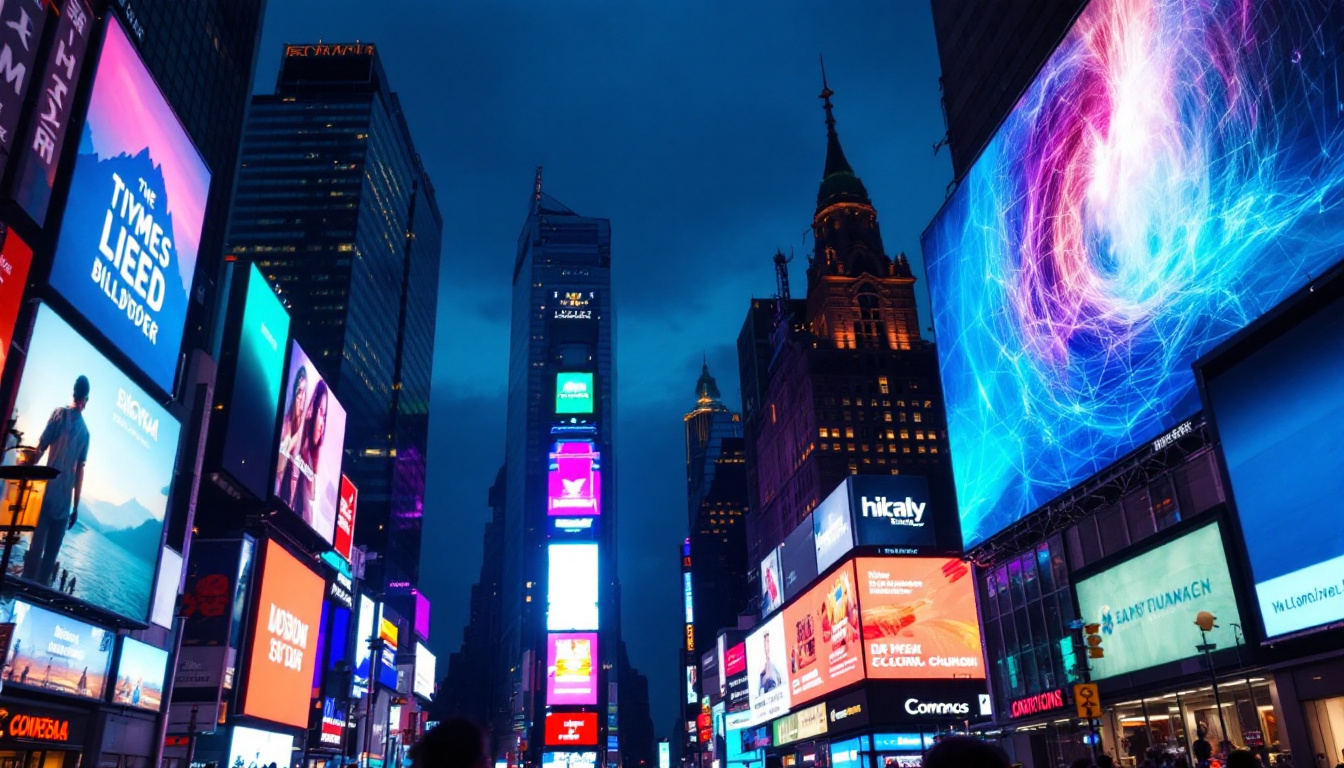
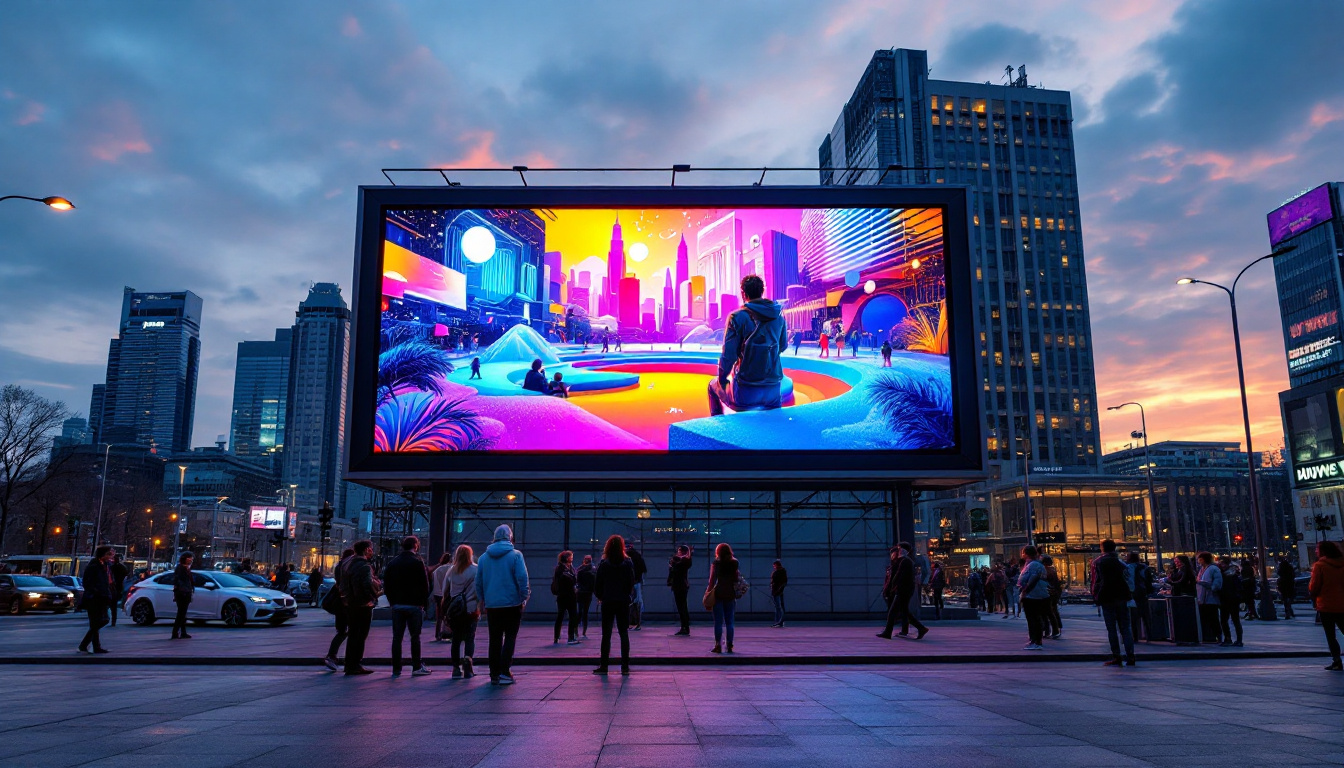
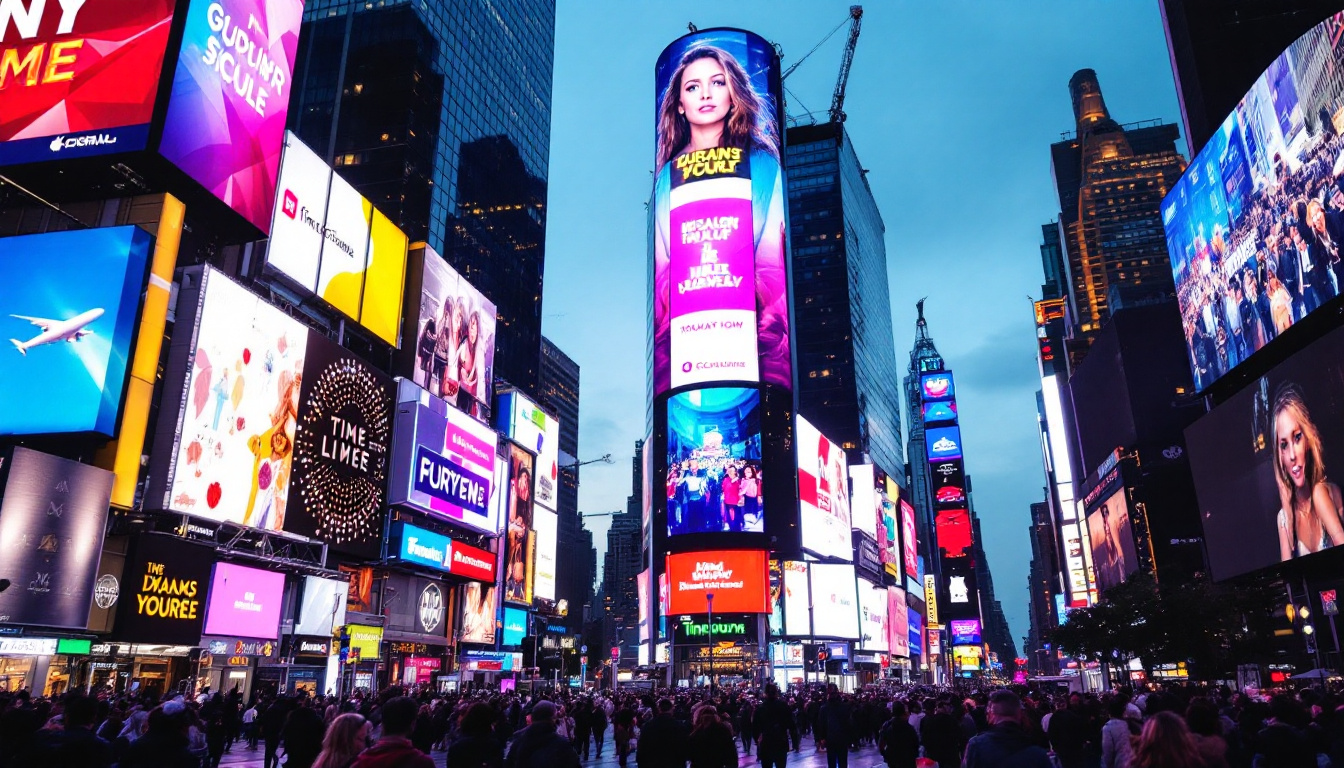
- Outdoor LED Displays: Built to withstand harsh weather conditions, these displays have larger pixel pitches (usually 4mm and above) and higher brightness levels to combat sunlight glare. They are commonly found in billboards, sports stadiums, and public squares, where they can attract attention from a distance and convey messages effectively to large audiences.
- Flexible and Transparent LED Displays: Emerging technologies that allow for curved or see-through screens, expanding creative possibilities in architecture and advertising. These displays can be integrated into windows or walls, providing a seamless blend of digital content with the physical environment, which opens up new avenues for innovative marketing strategies and artistic installations.
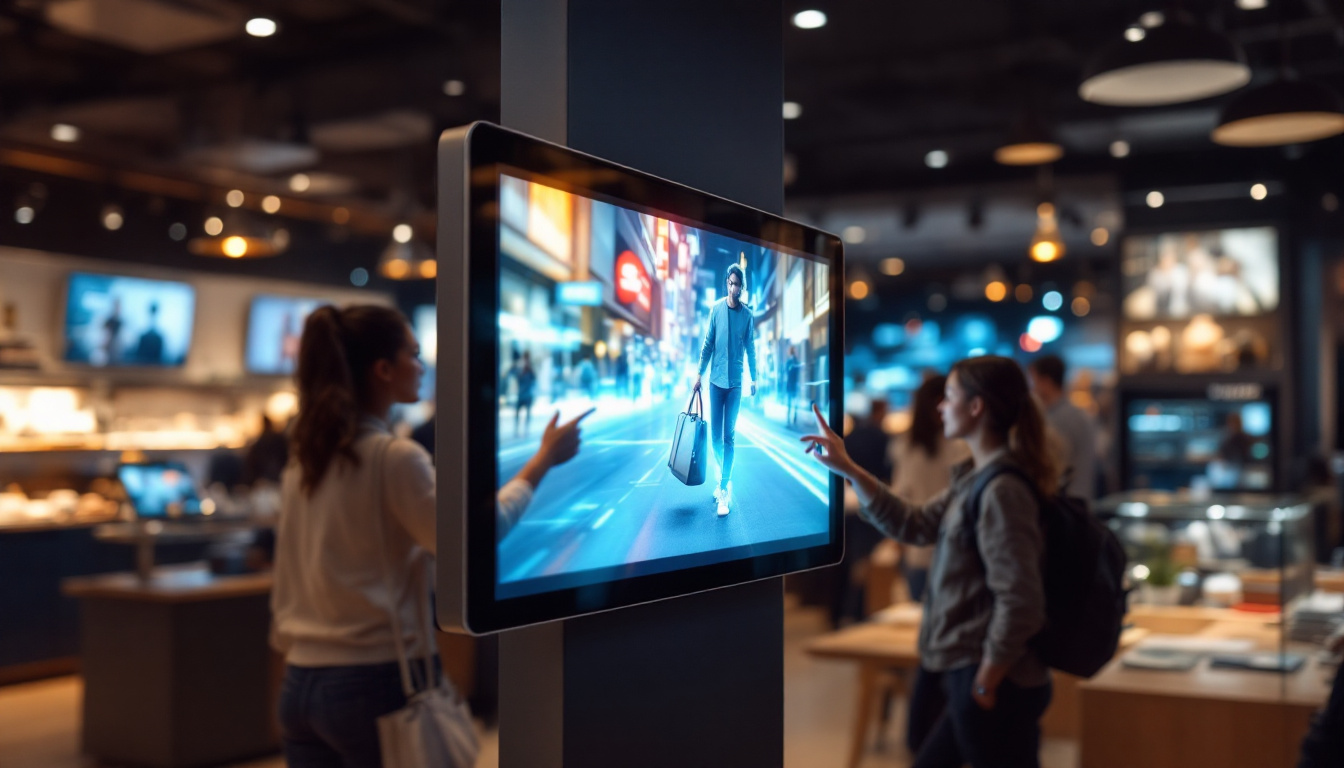
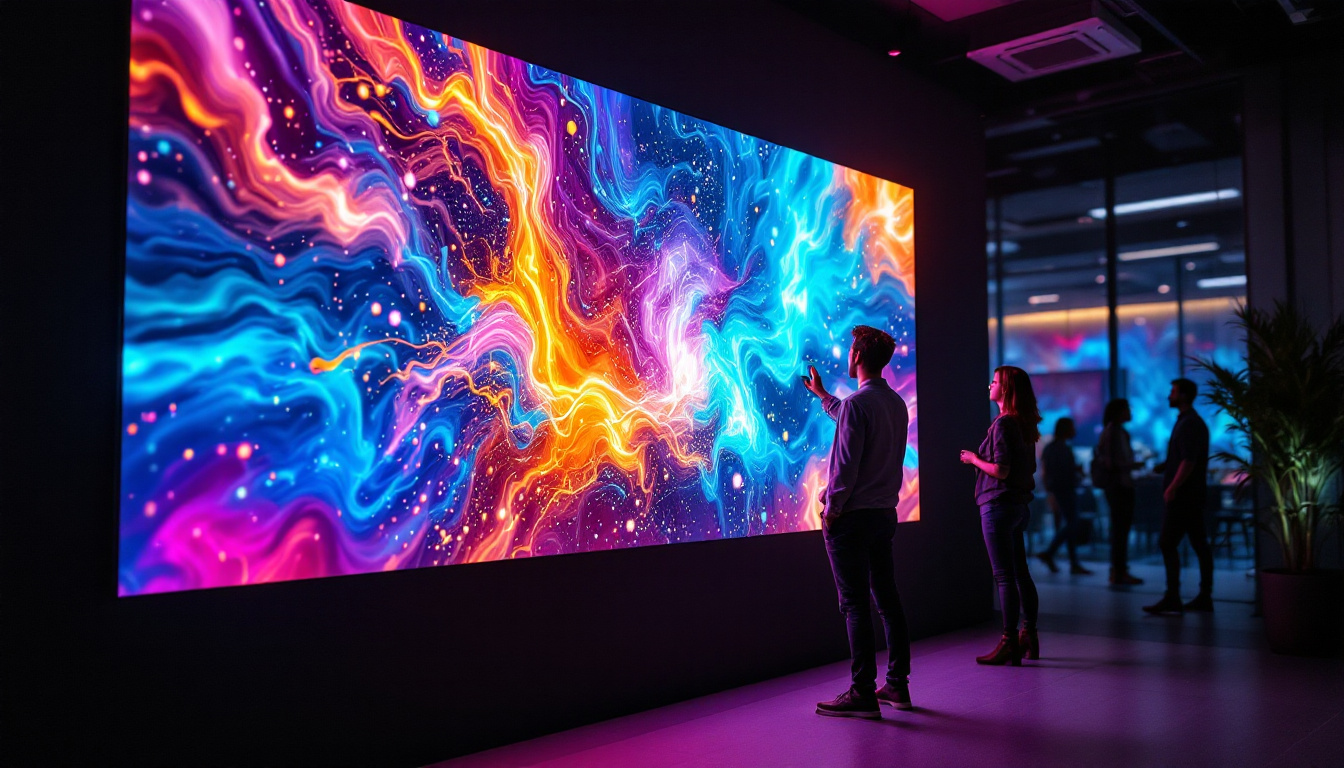
In addition to these types, there are also specialized LED displays such as video walls, which consist of multiple screens working together to create a larger image, and interactive LED displays that respond to touch or motion, enhancing user engagement. The versatility of LED technology continues to evolve, paving the way for exciting applications in various fields, from entertainment to education and beyond.
The Role of Ww Video One Com in LED Display Content Delivery
Ww Video One Com is a platform that specializes in streaming and managing video content optimized for LED displays. Given the unique requirements of LED screens — such as high brightness, color accuracy, and synchronization — content delivery platforms must be tailored to meet these demands.
Optimizing Content for LED Displays
Unlike traditional monitors or TVs, LED displays often operate in dynamic environments with varying ambient light and viewing angles. Ww Video One Com ensures that video content is encoded and formatted to maintain clarity and vibrancy on LED screens. This includes:
- High dynamic range (HDR) support: Enhances contrast and color depth, making images pop even in bright outdoor settings.
- Adaptive bitrate streaming: Adjusts video quality in real-time based on network conditions, preventing lag or buffering during live events.
- Synchronization tools: Crucial for multi-panel LED setups to ensure seamless playback across large video walls.
Use Cases Supported by Ww Video One Com
Ww Video One Com’s platform is widely used in various sectors where LED displays are prominent:
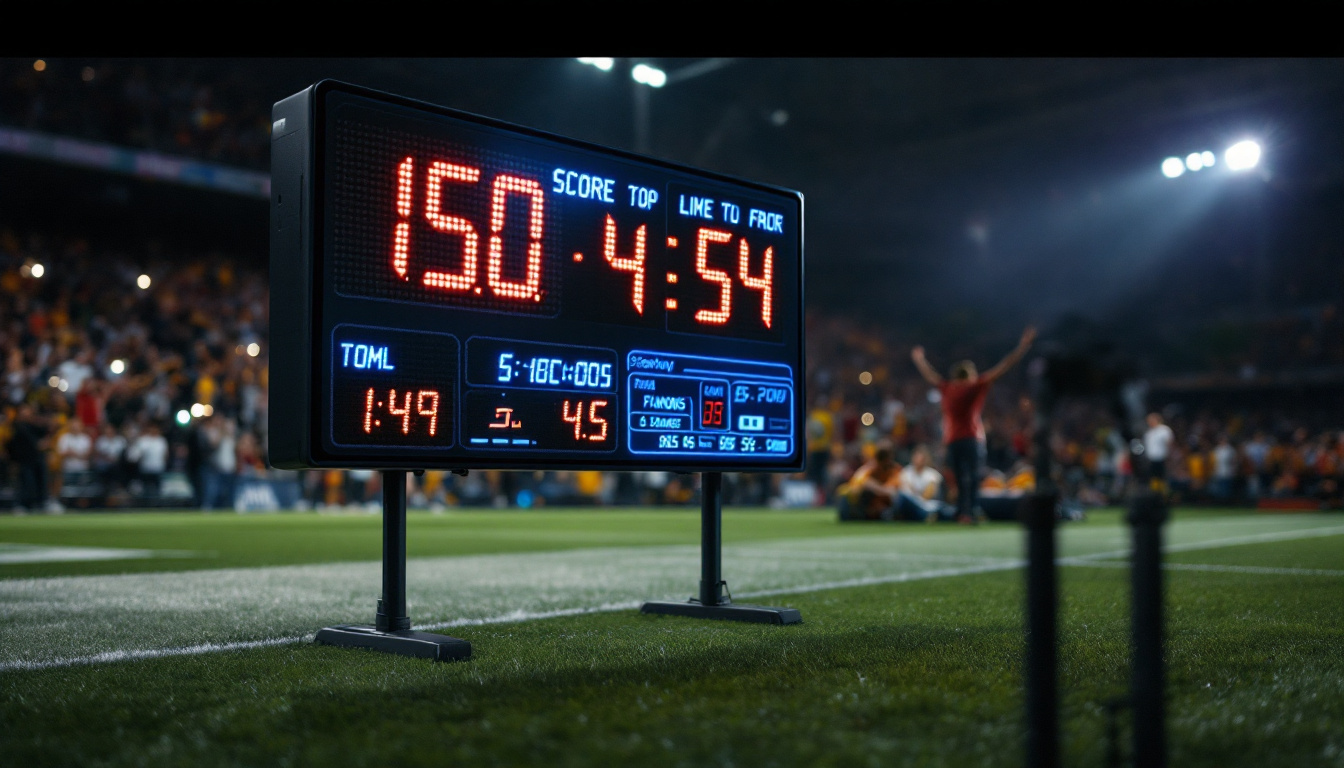
- Sports Arenas: Delivering live game footage, instant replays, and advertisements to tens of thousands of spectators.
- Retail and Advertising: Running dynamic promotional content that attracts and engages customers.
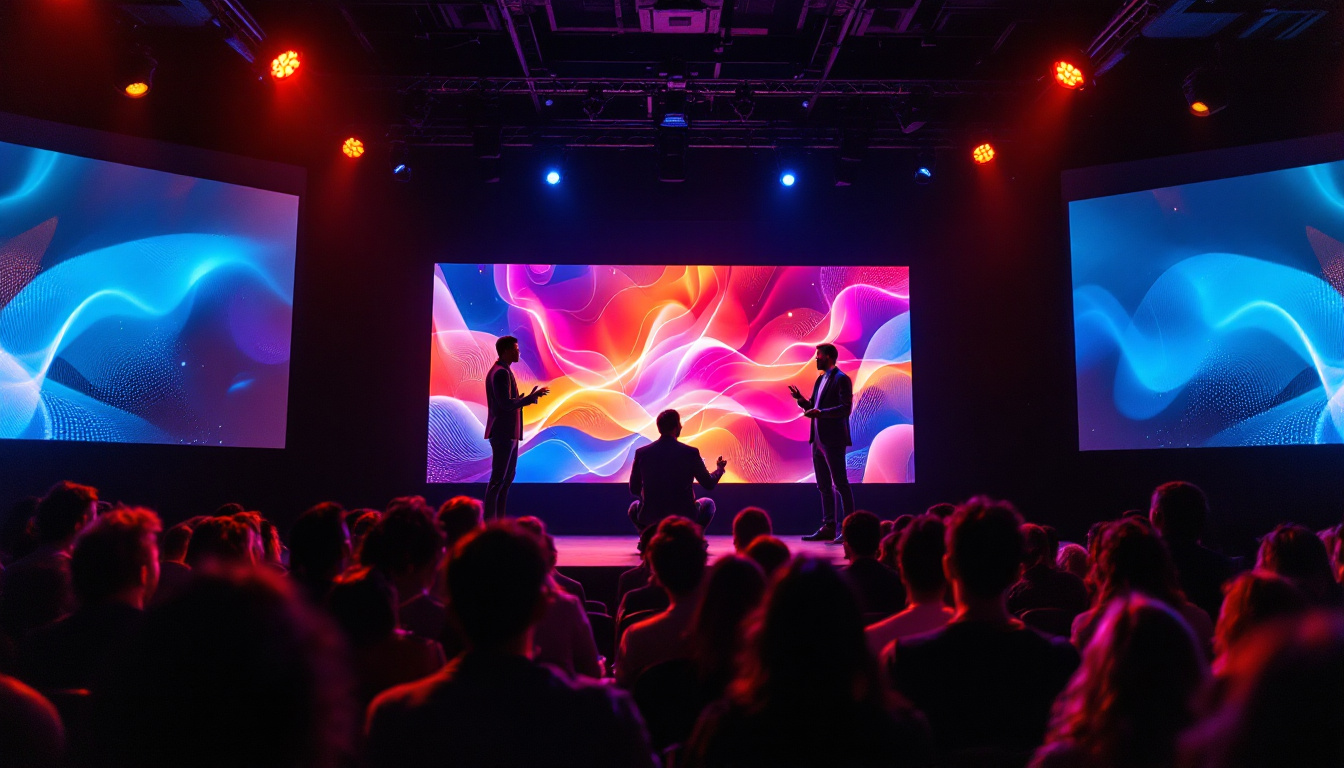
- Corporate Events and Conferences: Providing high-quality video presentations and live streams to large audiences.
- Public Information Displays: Broadcasting news, weather updates, and emergency alerts in urban centers.
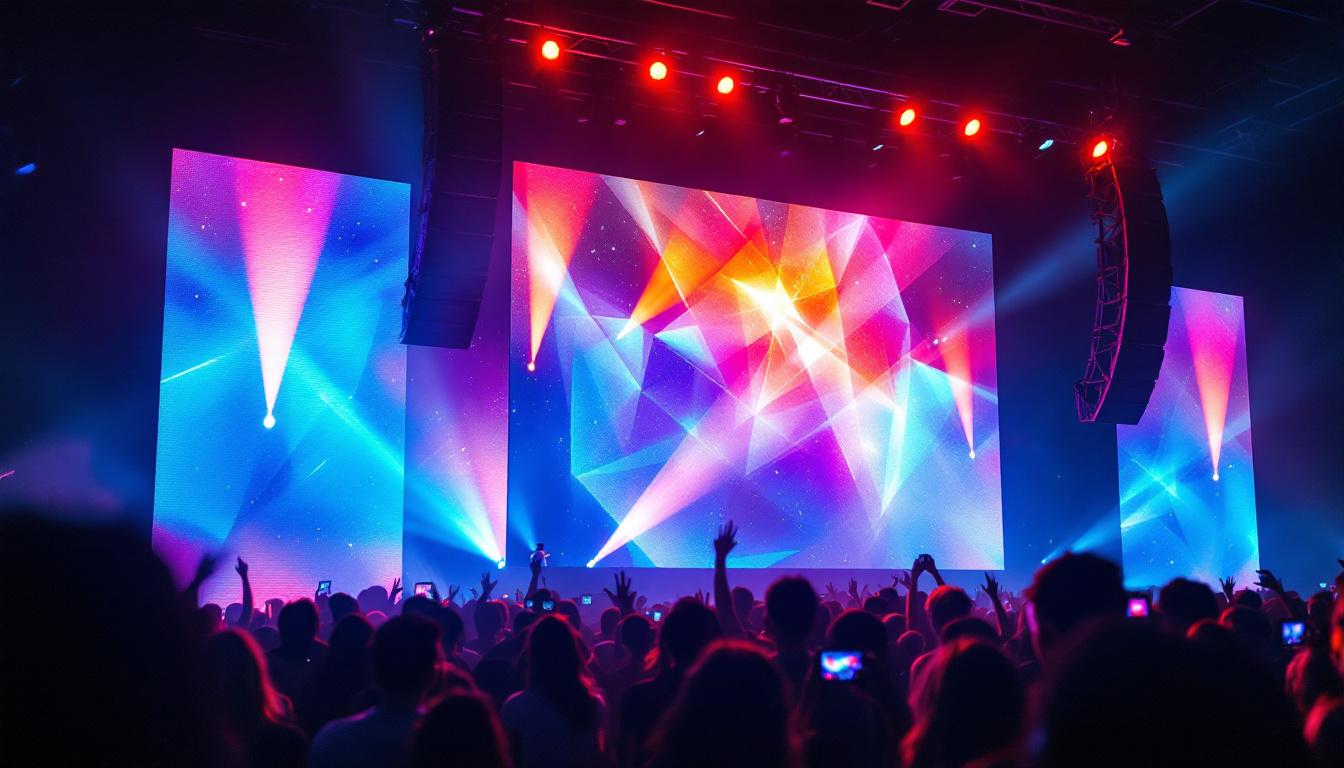
In addition to these applications, Ww Video One Com also plays a significant role in the entertainment industry, where LED displays are increasingly used in concerts and festivals. Here, the platform facilitates the integration of live camera feeds, pre-recorded video content, and visual effects, creating an immersive experience that captivates audiences. The ability to manipulate video in real-time allows event organizers to respond to the energy of the crowd, enhancing the overall atmosphere and engagement.
Moreover, educational institutions are beginning to harness the power of LED displays for interactive learning experiences. Ww Video One Com enables schools and universities to stream lectures, showcase student projects, and broadcast important announcements. The vibrant visuals and high-quality audio contribute to a more engaging learning environment, making it easier for students to absorb information and stay focused during presentations. This innovative use of technology not only enhances the educational experience but also prepares students for a future where digital literacy is paramount.
Advantages of LED Displays Over Other Technologies
LED displays have surged in popularity due to their distinct advantages compared to other display technologies like LCD, OLED, or projection systems.
Brightness and Visibility
One of the most significant benefits of LED displays is their exceptional brightness. Outdoor LED screens can reach brightness levels of up to 7,000 nits or more, making them clearly visible even in direct sunlight. This is a critical factor for billboards, sports venues, and transportation hubs where ambient light conditions are challenging.
Energy Efficiency and Longevity
LED technology is inherently energy-efficient because it emits light directly without the need for backlighting, as seen in LCDs. This efficiency translates into lower operating costs and a smaller environmental footprint. Additionally, LED displays have a longer lifespan, often exceeding 100,000 hours of operation before noticeable degradation occurs.
Flexibility and Scalability
LED displays can be constructed in virtually any shape or size, from small signs to massive video walls spanning thousands of square feet. Their modular design allows for easy maintenance and upgrades. Flexible and transparent LEDs further expand creative possibilities, enabling designers to integrate displays into architectural elements seamlessly.
Color Accuracy and Refresh Rates
Modern LED displays boast excellent color reproduction and high refresh rates, reducing motion blur and flicker. This makes them ideal for fast-moving video content, such as sports broadcasts and interactive digital signage.
Considerations When Choosing an LED Display
Despite their advantages, selecting the right LED display requires careful consideration of several factors to ensure optimal performance and return on investment.
Pixel Pitch and Viewing Distance
Pixel pitch directly affects image sharpness and clarity. For indoor environments where viewers are close to the screen, a smaller pixel pitch is essential. Conversely, outdoor displays with larger pixel pitches are more cost-effective and sufficient for distant viewing. Understanding the typical viewing distance helps determine the appropriate pixel pitch.
Brightness and Environmental Conditions
Outdoor LED displays must have sufficient brightness to overcome sunlight and weather conditions. Additionally, they should be rated for water resistance and temperature tolerance. Indoor displays can prioritize color accuracy and contrast over extreme brightness.
Content Management and Connectivity
Effective content delivery is crucial. Platforms like Ww Video One Com offer integrated solutions for managing, scheduling, and streaming content tailored to LED displays. Connectivity options such as HDMI, DVI, and IP-based protocols also influence compatibility and ease of installation.
Budget and Maintenance
While LED displays have become more affordable, initial costs can still be significant, especially for high-resolution or large-scale installations. Factoring in maintenance, including module replacements and software updates, is important for long-term budgeting.
Future Trends in LED Display Technology
The LED display industry continues to innovate rapidly, driven by advances in materials science, electronics, and software integration.
Mini-LED and Micro-LED Advances
Mini-LED and micro-LED technologies push the boundaries of pixel density and energy efficiency. Micro-LED displays, in particular, offer superior contrast ratios and color accuracy without the burn-in issues associated with OLEDs. These emerging technologies are expected to revolutionize both consumer electronics and large-format displays.
Interactive and Smart Displays
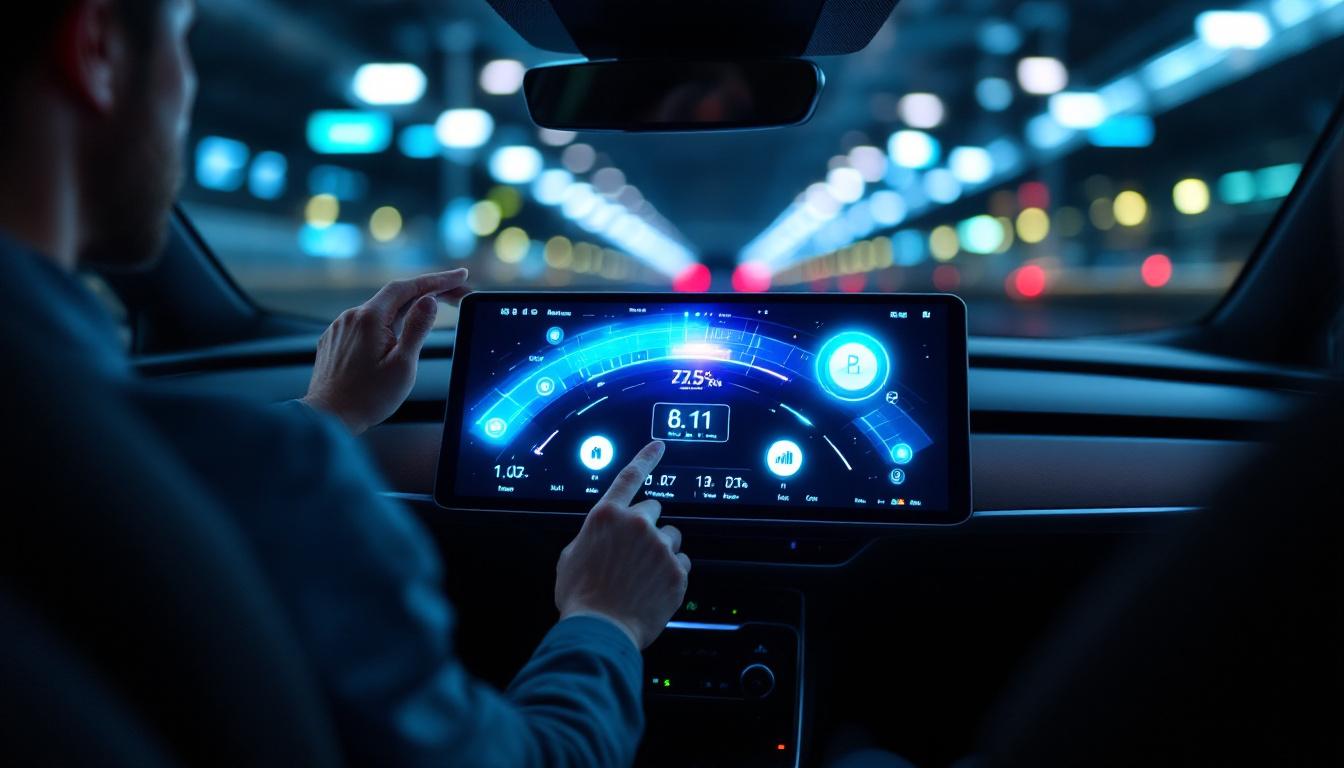
Integration of touch sensors, cameras, and AI-driven content management is transforming LED displays into interactive platforms. This enables personalized advertising, real-time analytics, and enhanced user engagement, especially in retail and public spaces.
Sustainability and Eco-Friendly Solutions
Manufacturers are focusing on reducing the environmental impact of LED displays by using recyclable materials, improving energy efficiency, and developing smarter power management systems. This aligns with growing global emphasis on sustainability in technology deployment.
Conclusion
LED displays represent a dynamic and versatile technology that continues to shape the way information and entertainment are delivered across industries. Understanding the underlying technology, the role of content delivery platforms like Ww Video One Com, and the factors influencing display selection can empower businesses and organizations to make informed decisions. As LED technology advances, the possibilities for creative and impactful visual communication will only expand, making it an exciting field to watch.
Discover LumenMatrix LED Display Solutions
As you consider the vast potential of LED displays highlighted in this article, we invite you to explore the innovative solutions offered by LumenMatrix. With a commitment to revolutionizing visual communication, LumenMatrix provides an array of LED display modules designed to captivate audiences and amplify your brand’s message. From Indoor and Outdoor LED Walls to specialized displays for vehicles, sports, and custom installations, LumenMatrix is your partner in creating immersive visual experiences. Check out LumenMatrix LED Display Solutions today and see how we can enhance your engagement and visibility in the digital age.