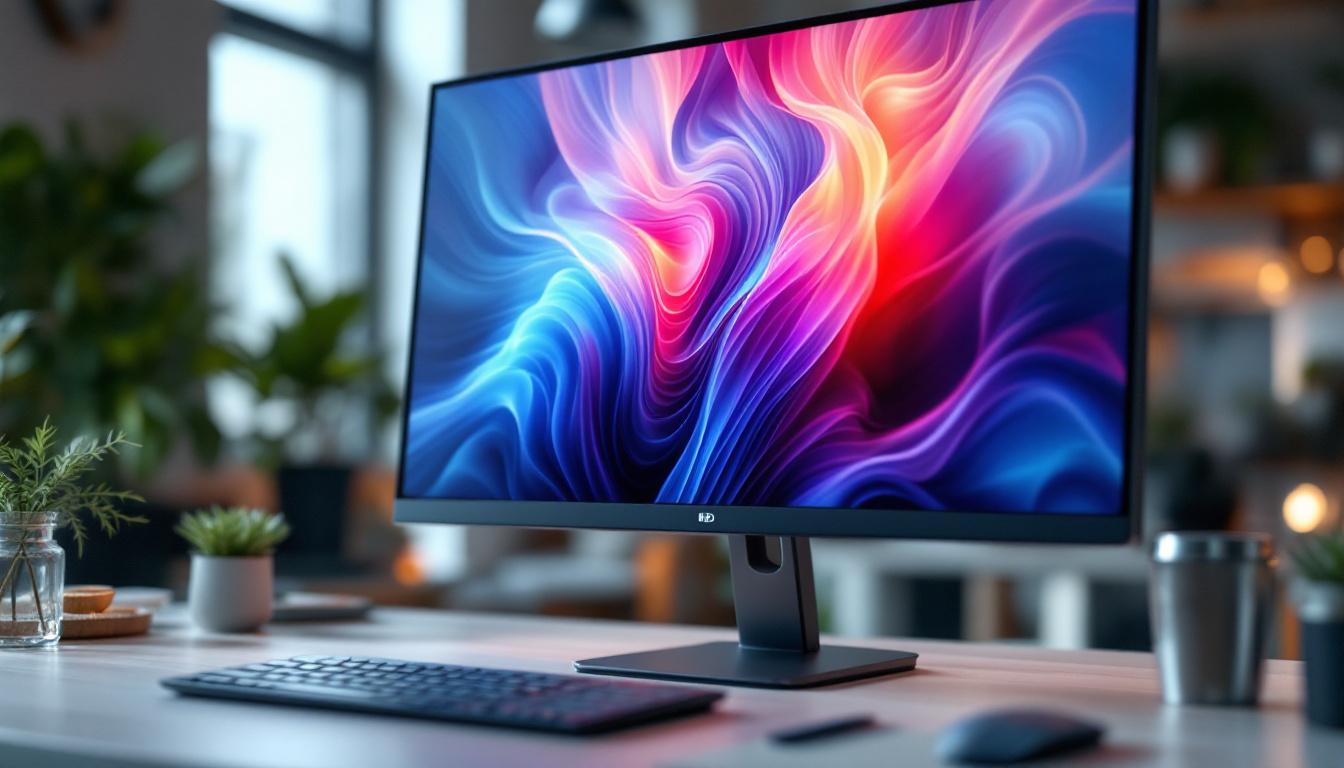
In the rapidly evolving world of technology, computer monitors have become an essential component of both professional and personal setups. Among the various types of display technologies available, LED monitors stand out for their vibrant visuals, energy efficiency, and sleek designs. This article delves deep into the world of LED computer monitors, explaining their technology, advantages, and what makes them a preferred choice for millions worldwide.
Understanding LED Display Technology
LED stands for Light Emitting Diode, a semiconductor device that emits light when an electric current passes through it. In the context of computer monitors, LED technology refers to the backlighting method used to illuminate the display panel.
Unlike older LCD monitors that used cold cathode fluorescent lamps (CCFLs) for backlighting, LED monitors utilize an array of tiny LEDs placed either behind the screen or along its edges. This shift has significantly improved display quality, power consumption, and the overall user experience. The transition to LED technology has not only enhanced the visual performance of monitors but has also contributed to a more sustainable approach to display manufacturing, as LEDs are known for their longevity and lower energy consumption compared to traditional lighting methods.
How LED Monitors Work
At the core of an LED monitor is an LCD panel that controls the pixels’ color and brightness. However, the illumination comes from the LEDs. There are two primary configurations:
- Edge-Lit LED: LEDs are positioned along the edges of the screen, and light is distributed evenly across the display using light guides. This design allows for thinner monitors but may have slight limitations in uniform brightness.
- Direct-Lit or Full-Array LED: LEDs are placed directly behind the LCD panel in a grid formation. This approach provides better brightness uniformity and enables local dimming, enhancing contrast ratios significantly.
The combination of LED backlighting with the LCD matrix results in sharp, bright images with improved color accuracy and energy efficiency. Furthermore, advancements in LED technology, such as Quantum Dot displays, have introduced even more vibrant colors and deeper blacks, pushing the boundaries of what is possible in display technology. These enhancements have made LED monitors increasingly popular not just for everyday computing tasks, but also for professional applications in graphic design, video editing, and gaming, where color fidelity and response times are critical.
Moreover, the growing trend of ultra-high-definition (UHD) displays has further highlighted the capabilities of LED technology. With resolutions reaching 4K and beyond, the clarity and detail provided by LED backlighting are essential for delivering an immersive viewing experience. As manufacturers continue to innovate, we can expect to see even more sophisticated features, such as adaptive brightness control and enhanced HDR (High Dynamic Range) support, which will allow users to enjoy content in ways that were previously unimaginable.
Advantages of LED Computer Monitors
LED monitors have become the standard in the display market, replacing older technologies due to their numerous benefits. Understanding these advantages helps consumers make informed decisions when purchasing a monitor.
Energy Efficiency and Environmental Impact
One of the most significant benefits of LED monitors is their low power consumption. Compared to CCFL-backlit LCDs, LED monitors can use up to 30-40% less energy. This efficiency not only reduces electricity bills but also contributes to a smaller carbon footprint, aligning with growing environmental concerns.
Many LED monitors also comply with energy standards such as ENERGY STAR and EPEAT, which certify products based on their environmental performance. These certifications not only assure consumers of the product’s energy efficiency but also encourage manufacturers to innovate and produce even more sustainable technology. As more consumers prioritize eco-friendly products, the demand for energy-efficient monitors continues to rise, pushing the industry towards greener practices.
Superior Image Quality
LED backlighting allows for higher brightness levels and better contrast ratios. Full-array LED monitors with local dimming can achieve deep blacks and vibrant colors, enhancing the viewing experience for both work and entertainment.
Additionally, LED technology supports a wider color gamut, which is crucial for professionals in graphic design, video editing, and photography who require color accuracy. The enhanced image quality not only benefits creative professionals but also elevates the experience for gamers and movie enthusiasts, who can enjoy richer visuals and more immersive environments. Furthermore, many LED monitors now come equipped with advanced features like HDR (High Dynamic Range), which further enhances the contrast and color range, making images appear more lifelike.
Design and Durability
LED monitors are typically thinner and lighter than their CCFL counterparts. This slim profile makes them ideal for modern workspaces where desk space and aesthetics matter.
Moreover, LEDs have a longer lifespan and are more durable, reducing the need for frequent replacements and maintenance. The robust construction of LED monitors also means they are less susceptible to damage from impacts or vibrations, making them a reliable choice for both home and office environments. Many models now feature sleek designs with minimal bezels, allowing for a more immersive viewing experience, especially when multiple monitors are used in a setup. This combination of durability and design ensures that LED monitors not only perform well but also complement contemporary interior styles, making them a popular choice among consumers looking to enhance their workspace aesthetics.
Types of LED Monitors and Their Applications
Not all LED monitors are created equal. Depending on the intended use, different types of LED displays offer tailored features and performance.
Standard LED Monitors
These are general-purpose monitors suitable for everyday tasks such as browsing, office work, and media consumption. They offer good image quality and energy efficiency at an affordable price point.
Gaming LED Monitors
Gaming monitors prioritize fast response times, high refresh rates (often 120Hz or higher), and low input lag. Many gaming LED monitors also feature adaptive sync technologies like NVIDIA G-SYNC or AMD FreeSync to prevent screen tearing and stuttering.
Additionally, some gaming monitors use advanced LED backlighting techniques to reduce motion blur and enhance visual clarity during fast-paced action.
Professional and Creative Monitors
For professionals in creative fields, color accuracy and resolution are paramount. High-end LED monitors often support 4K or higher resolutions and cover wide color spaces such as Adobe RGB or DCI-P3.
These monitors may also include hardware calibration tools and uniformity compensation to ensure consistent color reproduction across the screen.
Key Features to Consider When Choosing an LED Monitor
Selecting the right LED monitor depends on various factors tailored to individual needs. Here are some critical features to evaluate before making a purchase.
Resolution and Screen Size
Resolution determines the clarity and detail of the display. Common resolutions include Full HD (1920×1080), Quad HD (2560×1440), and Ultra HD or 4K (3840×2160). Larger screen sizes paired with higher resolutions provide more workspace and sharper images but may require more powerful graphics hardware.
Refresh Rate and Response Time
Refresh rate, measured in Hertz (Hz), indicates how many times the screen updates per second. Higher refresh rates (120Hz, 144Hz, or even 240Hz) are beneficial for gaming and smooth video playback.
Response time, measured in milliseconds (ms), reflects how quickly a pixel can change color. Lower response times reduce motion blur and ghosting effects, essential for fast-moving visuals.
Color Accuracy and Gamut
For tasks requiring precise color representation, look for monitors with high color accuracy (low Delta E values) and wide color gamut coverage. Monitors supporting HDR (High Dynamic Range) can display a broader range of brightness and colors, enhancing visual depth.
Connectivity Options
Modern LED monitors offer various ports such as HDMI, DisplayPort, USB-C, and sometimes legacy connections like VGA or DVI. USB-C with Power Delivery is increasingly popular for its ability to transmit video, data, and power through a single cable, simplifying desk setups.
Ergonomics and Adjustability
Adjustable stands that allow height, tilt, swivel, and pivot adjustments contribute to comfortable viewing angles and reduce strain during long hours of use. Some monitors also support VESA mounting for flexible placement options.
Common Misconceptions About LED Monitors
Despite their popularity, some misunderstandings persist around LED monitors. Clarifying these points helps consumers set realistic expectations.
LED vs. OLED: What’s the Difference?
While both use light-emitting diodes, OLED (Organic LED) displays differ fundamentally from LED-backlit LCDs. OLED pixels emit their own light, enabling perfect black levels and superior contrast without backlighting. However, OLED monitors are currently more expensive and less common in the computer monitor market.
Are LED Monitors Always Better Than LCD?
Technically, LED monitors are a subset of LCD monitors that use LED backlighting instead of CCFL. Therefore, when people refer to LCD monitors, they often mean older CCFL-backlit models. LED-backlit LCDs generally offer better performance, but the term “LCD” itself is broad and includes both technologies.
Does LED Backlighting Affect Eye Strain?
LED backlighting can reduce flicker and provide more consistent brightness, potentially reducing eye strain. Many modern LED monitors include features like blue light filters and flicker-free technology to enhance user comfort during extended use.
Future Trends in LED Monitor Technology
The display industry continues to innovate, and LED monitors are no exception. Emerging trends promise to enhance user experience even further.
Mini-LED and Micro-LED Backlighting
Mini-LED technology uses thousands of tiny LEDs for backlighting, enabling finer local dimming zones and improved contrast. This technology bridges the gap between traditional LED and OLED displays, offering better picture quality without OLED’s drawbacks like burn-in.
Micro-LED, still in development for consumer monitors, involves microscopic LEDs that serve as individual pixels, promising exceptional brightness, color accuracy, and longevity.
Higher Refresh Rates and Variable Refresh Technologies
As gaming and professional applications demand smoother visuals, monitors with refresh rates exceeding 240Hz are becoming more accessible. Variable refresh rate technologies continue to evolve, providing seamless synchronization between the monitor and graphics card.
Integration with Smart Features
Future LED monitors may incorporate AI-driven features such as automatic calibration, adaptive brightness based on ambient light, and enhanced blue light reduction. Integration with voice assistants and IoT ecosystems could also become standard.
Conclusion
LED computer monitors represent a significant advancement in display technology, offering superior image quality, energy efficiency, and sleek designs suitable for a wide range of applications. Whether for casual use, gaming, or professional creative work, understanding LED technology helps users select the ideal monitor to meet their needs.
As technology progresses, innovations like Mini-LED and Micro-LED promise even more impressive displays, ensuring that LED monitors will remain at the forefront of visual technology for years to come.
Discover the Future of Visual Technology with LumenMatrix
As you consider the vast possibilities of LED display technology for your personal or professional needs, LumenMatrix stands ready to illuminate your space with cutting-edge solutions. From vibrant Indoor LED Walls to dynamic Outdoor LED Displays and beyond, our offerings are designed to captivate and engage. Embrace the revolution in visual communication with LumenMatrix’s comprehensive range of LED display modules, tailored to deliver your message with unparalleled impact. Check out LumenMatrix LED Display Solutions today and step into a brighter, more engaging visual future.