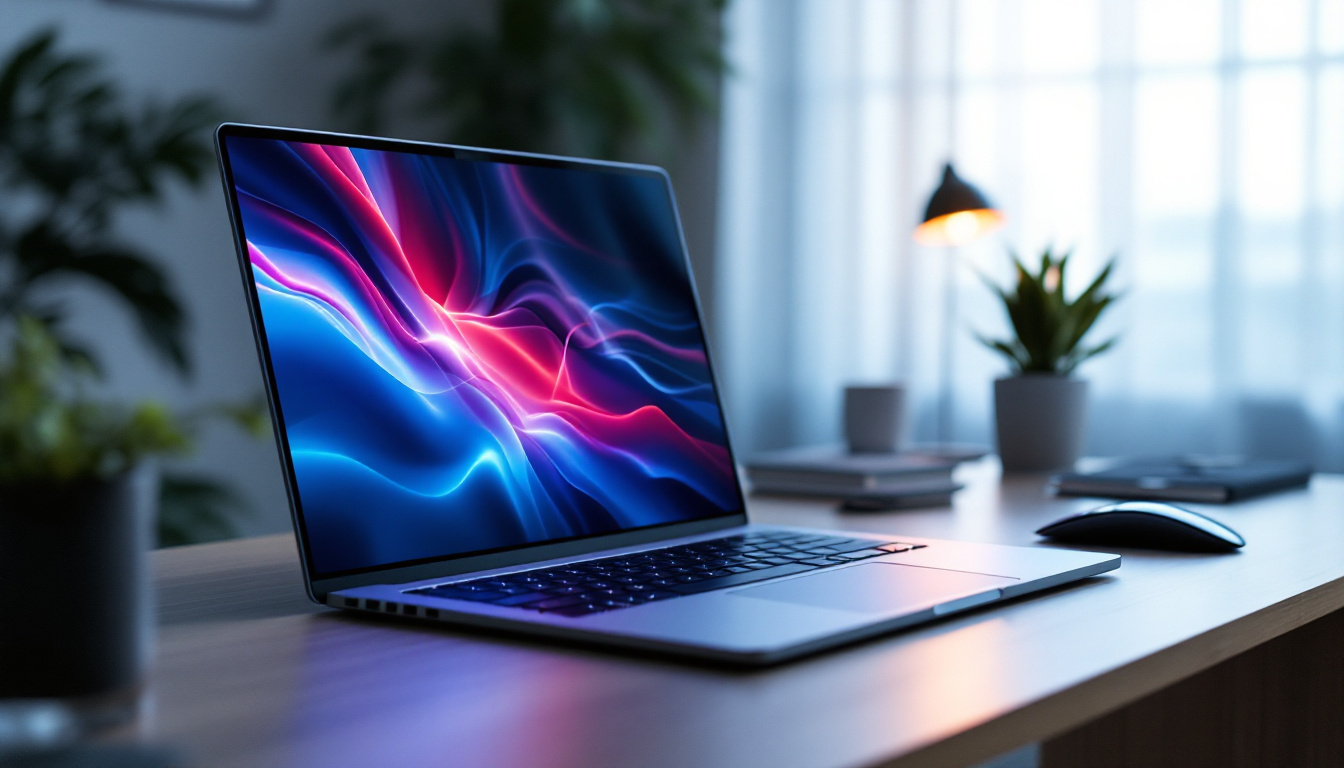
In today’s fast-paced digital world, the demand for portable monitors has surged dramatically. Whether for remote work, gaming, creative projects, or presentations, having a large, high-quality portable display can significantly enhance productivity and entertainment experiences. This article delves into the world of the largest portable monitors, focusing on LED display technology, its benefits, and what to consider when choosing the perfect portable screen.
Understanding Portable Monitors and Their Growing Popularity
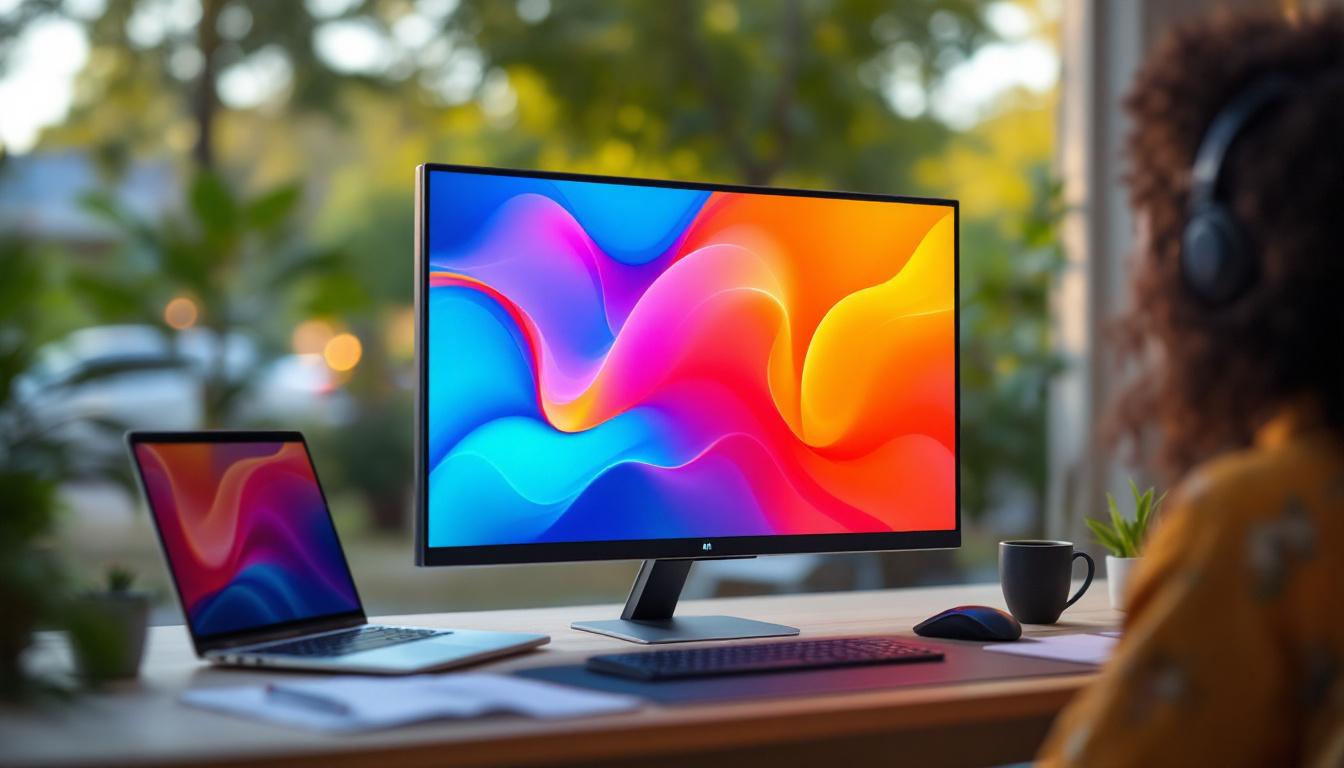
Portable monitors are external displays designed for mobility and convenience. Unlike traditional desktop monitors, these devices are lightweight, slim, and easy to carry, making them ideal companions for laptops, tablets, and even smartphones. Over the past few years, the market for portable monitors has expanded, driven by the rise of remote work, digital nomadism, and the increasing need for multi-screen setups on the go.
According to a 2023 market analysis by Grand View Research, the portable monitor market is expected to grow at a compound annual growth rate (CAGR) of over 7% through 2030. This growth is fueled by advancements in display technology, improved connectivity options, and the increasing demand for larger screen real estate without sacrificing portability.
Why Size Matters in Portable Monitors
While portability often suggests smaller screens, there is a growing niche for larger portable monitors that balance size with mobility. Larger screens, typically 17 inches and above, provide more workspace, better visibility, and enhanced immersion for gaming or multimedia consumption. However, they also pose challenges in terms of weight and power consumption, which manufacturers are addressing through innovative designs and LED technology.
Moreover, the versatility of portable monitors extends beyond just enhancing productivity. They are increasingly being used for creative purposes, such as graphic design and video editing, where color accuracy and screen real estate are crucial. Many models now come equipped with features like high-resolution displays, touch capabilities, and adjustable stands, allowing users to tailor their setup to their specific needs. This adaptability makes them not only a practical choice for business professionals but also for artists and content creators who require a reliable second screen while on the move.
In addition to their functional benefits, portable monitors are also becoming more aesthetically pleasing. Manufacturers are focusing on sleek designs that complement modern laptops and devices, often incorporating ultra-thin bezels and lightweight materials. This trend towards stylish and functional design means that users no longer have to compromise on aesthetics for the sake of practicality. As a result, portable monitors are not just tools; they are becoming an integral part of a tech-savvy lifestyle, appealing to a wide range of users from students to seasoned professionals.
LED Display Technology: The Backbone of Modern Portable Monitors
LED (Light Emitting Diode) technology has revolutionized display screens, becoming the standard for portable monitors due to its efficiency, brightness, and color accuracy. Understanding how LED displays work and their advantages helps explain why they are preferred in larger portable monitors.
How LED Displays Work
LED displays use an array of light-emitting diodes to illuminate the screen. Unlike older LCDs that rely on cold cathode fluorescent lamps (CCFLs) for backlighting, LED monitors use LEDs which are more energy-efficient and produce brighter, more uniform light. This results in better contrast ratios and more vivid colors, essential for professional work such as photo editing or video production.
Types of LED Displays in Portable Monitors
There are primarily two types of LED displays used in portable monitors:
- Edge-Lit LED: LEDs are positioned around the edges of the screen, providing backlighting through light guides. This design allows for thinner and lighter monitors but may sometimes suffer from uneven brightness.
- Direct-Lit LED: LEDs are placed directly behind the screen, offering more uniform brightness and better contrast. This type is often found in higher-end portable monitors but can add to the device’s thickness and weight.
Some premium portable monitors are now incorporating Mini-LED technology, which uses thousands of tiny LEDs to deliver superior contrast and HDR performance, pushing the boundaries of portable display quality.
Exploring the Largest Portable Monitors Available Today
When discussing the largest portable monitors, it’s essential to define what “portable” means in this context. Generally, portable monitors range from 13 to 17 inches, but recent innovations have pushed this boundary to 18 inches and beyond without compromising mobility.
Top Models and Their Features
Several manufacturers have introduced large portable monitors that combine size, performance, and portability. Here are some notable examples:
- 17.3-inch Full HD Portable Monitors: These models are popular among gamers and professionals alike. They typically offer 1920×1080 resolution, USB-C connectivity, and slim profiles weighing around 1.5 to 2 pounds. Brands like ASUS and Lenovo have strong offerings in this category.
- 18.4-inch Portable Monitors: Slightly larger and less common, these monitors provide enhanced screen real estate for multitasking. They often feature Full HD or higher resolutions and come with built-in stands and protective cases to maintain portability.
- Mini-LED 17.3-inch Monitors: For those seeking top-tier image quality, some models now incorporate Mini-LED backlighting, offering better HDR performance and color accuracy. These are ideal for creative professionals who need portable yet precise displays.
Balancing Size and Portability
While larger portable monitors offer undeniable benefits in screen space, they also require careful consideration regarding weight, power sources, and connectivity. Most large portable monitors weigh between 1.5 to 3 pounds, which is manageable for short trips but may be cumbersome for daily commuting.
Battery life is another factor; some large portable monitors come with built-in batteries, allowing use without constant power connection, but this can add to the device’s weight and cost. USB-C connectivity has become the standard, enabling both power and video signal transmission through a single cable, streamlining setup and reducing clutter.
Key Benefits of Using Large Portable LED Monitors
Large portable monitors with LED technology offer several advantages that make them attractive to a wide range of users.
Enhanced Productivity and Multitasking
For professionals who rely on multiple applications simultaneously—such as developers, designers, and financial analysts—a larger secondary screen can significantly improve workflow. Portable monitors allow users to extend their desktop space anywhere, facilitating multitasking without the need for bulky setups.
Improved Visual Experience for Creatives and Gamers
Creative professionals benefit from the accurate color reproduction and high brightness levels of LED displays, especially those with IPS panels and HDR support. Gamers also appreciate the larger screen size and fast refresh rates available in some portable monitors, which enhance immersion and responsiveness.
Flexibility and Convenience
Large portable monitors are versatile tools that can be used in various environments—from coffee shops and client meetings to home offices and travel. Their slim profiles and lightweight designs make them easy to pack alongside laptops and other essentials.
What to Consider When Choosing a Large Portable Monitor
Choosing the right large portable monitor involves evaluating several factors to ensure it meets your specific needs.
Display Quality and Resolution
Resolution is a critical consideration. Full HD (1920×1080) is standard and sufficient for most users, but those requiring finer detail might opt for 2K or 4K displays. Additionally, look for monitors with high color accuracy (measured in sRGB or AdobeRGB coverage) if color fidelity is important.
Connectivity Options
USB-C is the preferred connection for modern portable monitors, offering power and video through one cable. Some monitors also include HDMI or DisplayPort inputs for compatibility with a wider range of devices. Check for compatibility with your laptop or smartphone to avoid connectivity issues.
Portability and Build Quality
Consider the weight and thickness of the monitor, especially if you travel frequently. A robust build with a protective case or stand can enhance durability. Some models feature adjustable stands or magnetic covers that double as screen protectors, adding to their convenience.
Power Source and Battery Life
While many portable monitors draw power from the connected device, some include built-in batteries for untethered use. Evaluate your typical use cases to decide if battery life is a priority. Keep in mind that larger displays generally consume more power.
Additional Features
Features such as touchscreen capability, anti-glare coatings, and high refresh rates may be important depending on your intended use. For example, touchscreen monitors can enhance interactivity for presentations or creative work, while gamers may prioritize refresh rates of 60Hz or higher.
Future Trends in Large Portable LED Monitors
The portable monitor market continues to evolve rapidly, driven by technological advancements and changing user demands.
Mini-LED and OLED Integration
Mini-LED technology is becoming more prevalent, offering improved contrast ratios, brightness, and HDR performance without the burn-in risks associated with OLEDs. However, OLED portable monitors are also emerging, prized for their deep blacks and vibrant colors, though currently limited by cost and longevity concerns.
Increased Screen Sizes with Enhanced Portability
Manufacturers are exploring ways to increase screen sizes beyond 18 inches while maintaining lightweight and slim designs. Innovations in materials and battery technology will likely make even larger portable monitors feasible in the near future.
Wireless Connectivity and Smart Features
Wireless display technologies such as Wi-Fi Direct and Miracast are improving, potentially reducing the need for cables. Additionally, integration with smart assistants and enhanced software features could make portable monitors more interactive and user-friendly.
Conclusion
Large portable monitors equipped with LED display technology represent a powerful tool for enhancing productivity, creativity, and entertainment on the go. Their blend of size, image quality, and portability makes them increasingly popular among professionals, gamers, and casual users alike. By understanding the technology behind these devices and carefully considering key features, users can select the ideal portable monitor to meet their unique needs.
As technology advances, the boundaries of what defines a portable monitor will continue to expand, offering even more impressive displays that fit seamlessly into mobile lifestyles. Whether for work or play, investing in a large portable LED monitor is a step toward a more flexible and immersive digital experience.
Discover the Future of Portable LED Displays with LumenMatrix
Ready to elevate your visual experience with the latest in portable LED display technology? LumenMatrix is at the forefront of innovation, offering a wide range of LED display solutions tailored to your needs. From dynamic Indoor LED Walls to captivating Outdoor LED Displays and beyond, our mission is to transform your visual communication with unparalleled clarity and impact. Don’t miss out on the opportunity to enhance your brand visibility and audience engagement. Check out LumenMatrix LED Display Solutions today and join the revolution in portable display technology.