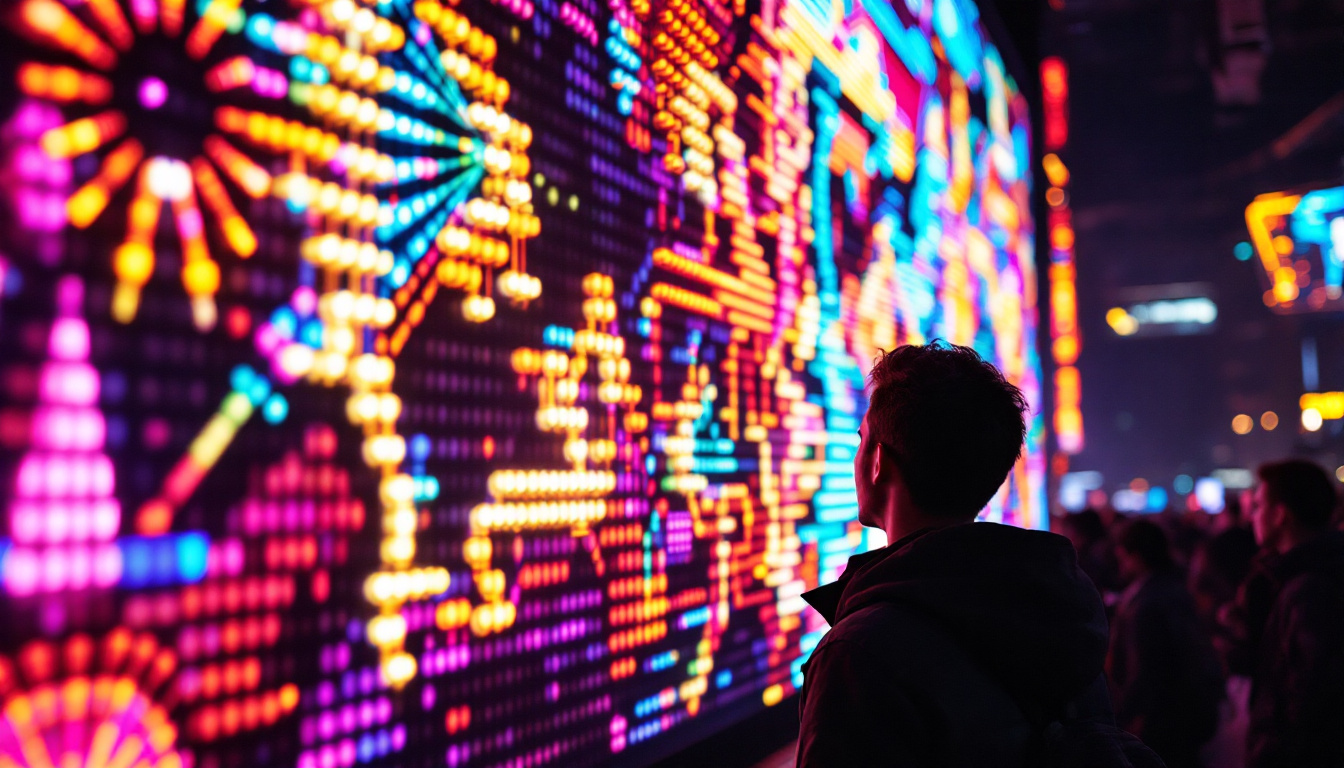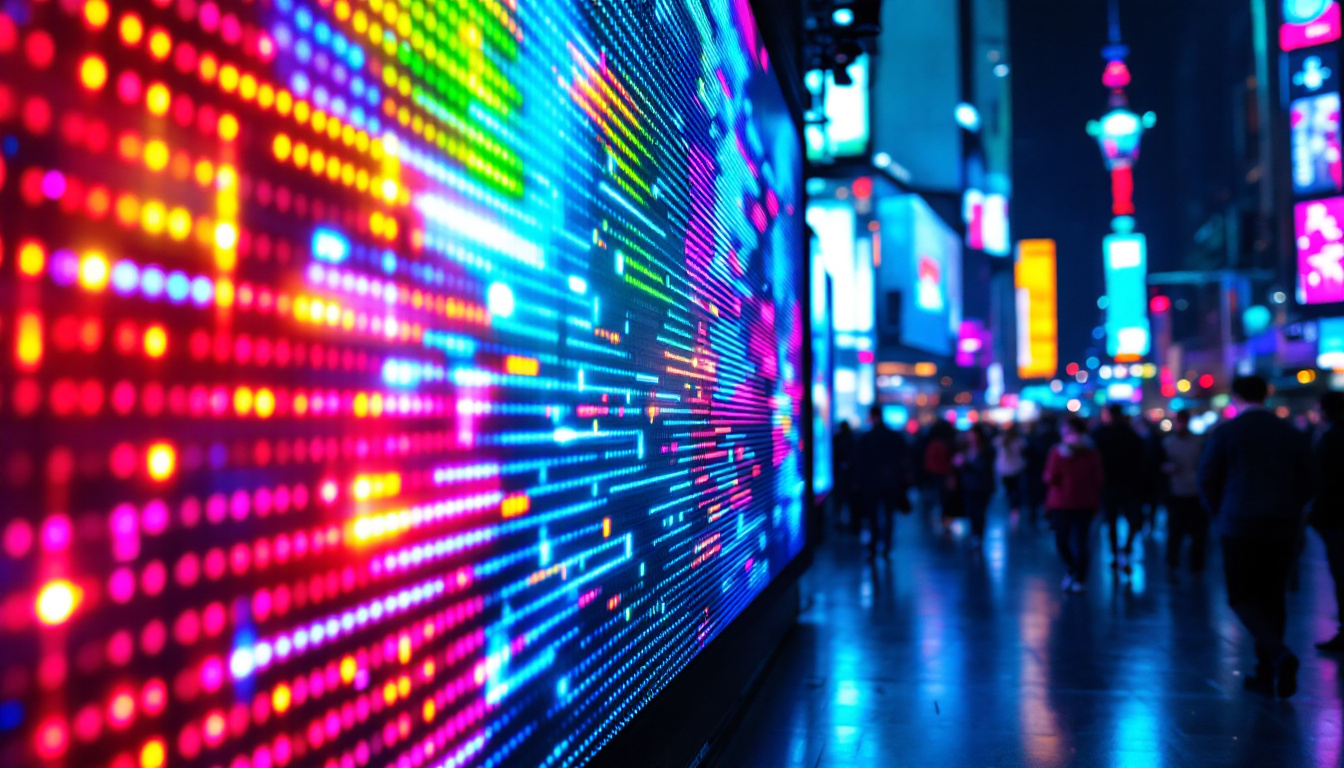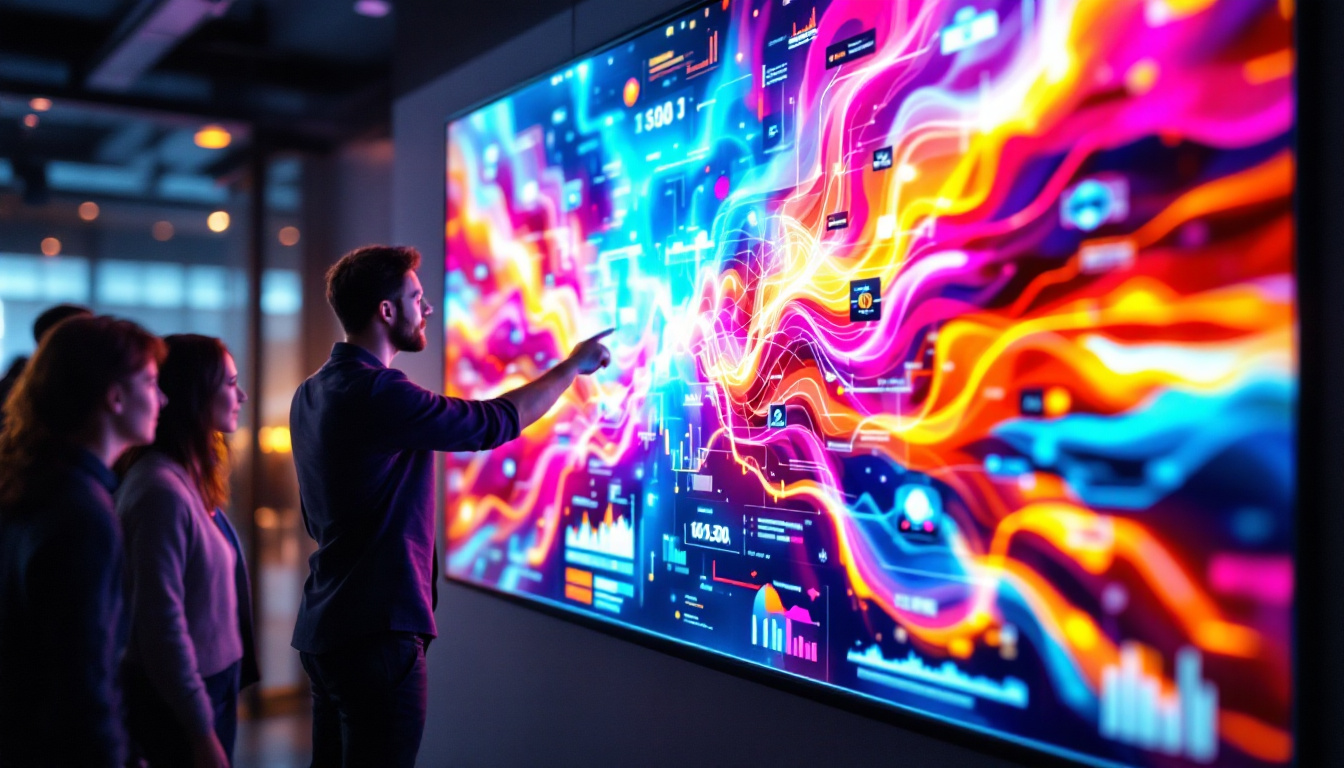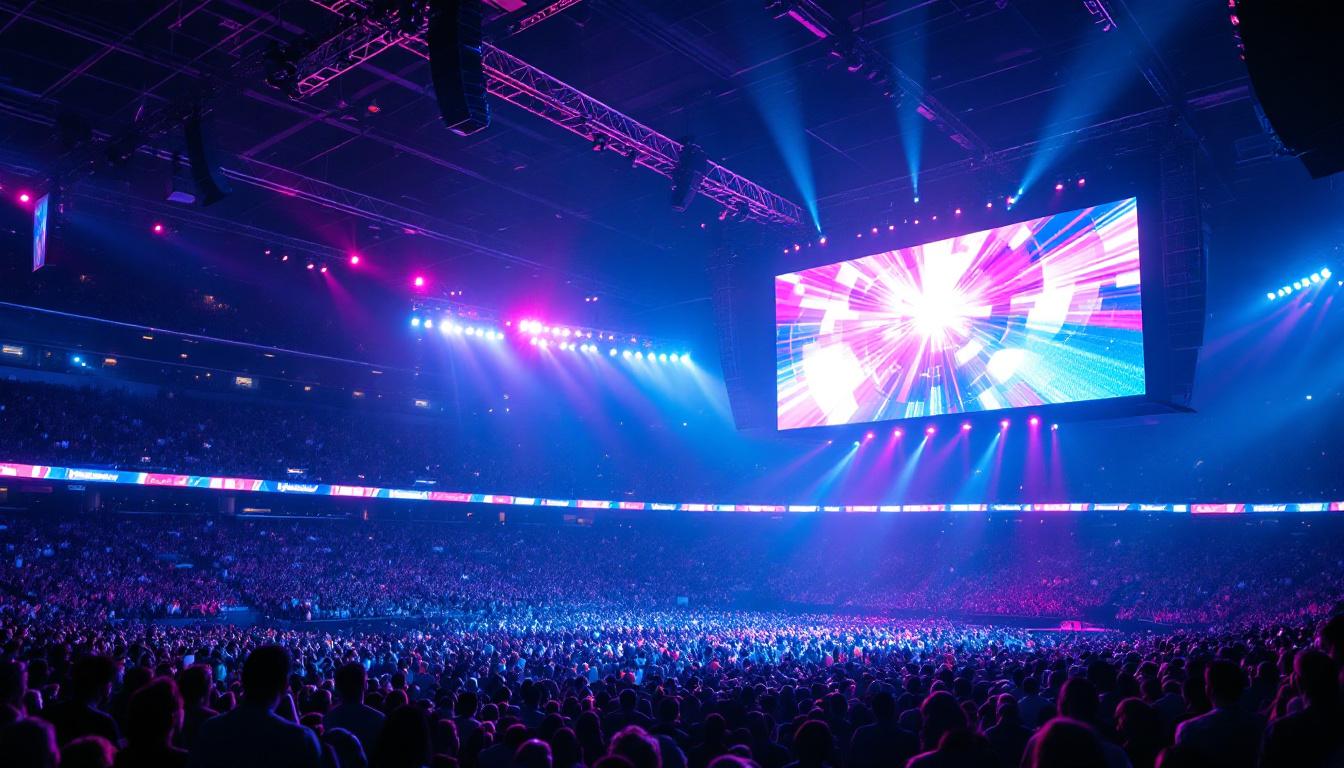
In the world of live events and sports entertainment, the visual experience has become just as critical as the action itself. Central to this transformation are arena screens—large-scale LED displays that captivate audiences, enhance engagement, and provide real-time information. But what exactly are these LED displays, how do they work, and why have they become indispensable in modern arenas? This article delves into the technology, applications, and benefits of arena LED screens, offering a comprehensive understanding for event organizers, venue managers, and technology enthusiasts alike.
Understanding LED Display Technology
What is an LED Display?
LED stands for Light Emitting Diode, a semiconductor device that emits light when an electric current passes through it. An LED display is a flat panel that uses an array of these tiny LEDs to create images and videos. Unlike traditional display technologies such as LCD or projection, LED screens produce their own light, resulting in brighter and more vivid visuals.
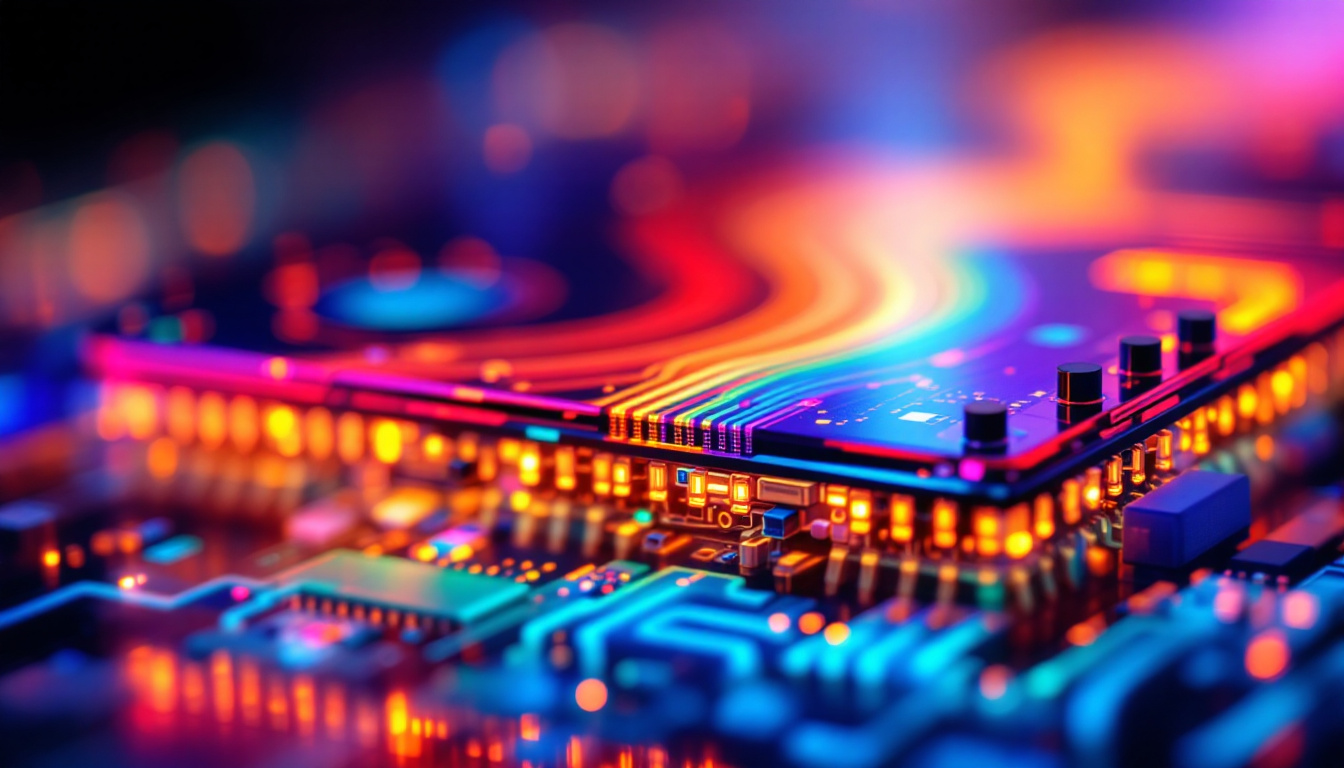
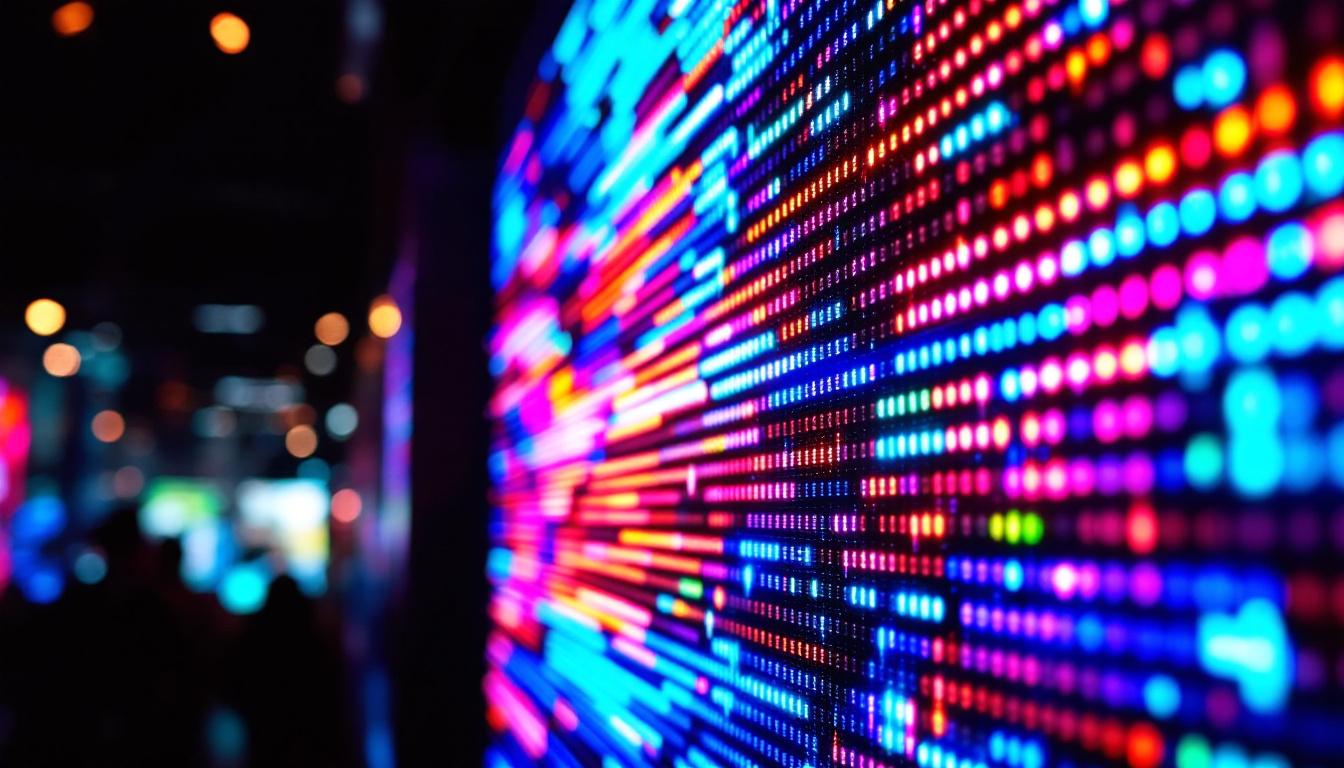
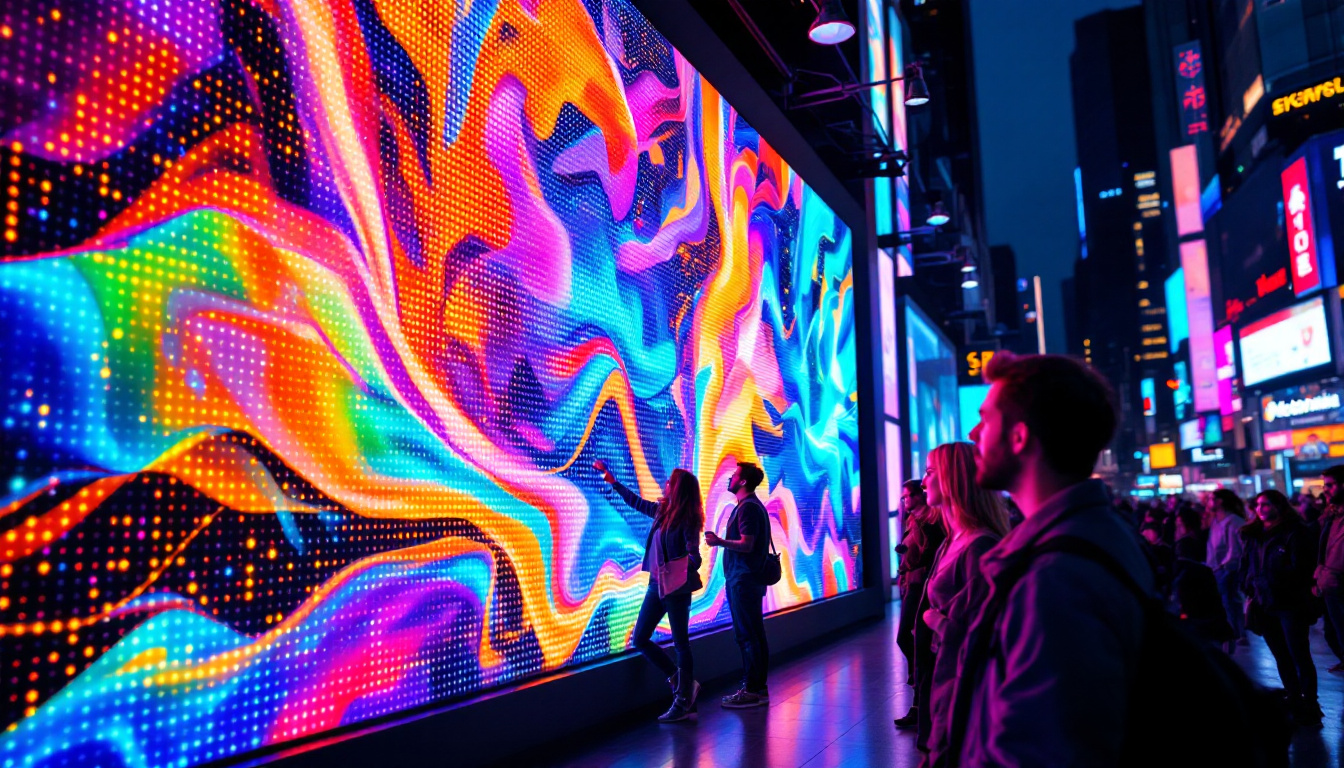
In arenas, these displays are typically composed of thousands of individual LED modules arranged in a grid. Each module contains numerous LEDs in red, green, and blue (RGB) colors, which combine to produce a full spectrum of colors. By controlling the intensity of each LED, the display can render detailed images, animations, and video content with remarkable clarity. The technology behind LED displays has evolved significantly, allowing for higher resolutions and refresh rates, which are crucial for fast-paced sports and entertainment events where every detail matters.
Types of LED Screens Used in Arenas
Arena LED screens come in various forms, tailored to different viewing distances, content types, and installation environments. The two primary categories are:
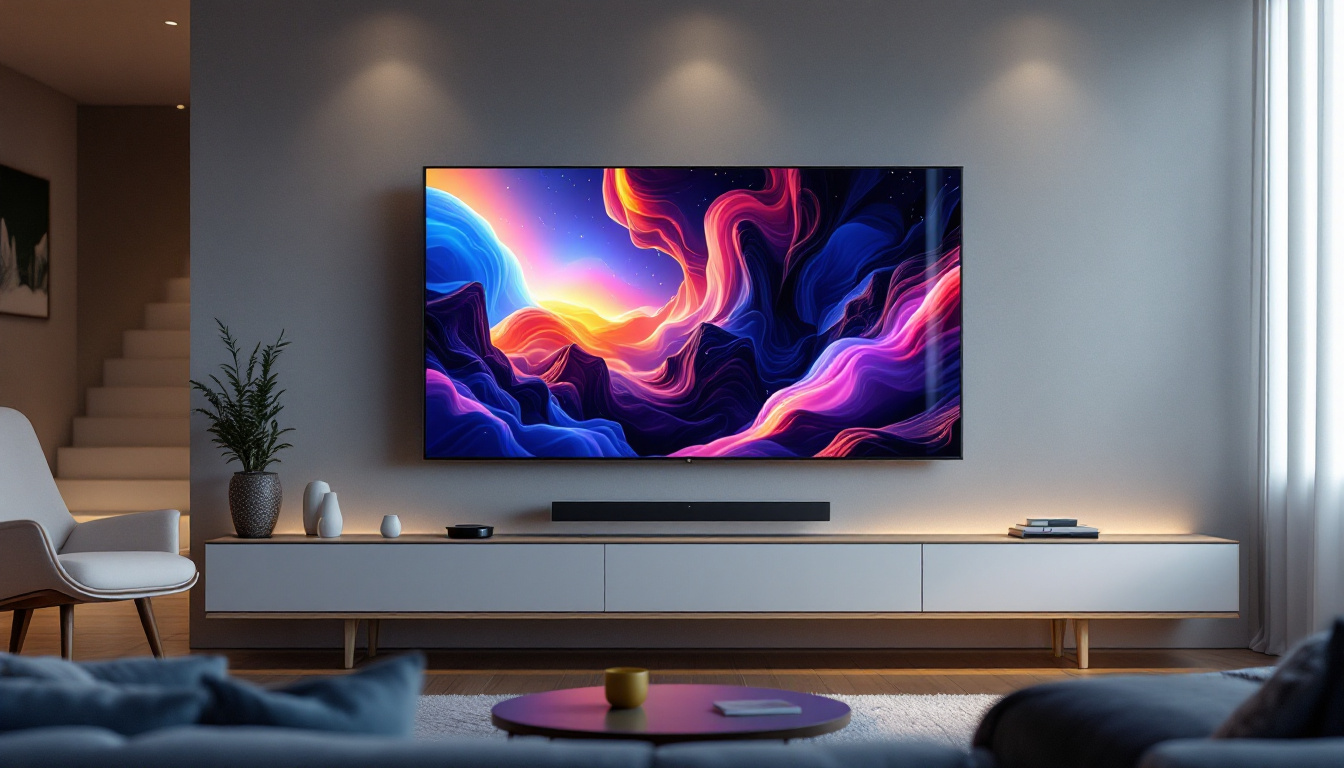
- Indoor LED Screens: Designed for controlled lighting conditions, these screens have a higher pixel density (smaller pixel pitch), enabling crisp images even from close viewing distances. They are often used for scoreboards, advertising panels, and video walls inside the arena.
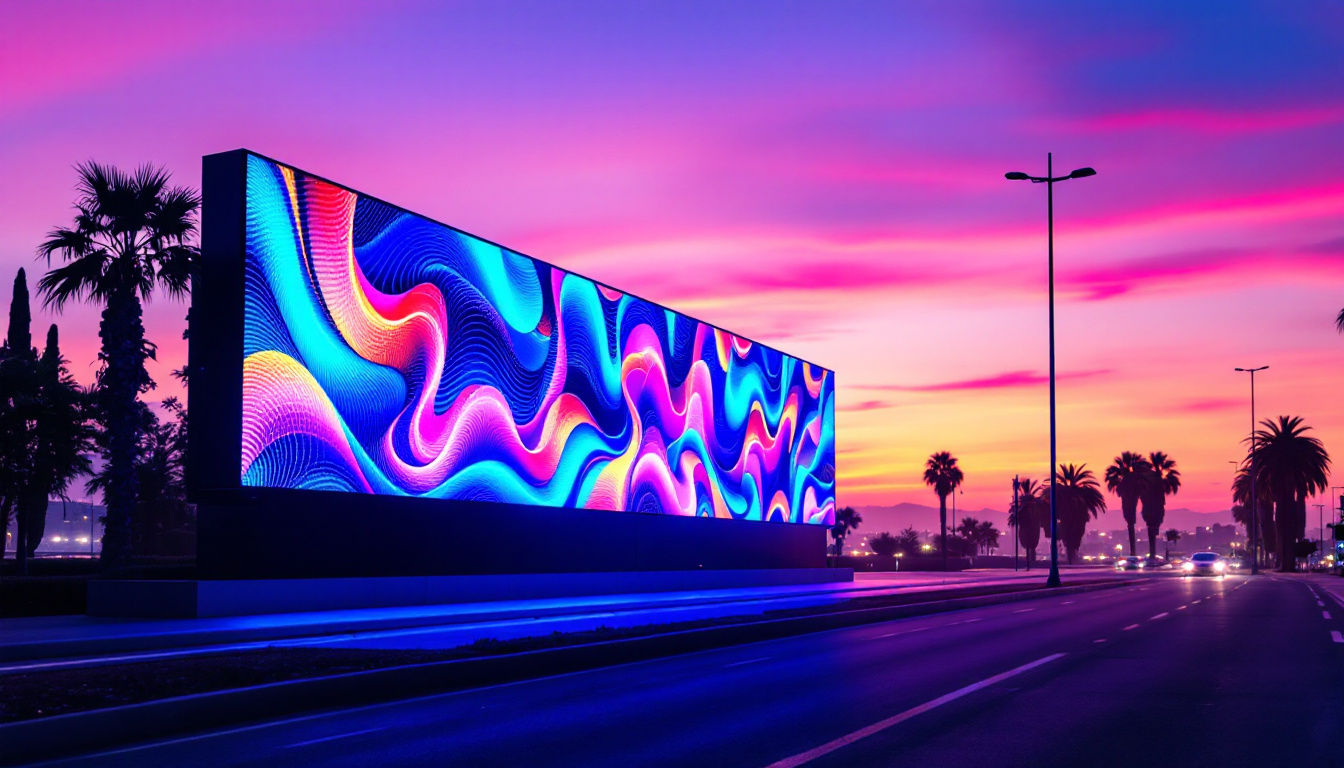
- Outdoor LED Screens: Built to withstand weather elements such as rain, wind, and sunlight, outdoor LED displays have higher brightness levels to remain visible in daylight. These are commonly installed on the exterior of arenas or in open-air stadiums.
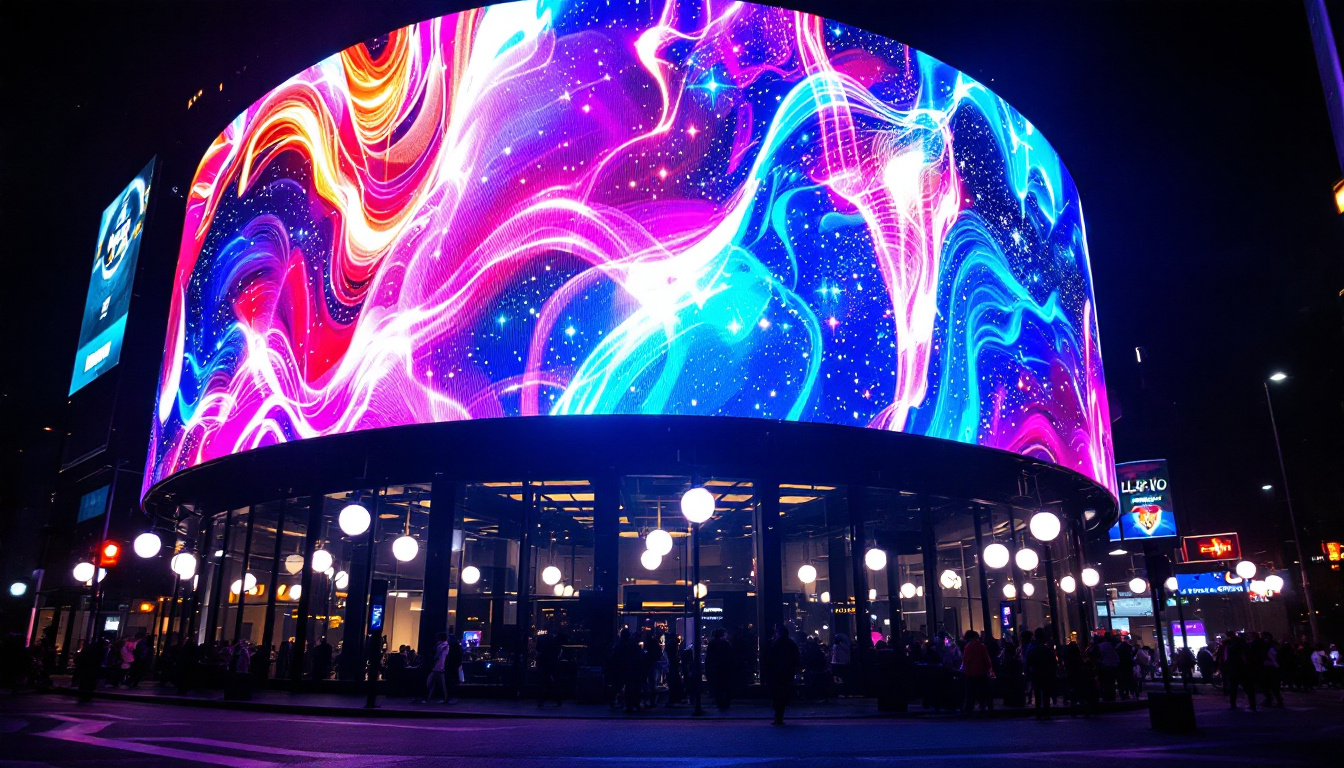
Additionally, flexible and curved LED panels are gaining popularity, allowing screens to wrap around structures or create immersive environments that enhance the visual experience. These innovative designs can transform a standard arena into a captivating spectacle, where the display itself becomes part of the architectural design. Moreover, advancements in technology have led to the development of transparent LED screens, which can be integrated into windows or glass structures, providing a unique way to showcase advertisements or information without obstructing visibility.
The versatility of LED displays extends beyond just sports arenas; they are also widely used in concert venues, trade shows, and corporate events. Their ability to deliver high-quality visuals in various settings makes them an essential tool for engaging audiences. Furthermore, the integration of smart technology into LED displays allows for real-time content updates, interactivity, and even synchronized light shows, enhancing the overall experience for attendees. As the demand for dynamic and visually striking presentations continues to rise, LED display technology is poised to play an even more significant role in the future of live events and entertainment.
Key Features and Specifications
Pixel Pitch and Resolution
Pixel pitch is the distance between the centers of two adjacent LEDs, usually measured in millimeters. It directly impacts the resolution and viewing distance of the screen. A smaller pixel pitch means more LEDs per square meter, resulting in higher resolution and sharper images.
For example, an indoor arena screen might have a pixel pitch of 2.5mm to 4mm, suitable for spectators seated relatively close. Outdoor screens typically have larger pixel pitches, such as 6mm to 10mm, to ensure visibility from greater distances. The choice of pixel pitch is crucial for event organizers as it influences not only the clarity of the visuals but also the overall atmosphere of the event, allowing for immersive experiences that captivate audiences. Additionally, advancements in technology have led to the development of microLED displays that offer even finer pixel pitches, paving the way for ultra-high-definition content that was previously unattainable in large formats.
Brightness and Contrast
Brightness is measured in nits (cd/m²) and is crucial for ensuring the screen remains visible under various lighting conditions. Indoor LED screens usually have brightness levels around 800 to 1,500 nits, while outdoor screens can exceed 5,000 nits to combat sunlight glare.
Contrast ratio—the difference between the darkest black and the brightest white—also affects image quality. High contrast ratios enable deeper blacks and more vibrant colors, enhancing the overall viewing experience. This is particularly important for events that feature dynamic visuals, such as concerts or sporting events, where the ability to distinguish between subtle shades can significantly impact the audience’s emotional engagement. Furthermore, some modern displays incorporate advanced technologies like HDR (High Dynamic Range) to further enhance contrast and color accuracy, providing a more lifelike representation of the content being displayed.
Refresh Rate and Viewing Angle
The refresh rate, measured in Hertz (Hz), indicates how many times per second the screen updates its image. Higher refresh rates reduce flickering and motion blur, which is particularly important for fast-paced sports broadcasts and dynamic content.
Viewing angle determines how well the display can be seen from different positions within the arena. Wide viewing angles ensure consistent image quality for spectators seated at various locations. This feature is essential in large venues where audiences may be seated at extreme angles relative to the screen. Technologies such as IPS (In-Plane Switching) are often employed to enhance viewing angles, allowing for a more uniform experience regardless of where a viewer is seated. As a result, event planners can maximize the audience’s enjoyment, ensuring that everyone, no matter their seat, can appreciate the full impact of the visuals being presented.
Applications of LED Screens in Arenas
Enhancing the Spectator Experience
One of the primary uses of arena LED screens is to elevate the fan experience. Large video boards display live game footage, instant replays, player statistics, and interactive content that keep audiences engaged throughout the event.
For instance, during a basketball game, the LED screen can show close-ups of key plays, fan reactions, and dynamic graphics that build excitement. These screens also facilitate in-game entertainment such as crowd games, social media integrations, and sponsor promotions. Additionally, they can host live polls, allowing fans to vote on their favorite plays or predict the outcome of the game, further immersing them in the action. The integration of augmented reality (AR) features can also transform the viewing experience, enabling fans to see player stats or historical data overlaid on the live action, making each moment more informative and thrilling.
Advertising and Revenue Generation
Arena LED screens offer lucrative advertising opportunities. Brands can display high-impact digital ads that reach thousands of attendees in real-time. The flexibility of LED technology allows for dynamic and targeted messaging, which is more effective than static billboards.
According to industry reports, digital out-of-home advertising, including arena LED displays, is projected to grow at a compound annual growth rate (CAGR) of over 10% through 2025. This trend underscores the increasing value of LED screens as revenue-generating assets for venue owners. Moreover, the ability to tailor advertisements based on the audience demographic present at the event means that brands can maximize their return on investment. For example, during a family-friendly event, ads for local amusement parks or children’s products can be prioritized, while a concert might feature promotions for music streaming services or merchandise related to the performing artists.
Information and Safety Communication
Beyond entertainment and advertising, LED screens serve critical communication functions. They can display emergency messages, evacuation instructions, and real-time updates on event schedules or weather conditions, enhancing overall safety and operational efficiency.
Furthermore, these screens can be utilized to provide essential information about venue amenities, such as restroom locations, concession stands, and first aid stations, ensuring that attendees have a seamless experience. In the case of unexpected delays or changes, the screens can quickly relay information, reducing confusion and helping to maintain a calm atmosphere. The integration of multilingual support on these displays can also cater to diverse audiences, making the arena more accessible and welcoming to all attendees, regardless of their primary language.
Installation and Maintenance Considerations
Structural and Electrical Requirements
Installing a large LED screen in an arena requires careful planning. The structure must support the weight and dimensions of the screen, while ensuring optimal sightlines for spectators. Electrical infrastructure must accommodate the power demands of the LEDs, which can be substantial for large displays.
Additionally, cabling and data transmission systems need to be robust to handle high-resolution video signals without latency or degradation.
Maintenance and Longevity
LED screens are designed for durability but require regular maintenance to ensure peak performance. This includes cleaning to prevent dust accumulation, checking for dead pixels, and verifying electrical connections.
Modern LED modules often feature modular designs, allowing technicians to replace faulty sections quickly without dismantling the entire screen. With proper care, arena LED displays can have lifespans exceeding 100,000 hours of operation.
Future Trends in Arena LED Displays
Higher Resolution and Mini-LED Technology
As LED technology advances, pixel pitches continue to shrink, enabling ultra-high-definition displays even in large formats. Mini-LED and micro-LED innovations promise even greater brightness, contrast, and energy efficiency, further enhancing visual quality.
Interactive and Immersive Experiences
Integration with augmented reality (AR) and real-time data analytics is opening new possibilities for interactive fan engagement. For example, LED screens might respond to crowd noise levels or display personalized content based on audience demographics.
Sustainability and Energy Efficiency
With increasing focus on environmental responsibility, LED manufacturers are developing screens that consume less power and use eco-friendly materials. Energy-efficient designs not only reduce operational costs but also align with the sustainability goals of modern arenas.
Conclusion
Arena LED screens have revolutionized the way live events are experienced, blending cutting-edge technology with entertainment, communication, and commercial functions. Understanding the underlying technology, key specifications, and practical applications helps stakeholders make informed decisions when selecting and managing these displays.
As LED technology continues to evolve, arenas equipped with advanced screens will offer increasingly immersive and dynamic experiences, setting new standards for fan engagement and operational excellence.
Discover LumenMatrix LED Display Solutions
Ready to elevate your arena or event space with the latest in LED display technology? LumenMatrix is at the forefront of creating immersive visual experiences that captivate audiences and enhance brand visibility. From Indoor and Outdoor LED Wall Displays to innovative solutions like Vehicle LED Displays, LED Posters, and Custom LED Displays, our range of products is designed to meet the diverse needs of any venue. Embrace the future of visual communication with LumenMatrix’s advanced LED display solutions. Check out LumenMatrix LED Display Solutions today and transform your space into a dynamic and engaging environment.