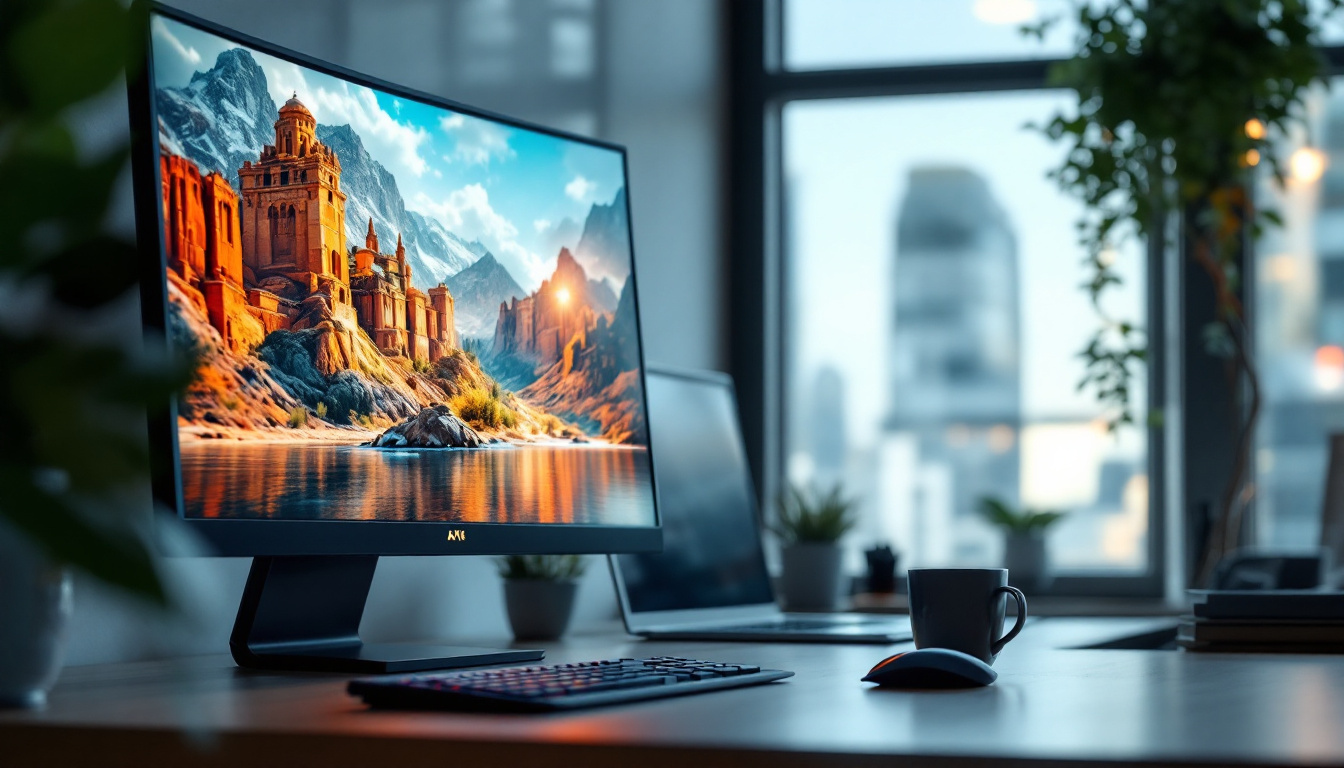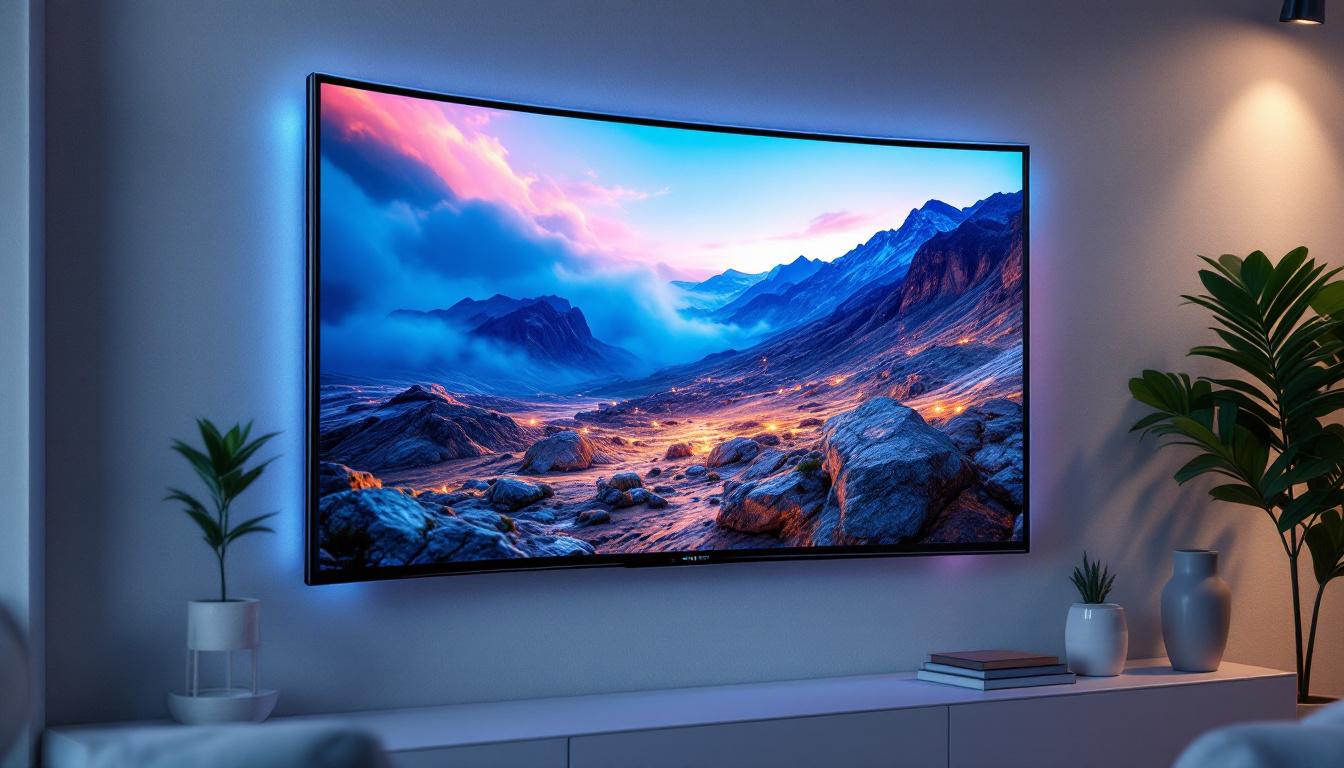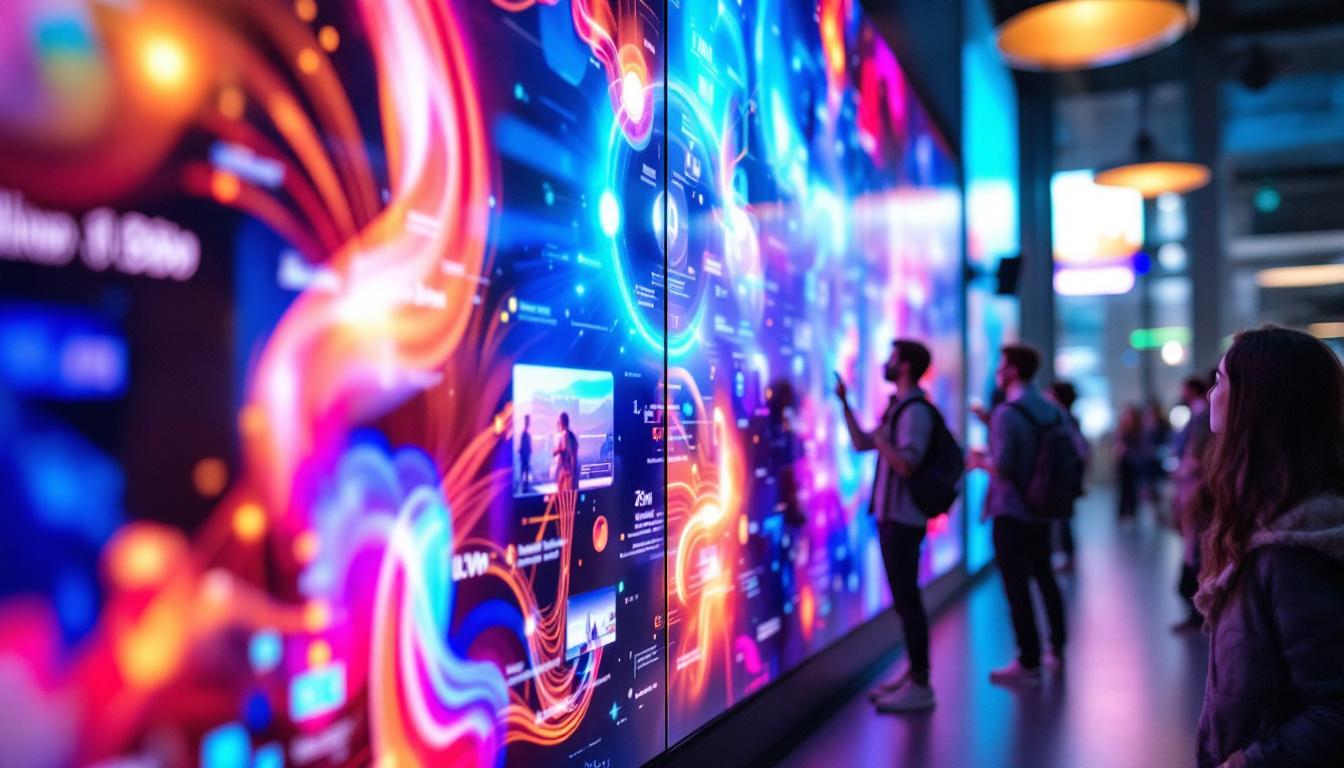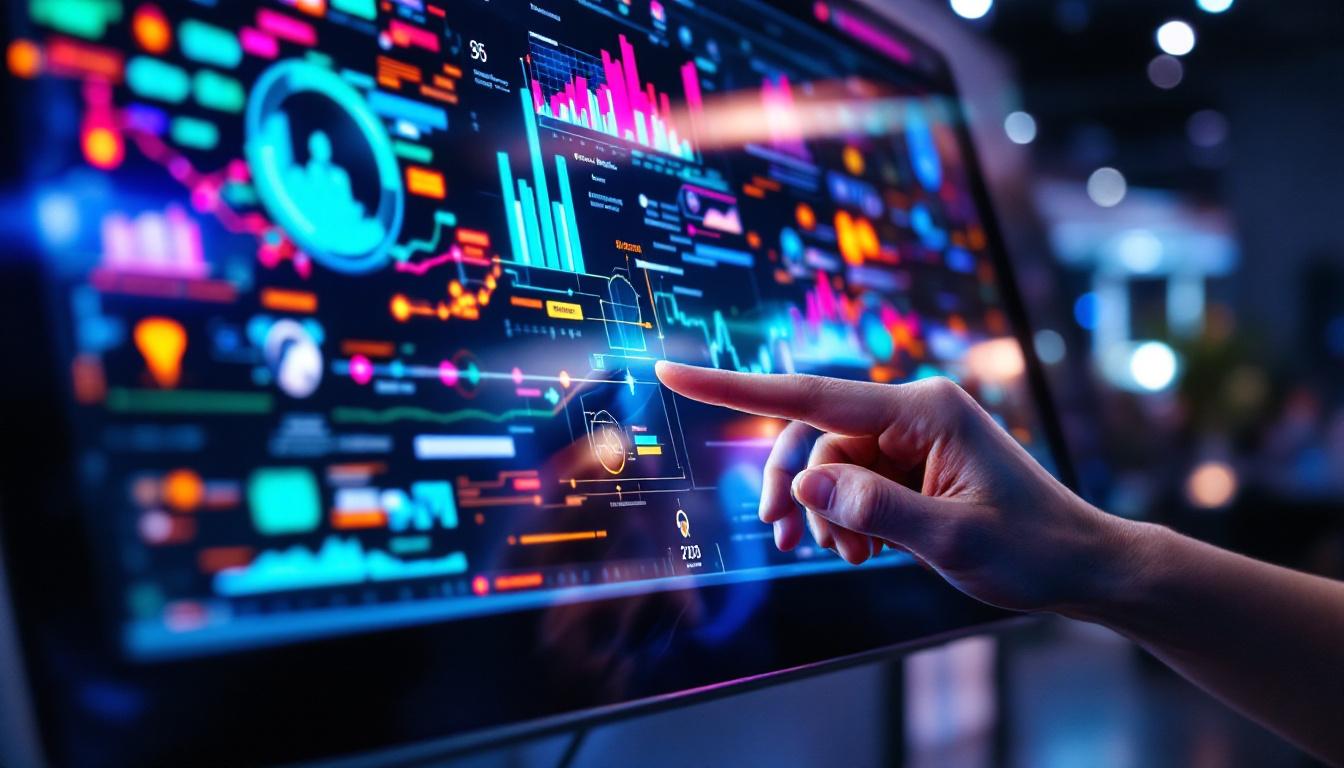
In the modern digital era, touchscreen LED displays have become ubiquitous, transforming how people interact with technology. From smartphones and tablets to interactive kiosks and digital signage, these displays combine visual brilliance with intuitive touch capabilities. Understanding the technology behind touchscreen LED displays is essential for consumers, designers, and businesses aiming to leverage their full potential.
What Is an LED Display?
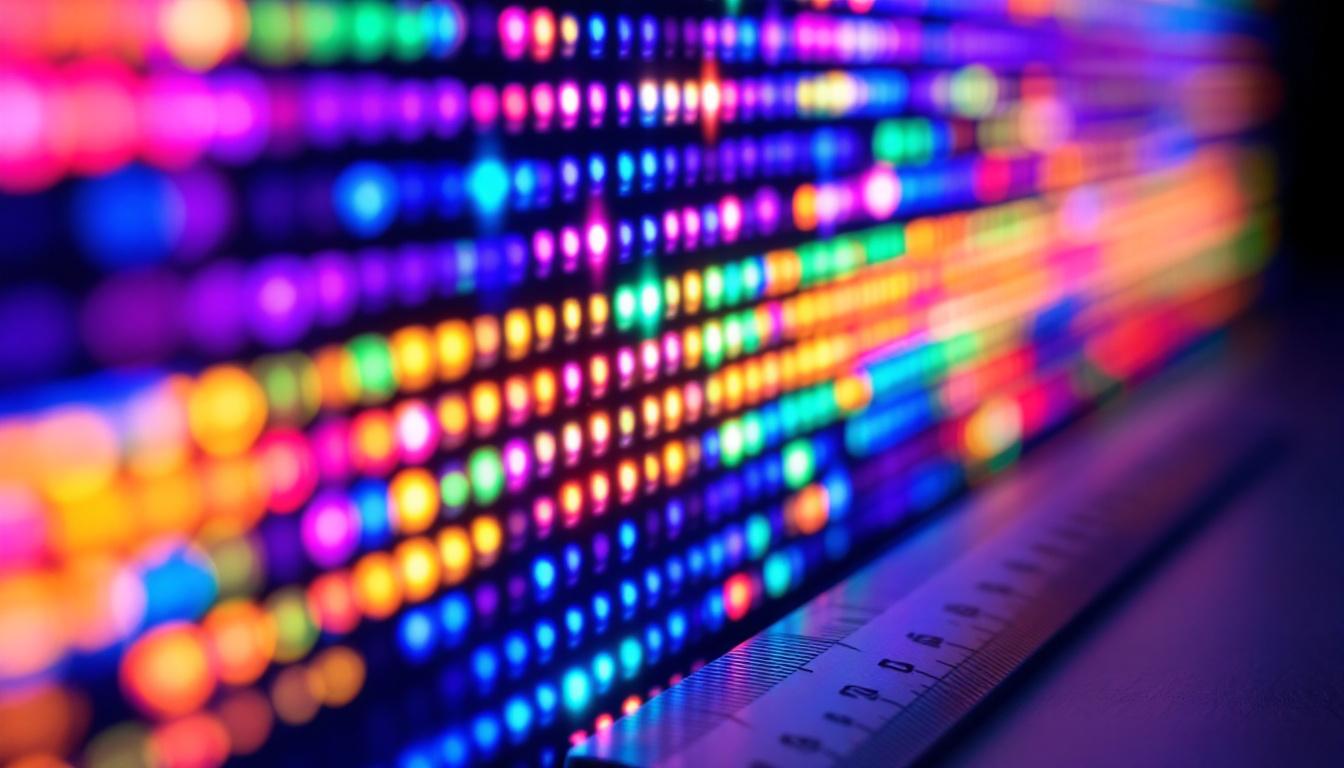
LED stands for Light Emitting Diode, a semiconductor device that emits light when an electric current passes through it. An LED display is a flat panel display that uses an array of LEDs as pixels to create images, videos, or text. Unlike traditional LCDs that rely on backlighting, LED displays produce their own light, resulting in higher brightness, better contrast, and improved energy efficiency.
LED displays come in various forms, including:
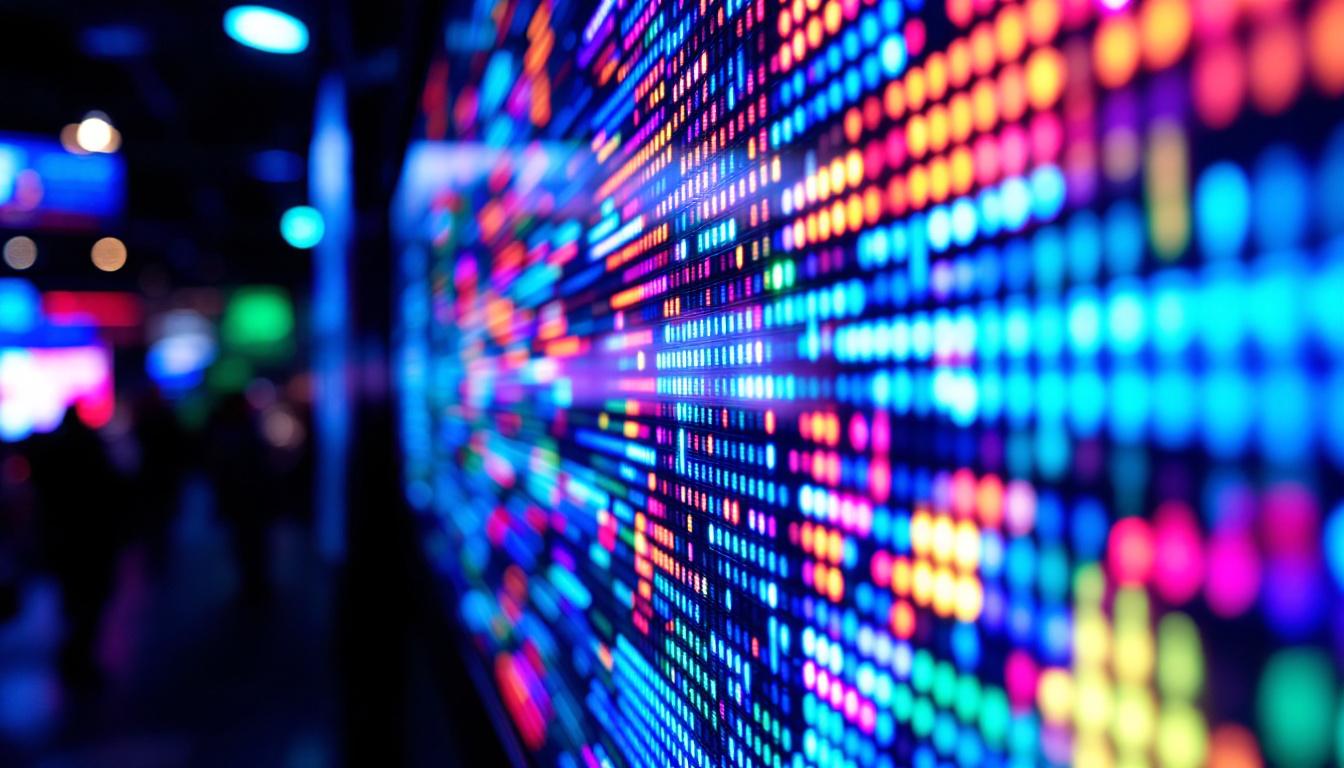
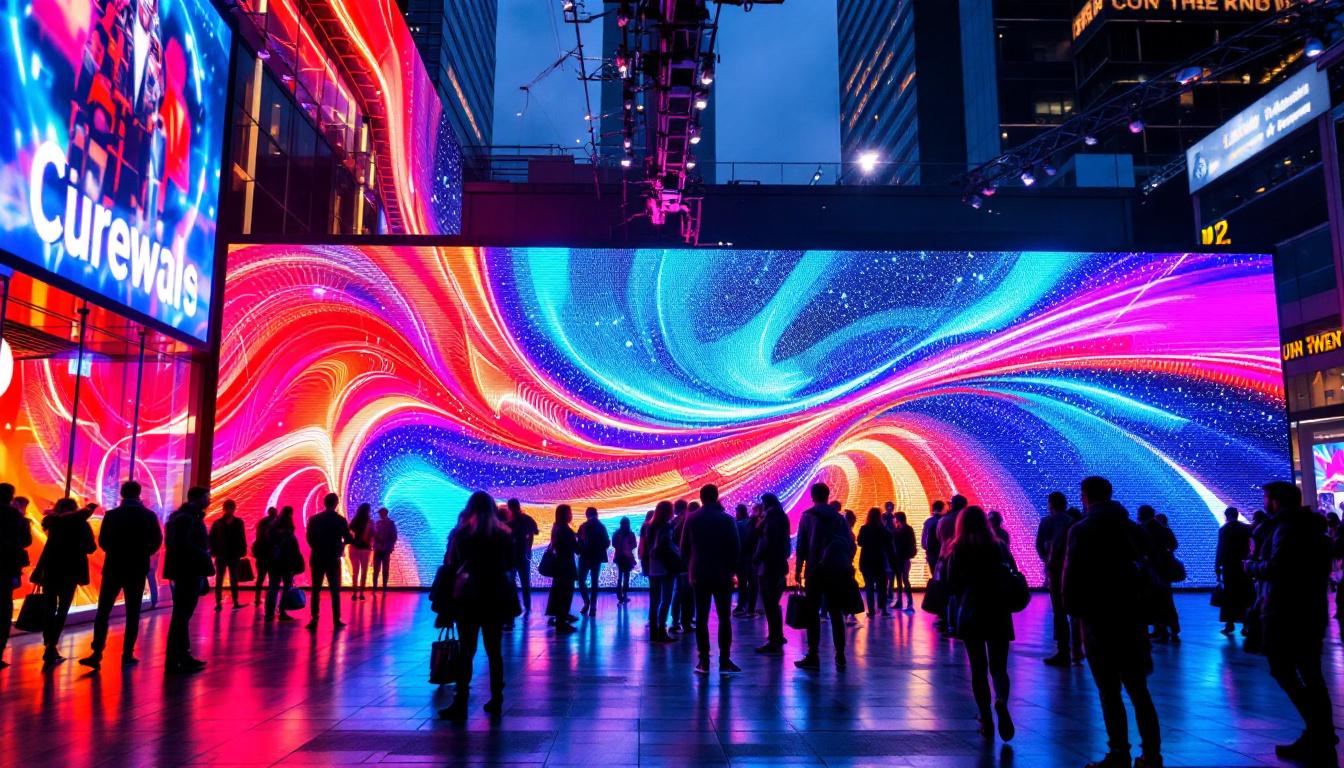
- Direct-view LED displays: These use individual LEDs as pixels, commonly seen in large outdoor screens and stadium displays.
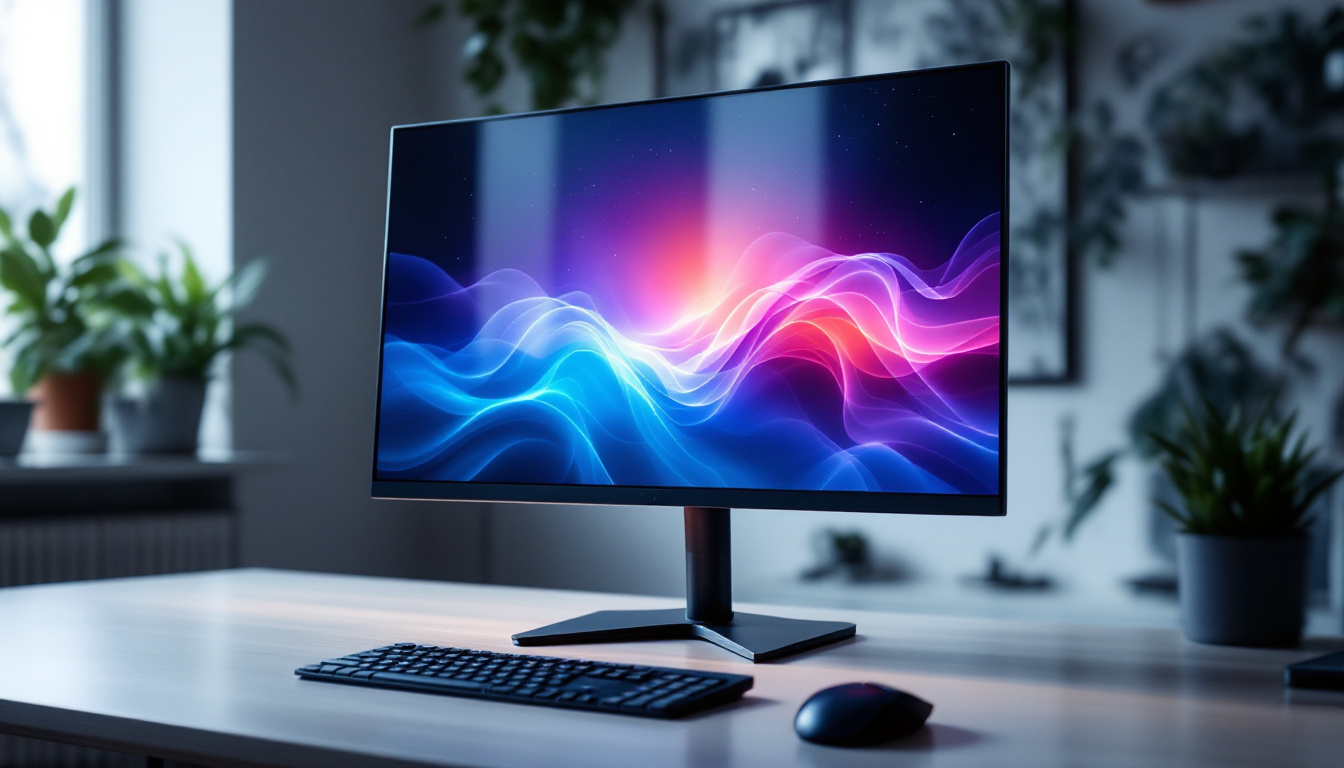
- LED-backlit LCDs: These are LCD panels illuminated by LEDs behind or along the edges, prevalent in consumer electronics like TVs and monitors.
The focus of this article is primarily on LED-backlit LCD touchscreen displays, which dominate the consumer and commercial markets.
One of the significant advantages of LED-backlit LCD displays is their versatility. They are widely used in various applications, from smartphones and tablets to large-scale digital signage in retail environments. The ability to produce vibrant colors and deep blacks makes them particularly appealing for multimedia content, enhancing the viewing experience for users. Furthermore, advancements in technology have led to the development of ultra-thin and lightweight designs, making these displays not only aesthetically pleasing but also easier to integrate into different settings.
Additionally, LED displays are known for their longevity and durability. Unlike traditional cathode ray tube (CRT) displays, which can suffer from burn-in and other issues over time, LED displays maintain their performance over extended periods. This reliability is crucial for businesses that rely on digital signage for advertising or information dissemination, as it minimizes maintenance costs and downtime. As the technology continues to evolve, we can expect even more innovative applications and improvements in LED display capabilities, further solidifying their position in the market.
How Does a Touchscreen LED Display Work?
The Display Component
The LED display itself is responsible for rendering images and videos. In LED-backlit LCDs, a liquid crystal layer modulates light emitted by the LEDs to produce colors and images. The LEDs provide consistent, bright illumination that enhances image quality compared to older CCFL backlights.
Modern LED displays often incorporate advanced technologies such as local dimming, where LED zones dim independently to improve contrast ratios, and quantum dot enhancement films that expand color gamut for richer visuals. This technology allows for deeper blacks and brighter whites, resulting in a more dynamic viewing experience. Additionally, innovations like high dynamic range (HDR) further enhance the display’s ability to showcase a broader spectrum of colors and details in both bright and dark scenes, making them ideal for everything from gaming to professional video editing.
The Touchscreen Component
The touchscreen layer, typically placed over the LED display, detects user input through touch. There are several touchscreen technologies, but the most common in LED displays include:
- Capacitive Touchscreens: These detect touch by measuring changes in the electrical field caused by a finger or conductive stylus. Capacitive touchscreens are highly responsive and support multi-touch gestures, making them ideal for smartphones and tablets.
- Resistive Touchscreens: These consist of multiple layers that register touch when pressure causes them to make contact. While less sensitive and lacking multi-touch capabilities, resistive screens are durable and work with gloves or styluses.
- Infrared and Optical Touchscreens: These use light sensors around the screen edges to detect touch by interruption of light beams. They are often used in large-format interactive displays.
Combining the LED display with a touchscreen layer allows users to interact directly with the visual content, creating seamless and intuitive experiences. This interactivity has transformed how we engage with technology, enabling applications in various fields such as education, where interactive whiteboards enhance learning through direct participation, and in retail, where touchscreen kiosks provide customers with personalized shopping experiences. Furthermore, the integration of haptic feedback in some touchscreen devices adds another layer of interaction, allowing users to feel subtle vibrations or responses when they touch the screen, thereby enriching the overall user experience.
Advantages of Touchscreen LED Displays
Enhanced Visual Quality
LED displays offer superior brightness and contrast compared to traditional LCDs, making them suitable for environments with high ambient light. The vivid colors and sharp images enhance user engagement, whether in handheld devices or large digital signage.
Energy Efficiency and Longevity
LED technology consumes less power than older backlighting methods, contributing to longer battery life in portable devices and reduced operating costs for commercial installations. Additionally, LEDs have a longer lifespan, often exceeding 50,000 hours, which reduces maintenance needs.
Improved User Interaction
The integration of touch functionality with LED displays enables natural, direct interaction. Multi-touch capabilities allow for complex gestures such as pinch-to-zoom and swiping, which have become standard in modern user interfaces. This interactivity is crucial for applications in education, retail, healthcare, and more.
Versatility Across Applications
Touchscreen LED displays are highly adaptable, found in:
- Smartphones and tablets
- Interactive kiosks and ATMs
- Point-of-sale systems
- Digital whiteboards and conference room displays
- Vehicle infotainment systems
- Industrial control panels
This versatility underscores their importance in both consumer and enterprise contexts.
Common Challenges and Solutions
Glare and Reflection
One challenge with touchscreen LED displays is glare caused by ambient lighting, which can reduce visibility and cause eye strain. Manufacturers address this by applying anti-reflective coatings and using matte screen finishes. Additionally, high-brightness LED backlights help maintain screen readability in bright environments.
Touch Sensitivity and Accuracy
Ensuring precise touch detection is critical, especially for applications requiring fine input like drawing or handwriting recognition. Capacitive touchscreens offer high accuracy but can be affected by moisture or gloves. Some devices incorporate advanced sensors or support stylus input to enhance precision.
Durability and Damage Resistance
Touchscreen surfaces are prone to scratches and impacts. To mitigate this, manufacturers use hardened glass such as Gorilla Glass, which provides robust protection without compromising touch sensitivity. For industrial or outdoor use, additional protective layers and ruggedized designs are common.
Cost Considerations
High-quality touchscreen LED displays can be more expensive than non-touch or older display technologies. However, the benefits in user experience, energy savings, and longevity often justify the investment. As technology advances, costs continue to decrease, making these displays more accessible.
Emerging Trends in Touchscreen LED Displays
Flexible and Foldable Displays
Recent innovations have introduced flexible LED displays that can bend or fold without damage. These are enabling new form factors in smartphones and wearable devices, offering greater portability and novel user interactions.
Higher Refresh Rates and Resolution
With the rise of gaming and high-definition content, touchscreen LED displays now support refresh rates of 120Hz and beyond, providing smoother motion and reduced latency. Ultra-high resolutions such as 4K and 8K are also becoming more common, delivering stunning detail.
Integration with AI and Gesture Controls
Beyond touch, some LED displays incorporate AI-powered gesture recognition and voice control, expanding interaction possibilities. These technologies enhance accessibility and create more immersive user experiences.
Sustainability and Eco-Friendly Materials
Manufacturers are increasingly focusing on sustainable production methods and recyclable materials in LED displays. Energy-efficient designs and longer product lifecycles contribute to reducing electronic waste and environmental impact.
Choosing the Right Touchscreen LED Display
Assessing Application Requirements
When selecting a touchscreen LED display, it is important to consider the intended use case. Factors such as screen size, resolution, touch technology, durability, and environmental conditions should guide the choice. For example, outdoor kiosks require high brightness and weatherproofing, while office monitors prioritize color accuracy and ergonomics.
Evaluating Performance Specifications
Key specifications to review include:
- Brightness: Measured in nits, higher brightness improves visibility in bright environments.
- Touch Points: Number of simultaneous touches supported.
- Response Time: Speed of display refresh and touch input processing.
- Viewing Angles: Ensures consistent image quality from different perspectives.
- Durability Ratings: Such as IP ratings for water and dust resistance.
Budget and Support Considerations
Cost is always a factor, but it should be balanced against quality and after-sales support. Choosing reputable manufacturers with strong warranties and customer service can save time and money in the long run.
The Future of Touchscreen LED Displays
Touchscreen LED displays continue to evolve rapidly, driven by consumer demand and technological breakthroughs. Innovations like microLED technology promise even greater brightness, color accuracy, and energy efficiency by using microscopic LEDs as individual pixels. This could revolutionize display quality while maintaining thin, flexible form factors.
Moreover, the integration of augmented reality (AR) and virtual reality (VR) with touchscreen displays is opening new frontiers in interactive experiences. As AI and machine learning advance, displays will become smarter, adapting dynamically to user preferences and environmental conditions.
Overall, touchscreen LED displays are set to remain at the forefront of human-computer interaction, enabling more natural, immersive, and efficient ways to engage with digital content.
Conclusion
Touchscreen LED displays represent a harmonious blend of cutting-edge visual technology and intuitive user interaction. Their superior brightness, energy efficiency, and versatility make them indispensable across countless applications, from personal devices to large-scale commercial installations. Understanding the underlying technologies, benefits, challenges, and emerging trends equips consumers and professionals alike to make informed decisions and harness the full potential of these dynamic displays.
As the technology continues to advance, touchscreen LED displays will undoubtedly become even more integral to daily life, shaping the future of digital communication and interaction.
Discover LumenMatrix’s Advanced LED Display Solutions
Ready to experience the future of digital interaction with LED displays? LumenMatrix is at the forefront of LED display innovation, offering a wide range of solutions tailored to meet your needs. From captivating Indoor LED Wall Displays to dynamic Outdoor LED Wall Displays, and from versatile Vehicle LED Displays to engaging LED Sports Displays, LumenMatrix has it all. Embrace the power of visual communication with our Custom LED Displays, All-in-One LED Displays, and groundbreaking LED Transparent Displays. Don’t miss out on the opportunity to elevate your brand’s presence and create unforgettable visual experiences. Check out LumenMatrix LED Display Solutions today and see your vision come to life.