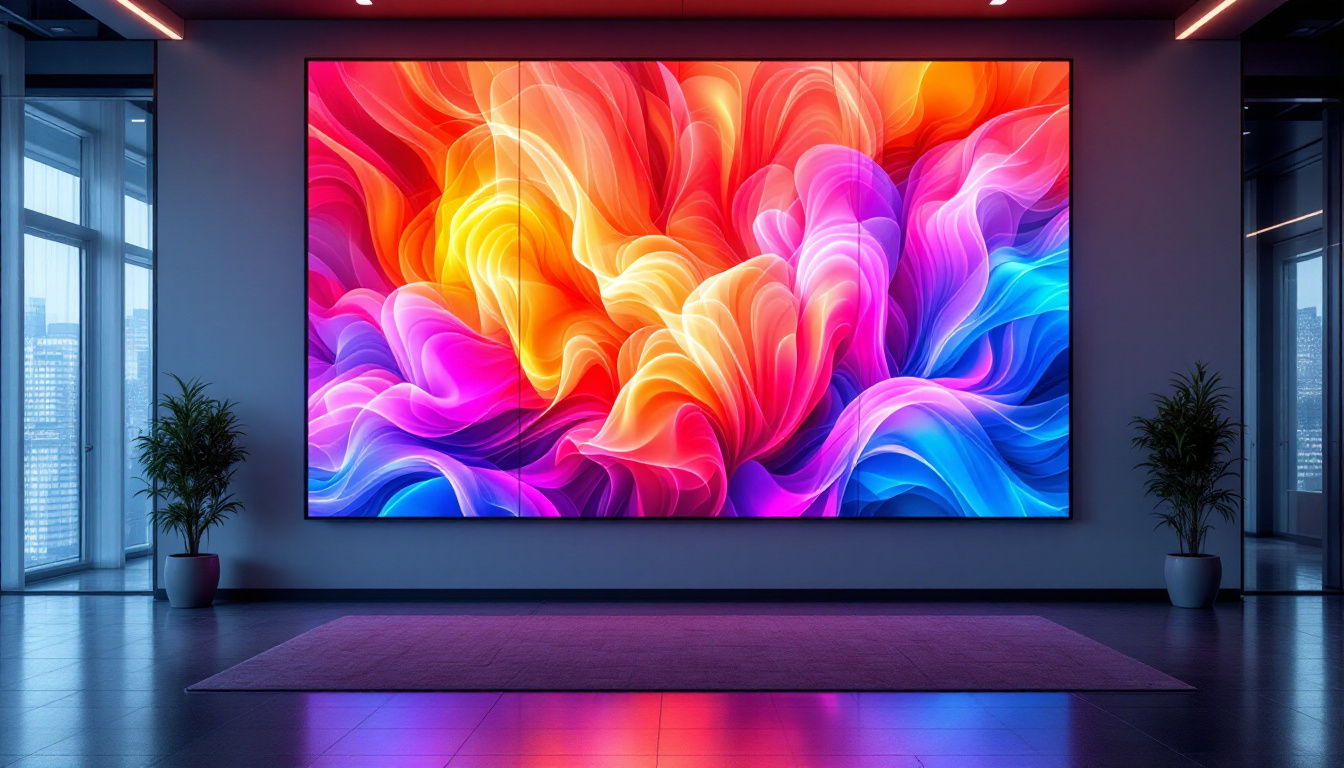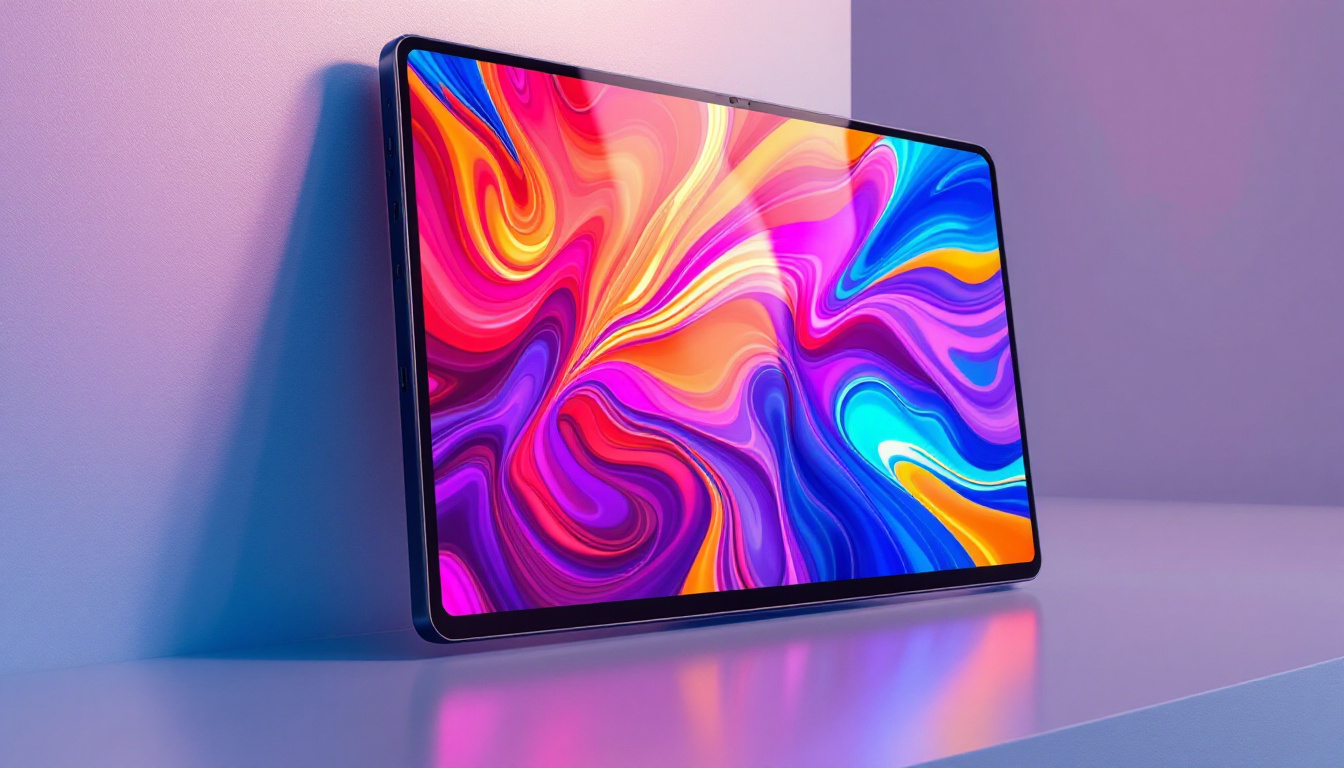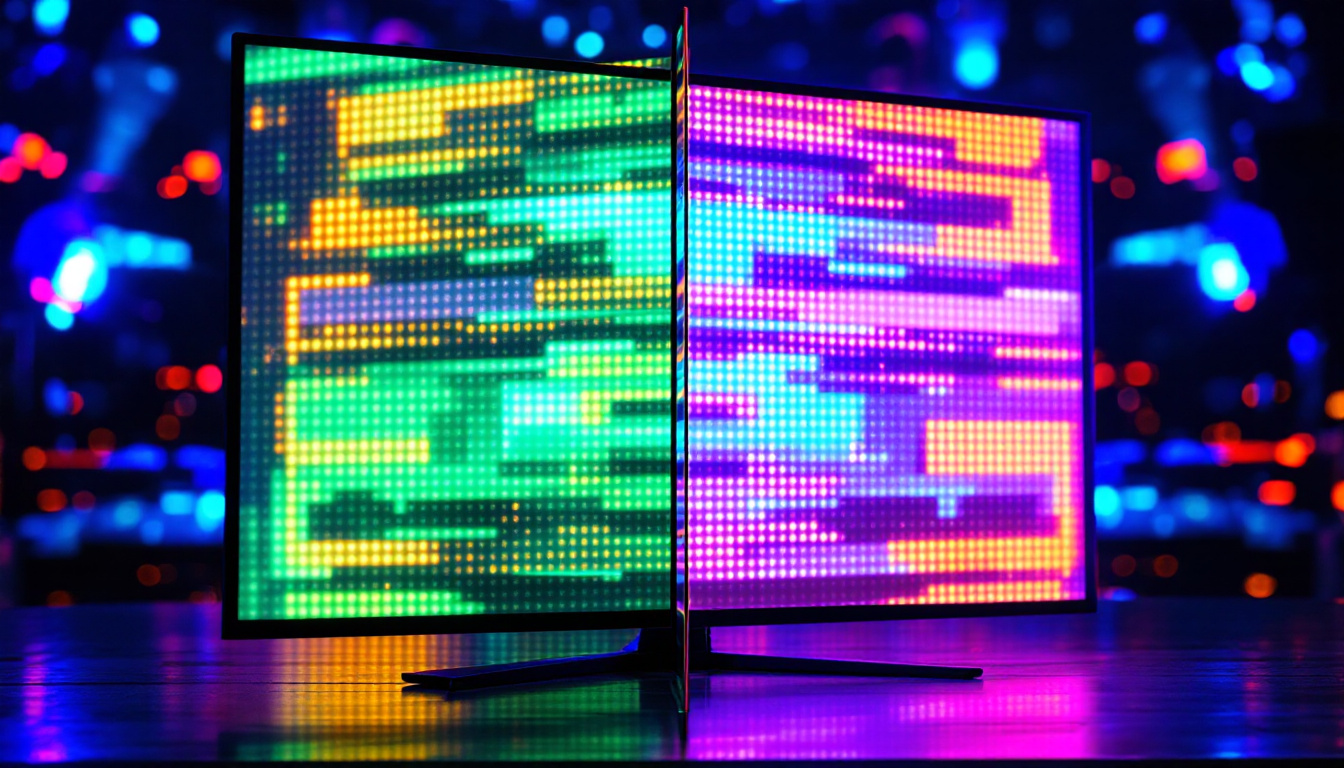
In the rapidly evolving world of visual technology, LED displays have become a cornerstone for dynamic, vibrant, and energy-efficient lighting solutions. Among these innovations, touch lighting—LED displays that respond to touch—has emerged as a versatile and interactive technology with applications spanning from advertising and entertainment to smart homes and industrial environments. This article delves into the fundamentals of touch lighting with LED displays, exploring how they work, their benefits, and the latest trends driving their adoption.
Understanding LED Display Technology
Light Emitting Diode (LED) displays are composed of numerous tiny LEDs that emit light when an electrical current passes through them. These LEDs can be arranged in various configurations to create screens that display images, videos, or dynamic lighting effects. Unlike traditional lighting or display technologies, LEDs offer superior energy efficiency, longer lifespan, and brighter, more vivid colors. The ability of LEDs to produce a wide range of colors and their rapid response times make them ideal for applications that require high-quality visuals and real-time updates.
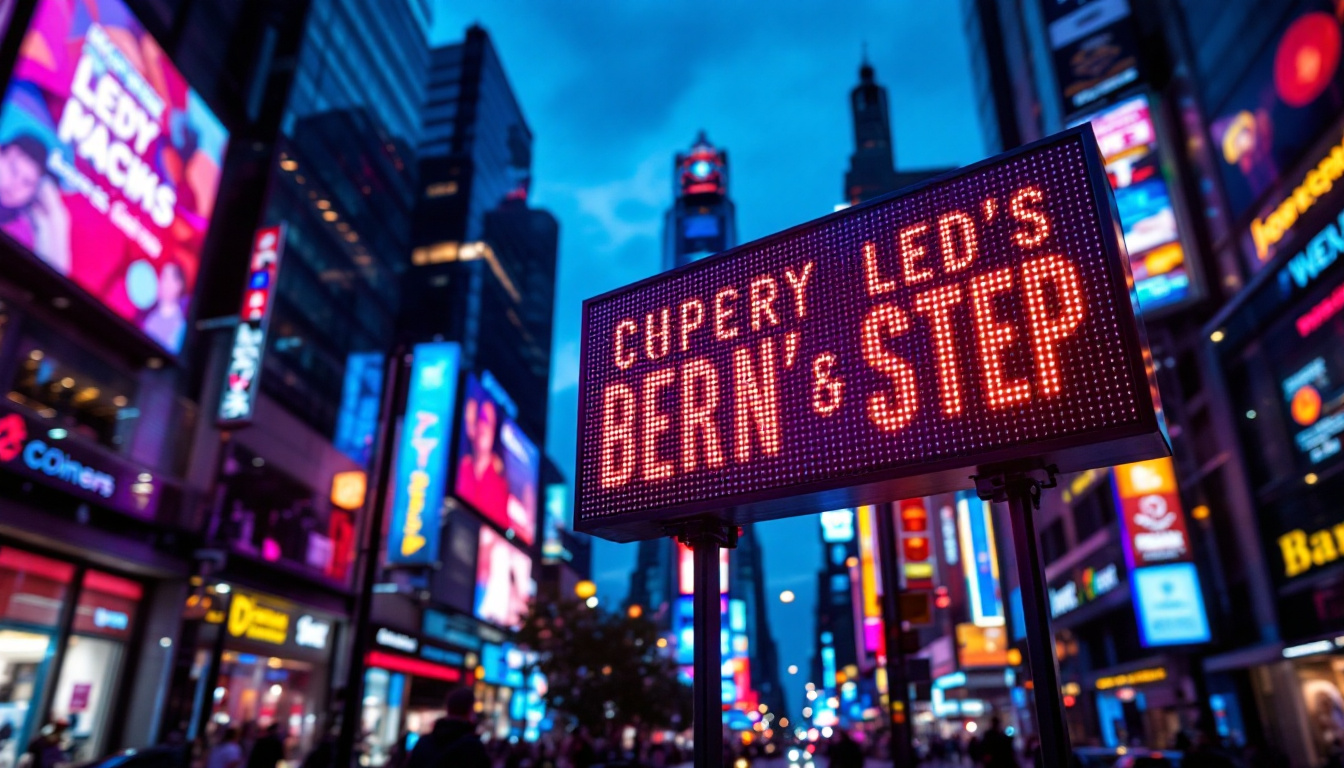
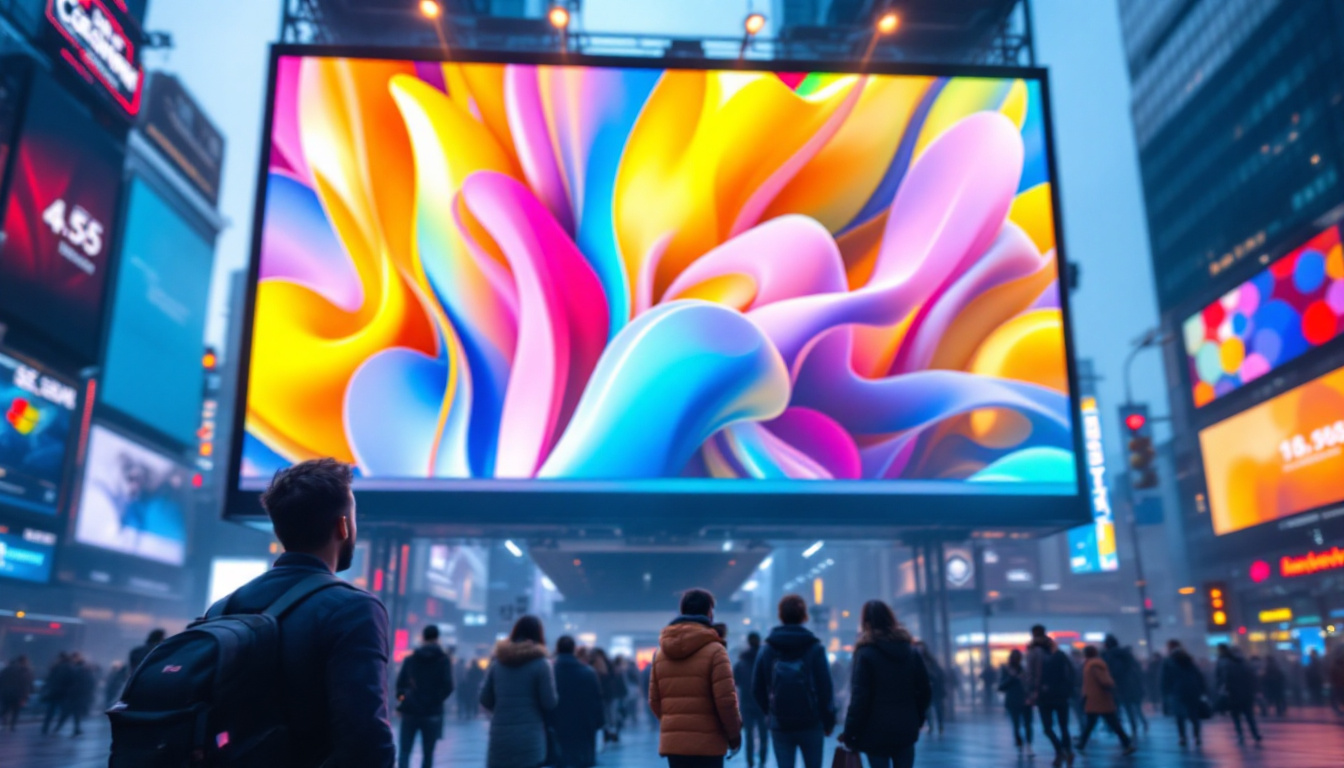
LED displays are widely used in everything from smartphone screens and television panels to large-scale digital billboards and architectural lighting. Their modular nature allows for scalable designs, making them suitable for both small and massive installations. The integration of touch technology into LED displays adds a new dimension of interactivity, enabling users to engage directly with the lighting or content displayed. Furthermore, advancements in LED technology, such as organic LEDs (OLEDs) and micro-LEDs, are pushing the boundaries of display capabilities, allowing for thinner, more flexible screens that can conform to various surfaces and shapes.
How LED Displays Work
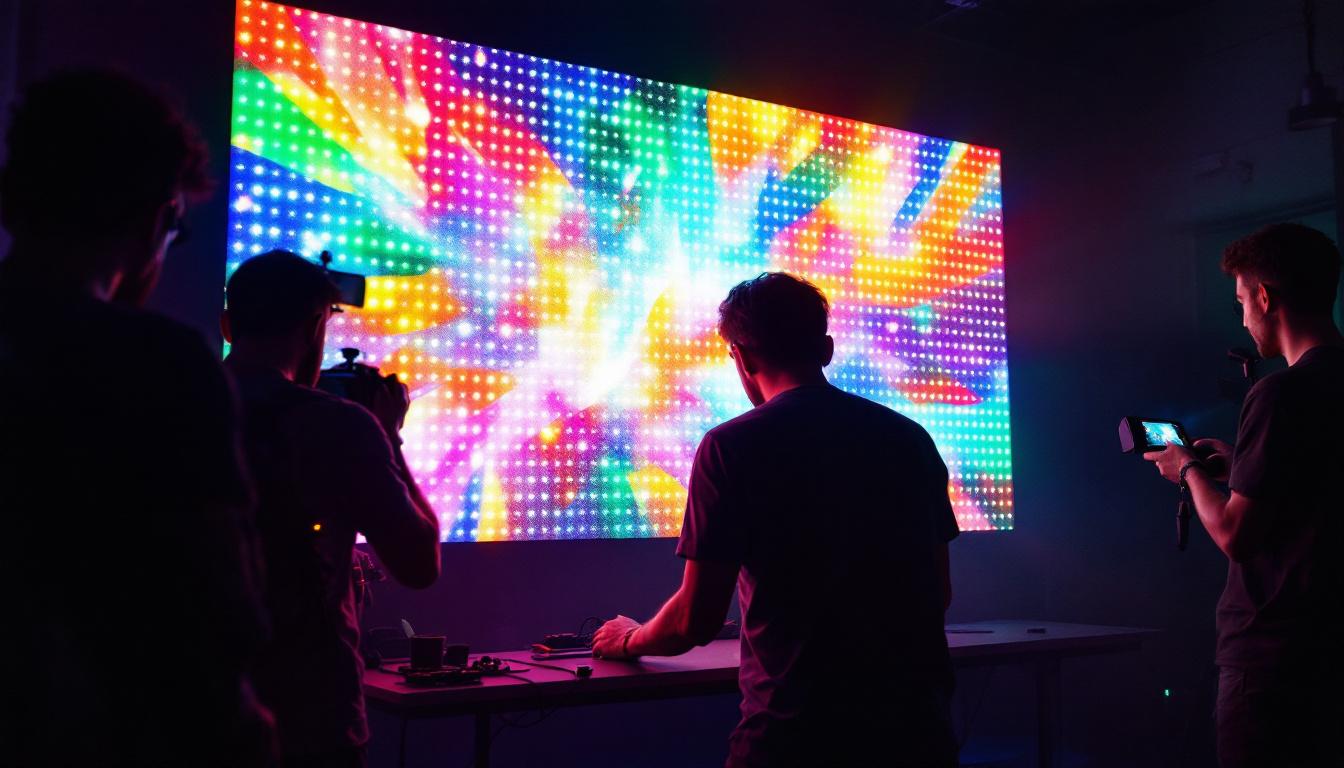
At the core of an LED display are individual diodes that emit light when energized. These diodes are arranged in pixels, each pixel typically containing red, green, and blue LEDs (RGB). By varying the intensity of each color, the display can produce a full spectrum of colors and create detailed images or videos. The precision in color mixing and brightness control allows for stunning visual experiences, whether in a dimly lit room or under bright sunlight.
Modern LED displays use surface-mount technology (SMT) to place LEDs onto circuit boards with high precision. This allows for higher pixel density and better image resolution. Control systems manage the power and signal to each LED, synchronizing them to produce the desired visual output. Additionally, advancements in software algorithms for image processing enhance the quality of the displayed content, ensuring that images are sharp and colors are accurately represented. This combination of hardware and software innovation is what makes LED displays a preferred choice for both consumer electronics and professional applications.
The Role of Touch Technology in LED Displays
Touch lighting integrates capacitive or resistive touch sensors into the LED display surface. Capacitive touch technology, commonly used in smartphones, detects changes in the electrical field caused by a human finger, allowing for multi-touch capabilities and high sensitivity. Resistive touch screens rely on pressure applied to the screen, which can be less sensitive but more durable in certain environments. This versatility in touch technology means that LED displays can be adapted for various uses, from interactive kiosks in retail settings to robust displays in industrial applications.
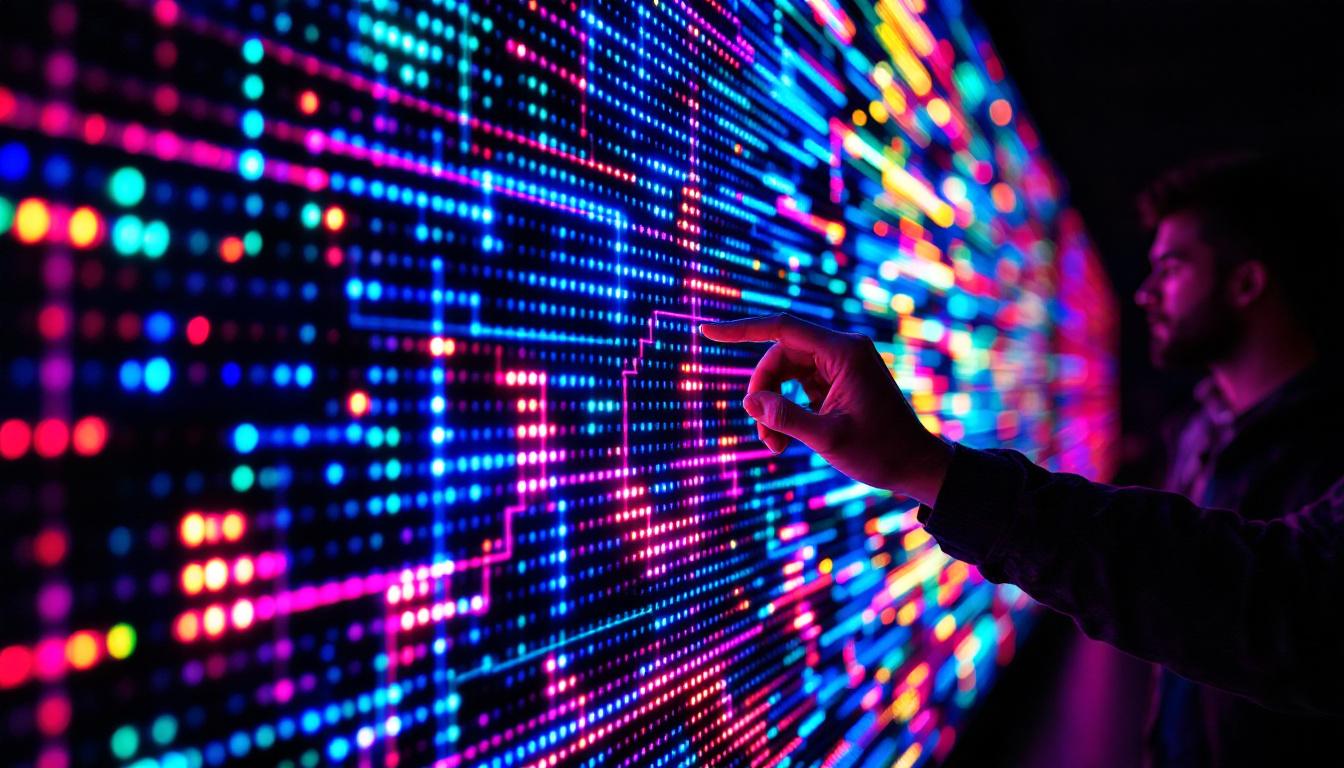
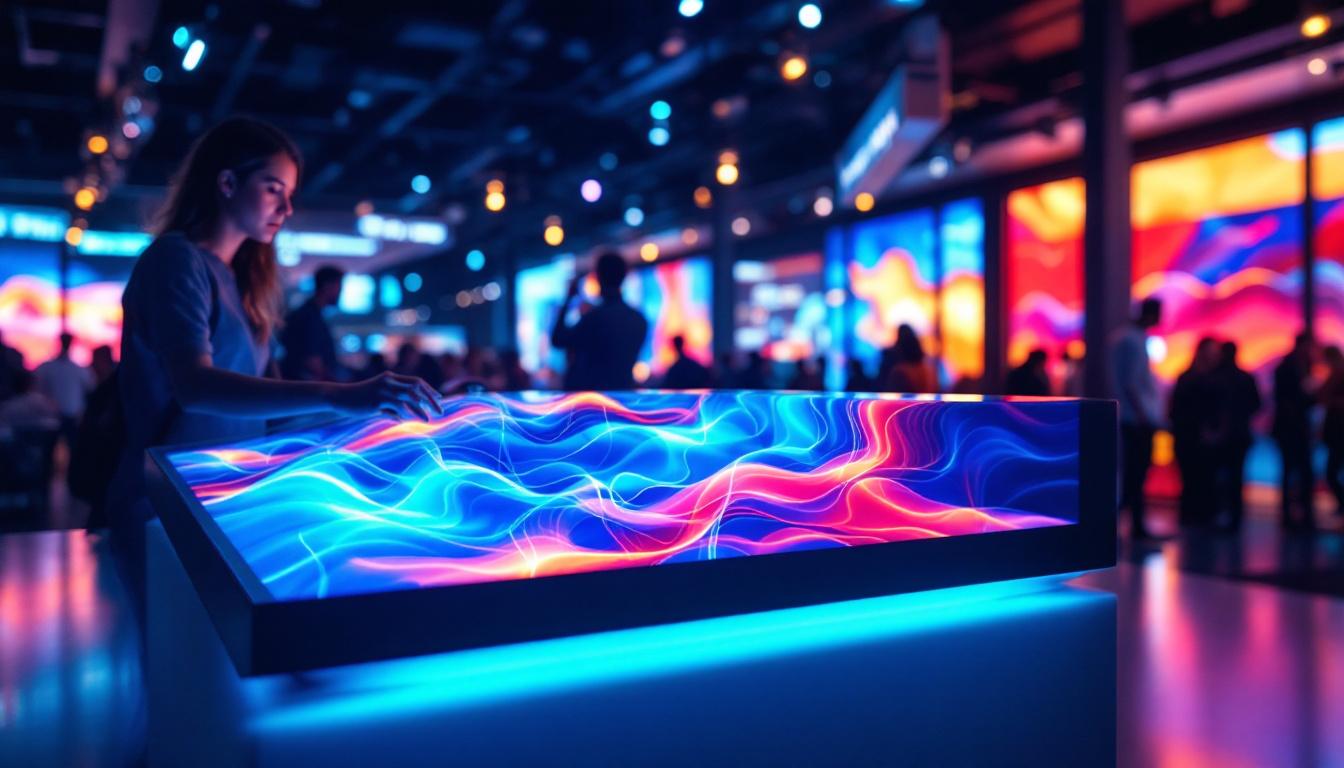
When combined with LED displays, touch sensors enable users to manipulate lighting effects, navigate menus, or interact with digital content directly on the display. This interactivity enhances user experience and opens up new possibilities for creative and functional applications. For instance, in educational environments, interactive LED displays can facilitate engaging learning experiences, allowing students to explore complex concepts through touch-based interaction. Similarly, in advertising, brands can create immersive campaigns that invite consumers to interact with their products in innovative ways, blurring the lines between digital and physical experiences. The evolution of touch technology continues to drive the development of LED displays, making them more intuitive and user-friendly than ever before.
Applications of Touch Lighting with LED Displays
The fusion of touch technology and LED displays has created a broad spectrum of applications across various industries. From commercial to residential settings, touch lighting offers both aesthetic appeal and practical functionality.
Retail and Advertising
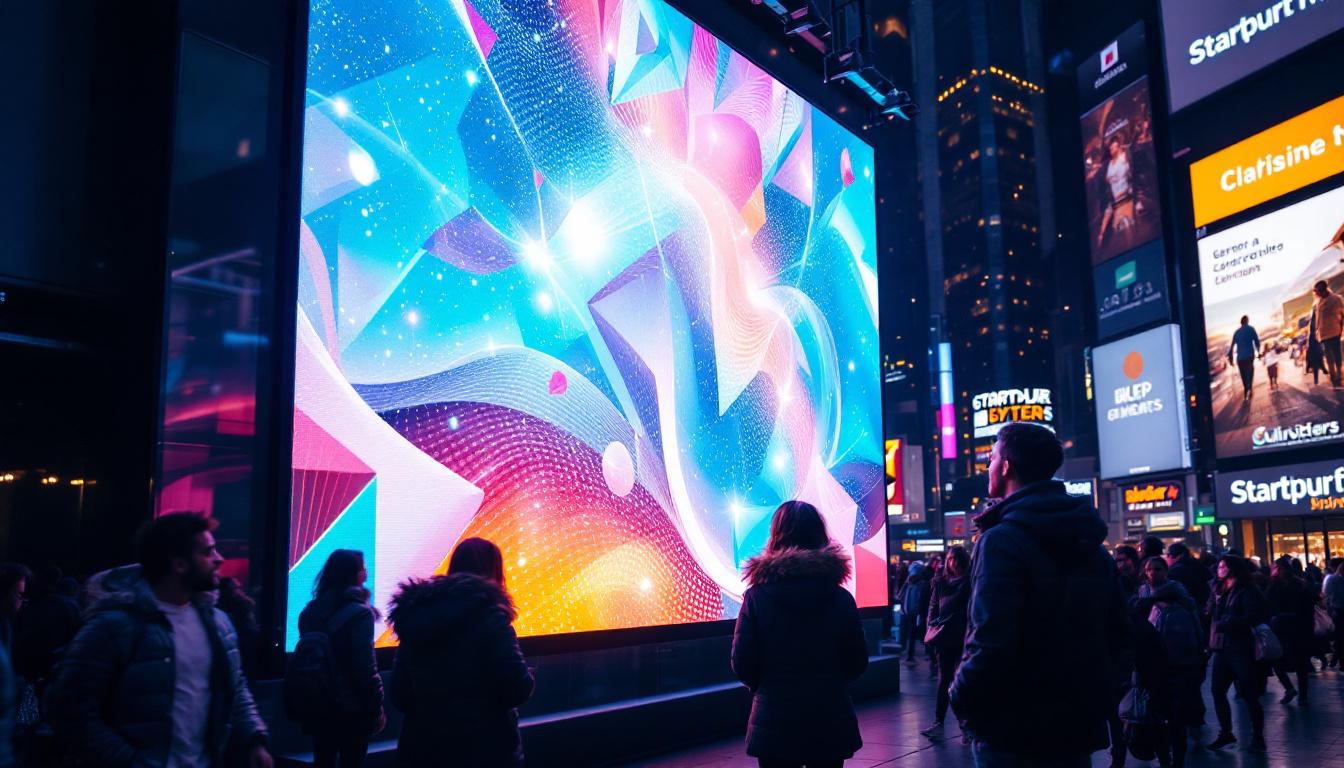
Interactive LED displays in retail environments have transformed the way brands engage customers. Touch-enabled digital signage allows shoppers to browse product catalogs, customize items, or access promotions directly on the display. This not only attracts attention but also provides valuable data on consumer preferences and behavior.
For example, fashion retailers use touch lighting displays to showcase clothing collections with dynamic lighting effects that change based on user interaction. This immersive experience can increase dwell time and boost sales.
Smart Homes and Interior Design
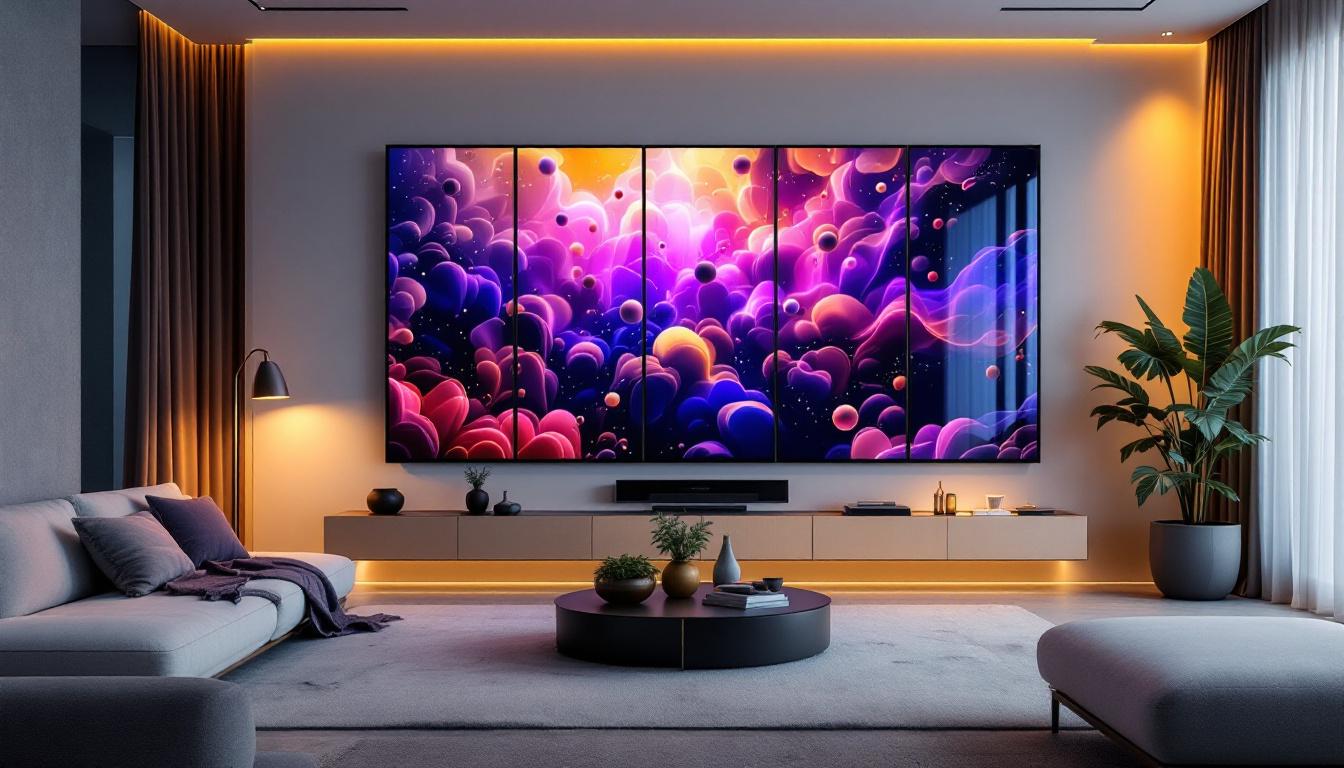
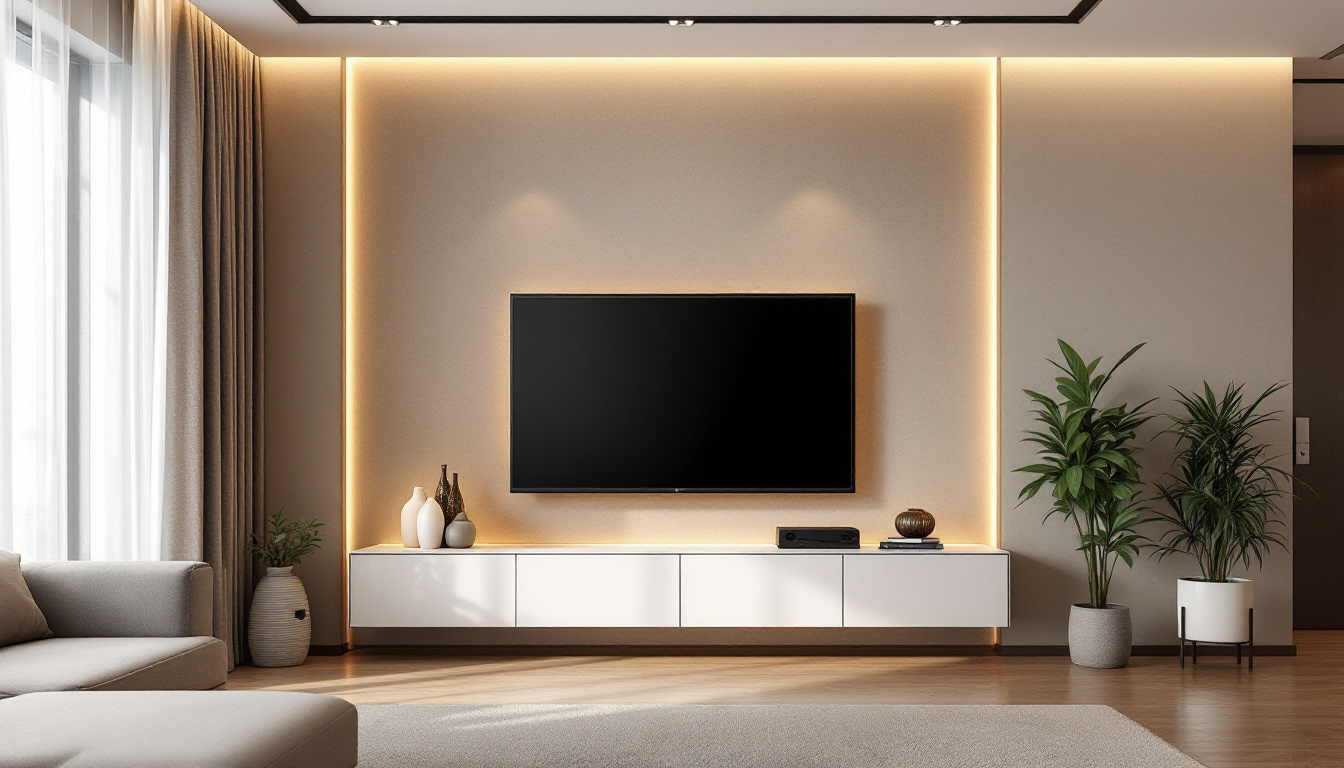
In residential settings, touch lighting with LED displays offers customizable ambiance control. Homeowners can adjust lighting colors, brightness, and patterns with a simple touch, creating moods that suit different occasions. Integration with smart home systems enables voice control and automation for added convenience.
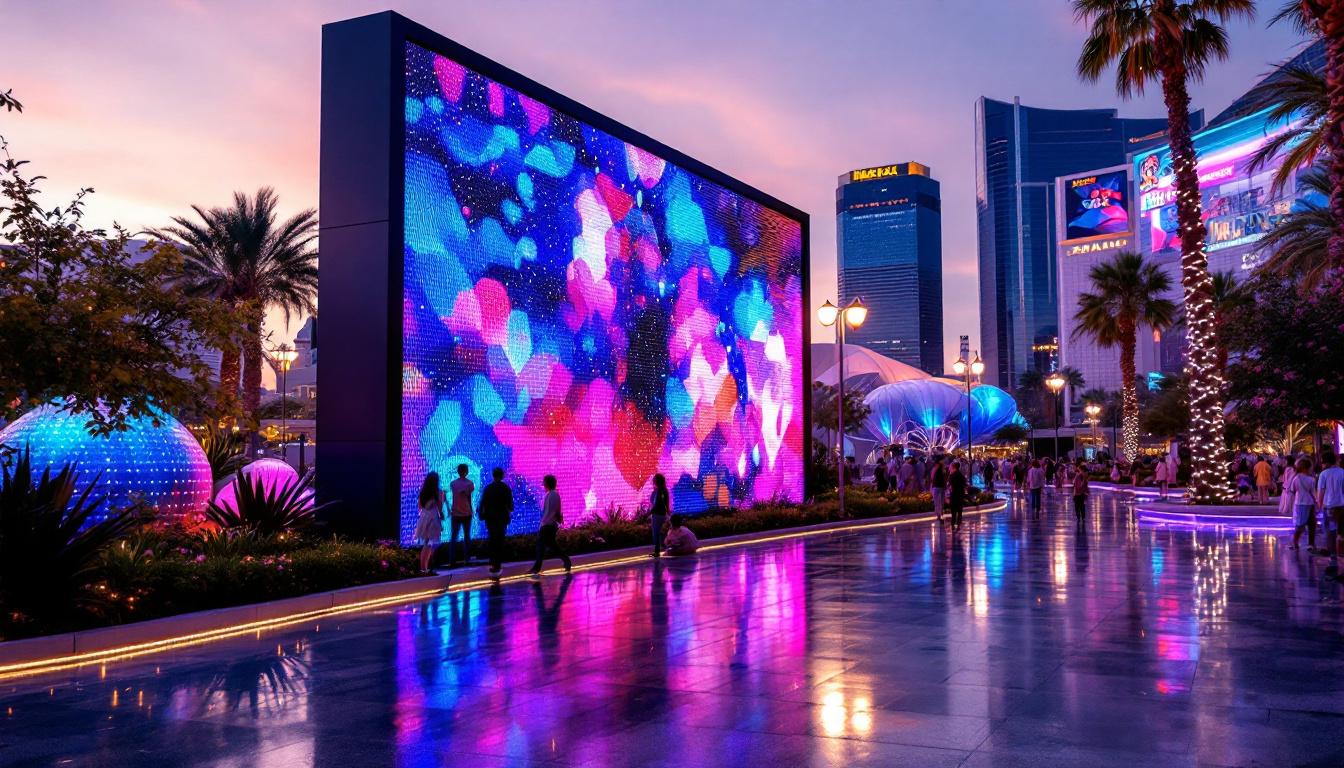
Architectural LED panels with touch functionality are also used as decorative elements, turning walls and ceilings into interactive canvases. This trend is gaining popularity in modern interior design, where technology and aesthetics merge seamlessly.
Entertainment and Events
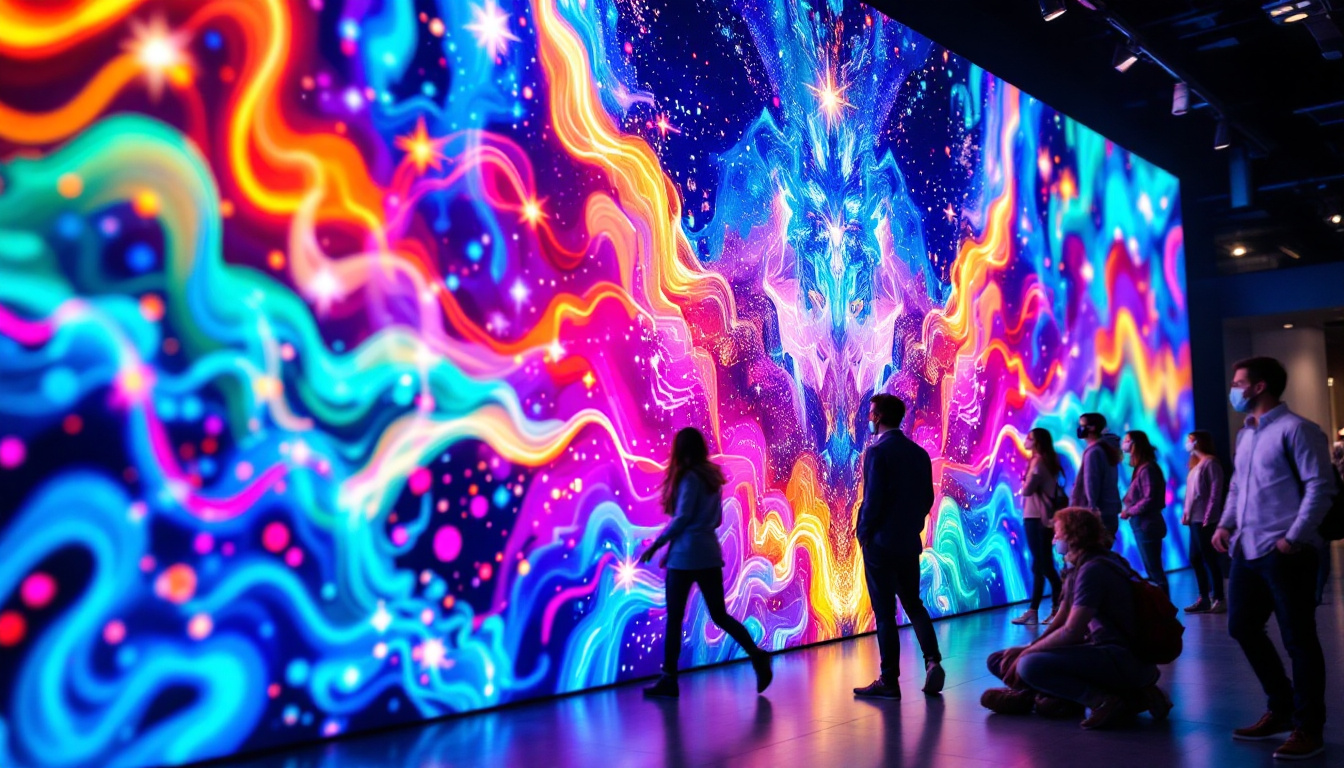
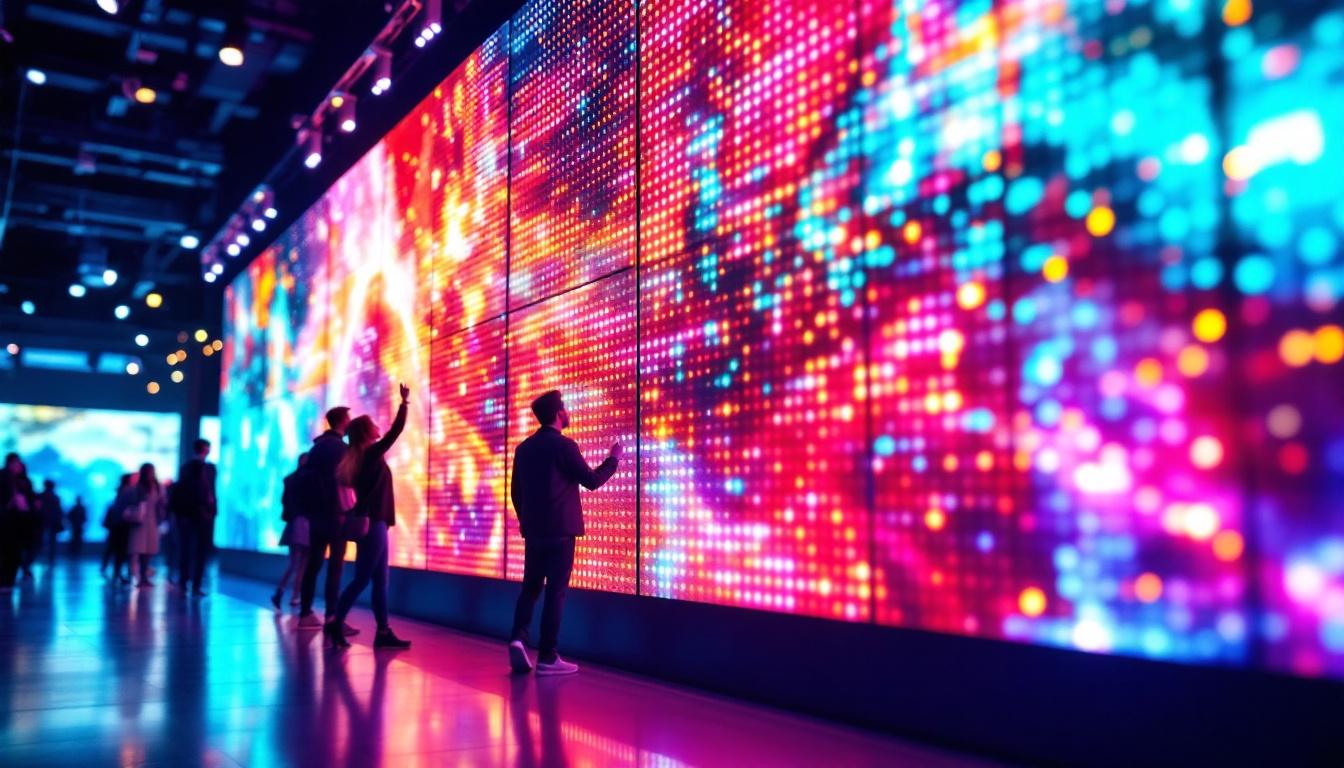
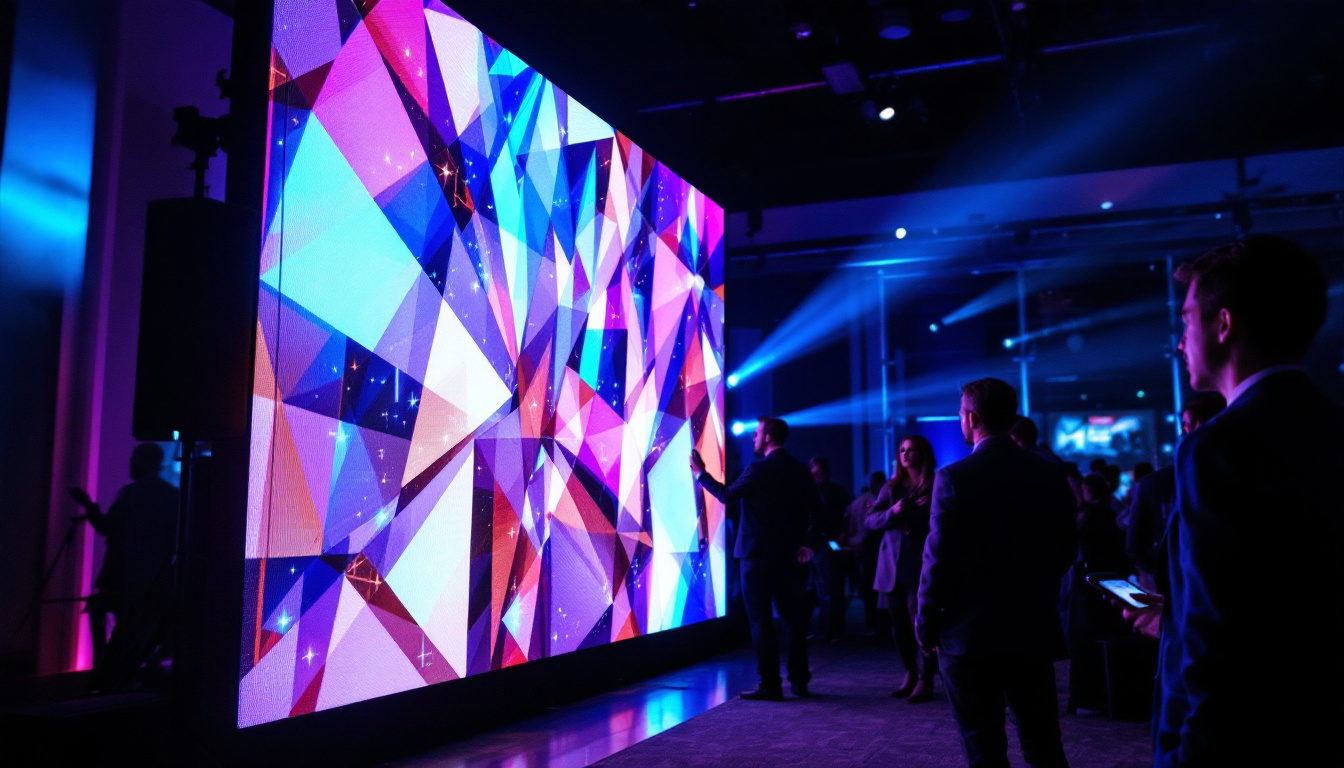
The entertainment industry leverages touch lighting LED displays for stage design, interactive exhibits, and immersive experiences. Concerts and festivals use large-scale touch-enabled LED walls that respond to performers’ or audience interactions, enhancing engagement and visual impact.
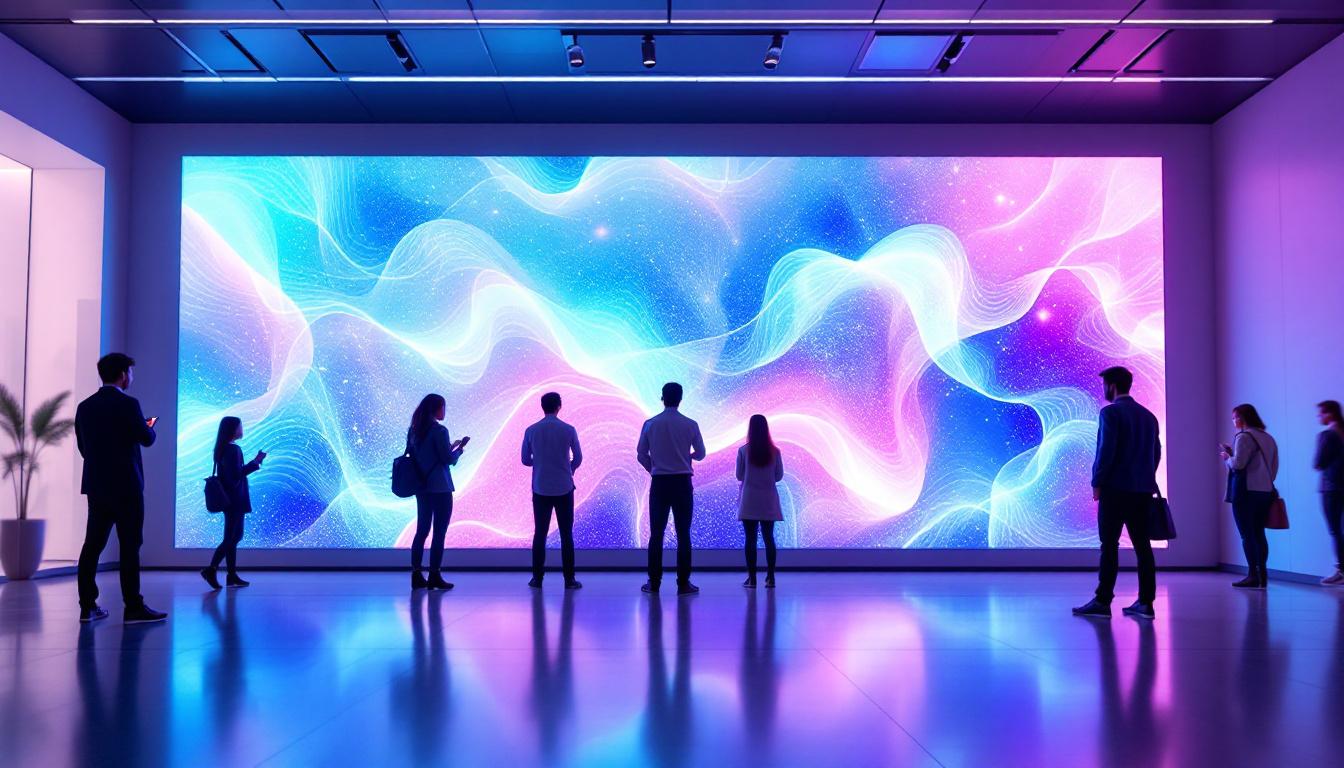
Museums and galleries incorporate touch lighting to provide visitors with interactive information and dynamic displays, making exhibits more engaging and educational.
Industrial and Commercial Use
In industrial environments, touch lighting LED displays serve as control panels and status indicators. Their durability and visibility under various lighting conditions make them ideal for monitoring systems and machinery. Touch functionality simplifies user input, reducing the need for additional hardware like keyboards or switches.
Commercial buildings use these displays for wayfinding, conference room scheduling, and energy management, contributing to smarter and more efficient operations.
Benefits of Touch Lighting LED Displays
Touch lighting LED displays combine the advantages of LED technology with interactive touch capabilities, offering multiple benefits that drive their growing adoption.
Energy Efficiency and Longevity
LEDs consume significantly less power than traditional incandescent or fluorescent lighting, reducing energy costs and environmental impact. Their long operational lifespan—often exceeding 50,000 hours—means lower maintenance and replacement expenses.
Enhanced User Engagement
Touch interactivity invites users to participate actively rather than passively viewing content. This engagement can improve customer satisfaction in retail, enhance learning in educational settings, and increase productivity in workplaces.
Customization and Flexibility
Touch lighting systems can be programmed to offer a wide range of lighting effects and user interfaces, adaptable to different needs and preferences. This flexibility makes them suitable for diverse applications, from mood lighting to complex control systems.
Space and Design Efficiency
Integrating touch controls directly into LED displays eliminates the need for separate input devices, saving space and simplifying design. This is particularly valuable in compact environments or where aesthetics are a priority.
Technical Considerations and Challenges
While touch lighting LED displays offer many advantages, there are technical factors and challenges to consider when implementing these systems.
Touch Sensitivity and Accuracy
Ensuring reliable touch detection on LED surfaces requires precise sensor calibration and high-quality materials. Environmental factors such as moisture, temperature, and surface contamination can affect performance. Advanced capacitive sensors and protective coatings help mitigate these issues.
Durability and Maintenance
Touch-enabled LED displays must withstand frequent use and potential physical impact. Manufacturers often use robust glass or acrylic covers to protect the display and touch sensors. Regular maintenance is necessary to keep the surface clean and responsive.
Cost and Integration Complexity
The addition of touch technology increases the cost and complexity of LED display systems. Integrating hardware and software components requires careful planning and expertise. However, the long-term benefits often justify the initial investment.
Software and User Interface Design
Effective touch lighting systems depend on intuitive and responsive software interfaces. Poorly designed interfaces can frustrate users and diminish the value of the technology. Collaboration between hardware engineers, software developers, and user experience designers is essential.
Future Trends in Touch Lighting and LED Displays
The future of touch lighting and LED display technology promises even greater innovation and integration with emerging technologies.
Advancements in Flexible and Transparent Displays
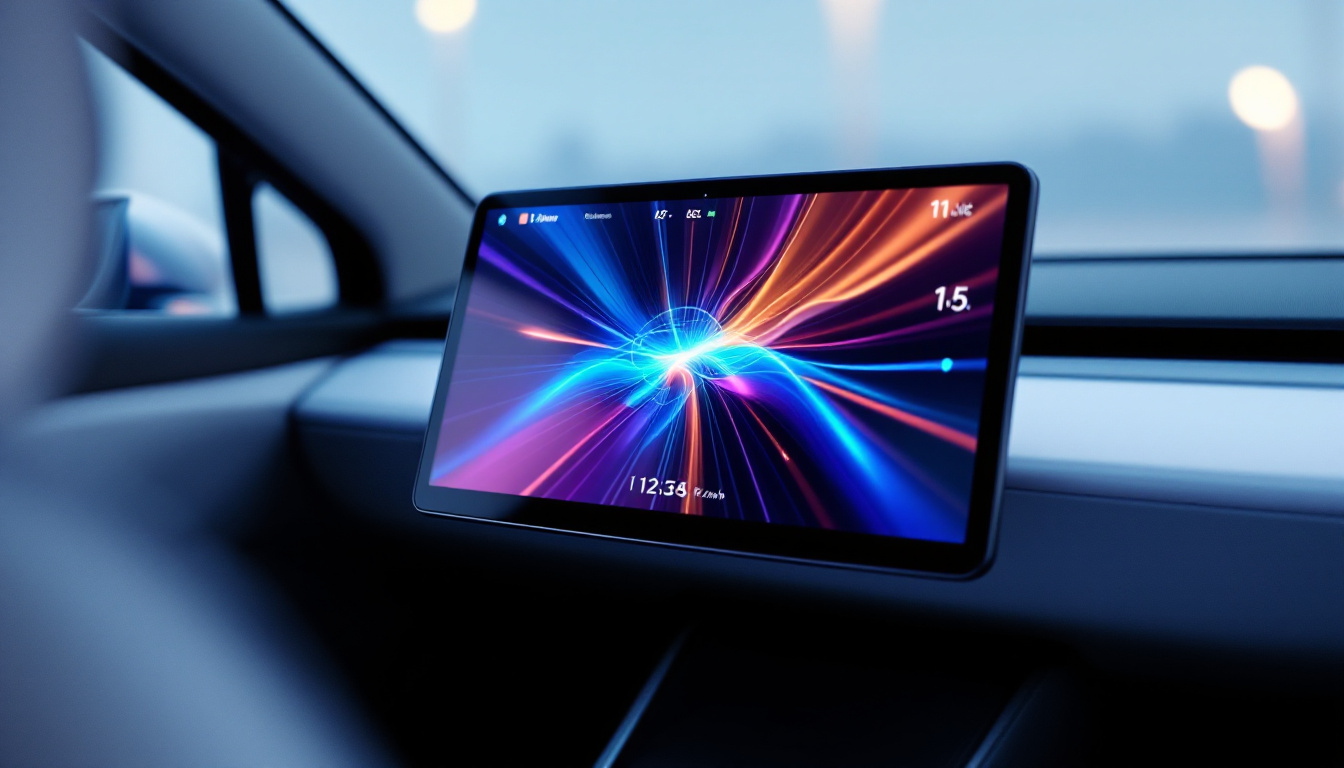
Flexible LED displays that can bend or roll open new possibilities for touch lighting in wearable devices, automotive interiors, and architectural elements. Transparent LED panels allow for see-through displays integrated into windows or glass walls, creating futuristic interactive surfaces.
Integration with Artificial Intelligence and IoT
Artificial intelligence (AI) and the Internet of Things (IoT) are enhancing touch lighting systems by enabling adaptive lighting that responds to user behavior, environmental conditions, and real-time data. Smart LED displays can learn user preferences and automate adjustments for comfort and efficiency.
Higher Resolution and Miniaturization
Ongoing improvements in LED miniaturization and pixel density will lead to even sharper and more vibrant touch displays. This will expand their use in high-definition applications such as medical imaging, virtual reality, and advanced control systems.
Sustainability and Eco-Friendly Materials
As sustainability becomes a priority, manufacturers are exploring eco-friendly materials and recycling programs for LED displays. Energy-efficient designs combined with sustainable practices will reduce the environmental footprint of touch lighting technologies.
Conclusion
Touch lighting with LED displays represents a significant leap forward in interactive visual technology. By combining the energy efficiency and vividness of LED lighting with intuitive touch controls, these systems provide versatile solutions for a wide range of applications. From retail and entertainment to smart homes and industrial environments, touch lighting enhances user engagement, customization, and operational efficiency.
As technology advances, the integration of flexible displays, AI, and IoT will further expand the capabilities and adoption of touch lighting LED displays. Understanding the technical considerations and potential challenges is crucial for successful implementation, ensuring that these innovative systems deliver maximum value and a seamless user experience.
For businesses and consumers alike, embracing touch lighting technology offers a pathway to more dynamic, responsive, and sustainable lighting solutions in the digital age.
Discover the Future of Interactive Lighting with LumenMatrix
Ready to elevate your space with the latest in touch lighting LED technology? LumenMatrix is at the forefront of this innovative field, offering a diverse range of LED display solutions tailored to your needs. Whether you’re looking to enhance your retail space, captivate audiences at events, or integrate smart technology into your home or business, LumenMatrix has the expertise to bring your vision to life. Experience the transformative power of Indoor and Outdoor LED Wall Displays, Vehicle LED Displays, LED Posters, Sports Displays, and more. Check out LumenMatrix LED Display Solutions today and join the revolution in visual communication.