In recent years, the cinematic experience has undergone a remarkable transformation, driven largely by advances in display technology. One of the most significant innovations reshaping movie theaters is the adoption of LED displays. These cutting-edge screens are redefining how audiences engage with films, offering unparalleled brightness, contrast, and color accuracy compared to traditional projection systems. Understanding the dimensions and technical aspects of LED displays in movie theaters is essential for cinema operators, architects, and technology enthusiasts alike.
This article delves into the critical factors surrounding movie theater dimensions and LED display technology. From the physical size and resolution of LED screens to their installation considerations and impact on viewer experience, this comprehensive guide aims to clarify the nuances of this evolving technology.
The Evolution of Movie Theater Displays
For decades, movie theaters have relied on digital projectors to cast images onto large screens. While digital projection has improved dramatically since the early 2000s, it still faces inherent limitations such as ambient light interference, lower contrast ratios, and the need for specialized maintenance. LED displays, by contrast, use thousands of tiny light-emitting diodes to create images directly on the screen surface, eliminating many of these issues.
The transition to LED technology in theaters began gaining momentum around 2018, with major cinema chains and manufacturers collaborating to develop LED walls tailored for movie viewing. Unlike traditional projectors that require a darkened room and a reflective screen, LED displays produce their own light, enabling brighter images even in less controlled lighting environments.
Moreover, LED screens offer superior color fidelity and contrast, making them ideal for showcasing high dynamic range (HDR) content. This shift is not merely a technological upgrade but a fundamental change in how visual storytelling is delivered on the big screen.
In addition to their technical advantages, LED displays also allow for more creative presentation styles. Filmmakers can experiment with unconventional aspect ratios and immersive formats, such as 360-degree views, which were previously difficult to achieve with traditional projection methods. This flexibility opens up new avenues for storytelling, inviting audiences to engage with the narrative in ways that were once unimaginable. The integration of LED technology has also sparked interest in hybrid cinema experiences, where live performances and interactive elements can be seamlessly blended with film screenings, creating a more dynamic and engaging environment.
Furthermore, the environmental impact of LED displays is worth noting. Unlike traditional projectors that rely on lamps that need to be replaced frequently, LED technology boasts a longer lifespan and lower energy consumption. This not only reduces operational costs for theaters but also aligns with the growing demand for sustainable practices in the entertainment industry. As theaters strive to enhance the viewing experience while minimizing their carbon footprint, LED displays represent a promising step toward a more eco-friendly future for cinema.
Understanding LED Display Dimensions in Movie Theaters
Screen Size and Aspect Ratio
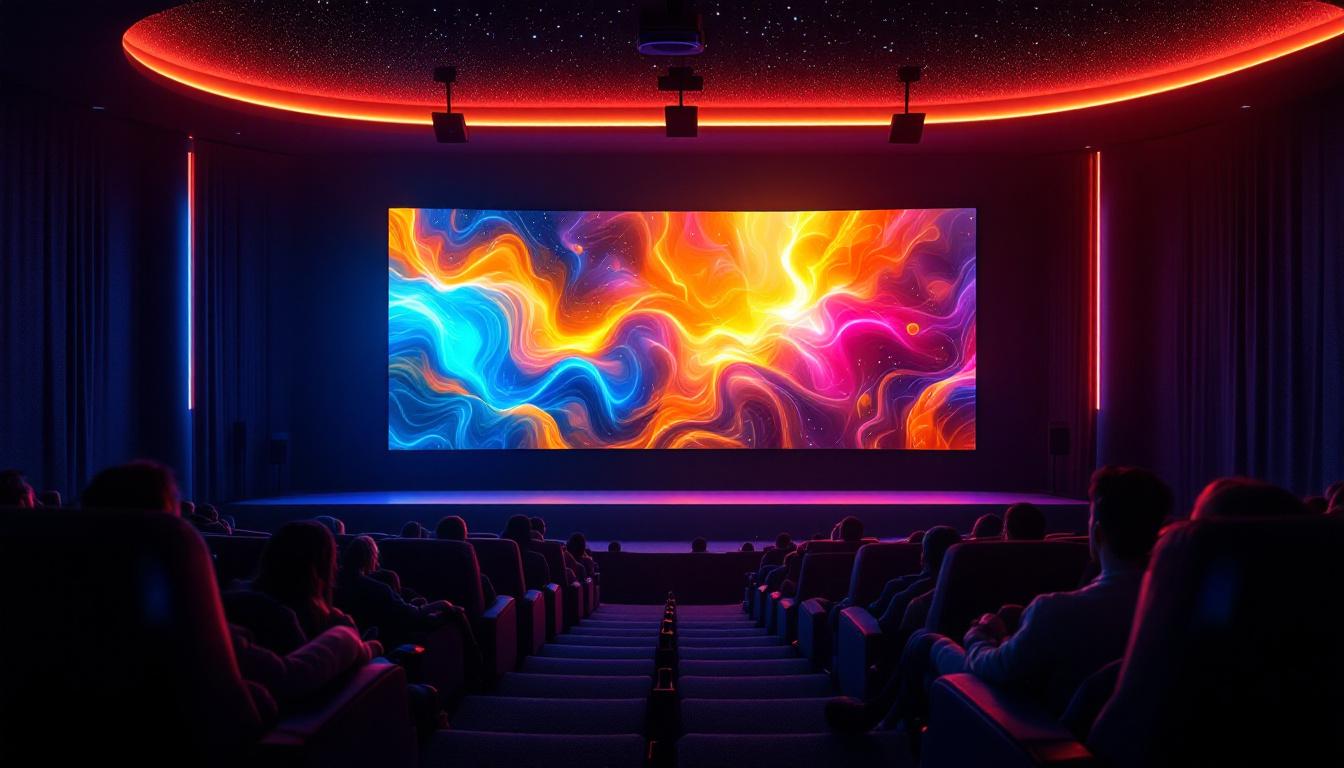
The physical dimensions of an LED display in a movie theater are a crucial factor that influences both the viewer’s immersion and the technical feasibility of installation. Traditional movie screens vary widely in size but typically range from 30 to 70 feet wide, with aspect ratios commonly set at 2.39:1 (CinemaScope) or 1.85:1 (standard widescreen).
LED displays, however, offer greater flexibility in dimensions and aspect ratios because they are modular. Each LED panel can be combined seamlessly to create custom sizes that fit the specific theater space. For example, a theater might opt for a 50-foot-wide by 20-foot-tall LED screen with a 2.5:1 aspect ratio to maximize the field of view.
This modularity allows theaters to optimize screen size based on auditorium dimensions and seating arrangements, ensuring every seat has a clear and vibrant view. It also enables the creation of curved or angled screens, enhancing the immersive experience. The ability to design screens that wrap around the audience or extend to the ceiling can transform the viewing experience into something more akin to being inside the film itself, drawing viewers deeper into the narrative.
Moreover, the choice of aspect ratio can also influence storytelling. Filmmakers often select specific ratios to evoke particular emotions or to emphasize certain elements within a scene. For instance, a wider aspect ratio can create a sense of grandeur and vastness, making it ideal for epic landscapes or action sequences, while a more standard ratio might be better suited for intimate character-driven stories.
Pixel Pitch and Resolution
Pixel pitch—the distance between the centers of two adjacent pixels—is a defining feature of LED displays and directly impacts image clarity. In movie theaters, a smaller pixel pitch is preferred to ensure high resolution and sharpness, especially given the close viewing distances compared to large outdoor LED billboards.
Current cinema-grade LED panels typically have pixel pitches ranging from 0.9mm to 1.5mm. A 0.9mm pixel pitch LED screen can deliver 4K resolution (3840 x 2160 pixels) on a 50-foot-wide display, providing crystal-clear images that rival or exceed traditional 4K projectors.
Higher resolution ensures that fine details in films, from subtle facial expressions to intricate backgrounds, are rendered accurately. This is particularly important for modern films shot in ultra-high definition or with extensive visual effects. As filmmakers increasingly utilize advanced techniques such as CGI and high dynamic range (HDR), the demand for displays that can faithfully reproduce these details has never been higher. The ability of LED screens to maintain color accuracy and brightness levels across varying viewing angles further enhances the audience’s experience, allowing everyone in the theater to enjoy the same stunning visuals without compromise.
Additionally, the advancements in pixel technology have led to the development of HDR-capable LED displays, which can produce a wider range of colors and contrast ratios. This capability allows for deeper blacks and brighter whites, creating a more dynamic and lifelike image. As a result, scenes that feature dramatic lighting or vibrant colors can be experienced in their full glory, making the viewing experience not just a passive activity but an engaging event that captivates the senses.
Installation Considerations for LED Movie Theater Screens
Structural and Spatial Requirements
Installing a large LED display in a movie theater requires careful planning to accommodate the screen’s weight, dimensions, and power needs. LED panels are heavier than traditional projection screens, often weighing between 20 to 40 pounds per square foot, depending on the model and build.
The theater’s wall or supporting structure must be reinforced to handle this load safely. Additionally, the space behind the screen must allow for ventilation and access to electronic components for maintenance. This can be challenging in older theaters with limited backstage room.
Spatially, the LED screen must be positioned to optimize sightlines for all seats. Unlike projection systems where the image is cast from the rear or ceiling, LED displays are front-facing and require unobstructed views. Architects and engineers often use 3D modeling to simulate viewing angles and ensure that the screen size and placement enhance the audience experience.
Brightness and Ambient Light Management
One of the key advantages of LED displays is their high brightness levels, often exceeding 600 nits, compared to roughly 48 nits for traditional cinema projectors. This brightness allows theaters to maintain some ambient lighting without compromising image quality, improving safety and comfort.
However, excessive ambient light can still degrade image contrast. To mitigate this, theaters may incorporate dimmable house lighting, blackout curtains, or specialized coatings on walls and ceilings to reduce reflections. The LED screen’s brightness can also be adjusted dynamically based on the room’s lighting conditions.
Impact of LED Displays on the Movie-Going Experience
Enhanced Visual Quality
The most noticeable benefit of LED displays is the dramatic improvement in image quality. With higher brightness, deeper blacks, and a wider color gamut, films appear more vivid and lifelike. This enhancement is particularly evident in scenes with dark shadows or bright highlights, where traditional projectors often struggle to maintain detail.
For filmmakers and studios, this means their artistic vision can be realized more faithfully in theaters. Audiences experience richer textures, more nuanced lighting, and a greater sense of depth, all contributing to heightened emotional engagement.
Improved Accessibility and Versatility
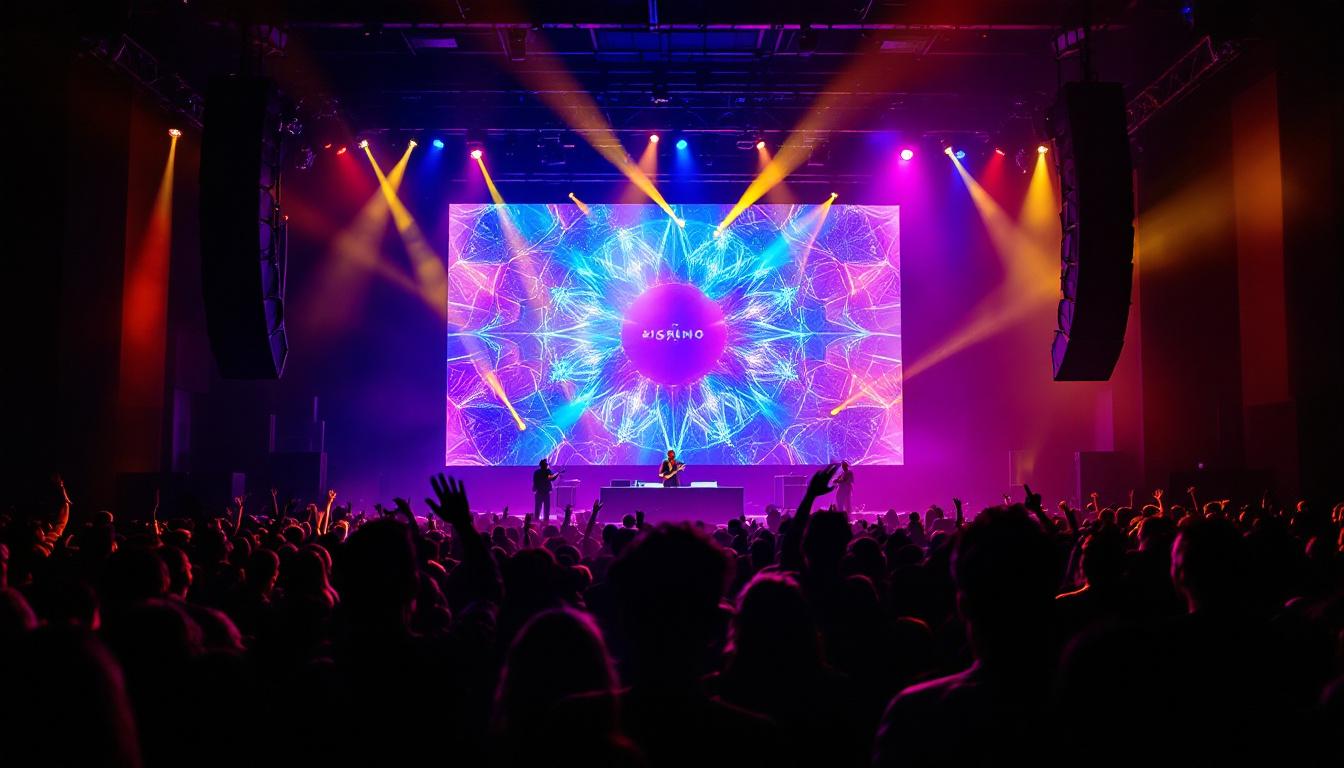
LED screens also support a wider range of content formats beyond traditional films. Theaters can display live broadcasts, interactive content, and alternative programming such as concerts or esports events with superior image quality.
Additionally, the ability to control brightness and color precisely enables better accessibility for viewers with visual impairments. Adjustments can be made to enhance contrast or color differentiation, making the cinematic experience more inclusive.
Challenges and Future Trends in LED Cinema Displays
Cost and Maintenance
While LED displays offer numerous advantages, they come with higher upfront costs compared to projection systems. The price of cinema-grade LED panels can range from $1,000 to $3,000 per square foot, depending on resolution and features. Installation and structural modifications add to the expense.
Maintenance is another consideration. Although LEDs have long lifespans, individual panels or diodes may require replacement over time. The modular design facilitates repairs, but theaters must have trained technicians and spare parts on hand to minimize downtime.
Technological Innovations on the Horizon
Looking ahead, LED display technology continues to evolve rapidly. Advances in microLED and miniLED technologies promise even finer pixel pitches and improved energy efficiency, potentially lowering costs and enhancing performance.
Moreover, integration with immersive audio systems, augmented reality (AR), and virtual reality (VR) could transform movie theaters into multi-sensory entertainment hubs. Flexible and transparent LED screens may also enable innovative auditorium designs, blending physical and digital environments.
Conclusion
LED displays are revolutionizing the movie theater industry by offering superior image quality, flexible dimensions, and enhanced viewing experiences. Understanding the technical aspects of screen size, pixel pitch, installation requirements, and operational challenges is essential for stakeholders aiming to adopt this technology.
As LED technology matures and becomes more accessible, it is poised to become the new standard for cinema screens worldwide. Moviegoers can look forward to brighter, more immersive films that bring stories to life like never before.
For theater owners and designers, embracing LED displays means investing in the future of cinematic entertainment—one where innovation and audience satisfaction go hand in hand.
Discover the Future of Cinema with LumenMatrix
Ready to elevate your movie theater experience with the latest in LED display technology? LumenMatrix is at the forefront of this cinematic revolution, offering an array of innovative LED display solutions that promise to transform your venue into a beacon of visual storytelling. From the mesmerizing clarity of our Indoor LED Wall Display to the dynamic versatility of our Custom LED Displays, we have everything you need to captivate your audience and bring your stories to life. Check out LumenMatrix LED Display Solutions today and join the future of immersive cinema entertainment.