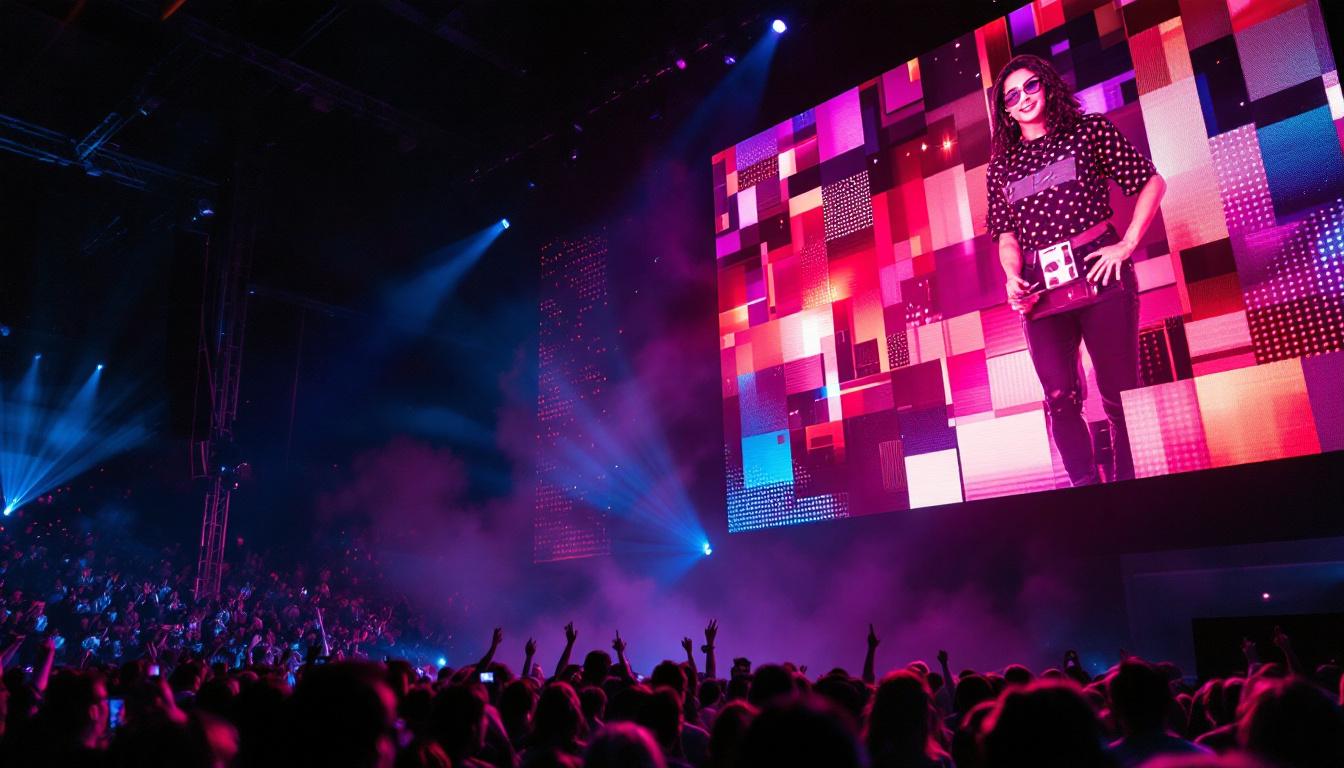
In the evolving world of visual display technology, front screen projection and LED displays have emerged as two prominent methods for delivering vibrant, high-quality images in various environments. Whether in corporate boardrooms, live events, retail spaces, or broadcast studios, understanding the differences, benefits, and applications of these technologies is essential for making informed decisions about visual presentation solutions.
This article delves into the fundamentals of front screen projection and LED displays, exploring how each technology works, their advantages and limitations, and the latest trends shaping their use in 2024. By the end, readers will have a comprehensive understanding of these display technologies and how to select the best option for their specific needs.
Understanding Front Screen Projection Technology
What Is Front Screen Projection?
Front screen projection is a traditional display method where an image is projected onto a screen from the front side, typically using a projector mounted in front of the screen. The projector casts light through lenses to create an image that viewers see on the screen surface. This setup contrasts with rear projection, where the image is projected from behind the screen.
Front projection has been widely used in classrooms, conference rooms, cinemas, and events due to its relative affordability and scalability. The technology relies heavily on the quality of the projector and the screen to deliver clear, bright images. Over the years, advancements in projector technology have led to the development of high-definition and 4K projectors, which significantly enhance the viewing experience by providing sharper images and more vibrant colors. This evolution has made front screen projection a viable option not just for presentations but also for home theaters and immersive gaming setups.
Key Components of Front Screen Projection
The main components involved in front screen projection include:
- Projector: The device that emits the image. Modern projectors use technologies such as DLP (Digital Light Processing), LCD (Liquid Crystal Display), or LCoS (Liquid Crystal on Silicon) to produce images with varying brightness and color accuracy. Each technology has its unique advantages; for instance, DLP projectors are known for their sharpness and reliability, while LCD projectors often provide better color saturation.
- Projection Screen: A specially designed surface that reflects the projected light. Screens vary in gain (reflectivity), texture, and size, influencing image quality and viewing angles. Some screens are designed specifically for high ambient light environments, utilizing special coatings to enhance brightness and contrast, making them suitable for diverse settings.
- Content Source: The media player, computer, or device providing the video or image content. This component is crucial as it determines the quality of the input signal, which can significantly affect the final output on the screen.
Advantages of Front Screen Projection
Front screen projection offers several benefits that have sustained its use despite the rise of alternative technologies:
- Cost-Effectiveness: For large-scale displays, front projection can be more affordable than LED walls, especially when using existing infrastructure. This makes it an attractive option for schools and businesses that need to maximize their budgets without compromising on quality.
- Scalability: Projection size can be easily adjusted by changing the projector’s distance from the screen, allowing for flexible screen sizes. This adaptability is particularly beneficial in dynamic environments where the size of the audience or the nature of the presentation may change frequently.
- Portability: Projectors and screens can be transported and set up relatively quickly, making them ideal for temporary installations or events. Many modern projectors are lightweight and compact, allowing for easy transportation and setup in various venues, from corporate offices to outdoor festivals.
Limitations to Consider
Despite its advantages, front screen projection has some drawbacks:
- Ambient Light Sensitivity: Projected images can wash out in brightly lit environments, requiring controlled lighting conditions for optimal viewing. This limitation can be addressed by using high-brightness projectors or specialized screens that enhance image visibility in such conditions.
- Shadow Interference: Because the projector is positioned in front, objects or people moving between the projector and screen can cast shadows. This can be particularly problematic in interactive presentations or performances where movement is expected.
- Maintenance: Projectors require regular maintenance, including lamp replacements and cleaning, which can add to operational costs. Additionally, the lifespan of projector lamps can vary significantly, and users must factor in the cost of replacements when budgeting for long-term use.
Moreover, the choice of projector and screen can significantly impact the overall performance of the front screen projection system. For instance, high-gain screens can enhance brightness but may narrow the viewing angle, making it essential to consider the audience’s seating arrangement. Additionally, advancements in projection mapping technology have opened new avenues for creative applications, allowing for dynamic and interactive displays that can transform ordinary spaces into immersive experiences.
Exploring LED Display Technology
What Is an LED Display?
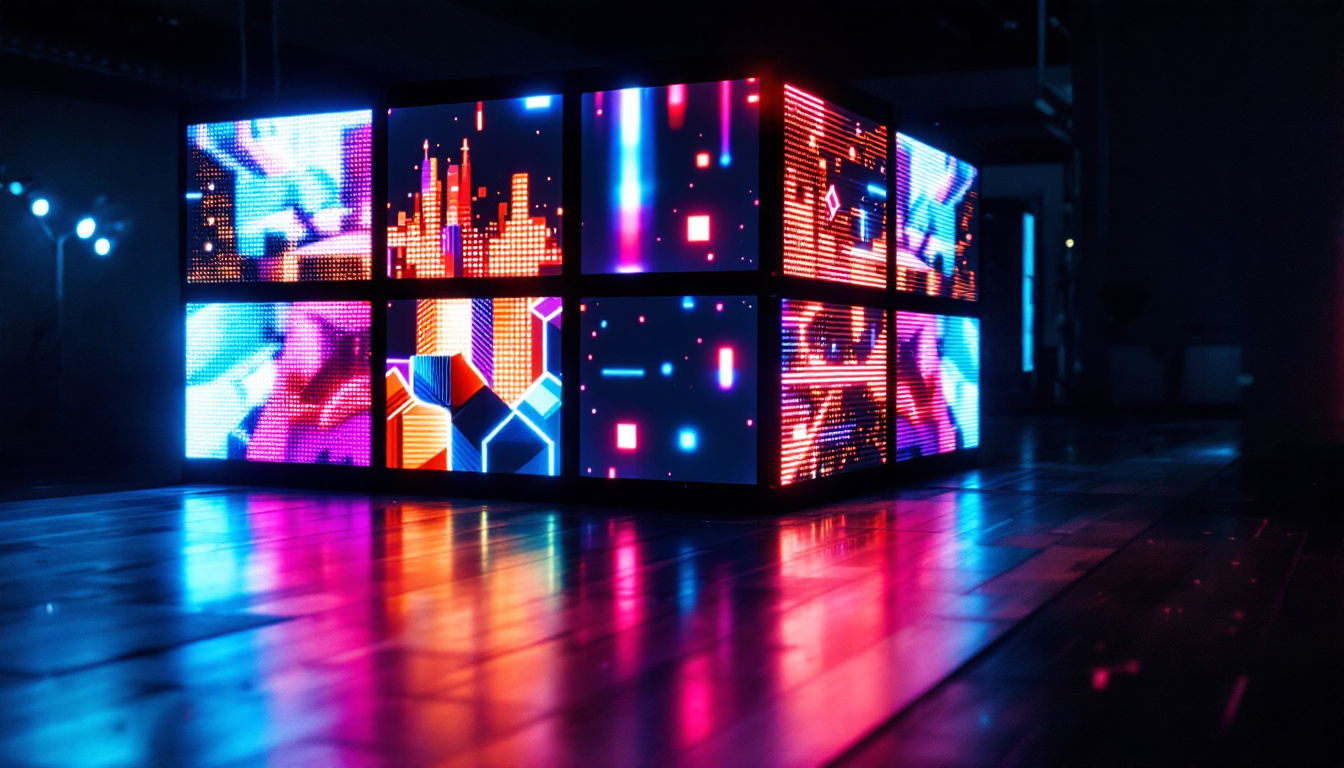
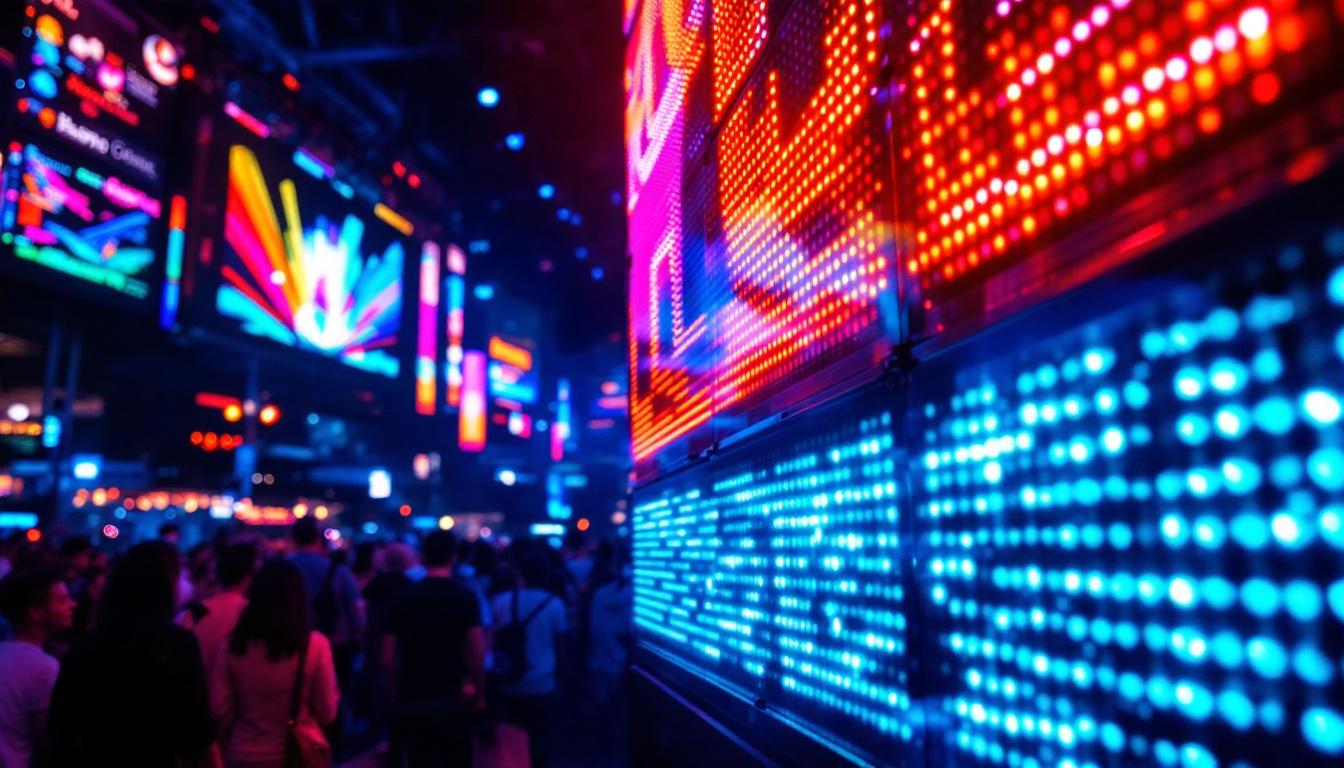
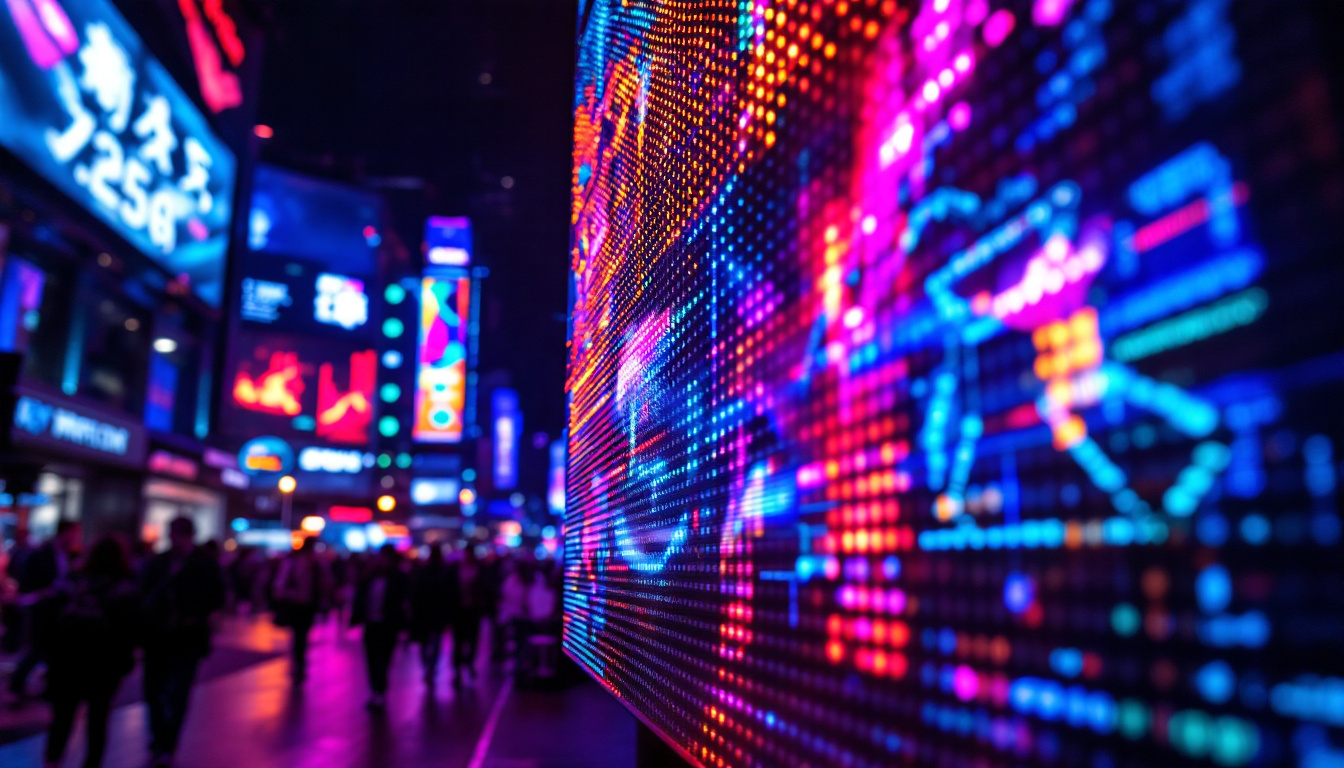
LED (Light Emitting Diode) displays are composed of numerous small LEDs arranged in a grid or matrix to form a screen. Each LED acts as a pixel, emitting its own light, which allows LED displays to produce bright, high-contrast images without external light sources.
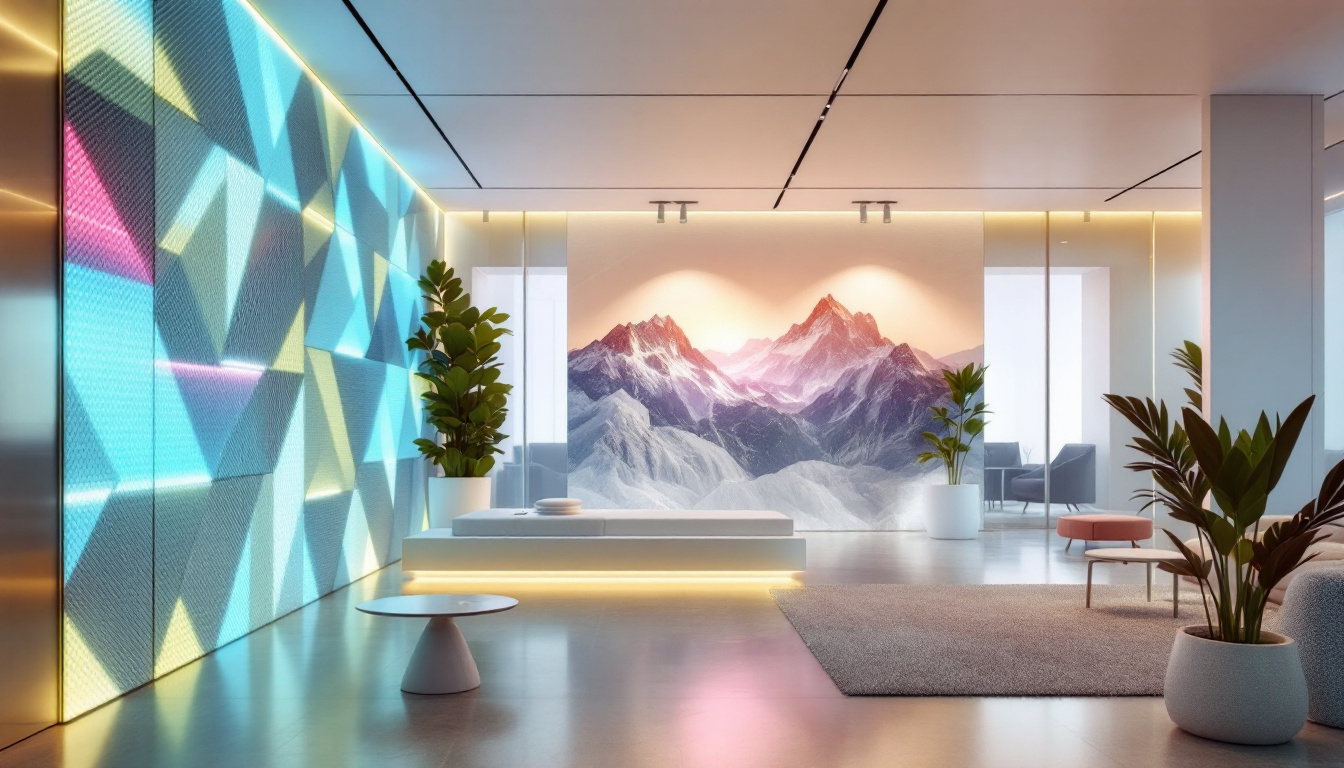
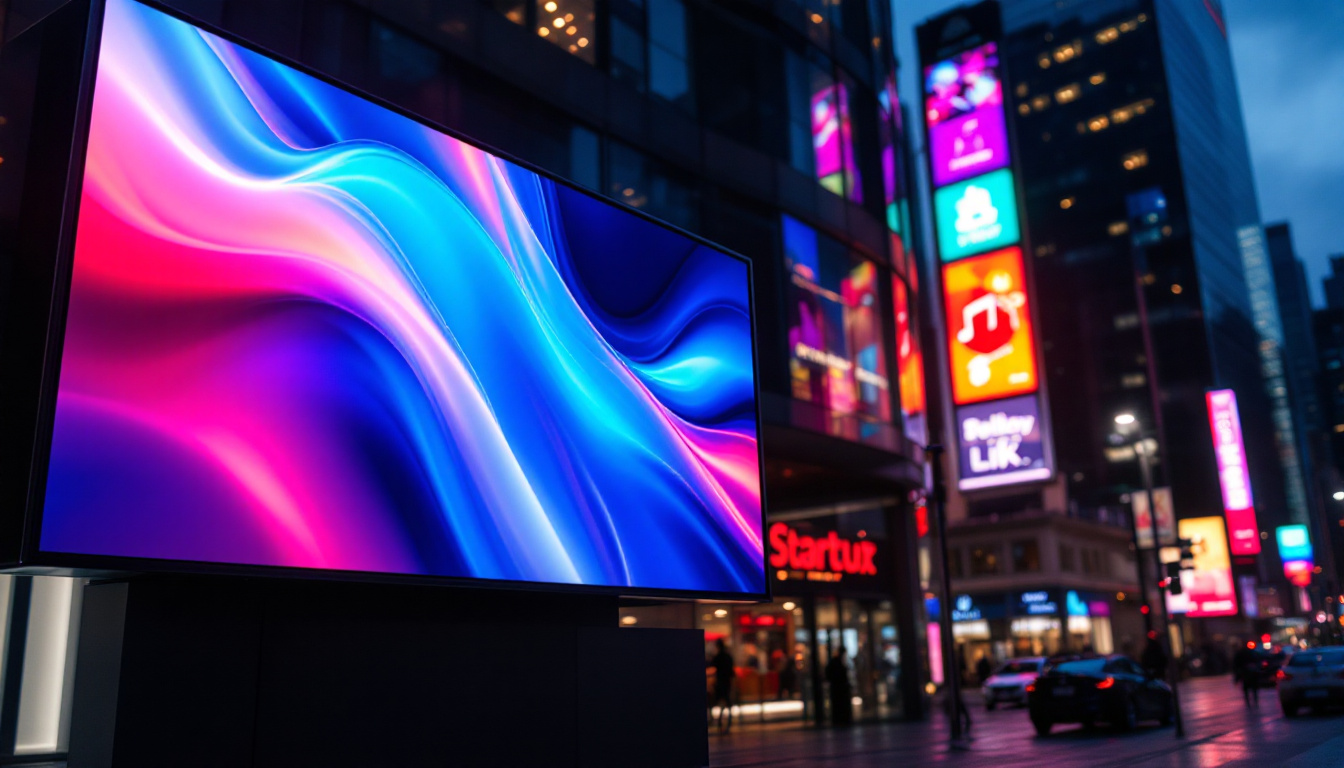
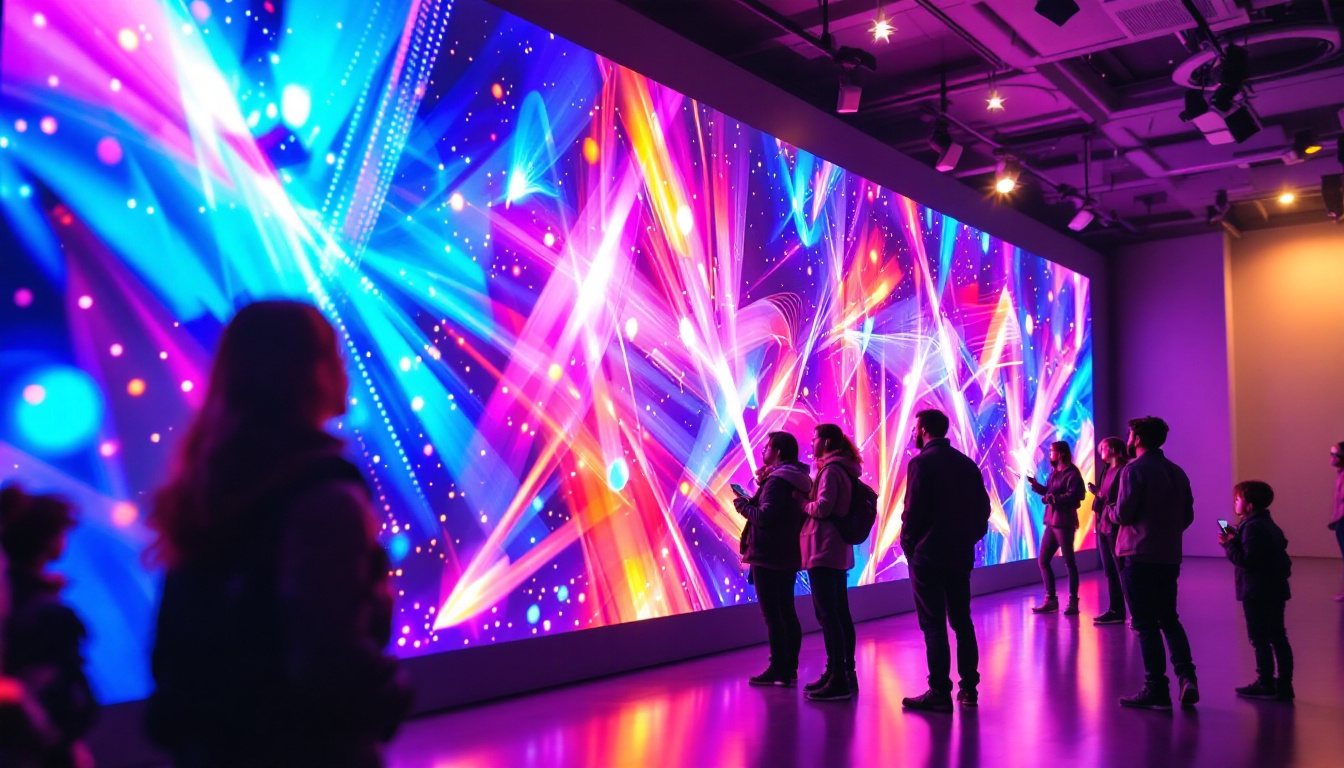
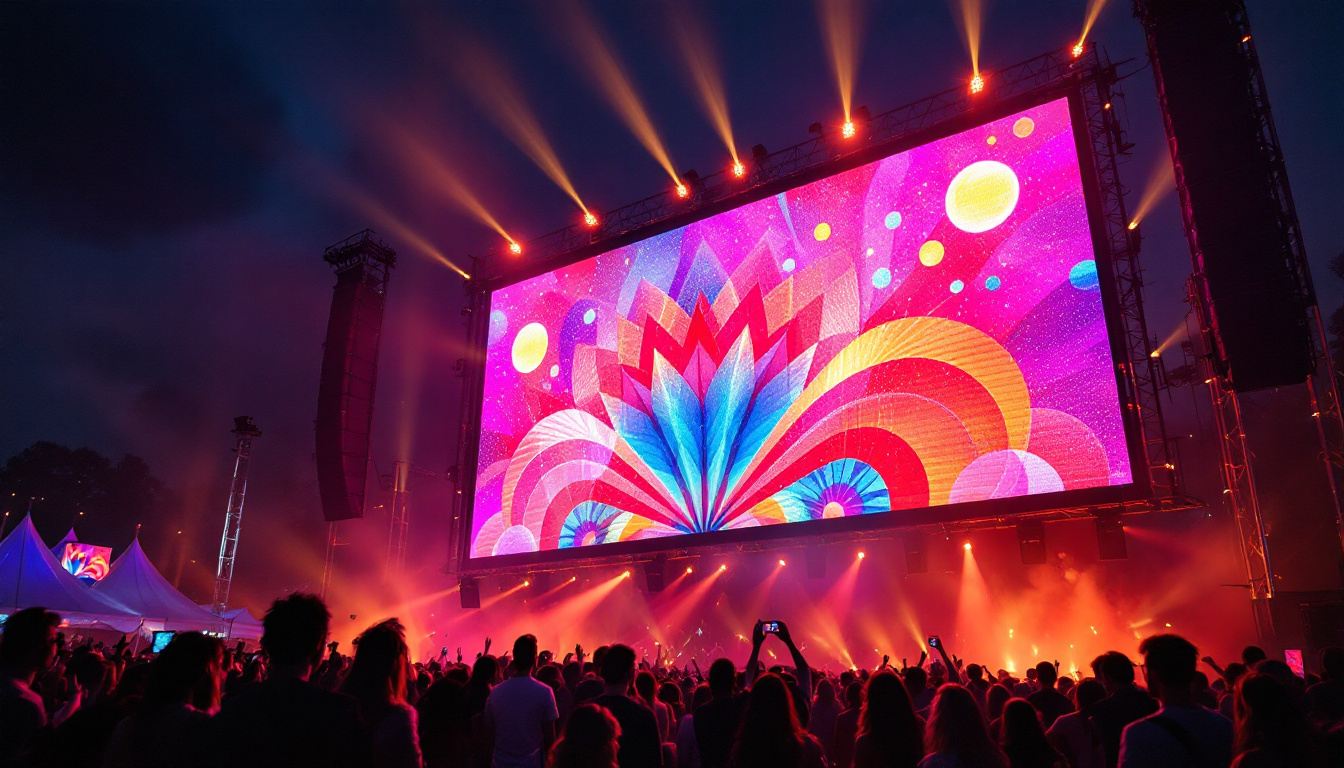
LED displays are widely used in outdoor advertising billboards, stadium screens, retail signage, and increasingly in indoor environments such as conference rooms and broadcast studios due to their superior brightness and image quality.
Types of LED Displays
LED displays come in various forms, primarily categorized by pixel pitch and configuration:
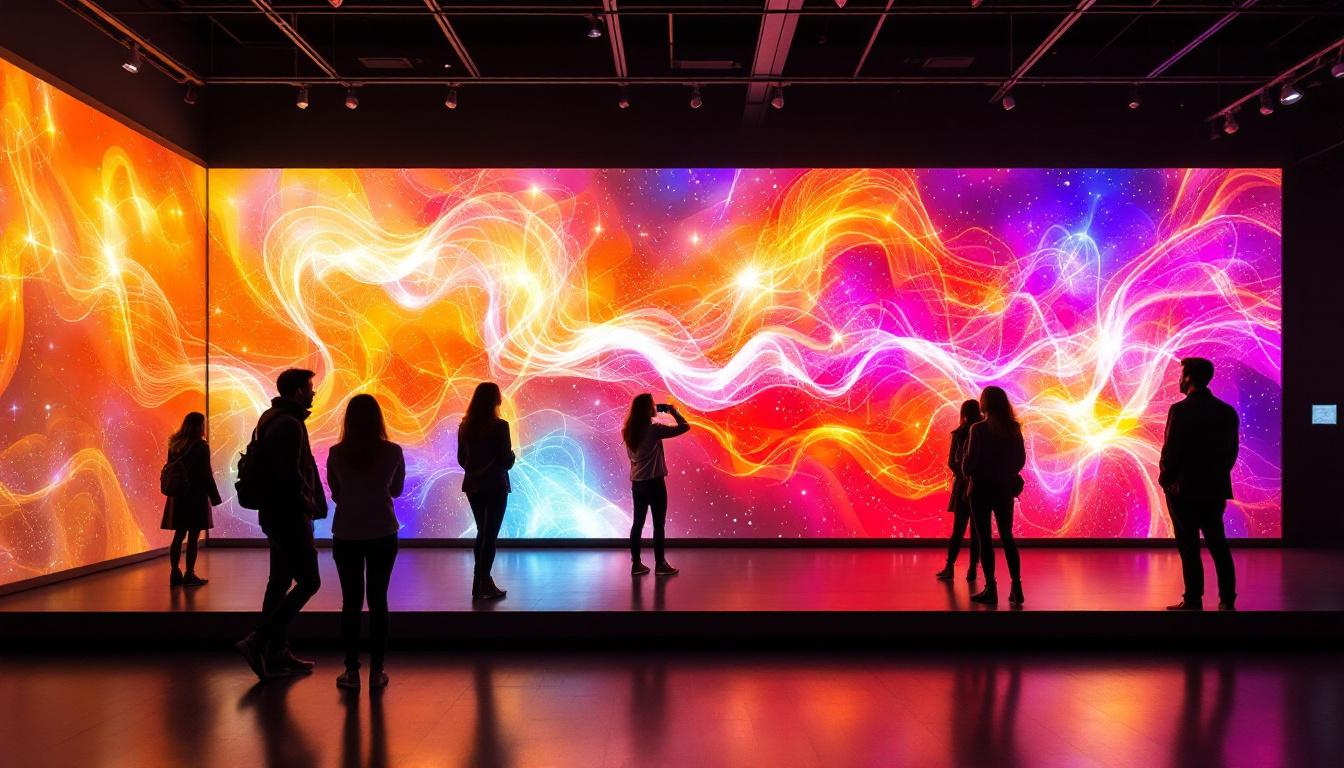
- Indoor LED Displays: These have a smaller pixel pitch (distance between LEDs), typically ranging from 0.9mm to 4mm, allowing for high-resolution images at close viewing distances.
- Outdoor LED Displays: Designed with larger pixel pitches (4mm to 20mm or more) to ensure visibility from greater distances and durability against weather conditions.
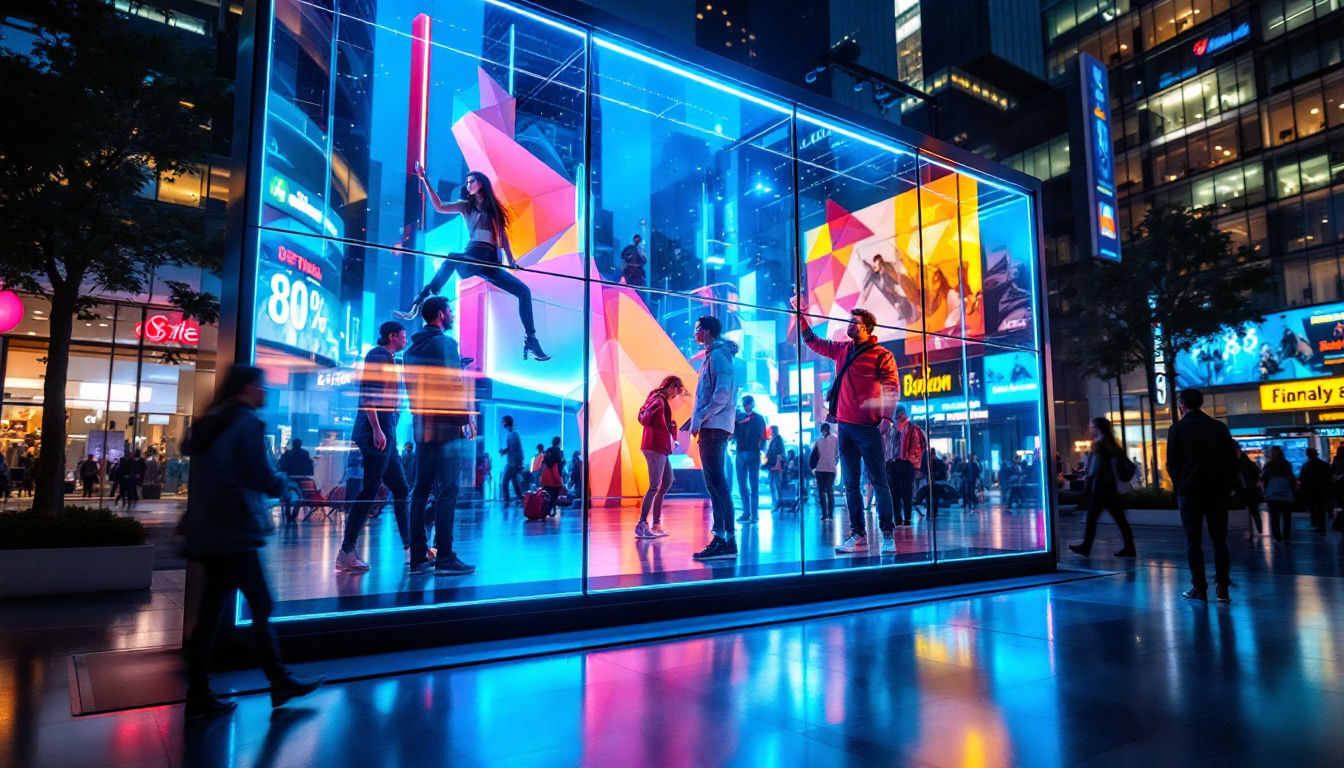
- Transparent LED Displays: These innovative screens allow light to pass through, making them ideal for storefront windows or architectural installations without blocking views.
Advantages of LED Displays
LED technology offers numerous benefits that have driven its rapid adoption:
- Brightness and Visibility: LEDs produce intense brightness, making displays clearly visible even in direct sunlight or brightly lit indoor spaces.
- High Contrast and Color Accuracy: Each LED can be individually controlled, enabling vibrant colors and deep blacks for superior image quality.
- Durability and Longevity: LEDs have long lifespans (often exceeding 100,000 hours) and are resistant to shock and vibration.
- Flexibility: LED panels can be configured into various shapes and sizes, including curved or irregular forms, offering creative freedom for designers.
Challenges and Considerations
While LED displays are powerful, there are factors to keep in mind:
- Cost: Initial investment for LED walls can be higher than projection systems, particularly for high-resolution indoor displays.
- Installation Complexity: LED displays often require professional installation and calibration to ensure uniform brightness and color consistency.
- Heat Management: Large LED walls generate heat and need adequate ventilation or cooling systems.
Comparing Front Screen Projection and LED Displays
Image Quality and Brightness
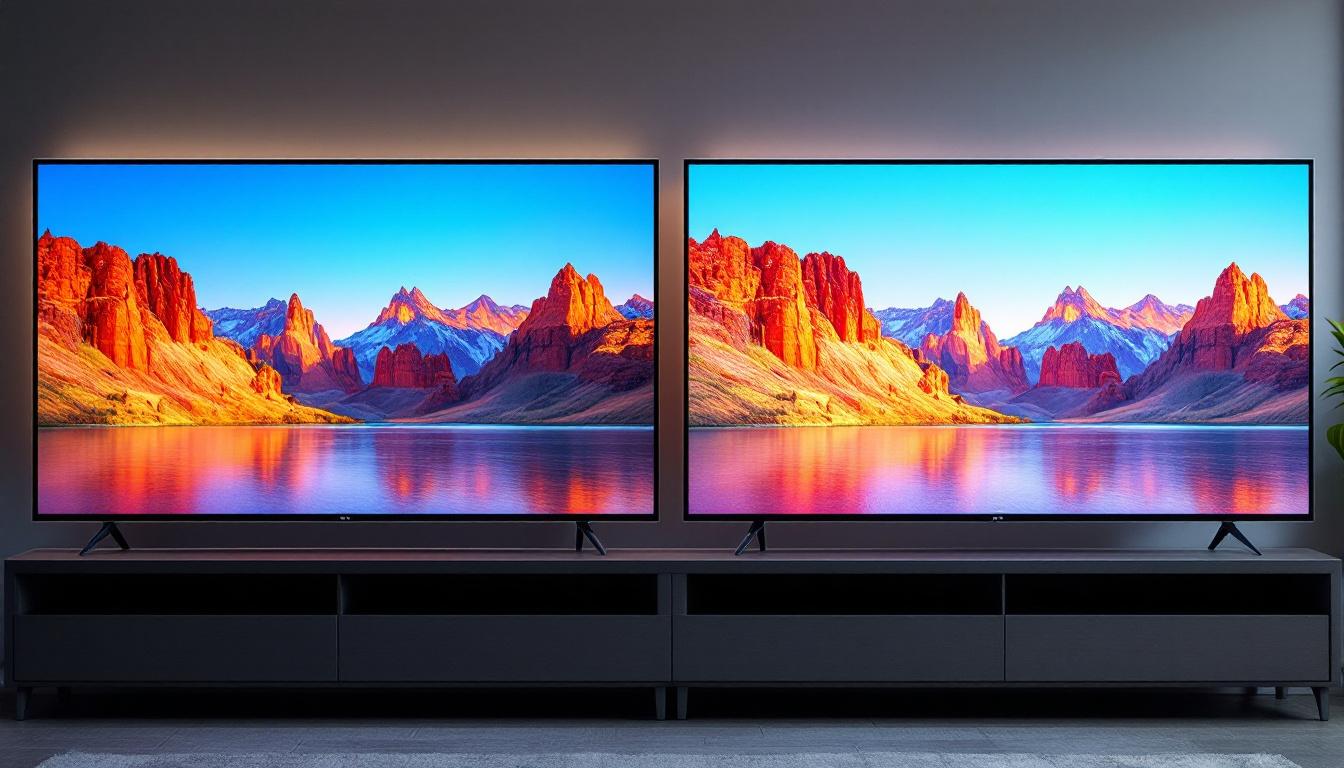
LED displays generally outperform front screen projection in brightness and contrast, making them suitable for environments with high ambient light. Front projection can deliver excellent image quality in controlled lighting but struggles in bright settings.
For example, a 2023 study by AVIXA found that LED displays maintain image clarity in ambient light levels exceeding 5,000 lux, whereas front projection systems typically require levels below 500 lux for optimal viewing.
Cost and Installation
Front screen projection systems are often less expensive upfront, especially for large-scale applications where a single projector can cover a vast screen. However, ongoing maintenance costs such as lamp replacements and calibration should be factored in.
LED displays, while more costly initially, benefit from lower maintenance and longer operational life. Installation can be more complex and may require structural support, especially for large-scale or outdoor setups.
Flexibility and Scalability
Projection systems offer flexibility in screen size by adjusting projector distance, but image quality can degrade if stretched too far. LED displays provide modular scalability, allowing seamless expansion by adding panels, which is advantageous for custom-sized installations.
Use Case Suitability
Front screen projection is ideal for presentations, classrooms, and temporary events where portability and cost are priorities. LED displays excel in permanent installations, outdoor advertising, and environments demanding high brightness and durability.
Innovations and Trends in 2024
MicroLED and MiniLED Technologies
Emerging microLED and miniLED technologies are pushing the boundaries of LED displays by offering even higher resolution, improved energy efficiency, and thinner form factors. MicroLEDs, with their microscopic diode size, provide exceptional color accuracy and contrast, rivaling OLED displays without burn-in risks.
Hybrid Projection and LED Solutions
Some manufacturers are developing hybrid solutions that combine front screen projection with LED technology to leverage the strengths of both. For instance, using LED backdrops with front projection overlays can create immersive environments for live events and broadcast sets.
AI-Driven Calibration and Content Optimization
Artificial intelligence is increasingly used to automate color calibration, brightness adjustment, and content optimization in both projection and LED systems. This ensures consistent image quality across different environments and reduces manual intervention.
Practical Considerations for Choosing the Right Technology
Assessing Environment and Lighting Conditions
Understanding the ambient light levels and viewing angles is crucial. For brightly lit venues or outdoor spaces, LED displays are typically the better choice. In darker, controlled environments, front projection can deliver excellent results at a lower cost.
Evaluating Content Type and Viewing Distance
High-resolution content viewed up close benefits from fine-pitch LED displays, while larger audiences at greater distances may not require such pixel density, making projection systems viable.
Budget and Long-Term Costs
Consider not only the initial purchase price but also installation, maintenance, and operational expenses. LED displays have higher upfront costs but lower maintenance, whereas projectors may require more frequent upkeep.
Space and Installation Constraints
Projectors require clear lines of sight and space for mounting, while LED walls need structural support and ventilation. The physical environment may dictate feasible options.
Conclusion
Front screen projection and LED displays each offer unique advantages and challenges, making them suitable for different applications and environments. Front projection remains a cost-effective and flexible solution for many indoor uses, while LED displays provide unmatched brightness, durability, and image quality, especially in demanding lighting conditions.
As technology advances, particularly with innovations like microLED and AI-driven calibration, the lines between these display methods continue to blur, offering more hybrid and customizable options. By carefully evaluating environmental factors, content requirements, and budget constraints, organizations can select the optimal display technology to enhance their visual communication and audience engagement.
Discover LumenMatrix’s Advanced LED Solutions
As you consider the future of your visual display needs, LumenMatrix stands at the forefront of LED technology, ready to elevate your space with unparalleled brightness, durability, and image quality. Our extensive range of LED display modules, from Indoor and Outdoor LED Walls to Custom and Transparent LED Displays, is designed to captivate and engage your audience in any environment. Embrace the revolution in visual communication and check out LumenMatrix LED Display Solutions to discover how our cutting-edge products can transform your brand’s presence and messaging.