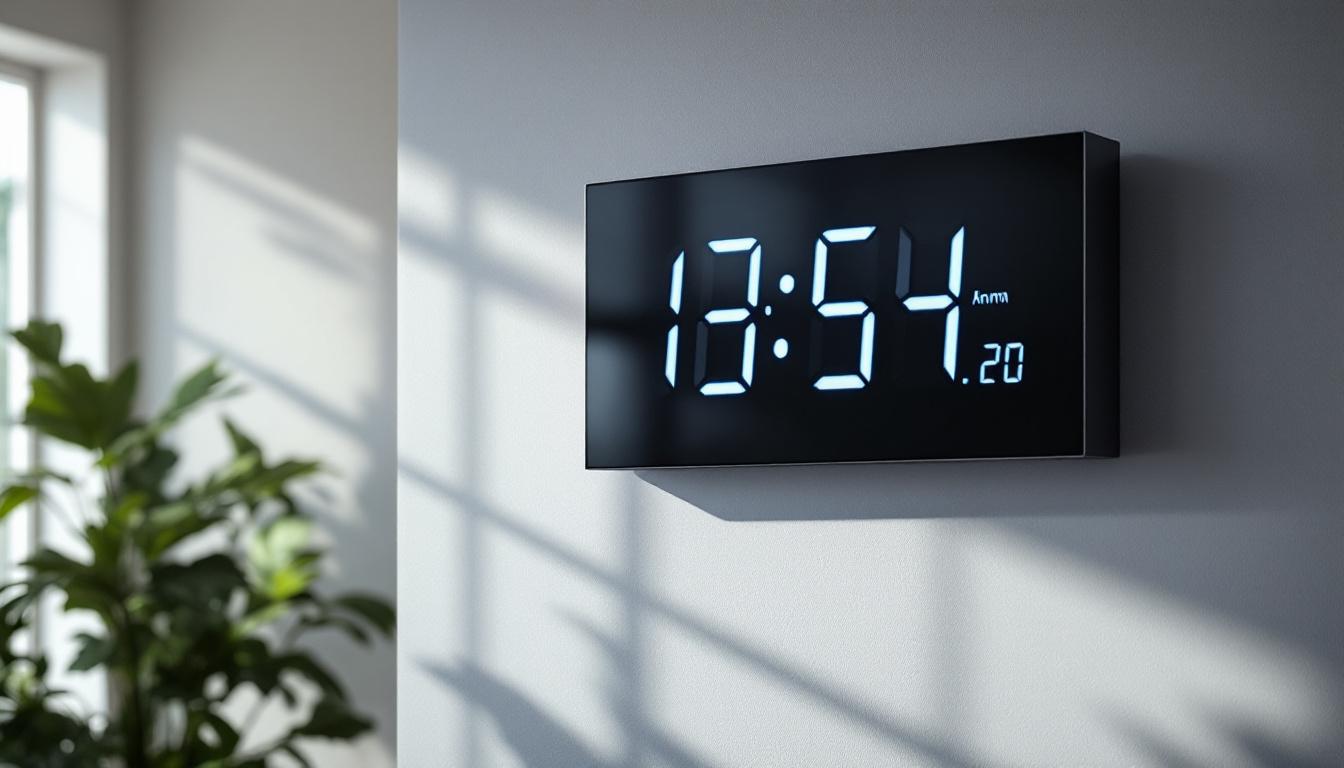
In today’s fast-paced world, timekeeping devices have evolved far beyond traditional analog clocks. The digital LED wall clock, with its bright and clear display, has become a staple in homes, offices, schools, and public spaces. But what exactly makes these clocks tick, and how does the LED display technology work to provide accurate and easily readable time? This article delves into the heart of digital LED wall clocks, explaining their display technology, design considerations, and practical applications.
Understanding LED Display Technology in Digital Wall Clocks
What is an LED Display?
LED stands for Light Emitting Diode, a semiconductor device that emits light when an electric current passes through it. In digital wall clocks, LEDs are arranged in specific patterns to form numbers and sometimes additional symbols such as AM/PM indicators or temperature readings. Unlike traditional incandescent bulbs, LEDs are highly energy-efficient, durable, and capable of producing bright, vivid colors that remain visible even in well-lit environments.
The typical digital LED wall clock uses a seven-segment display configuration, where each digit is composed of seven individual LED segments. By illuminating certain segments, the clock can display numbers from 0 to 9. This simple yet effective design has been the foundation of digital clocks for decades. Moreover, the longevity of LED technology means that these clocks can last for many years without needing replacement, making them a cost-effective choice for consumers. The low heat emission of LEDs also contributes to their safety and reliability, reducing the risk of overheating compared to traditional bulbs.
Types of LED Displays Used in Wall Clocks
While seven-segment displays are the most common, there are other types of LED displays used in digital clocks:
- Fourteen-segment and sixteen-segment displays: These allow for alphanumeric characters, enabling clocks to show not only numbers but also letters, useful for displaying day names or other information.
- Dot matrix LED displays: These consist of a grid of LEDs that can form any character or symbol, providing greater flexibility but often at a higher cost.
- Multi-color LED displays: Some advanced clocks use RGB LEDs to display time in different colors, enhancing readability and aesthetic appeal.
Additionally, the integration of smart technology into LED wall clocks has revolutionized how we perceive timekeeping. Many modern digital clocks now come equipped with features such as Bluetooth connectivity, allowing users to sync their devices for accurate timekeeping and alarm settings. Some models even include built-in speakers for music playback or voice assistants, merging functionality with convenience. Furthermore, the innovation of ambient light sensors in these clocks adjusts the brightness of the display based on the surrounding light conditions, ensuring optimal visibility at all times while conserving energy.
In terms of design, LED wall clocks are available in a myriad of styles, from sleek and minimalist to bold and colorful, catering to diverse aesthetic preferences. This versatility not only makes them practical timekeeping devices but also stylish decorative elements in homes, offices, or public spaces. With the growing trend of smart home integration, LED clocks are increasingly becoming part of a larger ecosystem, where they can interact with other smart devices, providing users with a seamless and enhanced living experience.
How Digital LED Wall Clocks Work
Core Components of a Digital LED Wall Clock
A digital LED wall clock is more than just a display; it’s a combination of several components working in harmony:
- Microcontroller: The brain of the clock, responsible for processing time data and controlling the LED segments.
- Real-Time Clock (RTC) Module: A dedicated chip that keeps accurate time, even when the clock is powered off or reset.
- Power Supply: Typically powered by batteries or an AC adapter, ensuring continuous operation.
- LED Display Panel: The visual interface that shows the time.
- Control Buttons or Remote: For setting the time, alarms, or other functions.
Timekeeping and Display Process
The RTC module maintains the current time by counting seconds, minutes, and hours. This data is sent to the microcontroller, which interprets the time and determines which LED segments to light up. For example, to display the digit “3,” the microcontroller will activate the segments corresponding to that number on the seven-segment display.
The microcontroller continuously updates the display every second or minute, depending on the clock’s design. Some clocks also include additional features such as alarms, temperature sensors, or date displays, which are integrated into the microcontroller’s programming.
In addition to basic timekeeping, many digital LED wall clocks are equipped with advanced functionalities. For instance, some models feature a built-in calendar that can display the day of the week or even the month, enhancing their utility as not just timekeepers but also as daily planners. Moreover, the integration of smart technology has led to the emergence of Wi-Fi-enabled clocks that can synchronize with internet time servers, ensuring unparalleled accuracy and allowing users to adjust settings remotely through mobile applications.
Furthermore, the design of the LED display panel can vary significantly, with some clocks offering customizable colors or brightness settings, allowing users to tailor the visual experience to their preferences or the ambient lighting conditions of their environment. This adaptability not only enhances readability but also adds an aesthetic appeal to the clock, making it a stylish addition to any room. As technology continues to evolve, we can expect even more innovative features to emerge, transforming the humble wall clock into a multifunctional device that meets the demands of modern life.
Advantages of Digital LED Wall Clocks
High Visibility and Readability
One of the primary reasons digital LED wall clocks are popular is their exceptional visibility. The bright LED segments can be seen clearly from a distance and under various lighting conditions, including complete darkness. This makes them ideal for environments such as classrooms, hospitals, and public transportation hubs where quick and easy time reading is essential.
Energy Efficiency and Longevity
LEDs consume significantly less power than traditional incandescent bulbs, making digital LED clocks energy-efficient. This is particularly important for large wall clocks used in commercial settings, where continuous operation can lead to high energy costs. Additionally, LEDs have a long lifespan, often exceeding 50,000 hours, reducing maintenance and replacement needs.
Customization and Versatility
Digital LED clocks offer a high degree of customization. Users can choose from various sizes, colors, and display formats (12-hour or 24-hour). Some models incorporate additional features such as temperature display, countdown timers, or synchronization with atomic clocks for ultra-precise timekeeping.
Applications of Digital LED Wall Clocks
Commercial and Public Spaces
Digital LED wall clocks are ubiquitous in commercial buildings, airports, train stations, and hospitals. Their clear and bright displays ensure that everyone, from employees to visitors, can easily keep track of time. In transportation hubs, synchronized digital clocks help maintain schedules and improve operational efficiency.
Educational Institutions
Schools and universities rely on digital LED wall clocks to maintain punctuality. The large, easily readable displays help students and staff manage class times effectively. Some clocks also feature countdown timers to assist with exams or presentations.
Home and Office Use
In residential and office settings, digital LED clocks combine functionality with modern design. They are especially useful in home offices or workspaces where accurate timekeeping and visibility are crucial. Many models also include alarm functions and date displays, adding convenience.
Choosing the Right Digital LED Wall Clock
Key Factors to Consider
When selecting a digital LED wall clock, several factors should be taken into account:
- Display Size and Brightness: Consider the viewing distance and ambient light conditions. Larger and brighter displays are better for spacious or brightly lit areas.
- Power Source: Decide between battery-powered models for portability or plug-in clocks for continuous power.
- Additional Features: Features such as alarms, temperature readings, or synchronization with internet time servers may be important depending on your needs.
- Design and Aesthetics: The clock should complement the décor of the space where it will be installed.
Popular Brands and Innovations
Leading manufacturers of digital LED wall clocks include companies specializing in timekeeping and electronics. Innovations such as Wi-Fi-enabled clocks that synchronize automatically with internet time servers are becoming increasingly popular. These smart clocks offer enhanced accuracy and convenience, making them ideal for both personal and professional use.
Maintaining and Troubleshooting Digital LED Wall Clocks
Routine Maintenance Tips
Digital LED wall clocks require minimal maintenance due to the durability of LEDs. However, to ensure longevity and optimal performance:
- Keep the clock clean by gently wiping the display with a soft, dry cloth to remove dust and fingerprints.
- Replace batteries promptly when the display dims or the clock stops working.
- Avoid exposing the clock to extreme temperatures or moisture, which can damage internal components.
Common Issues and Solutions
Some common problems users may encounter include:
- Flickering or dim display: Often caused by low battery power or loose connections. Replacing batteries or checking wiring usually resolves this.
- Incorrect time display: May result from improper settings or RTC module failure. Resetting the clock or replacing the RTC module can fix this issue.
- Non-responsive control buttons: Could be due to dirt or wear. Cleaning the buttons or consulting the manufacturer for repairs is recommended.
The Future of Digital LED Wall Clocks
As technology advances, digital LED wall clocks continue to evolve. Integration with smart home systems, voice control, and enhanced connectivity features are becoming standard. Additionally, improvements in LED technology are enabling even brighter, more energy-efficient displays with richer colors and sharper resolution.
Moreover, the trend towards minimalist and customizable designs is influencing clock aesthetics, making digital LED wall clocks not just functional devices but also stylish additions to modern interiors.
Conclusion
Digital LED wall clocks combine cutting-edge LED technology with practical design to offer reliable, energy-efficient, and highly visible timekeeping solutions. Understanding how their LED displays work, the components involved, and the advantages they provide can help consumers make informed choices when selecting a clock for any environment. As these clocks continue to integrate smarter features and innovative designs, they remain an essential tool for time management in both personal and professional settings.
Explore the Future of Timekeeping with LumenMatrix
As you consider the advanced features and benefits of digital LED wall clocks, why not experience the pinnacle of LED display technology with LumenMatrix? Our commitment to innovation ensures that each LED display module we create not only enhances brand visibility but also provides an immersive visual experience. From the sleek Indoor LED Wall Display to the dynamic Outdoor LED Wall Display, and from the versatile Vehicle LED Display to the innovative All-in-One LED Display, LumenMatrix is at the forefront of revolutionizing visual communication. Elevate your environment and captivate your audience with our state-of-the-art LED solutions. Check out LumenMatrix LED Display Solutions today and see how we can help you make a lasting impression.