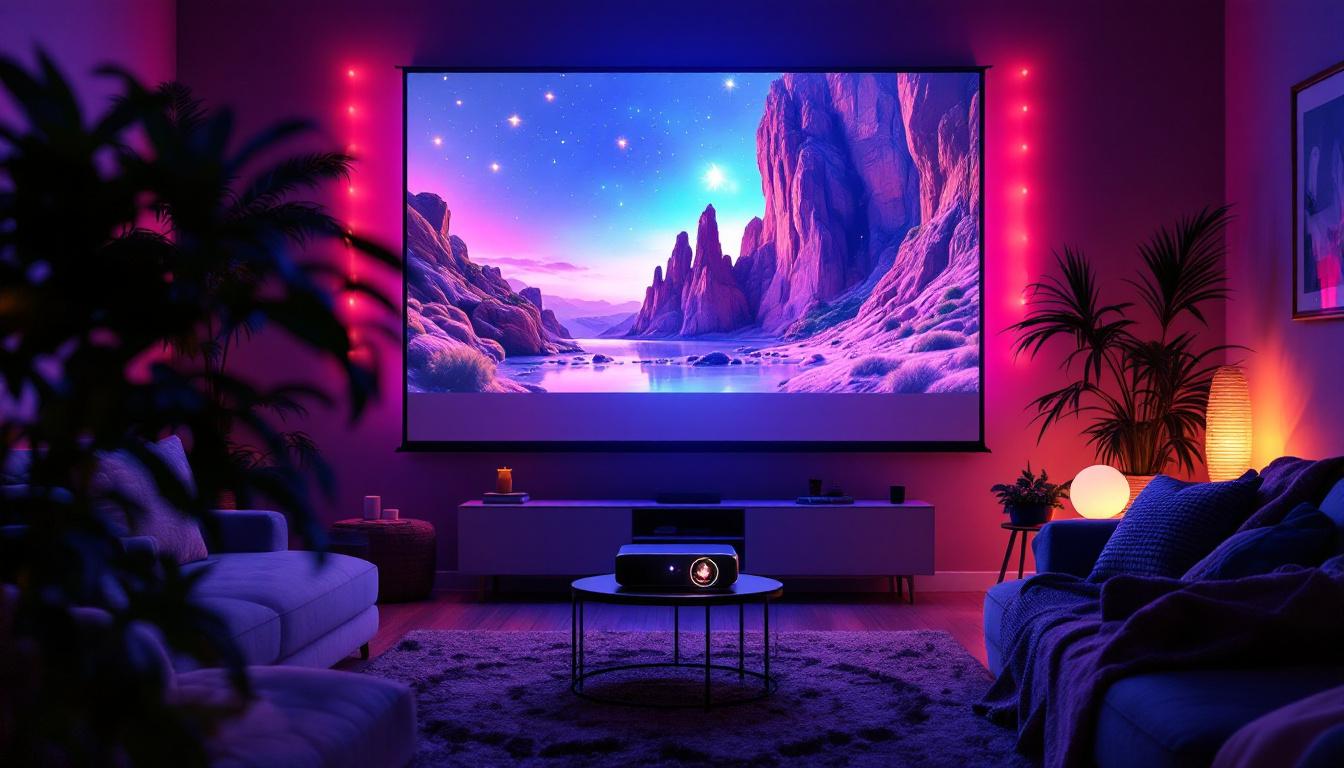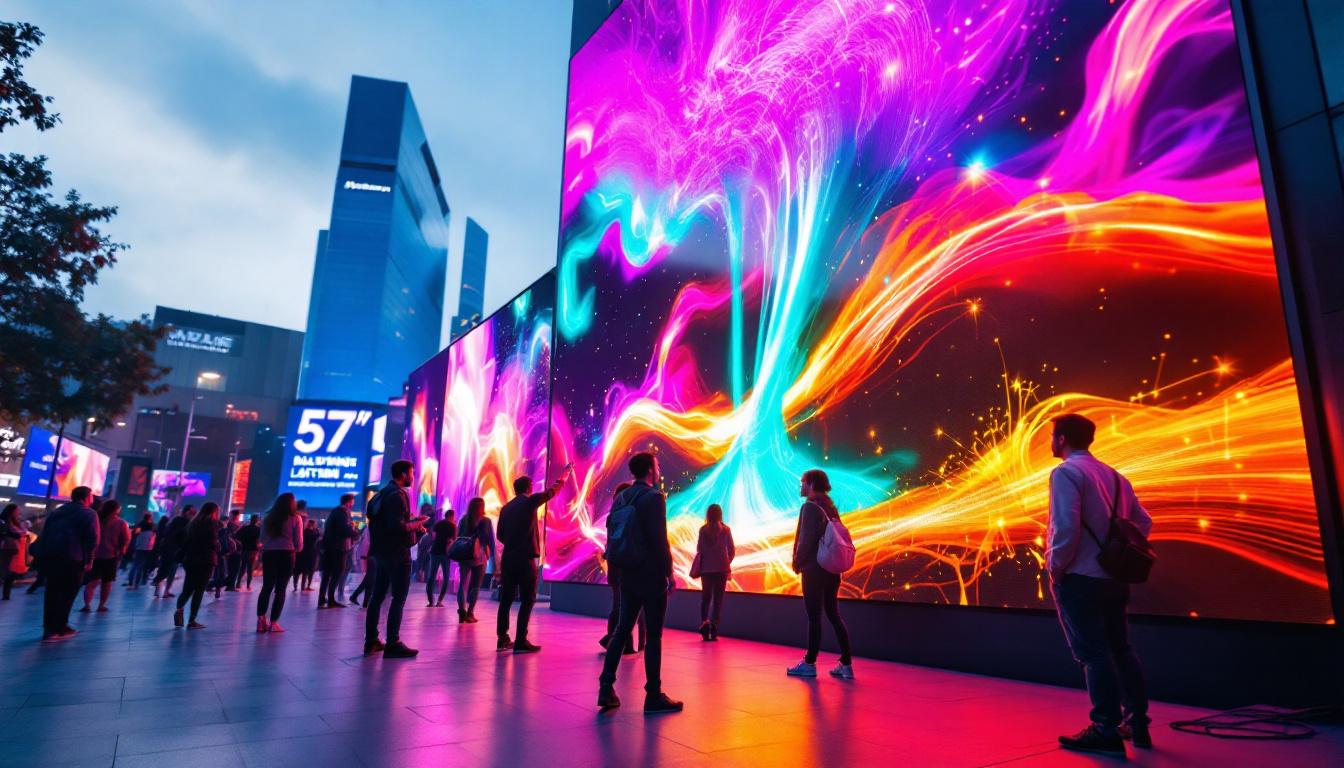
In the realm of home entertainment, the pursuit of the ultimate viewing experience often leads consumers to the impressive world of large-screen televisions. Among these, the 110 inch TV stands out as a pinnacle of cinematic immersion, offering an expansive display that transforms any living room into a private theater. However, understanding the pricing and technology behind such colossal screens, particularly LED displays, is essential before making a significant investment.
Understanding the 110 Inch TV Market
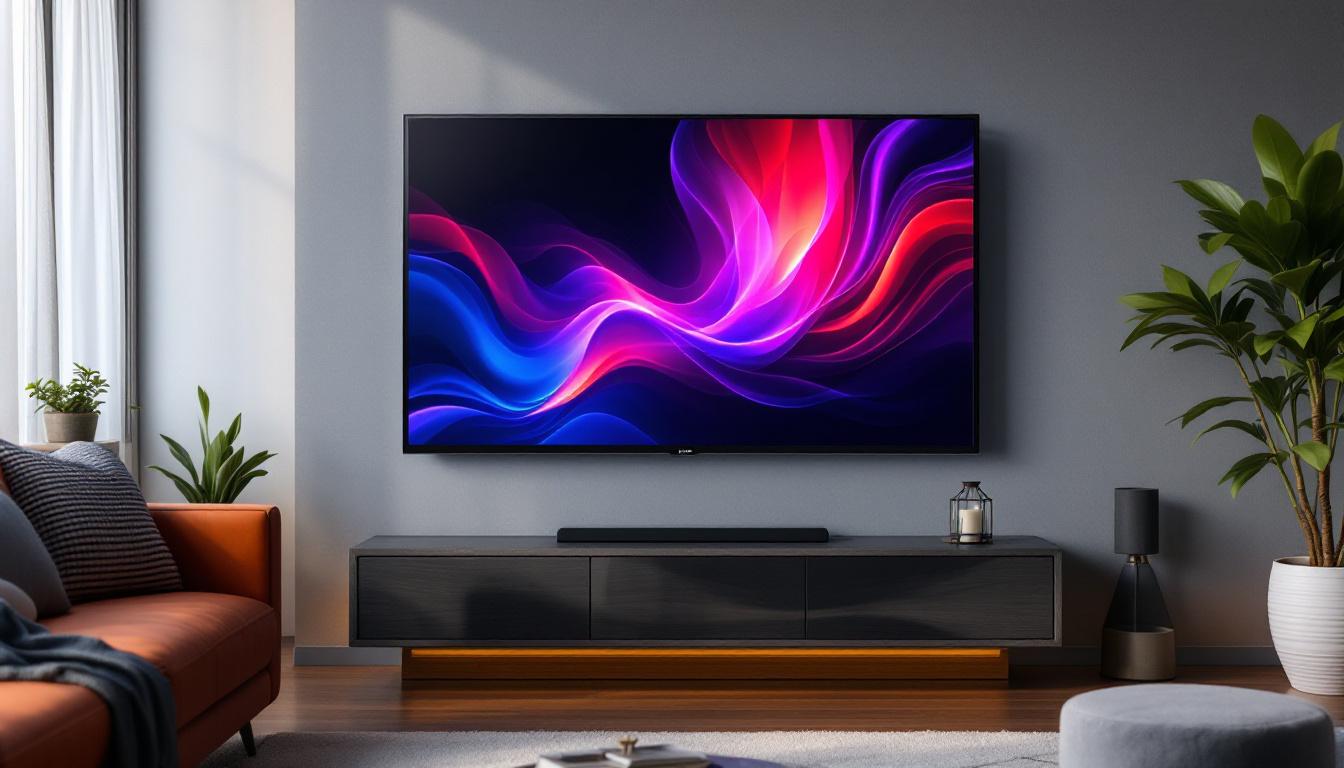
The 110 inch TV category is relatively niche, catering to enthusiasts, luxury home theaters, and commercial installations. Unlike standard consumer TVs that typically range between 40 to 75 inches, 110 inch models deliver a viewing experience that is both immersive and visually striking. This size is often associated with premium pricing due to the complexity of manufacturing, the technology involved, and the limited production scale.
As of 2024, the price for a 110 inch LED TV can vary widely, typically ranging from $15,000 to upwards of $50,000 depending on the brand, features, and display technology. This price bracket reflects not only the sheer size of the screen but also the quality of the panel, resolution, smart features, and additional functionalities such as HDR support and advanced color accuracy.
Who Buys 110 Inch TVs and Why?
These massive TVs are most often purchased by consumers who prioritize an immersive viewing experience above all else. This includes cinephiles, sports fans, and gamers who want to feel as if they are part of the action. Additionally, businesses such as conference centers, luxury hotels, and event venues invest in these displays for presentations and public viewing.
Moreover, the rise of 4K and 8K content has made large TVs more appealing, as higher resolution ensures that the image remains sharp even on such a vast screen. The ability to display ultra-high-definition content without pixelation is a key factor influencing buyers in this segment. Furthermore, the integration of advanced sound systems and smart technology enhances the overall experience, allowing users to stream content seamlessly and enjoy immersive audio that complements the stunning visuals.
In addition to individual consumers and businesses, the 110 inch TV market also attracts tech enthusiasts who are eager to showcase the latest innovations in display technology. Features like OLED panels, which provide deeper blacks and vibrant colors, and QLED technology, known for its brightness and color volume, are particularly appealing. As these technologies continue to evolve, they not only enhance the viewing experience but also contribute to the overall aesthetic of a room, making these large screens a centerpiece in luxury home designs. As a result, interior designers and architects are increasingly incorporating these massive displays into their projects, blending functionality with cutting-edge style.
LED Display Technology: What Makes It Special?
LED, or Light Emitting Diode, technology is the backbone of many modern large-screen TVs, including 110 inch models. Understanding how LED displays work and what differentiates them from other technologies like OLED or QLED is crucial in appreciating the price and performance of these TVs.
How LED Displays Work
LED TVs use an array of light-emitting diodes to illuminate the screen. Unlike traditional LCDs that rely on fluorescent backlighting, LED TVs use LEDs either behind the screen (backlit LED) or along the edges (edge-lit LED) to produce light. This results in better brightness, improved energy efficiency, and thinner panel designs.
In a 110 inch LED TV, the sheer size requires a sophisticated backlighting system to ensure uniform brightness and color accuracy across the entire screen. Manufacturers often employ local dimming zones—sections of the screen where LEDs can be dimmed or brightened independently—to enhance contrast and black levels.
Advantages of LED for Large Screens
One of the main reasons LED technology is favored for large TVs is its scalability. LEDs can be arranged in large arrays without significant loss of brightness or color fidelity. Additionally, LED panels tend to be more durable and have longer lifespans compared to OLED displays, which can suffer from burn-in over time.
LED displays also tend to be more energy-efficient, an important consideration given the power consumption of a 110 inch screen. This efficiency can translate into lower operating costs, especially for commercial users who may run these displays for extended periods.
Factors Influencing the Price of 110 Inch LED TVs
Several key factors contribute to the pricing of 110 inch LED TVs. Understanding these can help buyers make informed decisions and identify the best value for their investment.
Panel Quality and Resolution
The quality of the LED panel is paramount in determining the price. Higher-end models feature 4K or even 8K resolution panels, which provide exceptional detail and clarity. The manufacturing process for such large, high-resolution panels is complex and costly, particularly when maintaining uniform brightness and color accuracy across the entire display.
Additionally, premium panels often incorporate advanced technologies such as quantum dot filters or nano-cell layers to enhance color reproduction, which further increases the cost.
Backlighting and Local Dimming
As mentioned earlier, the backlighting system is critical for picture quality on large LED TVs. Models with full-array local dimming (FALD) tend to be more expensive but offer superior contrast ratios and deeper blacks compared to edge-lit models. The number of dimming zones also plays a role; more zones allow finer control over lighting, improving the overall image quality.
Smart Features and Connectivity
Modern 110 inch LED TVs come equipped with a suite of smart features, including voice assistants, app stores, streaming services, and advanced connectivity options like HDMI 2.1, Wi-Fi 6, and Bluetooth. These features add convenience and versatility but also contribute to the overall price.
Integration with home automation systems and compatibility with gaming consoles or professional AV equipment can also influence pricing, especially in commercial-grade models.
Brand and Warranty
Reputable brands with a history of quality and customer service often command higher prices. Buyers are often willing to pay a premium for trusted brands that offer reliable warranties, comprehensive customer support, and regular firmware updates. Extended warranties and on-site service options can add to the initial cost but provide peace of mind for such a significant purchase.
Comparing LED to Other Large Screen Technologies
While LED remains a dominant technology for large TVs, other display types like OLED and MicroLED are also contenders in the premium segment. Comparing these technologies helps clarify why LED is often chosen for 110 inch displays.
LED vs OLED
OLED (Organic Light Emitting Diode) displays offer exceptional contrast ratios and perfect blacks because each pixel emits its own light and can be turned off individually. However, OLED panels are more expensive to produce at very large sizes and are prone to burn-in, making them less practical for a 110 inch screen.
LED TVs, particularly those with local dimming, have improved significantly in contrast and black levels, offering a more affordable and durable alternative for very large displays.
LED vs MicroLED
MicroLED technology combines the best features of LED and OLED by using microscopic LEDs as individual pixels. This results in excellent brightness, contrast, and color accuracy without burn-in risk. However, MicroLED is still an emerging technology and is prohibitively expensive for most consumers, especially at sizes like 110 inches.
Currently, MicroLED is more common in commercial and specialized applications rather than consumer home theaters, making LED the more accessible choice for large TVs.
Tips for Buying a 110 Inch LED TV
Investing in a 110 inch LED TV is a significant decision that requires careful consideration. Here are some practical tips to guide potential buyers.
Assess Your Space and Viewing Distance
A 110 inch TV demands ample space not only for the screen itself but also for optimal viewing distance. Experts recommend sitting approximately 1.5 to 2.5 times the diagonal screen size away from the TV, which translates to about 14 to 23 feet for a 110 inch display. Ensuring your room can accommodate this distance is crucial for a comfortable and immersive experience.
Check for Calibration and Picture Settings
Large TVs often come with factory presets that may not be ideal. Look for models that allow professional calibration or offer advanced picture settings to tailor the image to your preferences and room lighting conditions. Some brands provide calibration services or partner with professional calibrators to optimize performance.
Consider Installation and Mounting
Due to their size and weight, 110 inch TVs require professional installation and sturdy mounting solutions. Verify that your wall or stand can support the TV safely. Some manufacturers offer installation packages as part of the purchase, which can be a worthwhile investment to avoid damage or injury.
Compare Warranty and Support Options
Given the high cost and complexity of these TVs, robust warranty coverage is essential. Look for extended warranties, coverage for panel defects, and responsive customer support. Some brands also offer on-site repair services, which can be invaluable for large, heavy displays.
Conclusion: Is a 110 Inch LED TV Worth the Investment?
For those seeking an unparalleled viewing experience, a 110 inch LED TV represents the cutting edge of home entertainment technology. While the price tag is substantial, the combination of size, picture quality, and smart features can justify the investment for enthusiasts and commercial users alike.
LED technology’s scalability, durability, and energy efficiency make it the preferred choice for such large displays, balancing performance with cost. By understanding the factors that influence price and quality, buyers can make informed decisions that maximize value and satisfaction.
Ultimately, a 110 inch LED TV is more than just a television; it is a gateway to immersive storytelling, breathtaking visuals, and a cinematic experience that few other devices can match.
Discover the Future of Visual Experience with LumenMatrix
Ready to elevate your viewing experience with a 110 inch LED TV that embodies the pinnacle of home entertainment technology? Look no further than LumenMatrix, a pioneer in LED display innovation. Our extensive range of LED display solutions, from Indoor and Outdoor LED Wall Displays to Custom and All-in-One LED Displays, is designed to bring your visual storytelling to life. Whether for commercial use or a luxury home theater, LumenMatrix is committed to enhancing your brand visibility and creating unforgettable visual experiences. Check out LumenMatrix LED Display Solutions today and transform your space into a captivating cinematic haven.