The 21:9 aspect ratio has become increasingly popular in recent years, especially in the realm of LED displays. Known for its ultra-wide format, this aspect ratio offers a viewing experience that is both immersive and practical for various applications, from cinematic entertainment to productivity and gaming. This article delves into the technical details, advantages, and real-world uses of 21:9 LED displays, providing a comprehensive understanding of why this format is gaining traction among consumers and professionals alike.
Understanding the 21:9 Aspect Ratio
What Does 21:9 Mean?
The aspect ratio of a display refers to the proportional relationship between its width and height. A 21:9 aspect ratio means the screen is 21 units wide for every 9 units of height. Compared to the traditional 16:9 ratio, which is standard for most TVs and monitors, 21:9 is significantly wider. This ultra-wide format closely mirrors the aspect ratio used in many cinematic films, often referred to as “CinemaScope” or “anamorphic” format.
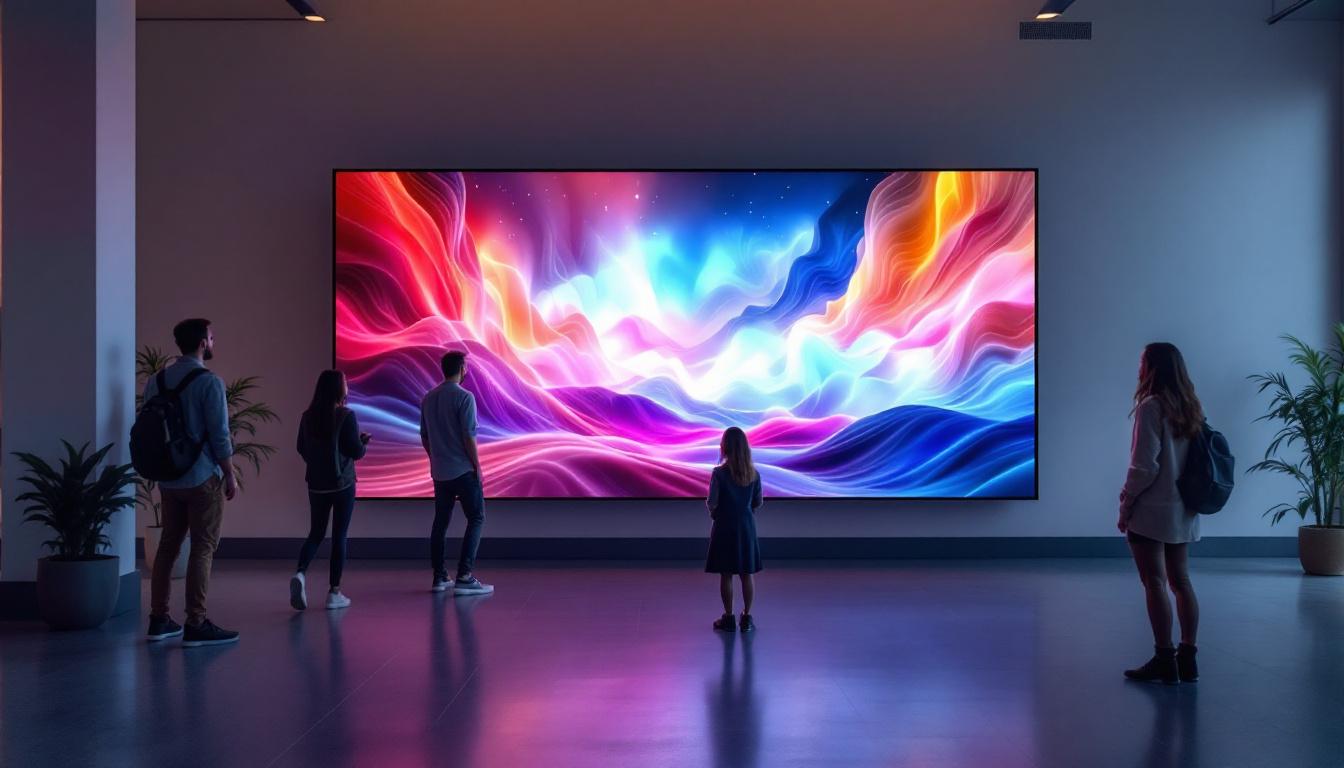
To put it into perspective, a 21:9 display offers approximately 2.33 times the width of its height, whereas a 16:9 display offers 1.78 times. This difference results in a much wider field of view, which can be particularly advantageous for multitasking, immersive gaming, and watching movies as intended by filmmakers. The increased width allows for a more engaging viewing experience, as it fills more of the peripheral vision, making the viewer feel more like they are part of the action. This immersive quality is especially appreciated in genres like action and adventure, where the sweeping landscapes and dynamic scenes can be fully appreciated.
Technical Specifications of 21:9 LED Displays
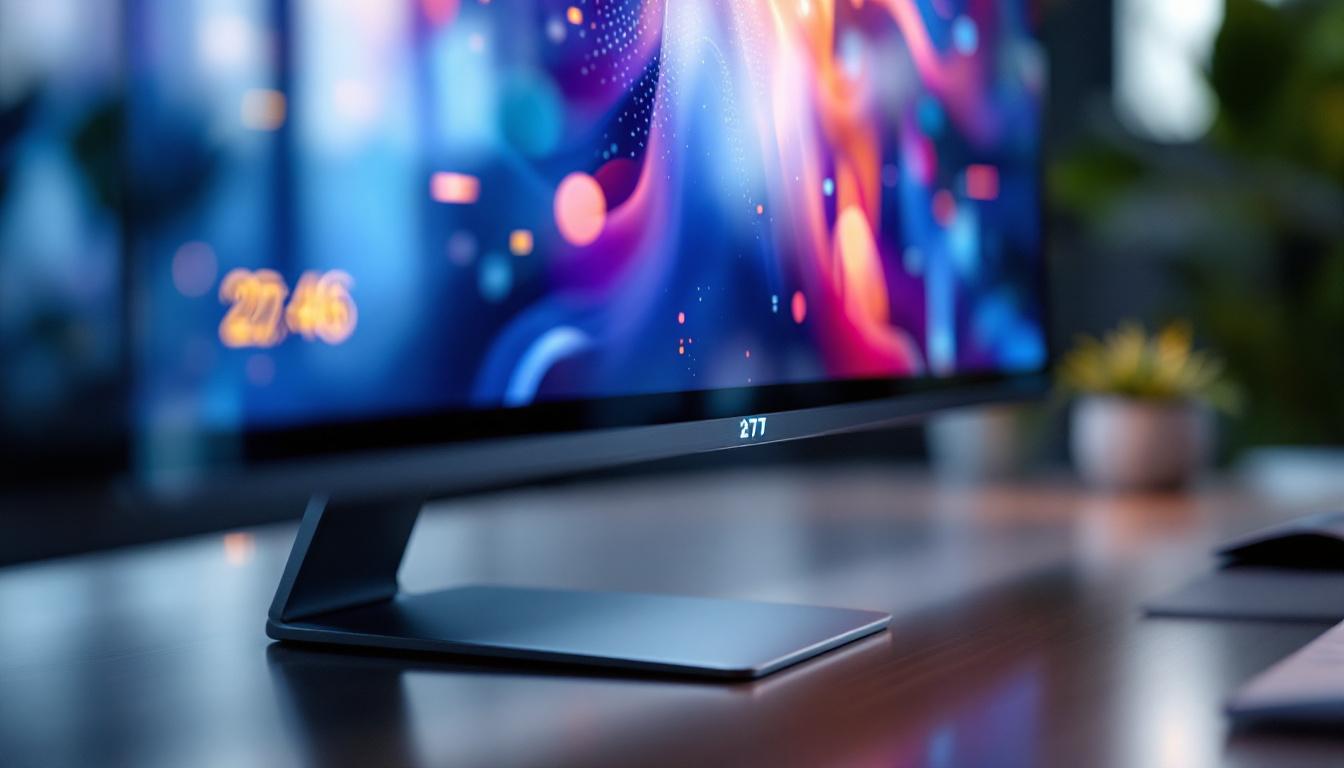
21:9 LED displays come in various resolutions, but the most common is 3440 x 1440 pixels, often referred to as “UltraWide QHD.” This resolution provides a pixel density that balances sharpness and screen real estate, making it suitable for both professional and entertainment uses. The expansive screen real estate allows users to open multiple applications side by side, enhancing productivity for tasks such as video editing, programming, or graphic design, where having multiple windows visible at once can streamline workflows.
In addition to resolution, the LED technology used in these displays is crucial. LED (Light Emitting Diode) backlighting offers advantages such as improved brightness, energy efficiency, and better color accuracy compared to older LCD technologies. Many 21:9 monitors also incorporate advanced LED technologies like Quantum Dot or Mini-LED to enhance color gamut and contrast ratios further. These technologies allow for deeper blacks and more vibrant colors, which are essential for both gaming and cinematic experiences. Moreover, some models feature high refresh rates and adaptive sync technologies, such as NVIDIA G-Sync or AMD FreeSync, which reduce screen tearing and provide smoother gameplay, making them highly sought after by gamers who demand the best visual performance.
Advantages of 21:9 LED Displays
Enhanced Productivity Through Multitasking
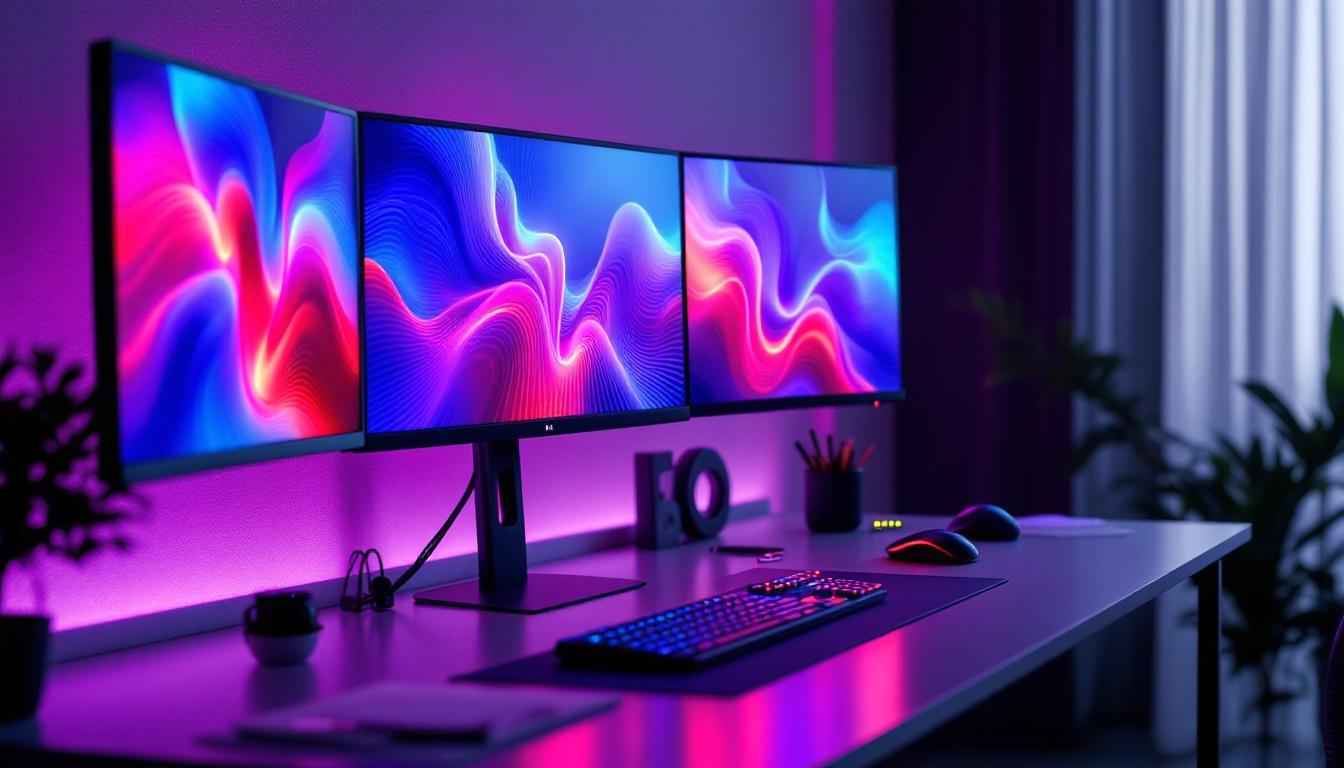
One of the primary benefits of a 21:9 aspect ratio display is the increased horizontal workspace. Professionals who work with multiple applications simultaneously—such as video editors, programmers, financial analysts, and graphic designers—can benefit immensely from the extra screen width. Instead of juggling multiple monitors, users can have several windows open side-by-side on a single ultra-wide display.
Studies have shown that using ultra-wide monitors can improve productivity by reducing the time spent switching between windows and applications. For example, a 2018 survey by the University of Utah found that users working with ultra-wide monitors completed tasks up to 30% faster than those using traditional 16:9 displays. This efficiency is particularly beneficial in environments where time is of the essence, such as in stock trading or software development, where quick access to multiple data streams can lead to better decision-making and faster outcomes. Furthermore, the ability to view extensive timelines in video editing or large datasets in spreadsheets without constant scrolling can significantly streamline workflows.
Immersive Entertainment Experience
For movie enthusiasts, the 21:9 aspect ratio offers a cinematic experience that closely matches the original film format. Many blockbuster movies are shot in 2.35:1 or 2.39:1 aspect ratios, which are very close to 21:9. Watching these films on a 21:9 display eliminates the black bars (letterboxing) typically seen on 16:9 screens, providing a more immersive and visually engaging experience. This aspect ratio not only enhances the visual appeal but also allows filmmakers’ artistic intentions to be fully realized, making every scene feel grander and more impactful.
Gaming also benefits from the wider field of view. Many modern games support 21:9 resolutions, allowing players to see more of the game environment without needing multiple monitors. This can provide a competitive edge in fast-paced games by increasing situational awareness. Additionally, the immersive experience is heightened with the ability to utilize peripheral vision, making players feel more engaged in the game world. Coupled with advanced audio technologies, the overall sensory experience can transport gamers into a different realm, enhancing both enjoyment and performance.
Reduced Bezel Distraction
Using a single 21:9 display instead of a multi-monitor setup reduces the visual disruption caused by bezels between screens. This seamless viewing experience is especially appreciated in creative work and gaming, where uninterrupted visuals are critical. The elimination of bezels not only improves aesthetics but also enhances focus, allowing users to concentrate on their tasks without the distraction of physical barriers. This is particularly advantageous for graphic designers and digital artists, who require precision and clarity in their work.
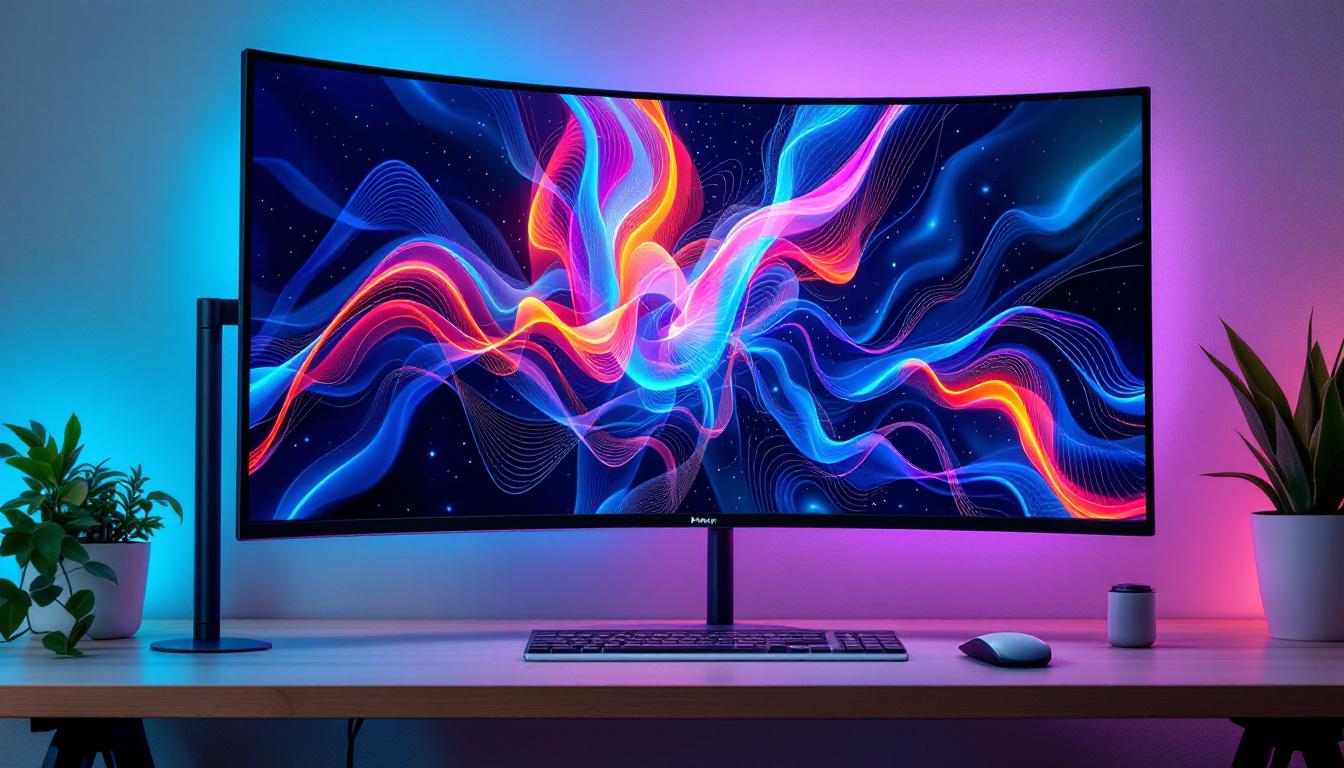
Moreover, the reduced bezel distraction can also lead to a more cohesive gaming experience. Players can enjoy expansive landscapes and intricate details without the interruption of a monitor seam, which can break immersion. This is especially relevant in simulation games or expansive open-world titles, where the continuity of the visual field can significantly enhance the overall enjoyment. As technology advances, many manufacturers are also incorporating features like curved displays into the 21:9 format, further enhancing the immersive experience by wrapping the visuals around the viewer’s peripheral vision, making the entire setup feel more engaging and lifelike.
Applications of 21:9 LED Displays
Professional and Creative Workflows
Creative professionals such as video editors, photographers, and 3D artists benefit from the expansive horizontal space offered by 21:9 displays. Video editing timelines, for example, can be extended across the screen, allowing for more precise control and easier navigation through footage.
Similarly, software developers and data analysts can view longer lines of code or larger spreadsheets without excessive scrolling. This can reduce eye strain and improve workflow efficiency. The ability to customize window layouts on ultra-wide screens also enhances task management in complex projects.
Gaming and Esports
In competitive gaming, every advantage counts. The 21:9 aspect ratio provides a wider peripheral view, which can be crucial for spotting opponents or environmental cues. Many popular titles, including first-person shooters, racing games, and RPGs, support ultra-wide resolutions, making 21:9 displays a preferred choice among gamers.
Additionally, the immersive nature of ultra-wide screens enhances casual gaming experiences, providing a more engaging and realistic environment. Some gaming monitors also feature high refresh rates (120Hz or higher) and low response times, combining the benefits of ultra-wide format with performance features.
Home Entertainment and Media Consumption
For home theater setups, 21:9 LED displays serve as an excellent alternative to traditional projectors or multi-screen arrays. Their ability to display films in native cinematic aspect ratios without letterboxing enhances viewing pleasure. Many streaming platforms and media players now support 21:9 playback, further improving compatibility.
Moreover, the sleek design of ultra-wide monitors fits well in modern living spaces, offering both style and functionality. Their versatility allows users to switch easily between work and entertainment modes, making them a practical choice for multipurpose rooms.
Considerations Before Purchasing a 21:9 LED Display
Compatibility and Content Availability
While 21:9 displays offer many benefits, it is essential to consider content compatibility. Not all software and media are optimized for ultra-wide formats. Some older games and applications may display with black bars or stretched images, which can detract from the experience.
Streaming services like Netflix and Amazon Prime Video offer a growing library of films in 21:9-compatible formats, but many TV shows and other content remain in 16:9. Users should verify that their preferred content and applications support ultra-wide resolutions before investing.
Desk Space and Ergonomics
Due to their width, 21:9 monitors require more desk space than traditional displays. Users should ensure their workspace can accommodate the larger footprint comfortably. Additionally, ergonomic considerations such as monitor height, tilt, and distance remain important to prevent neck and eye strain during extended use.
Price and Value
Ultra-wide 21:9 LED displays tend to be more expensive than standard 16:9 monitors, particularly models with higher resolutions and advanced features like HDR, high refresh rates, or professional color accuracy. Consumers should weigh the benefits against their budget and intended use cases.
However, for users who can leverage the advantages of the wider aspect ratio—whether for productivity, gaming, or media consumption—the investment often proves worthwhile. The consolidation of multiple screens into one can also reduce peripheral costs and cable clutter.
Future Trends in 21:9 LED Displays
Advances in Display Technology
The future of 21:9 LED displays looks promising, with ongoing advancements in panel technology, such as OLED and MicroLED, set to enhance color reproduction, contrast, and energy efficiency. These technologies will likely become more accessible in ultra-wide formats, further improving the viewing experience.
Additionally, innovations like curved screens and adaptive refresh rates are becoming standard in high-end 21:9 monitors, offering improved immersion and smoother visuals. Curved ultra-wide displays better match the natural field of vision, reducing distortion and eye fatigue.
Increased Adoption Across Industries
As remote work and digital content creation continue to grow, the demand for versatile and efficient display solutions is rising. The 21:9 aspect ratio is well-positioned to meet these needs, with industries ranging from finance to design embracing ultra-wide monitors for their productivity benefits.
Moreover, the gaming industry’s support for ultra-wide formats is expected to expand, with more titles optimized for 21:9 resolutions. This trend will likely drive further innovation in display hardware tailored to gamers’ preferences.
Conclusion
The 21:9 aspect ratio represents a significant evolution in display technology, offering users a wider, more immersive, and versatile viewing experience. Whether for professional productivity, gaming, or cinematic enjoyment, 21:9 LED displays provide tangible benefits that traditional 16:9 screens cannot match.
While considerations such as content compatibility, desk space, and cost remain important, the growing ecosystem of 21:9-optimized software and media makes this format increasingly practical and appealing. As display technologies continue to advance, 21:9 LED displays are poised to become a standard choice for users seeking enhanced visual performance and multitasking capabilities.
For those looking to upgrade their setup or explore new ways to experience digital content, understanding the 21:9 aspect ratio and its implications is essential. This ultra-wide format is not just a trend but a meaningful step forward in how screens can better serve diverse user needs in the modern digital landscape.
Explore the Future of Visual Experience with LumenMatrix
Ready to elevate your visual experience with the expansive and immersive 21:9 aspect ratio? LumenMatrix is at the forefront of LED display innovation, offering a wide range of solutions that cater to your professional, gaming, and entertainment needs. From the clarity of Indoor LED Wall Displays to the dynamic impact of Outdoor LED Wall Displays, and the versatility of Custom and All-in-One LED Display options, LumenMatrix has the technology to transform your space and captivate your audience. Don’t just read about the possibilities—see them for yourself. Check out LumenMatrix LED Display Solutions today and step into the wide world of ultra-wide displays.