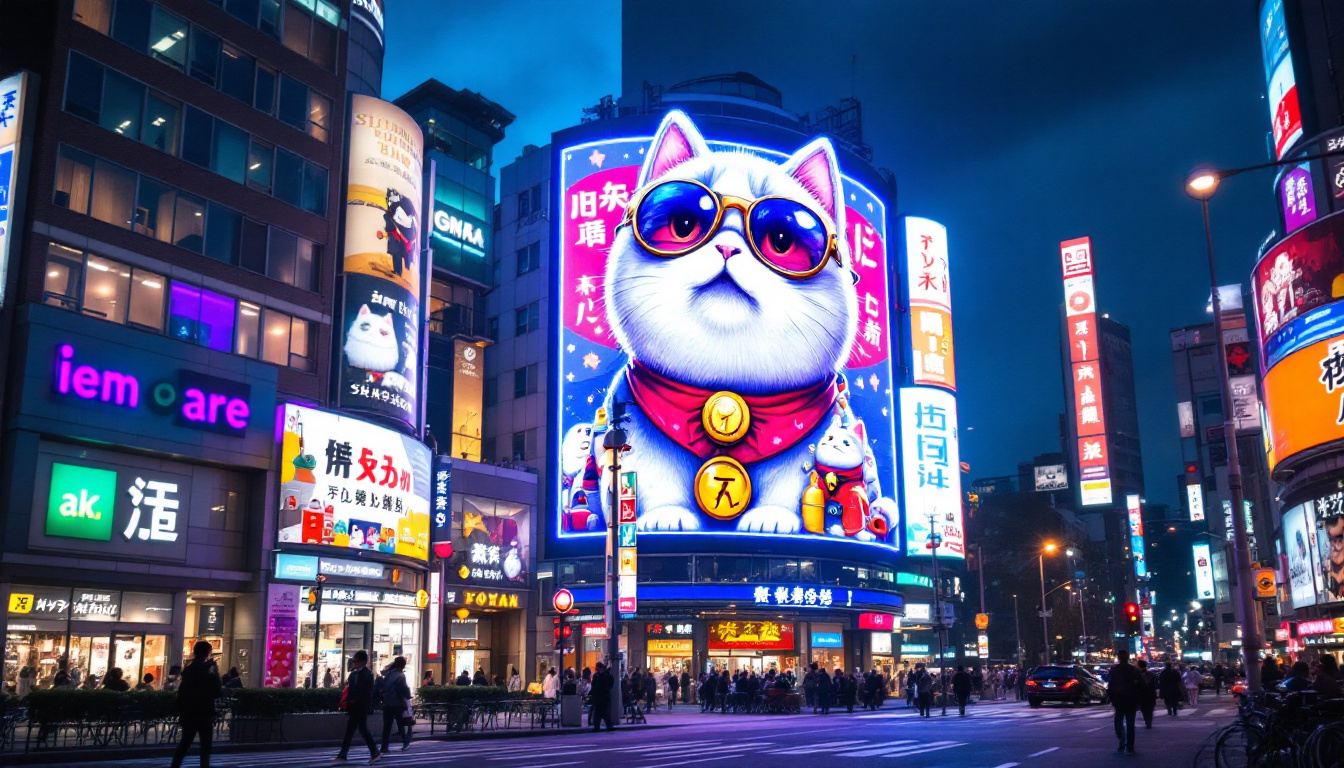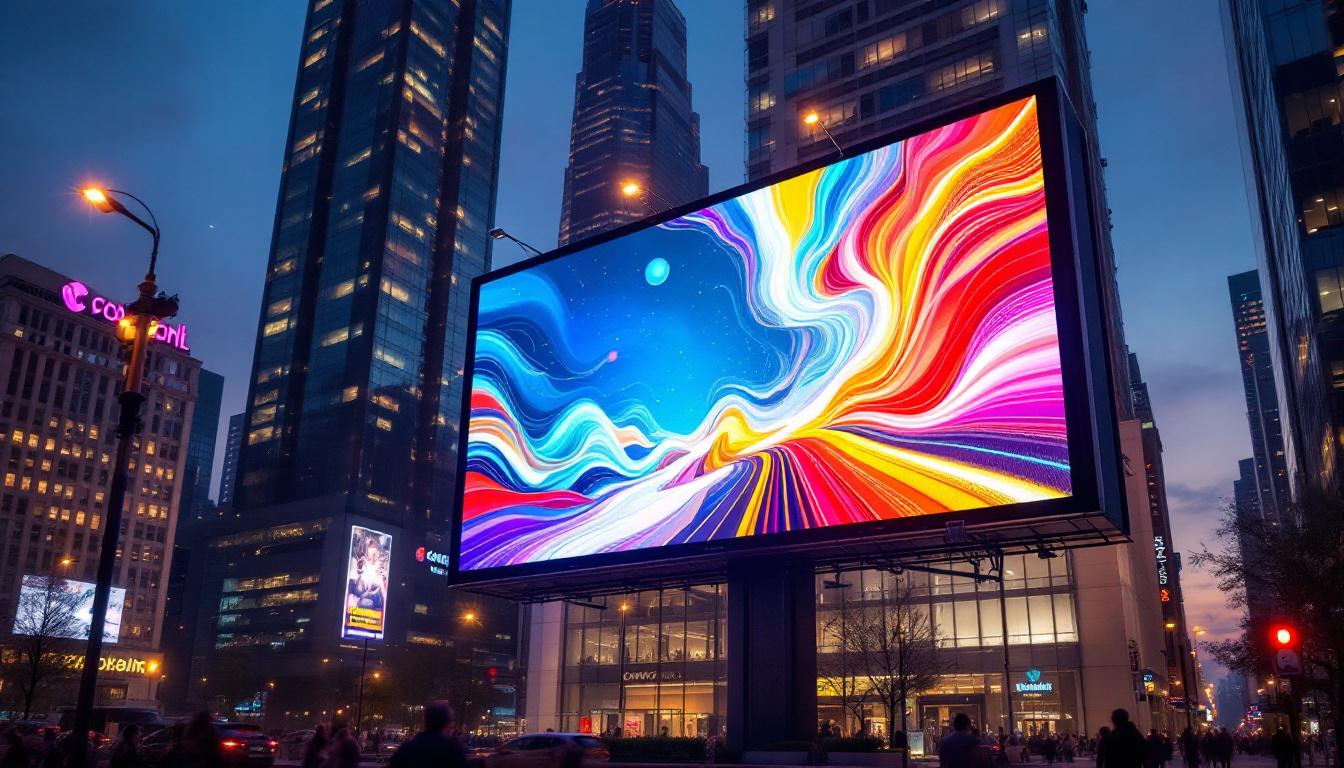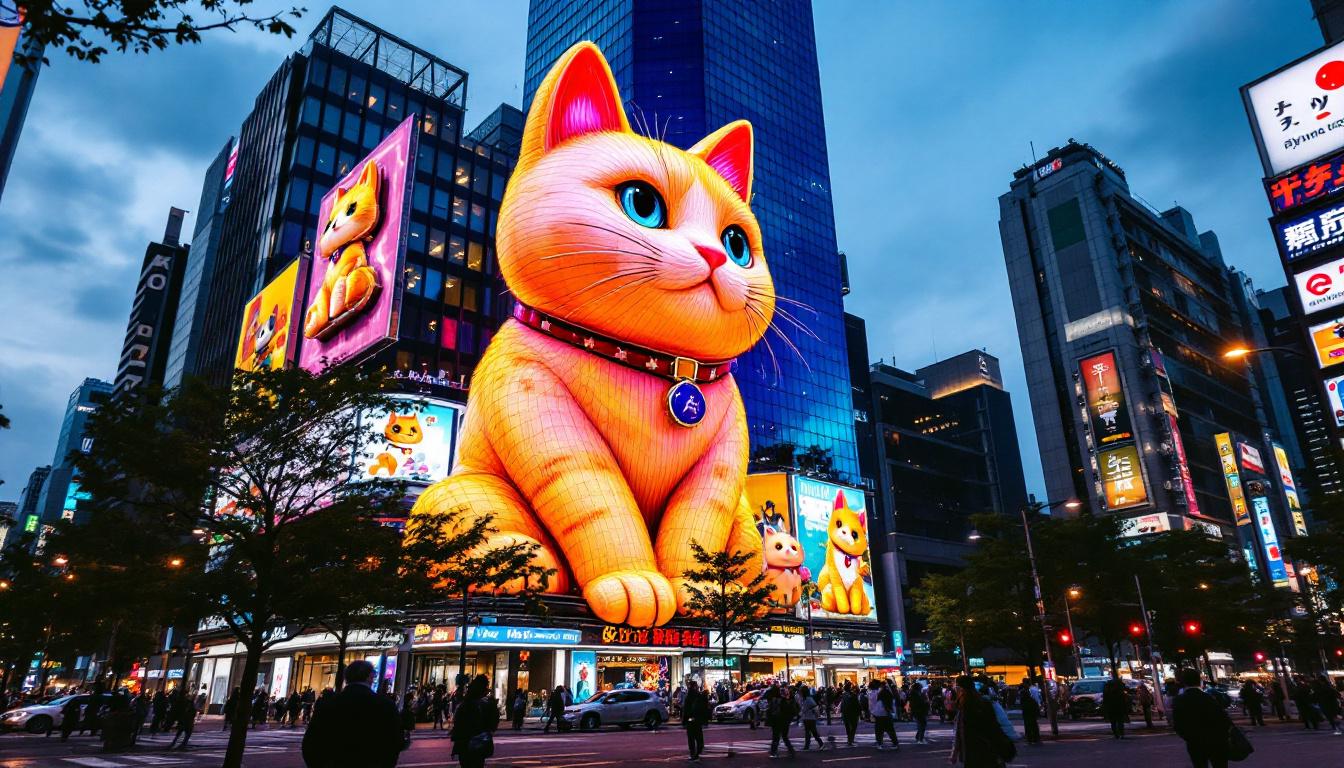
In the bustling heart of Tokyo, a city renowned for its cutting-edge technology and vibrant urban culture, a new visual marvel has captured the attention of locals and tourists alike: the 3D Cat Billboard. This innovative LED display combines advanced technology with creative artistry to deliver an eye-catching spectacle that pushes the boundaries of traditional advertising. But what exactly makes this 3D cat billboard so special? How does the LED technology behind it work, and why is it significant in the context of modern digital signage? This article explores the fascinating world of 3D LED displays through the lens of Tokyo’s iconic feline billboard.
The Rise of 3D LED Displays in Urban Advertising
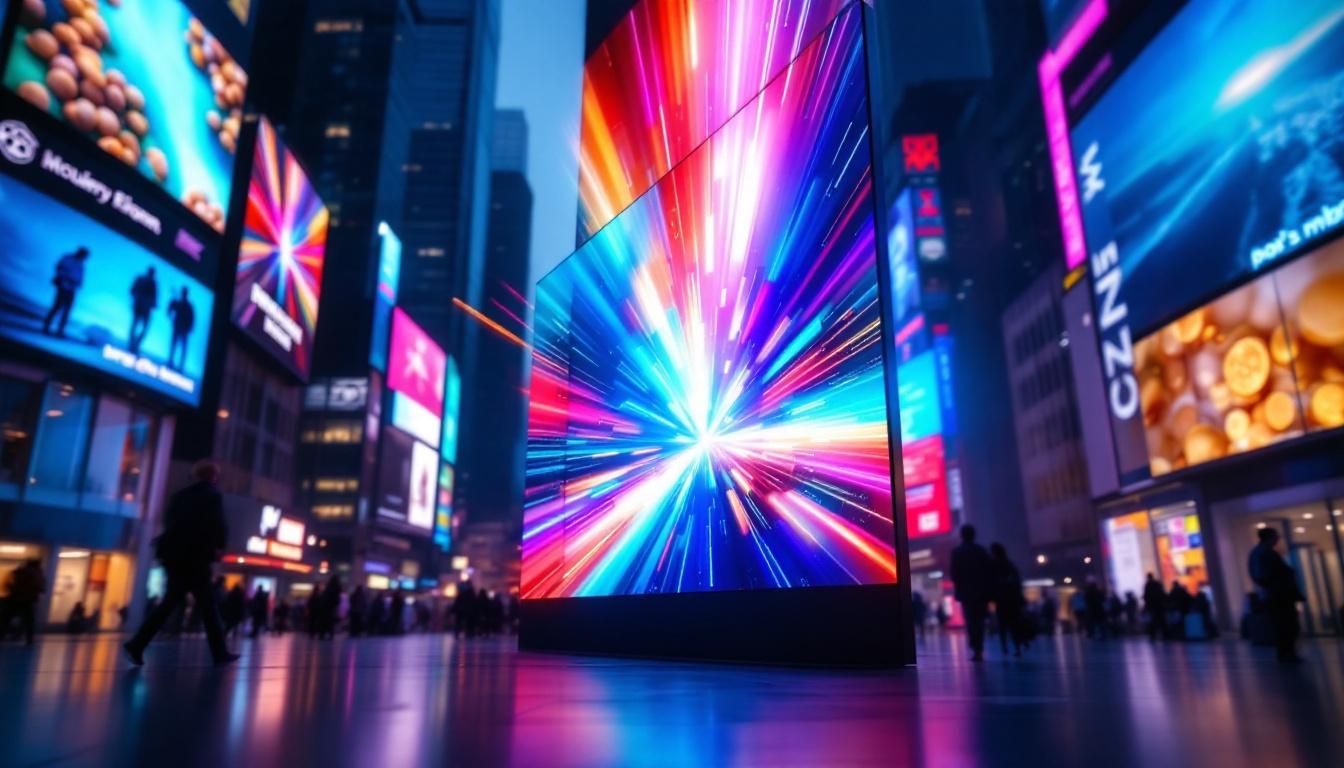
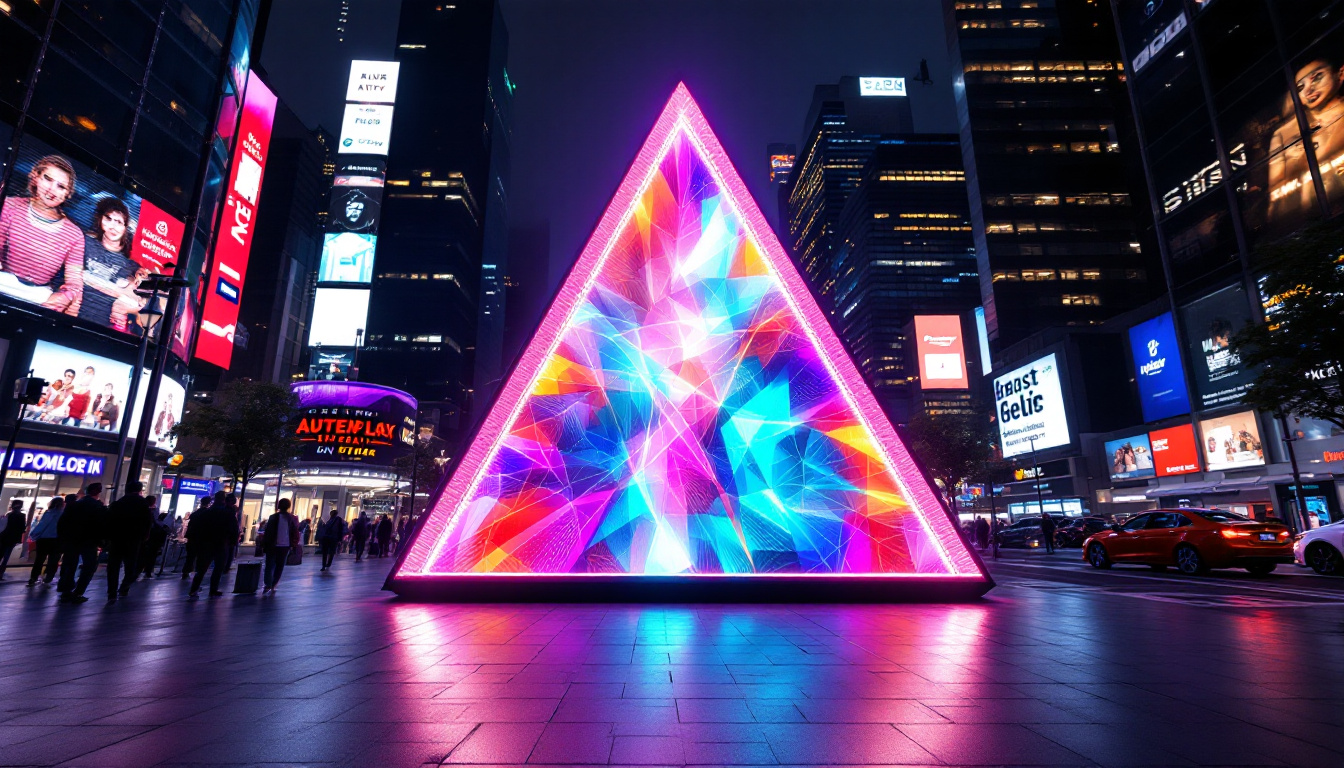
Urban advertising has evolved dramatically over the past decade, moving from static billboards to dynamic digital screens that can engage audiences in real time. Among these innovations, 3D LED displays represent a significant leap forward. Unlike conventional flat LED screens, 3D LED displays create the illusion of depth and movement, making advertisements more immersive and memorable.
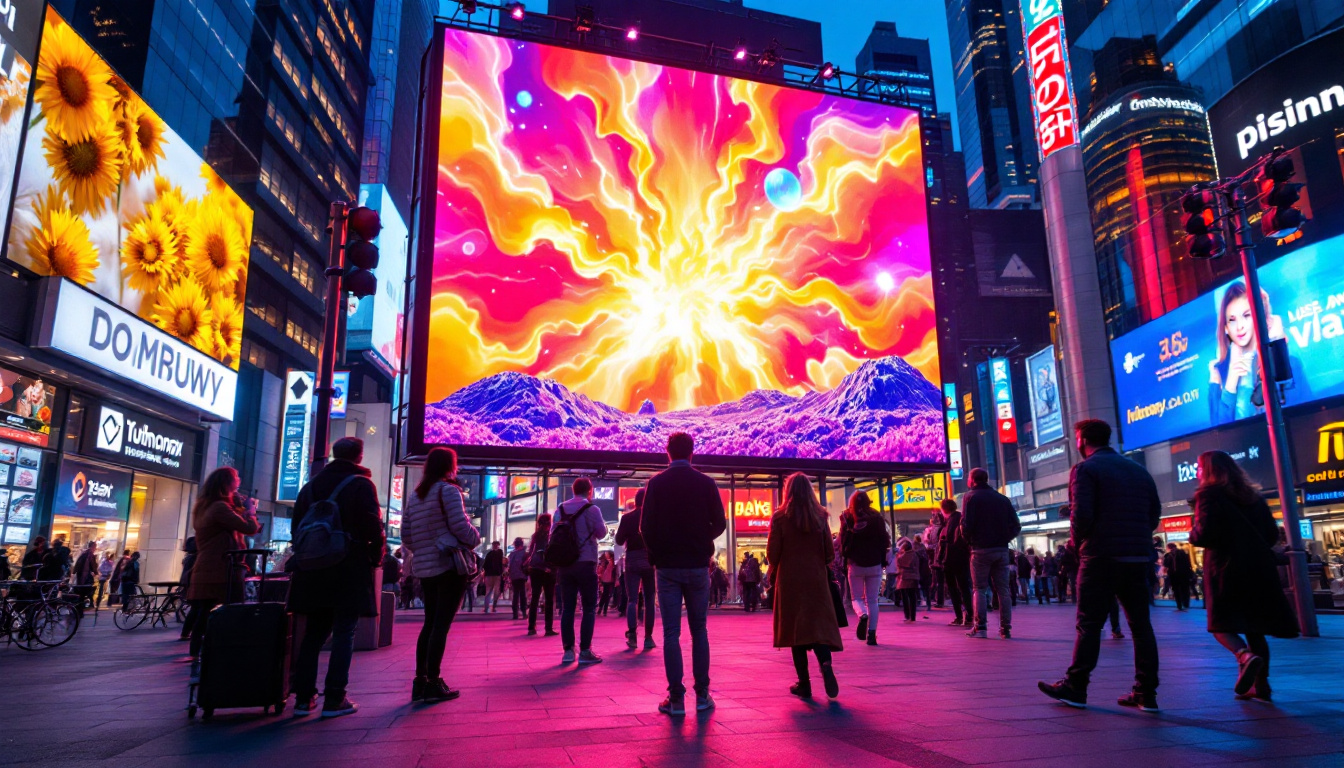
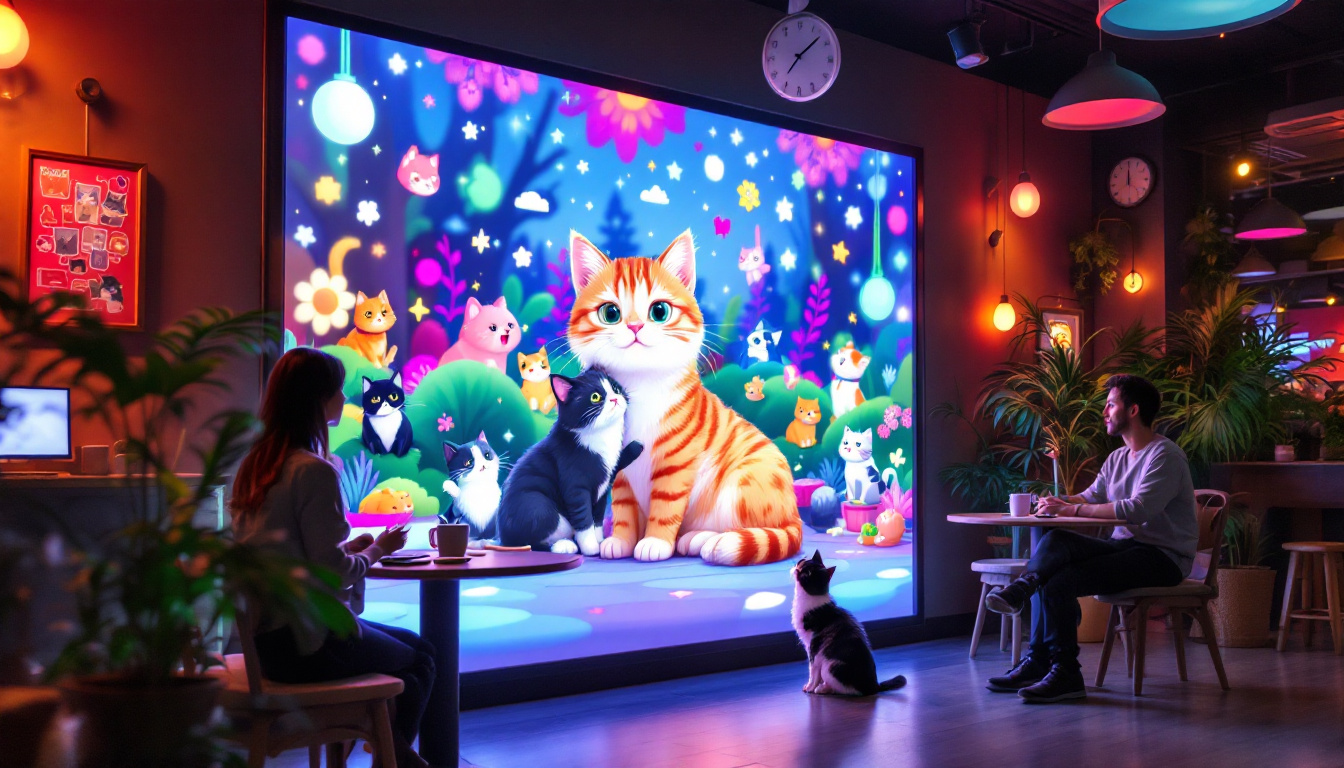
In cities like Tokyo, where visual clutter is a constant challenge, advertisers seek novel ways to stand out. The 3D cat billboard exemplifies this trend by delivering content that appears to leap off the screen, captivating passersby and encouraging social media sharing. This form of advertising not only enhances brand visibility but also transforms public spaces into interactive experiences. The integration of augmented reality elements further amplifies this effect, allowing viewers to engage with the content in ways that were previously unimaginable, such as interacting with virtual characters or products through their smartphones.
Why 3D Matters in Advertising
Studies show that 3D visuals can increase viewer engagement by up to 80% compared to traditional 2D displays. The human brain processes three-dimensional images more naturally, making 3D content easier to understand and more emotionally impactful. This heightened engagement translates into better brand recall and a stronger connection with the audience.
Moreover, 3D LED displays allow for creative storytelling that breaks free from the constraints of flat media. Advertisers can craft narratives that unfold in space, using depth and perspective to guide the viewer’s attention and evoke curiosity. This capability is particularly beneficial for brands looking to convey complex messages or showcase products in a more interactive manner. For instance, a car manufacturer might utilize a 3D display to simulate a test drive experience, allowing potential customers to visualize the vehicle’s features in a captivating way. As technology continues to advance, the possibilities for 3D advertising will only expand, pushing the boundaries of creativity and engagement in urban environments.
Technical Breakdown: How the 3D Cat Billboard Works
At the core of the 3D cat billboard is a sophisticated LED display system designed to create the illusion of three-dimensional imagery. This is achieved through a combination of hardware and software innovations that manipulate light and perspective.
LED Panel Configuration and Pixel Density
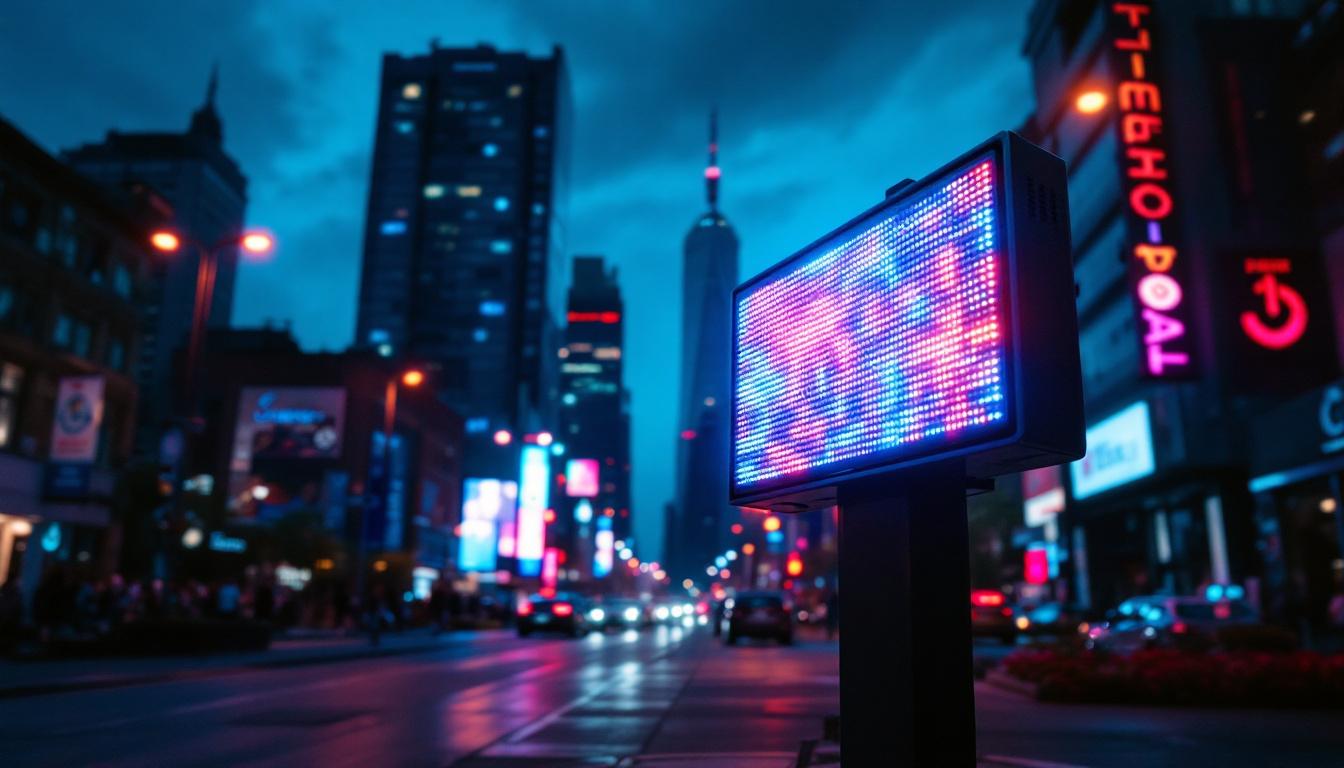
The billboard consists of thousands of high-resolution LED modules arranged in a curved or angled configuration. This setup is crucial for producing the depth effect. By carefully controlling the brightness and color of each pixel across multiple layers or facets, the display simulates shadows and highlights that trick the eye into perceiving volume.
Pixel density plays a vital role here. The higher the pixel density, the sharper and more detailed the 3D effect appears. The Tokyo cat billboard uses ultra-fine pitch LEDs, with pixel pitches as small as 2mm, allowing for crisp images even at close viewing distances. This level of detail not only enhances the visual experience but also allows for intricate designs that can captivate audiences, making the billboard a focal point in the bustling cityscape.
Perspective Mapping and Content Creation
Creating content for a 3D LED display is a complex process that involves perspective mapping. This technique adjusts the visuals so that when viewed from specific angles, the images appear three-dimensional. Content creators use specialized software to design animations that take advantage of the billboard’s unique shape and viewing environment.
For the cat billboard, animators crafted sequences where the cat seems to move, stretch, and even interact with the surrounding environment. These animations are synchronized with the LED hardware to ensure seamless playback and maximum visual impact. The meticulous attention to detail in the animation process allows for the cat to exhibit lifelike behaviors, drawing in pedestrians and encouraging them to stop and admire the display. This interactivity not only entertains but also fosters a connection between the audience and the digital art, making it a memorable experience.
Brightness, Contrast, and Environmental Adaptation
Tokyo’s outdoor environment presents challenges such as varying daylight conditions and weather. The LED system incorporates sensors that adjust brightness and contrast dynamically, ensuring the 3D effect remains vivid both during the day and at night.
High brightness levels, often exceeding 5,000 nits, guarantee visibility even under direct sunlight. Meanwhile, advanced contrast control enhances the depth perception by emphasizing shadows and highlights, which are essential for the 3D illusion. Additionally, the billboard is designed to withstand various weather conditions, featuring protective coatings that shield the LEDs from rain and dust, ensuring longevity and consistent performance. This resilience not only maximizes the billboard’s operational lifespan but also maintains the quality of the visual output, allowing the captivating 3D cat to entertain and engage audiences around the clock, regardless of the elements.
Significance of the 3D Cat Billboard in Tokyo’s Urban Landscape
The 3D cat billboard is more than just an advertising tool; it is a cultural landmark that reflects Tokyo’s fusion of technology, art, and urban life. Its presence in a high-traffic area contributes to the city’s identity as a hub of innovation and creativity. This vibrant display not only showcases cutting-edge technology but also embodies the playful spirit of Tokyo, where whimsy and modernity coexist harmoniously.
Impact on Tourism and Local Economy
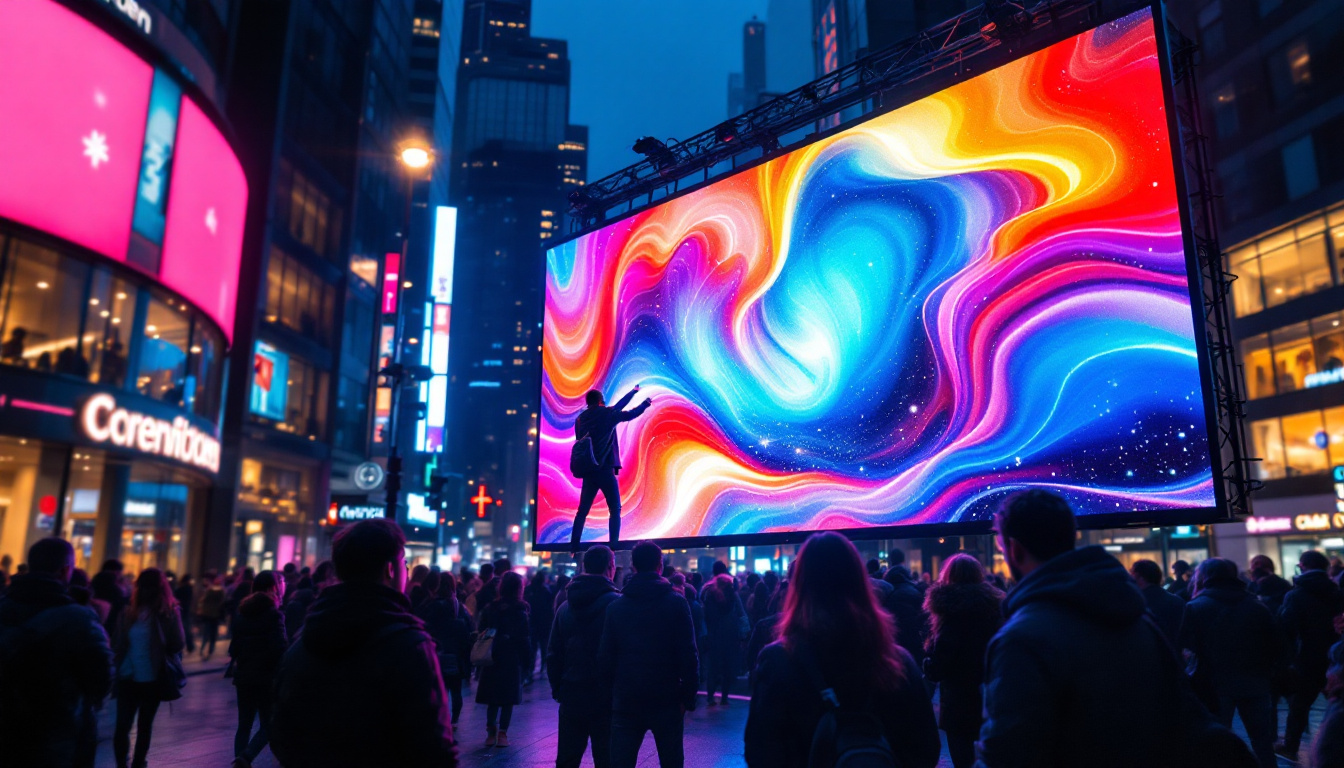
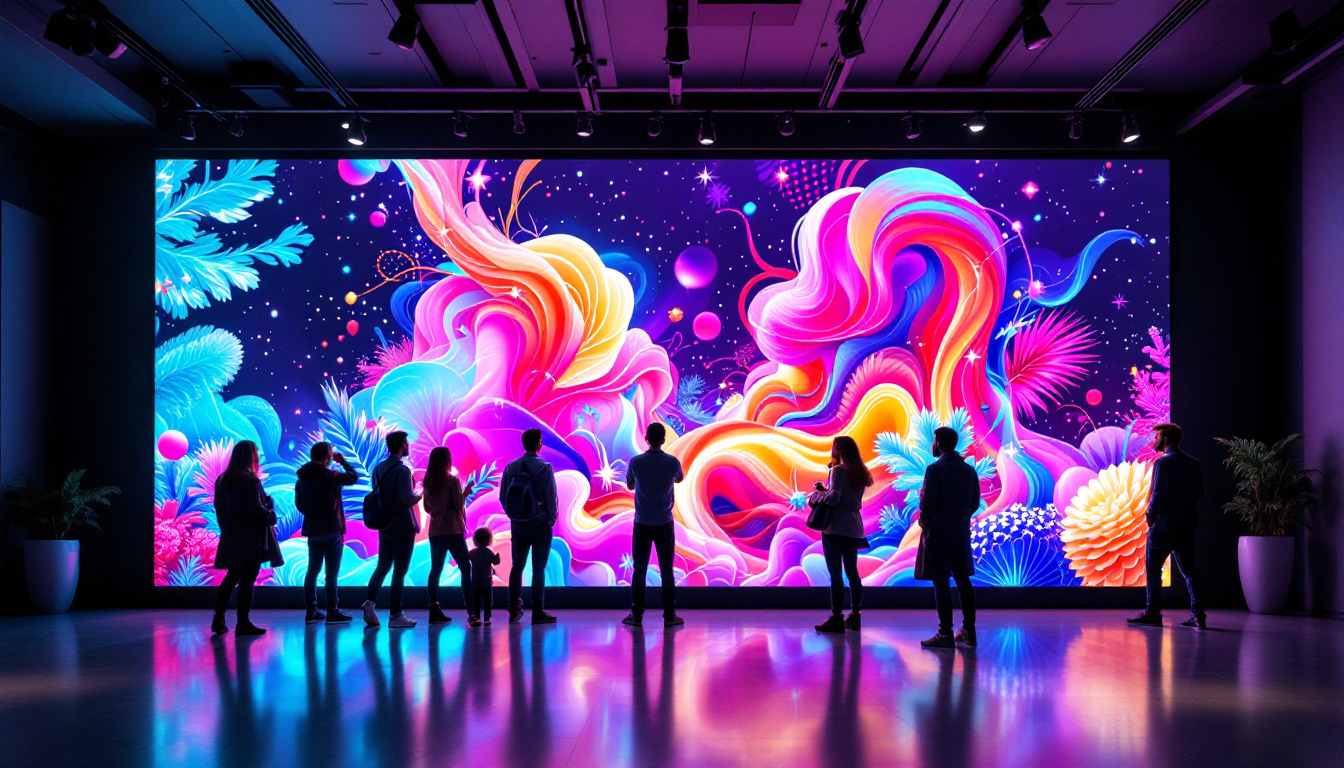
Since its installation, the billboard has become a popular photo spot, drawing visitors who want to capture the unique 3D effect. This increased foot traffic benefits nearby businesses and adds to the vibrancy of the neighborhood. Cafés, shops, and local artisans have reported a noticeable uptick in sales, as tourists and locals alike flock to the area, eager to snap a picture with the charming feline. The billboard has effectively transformed the surrounding streets into a lively gathering place, enhancing the social fabric of the community.
Furthermore, the billboard’s success has inspired other companies to invest in similar digital signage, boosting the local LED manufacturing and content creation industries. According to recent market reports, Japan’s LED advertising market is expected to grow at a compound annual growth rate (CAGR) of over 12% through 2027, driven in part by innovations like the 3D cat display. This surge in interest has also prompted local universities to expand their curricula in digital media and advertising technologies, preparing the next generation of creatives to thrive in this evolving landscape.
Advancing Public Engagement Through Technology
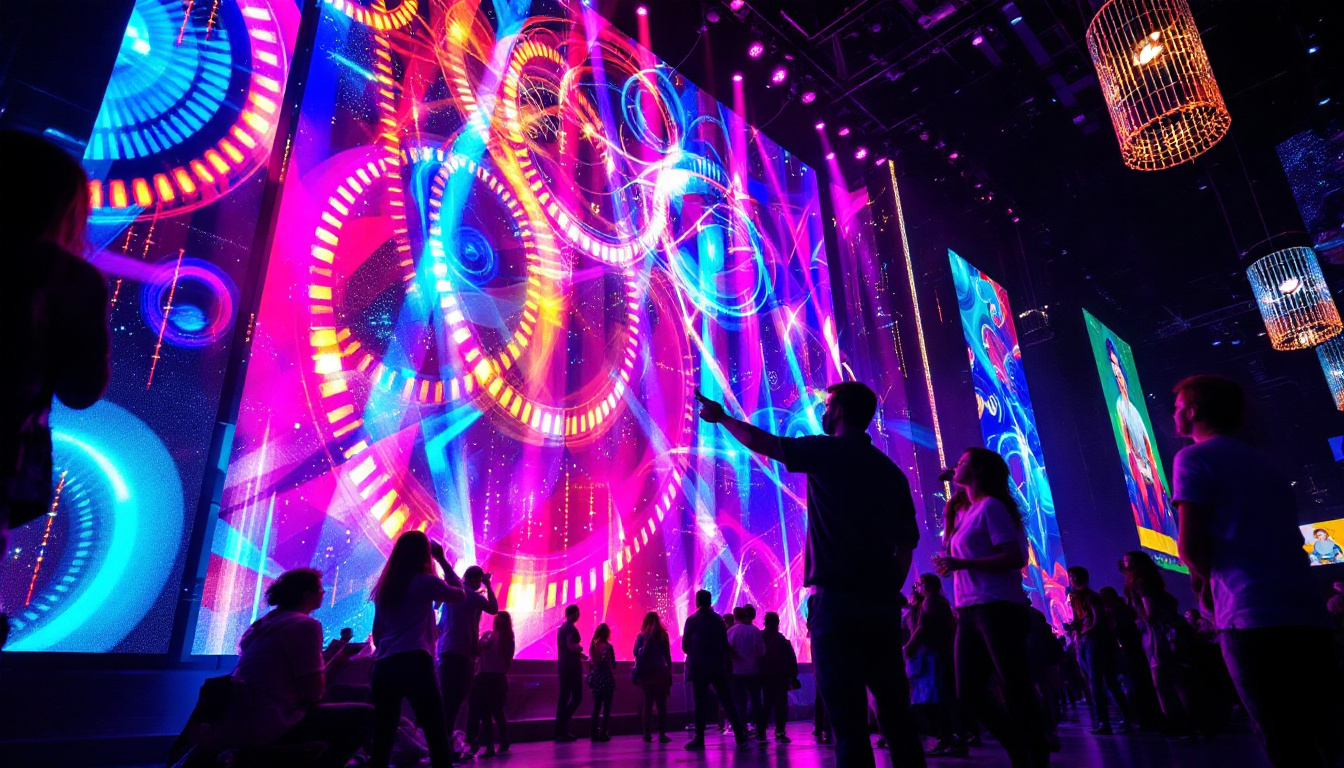
The billboard also serves as a platform for interactive campaigns. Some versions have incorporated augmented reality (AR) elements accessible via smartphones, allowing viewers to engage with the content beyond the physical display. This blend of 3D LED technology and digital interactivity exemplifies the future of urban advertising. As people interact with the billboard through their devices, they become part of a larger narrative, blurring the lines between the digital and physical realms.
By transforming a simple billboard into a multi-sensory experience, the 3D cat display encourages public interaction and fosters a sense of community around shared urban experiences. Events have been organized around the billboard, such as themed photo contests and art exhibitions, inviting local artists to contribute their interpretations of the beloved cat. This collaborative spirit not only enhances the billboard’s appeal but also strengthens community ties, making it a symbol of collective creativity in the heart of Tokyo. As the city continues to evolve, the 3D cat billboard stands as a testament to the power of innovation in shaping urban life and culture.
Challenges and Future Prospects of 3D LED Billboards
While the 3D cat billboard showcases the potential of LED technology, it also highlights several challenges that must be addressed to advance this medium further.
Technical and Production Complexities
Producing content for 3D LED displays requires specialized skills and equipment, which can be costly and time-consuming. The need for precise calibration and maintenance adds to operational expenses, making such billboards a significant investment.
Moreover, the technology is still evolving. Achieving perfect 3D illusions from multiple viewing angles remains a technical hurdle. Current displays often optimize the effect for primary viewing zones, which can limit impact for viewers outside these areas.
Energy Consumption and Sustainability Considerations
High-brightness LED displays consume substantial amounts of energy, raising concerns about environmental sustainability. As cities like Tokyo aim to reduce carbon footprints, the LED advertising industry is exploring more energy-efficient components and renewable energy integration.
Innovations such as micro-LED technology and adaptive power management systems promise to reduce energy consumption without compromising visual quality, making future 3D billboards more eco-friendly.
Looking Ahead: The Future of 3D Urban Displays
The future of 3D LED billboards lies in greater interactivity, higher resolution, and seamless integration with smart city infrastructure. Emerging technologies like holographic projections and AI-driven content personalization may soon complement or even replace current LED systems.
In Tokyo and other global metropolises, these advancements will continue to redefine how brands communicate with urban audiences, turning public spaces into dynamic canvases that blend art, technology, and community engagement.
Conclusion
The 3D cat billboard in Tokyo is a striking example of how LED display technology can transform conventional advertising into an immersive visual experience. By leveraging high-resolution LED panels, perspective mapping, and adaptive brightness control, this billboard creates a captivating 3D illusion that resonates with viewers and enhances the urban environment.
As 3D LED technology matures, it promises to revolutionize outdoor advertising, making it more engaging, interactive, and sustainable. For cities like Tokyo, where innovation is part of the cultural fabric, such displays symbolize the exciting intersection of technology and creativity shaping the future of urban life.
Illuminate Your Brand with LumenMatrix
Ready to bring your advertising to life and captivate audiences like the 3D cat billboard in Tokyo? LumenMatrix is at the forefront of LED display innovation, offering a wide array of solutions to meet your unique needs. From Indoor and Outdoor LED Wall Displays to specialized options like Vehicle and Sports Displays, our technology is designed to make your brand shine in any environment. Experience the future of visual communication with our All-in-One and Custom LED Displays that promise to transform your message into an unforgettable visual journey. Check out LumenMatrix LED Display Solutions and see how we can help you create a lasting impression in the urban landscape.