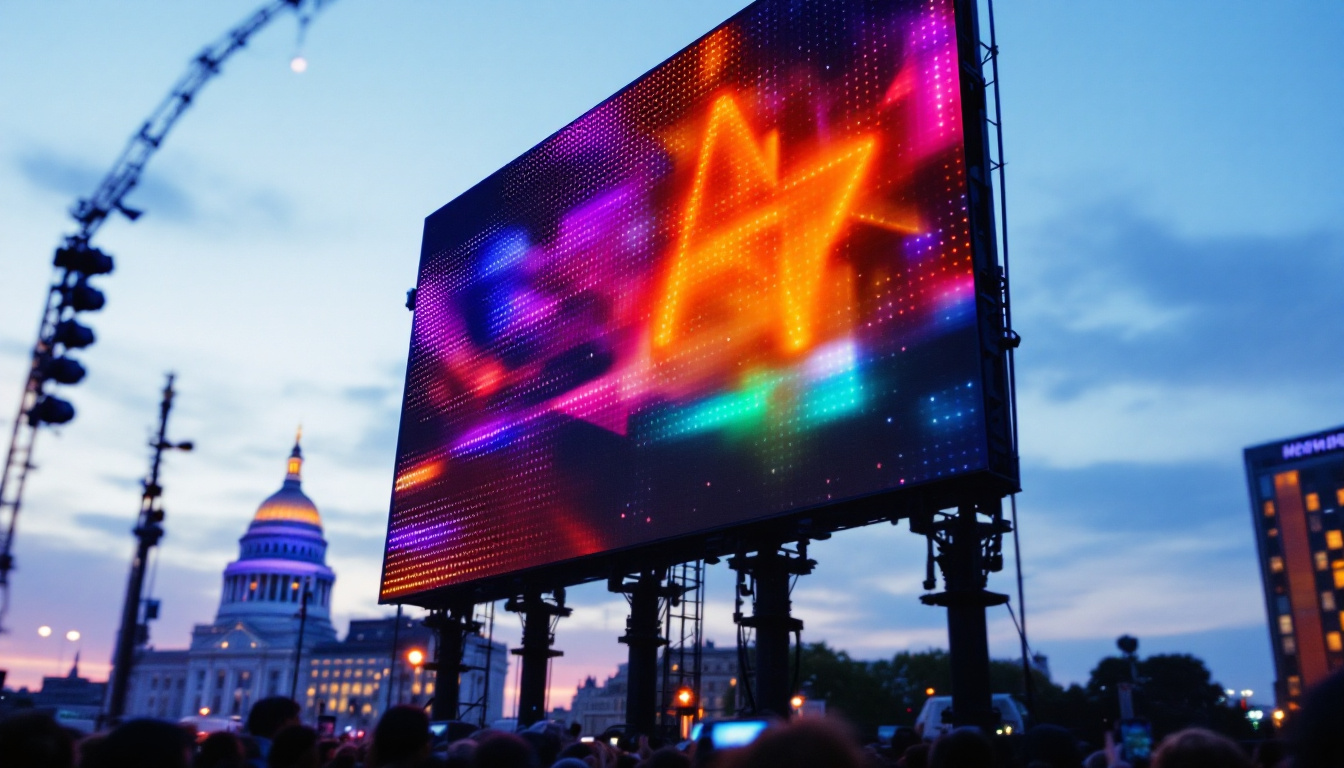
In the rapidly evolving world of digital signage and architectural innovation, 3D print walls integrated with LED displays represent a groundbreaking fusion of technology and design. These walls are not only visually captivating but also offer functional versatility that is transforming commercial spaces, exhibitions, and even residential interiors. This article delves into the concept of 3D print walls featuring LED displays, exploring their technology, applications, benefits, and future potential.
Understanding 3D Print Walls with LED Displays
3D print walls combine additive manufacturing techniques with embedded LED technology to create dynamic, interactive surfaces. Unlike traditional flat screens or static walls, these installations offer depth, texture, and a three-dimensional form factor that enhances the visual experience.
At their core, 3D print walls are constructed using large-scale 3D printing processes, often with materials such as thermoplastics, resins, or composite filaments. The printing process allows for complex geometries and custom designs that can be tailored to specific architectural or branding needs. Embedded within or mounted onto these printed structures are LED display modules, which provide vibrant, high-resolution visuals that can be programmed to display images, videos, animations, or real-time data.
How 3D Printing Enables Customization
The advantage of 3D printing lies in its ability to produce highly customized shapes and patterns that would be difficult or impossible with traditional manufacturing. Architects and designers can create walls with intricate patterns, reliefs, or organic shapes that serve as both structural elements and canvases for LED displays.
This customization extends beyond aesthetics; it also influences the acoustics, lighting diffusion, and spatial dynamics of a room. For example, a 3D printed wall with a honeycomb pattern can improve sound absorption while providing a unique surface for LED pixel placement. Furthermore, the ability to create varying thicknesses and textures can enhance the tactile experience, inviting interaction from viewers and creating a more immersive environment.
LED Display Technology Integration
LED technology has advanced significantly in recent years, with improvements in brightness, energy efficiency, and pixel density. When integrated into 3D printed walls, LEDs can be embedded as flexible strips, individual diodes, or modular panels depending on the design requirements.
Modern LED displays used in these applications often feature high refresh rates and color accuracy, making them suitable for both indoor and outdoor environments. Additionally, innovations like micro-LEDs and mini-LEDs allow for even finer resolution and thinner profiles, which complement the intricate surfaces of 3D printed walls. The integration of smart technology further enhances these displays, enabling features such as touch sensitivity, gesture control, and connectivity with IoT devices, which can transform a simple wall into an interactive hub for information and entertainment.
Moreover, the sustainability aspect of 3D printing cannot be overlooked. Many of the materials used in the production of 3D print walls are recyclable or derived from renewable resources, aligning with the growing demand for environmentally friendly construction practices. As the technology continues to evolve, we can expect to see even more innovative uses of 3D print walls with LED displays in public spaces, commercial environments, and residential applications, pushing the boundaries of design and functionality.
Applications of 3D Print Walls with LED Displays
The versatility of 3D printed walls with LED displays has led to their adoption across various sectors, from commercial to cultural spaces. Their ability to combine form and function opens new possibilities for creative expression and interactive experiences.
Retail and Advertising
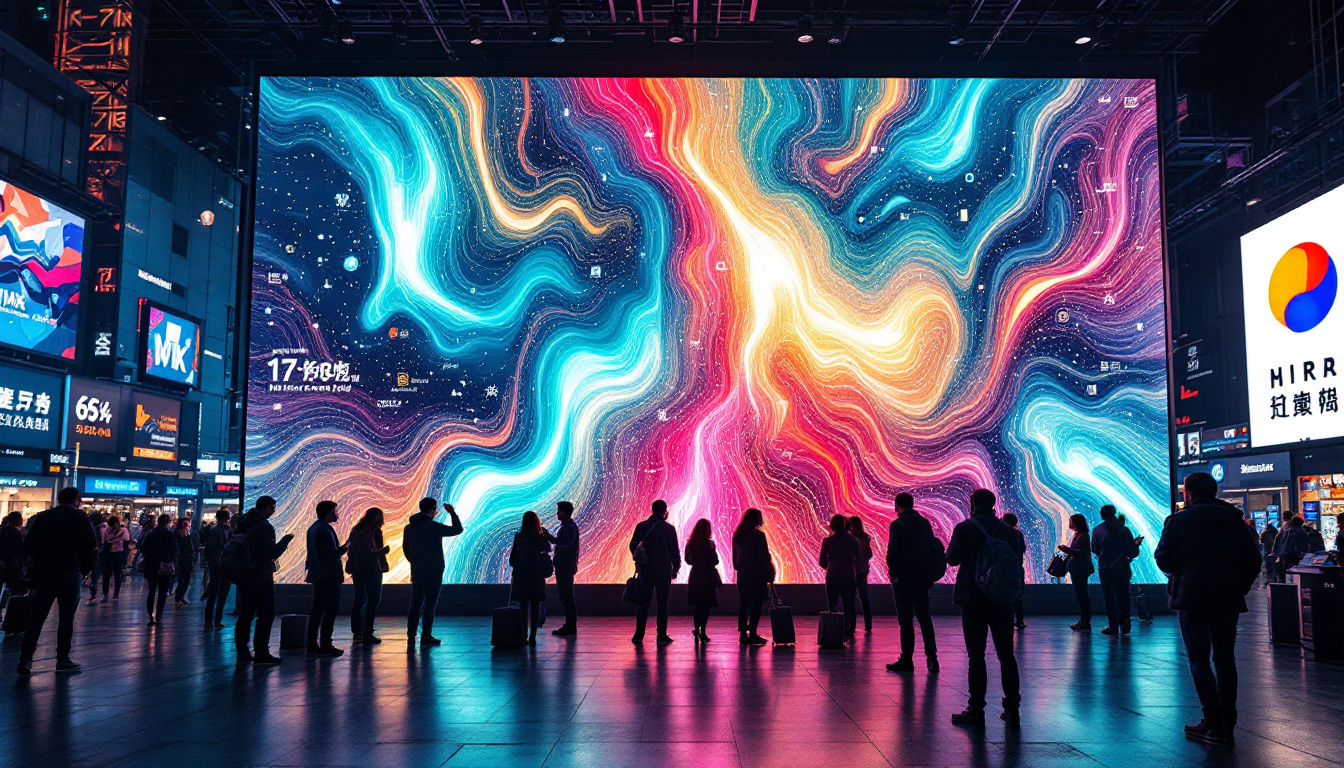
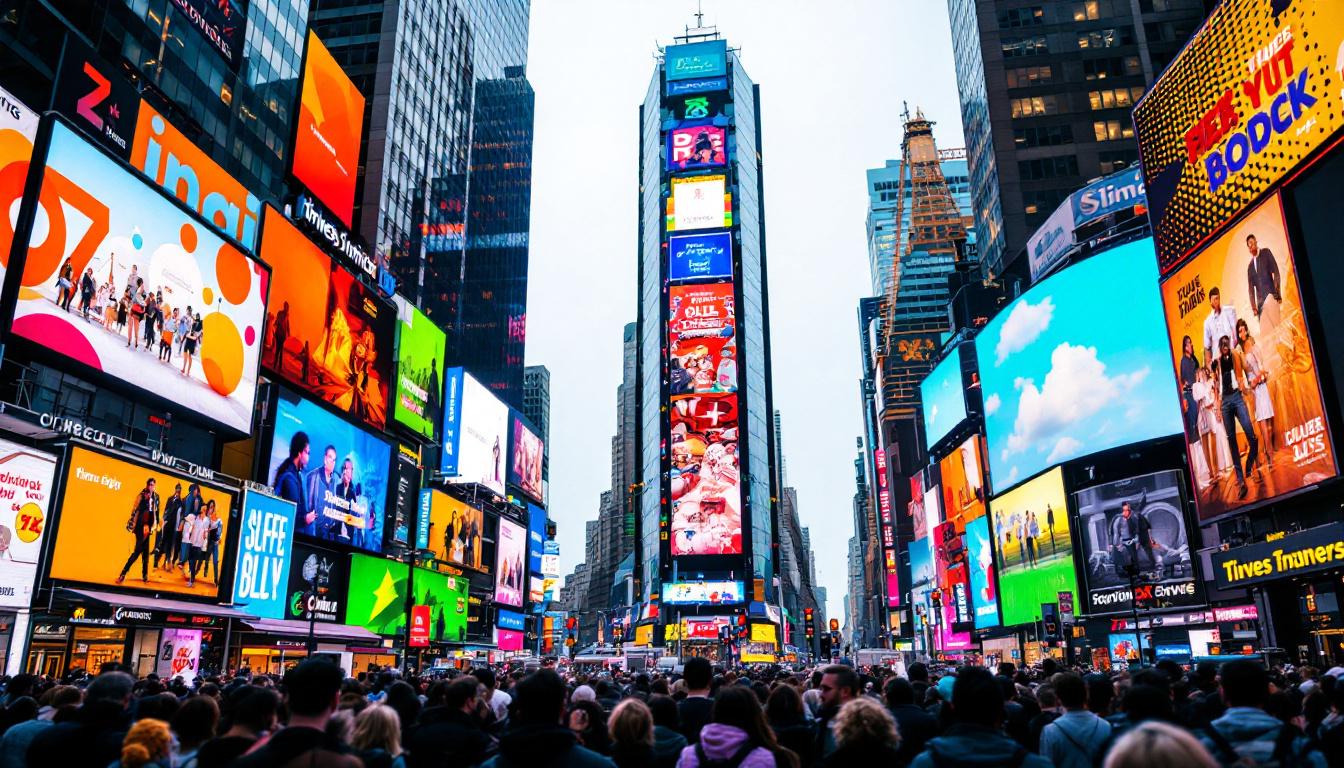
In retail environments, these walls serve as eye-catching digital billboards that can be shaped to fit store layouts or brand identities. For instance, luxury brands use 3D printed LED walls to create immersive storefronts that attract customers with dynamic visuals integrated into sculptural elements.
According to a 2023 report by Grand View Research, the global digital signage market is expected to reach $31.71 billion by 2028, growing at a CAGR of 7.5%. The integration of 3D printed structures with LED displays is a key driver of this growth, offering retailers innovative ways to engage consumers. This technology not only enhances the aesthetic appeal of a store but also allows for real-time updates on promotions, inventory, and customer engagement metrics, enabling brands to adapt their strategies swiftly and effectively.
Architectural and Interior Design
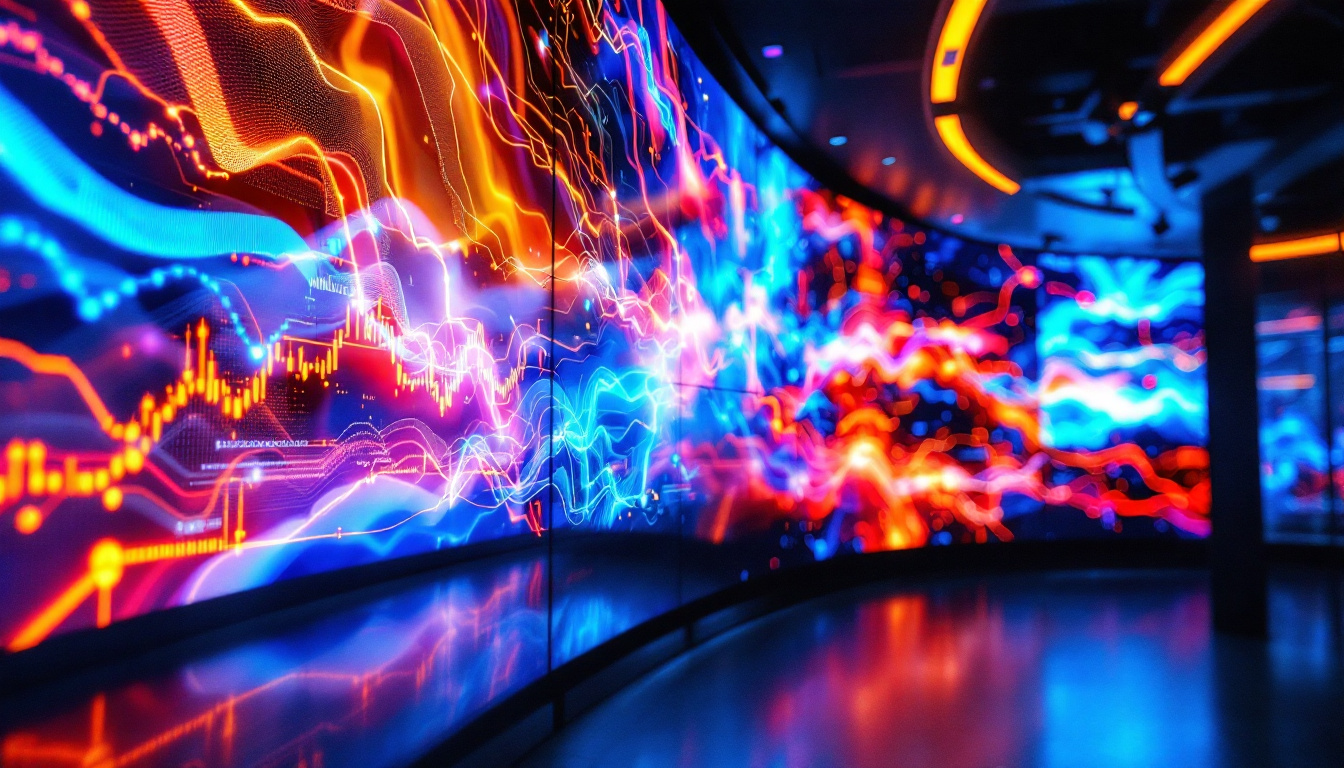
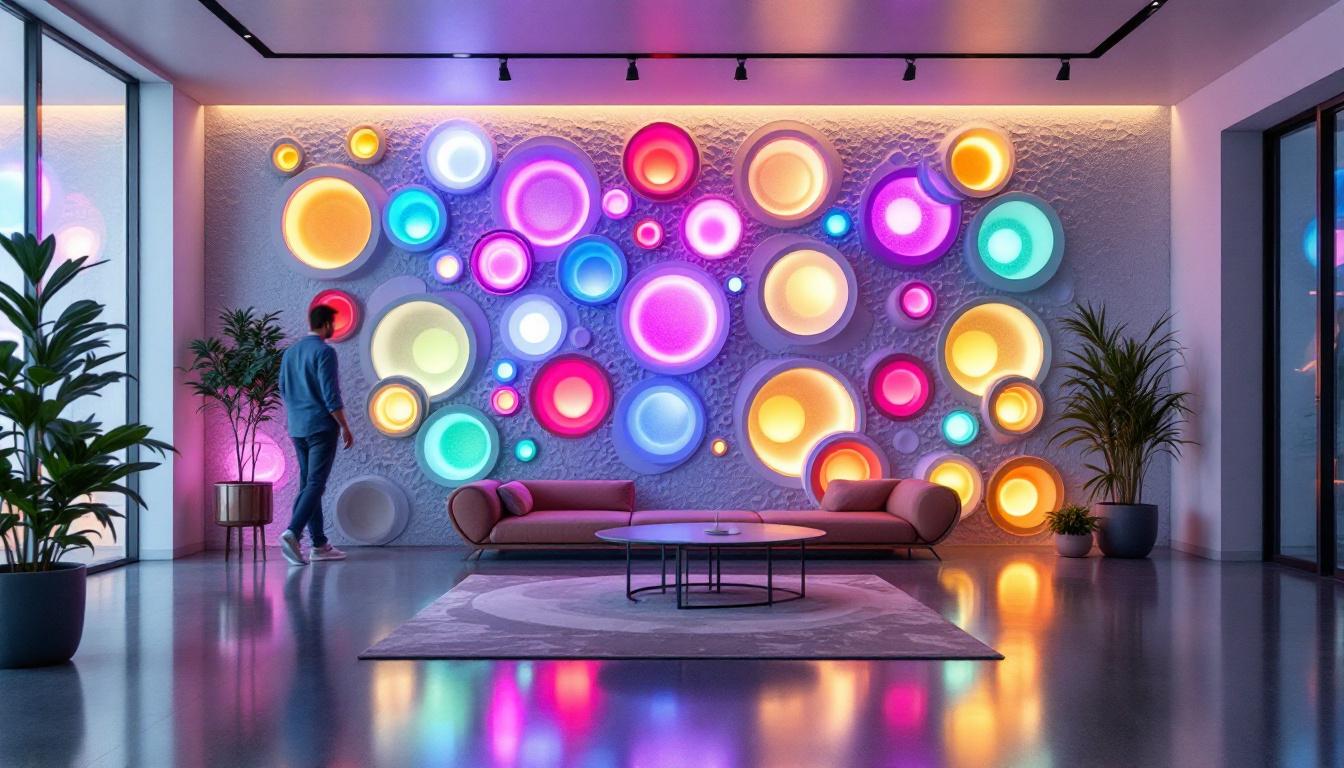
Architects and interior designers leverage 3D print walls with LEDs to redefine spatial experiences. These walls can act as ambient lighting sources, art installations, or interactive information panels. In smart buildings, they can display environmental data such as temperature, air quality, or occupancy levels in visually compelling formats.
For example, a corporate lobby might feature a 3D printed LED wall that changes colors based on the time of day or company events, enhancing the atmosphere and reinforcing brand presence. Additionally, these walls can be designed to incorporate sound elements, creating a multi-sensory experience that captivates visitors and encourages them to linger longer in the space. This innovative approach not only elevates the design aesthetic but also fosters a deeper connection between the occupants and their environment.
Events and Exhibitions
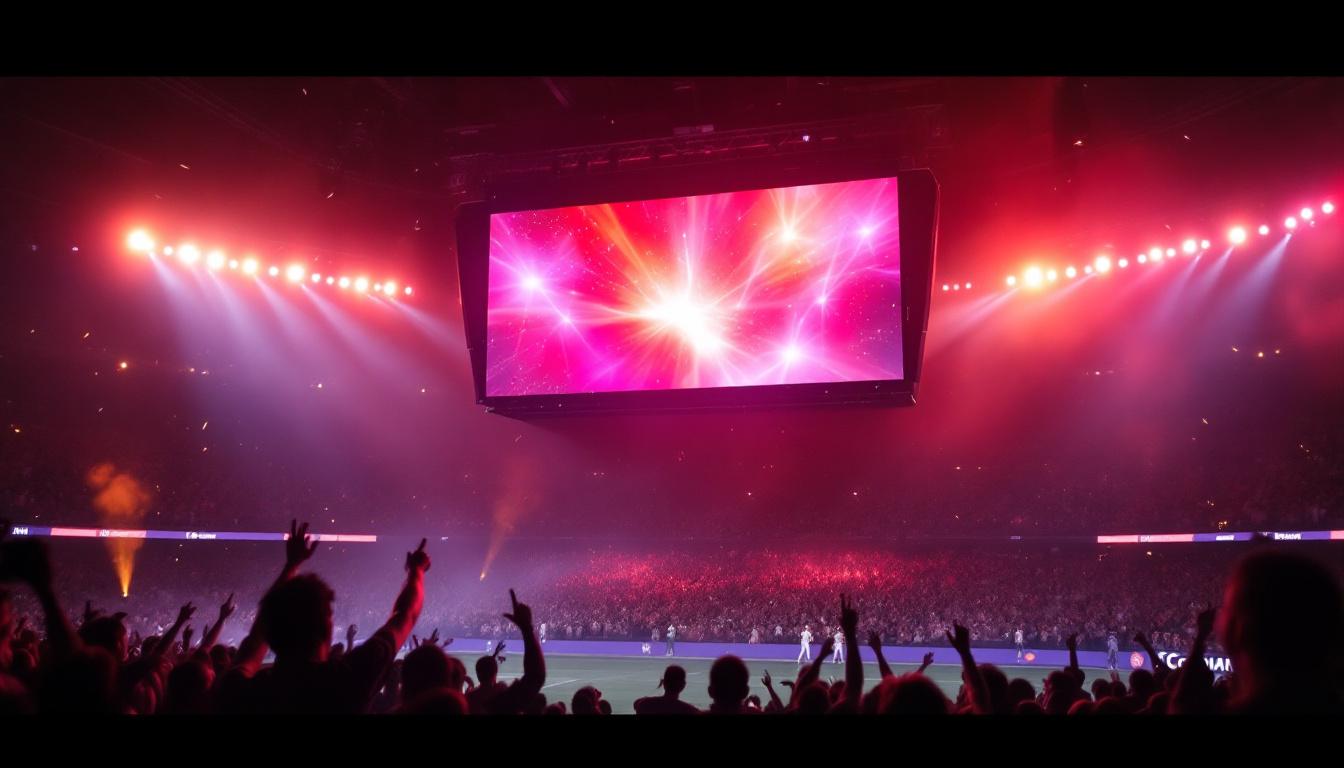
Event organizers and exhibition designers utilize these walls to create immersive environments that captivate audiences. The ability to customize shapes and display content dynamically allows for storytelling in ways that traditional flat screens cannot match.
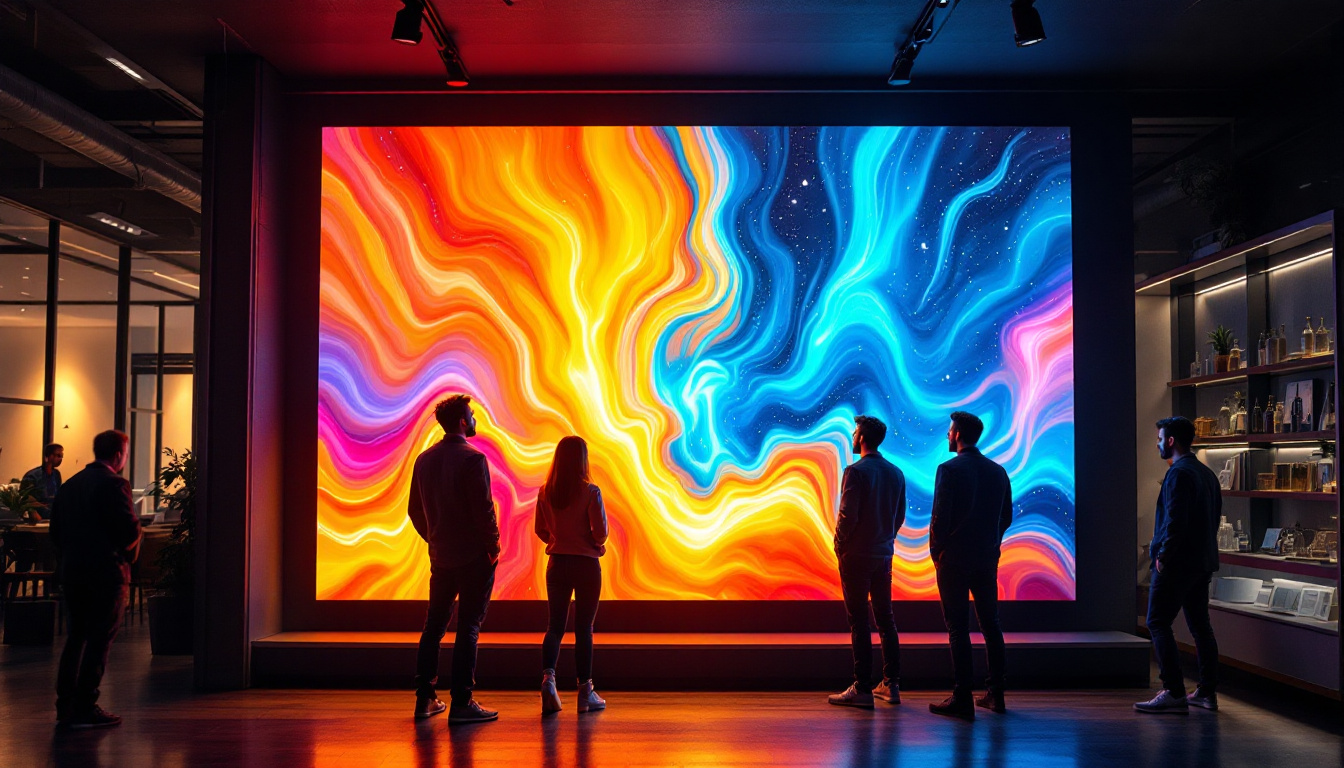
Trade shows, museums, and galleries have started incorporating 3D printed LED walls to showcase products, artworks, or historical narratives, providing visitors with engaging, multi-sensory experiences. For instance, an art exhibition might feature a 3D printed LED wall that not only displays the artwork but also tells the story behind each piece through animated visuals and soundscapes, allowing for a deeper understanding and appreciation of the artist’s intent. This integration of technology into the art space not only modernizes the exhibition experience but also attracts a tech-savvy audience eager for interactive engagement.
Residential and Hospitality Spaces
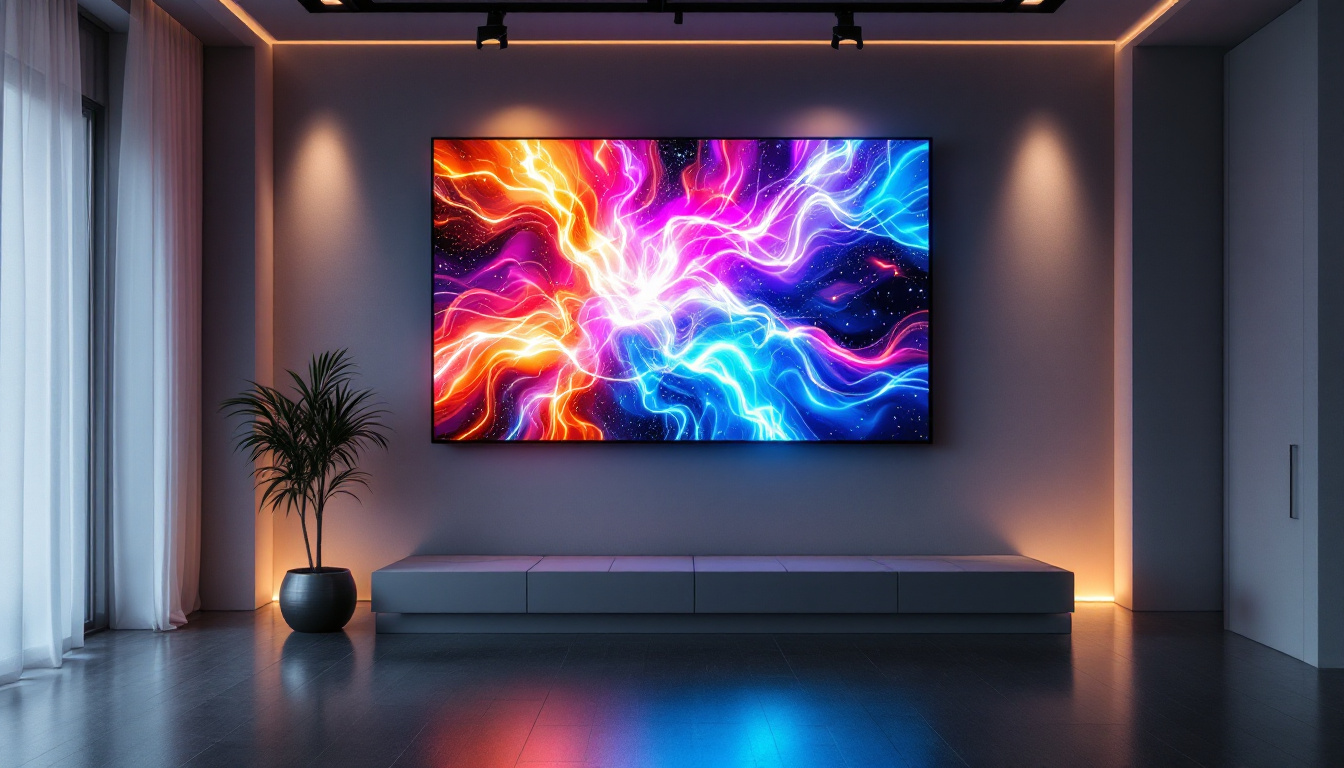
In residential settings, 3D printed LED walls offer homeowners unique ways to personalize their living spaces. From ambient mood lighting to interactive art pieces, these walls blend technology seamlessly with interior decor.
Hotels and restaurants also benefit from this technology by creating memorable atmospheres that enhance guest experiences. Dynamic walls can adjust lighting and visuals to suit different times of day or special occasions, contributing to a distinctive ambiance. Moreover, the ability to integrate these walls with smart home systems means that homeowners can control their environment with ease, setting the mood for gatherings or quiet evenings at home. In high-end hospitality venues, this technology can be used to create themed dining experiences, where the wall displays change to reflect the cuisine being served, further immersing guests in the overall experience and making their visit unforgettable.
Benefits and Challenges of 3D Print Walls with LED Displays
The integration of 3D printing and LED technology brings numerous advantages but also presents certain challenges that designers and developers must consider.
Advantages
- Customization and Flexibility: The ability to produce bespoke designs tailored to specific spaces and brand identities is a major benefit.
- Enhanced Visual Impact: The combination of three-dimensional forms with vibrant LED displays creates immersive and memorable visual experiences.
- Energy Efficiency: Modern LEDs consume significantly less power than traditional lighting, making these walls more sustainable.
- Interactivity: When paired with sensors and control systems, these walls can respond to environmental cues or user input, increasing engagement.
- Durability: Depending on materials used, 3D printed walls can be robust and suitable for both indoor and outdoor applications.
Challenges
- Cost: Large-scale 3D printing and high-quality LED modules can be expensive, especially for complex designs.
- Technical Complexity: Integrating electronics into printed structures requires multidisciplinary expertise in design, engineering, and software.
- Maintenance: Repairing or upgrading embedded LEDs may be more complicated than with traditional displays.
- Material Limitations: Not all 3D printing materials are suitable for embedding electronics or withstanding environmental factors.
Future Trends and Innovations
The intersection of 3D printing and LED display technology is poised for exciting developments that will expand their capabilities and accessibility.
Advances in Materials and Printing Techniques
Research into conductive and flexible 3D printing materials is enabling the direct printing of electronic circuits alongside structural components. This could simplify the integration of LEDs and reduce assembly time.
Additionally, multi-material printing techniques allow for combining rigid and flexible elements within a single print, enhancing durability and functionality.
Higher Resolution and Miniaturization
Emerging micro-LED and nano-LED technologies promise displays with unprecedented resolution and brightness, which can be embedded into even more intricate 3D printed surfaces. This will open new possibilities for ultra-high-definition digital art and information displays.
Interactive and Smart Environments
Integration with IoT (Internet of Things) devices and AI-driven control systems will enable 3D print walls to adapt dynamically to user behavior, environmental conditions, and contextual data. For example, walls could change their display based on the presence of people or synchronize with other smart building systems.
Sustainability and Circular Design
As sustainability becomes a priority, there is growing interest in recyclable and biodegradable 3D printing materials. Combining these with energy-efficient LEDs will create eco-friendly digital walls that align with green building standards.
Conclusion
3D print walls with integrated LED displays represent a pioneering convergence of additive manufacturing and digital visualization. Their ability to transform spaces with customizable, dynamic, and interactive surfaces is reshaping how brands, architects, and designers communicate and engage audiences.
While challenges such as cost and technical complexity remain, ongoing innovations in materials, printing methods, and display technologies are rapidly expanding the potential of these installations. As the market for digital signage and immersive environments grows, 3D printed LED walls are set to become a staple of modern architectural and design projects, offering unparalleled opportunities for creativity and functionality.
Discover the Future of Visual Engagement with LumenMatrix
Ready to elevate your space with the latest in LED display technology? LumenMatrix is at the forefront of creating immersive environments that captivate and engage. From stunning Indoor and Outdoor LED Wall Displays to innovative solutions like Vehicle, Sports, and Floor LED Displays, our products are designed to bring your vision to life. Experience the revolution in visual communication with our Custom, All-in-One, and Transparent LED Displays. Check out LumenMatrix LED Display Solutions today and transform your brand’s presence with clarity and impact.