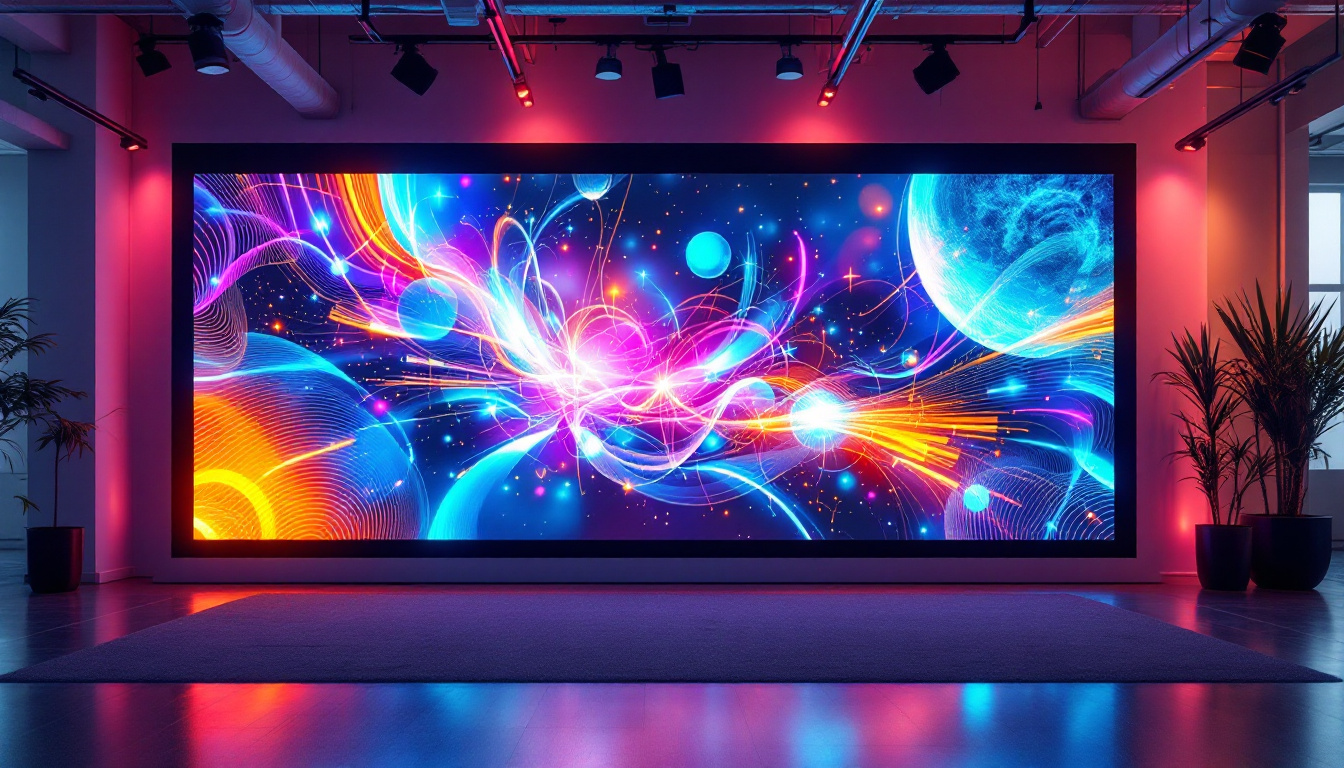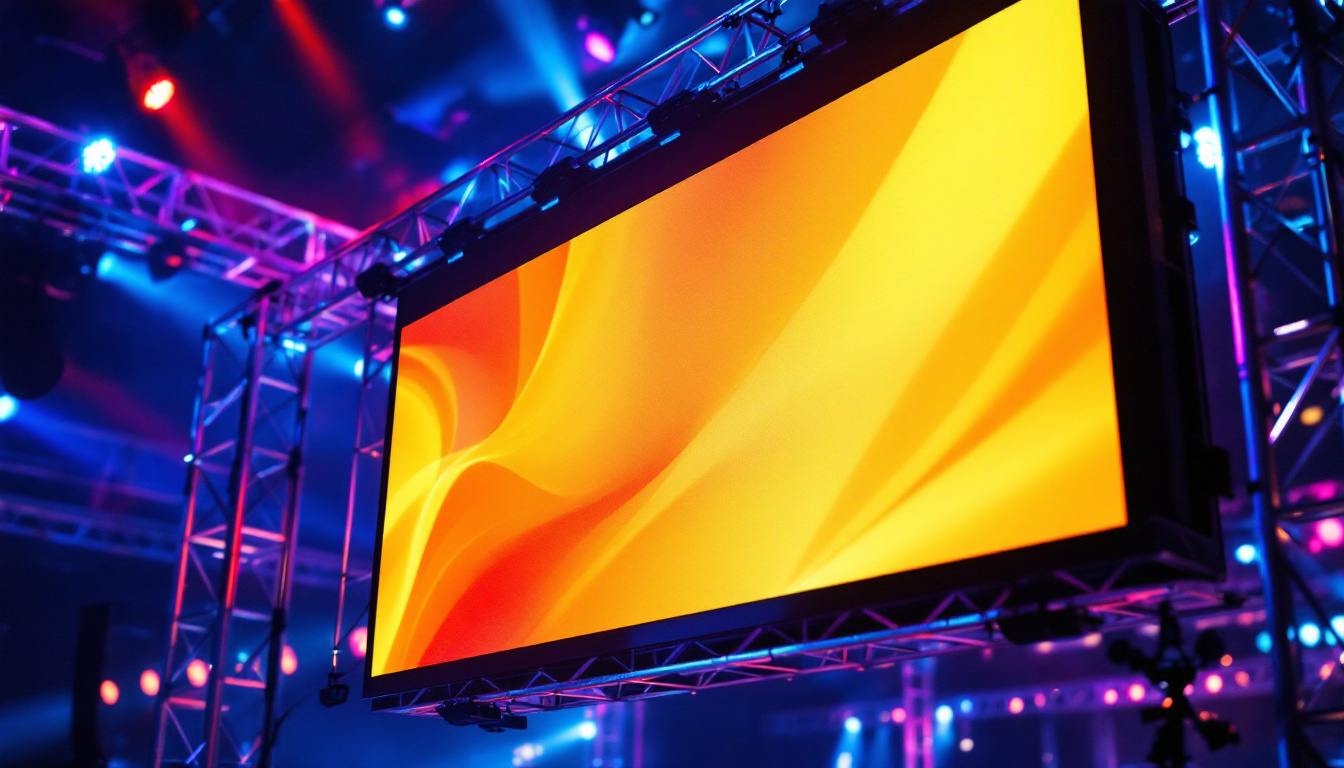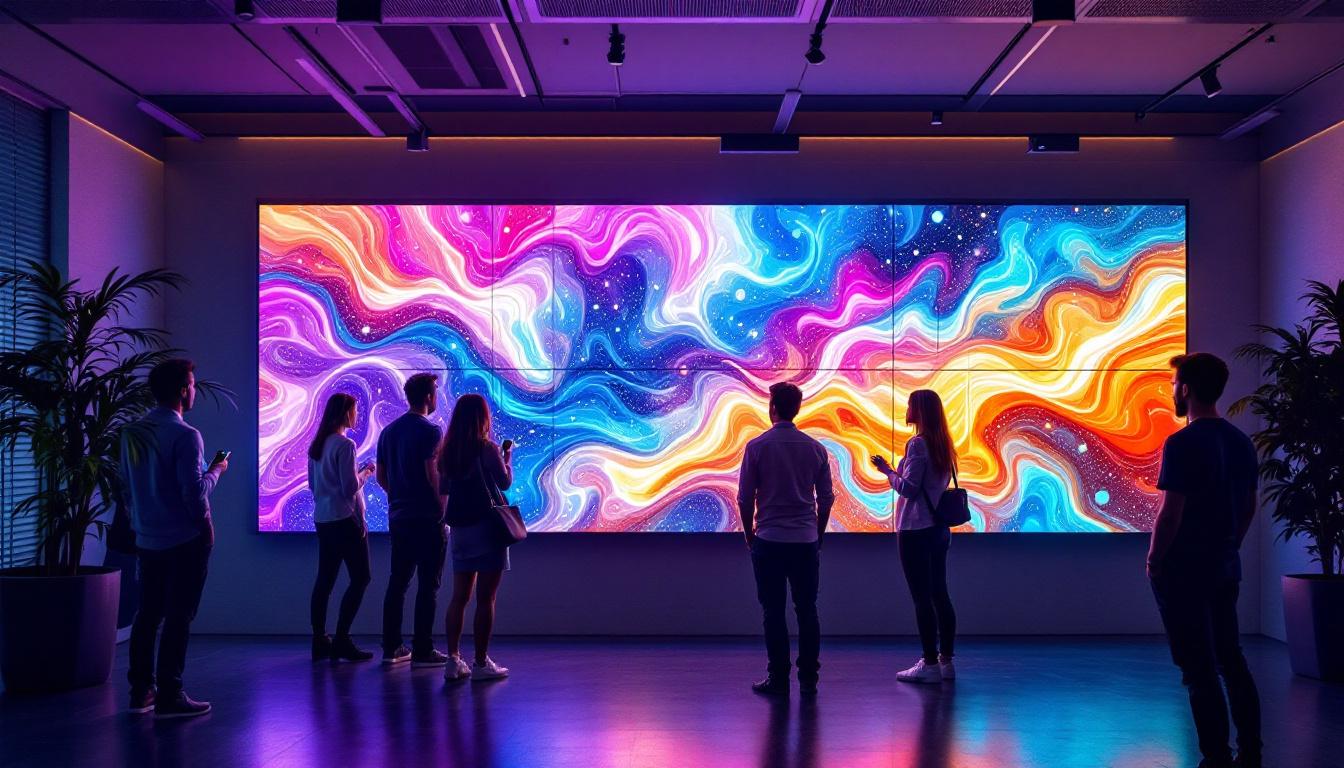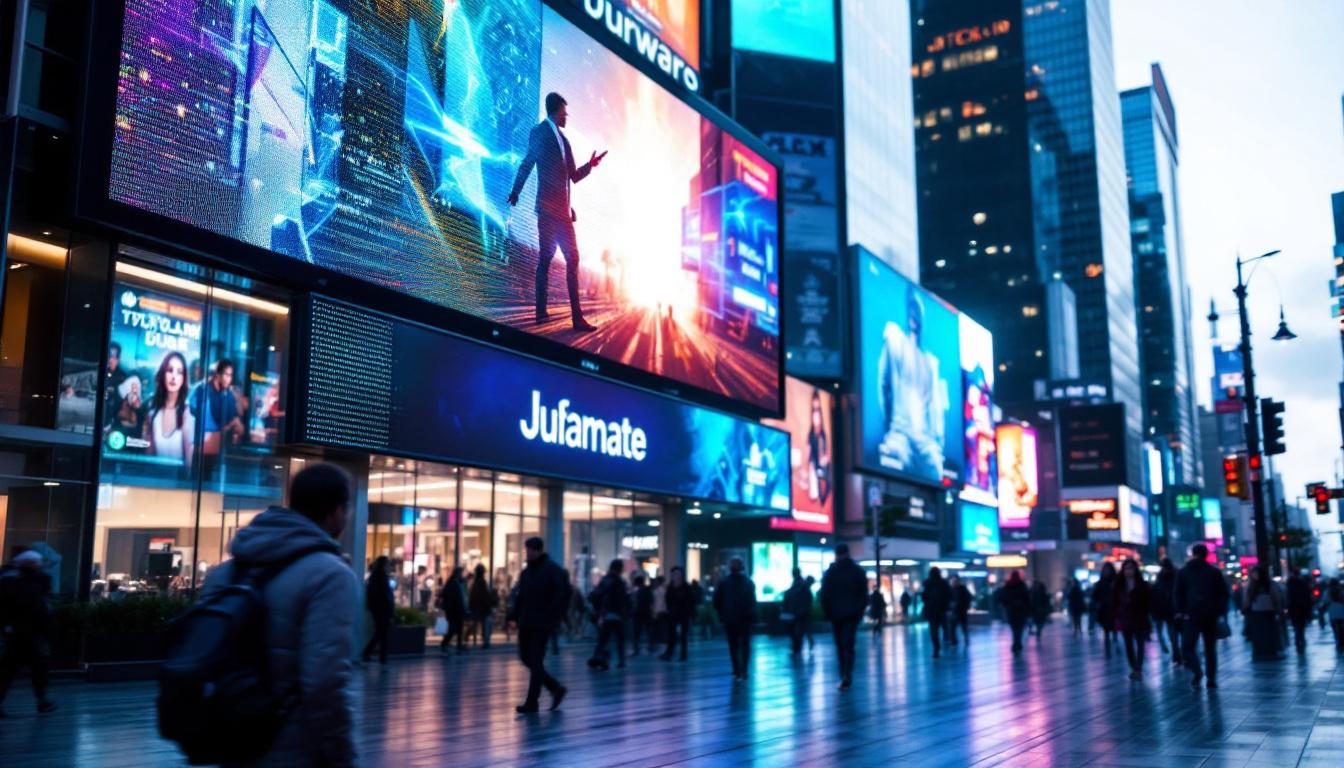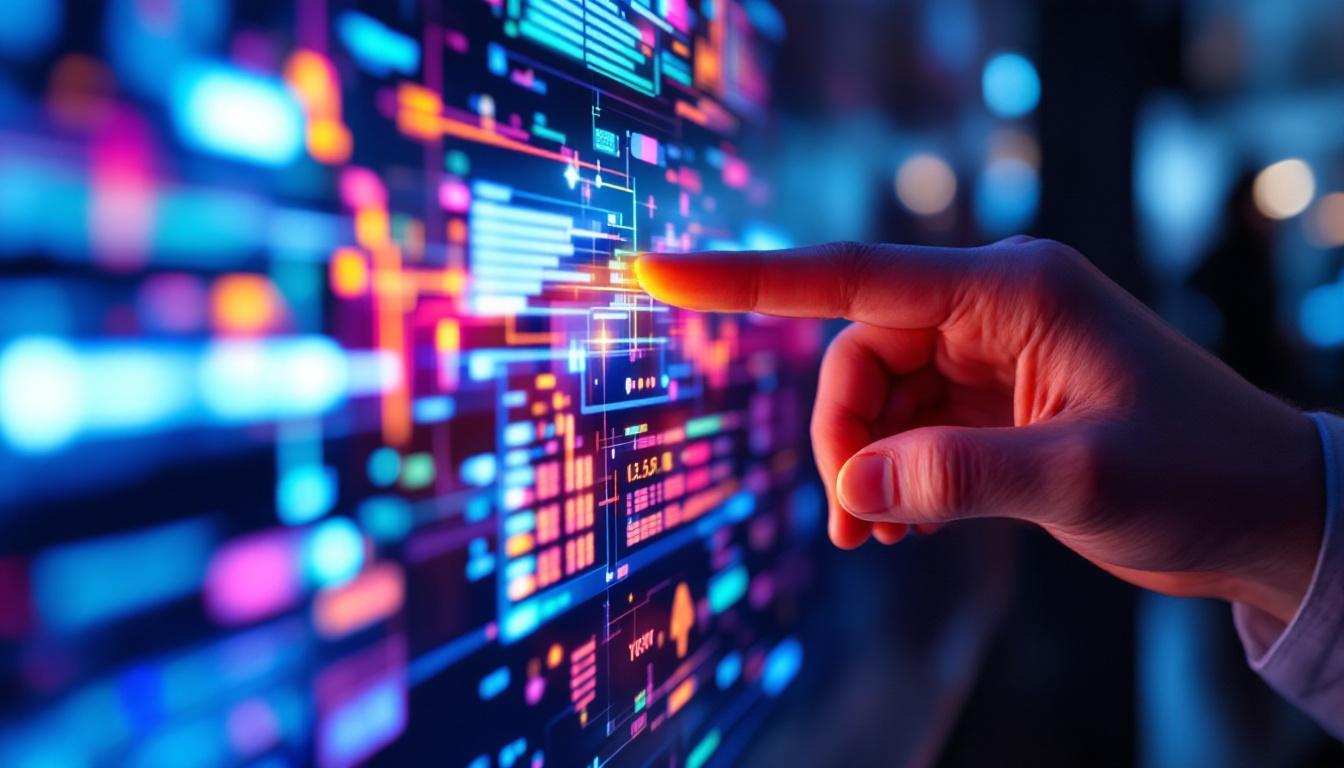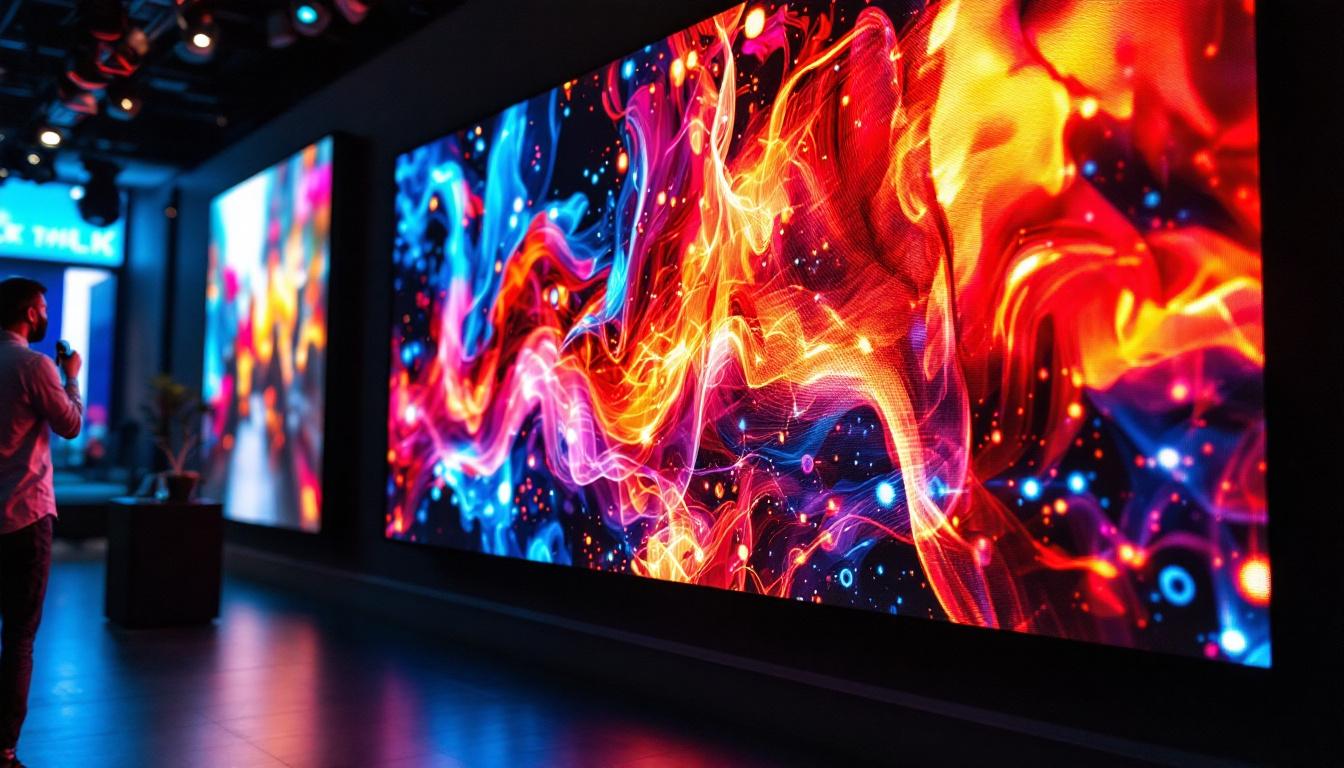
In the rapidly evolving world of digital displays, 4K LED walls have emerged as a groundbreaking technology, transforming how businesses, event organizers, and advertisers engage their audiences. These vibrant, high-resolution displays offer unparalleled visual experiences that captivate viewers and provide dynamic content delivery on a massive scale. This article delves into the intricacies of 4K LED walls, explaining their technology, applications, advantages, and future trends.
Understanding 4K LED Walls: What Are They?
A 4K LED wall is a large-scale digital display composed of numerous LED panels seamlessly tiled together to create a single, ultra-high-definition screen. The term “4K” refers to the display resolution, which is approximately 3840 x 2160 pixels, offering four times the pixel count of standard 1080p HD screens. This high pixel density ensures crisp, sharp images with outstanding detail, even when viewed from close distances.
Unlike traditional LCD or projection screens, LED walls use light-emitting diodes (LEDs) as their light source. Each pixel on the screen consists of tiny red, green, and blue LEDs that combine to produce a vast spectrum of colors. This direct emission of light results in superior brightness, contrast, and color accuracy, making LED walls particularly effective in environments with high ambient lighting.
Key Components of a 4K LED Wall
At the heart of a 4K LED wall are modular LED panels, each containing thousands of microscopic LEDs arranged in a grid. These panels are designed to fit together seamlessly, creating a uniform display without visible bezels. The panels connect to a control system that manages the input signals, synchronizes the content, and calibrates color and brightness for a consistent image across the entire wall.
Additionally, advanced video processors and software play a crucial role in scaling and distributing 4K content across the LED wall. These systems handle complex tasks such as pixel mapping, color correction, and real-time content adjustments, ensuring the display maintains optimal performance under various conditions. The integration of these technologies allows for dynamic content management, enabling operators to switch between multiple sources and formats effortlessly, making it ideal for live events, presentations, and immersive experiences.
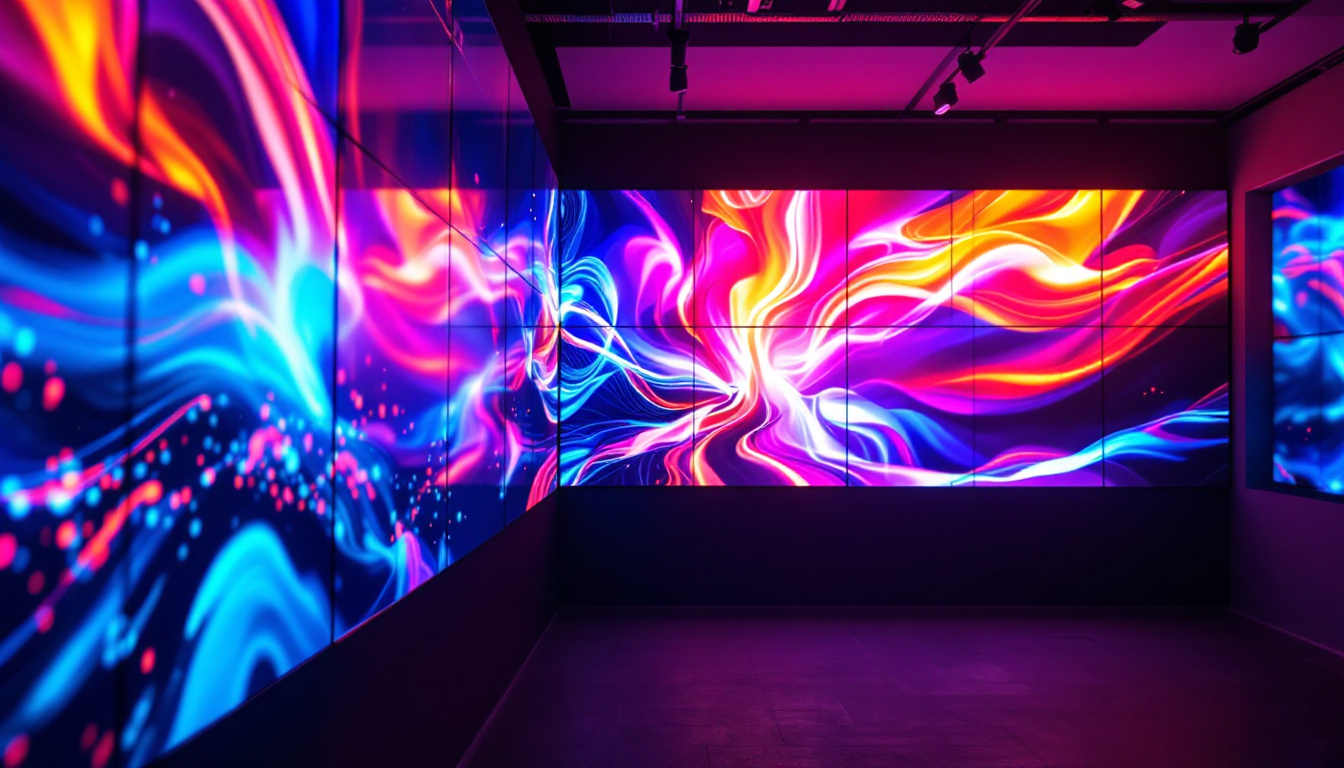
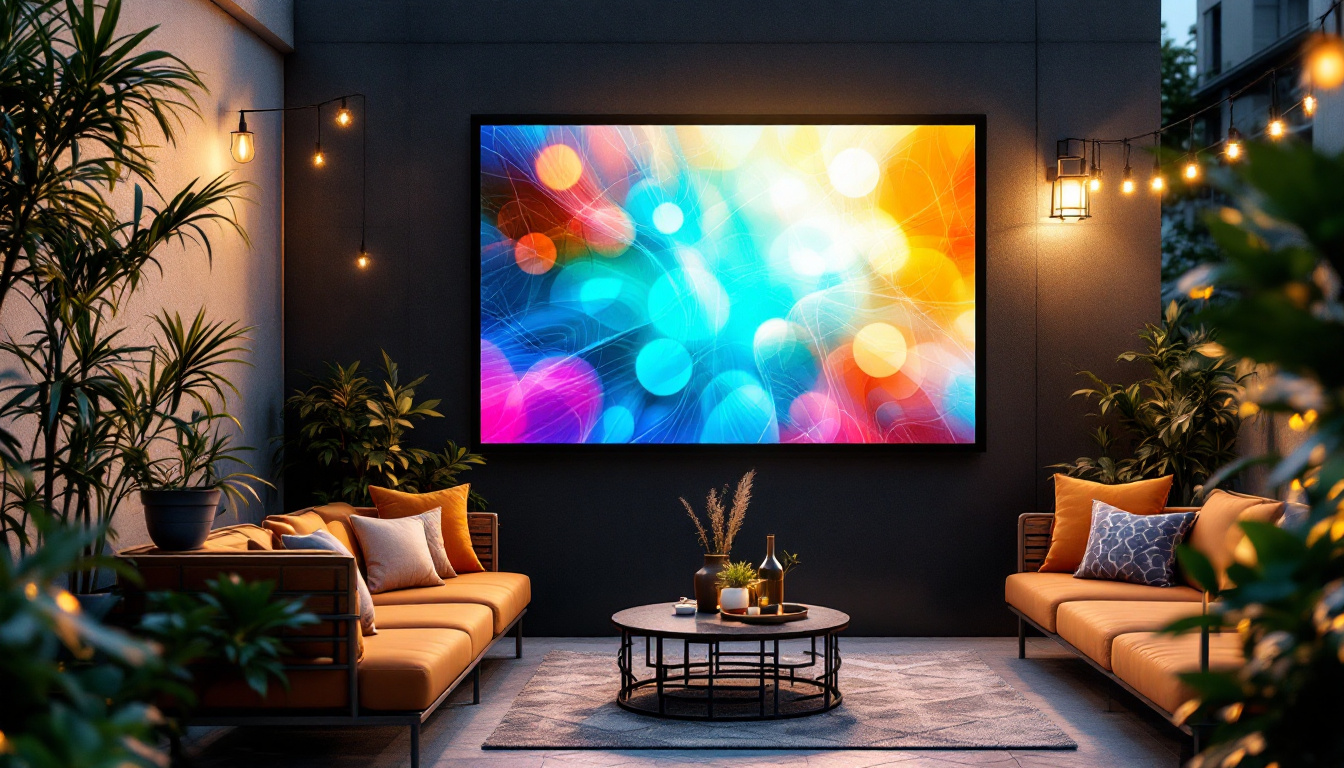
Moreover, the versatility of 4K LED walls extends beyond mere display capabilities. They can be configured in various shapes and sizes, allowing for creative installations that enhance architectural spaces or create captivating environments in retail and entertainment venues. From curved displays that wrap around corners to massive video façades that cover entire buildings, the adaptability of LED technology opens up new avenues for artistic expression and audience engagement. This flexibility not only captivates viewers but also provides brands and organizations with innovative ways to communicate their messages effectively.
Advantages of 4K LED Walls Over Traditional Displays
4K LED walls offer several significant advantages compared to conventional display technologies, such as LCD screens or projectors. These benefits make them the preferred choice for many commercial and entertainment applications.
Superior Image Quality and Brightness
The direct illumination from LEDs allows 4K LED walls to achieve brightness levels exceeding 1,000 nits, far surpassing most LCD and projector systems. This brightness ensures that images remain vivid and clear, even in brightly lit venues or outdoor settings. The high resolution combined with excellent color accuracy provides a visually immersive experience that captivates audiences. Additionally, the contrast ratio of LED walls is significantly enhanced, allowing for deeper blacks and brighter whites, which further enriches the viewing experience. This is particularly beneficial for applications such as concerts or sporting events, where dynamic visuals play a crucial role in audience engagement.
Scalability and Flexibility
One of the standout features of LED walls is their modular nature. Panels can be combined in virtually any size or shape, enabling custom configurations that suit diverse environments—from massive stadium screens to compact retail displays. This flexibility also allows for easy maintenance and upgrades, as individual panels can be replaced without dismantling the entire wall. Furthermore, the ability to create curved or irregularly shaped displays opens up new creative possibilities for designers and marketers, allowing them to craft unique visual experiences that can adapt to the specific needs of their audience. This adaptability is increasingly important in a world where capturing attention is paramount.
Durability and Longevity
LED technology is known for its robustness and long lifespan, often exceeding 100,000 hours of operation. Unlike projectors, which require frequent lamp replacements and can be sensitive to environmental conditions, LED walls are designed to withstand harsh weather, dust, and temperature fluctuations. This durability reduces maintenance costs and downtime. Moreover, the solid-state nature of LEDs means they are less prone to damage from impacts or vibrations, making them ideal for high-traffic areas or mobile applications, such as events or exhibitions. This resilience ensures that businesses can rely on their investment for years without the constant worry of technical failures.
Energy Efficiency
Despite their high brightness, LED walls are relatively energy-efficient compared to other large-scale display technologies. LEDs consume less power and generate less heat, contributing to lower operational costs and a smaller environmental footprint. This energy efficiency not only translates into cost savings for businesses but also aligns with the growing emphasis on sustainability in technology. As companies increasingly seek to reduce their carbon footprint, the use of LED walls can be a significant step towards achieving greener operations. Additionally, many modern LED systems come equipped with smart technology that allows for automated brightness adjustments based on ambient light conditions, further optimizing energy use and enhancing performance.
Common Applications of 4K LED Walls
The versatility and visual impact of 4K LED walls have led to their widespread adoption across various industries. Understanding these applications highlights why investing in LED wall technology can be a game-changer for many organizations.
Entertainment and Live Events
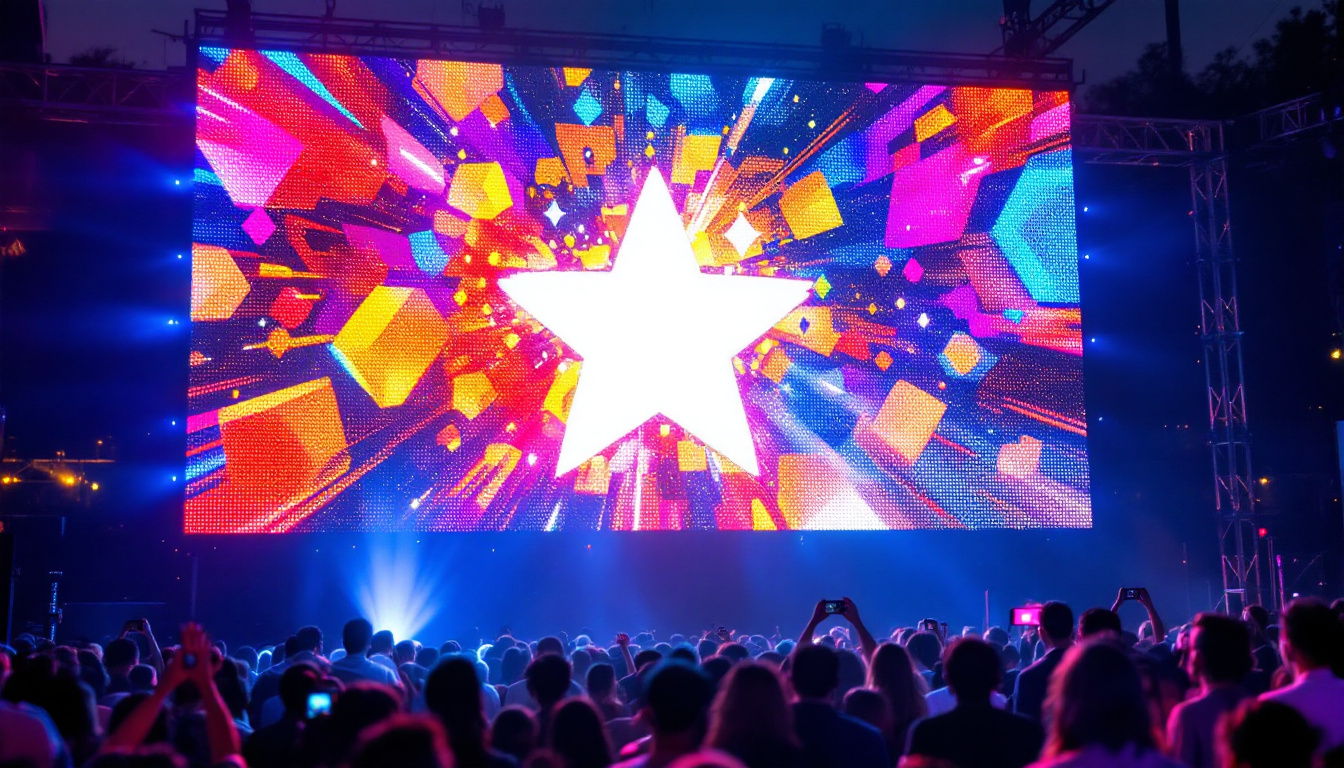
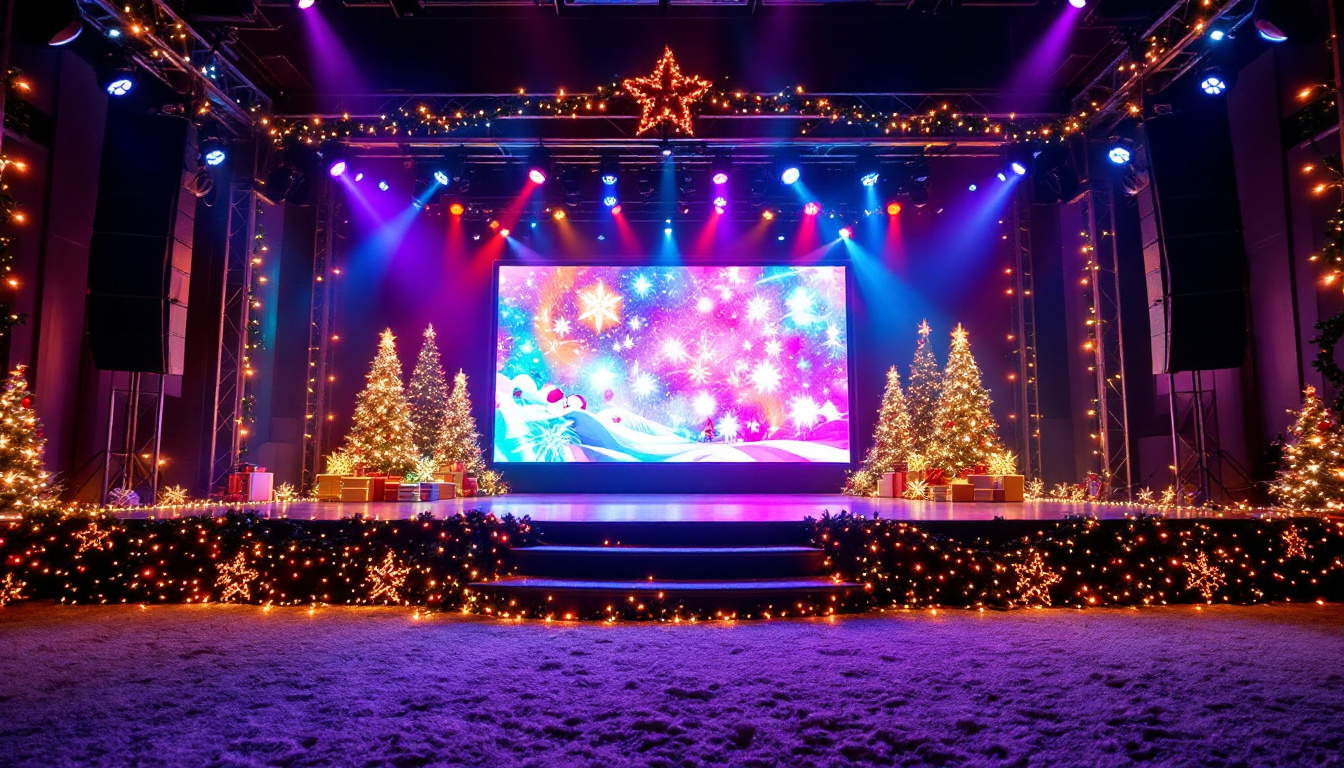
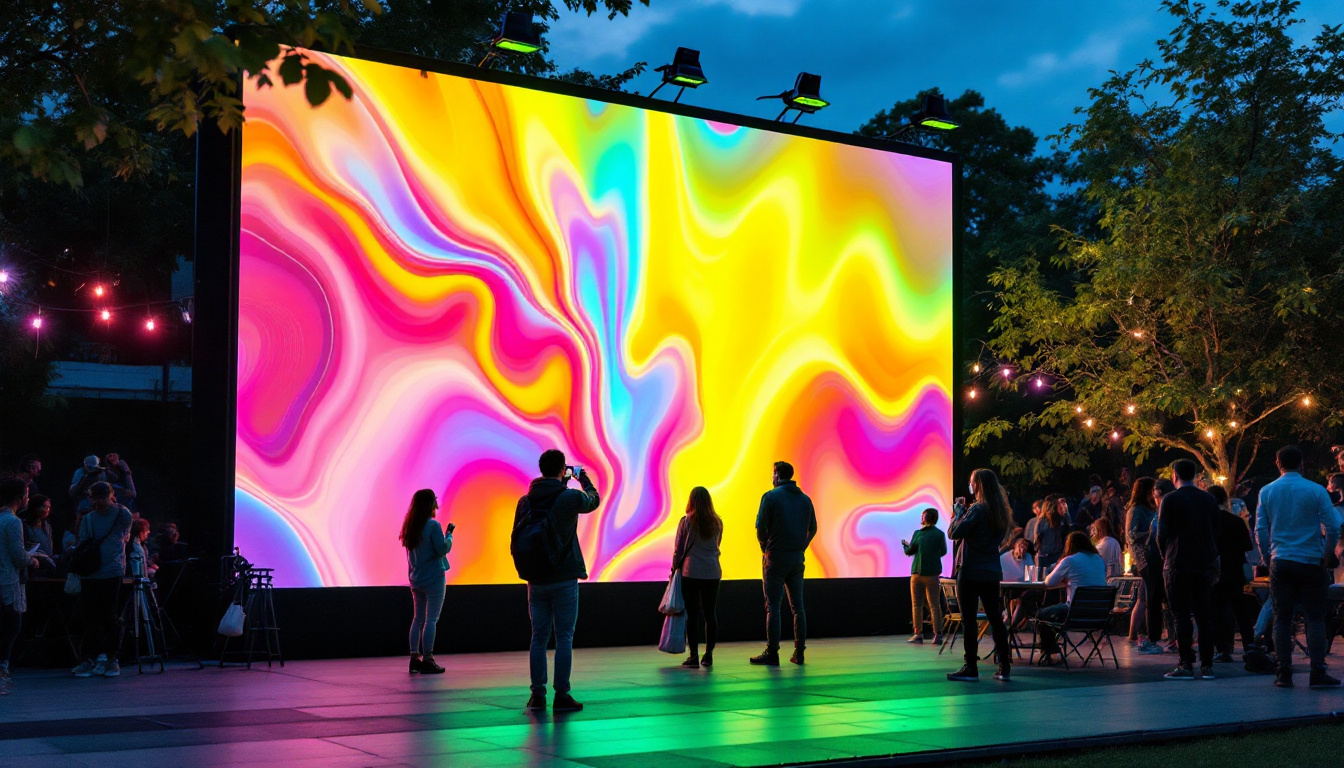
Concerts, festivals, and sports arenas frequently utilize 4K LED walls to enhance the audience experience. These walls serve as dynamic backdrops, displaying live feeds, graphics, and special effects that synchronize with performances. The high resolution ensures that even spectators seated far from the stage can enjoy clear, engaging visuals.
Corporate and Retail Environments
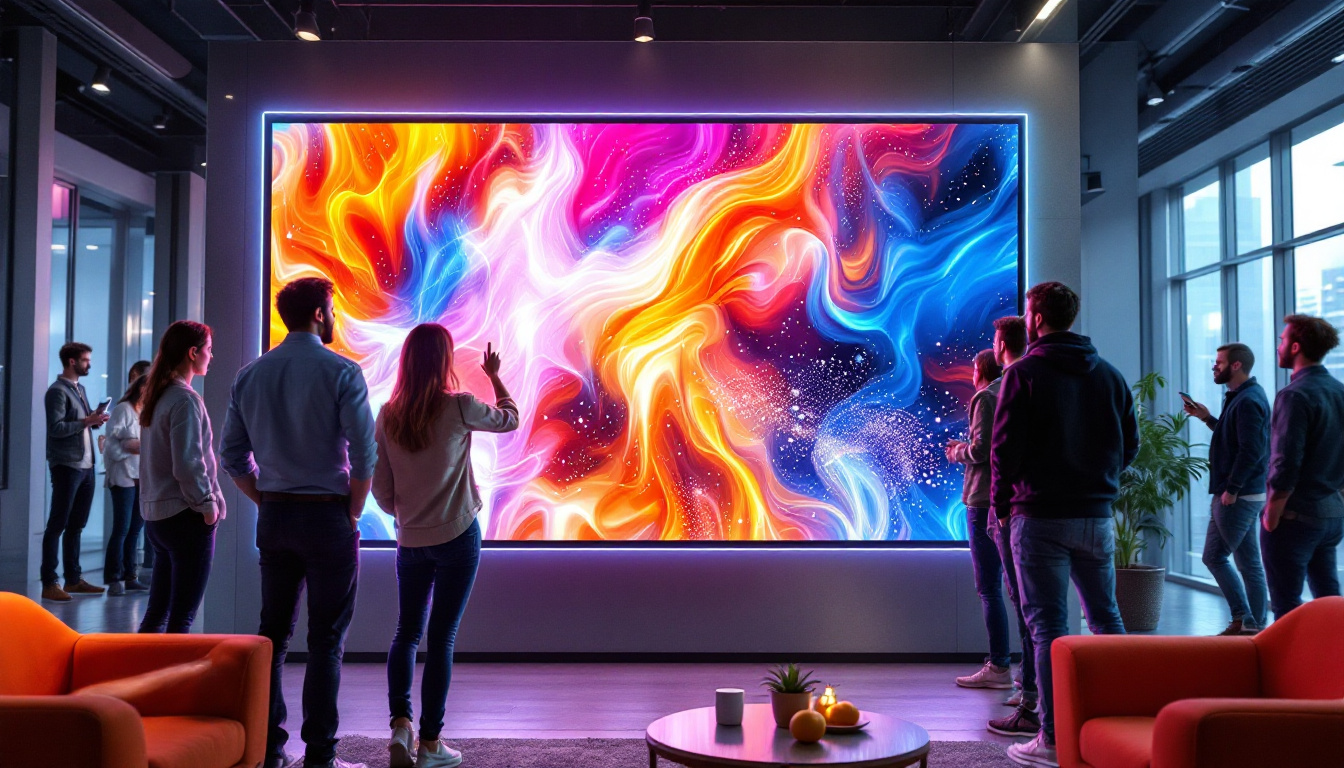
Businesses leverage 4K LED walls for presentations, product launches, and brand promotions. In retail, these displays attract customers with eye-catching advertisements and interactive content. The ability to update content in real-time allows companies to tailor messaging based on time of day, audience demographics, or promotional campaigns.
Broadcast and Control Rooms
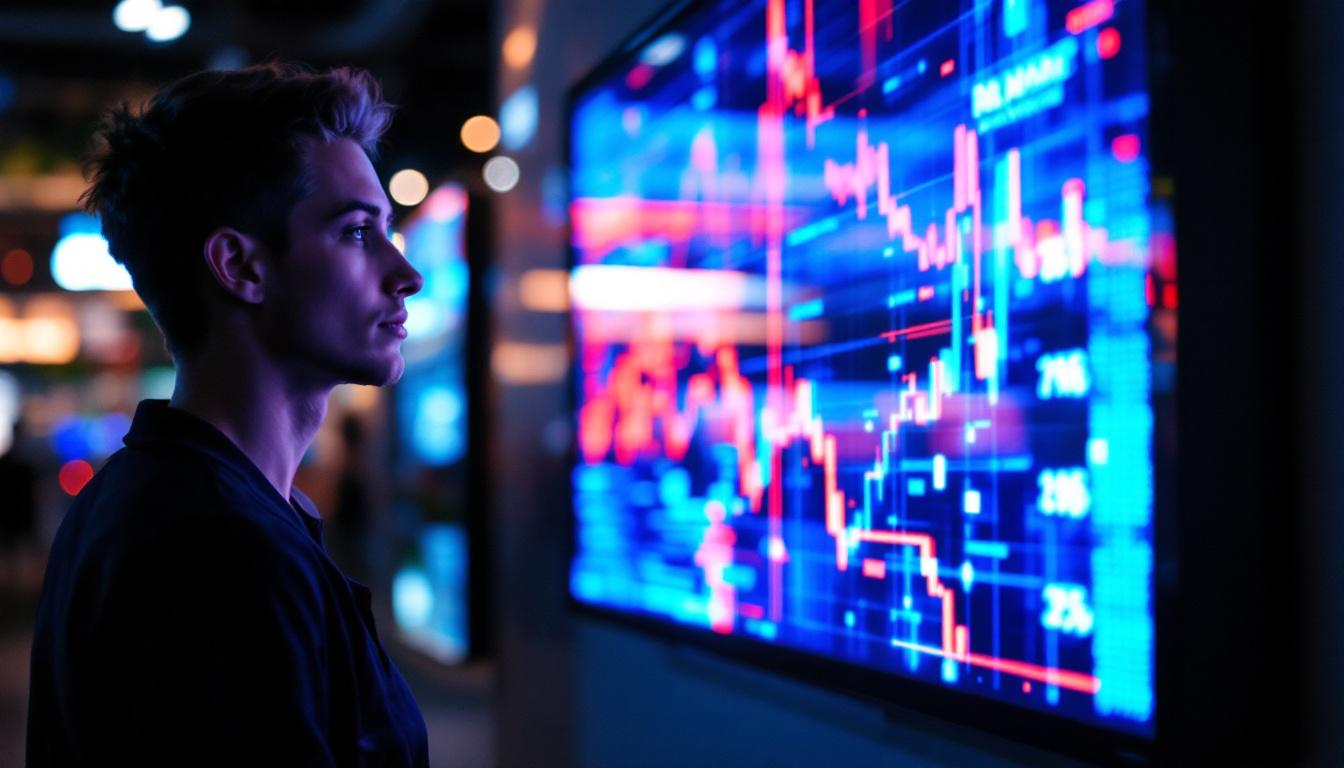
News studios and control centers depend on 4K LED walls for monitoring multiple data streams simultaneously. The expansive screen real estate and high resolution facilitate detailed visualization of complex information, improving decision-making and operational efficiency.
Public Spaces and Transportation Hubs
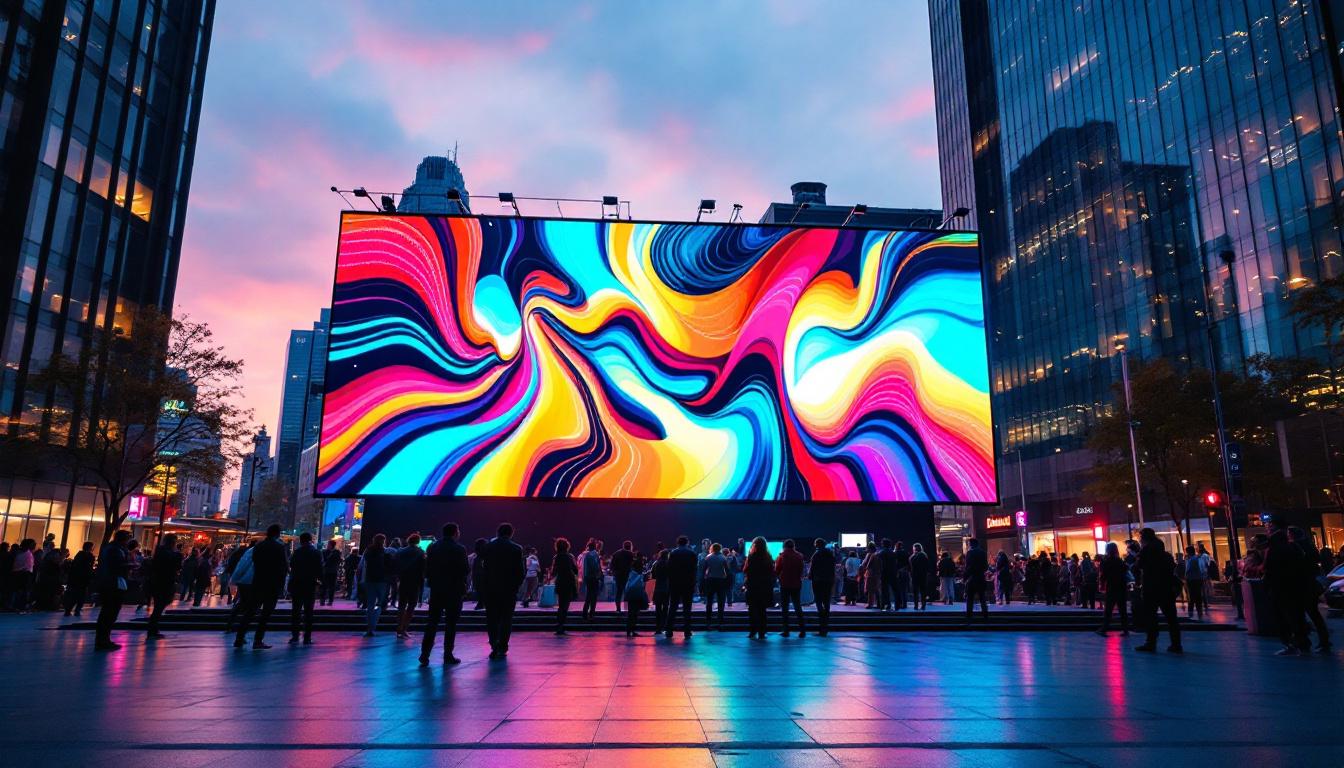
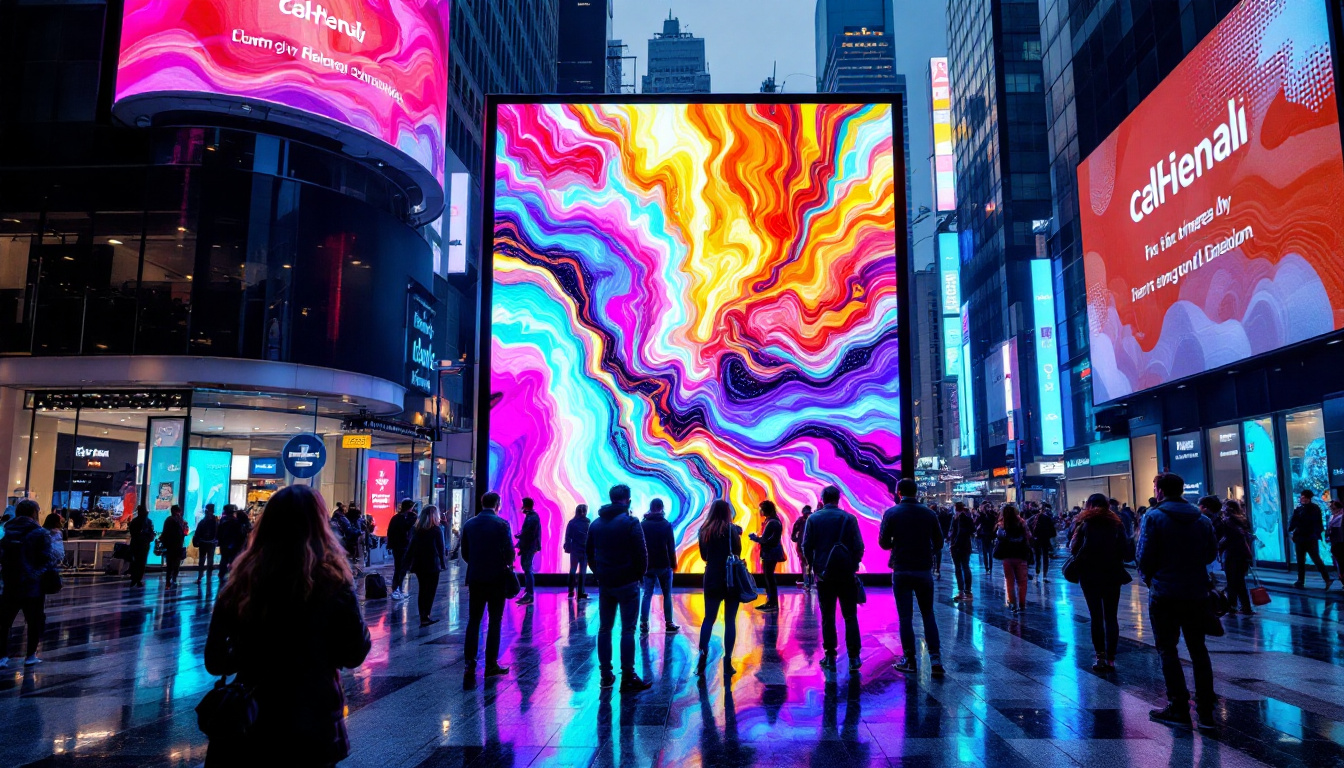
Airports, train stations, and city squares use LED walls for wayfinding, announcements, and public art installations. The durability and brightness of LED walls make them ideal for outdoor use, ensuring messages remain visible under various weather and lighting conditions.
Technical Considerations When Choosing a 4K LED Wall
Selecting the right 4K LED wall involves evaluating several technical factors to ensure the display meets specific needs and environmental conditions. These considerations affect image quality, installation complexity, and overall cost.
Pixel Pitch and Viewing Distance
Pixel pitch refers to the distance between the centers of adjacent LEDs and is measured in millimeters. A smaller pixel pitch means higher pixel density and sharper images, especially at close viewing distances. For indoor applications where viewers are near the screen, pixel pitches of 1.2mm to 2.5mm are common. Outdoor installations, viewed from farther away, often use larger pixel pitches of 4mm or more.
Brightness and Contrast Ratio
Brightness is critical for visibility in various lighting conditions. Indoor LED walls typically have brightness levels between 800 and 1,200 nits, while outdoor walls may exceed 5,000 nits to combat sunlight glare. Contrast ratio, the difference between the darkest and brightest parts of the image, affects image depth and realism. High contrast ratios contribute to richer visuals.
Refresh Rate and Color Depth
A high refresh rate (measured in Hertz) prevents flickering and ensures smooth motion, which is essential for video content. Most 4K LED walls support refresh rates of 3,840 Hz or higher. Color depth, often 16-bit or greater, determines the range of colors the display can reproduce, influencing overall image fidelity.
Installation and Maintenance
Considerations such as mounting options, weight, and accessibility for maintenance are crucial. Front-serviceable LED walls allow technicians to replace panels from the front without dismantling the entire structure, reducing downtime and installation complexity.
The Future of 4K LED Walls: Trends and Innovations
As LED technology continues to advance, 4K LED walls are poised to become even more versatile and impactful. Emerging trends highlight exciting possibilities for the future.
Higher Resolutions and Pixel Densities
While 4K resolution is currently the standard for high-definition LED walls, manufacturers are developing 8K and beyond. These ultra-high resolutions will enable even more detailed and immersive visual experiences, particularly for applications requiring close-up viewing.
Flexible and Transparent LED Displays
Innovations in flexible LED panels allow for curved or irregularly shaped walls, expanding creative possibilities in design and architecture. Transparent LED displays, which can be integrated into glass surfaces, offer new ways to blend digital content with physical environments without obstructing views.
Integration with Augmented Reality (AR) and Artificial Intelligence (AI)
Combining LED walls with AR and AI technologies can create interactive and personalized experiences. For example, AI-driven content management systems can analyze audience engagement and adjust visuals in real-time, enhancing effectiveness and relevance.
Energy Efficiency and Sustainability
Ongoing improvements in LED efficiency and materials aim to reduce power consumption and environmental impact. Sustainable manufacturing practices and recyclable components are becoming priorities as the industry moves toward greener solutions.
Conclusion
4K LED walls represent a significant leap forward in digital display technology, offering unmatched image quality, flexibility, and durability. Their ability to captivate audiences across diverse applications—from entertainment and corporate settings to public spaces—makes them an invaluable tool in today’s visually driven world. Understanding the technical aspects and future trends of 4K LED walls empowers businesses and event organizers to make informed decisions, ensuring their investments deliver maximum impact and longevity.
As the technology continues to evolve, 4K LED walls will undoubtedly play a central role in shaping immersive visual experiences, pushing the boundaries of how content is created, displayed, and perceived.
Discover Cutting-Edge Visual Solutions with LumenMatrix
Ready to elevate your visual storytelling and captivate your audience with unparalleled clarity and impact? Explore LumenMatrix’s innovative LED display technologies, from Indoor and Outdoor LED Wall Displays to specialized solutions like Vehicle, Sports, and Floor LED Displays. Embrace the future of digital signage with our Custom, All-in-One, and Transparent LED Displays, designed to revolutionize visual communication and engagement. Check out LumenMatrix LED Display Solutions today and transform your space into a mesmerizing visual experience.