In today’s fast-evolving digital landscape, touch screen technology has become an integral part of both personal and professional environments. Among the various options available, the 50 inch touch screen LED display stands out as a versatile and powerful tool. Whether used in corporate boardrooms, educational settings, retail spaces, or interactive kiosks, these displays offer a blend of size, clarity, and responsiveness that meets diverse needs.
This article dives deep into the technology behind 50 inch touch screen LED displays, exploring their features, benefits, and practical applications. It also addresses important considerations for selecting the right display and maintaining optimal performance over time.
Understanding the Basics of LED Touch Screen Displays
What is an LED Display?
LED, or Light Emitting Diode, displays are a type of flat panel display technology that uses an array of light-emitting diodes as pixels to produce images. Unlike traditional LCDs that rely on backlighting, LED displays use these diodes to emit light directly, resulting in brighter images, deeper blacks, and improved energy efficiency. This technology has revolutionized the way we view media, making it a preferred choice for everything from televisions to digital signage.
The 50 inch dimension refers to the diagonal measurement of the screen, offering a substantial viewing area that balances visibility and space efficiency. This size is particularly popular for interactive applications where users need to engage with content comfortably without overwhelming the room. In addition to their aesthetic appeal, these displays are often equipped with high-definition resolutions, ensuring that images are not only vibrant but also crystal clear, making them ideal for presentations, gaming, and educational purposes.
How Touch Screen Technology Works
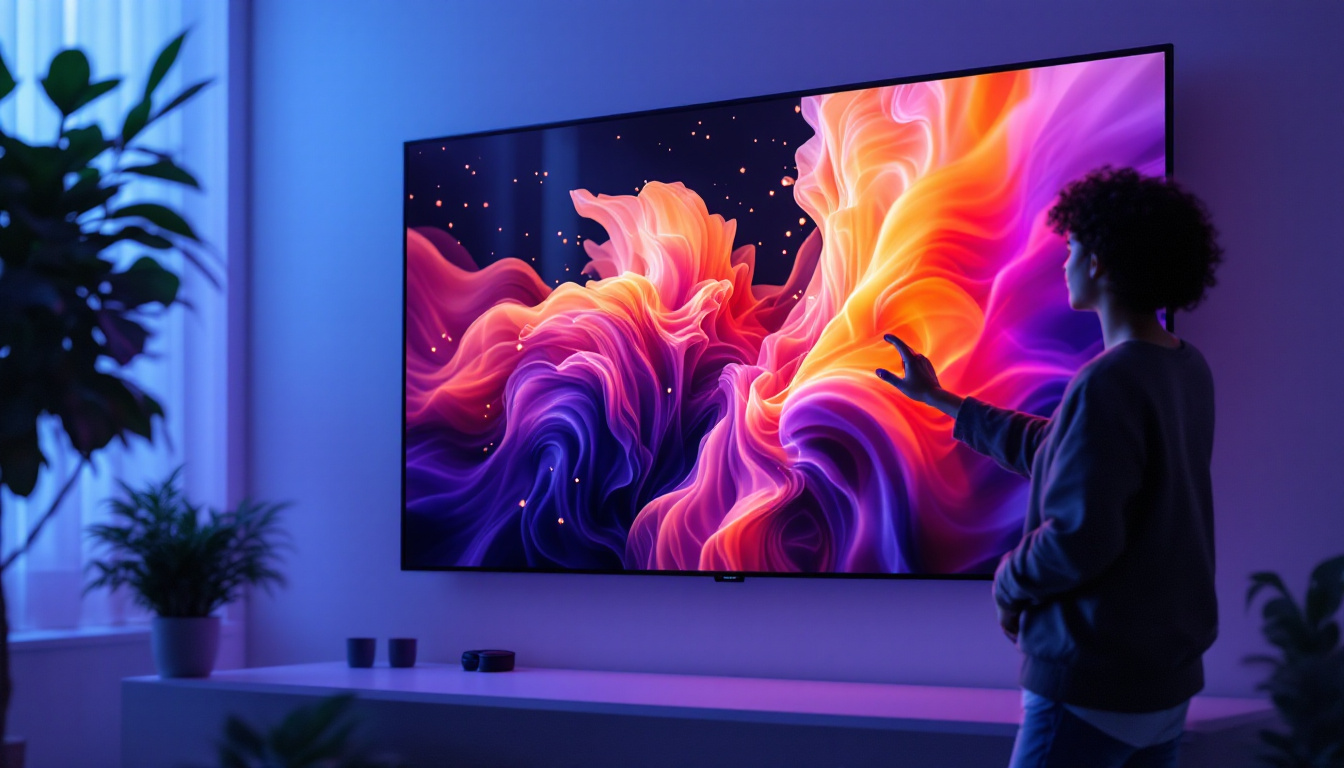
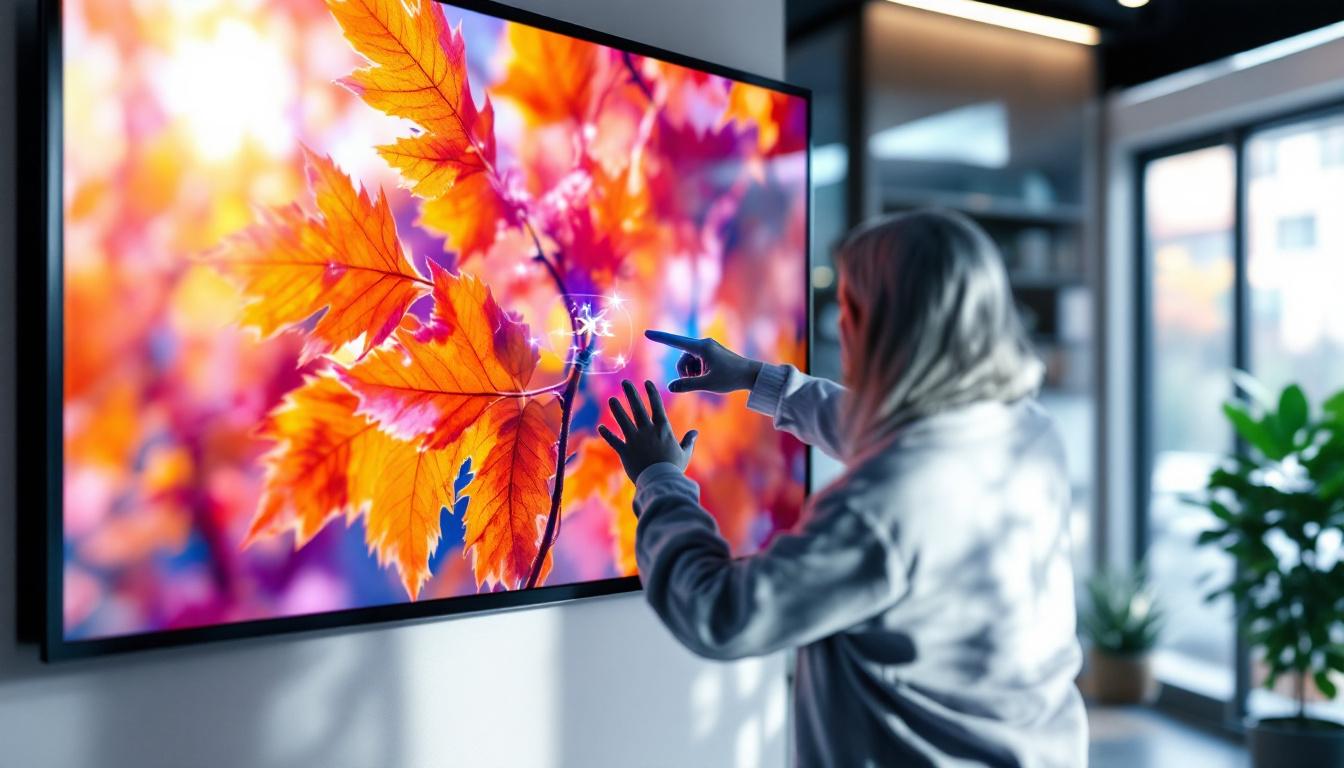
Touch screens integrate a touch-sensitive layer over the display panel, enabling users to interact directly with what is shown on the screen. The most common touch technologies used in 50 inch LED displays include capacitive and infrared touch systems. These systems have become increasingly sophisticated, allowing for seamless interaction that enhances user experience in various settings, from corporate boardrooms to classrooms.
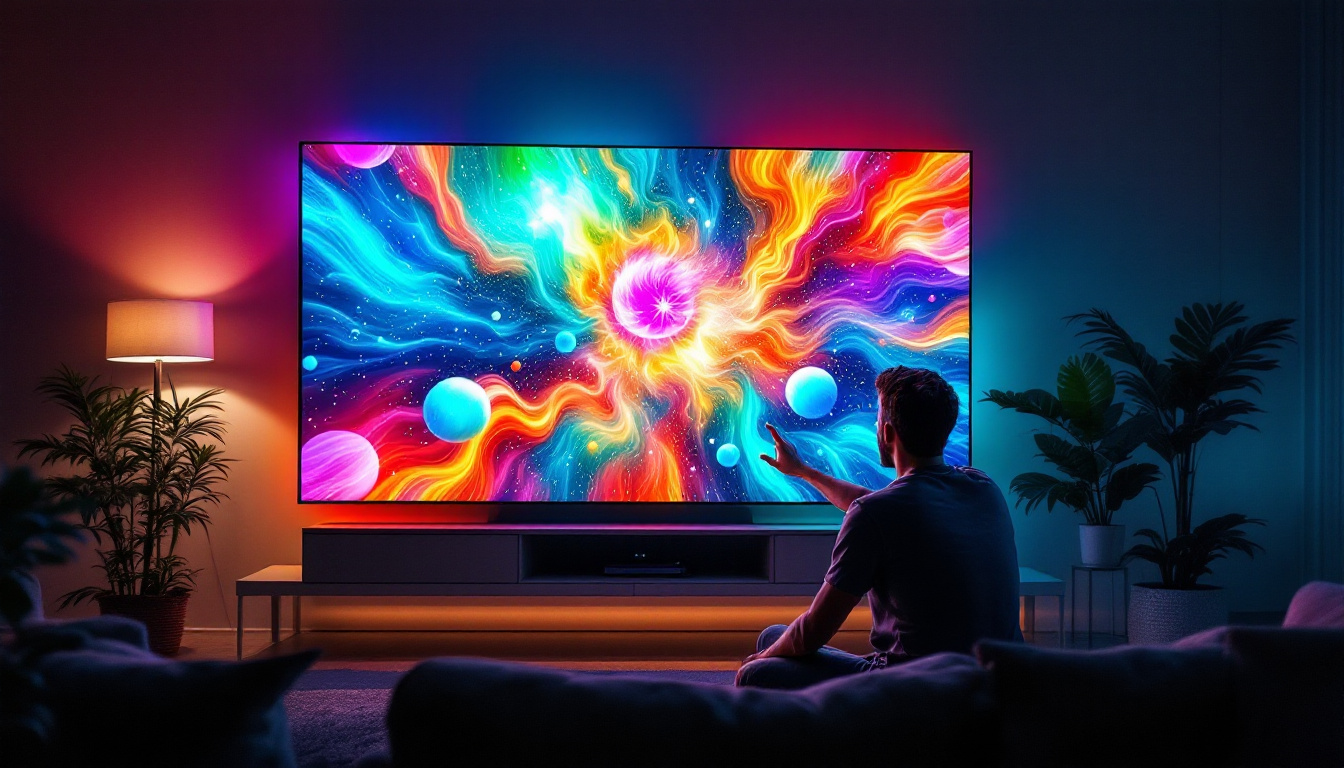
Capacitive touch screens detect touch by sensing the electrical properties of the human finger, offering high accuracy and multi-touch capabilities. Infrared touch screens use a grid of invisible light beams across the screen surface; when a finger or stylus interrupts these beams, the system registers the touch point. Both technologies have their advantages: capacitive screens generally provide smoother, more responsive interactions, while infrared systems can be more durable and work with gloves or styluses. Furthermore, advancements in touch technology have led to innovations like gesture recognition, enabling users to navigate through swipes and pinches, making the interaction even more intuitive and engaging.
As touch screen technology continues to evolve, we are witnessing the emergence of hybrid systems that combine the strengths of both capacitive and infrared methods. These hybrid systems not only enhance the accuracy of touch detection but also improve the overall durability of the display, making them suitable for various environments, including those with high foot traffic or industrial applications. This versatility opens up new possibilities for interactive experiences, allowing businesses to create dynamic displays that can adapt to the needs of their audience.
Key Features of 50 Inch Touch Screen LED Displays
Display Resolution and Image Quality
One of the defining features of a 50 inch LED touch screen is its resolution. Common resolutions include Full HD (1920×1080 pixels) and 4K Ultra HD (3840×2160 pixels). Higher resolution displays provide sharper images and finer detail, which is crucial for applications such as graphic design, video conferencing, and digital signage.
LED technology enhances brightness and contrast, making the display visible even in well-lit environments. This is particularly important for public spaces and classrooms where ambient lighting conditions can vary significantly. Additionally, many modern displays incorporate anti-glare coatings, which further improve visibility by reducing reflections from overhead lights or windows, ensuring that content remains clear and engaging regardless of the surrounding light conditions.
Touch Responsiveness and Multi-Touch Support
Responsiveness is critical for a satisfying user experience. A 50 inch touch screen should offer minimal latency between touch input and screen response. Multi-touch support allows multiple points of contact simultaneously, enabling gestures like pinch-to-zoom and two-finger scrolling, which are essential for intuitive navigation.
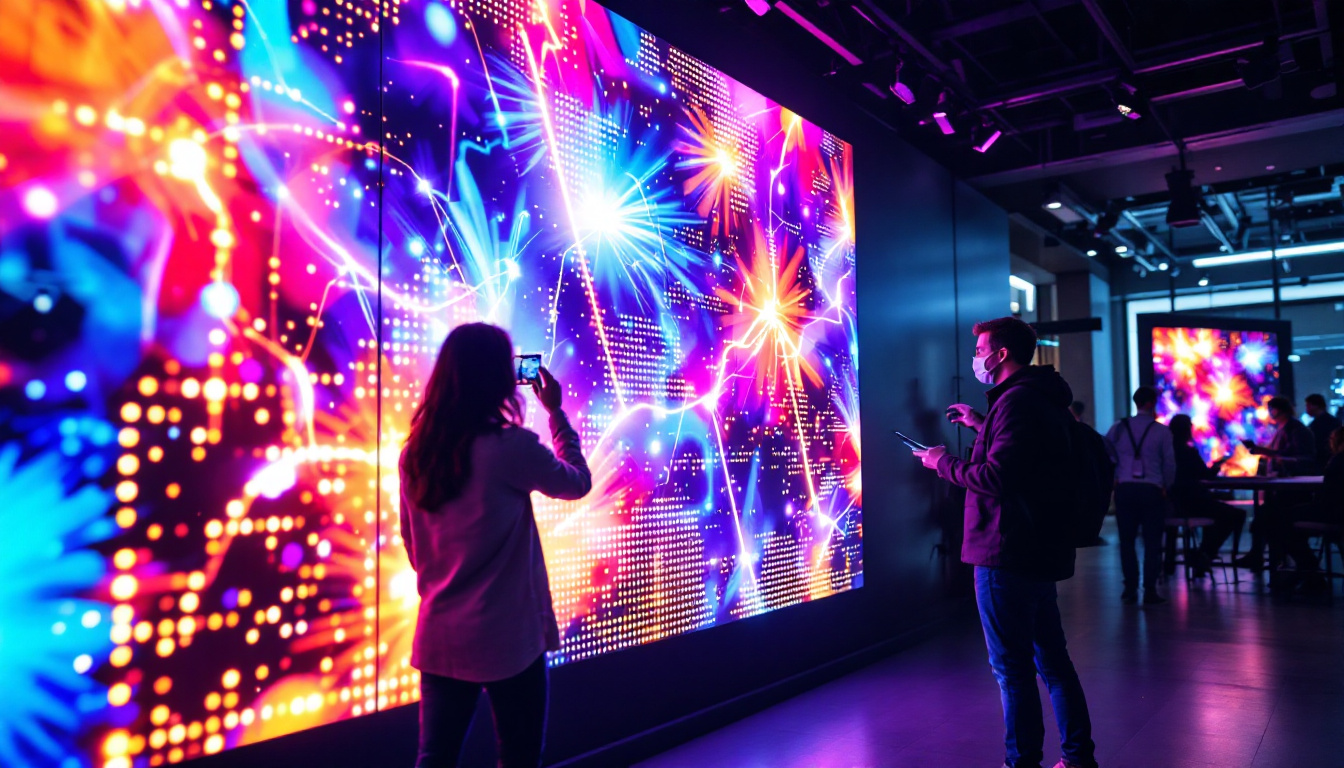
Advanced displays support up to 10 or more touch points, accommodating collaborative work environments where several users interact with the screen at once. This capability is particularly beneficial in educational settings, where teachers and students can engage with interactive lessons, or in business meetings, where teams can brainstorm and share ideas in real-time. Furthermore, some models include palm rejection technology, which distinguishes between intentional touch and accidental contact, enhancing the overall user experience during presentations or interactive sessions.
Connectivity and Compatibility
Modern 50 inch touch screen LED displays come equipped with a variety of connectivity options, including HDMI, USB, DisplayPort, and wireless interfaces such as Bluetooth and Wi-Fi. This versatility ensures compatibility with computers, media players, and mobile devices, facilitating seamless integration into existing workflows.
Some models also feature built-in operating systems like Android or Windows, allowing them to function as standalone devices for presentations, web browsing, and application use without requiring an external PC. This independence from traditional computing devices opens up a world of possibilities, enabling users to run interactive applications directly from the display. Furthermore, many displays support screen mirroring and casting, allowing users to share content from their smartphones or tablets effortlessly, making them ideal for dynamic presentations and collaborative projects in both corporate and educational environments.
Applications of 50 Inch Touch Screen LED Displays
Corporate and Educational Environments
In corporate settings, 50 inch touch screen displays are often used in meeting rooms and huddle spaces to enhance collaboration. Interactive whiteboarding, video conferencing, and real-time document editing become more engaging and efficient with a large, responsive touch surface.
Educational institutions leverage these displays to create dynamic learning experiences. Teachers can annotate directly on digital content, students can participate interactively, and multimedia presentations come to life with vivid colors and sharp detail.
Retail and Hospitality
Retailers use 50 inch touch screen LED displays as interactive kiosks for product browsing, self-checkout, and promotional content. The combination of size and touch interactivity attracts customers and improves the shopping experience.
In hospitality, these displays serve as digital concierge stations, wayfinding tools, and entertainment hubs in lobbies and guest rooms, enhancing customer satisfaction and operational efficiency.
Healthcare and Public Services
Healthcare providers utilize large touch screens for patient check-in, information dissemination, and telemedicine consultations. The intuitive interface helps reduce wait times and improves communication between patients and staff.
Public service centers deploy these displays for interactive maps, service directories, and public announcements, making information accessible and user-friendly.
Choosing the Right 50 Inch Touch Screen LED Display
Assessing Your Needs
Before investing in a 50 inch touch screen LED display, it’s essential to evaluate the intended use case. Consider factors such as the environment (indoor vs. outdoor), user interaction frequency, and the types of content to be displayed.
For example, a display used in a bright retail environment may require higher brightness and anti-glare coatings, while a corporate boardroom screen might prioritize resolution and multi-touch capabilities.
Durability and Maintenance
Durability is a key consideration, especially in high-traffic areas. Look for features like tempered glass surfaces, IP ratings for dust and water resistance, and robust mounting options. These factors contribute to the longevity and reliability of the display.
Maintenance requirements vary by model but typically include regular cleaning of the screen surface and software updates to ensure optimal performance and security.
Budget and Warranty
Pricing for 50 inch touch screen LED displays can vary widely based on features, brand, and build quality. It’s important to balance cost with functionality to ensure the display meets your needs without overspending.
Additionally, consider the warranty and customer support offered by the manufacturer. A comprehensive warranty can provide peace of mind and protect your investment against defects and malfunctions.
Future Trends in Touch Screen LED Technology
Advancements in Display Resolution and Color Accuracy
The trend toward higher resolution displays continues, with 8K and beyond becoming more accessible. Improvements in color accuracy and HDR (High Dynamic Range) technology are enhancing the visual experience, making content more vibrant and true to life.
Integration of AI and Gesture Controls
Artificial intelligence is beginning to play a role in touch screen technology, enabling features like predictive touch, voice commands, and gesture recognition. These innovations aim to make interactions more natural and efficient, reducing the need for physical contact.
Flexible and Transparent Displays
Research into flexible and transparent LED touch screens is advancing, potentially revolutionizing how displays are integrated into environments. Imagine windows or walls doubling as interactive screens, or curved displays offering immersive experiences.
Conclusion
The 50 inch touch screen LED display represents a powerful convergence of size, clarity, and interactivity. Its versatility makes it suitable for a wide range of applications, from business collaboration and education to retail and healthcare. Understanding the underlying technology and key features helps buyers make informed decisions that align with their specific needs.
As technology continues to evolve, these displays will become even more capable and integrated into everyday life, enhancing how people communicate, learn, and engage with digital content. Whether upgrading an existing setup or investing in new technology, the 50 inch touch screen LED display is a compelling choice for those seeking a dynamic and interactive visual solution.
Discover LumenMatrix LED Display Solutions
Ready to elevate your interactive experiences with a 50 inch touch screen LED display? LumenMatrix is at the forefront of LED display technology, offering a wide array of innovative solutions tailored to your unique needs. From captivating Indoor and Outdoor LED Wall Displays to versatile All-in-One LED Displays and beyond, our products are designed to revolutionize visual communication and engagement. Don’t miss the opportunity to transform your space with our cutting-edge LED display modules. Check out LumenMatrix LED Display Solutions today and see the difference for yourself.