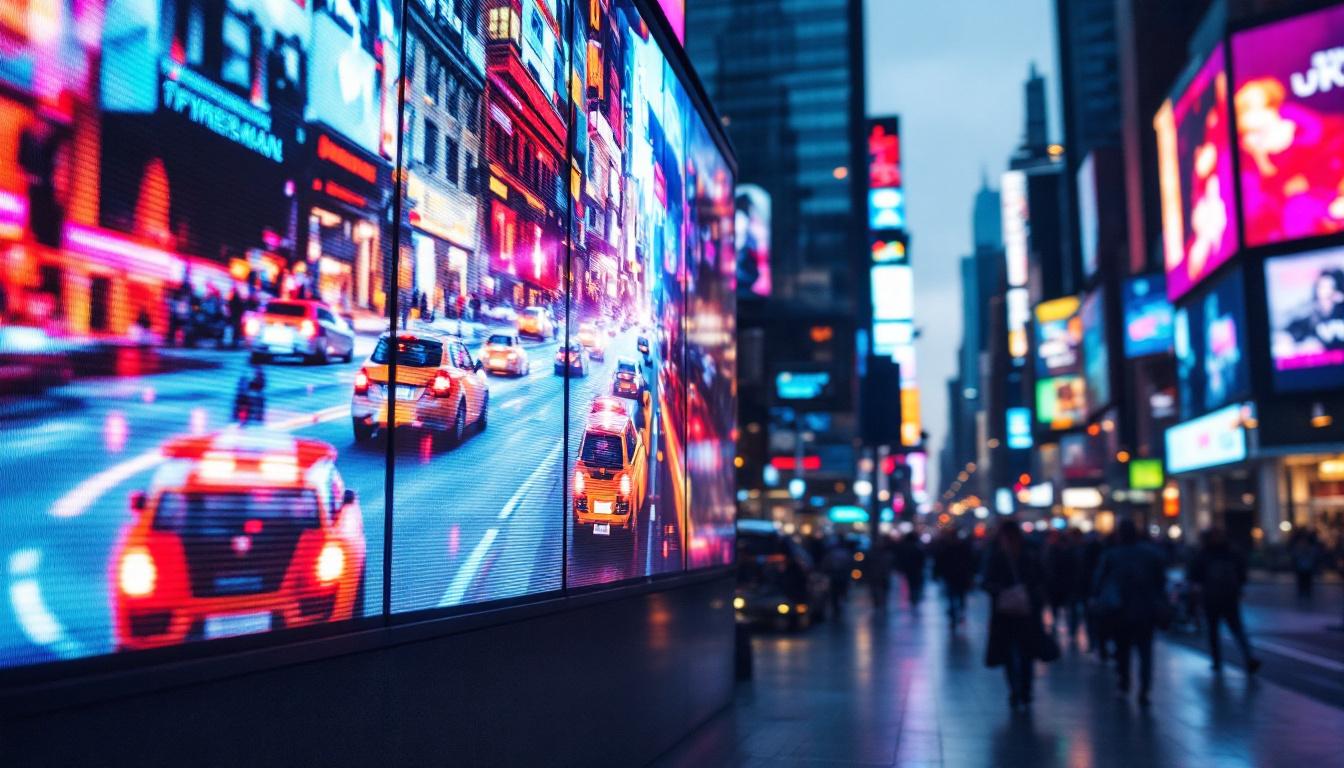
In an era where visual communication is paramount, digital media signage has become a cornerstone of effective marketing and information dissemination. Among the various technologies available, LED displays stand out for their brightness, versatility, and impact. This article delves into the world of LED digital signage, exploring its technology, applications, benefits, and future trends to provide a comprehensive understanding of why LED displays are reshaping the landscape of digital media signage.
Understanding LED Display Technology
What is an LED Display?
LED stands for Light Emitting Diode, a semiconductor device that emits light when an electric current passes through it. An LED display is a flat panel that uses an array of these tiny diodes to produce images, videos, and text. Unlike traditional LCD or projection screens, LED displays generate their own light, which allows for superior brightness and contrast.
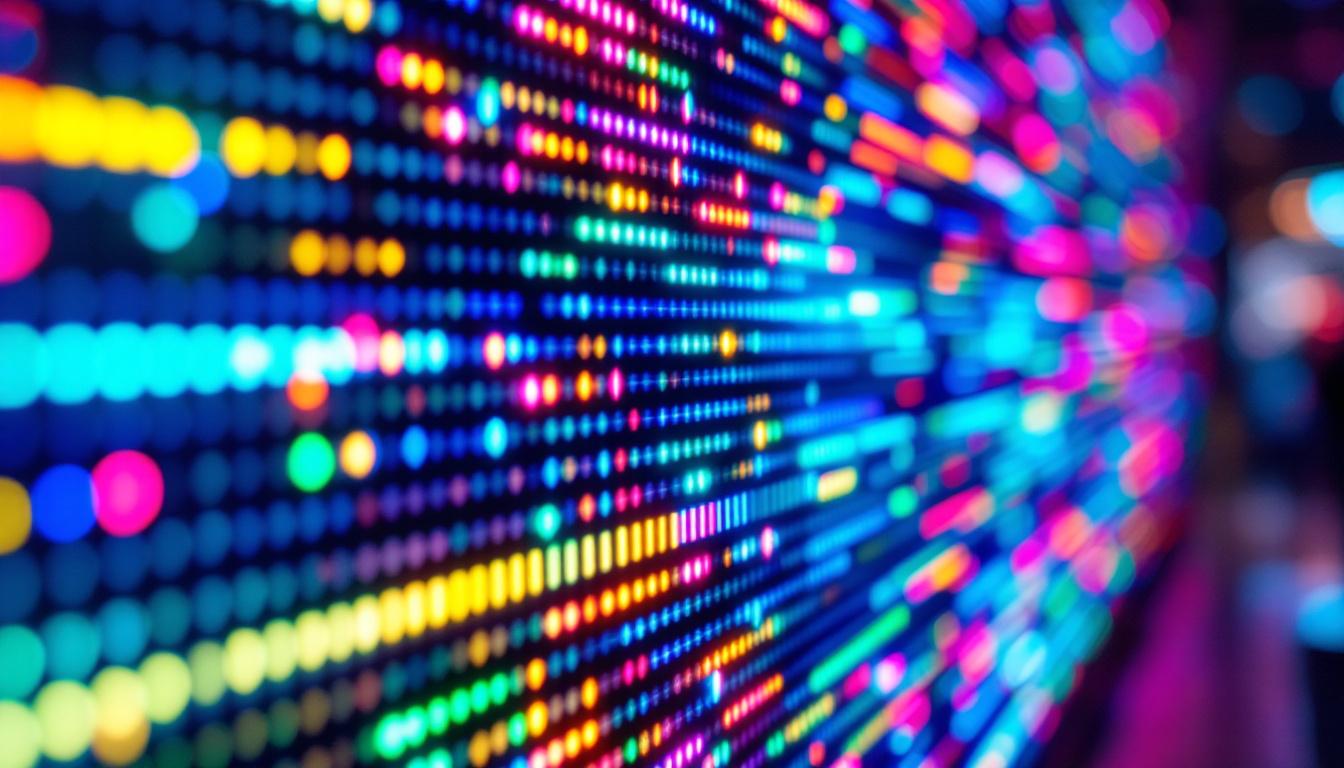
The fundamental structure of an LED display consists of numerous pixels, each made up of red, green, and blue diodes. By varying the intensity of these diodes, the display can produce a wide spectrum of colors. This pixel-based approach enables LED displays to render clear, vibrant images even in challenging lighting conditions. Furthermore, the energy efficiency of LED technology means that these displays consume less power compared to older technologies, making them a more sustainable choice for both consumers and businesses alike. The longevity of LED components also contributes to reduced maintenance costs, as they can last tens of thousands of hours before needing replacement.
Types of LED Displays
LED displays come in several forms, each suited to different environments and purposes. The two primary categories are:
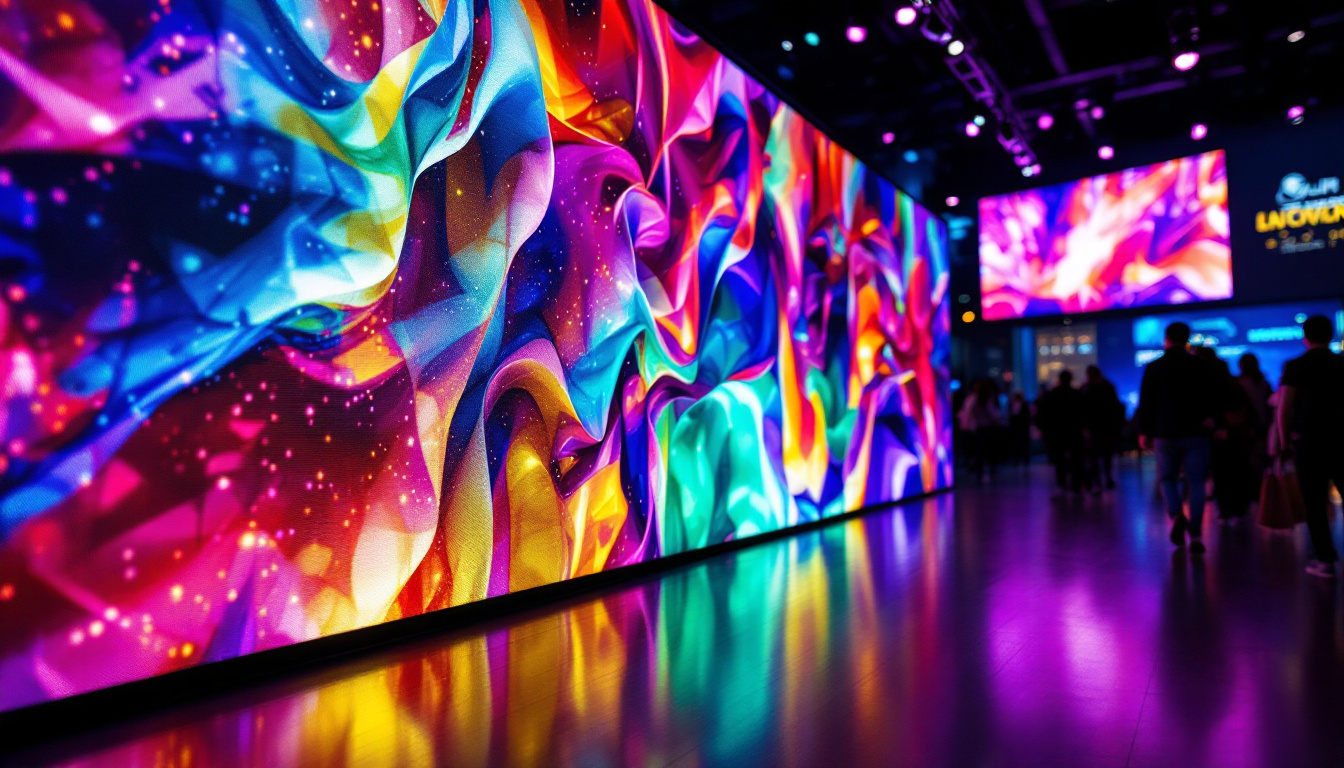
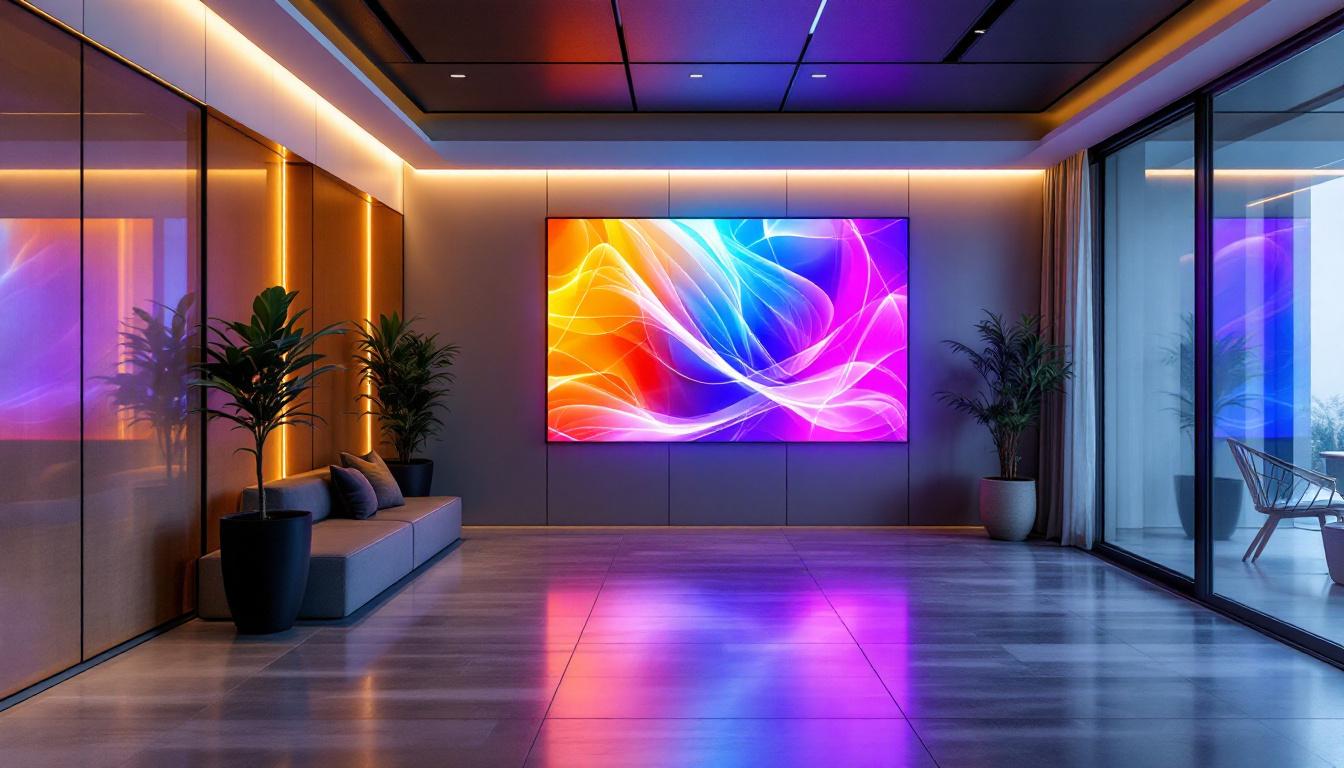
- Indoor LED Displays: Designed for controlled lighting environments, these displays have smaller pixel pitches (the distance between LEDs) for higher resolution and detailed images. They are commonly used in retail stores, corporate lobbies, and event venues. The clarity and color accuracy of indoor displays make them ideal for showcasing products or delivering presentations that require sharp visuals.
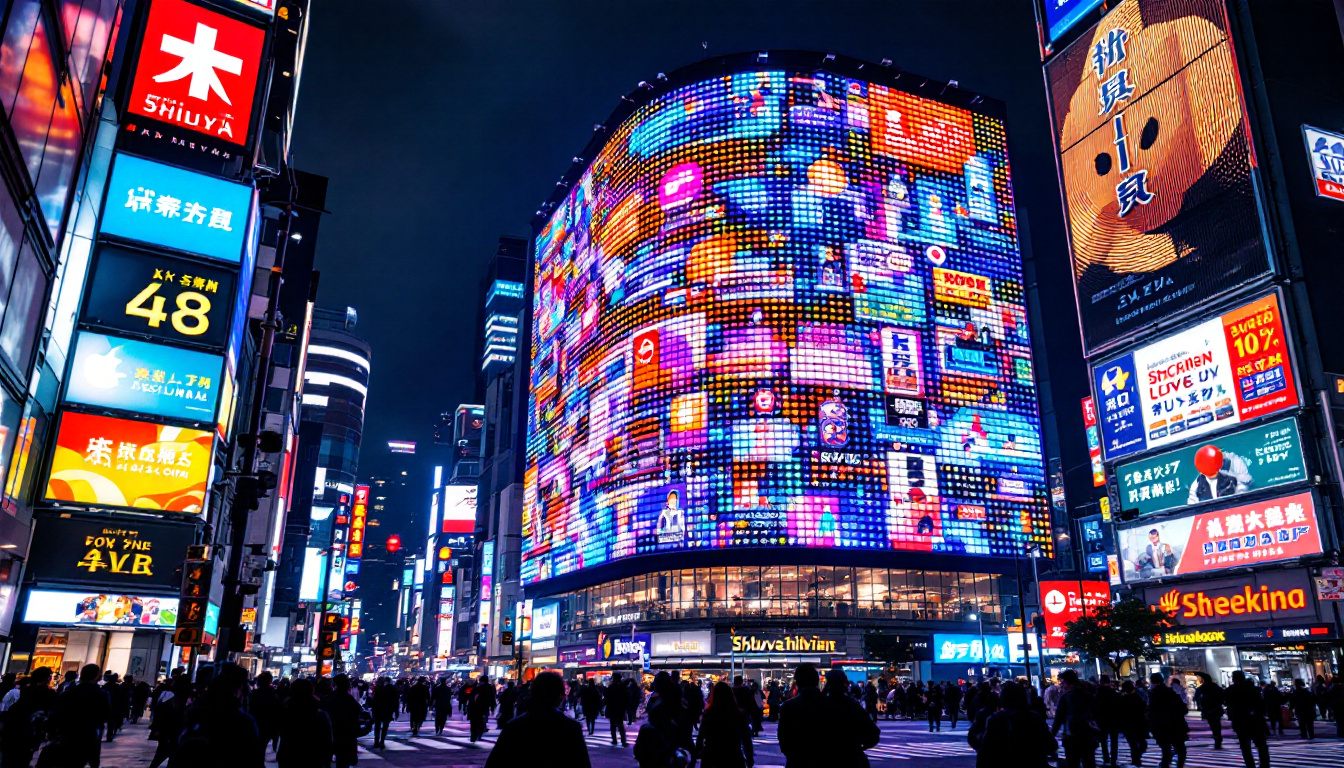
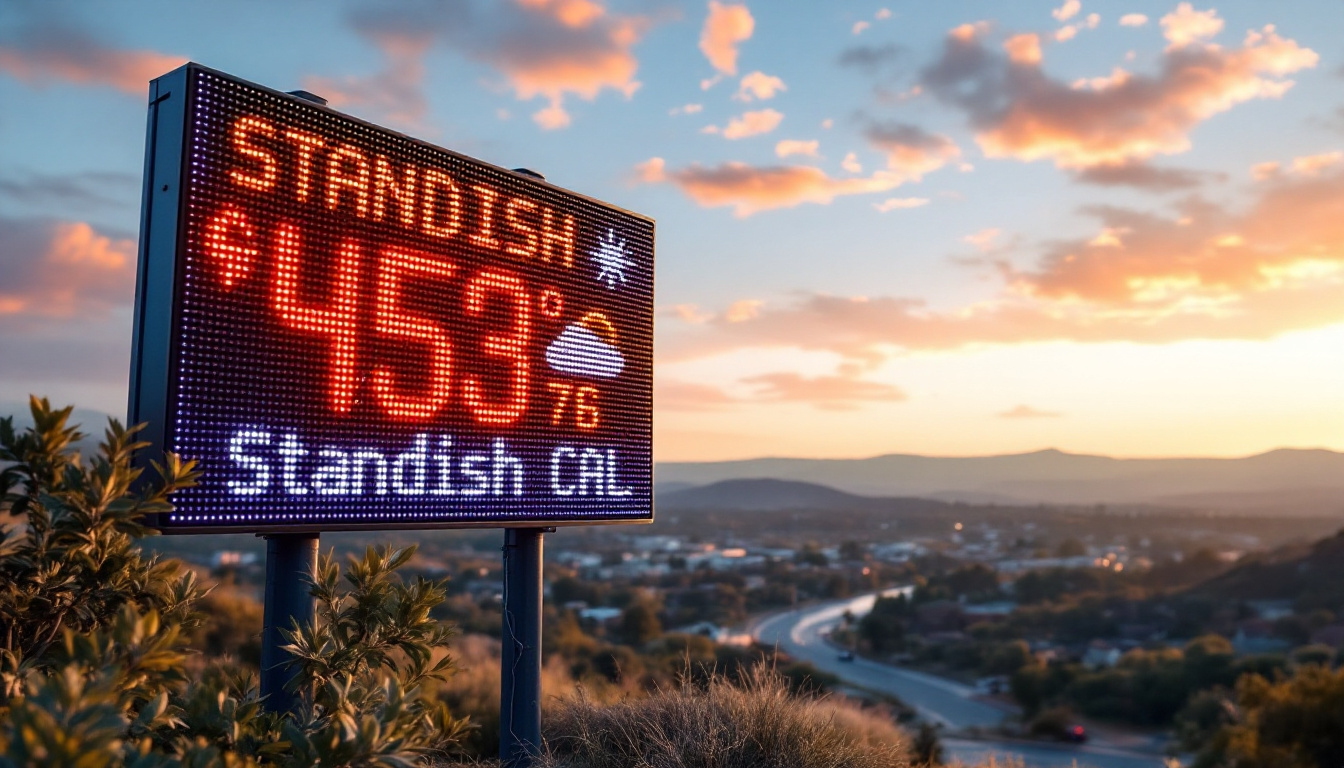
- Outdoor LED Displays: Built to withstand weather elements, these displays feature higher brightness levels to combat sunlight glare and larger pixel pitches. Examples include billboards, stadium screens, and public information boards. Outdoor displays are engineered to resist rain, wind, and extreme temperatures, ensuring that they remain functional and visually appealing in all conditions.
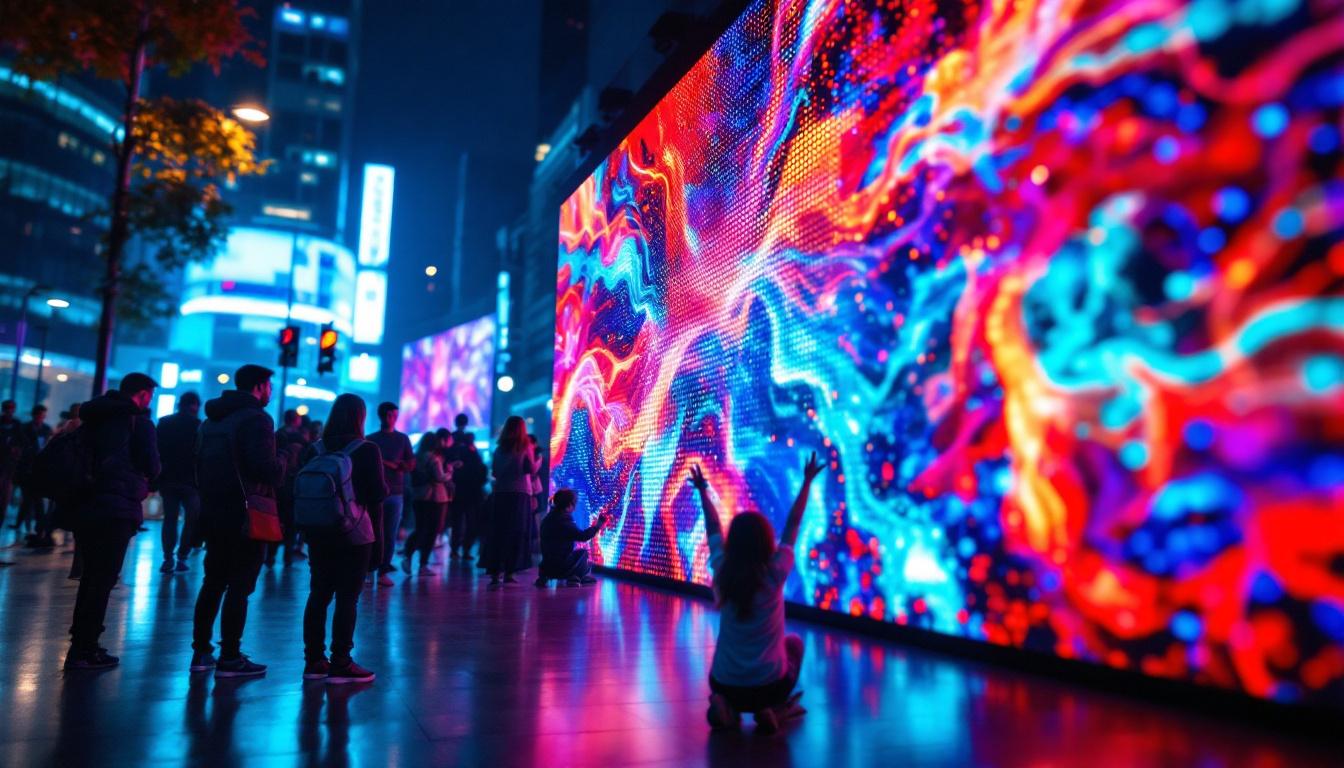
Additionally, LED displays can be categorized by their form factor, such as fixed installations, rental displays for events, and flexible or transparent LEDs for innovative architectural integration. The versatility of LED technology has led to its adoption in various creative applications, from immersive art installations to dynamic advertising solutions that engage audiences in unique ways. As technology continues to evolve, we can expect to see even more innovative uses for LED displays, including advancements in interactive displays that allow users to engage directly with the content being presented.
The Advantages of LED Digital Signage
Brightness and Visibility
One of the most significant advantages of LED displays is their exceptional brightness. Typical indoor LED panels can reach brightness levels of 800 to 1,500 nits, while outdoor models often exceed 5,000 nits. This high brightness ensures that content remains visible and impactful even in direct sunlight, a critical factor for outdoor advertising and public information systems.
Moreover, LED displays offer wide viewing angles, often up to 160 degrees or more, allowing audiences to see clear images from various perspectives without color distortion or loss of clarity. This feature enhances engagement in busy public spaces where viewers may approach from different directions.
Energy Efficiency and Longevity
Compared to traditional lighting and display technologies, LEDs are remarkably energy-efficient. They consume less power while delivering brighter light, which translates into lower operating costs for businesses. Modern LED displays also have a long lifespan, typically ranging from 50,000 to 100,000 hours of operation. This durability reduces maintenance frequency and replacement costs, making them a cost-effective investment over time.
Flexibility and Customization
LED technology is highly adaptable, enabling the creation of displays in various shapes and sizes. From massive curved screens wrapping around buildings to small, high-resolution indoor panels, LED displays can be tailored to fit specific spatial and design requirements.
Furthermore, LED signage supports dynamic content management. Businesses can update messages, advertisements, or information in real-time through networked control systems. This flexibility allows for targeted marketing campaigns, timely announcements, and interactive experiences that static signage cannot match.
Applications of LED Digital Signage
Retail and Advertising
Retail environments benefit tremendously from LED signage by attracting customers with vivid, eye-catching displays. According to a study by the Digital Signage Federation, 80% of consumers noticed digital signage in stores, and 68% said it influenced their purchasing decisions. LED displays enable retailers to showcase promotions, new products, and brand stories in an engaging format that drives foot traffic and sales.
Outdoor LED billboards have revolutionized advertising by allowing brands to deliver dynamic content that can change throughout the day. This adaptability enables advertisers to tailor messages based on time, weather, or audience demographics, enhancing campaign effectiveness.
Transportation and Public Information
LED signage plays a crucial role in transportation hubs such as airports, train stations, and bus terminals. These displays provide real-time updates on schedules, delays, and safety information, improving passenger experience and operational efficiency.
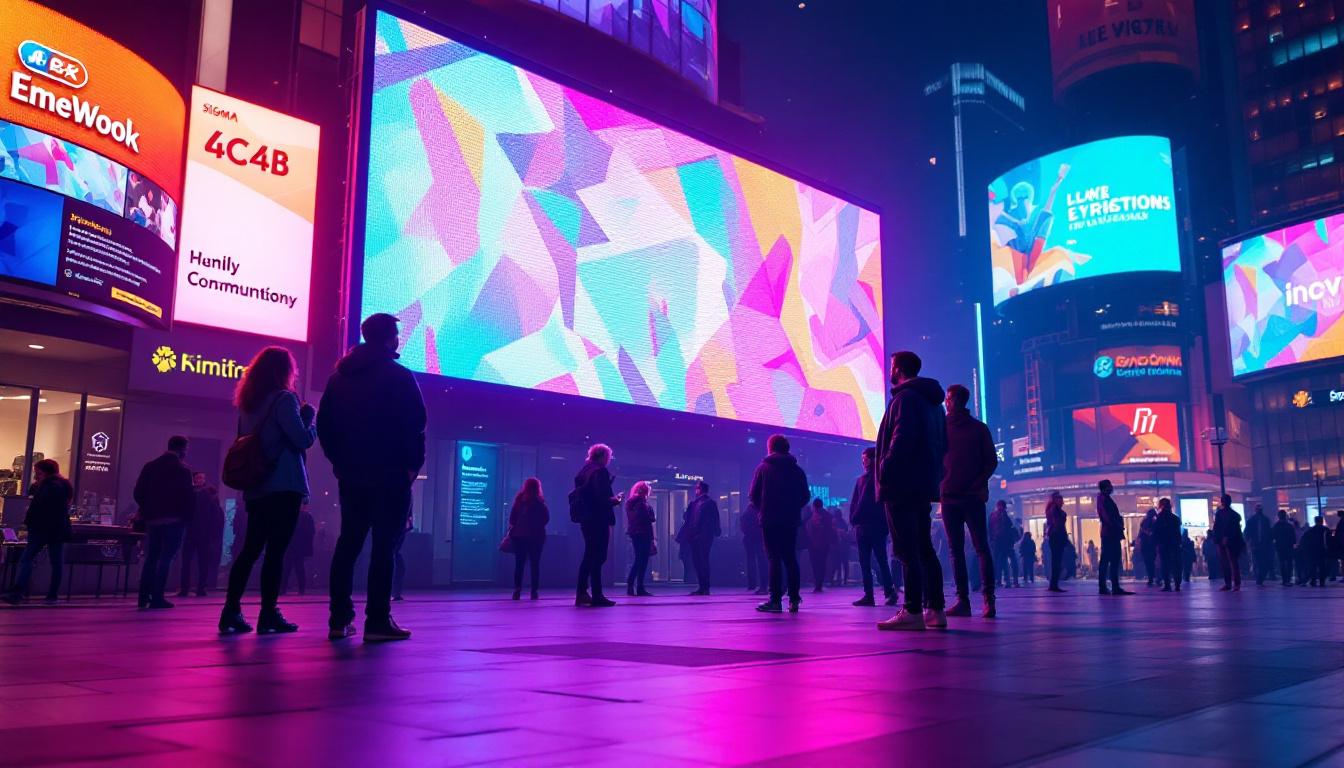
Municipalities use outdoor LED displays for public announcements, emergency alerts, and event promotions. The high visibility and reliability of LED signage ensure critical information reaches a broad audience promptly.
Entertainment and Sports Venues
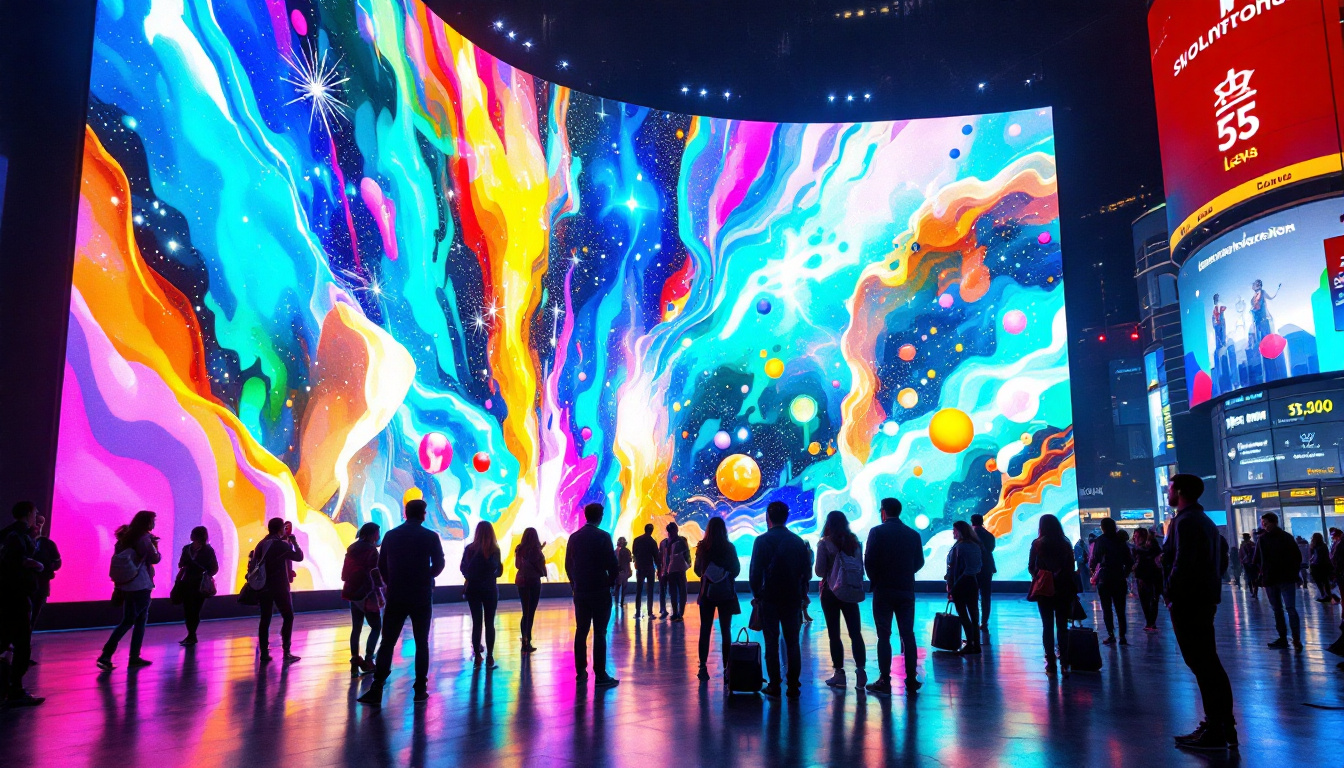
Stadiums and concert venues utilize large-scale LED screens to enhance spectator engagement. These displays broadcast live action, replays, and interactive content, creating immersive experiences that elevate the excitement of live events.
Flexible LED panels also enable creative stage designs and dynamic lighting effects, contributing to memorable performances and brand activations.
Considerations When Choosing LED Signage
Pixel Pitch and Resolution
Pixel pitch is a key factor in determining the clarity and detail of an LED display. A smaller pixel pitch means LEDs are closer together, resulting in higher resolution and sharper images. For indoor applications where viewers are close to the screen, pixel pitches can be as low as 1.2mm. Outdoor displays, viewed from greater distances, typically have pixel pitches ranging from 6mm to 20mm.
Choosing the right pixel pitch depends on the viewing distance and content type. Investing in an overly high resolution for a large outdoor billboard may not yield visible benefits and can increase costs unnecessarily.
Brightness and Environmental Durability
Brightness requirements vary based on installation location. Outdoor LED displays must offer high brightness levels to remain visible under direct sunlight, while indoor displays require moderate brightness to prevent eye strain.
Environmental factors such as moisture, temperature fluctuations, and dust exposure also influence the choice of LED signage. Outdoor units should have appropriate IP (Ingress Protection) ratings to ensure resistance against water and dust ingress.
Content Management Systems (CMS)
A robust CMS is essential for maximizing the potential of LED digital signage. It allows users to schedule, update, and customize content remotely and efficiently. Modern CMS platforms often support integration with social media, live feeds, and interactive elements, enabling more engaging and relevant messaging.
When selecting LED signage, consider the ease of use, compatibility with existing infrastructure, and scalability of the CMS to accommodate future growth.
The Future of LED Digital Signage
Advancements in Mini-LED and Micro-LED Technologies
Emerging technologies like Mini-LED and Micro-LED promise to push the boundaries of LED display performance. Mini-LEDs use smaller diodes to achieve higher pixel densities and improved contrast ratios, while Micro-LEDs offer even greater precision with microscopic LEDs that deliver exceptional brightness and color accuracy.
These innovations are expected to enhance image quality for both indoor and outdoor applications, making LED signage more versatile and visually striking.
Integration with AI and IoT
Artificial Intelligence (AI) and the Internet of Things (IoT) are transforming digital signage into intelligent communication platforms. AI-powered analytics can tailor content based on audience demographics, behavior, and environmental conditions. For example, an LED billboard might display different ads depending on the time of day or the weather.
IoT connectivity enables LED displays to interact with other smart devices, creating synchronized and context-aware messaging ecosystems. This integration enhances user engagement and opens new possibilities for interactive marketing and public services.
Sustainability and Eco-Friendly Solutions
As environmental concerns grow, the LED signage industry is focusing on sustainability. Innovations in energy-efficient components, recyclable materials, and eco-friendly manufacturing processes are becoming standard. Additionally, LED displays’ long lifespans and low power consumption contribute to reducing carbon footprints compared to traditional signage methods.
Businesses adopting sustainable digital signage solutions not only benefit from cost savings but also demonstrate corporate responsibility, appealing to increasingly eco-conscious consumers.
Conclusion
LED digital media signage represents a dynamic and powerful tool for communication across various sectors. Its superior brightness, energy efficiency, flexibility, and ability to deliver engaging, real-time content make it an indispensable asset in today’s visual-centric world. By understanding the technology, benefits, and strategic applications of LED displays, businesses and organizations can harness their full potential to captivate audiences and drive meaningful interactions.
As LED technology continues to evolve with advancements like Mini-LED, Micro-LED, AI integration, and sustainability initiatives, the future of digital signage looks brighter than ever. Investing in LED displays today is not just about adopting a modern communication medium—it’s about embracing a versatile platform that will shape the future of visual engagement for years to come.
Discover LumenMatrix LED Display Solutions
Ready to elevate your visual communication strategy with the latest in LED display technology? LumenMatrix is at the forefront of innovation, offering a wide range of LED display solutions tailored to meet your needs. From Indoor and Outdoor LED Wall Displays to specialized options like Vehicle, Sports, and Floor LED Displays, our products are designed to captivate your audience and amplify your message. Experience the future of digital signage with our Custom, All-in-One, and Transparent LED Displays. Check out LumenMatrix LED Display Solutions today and transform the way you engage with your audience.