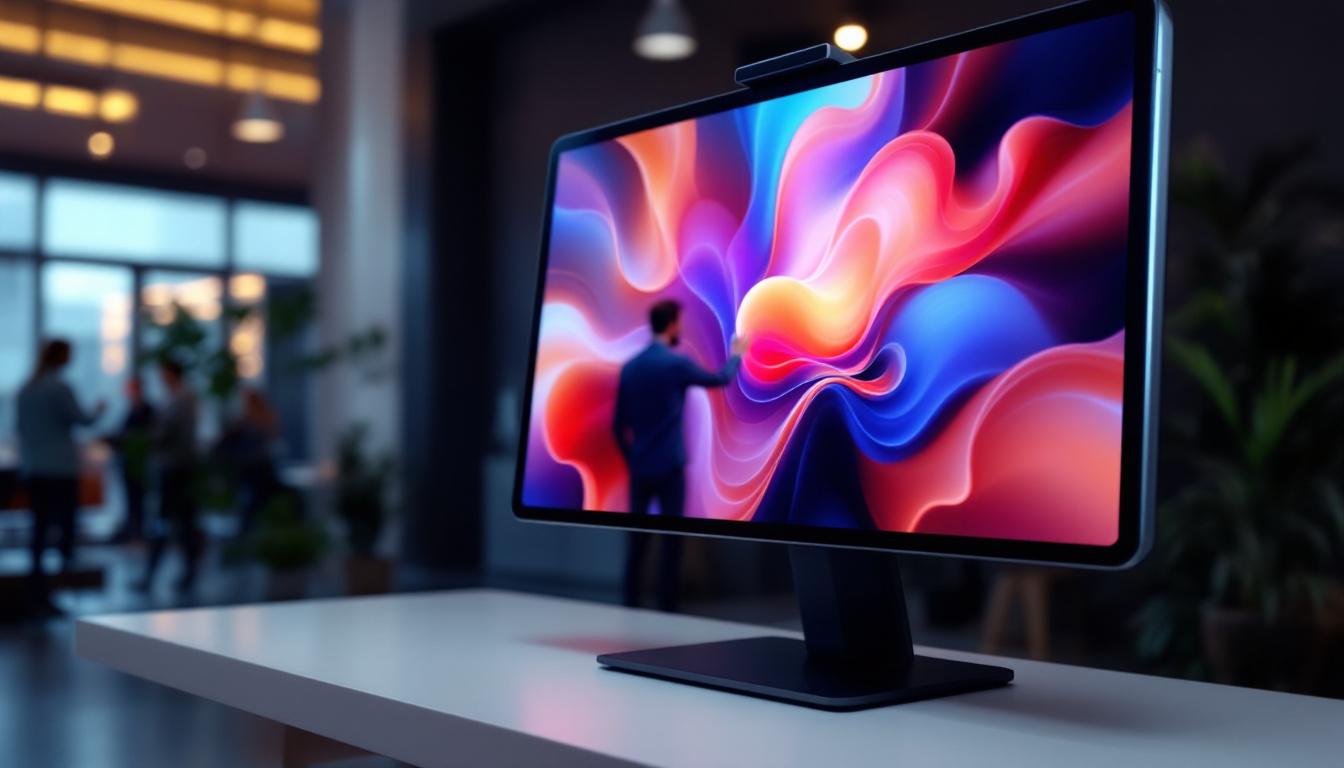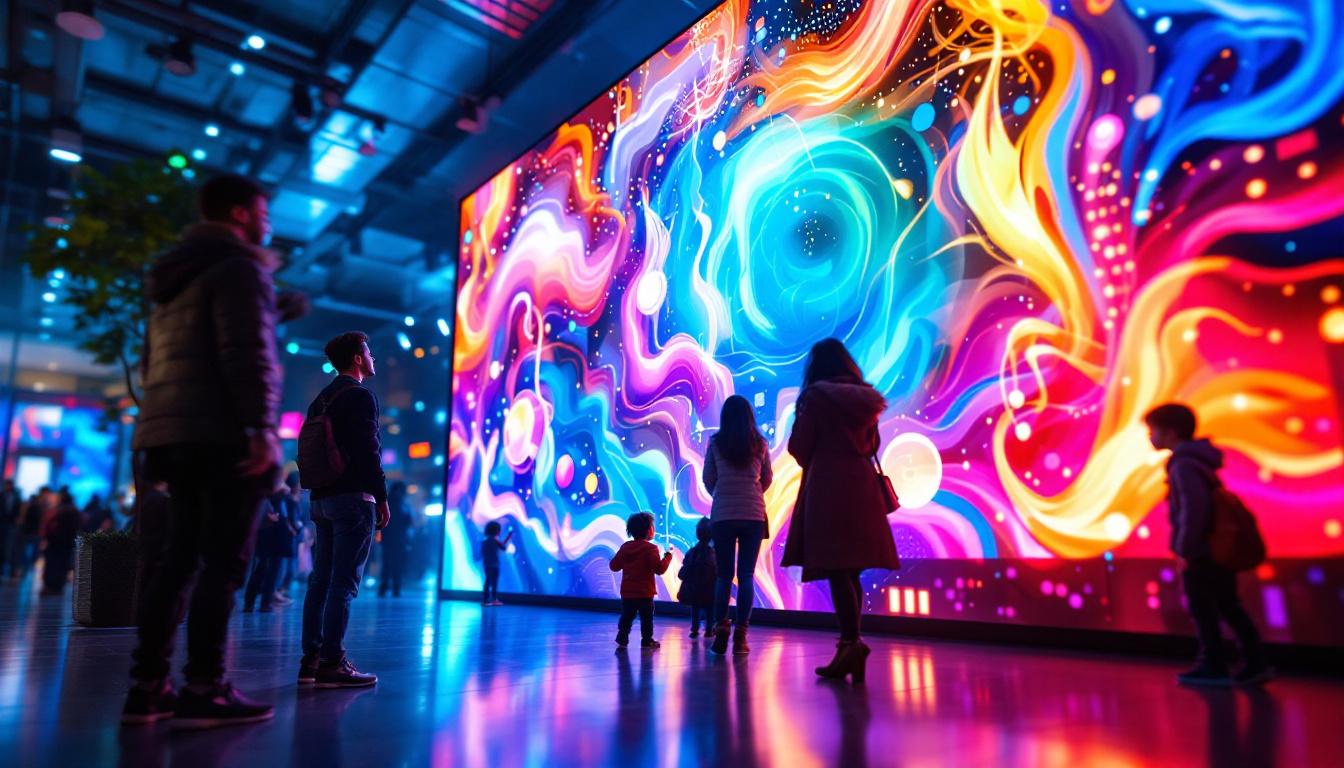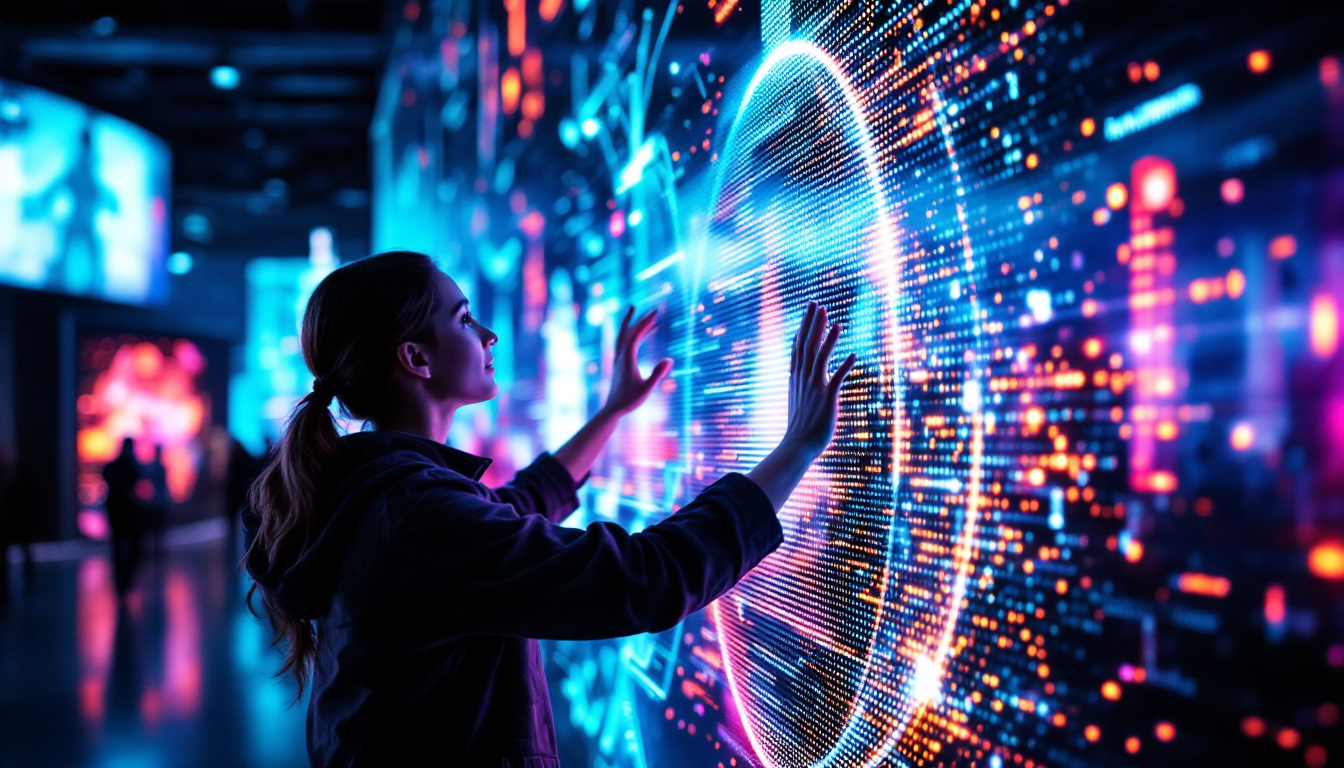
In the evolving landscape of audiovisual (AV) technology, LED displays have emerged as a cornerstone for delivering vibrant, high-quality visuals across various applications. From corporate boardrooms and live events to retail environments and public information systems, LED displays provide unmatched brightness, flexibility, and durability. Understanding the fundamentals of LED technology, its advantages, and how it integrates into AV monitoring systems is essential for professionals seeking to optimize their visual communication strategies.
Understanding LED Display Technology
What Is an LED Display?
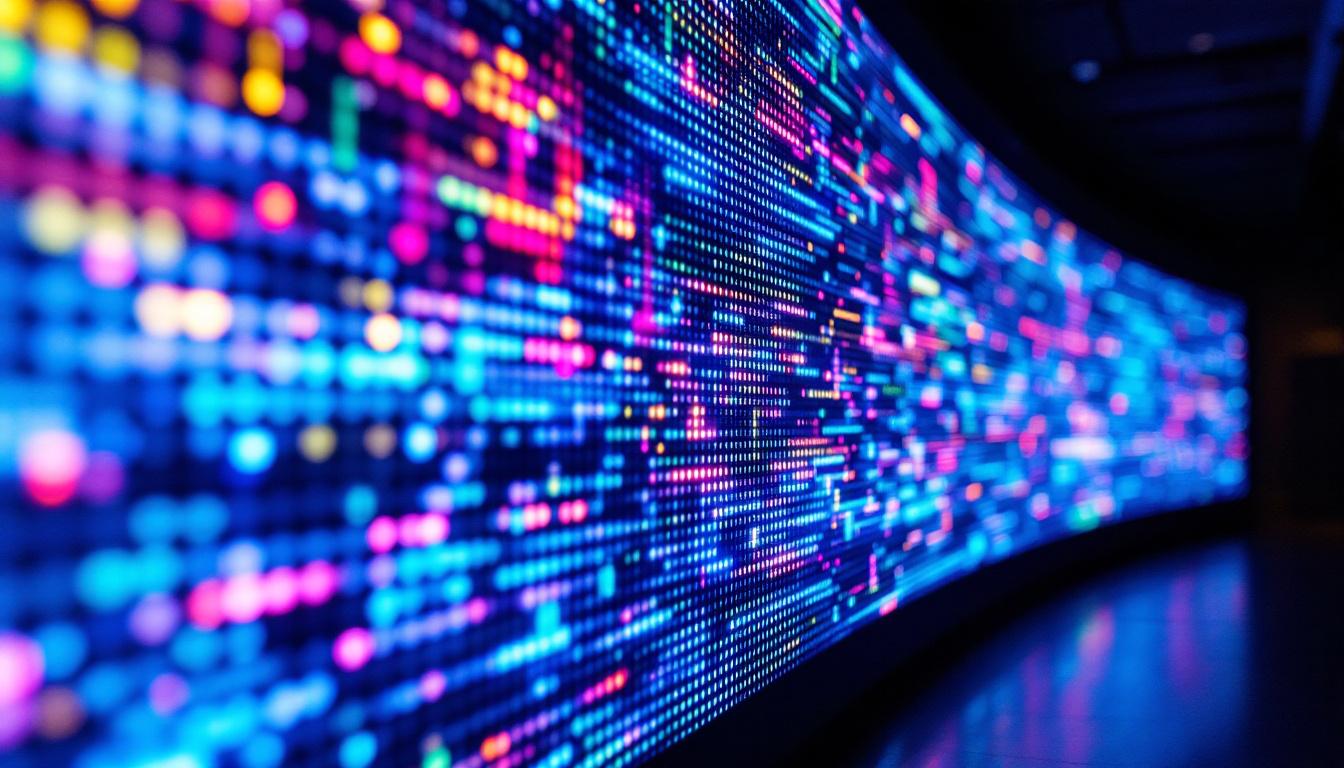
LED, or Light Emitting Diode, displays are screens composed of numerous tiny light-emitting diodes that collectively form images, videos, or text. Unlike traditional LCDs that rely on backlighting, LEDs generate their own light, allowing for superior brightness and contrast levels. This self-illumination capability makes LED displays particularly effective in environments with high ambient light, such as outdoor advertising or brightly lit indoor spaces.
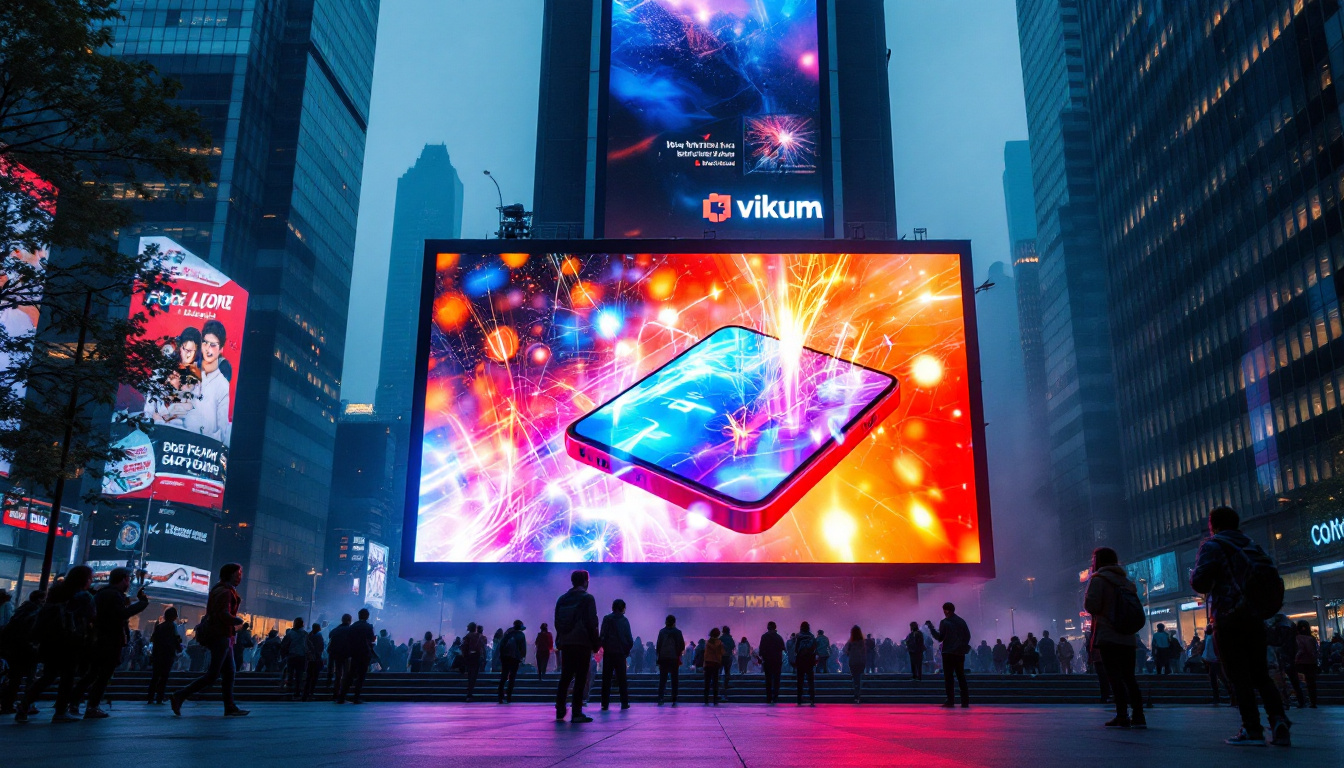
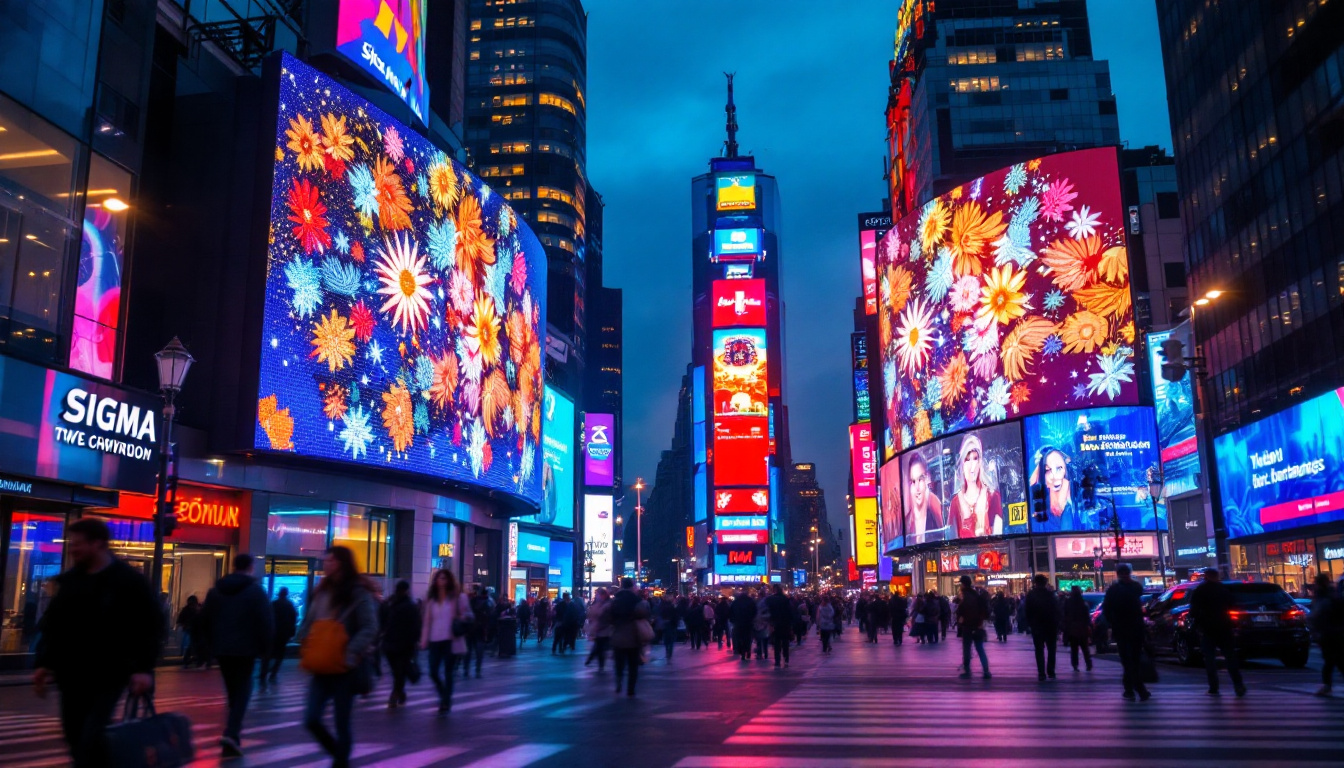
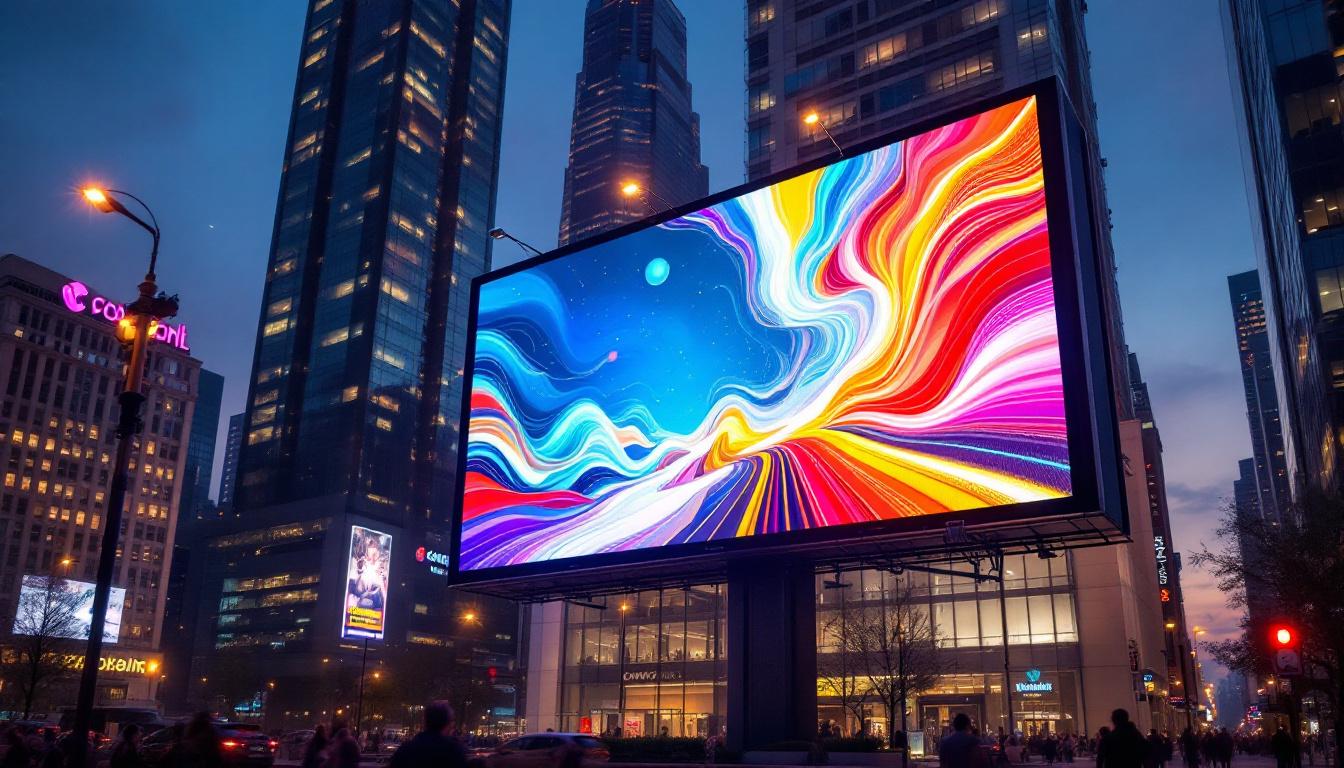
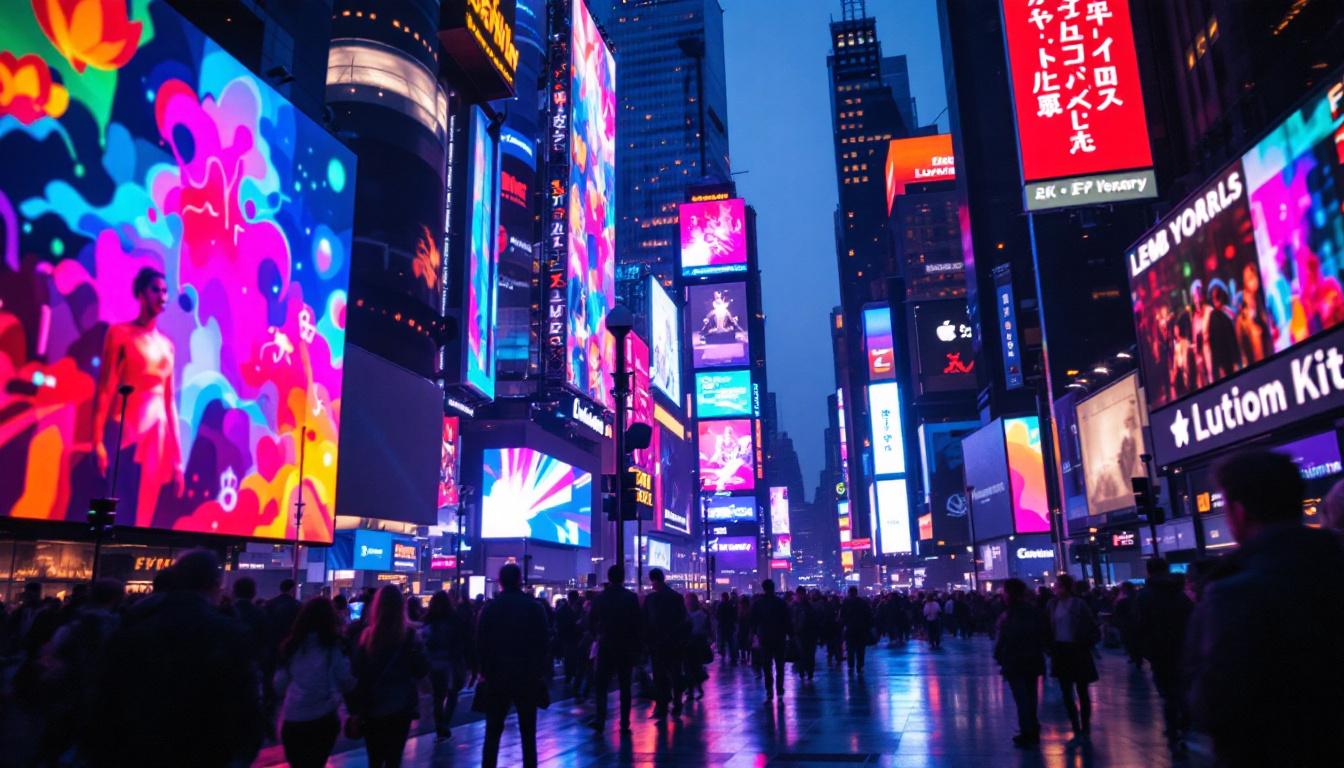
LED displays come in various forms, including direct-view LED panels and LED-backlit LCDs. Direct-view LED displays use individual diodes as pixels, enabling seamless and scalable screen sizes without the limitations of LCD panel dimensions. This technology is widely employed in large-format displays like stadium screens, digital billboards, and immersive video walls. Additionally, the modular nature of LED panels allows for creative installations, enabling designers to create unique shapes and configurations that enhance visual storytelling in public spaces or events.
How Do LED Displays Work?
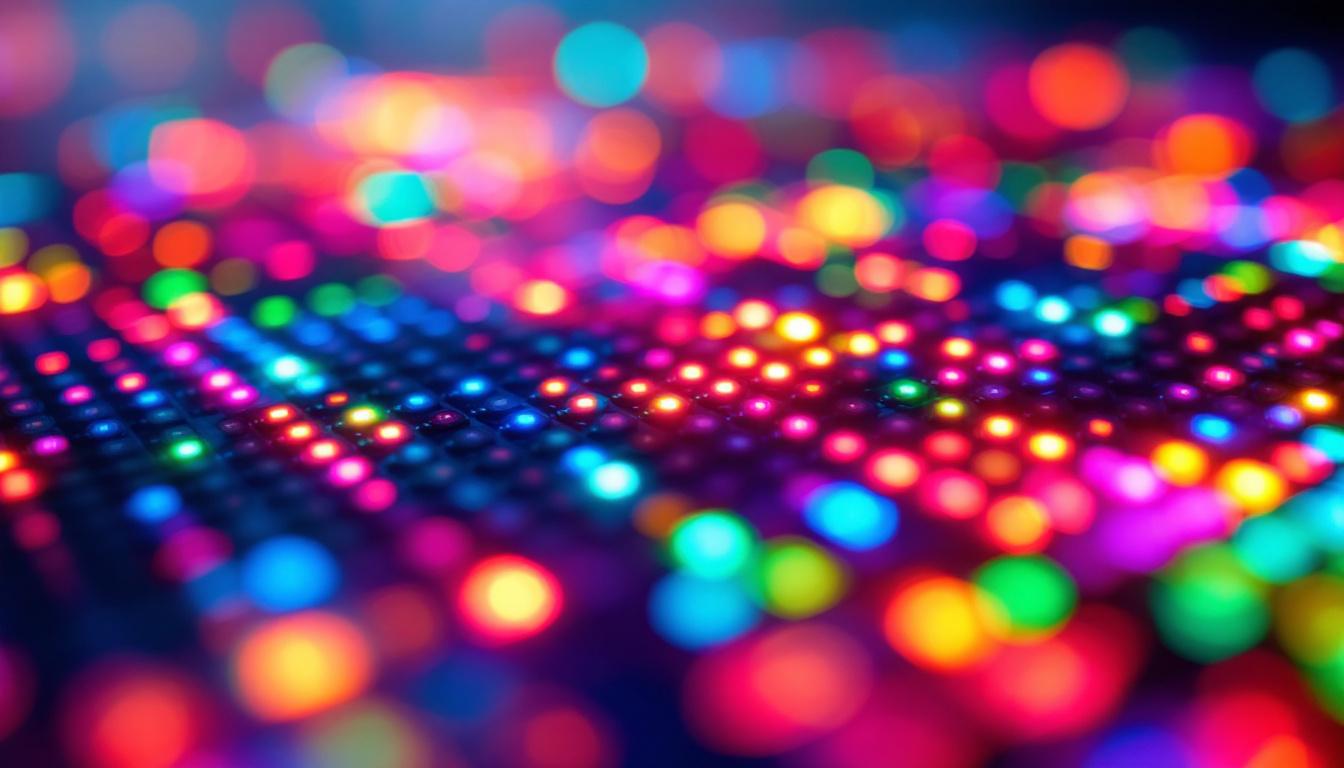
Each pixel in an LED display consists of red, green, and blue diodes. By adjusting the intensity of these diodes, the display can produce a full spectrum of colors. The precision control of these light sources allows for vibrant color reproduction and deep blacks, contributing to a high dynamic range (HDR) experience. This capability not only enhances the visual appeal but also makes LED displays ideal for applications requiring accurate color representation, such as digital art exhibitions and high-end video production.
Modern LED displays utilize advanced driver ICs (integrated circuits) and sophisticated control systems to manage the timing and brightness of each diode. This ensures smooth motion rendering and reduces issues like flickering or color banding, which are critical for professional AV monitoring where image fidelity is paramount. Furthermore, many LED displays now incorporate smart technology, allowing for remote management and real-time content updates, which is particularly beneficial for dynamic advertising campaigns or live event broadcasting. The integration of sensors can also optimize brightness based on ambient light conditions, ensuring that content remains visible and engaging at all times.
Key Advantages of LED Displays in AV Monitoring
Exceptional Brightness and Visibility
One of the most significant benefits of LED displays is their brightness. Typical LED screens can achieve luminance levels exceeding 1,000 nits, with some outdoor models reaching up to 5,000 nits or more. This high brightness ensures that content remains clear and legible even under direct sunlight or in well-lit indoor environments.
For AV monitoring, especially in control rooms or live event production, this brightness translates to better visibility of critical information, reducing the risk of misinterpretation or missed cues. Enhanced visibility also improves operator comfort, minimizing eye strain during extended monitoring sessions.
Superior Color Accuracy and Contrast
LED displays offer excellent color accuracy, which is vital for applications where precise color representation is necessary, such as broadcast monitoring, digital signage, and medical imaging. Their ability to produce deep blacks and a wide color gamut results in images that are both vivid and true to life.
The high contrast ratio achievable with LED technology enhances detail visibility in both bright and dark areas of the image. This capability is particularly important in AV monitoring environments where subtle visual cues can impact decision-making and operational effectiveness.
Scalability and Customization
LED displays are highly modular, allowing for customized screen sizes and aspect ratios. This flexibility enables AV professionals to design monitoring setups tailored to specific spatial constraints and viewing requirements. Whether it’s a multi-screen video wall in a command center or a curved display in a broadcast studio, LED technology supports diverse configurations.
Furthermore, the seamless nature of direct-view LED panels eliminates bezels, creating uninterrupted visuals that enhance immersion and reduce distractions. This is especially beneficial in environments where multiple data streams need to be monitored simultaneously.
Durability and Longevity
LED displays are known for their robust construction and long operational life, often exceeding 100,000 hours of use. Unlike other display technologies, LEDs are less susceptible to burn-in and image retention, making them ideal for continuous operation in critical AV monitoring roles.
Additionally, LED panels are resistant to environmental factors such as temperature fluctuations, humidity, and dust, which contributes to their reliability in both indoor and outdoor applications. This durability minimizes maintenance costs and downtime, ensuring consistent performance.
Applications of LED Displays in AV Monitoring
Control Rooms and Command Centers
In environments where real-time data visualization is crucial, such as emergency response centers, transportation hubs, and security monitoring facilities, LED displays provide a clear and comprehensive overview of multiple data sources. Their scalability allows operators to view numerous feeds simultaneously, improving situational awareness and response times.
High-resolution LED video walls enable detailed monitoring of surveillance footage, network status, or operational dashboards. The ability to customize screen layouts and integrate with AV control systems enhances workflow efficiency and decision-making accuracy.
Broadcast and Live Event Production
LED displays are integral to modern broadcast studios and live event production. They serve as dynamic backdrops, preview monitors, and content delivery surfaces. Their high refresh rates and color fidelity ensure that on-air visuals meet professional standards.
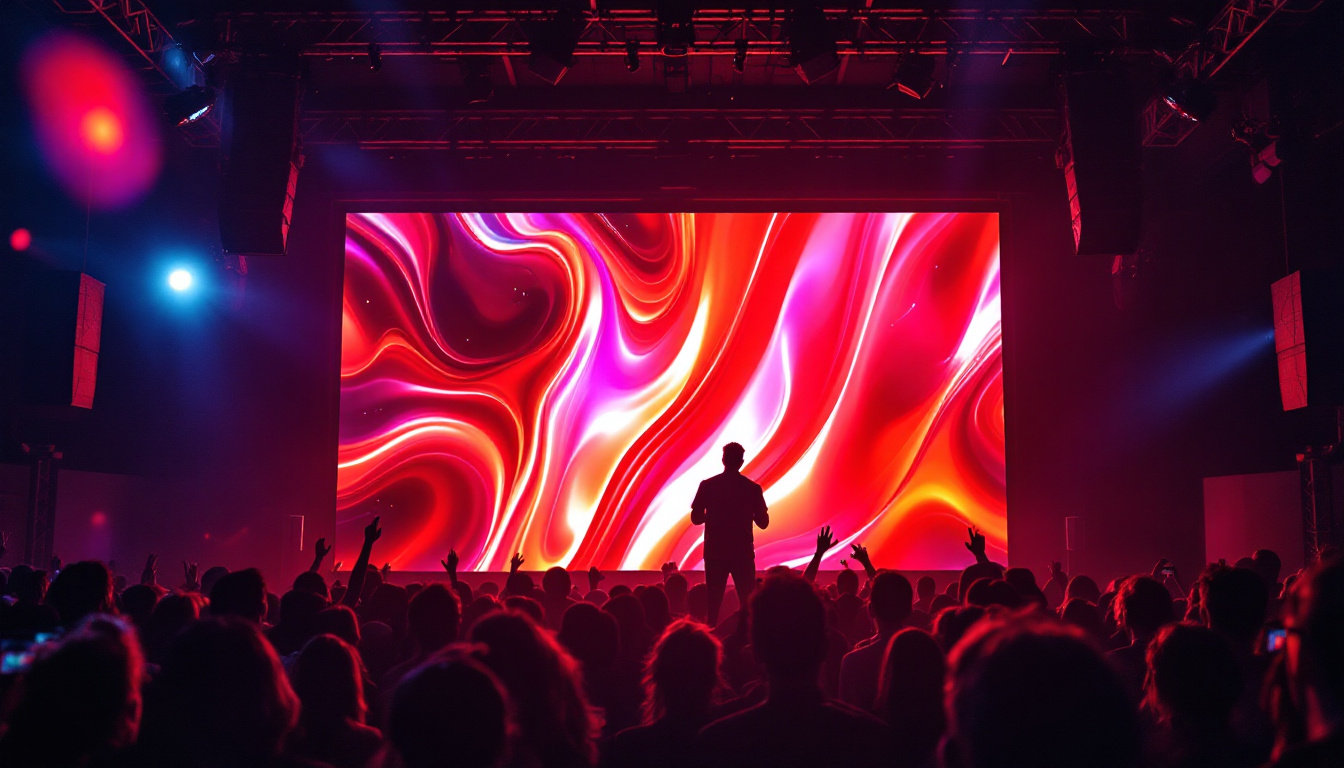
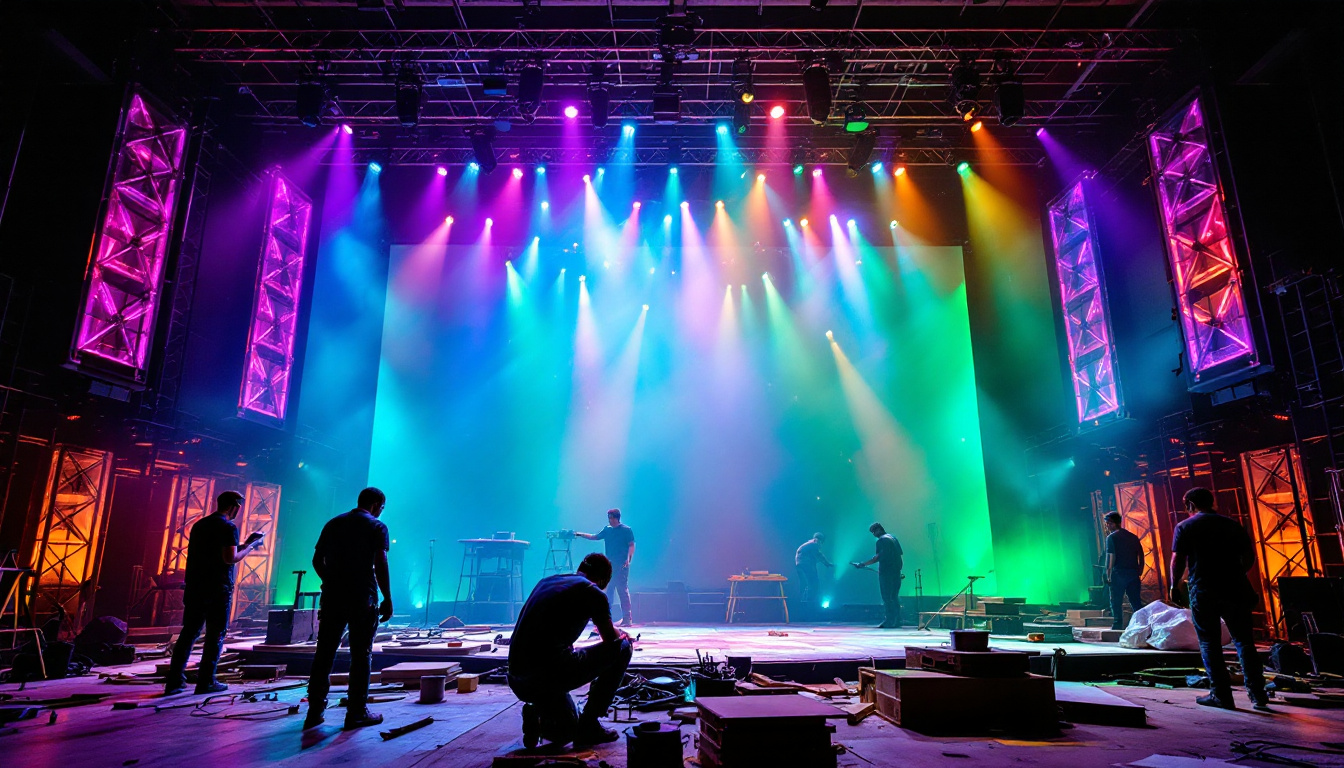
In live events, LED walls provide large-scale, immersive visuals that engage audiences and support complex production requirements. The lightweight and modular nature of LED panels facilitate rapid setup and teardown, essential for touring shows and temporary installations.
Corporate and Retail Environments
Corporate boardrooms and retail spaces leverage LED displays for presentations, digital signage, and interactive experiences. The clarity and brightness of LED screens enhance communication effectiveness, whether conveying financial data in a meeting or showcasing promotional content in a store.
In retail, LED displays attract customer attention and can be integrated with sensors or interactive elements to create personalized shopping experiences. The flexibility of LED technology supports diverse marketing strategies and brand messaging.
Choosing the Right LED Display for AV Monitoring
Considerations for Pixel Pitch and Resolution
Pixel pitch, the distance between individual LED diodes, directly impacts image sharpness and viewing distance. Smaller pixel pitches (e.g., 1.2mm to 2.5mm) are suitable for close-up viewing environments like control rooms, where fine detail is essential. Larger pixel pitches are more cost-effective for large-scale displays viewed from a distance, such as outdoor billboards.
Resolution should align with the content requirements and physical size of the display. Higher resolution LED displays provide greater detail but come at increased cost and complexity. Balancing these factors ensures optimal visual performance without unnecessary expenditure.
Brightness and Environmental Adaptability
Assessing the ambient lighting conditions where the LED display will be installed is crucial. For outdoor or brightly lit indoor environments, high-brightness displays with anti-glare coatings and weatherproofing are necessary. Indoor installations may prioritize color accuracy and viewing angles over extreme brightness.
Some LED displays feature automatic brightness adjustment sensors, which optimize luminance based on surrounding light levels, enhancing energy efficiency and viewer comfort.
Integration and Control Systems
Effective AV monitoring requires seamless integration between LED displays and control hardware or software. Compatibility with industry-standard video processing equipment, signal formats, and network protocols ensures smooth operation and content management.
Advanced control systems allow for remote monitoring, diagnostics, and real-time content switching, which are essential features in dynamic AV environments. Selecting LED displays with robust connectivity options simplifies system design and future scalability.
Future Trends in LED Display Technology
MicroLED and MiniLED Innovations
Emerging technologies like MicroLED and MiniLED promise to further enhance LED display performance. MicroLEDs, with their microscopic diode size, offer even higher resolution, improved energy efficiency, and longer lifespan. These advancements could revolutionize AV monitoring by delivering unparalleled image quality in compact form factors.
MiniLED backlighting improves contrast and brightness in LCD displays by using thousands of tiny LEDs to provide localized dimming zones. This technology bridges the gap between traditional LCDs and direct-view LEDs, offering cost-effective solutions for high-quality displays.
Artificial Intelligence and Smart Displays
Integration of artificial intelligence (AI) into LED display systems is enabling smarter content management and adaptive display adjustments. AI algorithms can optimize brightness, contrast, and color balance in real time based on environmental conditions and viewer preferences.
Smart LED displays with embedded sensors and analytics capabilities facilitate interactive and personalized AV experiences. This trend is particularly relevant in retail and corporate sectors, where dynamic content delivery enhances engagement and operational insights.
Sustainability and Energy Efficiency
As environmental concerns grow, LED display manufacturers are focusing on sustainability by improving energy efficiency and using eco-friendly materials. Innovations such as low-power driver ICs and recyclable components reduce the carbon footprint of LED installations.
Energy-efficient LED displays not only lower operational costs but also align with corporate social responsibility goals, making them attractive choices for organizations committed to sustainable practices.
Conclusion
LED displays have transformed the AV monitoring landscape by offering superior brightness, color accuracy, scalability, and durability. Their versatility across various industries—from control rooms and broadcast studios to retail and corporate environments—makes them indispensable tools for effective visual communication.
Understanding the technical aspects of LED technology, along with the practical considerations for deployment, enables AV professionals to select and implement displays that meet specific operational needs. With ongoing advancements in MicroLED, AI integration, and sustainability, LED displays will continue to set new standards for performance and innovation in the AV industry.
Discover LumenMatrix’s Innovative LED Solutions
Ready to elevate your AV monitoring capabilities with cutting-edge LED display technology? LumenMatrix is at the forefront of innovation, offering an extensive range of LED display modules designed to bring your visual communication to life. From vibrant Indoor and Outdoor LED Wall Displays to dynamic Vehicle and Sports LED Displays, our solutions are crafted to captivate and engage. Experience the transformative power of our Custom, All-in-One, Transparent, and even interactive Floor LED Displays. Embrace the future of digital signage with LumenMatrix and share your message with unparalleled clarity and impact. Check out LumenMatrix LED Display Solutions today and see the difference for yourself.