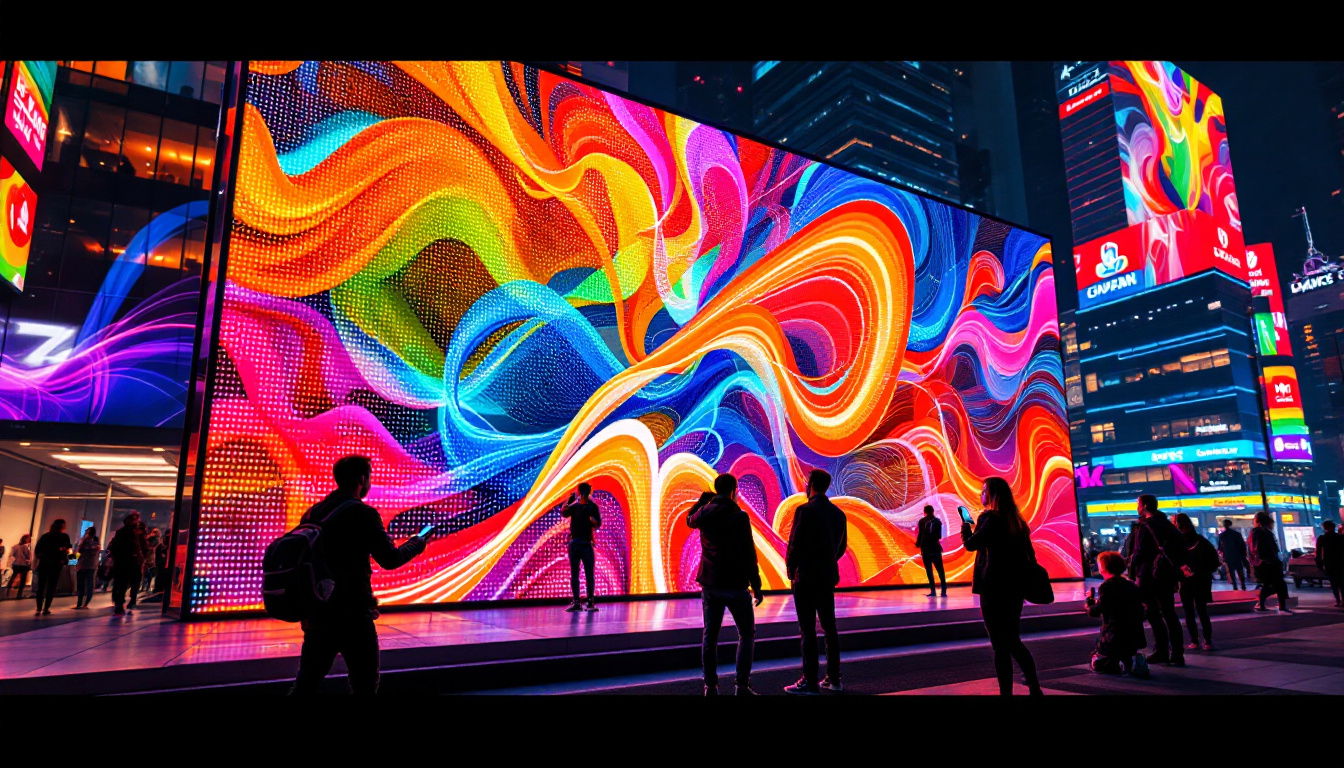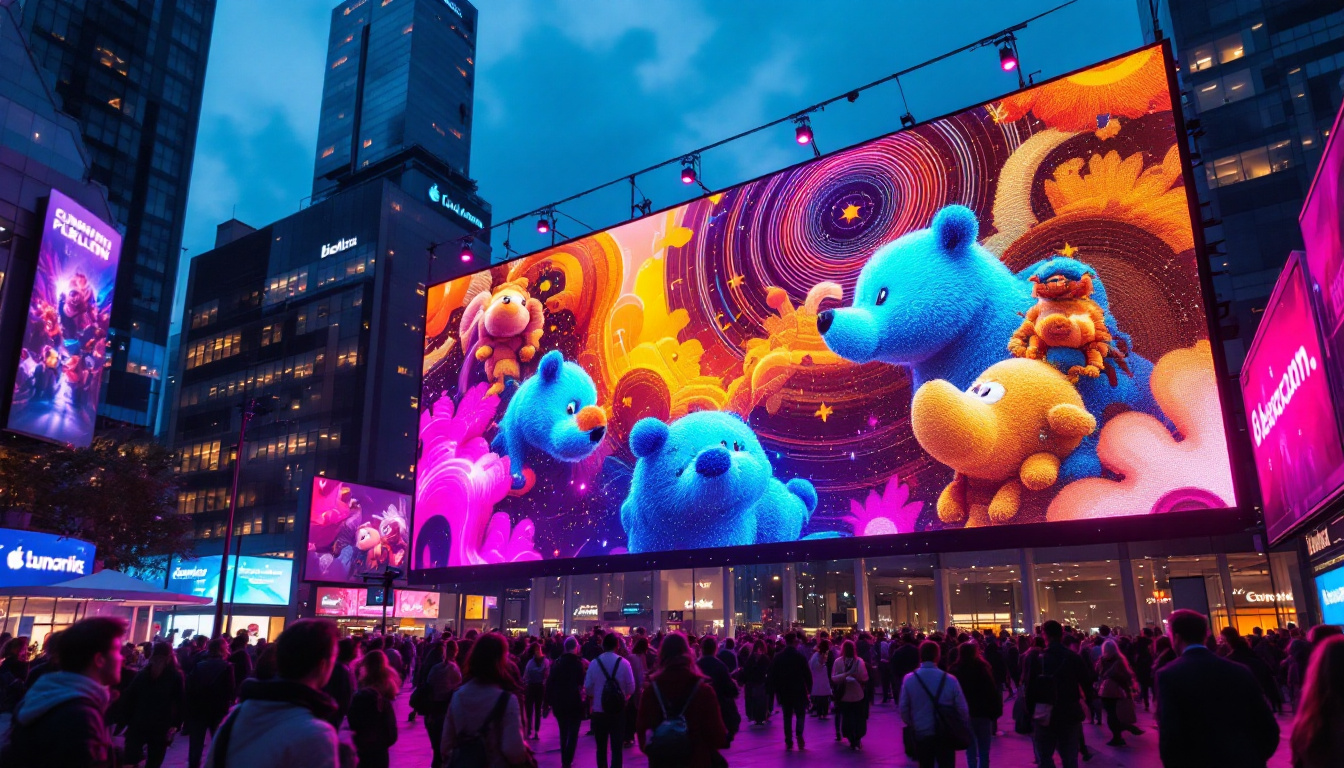
In the rapidly evolving world of advertising, outdoor screens have become a cornerstone for brands seeking to capture attention in busy urban environments. Among the various technologies available, LED displays stand out for their brightness, versatility, and dynamic capabilities. This article explores the fundamentals of LED outdoor advertising screens, their advantages, technological aspects, and best practices for maximizing their impact.
Understanding LED Outdoor Displays
What Are LED Displays?
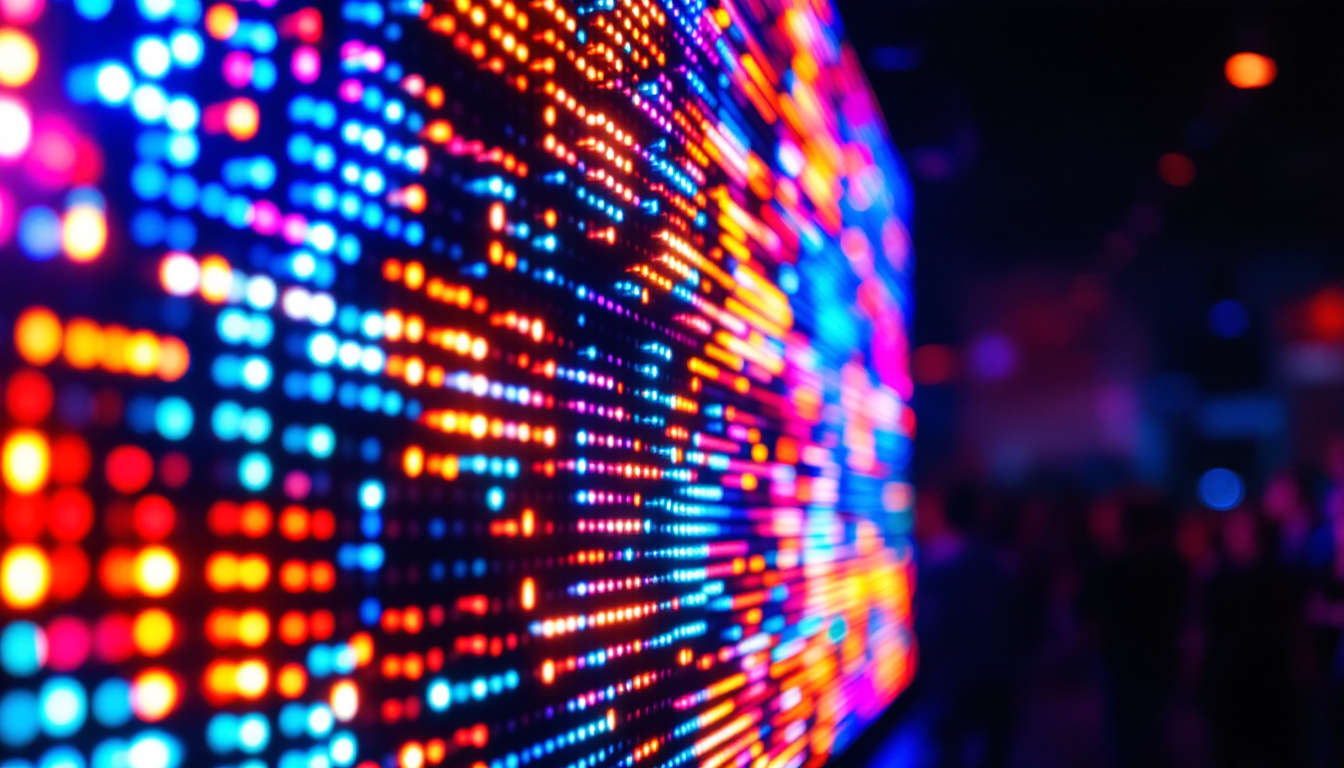
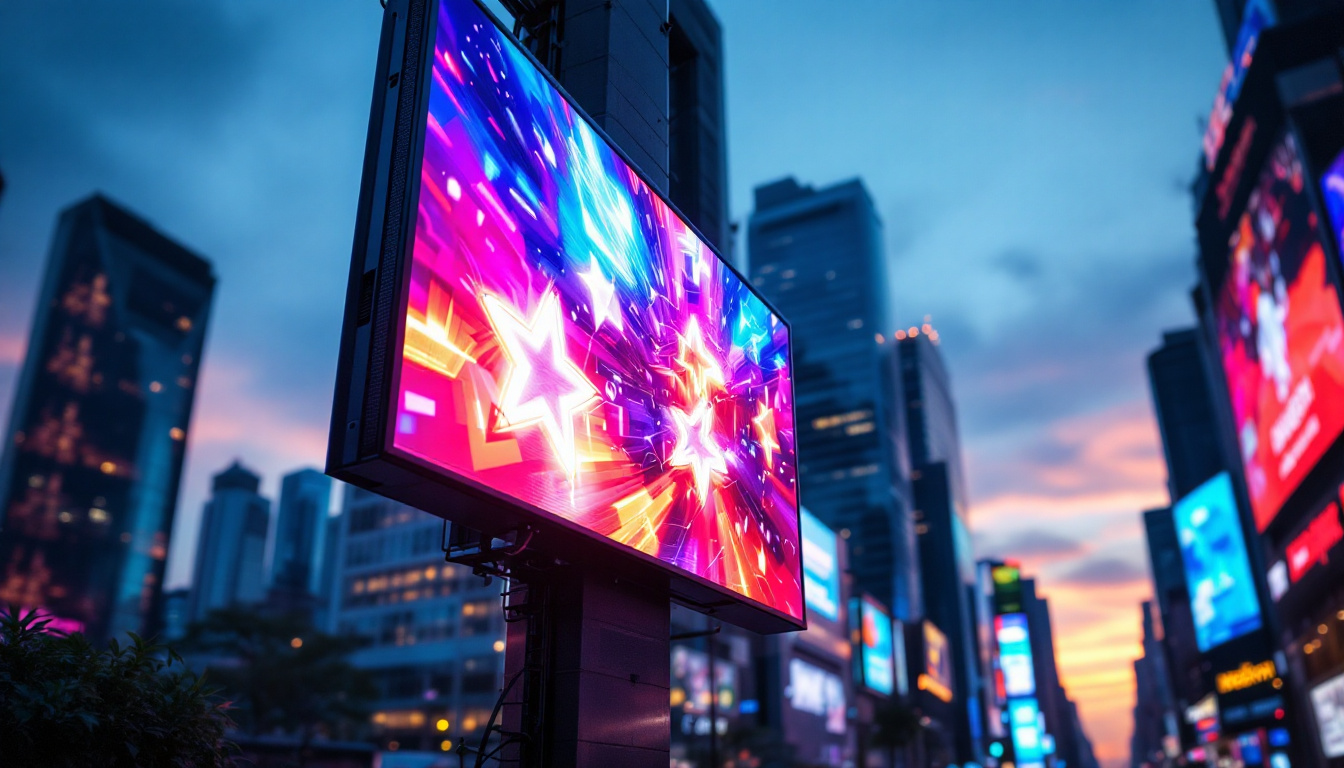
LED, or Light Emitting Diode, displays are digital screens composed of numerous tiny light sources that emit light when an electrical current passes through them. Unlike traditional LCD or projection screens, LEDs generate their own light, making them exceptionally bright and visible even in direct sunlight. This intrinsic brightness is a key reason why LED displays are favored for outdoor advertising.
Outdoor LED displays are designed to withstand environmental challenges such as rain, dust, and extreme temperatures. They are typically modular, allowing for screens of various sizes and shapes, from small street-level panels to massive billboards towering over highways. The durability of these displays is enhanced by protective coatings and robust enclosures that shield the internal components from harsh weather conditions, ensuring longevity and consistent performance throughout their operational life.
Furthermore, the energy efficiency of LED technology contributes to its growing popularity. Compared to traditional lighting methods, LED displays consume significantly less power, which not only reduces operational costs but also aligns with eco-friendly initiatives. As cities and businesses increasingly focus on sustainability, the adoption of energy-efficient technologies like LED displays becomes a vital part of their strategy.
How Do LED Displays Work?
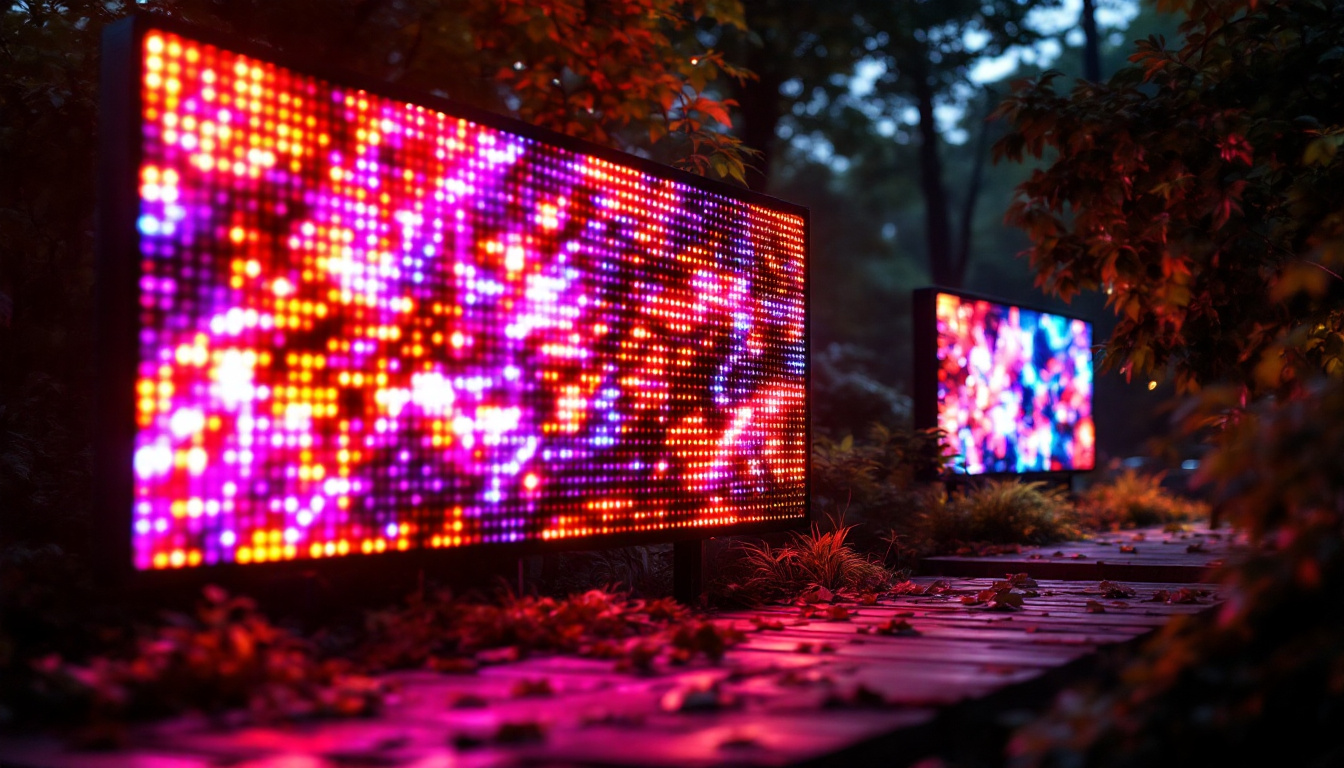
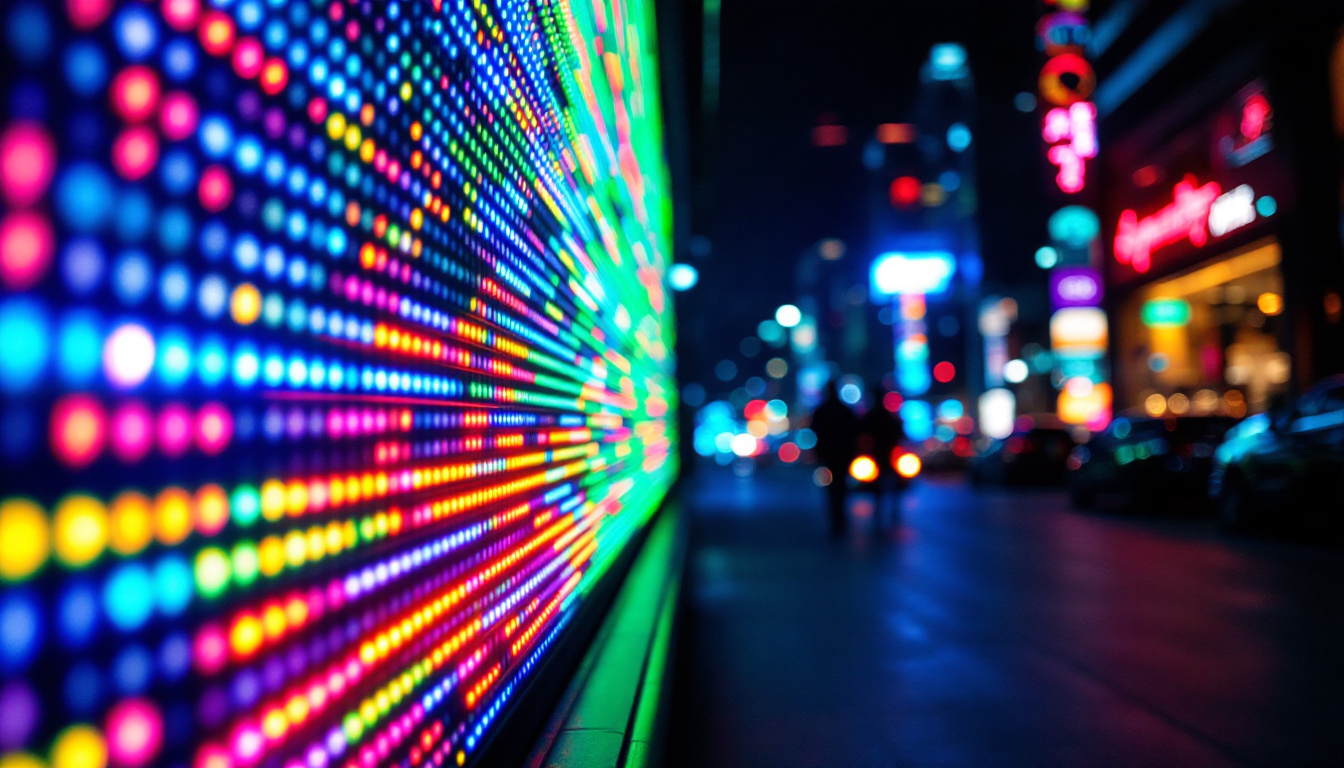
Each LED pixel consists of red, green, and blue diodes that combine to produce a full spectrum of colors. By adjusting the intensity of each diode, the screen can display millions of colors, rendering vivid images and videos. The resolution of an LED display depends on the pixel pitch—the distance between the centers of two adjacent pixels. A smaller pixel pitch means higher resolution and sharper images, which is especially important for screens viewed up close.
Modern LED displays often incorporate advanced control systems allowing real-time content changes, remote management, and synchronization across multiple screens. These features enable advertisers to tailor messages dynamically, responding to time of day, weather conditions, or specific events. For instance, a display can showcase a refreshing beverage advertisement during a hot summer day while switching to a cozy winter drink as temperatures drop. This adaptability not only enhances viewer engagement but also maximizes the effectiveness of advertising campaigns.
Additionally, many LED displays are now equipped with smart technology that allows for data analytics and audience measurement. By tracking viewer interactions and engagement levels, advertisers can gain valuable insights into consumer behavior, enabling them to refine their strategies and optimize their content for better reach and impact. This integration of technology into advertising displays marks a significant evolution in how brands connect with their audiences, making LED displays not just a medium for visual communication but a powerful tool for data-driven marketing.
The Advantages of Using LED Screens for Outdoor Advertising
Unmatched Visibility and Brightness
One of the most significant advantages of LED outdoor screens is their brightness. With luminance levels often exceeding 5,000 nits, these displays remain clearly visible in direct sunlight, unlike many other digital signage technologies. This high visibility ensures that advertisements capture the attention of pedestrians, drivers, and commuters regardless of lighting conditions.
Moreover, LED screens offer wide viewing angles, allowing the content to be seen clearly from multiple directions. This feature is crucial in busy urban settings where audiences approach from various angles.
Dynamic and Engaging Content
LED displays support a wide range of multimedia formats, including high-definition videos, animations, and interactive content. This capability allows advertisers to create engaging campaigns that stand out from static billboards. Dynamic content can be scheduled to change throughout the day, targeting different demographics or promoting timely offers.
For instance, a retail store might display promotional discounts during peak shopping hours and switch to brand awareness messages in the evening. This flexibility maximizes the return on investment by keeping the advertising fresh and relevant.
Durability and Longevity
Outdoor LED screens are built to endure harsh weather conditions, including heavy rain, snow, and strong winds. Their robust construction often includes waterproof and dustproof ratings such as IP65 or higher, ensuring reliable operation year-round.
In addition, LEDs have a long lifespan, typically ranging from 50,000 to 100,000 hours of operation. This longevity translates to lower maintenance costs and fewer replacements compared to traditional lighting or signage methods.
Technical Considerations for Outdoor LED Advertising Screens
Pixel Pitch and Resolution
Choosing the right pixel pitch is essential for delivering clear and impactful messages. For outdoor environments where viewers are generally farther away, a larger pixel pitch (e.g., 10mm to 20mm) is usually sufficient. However, for locations where audiences are close, such as bus stops or building facades, smaller pixel pitches (under 10mm) provide sharper images.
Balancing resolution and cost is critical since higher resolution screens require more LEDs and thus higher investment. Advertisers and planners must consider viewing distance, content type, and budget when selecting a display.
Brightness and Contrast
Brightness is measured in nits, with outdoor LED screens typically offering between 4,000 and 8,000 nits. High brightness levels ensure visibility under direct sunlight, but excessive brightness can cause glare or light pollution, especially in residential areas. Many modern LED displays include ambient light sensors that automatically adjust brightness based on environmental conditions, optimizing visibility without causing discomfort.
Contrast ratio—the difference between the brightest and darkest parts of the display—is another important factor. High contrast enhances image clarity and color vibrancy, making advertisements more eye-catching.
Power Consumption and Energy Efficiency
LED technology is inherently energy-efficient compared to older lighting methods, but large outdoor screens can still consume significant power. Advances in LED chip design and power management systems have reduced energy consumption, making outdoor LED advertising more sustainable.
Some installations incorporate solar panels or energy-saving modes during low-traffic hours to further reduce environmental impact and operational costs.
Installation and Maintenance
Proper installation is vital to ensure safety, performance, and longevity. Outdoor LED screens require sturdy mounting structures capable of withstanding wind loads and vibrations. Electrical wiring and control systems must be weatherproof and comply with local regulations.
Routine maintenance includes cleaning the screen surface, checking for dead pixels, and ensuring the cooling systems function correctly. Many modern LED displays feature modular panels that can be easily replaced or repaired, minimizing downtime.
Applications and Case Studies of Outdoor LED Advertising
Urban Billboards and Times Square
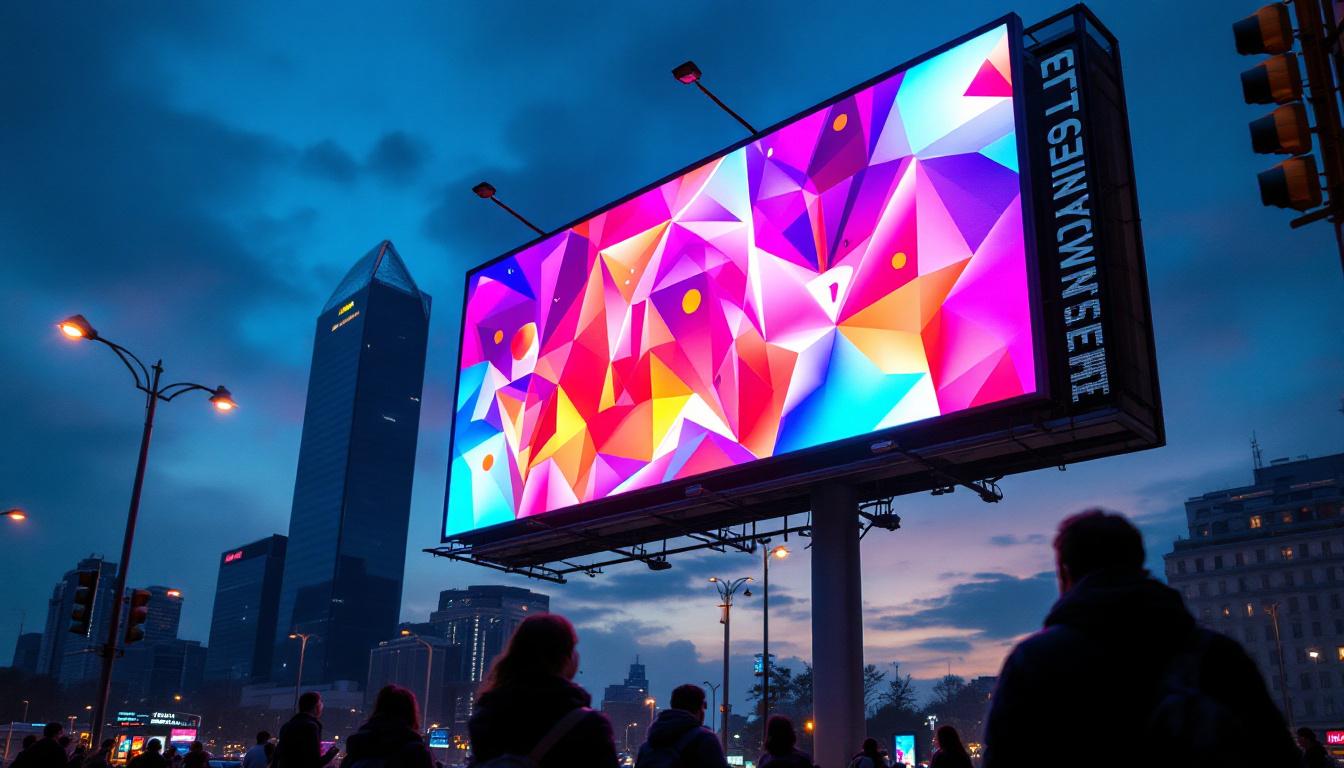
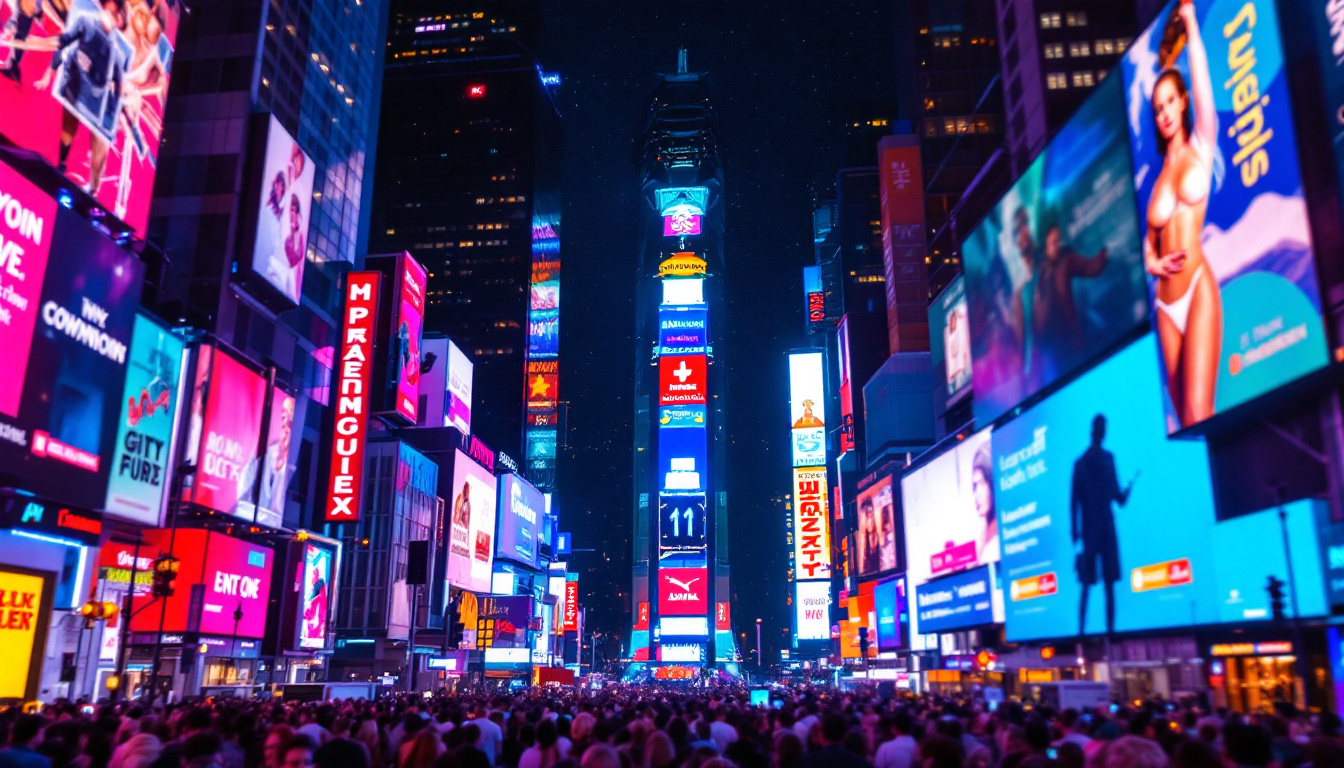
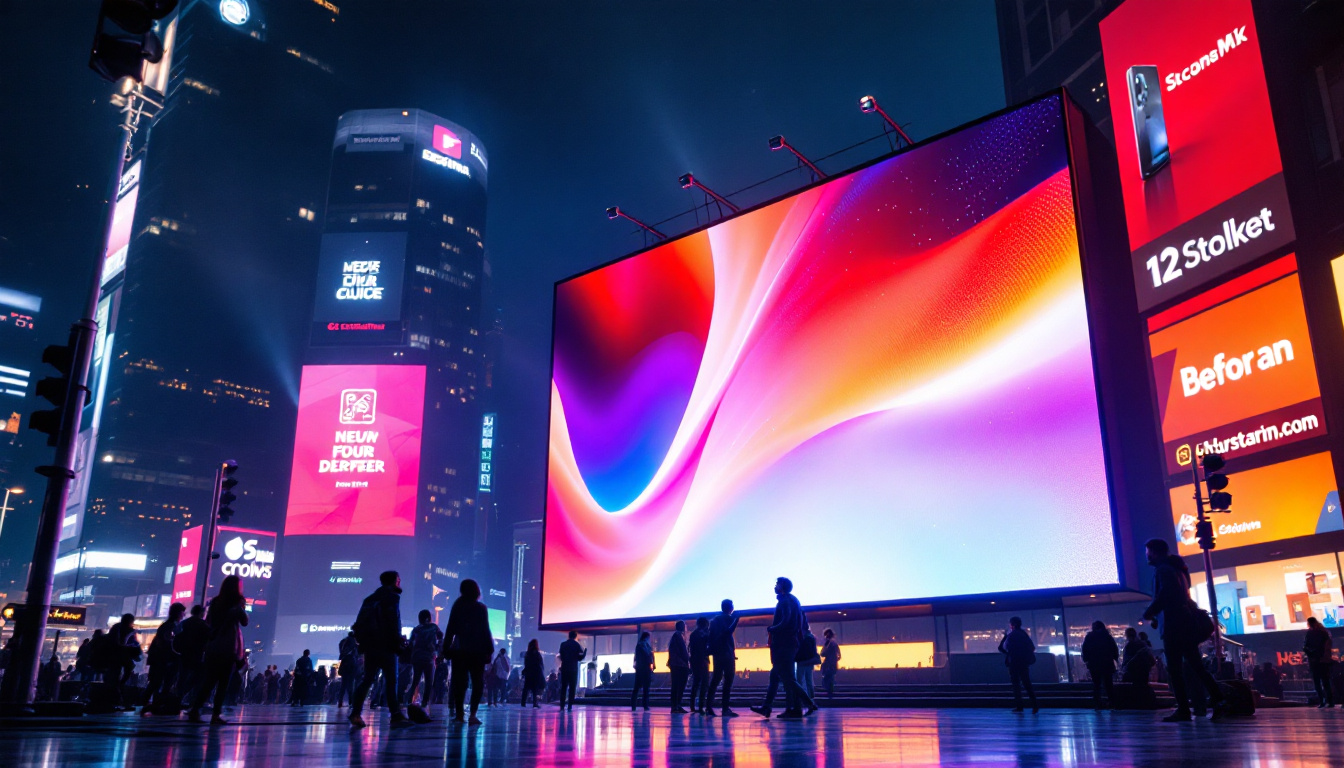
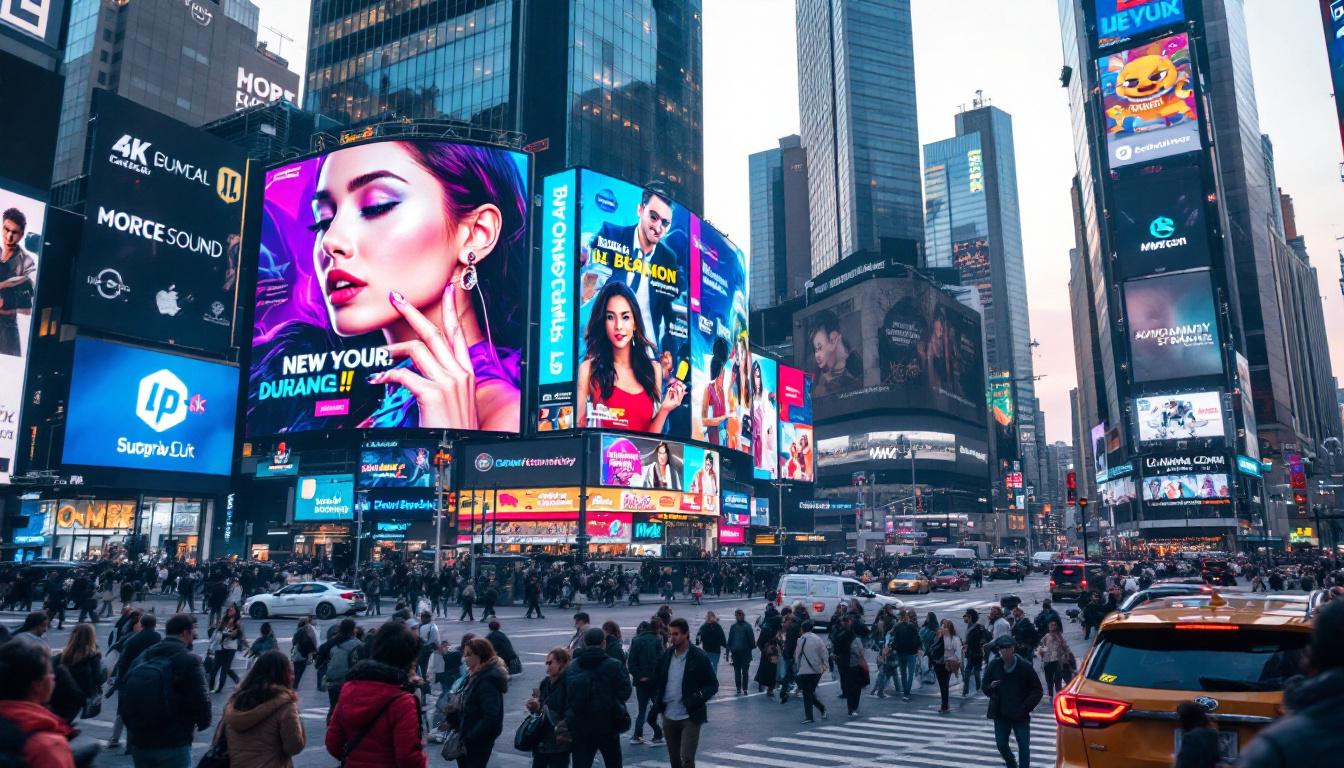
One of the most iconic examples of outdoor LED advertising is New York City’s Times Square, where massive LED screens create a vibrant, immersive environment. These displays showcase everything from movie trailers to global brand campaigns, reaching millions of viewers daily.
The success of Times Square demonstrates how LED technology can transform urban spaces into dynamic advertising hubs, driving brand engagement and tourism.
Sports Arenas and Live Events
Sports venues frequently use LED screens for advertising, scoreboards, and live replays. The ability to display high-definition, real-time content enhances the spectator experience while providing advertisers with premium exposure.
For example, during major events like the FIFA World Cup or the Olympics, LED advertising screens deliver targeted messages to diverse international audiences, often synchronized with broadcast coverage.
Transportation Hubs and Retail Environments
Airports, train stations, and shopping malls leverage outdoor LED displays to communicate promotions, wayfinding information, and public service announcements. The high visibility and adaptability of LED screens make them ideal for these fast-paced environments.
Retailers use LED advertising screens outside storefronts to attract passersby and announce flash sales, enhancing foot traffic and sales performance.
Best Practices for Effective Outdoor LED Advertising
Content Design and Messaging
Effective outdoor advertising requires concise, visually appealing content. Given the brief attention span of viewers, messages should be clear and easy to read within seconds. Large fonts, bold colors, and simple graphics work best.
Animation and video can increase engagement but should avoid excessive complexity that distracts or confuses the audience. Incorporating brand logos and calls to action ensures that viewers remember the advertiser and know what to do next.
Scheduling and Targeting
Dynamic scheduling allows advertisers to tailor content based on time of day, weather, or local events. For instance, promoting hot beverages on a cold morning or sunscreen products during sunny afternoons can increase relevance and effectiveness.
Geotargeting and integration with mobile marketing campaigns can further enhance impact by aligning outdoor messages with digital ads and promotions.
Compliance and Ethical Considerations
Outdoor advertising must comply with local regulations regarding brightness, content, and placement to avoid legal issues and community backlash. Advertisers should also consider the environmental impact of their installations and strive for sustainable practices.
Respecting community standards and avoiding overly intrusive or distracting content helps maintain a positive brand image and public goodwill.
The Future of Outdoor LED Advertising
Integration with Smart Technologies
The future of outdoor LED advertising lies in integration with smart city infrastructure and Internet of Things (IoT) devices. Screens equipped with sensors can adapt content based on real-time data such as traffic flow, weather, or audience demographics.
Artificial intelligence (AI) will enable hyper-personalized advertising, delivering messages tailored to specific audiences at the right moments, increasing engagement and conversion rates.
Augmented Reality and Interactivity
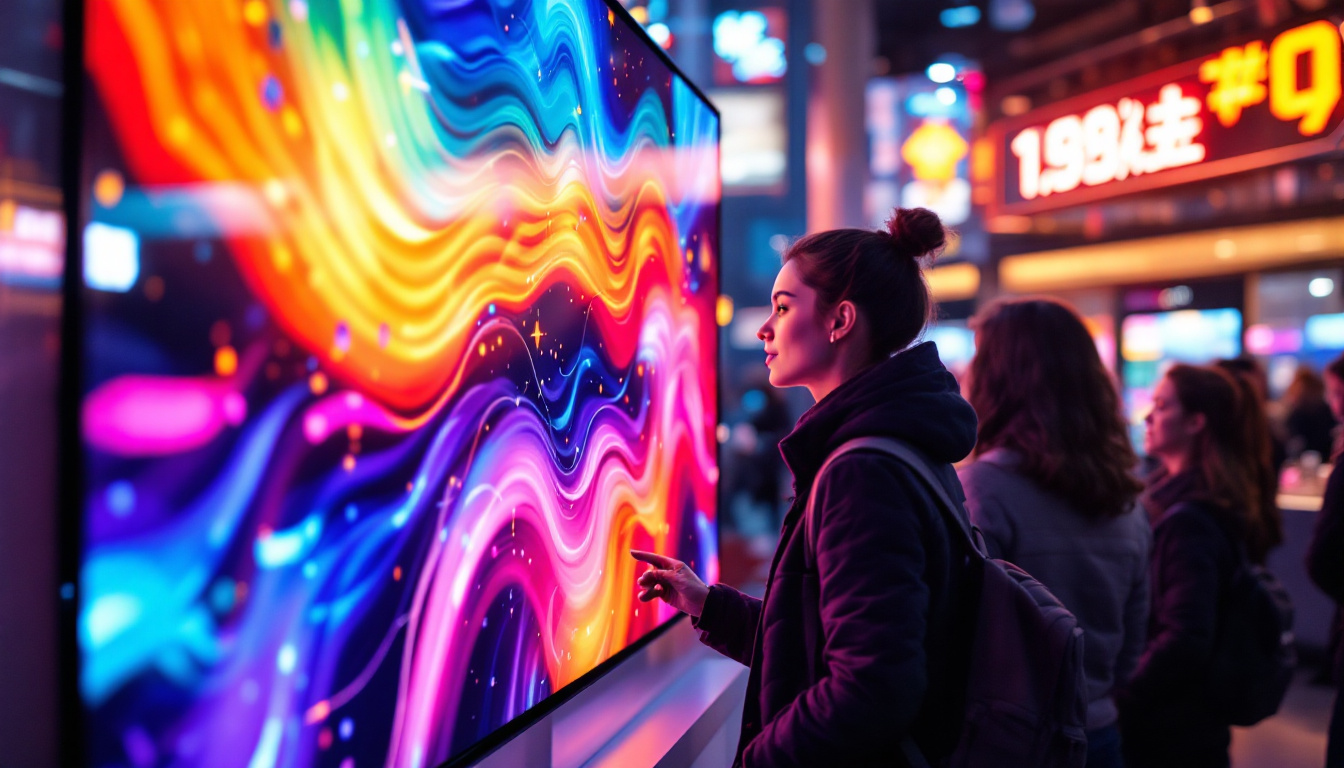
Emerging technologies like augmented reality (AR) and interactive touchscreens are transforming outdoor LED displays from passive billboards into engaging experiences. Consumers can interact with advertisements, participate in promotions, or access additional information through their smartphones.
This interactivity fosters deeper brand connections and provides valuable data for advertisers to refine their strategies.
Sustainability and Energy Innovations
As environmental concerns grow, the LED advertising industry is focusing on reducing carbon footprints through energy-efficient designs, recyclable materials, and renewable energy sources. Innovations such as organic LEDs (OLEDs) and microLEDs promise even greater efficiency and image quality in the coming years.
These advancements will help balance commercial objectives with environmental responsibility, ensuring the longevity of outdoor LED advertising as a vital marketing channel.
Conclusion
Outdoor LED advertising screens have revolutionized the way brands communicate with audiences in public spaces. Their brightness, durability, and dynamic capabilities make them an invaluable tool for capturing attention and delivering impactful messages. By understanding the technical aspects, advantages, and best practices of LED displays, advertisers can design effective campaigns that resonate with diverse audiences.
As technology continues to advance, the integration of smart features, interactivity, and sustainable solutions will further enhance the power and appeal of outdoor LED advertising, securing its place at the forefront of modern marketing strategies.
Discover LumenMatrix LED Display Solutions
Ready to elevate your brand’s outdoor advertising strategy with unparalleled brightness, durability, and dynamic content? LumenMatrix is at the forefront of LED display innovation, offering a diverse range of solutions tailored to your unique needs. From captivating Indoor and Outdoor LED Wall Displays to specialized options like Vehicle, Sports, and Floor LED Displays, our technology is designed to make your message shine. Experience the future of visual communication with our Custom, All-in-One, and Transparent LED Displays. Check out LumenMatrix LED Display Solutions today and transform your advertising approach with cutting-edge technology that engages and inspires.