In today’s fast-paced digital world, visual communication plays a crucial role in capturing attention and conveying messages effectively. Video walls have emerged as a powerful tool for businesses, public venues, and events to display dynamic content on a grand scale. Among the various technologies available, LED video walls stand out for their brightness, versatility, and increasingly affordable pricing. This article explores what LED video walls are, how they work, and why they represent an affordable and impactful solution for a wide range of applications.
Understanding LED Video Walls: What Are They?
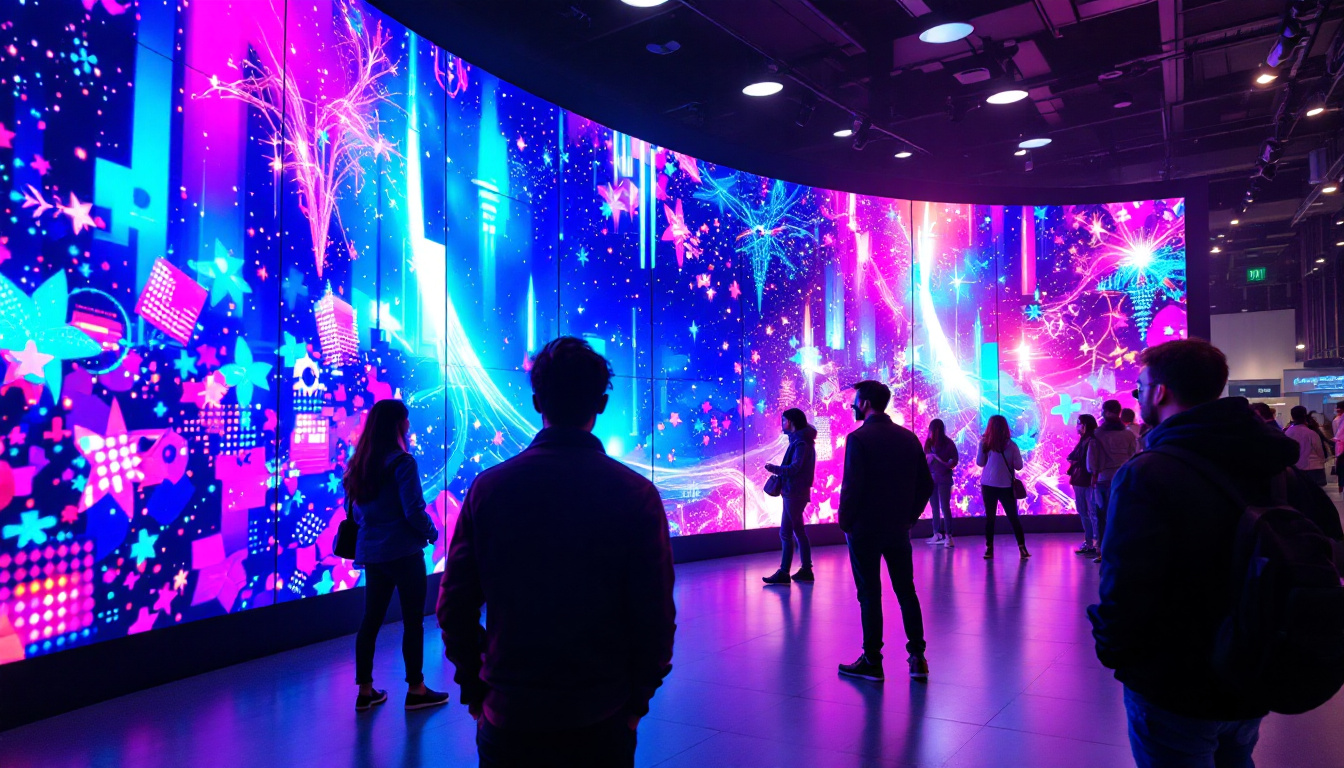
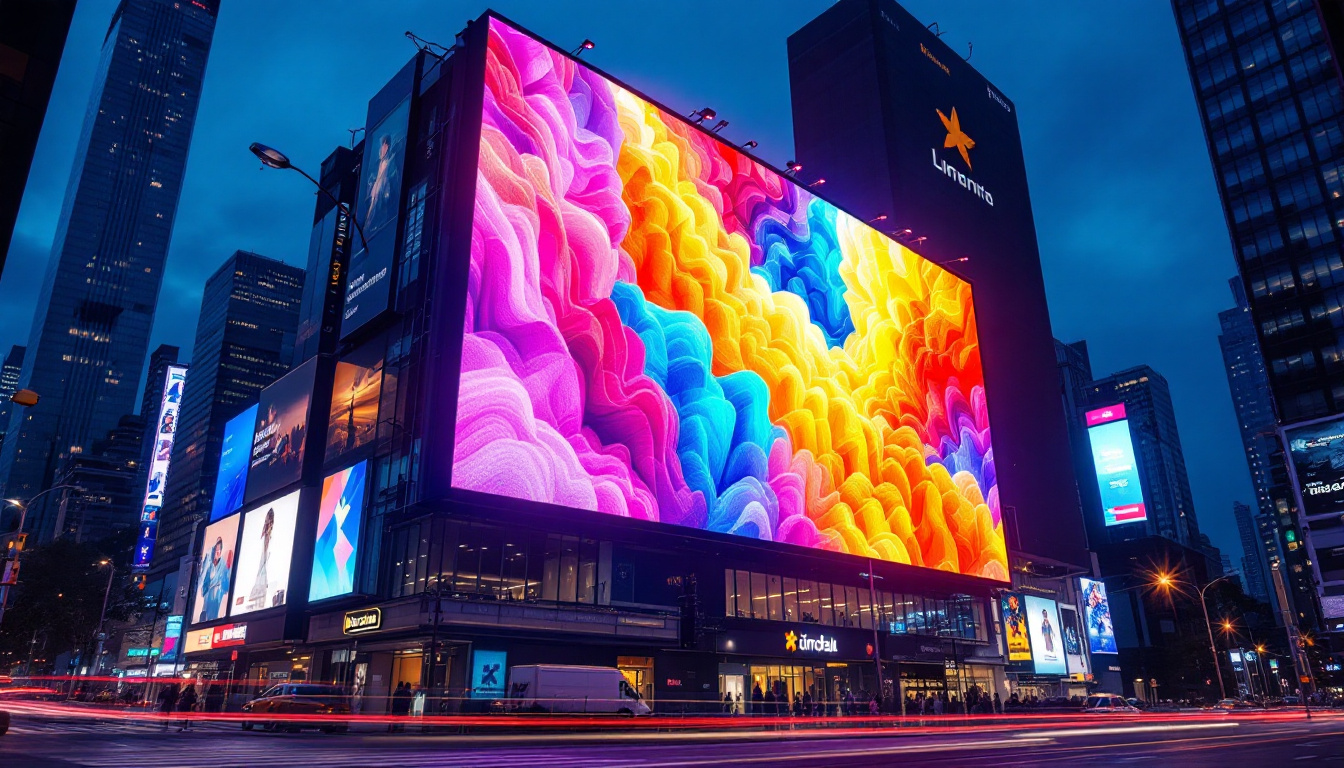
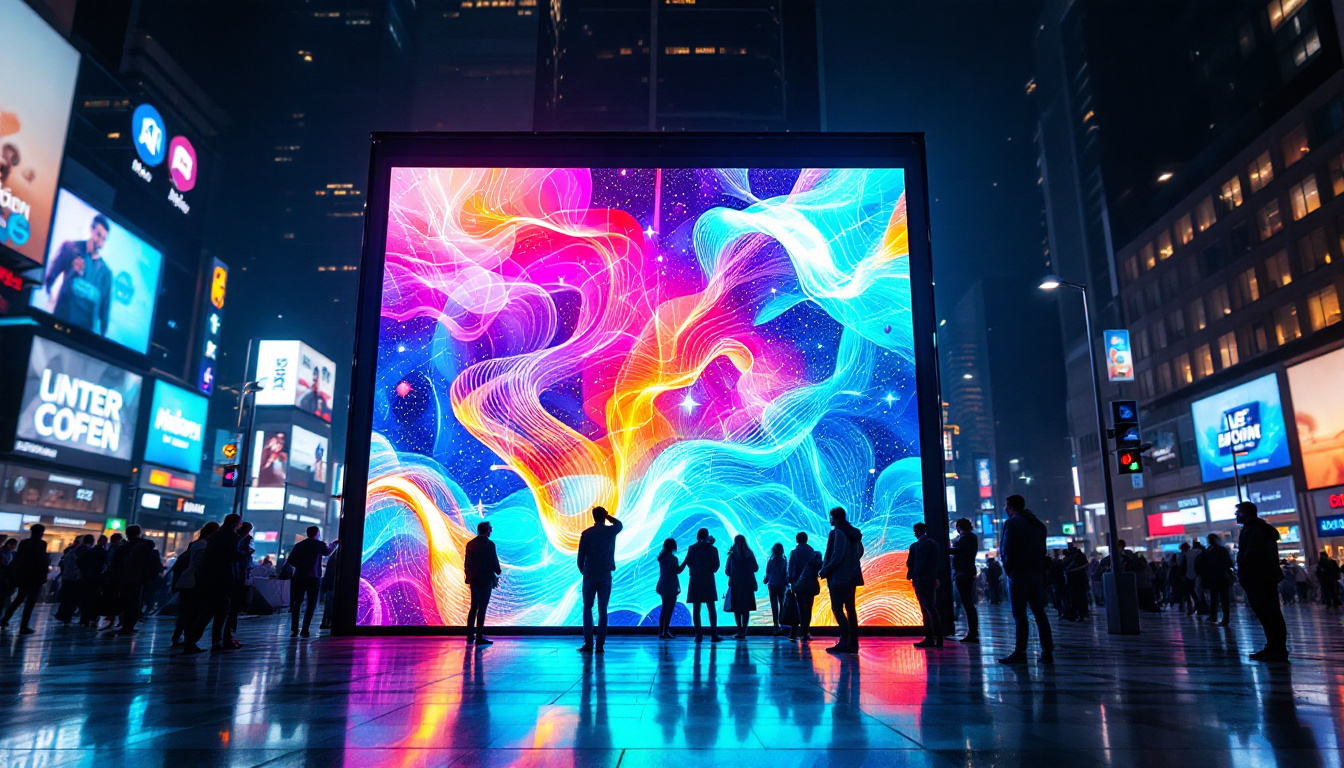
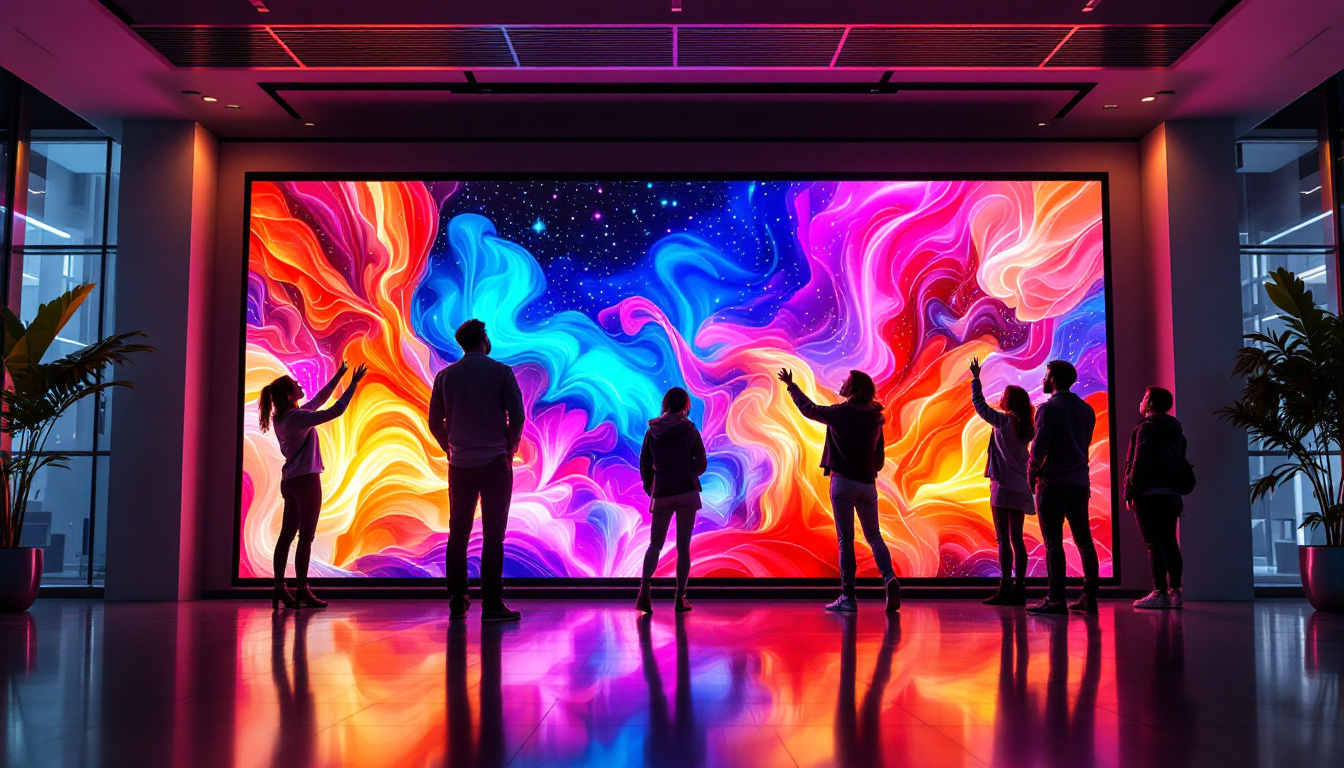
LED video walls are large-scale display systems composed of multiple LED panels tiled together to create one seamless, high-resolution screen. Unlike traditional LCD or projection-based video walls, LED walls use light-emitting diodes (LEDs) as their light source, which provides superior brightness and color accuracy. This makes them ideal for various applications, from large events and concerts to retail environments and corporate settings, where captivating visuals are essential for audience engagement.
Typically, each LED panel consists of thousands of tiny LEDs arranged in a grid. These LEDs emit red, green, and blue light that combine to produce vibrant, full-color images. When multiple panels are assembled, they form a continuous display surface that can be customized in size and shape to fit any environment. The flexibility in design allows for creative installations, such as curved or irregular shapes, which can enhance the visual impact and storytelling of the display.
Key Components of an LED Video Wall
Understanding the components helps clarify why LED video walls are both effective and increasingly affordable:
- LED Modules: The building blocks of the video wall, containing the LEDs themselves. Modules vary by pixel pitch, which affects resolution and viewing distance. A smaller pixel pitch results in higher resolution, making it suitable for close viewing, while a larger pitch can be used for larger audiences from a distance.
- Cabinets: Frames that hold the LED modules together. Cabinets are designed for easy installation and maintenance, often featuring quick-lock mechanisms that allow for rapid assembly and disassembly, which is particularly beneficial for touring productions or temporary installations.
- Video Processor: The hardware that manages input signals and controls how content is displayed across the panels. Advanced video processors can handle multiple input sources simultaneously, allowing for dynamic content management and real-time adjustments to enhance the viewing experience.
- Mounting Structure: Supports the entire assembly, ensuring stability and alignment. This structure can be customized to accommodate various installation scenarios, whether it’s a freestanding setup, wall-mounted, or suspended from the ceiling.
In addition to these components, LED video walls often come equipped with sophisticated software solutions that facilitate content creation and playback. This software can enable users to design interactive experiences, integrate live feeds, or synchronize displays across multiple locations. Furthermore, the energy efficiency of LED technology means that these video walls not only deliver stunning visuals but also reduce operational costs over time, making them an increasingly attractive option for businesses looking to invest in high-impact advertising or immersive environments.
Why Choose LED Video Walls? Benefits and Advantages
LED video walls offer a range of benefits that make them a preferred choice for many organizations, from retail stores to stadiums and corporate lobbies. Here are some of the most compelling reasons to consider LED technology:
Exceptional Brightness and Visibility
One of the standout advantages of LED video walls is their brightness. LEDs can achieve luminance levels exceeding 1,000 nits, which means the display remains clear and vibrant even in direct sunlight or brightly lit environments. This makes LED walls ideal for outdoor advertising, transportation hubs, and event venues where ambient light can be challenging.
Seamless Image Quality and Scalability
LED panels are designed to fit tightly together, minimizing visible seams and creating a near-continuous image. This seamless effect enhances the viewer’s experience by providing an immersive visual display. Moreover, LED video walls can be scaled up or down easily, allowing businesses to tailor the size to their specific needs without sacrificing image quality.
Energy Efficiency and Longevity
Modern LED technology is energy-efficient compared to older display types such as plasma or projection systems. LEDs consume less power, generate less heat, and have a longer lifespan—often exceeding 100,000 hours of operation. This reduces maintenance costs and downtime, making LED video walls a cost-effective investment over time.
Flexible Design and Customization
LED video walls can be configured in various shapes and sizes, including curved or irregular designs. This flexibility enables creative installations that can fit unique architectural spaces or branding requirements. Additionally, LED walls support a wide range of content types, from live video feeds to interactive applications.
Affordability: How LED Video Walls Have Become More Accessible
Historically, video walls were prohibitively expensive for many small and medium-sized businesses due to high costs of hardware and installation. However, recent advancements in LED manufacturing and increased market competition have driven prices down significantly.
Technological Advancements Driving Cost Reduction
Innovations such as surface-mount device (SMD) LEDs and improved production techniques have lowered the cost per pixel. Additionally, the availability of standardized LED modules and cabinets has streamlined manufacturing and installation, reducing labor and customization expenses.
Market Competition and Economies of Scale
The LED video wall market has grown rapidly, with numerous manufacturers competing globally. This competition has encouraged companies to offer more affordable options without compromising quality. As production volumes increase, economies of scale further reduce costs, making LED walls accessible to a broader audience.
DIY and Rental Options
For businesses hesitant to commit to a full purchase, rental options provide a cost-effective alternative for temporary events or seasonal promotions. Furthermore, some manufacturers offer modular kits designed for easier self-installation, cutting down on professional installation fees.
Applications of Affordable LED Video Walls
The versatility and affordability of LED video walls have expanded their use across various industries and settings. Here are some prominent examples:
Retail and Advertising
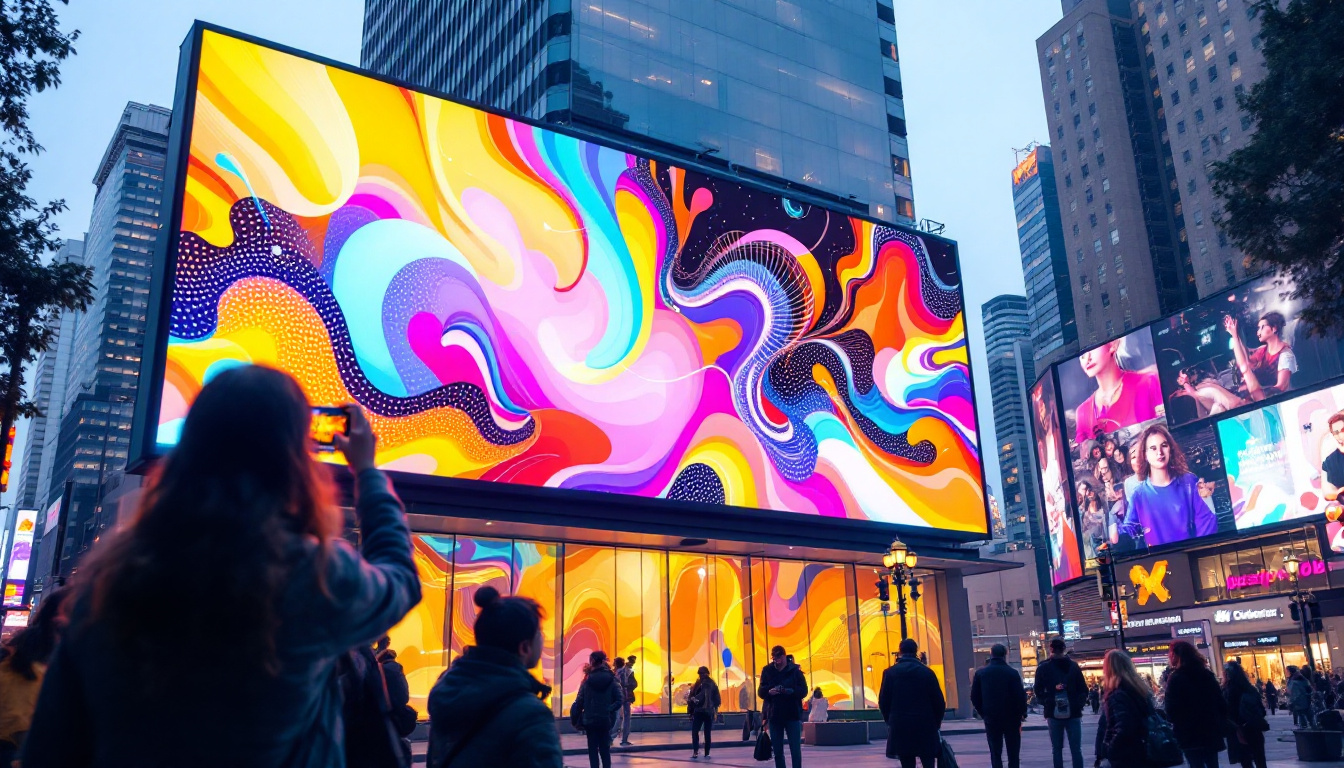
Retailers use LED video walls to create eye-catching storefront displays that attract customers and promote products dynamically. Digital signage powered by LED walls can adapt content in real-time based on promotions, weather, or customer demographics, enhancing engagement and sales.
Corporate and Conference Spaces
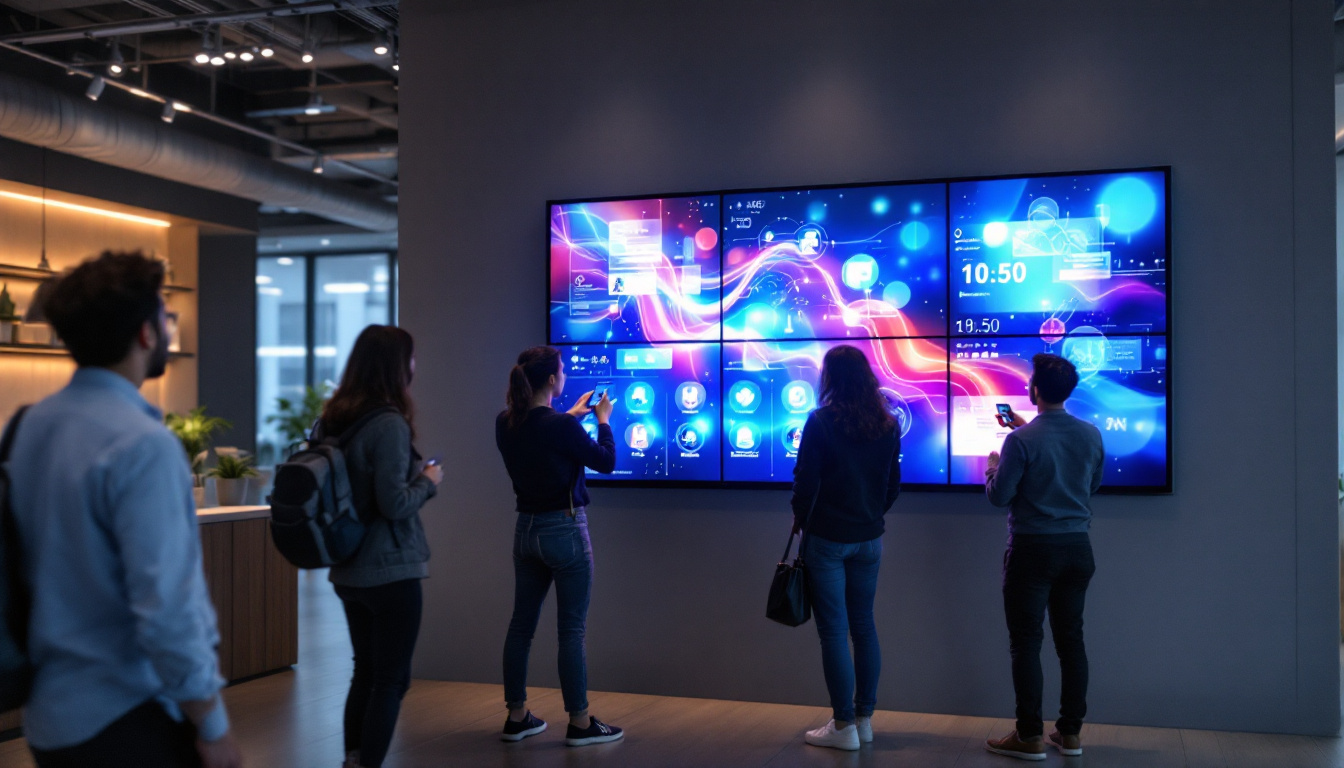
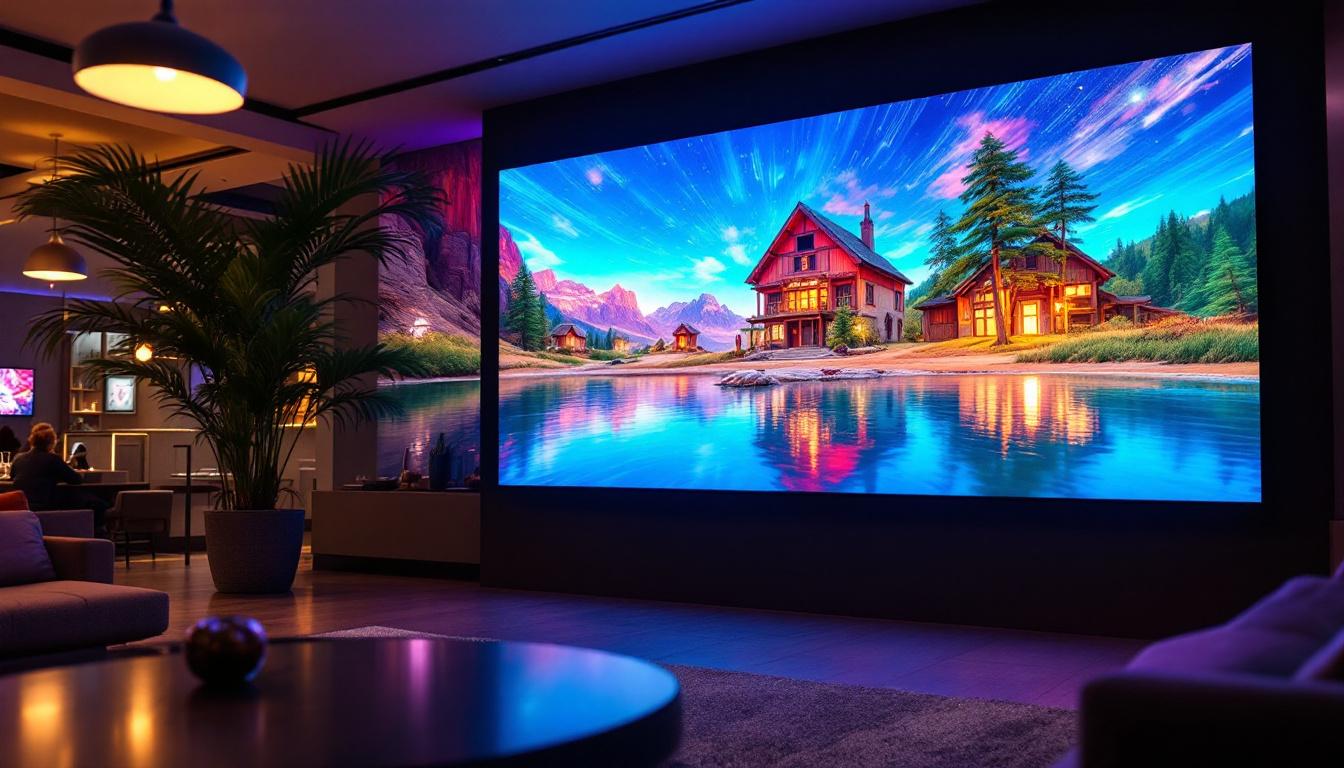
In corporate environments, LED video walls serve as impressive backdrops for presentations, video conferencing, and branding. Their high resolution and brightness ensure clear visibility for all attendees, improving communication effectiveness.
Entertainment and Sports Venues
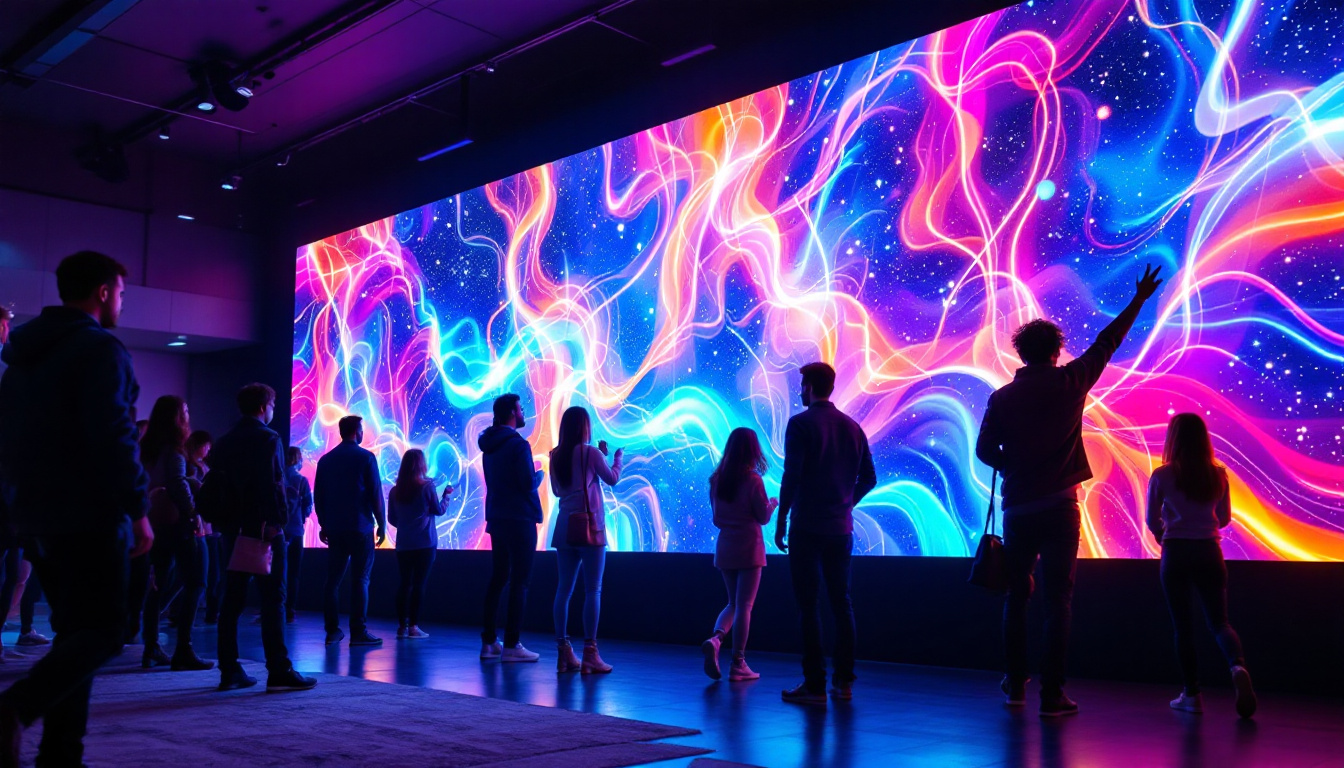
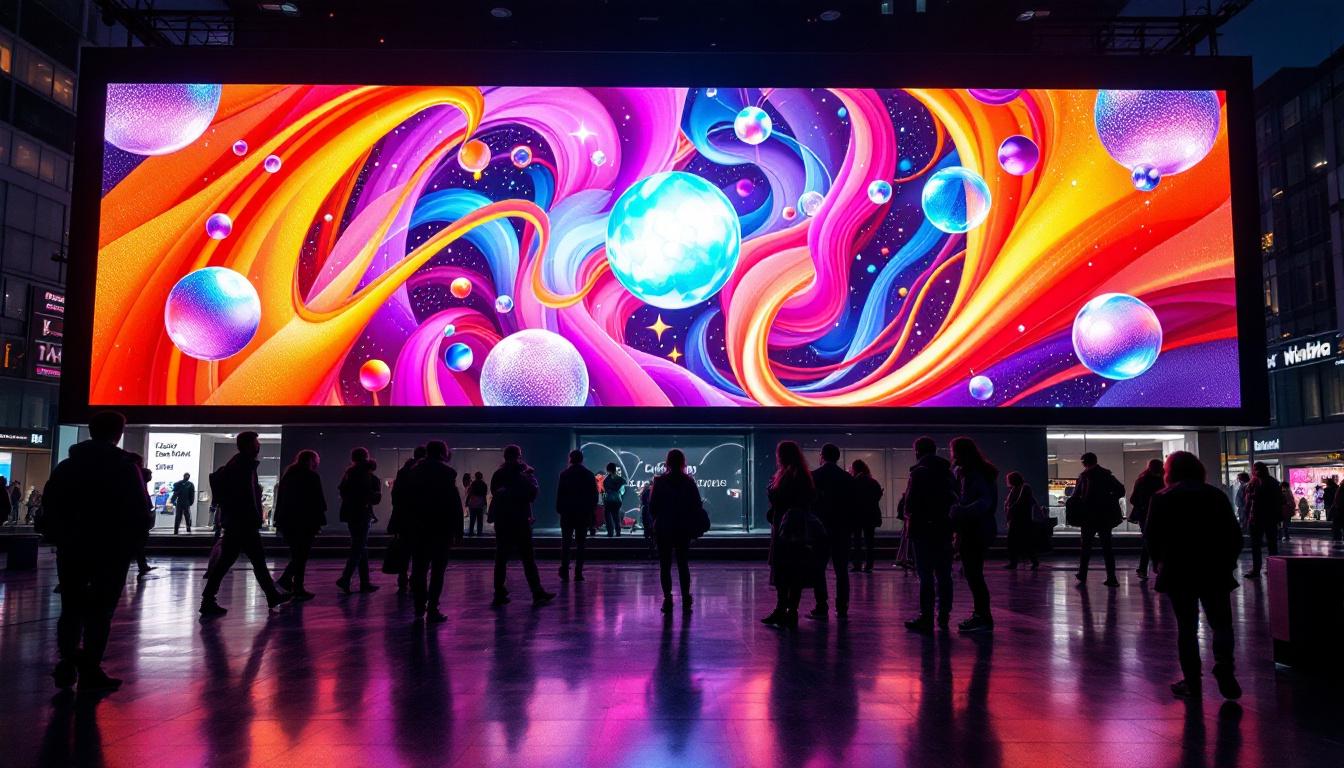
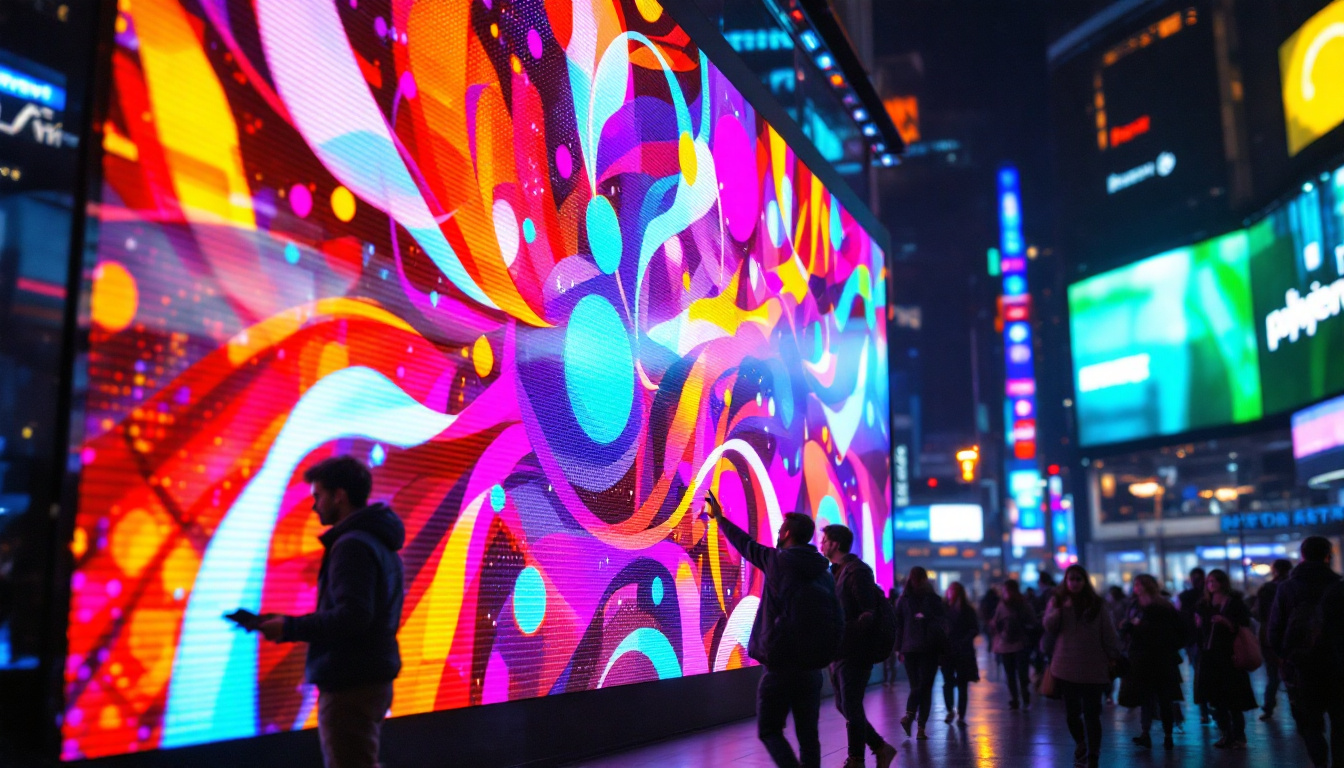
Stadiums and concert halls utilize large LED video walls to provide live event coverage, instant replays, and interactive content. The durability and brightness of LEDs make them suitable for both indoor and outdoor venues, enhancing the fan experience.
Transportation Hubs and Public Spaces
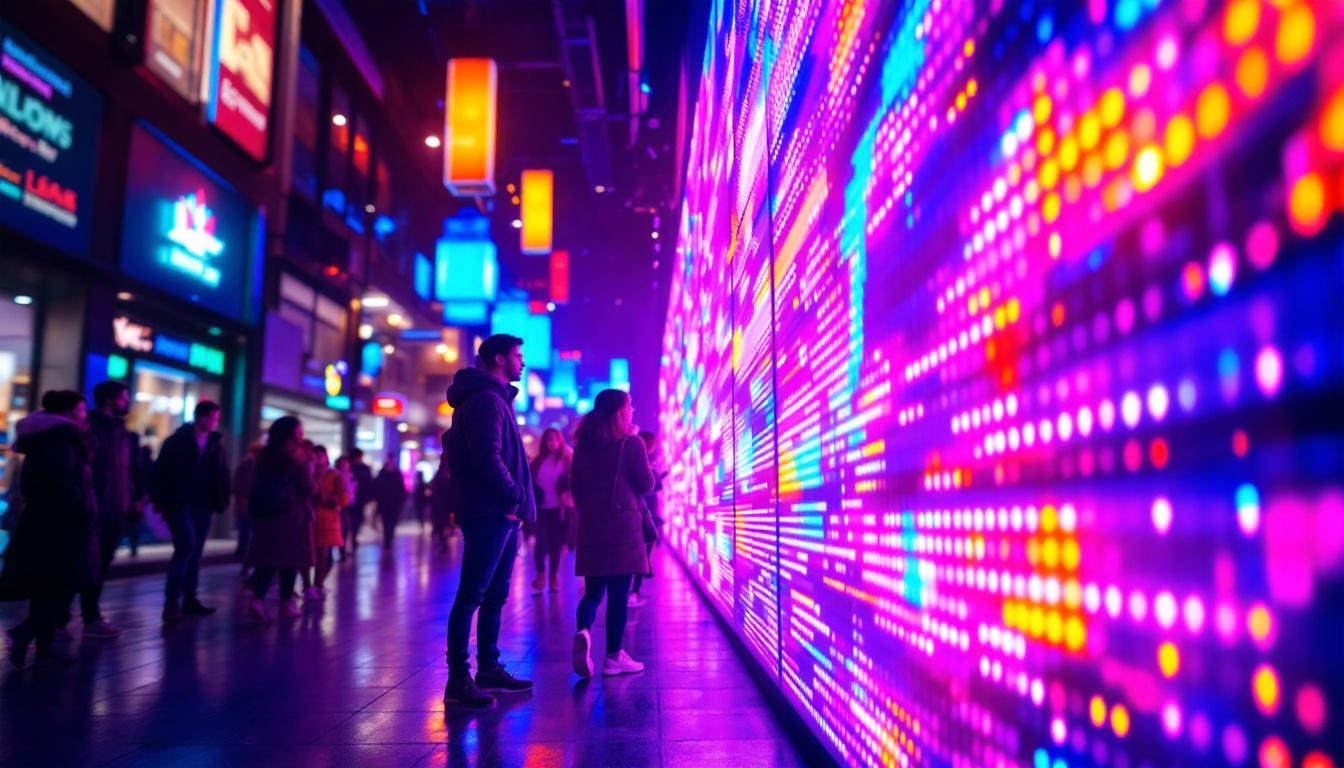
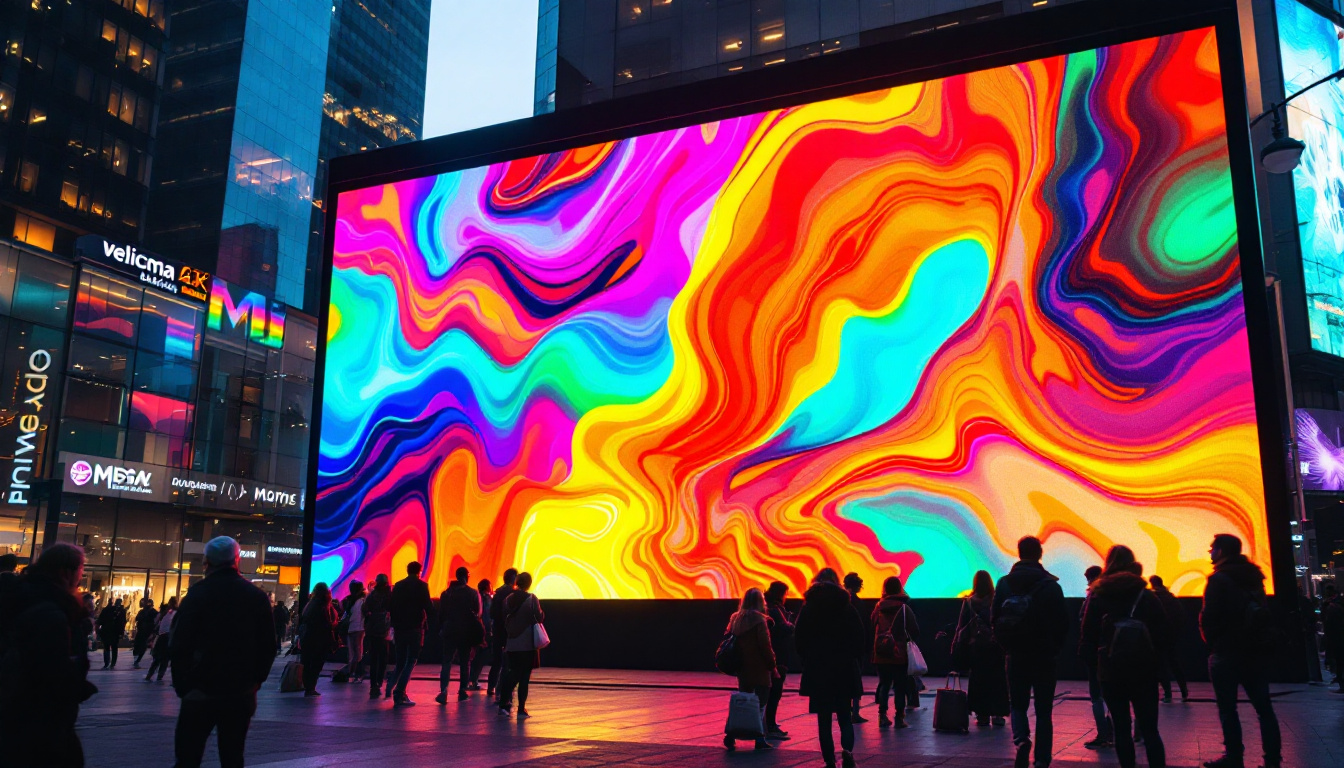
Airports, train stations, and city centers employ LED video walls for wayfinding, public announcements, and advertising. Their visibility in various lighting conditions and ability to display dynamic content make them ideal for high-traffic areas.
Choosing the Right LED Video Wall: Factors to Consider
Selecting an LED video wall that balances affordability with performance requires careful consideration of several key factors:
Pixel Pitch and Resolution
Pixel pitch refers to the distance between individual LEDs on a module, typically measured in millimeters. Smaller pixel pitch means higher resolution and better image clarity, especially at close viewing distances. For example, a 1.5mm pixel pitch is ideal for indoor use where viewers are close, while 4mm or higher suits outdoor or large venues.
Brightness and Environmental Suitability
Brightness requirements vary based on location. Outdoor installations demand higher brightness levels (often above 5,000 nits) to combat sunlight, whereas indoor walls typically require 800 to 1,500 nits. Additionally, weatherproofing and IP ratings are critical for outdoor LED walls to withstand elements.
Installation and Maintenance
Consider the ease of installation and ongoing maintenance. Front-serviceable LED walls allow module replacement from the front, reducing downtime and installation complexity. Modular designs also facilitate future upgrades or repairs without replacing the entire wall.
Content Management and Connectivity
Ensure the video wall supports the necessary input sources and content management systems. Compatibility with standard video formats, network connectivity, and user-friendly software are essential for smooth operation and content updates.
Future Trends in LED Video Wall Technology
The LED video wall industry continues to evolve rapidly, driven by technological innovation and changing user demands. Several trends are shaping the future landscape:
MicroLED and MiniLED Advances
Emerging MicroLED and MiniLED technologies promise even higher resolution and contrast with lower power consumption. These smaller LEDs enable ultra-fine pixel pitches, making LED walls suitable for close-up viewing environments such as control rooms and retail counters.
Interactive and Smart Displays
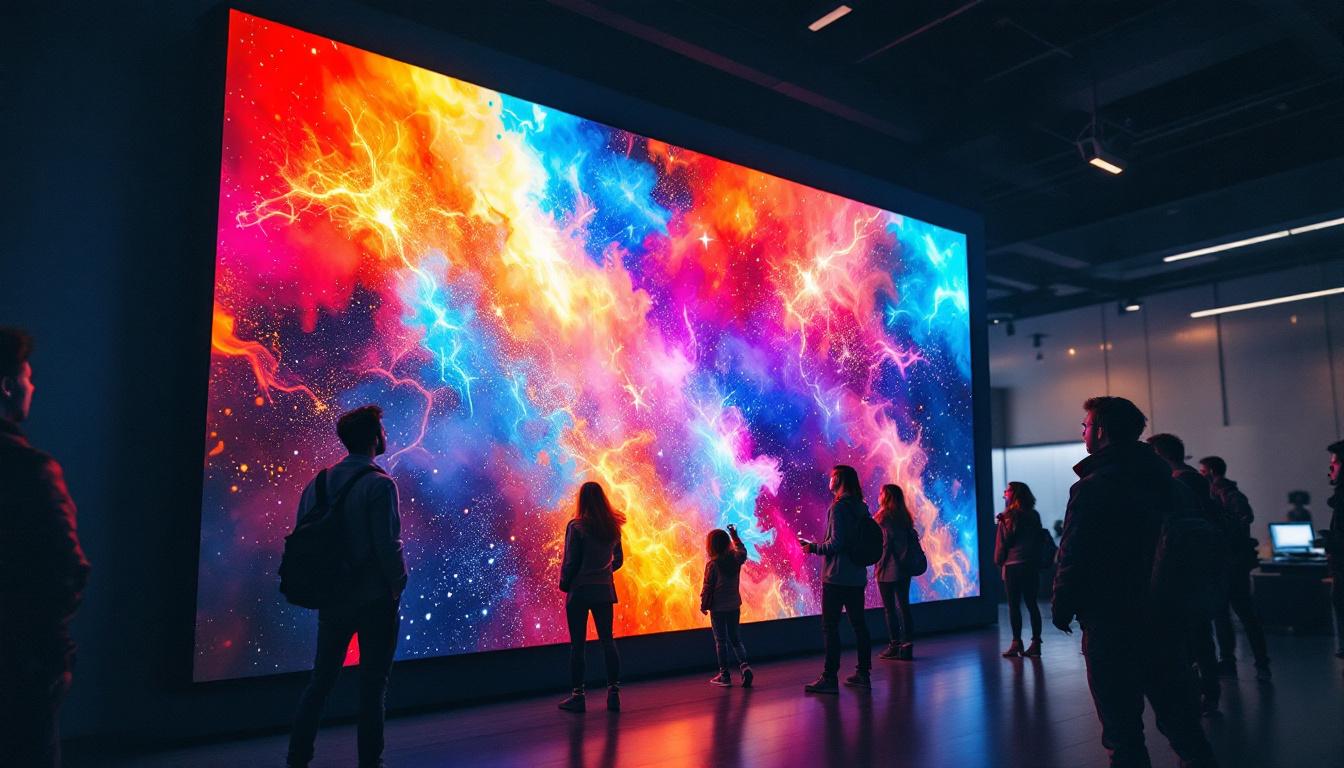
Integration of touch capabilities and smart sensors is transforming LED video walls into interactive platforms. This interactivity enhances customer engagement in retail and experiential marketing, as well as providing new possibilities for collaboration in corporate settings.
AI-Driven Content Optimization
Artificial intelligence is being leveraged to tailor content dynamically based on audience behavior, time of day, and environmental factors. AI-powered video walls can optimize brightness, contrast, and content relevance, maximizing impact while conserving energy.
Conclusion
LED video walls have transitioned from high-cost, niche installations to affordable, versatile solutions accessible to a wide range of users. Their exceptional brightness, scalability, and energy efficiency make them ideal for diverse applications—from retail and corporate environments to entertainment and public spaces.
By understanding the technology, benefits, and factors to consider, businesses can confidently invest in LED video walls that deliver impactful visual communication without breaking the budget. As LED technology continues to advance, the future promises even more innovative and cost-effective display solutions that will further revolutionize how we share information and engage audiences.
Explore Cutting-Edge LED Displays with LumenMatrix
Ready to elevate your visual communication with an LED video wall that combines affordability with high performance? Discover LumenMatrix’s innovative LED display solutions, designed to bring your brand to life and captivate your audience. From vibrant Indoor and Outdoor LED Wall Displays to dynamic Vehicle and Sports Displays, our extensive range caters to every need. Experience the future of digital signage with our All-in-One LED Displays, LED Transparent Displays, and more. Check out LumenMatrix LED Display Solutions today and transform your space into a mesmerizing visual experience.