Custom LCD Display: LED Display Explained
In today’s technology-driven world, display technologies play a crucial role in how we interact with devices, from smartphones and televisions to industrial equipment and digital signage. Among these, LCD (Liquid Crystal Display) and LED (Light Emitting Diode) displays are two of the most prevalent types, often mentioned together or interchangeably. However, understanding the nuances between them, especially when it comes to custom LCD displays enhanced with LED backlighting, is essential for making informed decisions in both consumer and industrial applications.
This article delves into the fundamentals of custom LCD displays, explains LED display technology, and explores how the integration of LED backlighting transforms LCD panels. Whether you are a product designer, engineer, or technology enthusiast, this comprehensive guide will clarify key concepts, current trends, and practical considerations for custom LCD and LED displays.
Understanding LCD Technology
What is an LCD?
Liquid Crystal Display (LCD) technology relies on liquid crystals that modulate light to produce images. Unlike traditional CRT (Cathode Ray Tube) displays, LCDs are flat, lightweight, and energy-efficient, making them ideal for a wide range of applications. The core principle involves manipulating the alignment of liquid crystals between two polarized glass layers to control the passage of light.
However, LCDs themselves do not emit light. They require a light source to illuminate the pixels, which is where backlighting comes into play. Historically, cold cathode fluorescent lamps (CCFLs) were used, but LED backlighting has become the industry standard due to its superior performance and efficiency. The transition to LED technology has not only improved brightness and contrast but also significantly reduced power consumption, making modern LCDs more environmentally friendly and cost-effective in the long run.
In addition to energy efficiency, advancements in LCD technology have led to thinner and more flexible displays. This has opened up new possibilities for applications in wearable technology and curved screens, providing users with immersive experiences that were previously unattainable. As manufacturers continue to innovate, we can expect further enhancements in color accuracy and response times, pushing the boundaries of what LCD displays can achieve.
Types of LCD Panels
LCD panels come in various types, each with unique characteristics suited to different applications:
- Twisted Nematic (TN): Known for fast response times and affordability, TN panels are common in gaming monitors and budget displays but have limited viewing angles and color reproduction.
- In-Plane Switching (IPS): IPS panels offer better color accuracy and wider viewing angles, making them popular in professional monitors, smartphones, and tablets.
- Vertical Alignment (VA): VA panels provide higher contrast ratios and deeper blacks, often used in televisions and high-end monitors.
Choosing the right panel type is critical when designing a custom LCD display, as it impacts image quality, power consumption, and user experience. For instance, gamers often prefer TN panels for their rapid refresh rates, while graphic designers might opt for IPS panels to ensure color fidelity in their work. Furthermore, the rise of hybrid technologies, such as IPS with enhanced refresh rates, is blurring the lines between these categories, providing consumers with more versatile options that cater to a variety of needs.
Moreover, the development of advanced technologies like Quantum Dot and Mini-LED backlighting is further enhancing the capabilities of LCD displays. Quantum Dot technology improves color accuracy and brightness by using semiconductor nanocrystals, while Mini-LED backlighting allows for more precise local dimming, resulting in better contrast and deeper blacks. As these innovations continue to evolve, they promise to redefine the visual experience across all types of devices, from televisions to portable gadgets.
LED Display Technology Explained
What Does LED Mean?
LED stands for Light Emitting Diode, a semiconductor device that emits light when an electric current passes through it. LEDs are highly efficient, durable, and capable of producing bright illumination with low power consumption. These qualities have made LEDs a preferred choice for display backlighting and standalone display panels.
Types of LED Displays
LED display technology can be categorized broadly into two types:
- LED-backlit LCD Displays: These are traditional LCD panels illuminated by an array of LEDs behind or along the edges of the screen. This method improves brightness, contrast, and energy efficiency compared to older CCFL backlights.
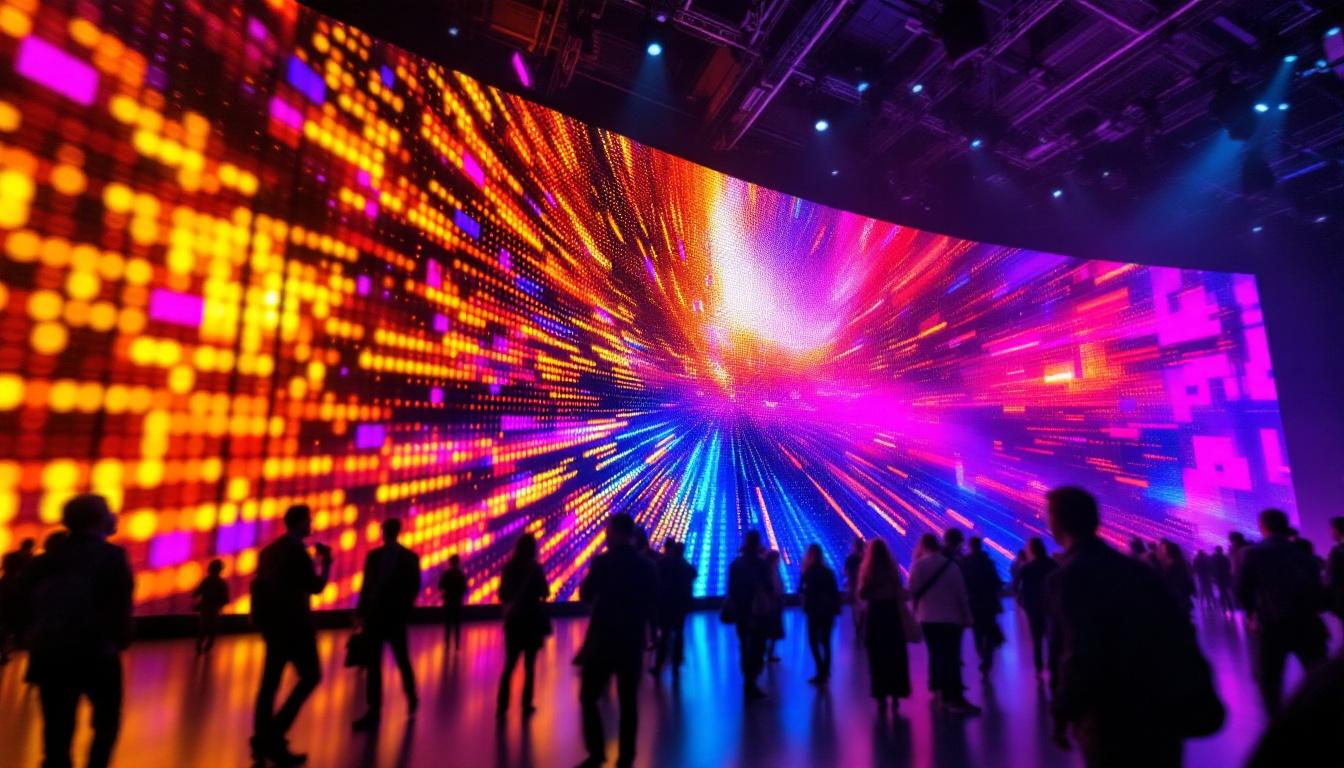
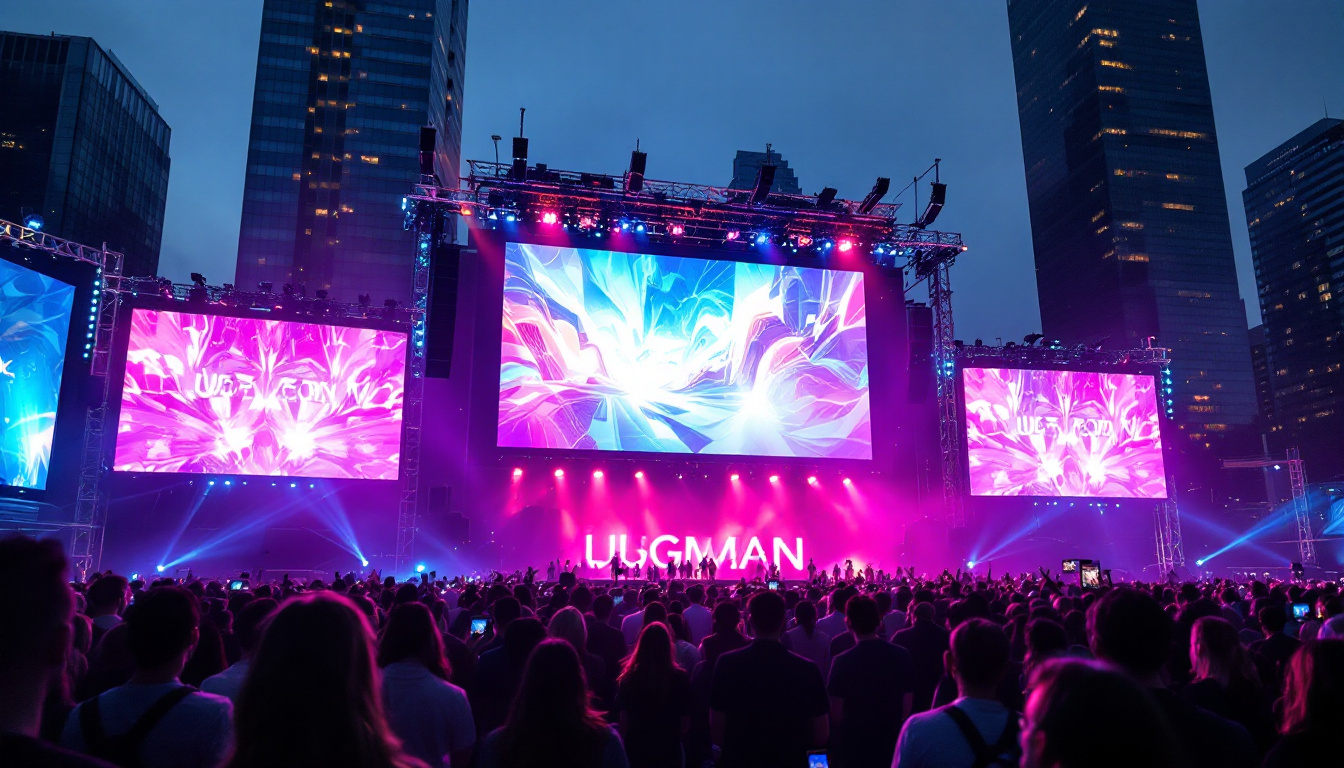
- Direct-view LED Displays: These displays consist of individual LEDs that act as pixels themselves. They are commonly used in large-scale applications such as billboards, stadium screens, and digital signage due to their scalability and high brightness.
Understanding these distinctions is essential when specifying a custom display solution, as the requirements for a handheld device differ significantly from those for an outdoor advertising screen.
Advantages of LED Technology in Displays
LED technology offers several advantages that have driven its widespread adoption in display manufacturing:
- Energy Efficiency: LEDs consume significantly less power than CCFLs and other traditional light sources, reducing operational costs and environmental impact.
- Improved Brightness and Contrast: LED backlighting can achieve higher brightness levels and better contrast ratios, enhancing image clarity and color vibrancy.
- Longer Lifespan: LEDs have a longer operational life, often exceeding 50,000 hours, which is beneficial for devices requiring long-term reliability.
- Slimmer Designs: LED backlighting allows for thinner and lighter displays, enabling sleeker product designs.
The Role of Custom LCD Displays with LED Backlighting
Why Customize LCD Displays?
Off-the-shelf LCD displays may suffice for many general applications, but custom LCD displays are increasingly in demand for specialized uses where size, resolution, brightness, interface compatibility, or environmental resilience are critical. Industries such as automotive, medical devices, aerospace, industrial automation, and consumer electronics often require displays tailored to their unique specifications.
Customization can involve adjustments in screen size, aspect ratio, touch integration, brightness levels, color calibration, and input/output interfaces. These modifications ensure the display performs optimally within the device’s operating environment and meets user expectations.
Integrating LED Backlighting in Custom LCDs
Incorporating LED backlighting into custom LCD displays enhances their performance significantly. For example, edge-lit LED backlighting allows for ultra-thin displays, while full-array LED backlighting provides uniform brightness and local dimming capabilities, which improve contrast and reduce power consumption.
Advanced LED backlighting techniques, such as RGB LED backlighting, enable wider color gamuts and more accurate color reproduction, which is essential for professional-grade displays used in graphic design, medical imaging, and broadcasting.
Considerations for Custom LCD and LED Display Design
When designing a custom LCD display with LED backlighting, several factors must be considered to ensure optimal performance and longevity:
- Brightness Requirements: Depending on ambient lighting conditions, displays may need high brightness levels, especially for outdoor or industrial environments.
- Power Consumption: Balancing brightness and power efficiency is critical, particularly for battery-powered devices.
- Thermal Management: LEDs generate heat, which must be managed to prevent damage and maintain display performance.
- Durability and Environmental Resistance: Custom displays may require ruggedization to withstand vibration, moisture, dust, and extreme temperatures.
- Interface Compatibility: Ensuring the display’s electrical and communication interfaces match the host device’s requirements is essential for seamless integration.
Applications of Custom LCD Displays with LED Technology
Consumer Electronics
Smartphones, tablets, laptops, and wearable devices rely heavily on custom LCD displays with LED backlighting to deliver vibrant visuals and energy efficiency. Manufacturers often customize displays to optimize size, resolution, and touch sensitivity to enhance user experience.
Industrial and Medical Equipment
In industrial automation and medical devices, displays must provide clear, reliable information under challenging conditions. Custom LCDs with high-brightness LED backlighting ensure readability in bright environments like factory floors or operating rooms, while rugged designs protect against harsh conditions.
Automotive Displays
Modern vehicles incorporate multiple custom LCD displays for instrument clusters, infotainment systems, and heads-up displays. LED backlighting improves visibility in various lighting conditions, including direct sunlight, while customization allows integration with vehicle-specific interfaces and design aesthetics.
Digital Signage and Outdoor Displays
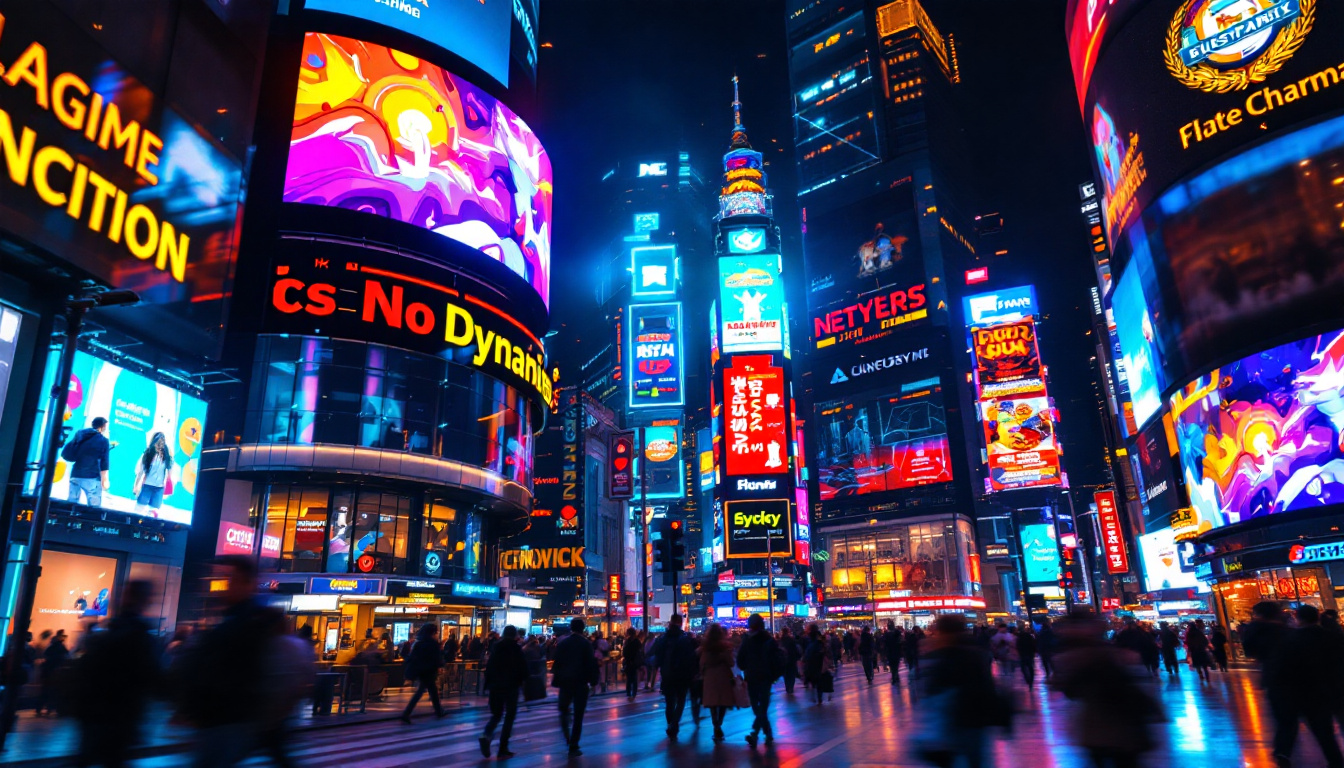
Large-format direct-view LED displays dominate outdoor advertising and public information systems. Their scalability, brightness, and durability make them ideal for these applications, where visibility and impact are paramount.
Future Trends in LCD and LED Display Technologies
Mini-LED and Micro-LED Innovations
Emerging technologies such as Mini-LED and Micro-LED are revolutionizing display performance. Mini-LED backlighting uses thousands of tiny LEDs to provide precise local dimming, resulting in improved contrast and HDR (High Dynamic Range) capabilities. Micro-LED displays, on the other hand, use microscopic LEDs as individual pixels, promising superior brightness, color accuracy, and energy efficiency without the need for backlighting.
These advancements are expected to influence custom display design significantly, offering new possibilities for high-performance, energy-efficient displays across industries.
Flexible and Transparent Displays
Research into flexible and transparent LCD and LED displays is progressing rapidly. These technologies enable innovative product designs, such as foldable smartphones, wearable devices, and heads-up displays integrated into vehicle windshields or glass surfaces.
Integration with IoT and Smart Technologies
Custom LCD displays are increasingly integrated with IoT (Internet of Things) devices, enabling real-time data visualization and interactive control. LED backlighting’s energy efficiency supports always-on display modes, essential for smart home devices, industrial monitoring, and wearable health tech.
Conclusion
Custom LCD displays enhanced with LED technology represent a critical intersection of innovation, functionality, and design flexibility. Understanding the distinctions between LCD and LED technologies, the benefits of LED backlighting, and the considerations for customization empowers designers and engineers to create displays that meet precise application needs.
As display technology continues to evolve with Mini-LED, Micro-LED, and flexible display innovations, the potential for custom LCD and LED displays will expand even further, driving new applications and enhancing user experiences across diverse industries.
Choosing the right custom LCD display with LED integration requires careful evaluation of performance requirements, environmental conditions, and technological trends. With this knowledge, businesses can deliver products that are not only visually impressive but also reliable, efficient, and future-proof.
Discover Cutting-Edge LED Display Solutions with LumenMatrix
Ready to elevate your visual communication with the latest in LED display technology? LumenMatrix is at the forefront of innovation, offering a wide array of LED display modules designed to capture attention and create immersive visual experiences. From Indoor and Outdoor LED Wall Displays to specialized solutions like Vehicle, Sports, and Floor LED Displays, our custom LED solutions are tailored to meet your unique needs. Experience the difference with our All-in-One and Transparent LED Displays, and see how our commitment to revolutionizing digital signage can enhance engagement and convey your message with unparalleled impact. Check out LumenMatrix LED Display Solutions and join the visual revolution today.