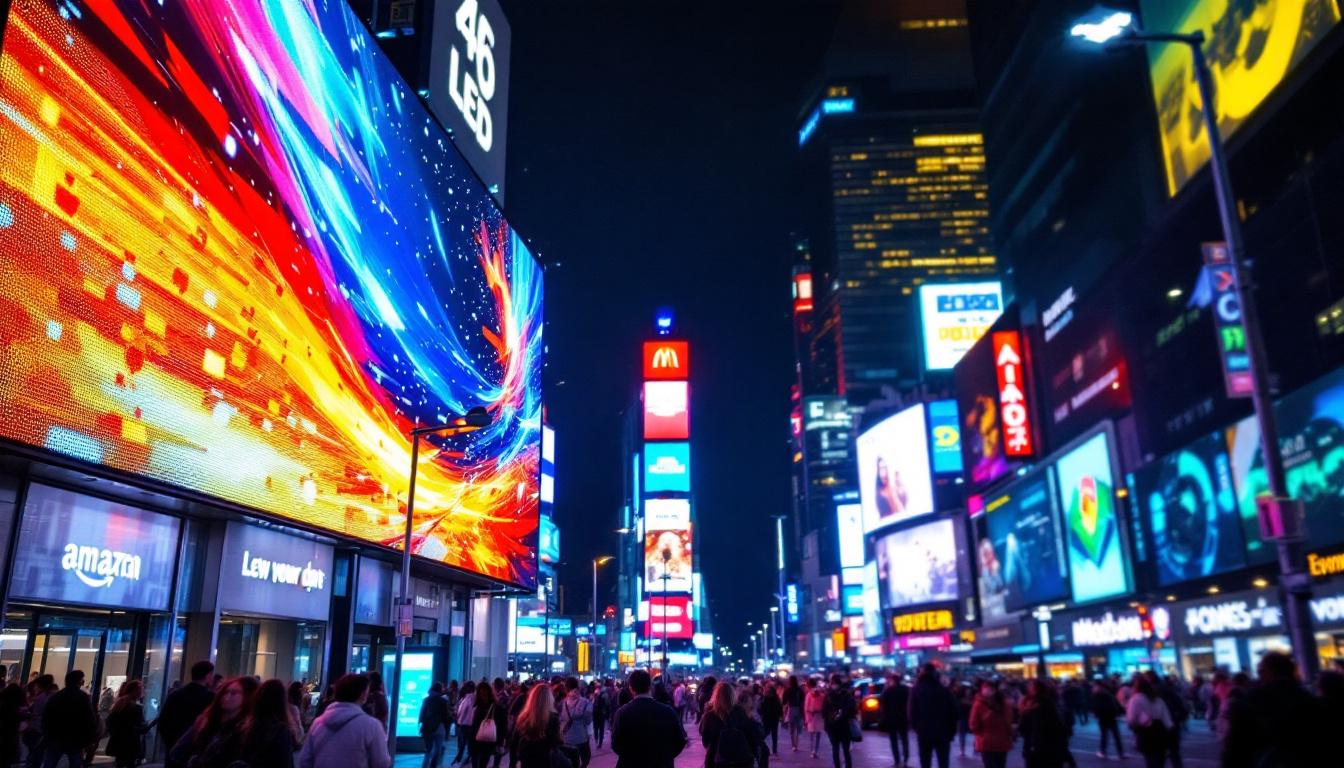
In today’s digital age, LED displays have become an integral part of how information is shared, advertisements are showcased, and entertainment is delivered. From the billboards that light up cityscapes to the screens in smartphones and televisions, LED technology powers a vast array of visual experiences. But what exactly is an LED display? How does it work, and why has it become the preferred choice for so many applications? This article dives deep into the definition, technology, types, and uses of LED displays, providing a comprehensive understanding for professionals, enthusiasts, and curious readers alike.
What is an LED Display?
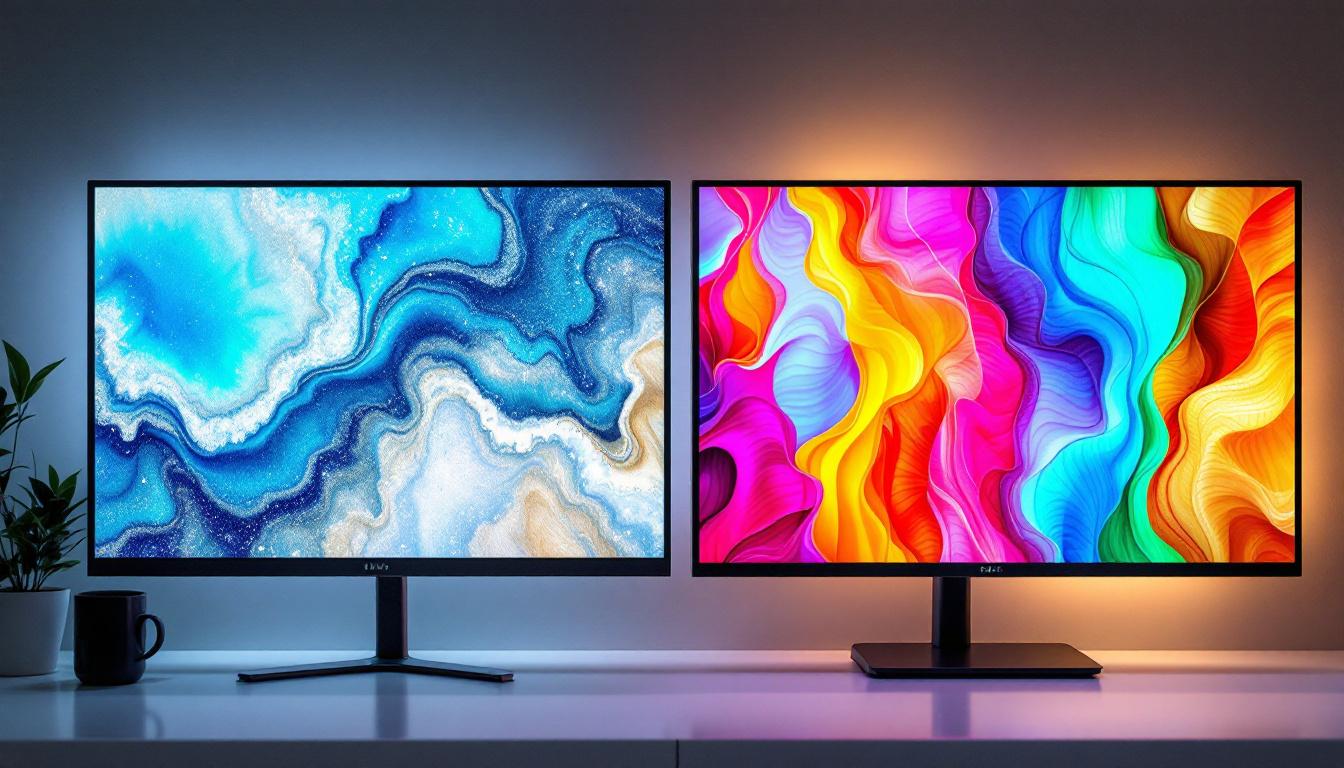
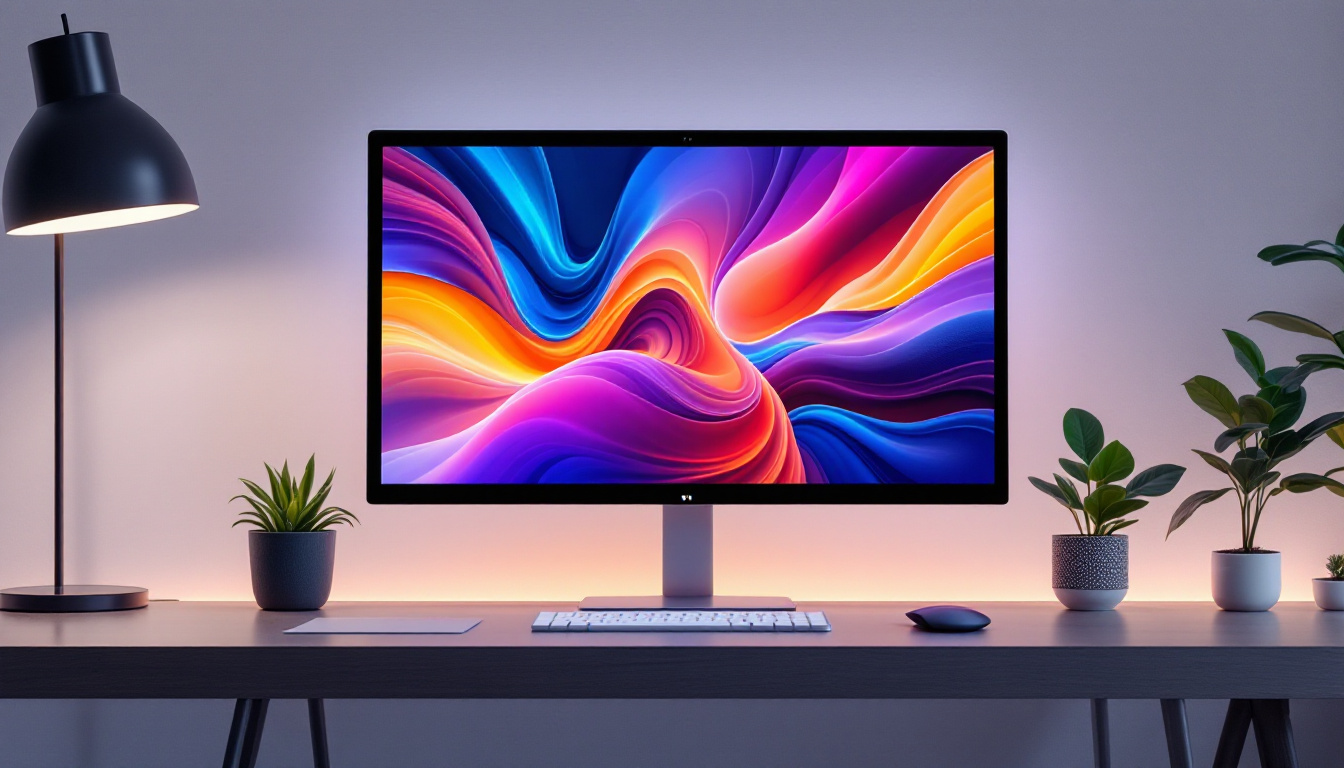
LED stands for Light Emitting Diode, a semiconductor device that emits light when an electric current passes through it. An LED display is a flat panel display that uses an array of these tiny LEDs as pixels to create images, videos, or text. Unlike traditional display technologies such as LCD or plasma, LED displays utilize these light-emitting diodes to produce bright, vibrant visuals with high energy efficiency.
LED displays can be found in various sizes and formats, from small indicator lights on electronic devices to massive outdoor advertising screens. The fundamental principle is the same: each pixel is a small LED or a cluster of LEDs that can be individually controlled to emit different colors and brightness levels.
The Evolution of LED Displays
The journey of LED technology began in the early 1960s, initially used as simple indicator lights. Over the decades, advances in semiconductor materials and manufacturing processes enabled the creation of full-color LEDs and large-scale LED arrays. By the 1990s, LED displays started to replace older technologies in signage and public information systems due to their durability and brightness.
Today, LED displays have evolved to support ultra-high resolutions, flexible form factors, and integration with smart technologies, making them indispensable in sectors like advertising, sports, transportation, and entertainment.
How Do LED Displays Work?
Understanding how LED displays function requires a look at their basic components and the way they produce images. At its core, an LED display consists of numerous tiny LEDs arranged in a grid. Each LED acts as a pixel and can emit light of varying colors and intensities.
Basic Components of an LED Display
1. LED Pixels: Each pixel is made up of one or more LEDs. For full-color displays, pixels typically contain red, green, and blue LEDs. By adjusting the intensity of each color, the pixel can produce a wide spectrum of colors.
2. Driver Circuits: These control the electrical current sent to each LED, determining its brightness and color output.
3. Control System: This processes the input video or image signals and translates them into commands for the driver circuits, ensuring that the correct LEDs light up at the right time.
Color Generation and Resolution
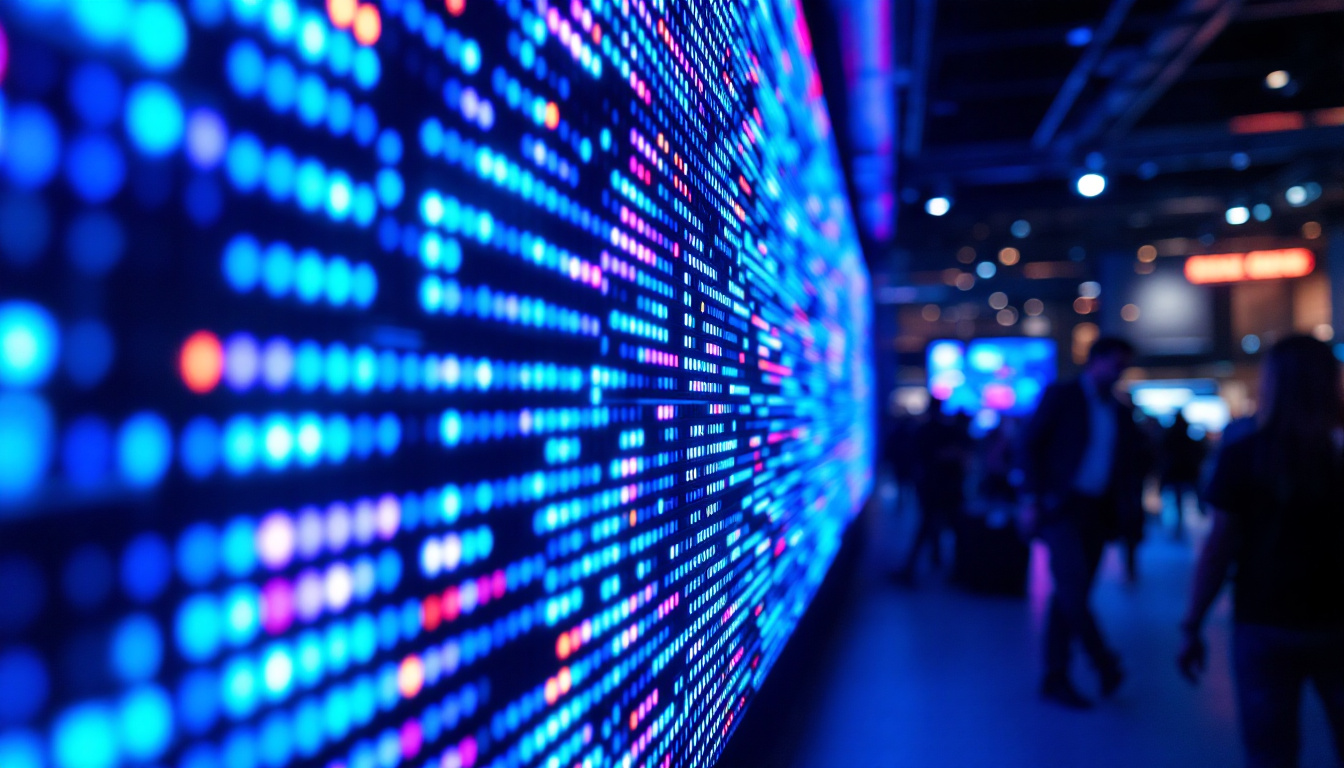
Full-color LED displays rely on the RGB color model, where red, green, and blue light combine to create different colors. By varying the intensity of each LED within a pixel, millions of colors can be produced. The resolution of an LED display depends on the number of pixels per unit area, often referred to as pixel pitch—the distance between the centers of two adjacent pixels. A smaller pixel pitch means higher resolution and sharper images, which is especially important for close-viewing applications like televisions and monitors.
Brightness and Viewing Angles
One of the standout features of LED displays is their brightness. LEDs can produce intense light, making these displays visible even in direct sunlight. This advantage makes LED technology ideal for outdoor advertising and stadium screens. Additionally, LED displays offer wide viewing angles, meaning the image quality remains consistent even when viewed from the side.
Types of LED Displays
LED displays come in various types, each suited for different applications and environments. Understanding these types helps in selecting the right display for specific needs.
1. Indoor LED Displays
Indoor LED displays are designed for controlled lighting environments such as shopping malls, conference rooms, and airports. They typically have a smaller pixel pitch, often ranging from 1mm to 4mm, which allows for high-resolution images viewed from short distances. These displays prioritize image clarity and color accuracy over extreme brightness since ambient light is limited indoors.
2. Outdoor LED Displays
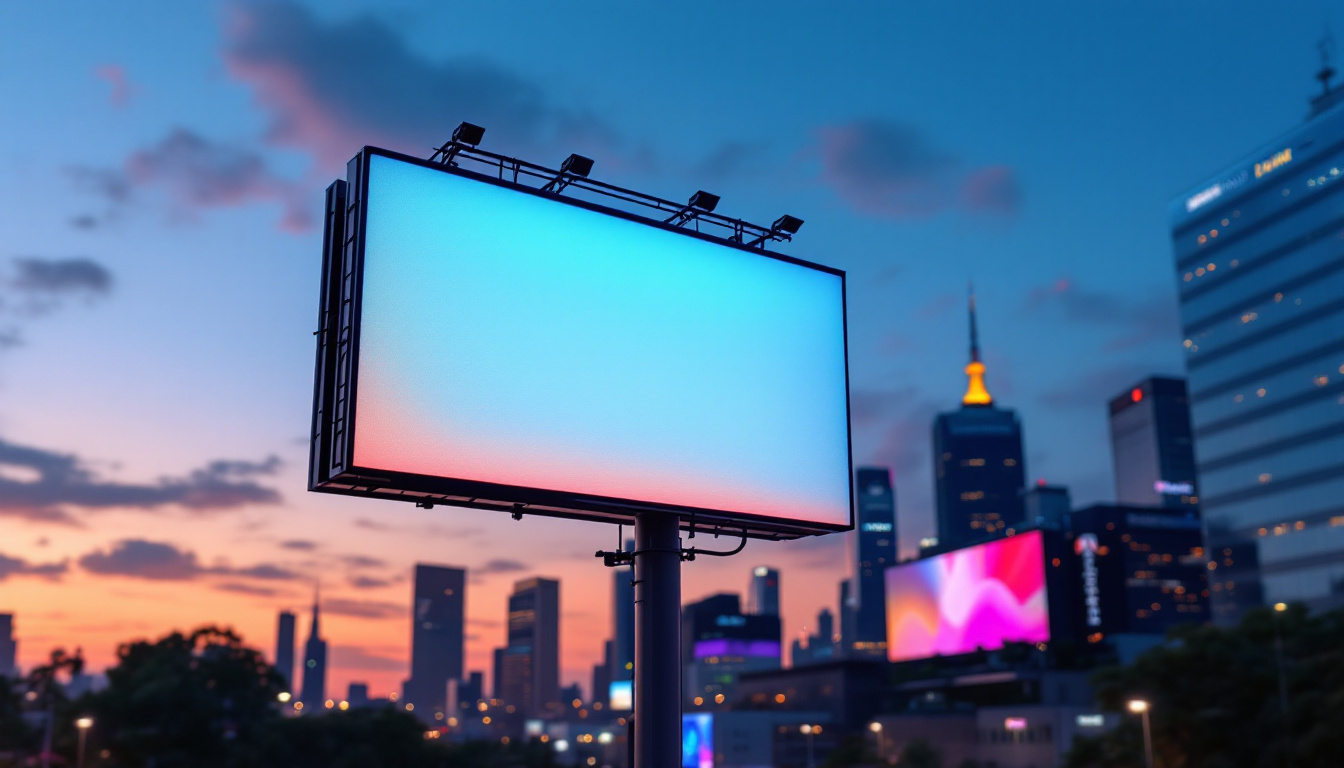
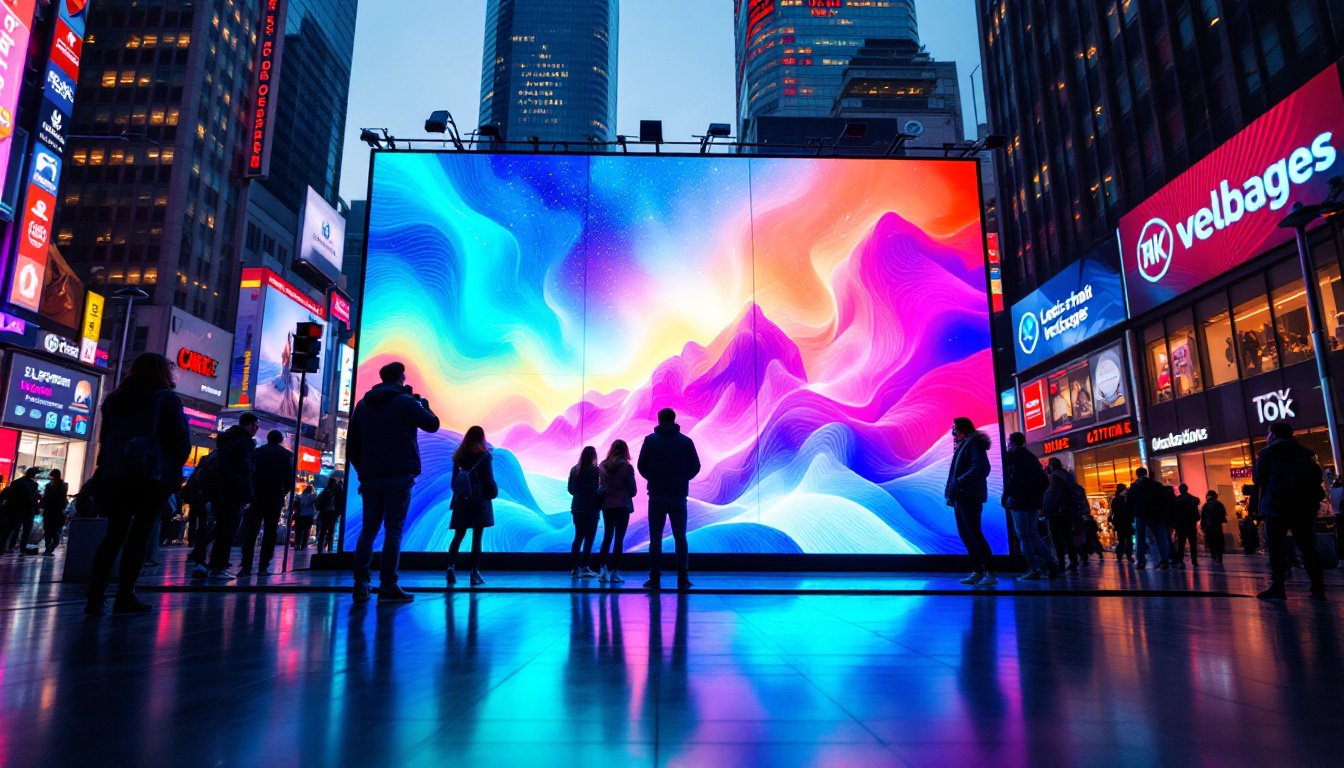
Outdoor LED displays are built to withstand harsh weather conditions and intense sunlight. They feature larger pixel pitches, usually between 6mm and 20mm, to ensure visibility from longer distances. These displays are weatherproof, UV-resistant, and equipped with brightness sensors that adjust the display’s luminance based on ambient light, optimizing visibility while conserving energy.
3. Transparent LED Displays
Transparent LED displays integrate LEDs into glass panels, allowing light and images to pass through. This innovative technology is popular in retail storefronts and architectural applications where maintaining visibility through the glass is essential. Transparent LED displays combine advertising and aesthetic appeal without obstructing natural light or views.
4. Flexible and Curved LED Displays
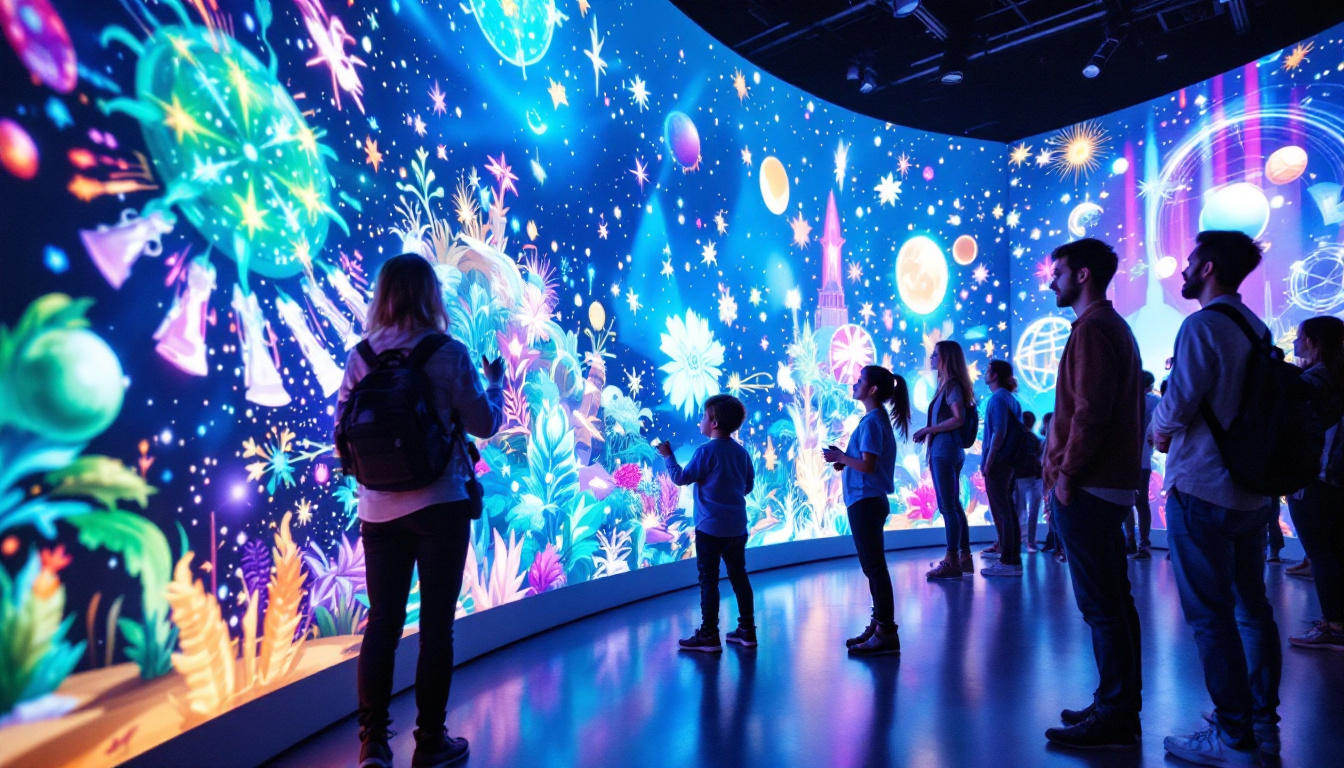
Recent advancements have enabled the production of flexible LED panels that can bend or curve to fit unique surfaces. These displays open up creative possibilities in design, such as wrapping around columns, creating immersive environments, or fitting into irregular spaces. Flexible LED displays maintain image quality while offering versatility in installation.
Applications of LED Displays
The versatility and performance of LED displays have led to their widespread adoption across numerous industries. Their ability to deliver bright, dynamic content makes them ideal for various use cases.
Advertising and Digital Signage
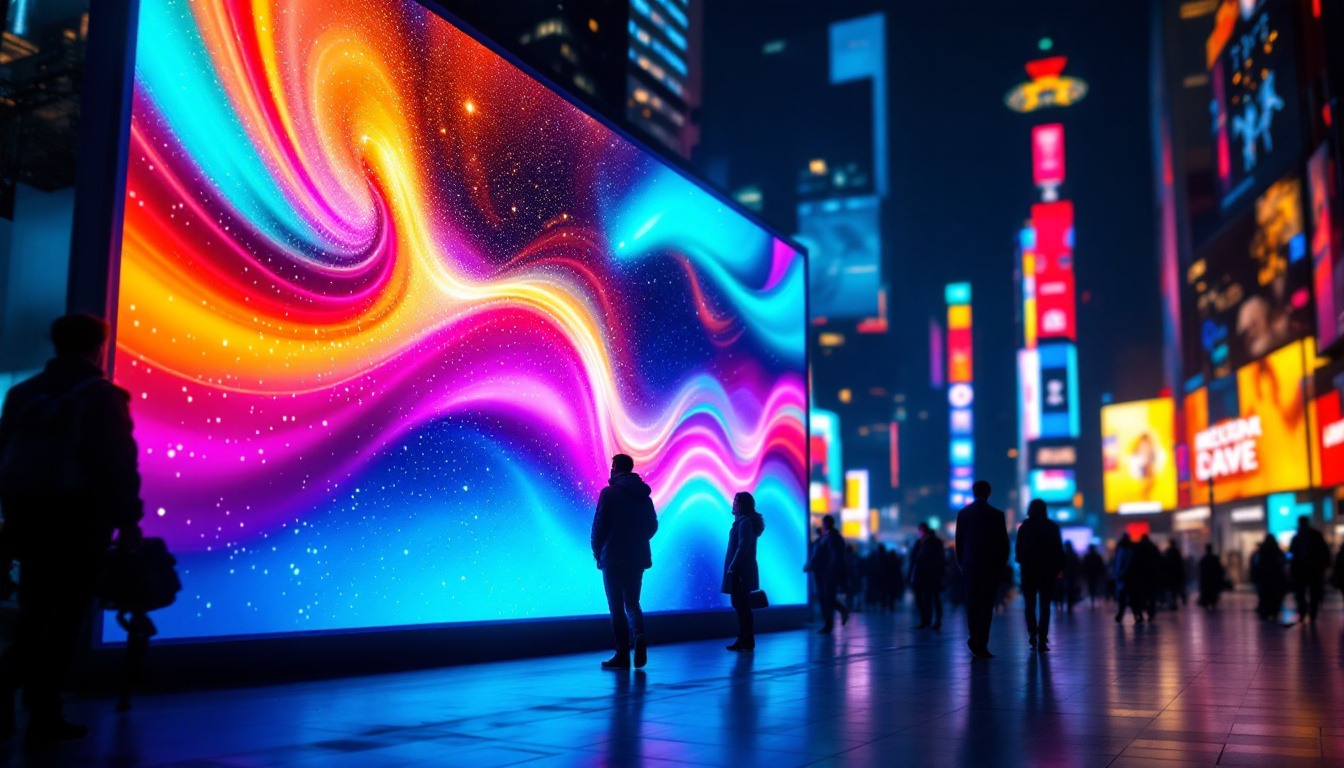
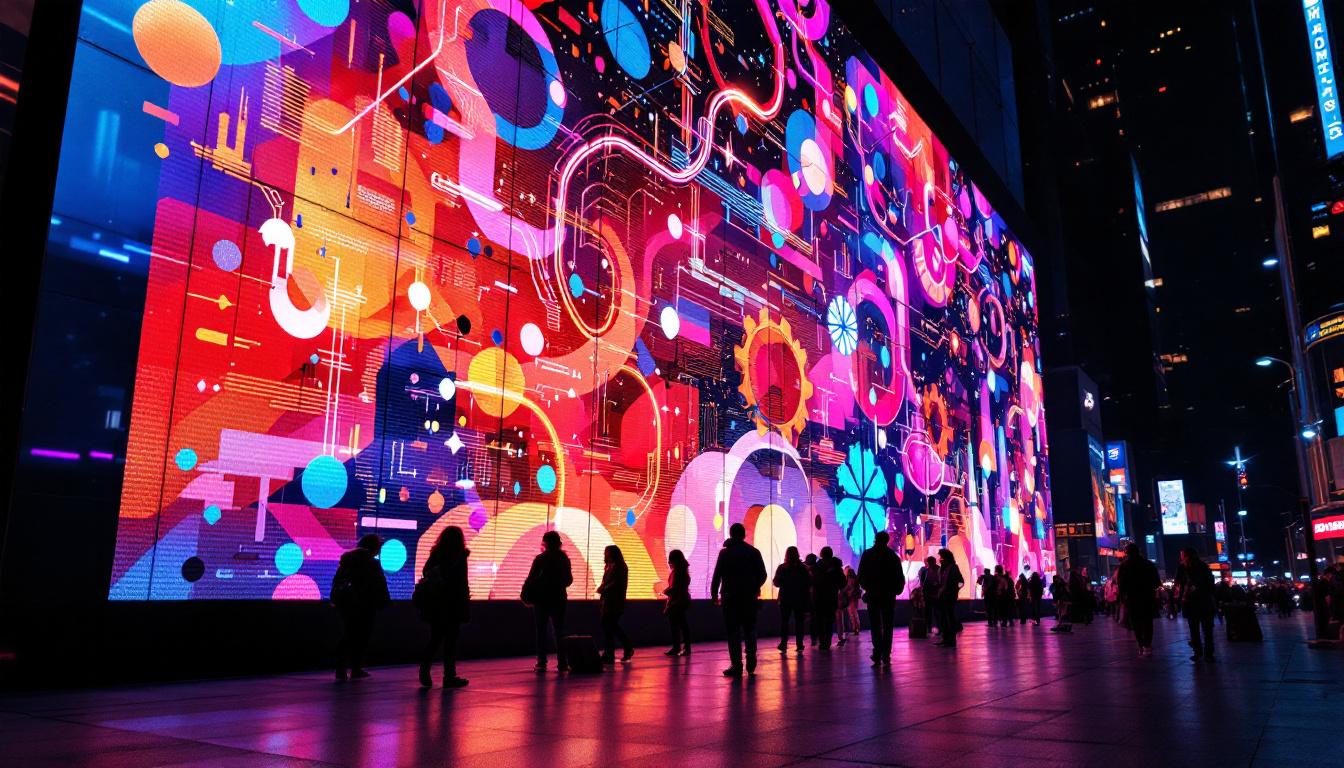
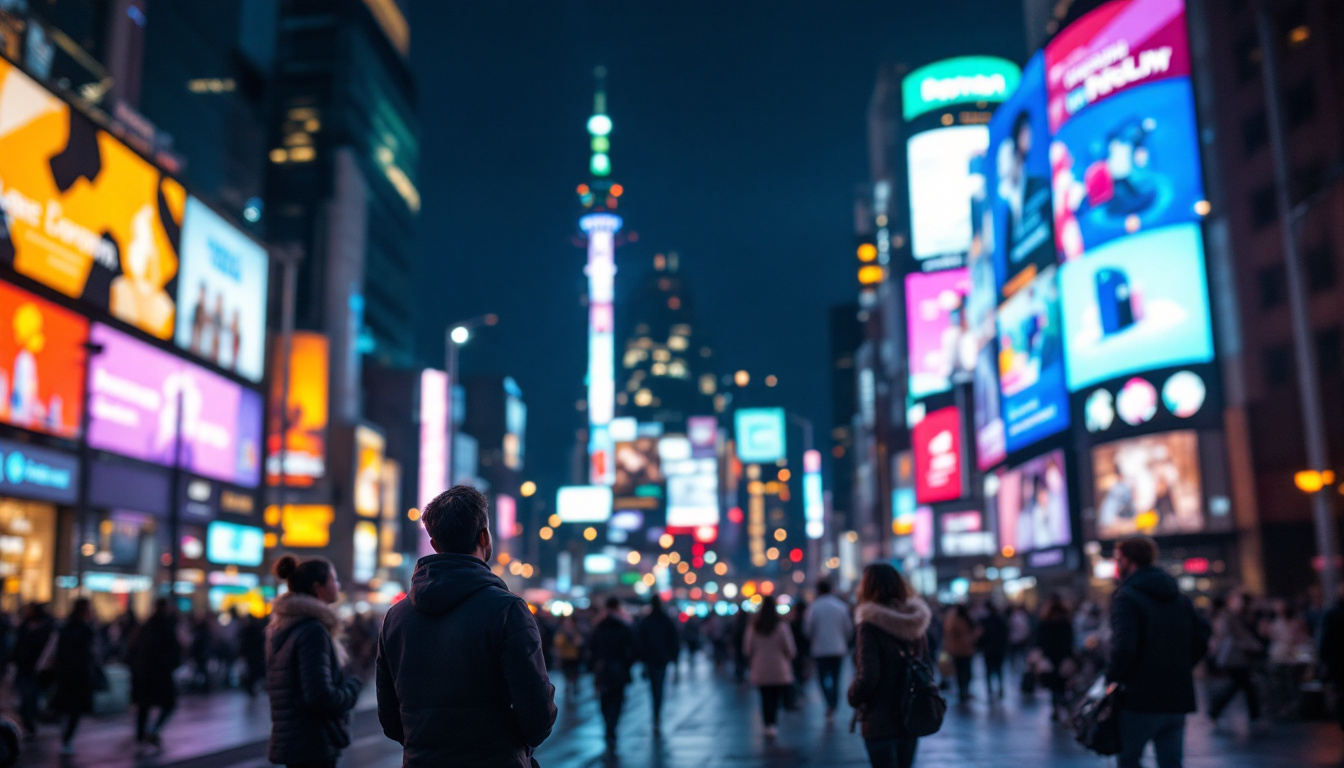
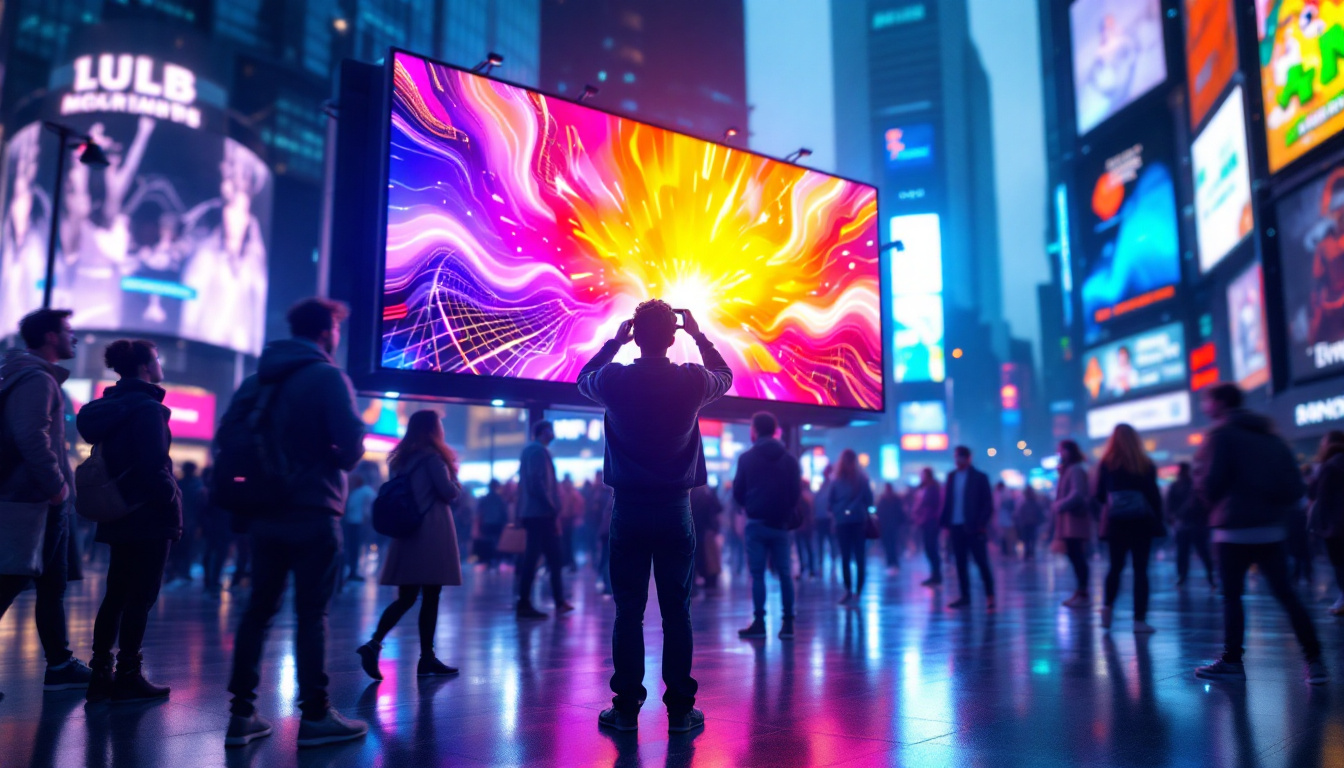
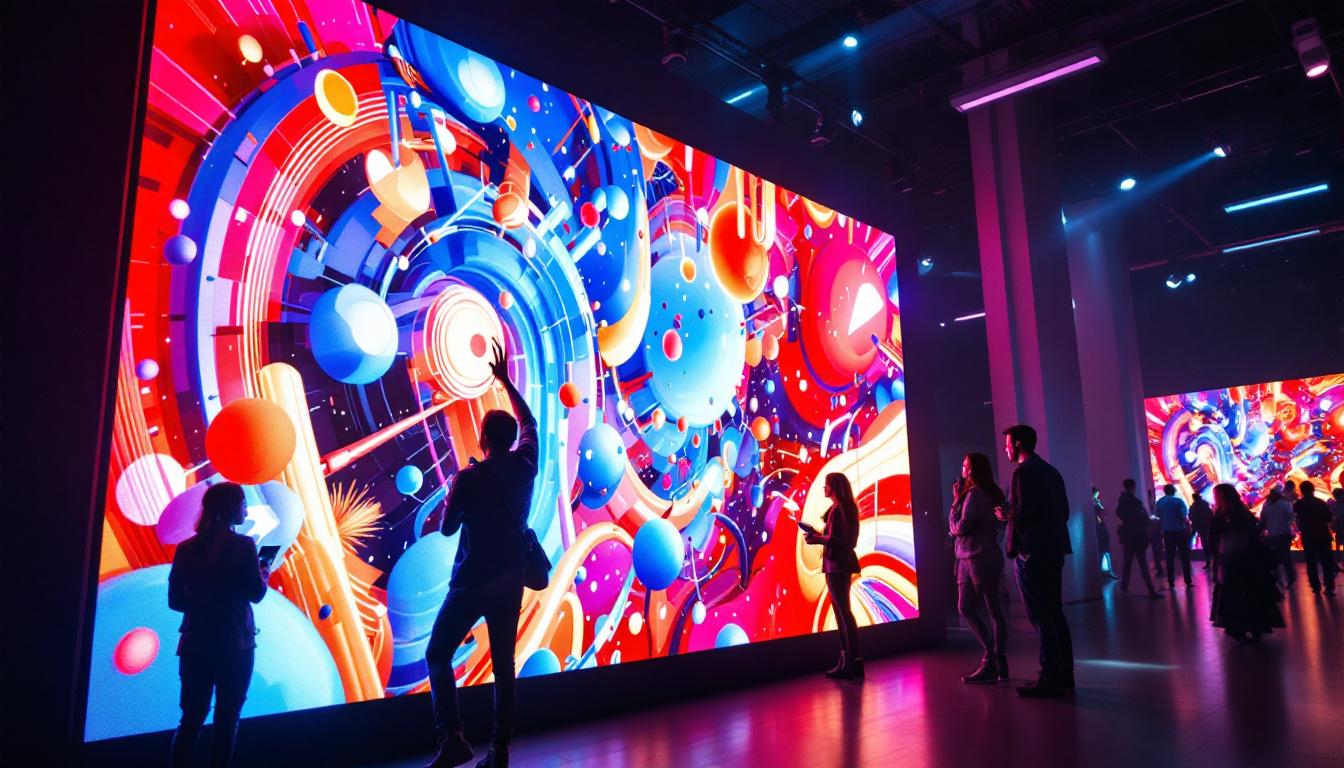
One of the most prominent uses of LED displays is in outdoor and indoor advertising. Digital billboards powered by LED technology can display vibrant, eye-catching content that can be updated in real-time. According to a 2023 report by the Digital Signage Federation, the global digital signage market, heavily driven by LED displays, is expected to grow at a compound annual growth rate (CAGR) of 8.5% through 2027.
LED displays enable advertisers to create engaging campaigns that adapt to time of day, weather, or audience demographics, increasing the effectiveness of marketing efforts.
Sports and Entertainment Venues
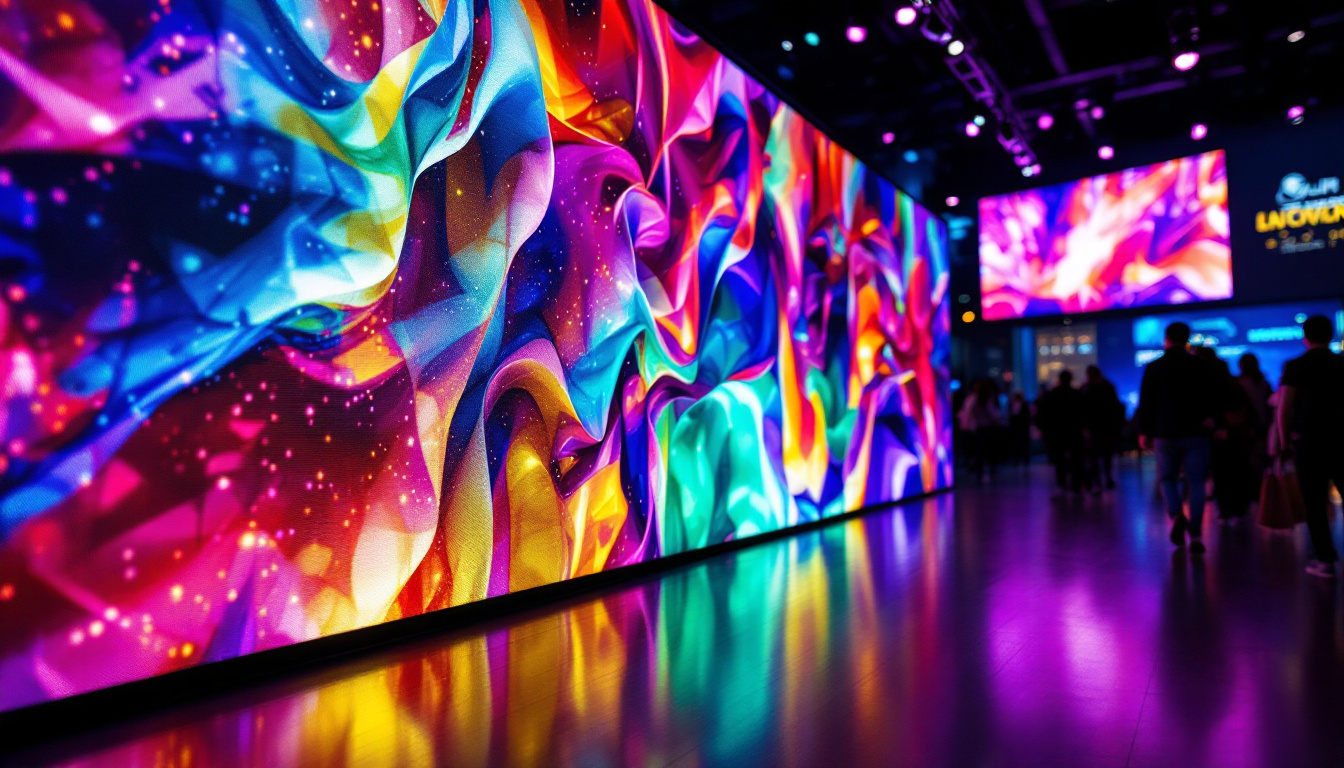
Stadiums and arenas utilize large-scale LED screens to broadcast live action, replays, and interactive content to thousands of spectators. The high brightness and wide viewing angles of LED displays ensure visibility regardless of seating location. Additionally, concert stages often incorporate LED walls and floors to enhance visual effects and audience immersion.
Transportation and Public Information
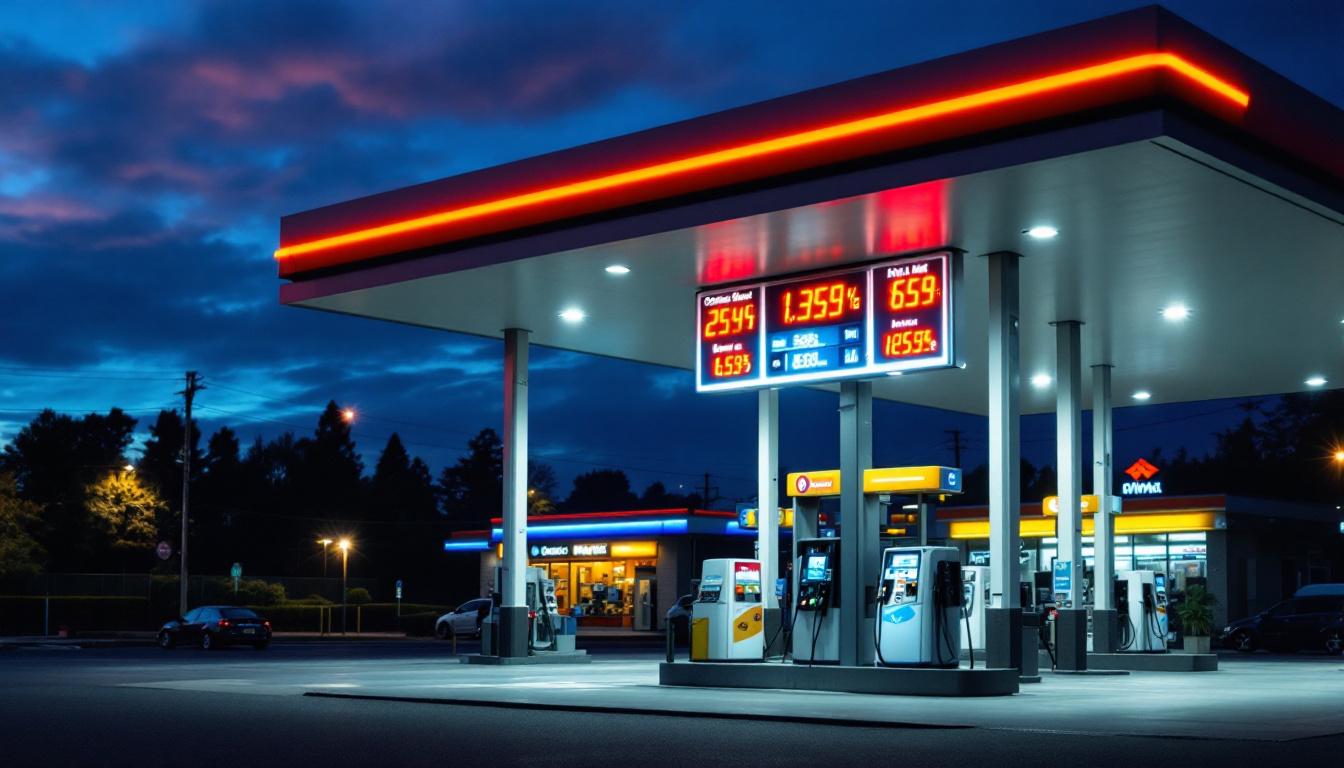
LED displays are widely used in airports, train stations, and bus terminals to provide real-time schedules, alerts, and directions. Their reliability and visibility in various lighting conditions make them ideal for critical information dissemination. Traffic management systems also use LED signs to display warnings and route information.
Retail and Hospitality
Retail stores employ LED displays for promotional content, product information, and interactive experiences. Hotels and restaurants use LED screens for menus, event announcements, and ambient displays. The ability to quickly update content allows businesses to stay relevant and responsive to customer needs.
Advantages of LED Displays
LED displays offer several benefits over alternative display technologies, making them a preferred choice in many scenarios.
Energy Efficiency
LEDs consume significantly less power compared to traditional incandescent or fluorescent lighting and even many LCD backlighting systems. This efficiency translates to lower operating costs and reduced environmental impact, an increasingly important consideration for businesses and municipalities.
Durability and Longevity
LEDs have a long operational lifespan, often exceeding 50,000 hours of use. They are resistant to shock and vibration, which makes LED displays suitable for outdoor and high-traffic environments. This durability reduces maintenance and replacement costs.
High Brightness and Contrast
The inherent brightness of LEDs ensures clear visibility in various lighting conditions, including direct sunlight. Additionally, LED displays can achieve high contrast ratios, producing deep blacks and vibrant colors that enhance image quality.
Scalability and Flexibility
LED displays can be constructed in virtually any size and shape by combining multiple panels. This modularity allows for customized installations tailored to specific spatial and design requirements.
Challenges and Considerations
While LED displays offer many advantages, there are also challenges and factors to consider when selecting and deploying these systems.
Initial Investment
The upfront cost of high-quality LED displays can be significant, especially for large-scale or high-resolution installations. However, this cost is often offset by lower maintenance and energy expenses over time.
Pixel Pitch and Viewing Distance
Choosing the correct pixel pitch is crucial. A pixel pitch too large for a close viewing distance results in a pixelated image, while a very fine pitch for long-distance viewing may be unnecessarily expensive. Proper planning ensures optimal image quality and cost-effectiveness.
Heat Management
LED displays generate heat during operation, which must be managed to maintain performance and longevity. Effective cooling systems and ventilation are important design considerations, especially for enclosed or outdoor installations.
The Future of LED Displays
Looking ahead, LED display technology continues to evolve rapidly. Innovations such as microLED and miniLED promise even higher resolutions, better energy efficiency, and improved color accuracy. These emerging technologies are expected to revolutionize consumer electronics, from televisions to augmented reality devices.
Moreover, integration with artificial intelligence and Internet of Things (IoT) platforms will enable smarter, more interactive displays that adapt content based on audience behavior and environmental conditions. Sustainability efforts are also driving the development of more eco-friendly materials and manufacturing processes.
Conclusion
LED displays have transformed the way visual content is presented across industries, offering unmatched brightness, flexibility, and durability. Understanding the definition, technology, and types of LED displays is essential for making informed decisions in selecting the right display solutions. As technology advances, LED displays will continue to play a pivotal role in communication, entertainment, and information sharing worldwide.
Whether for advertising, sports, transportation, or retail, the LED display’s ability to deliver vivid, dynamic content ensures it remains at the forefront of display technology for years to come.
Explore Cutting-Edge LED Display Solutions with LumenMatrix
As you consider the vast potential and applications of LED displays, LumenMatrix stands at the forefront of this innovative technology. With a commitment to revolutionizing visual communication, LumenMatrix offers an extensive range of LED display modules tailored to your needs. From vibrant Indoor and Outdoor LED Wall Displays to dynamic Vehicle and Sports LED Displays, each solution is designed to captivate audiences and amplify your message. Discover how LumenMatrix’s state-of-the-art LED solutions, including Custom, All-in-One, and Transparent LED Displays, can transform your visual engagement. Check out LumenMatrix LED Display Solutions today and take the first step towards creating unforgettable visual experiences.