Best Touch Screen TV: LED Display Explained
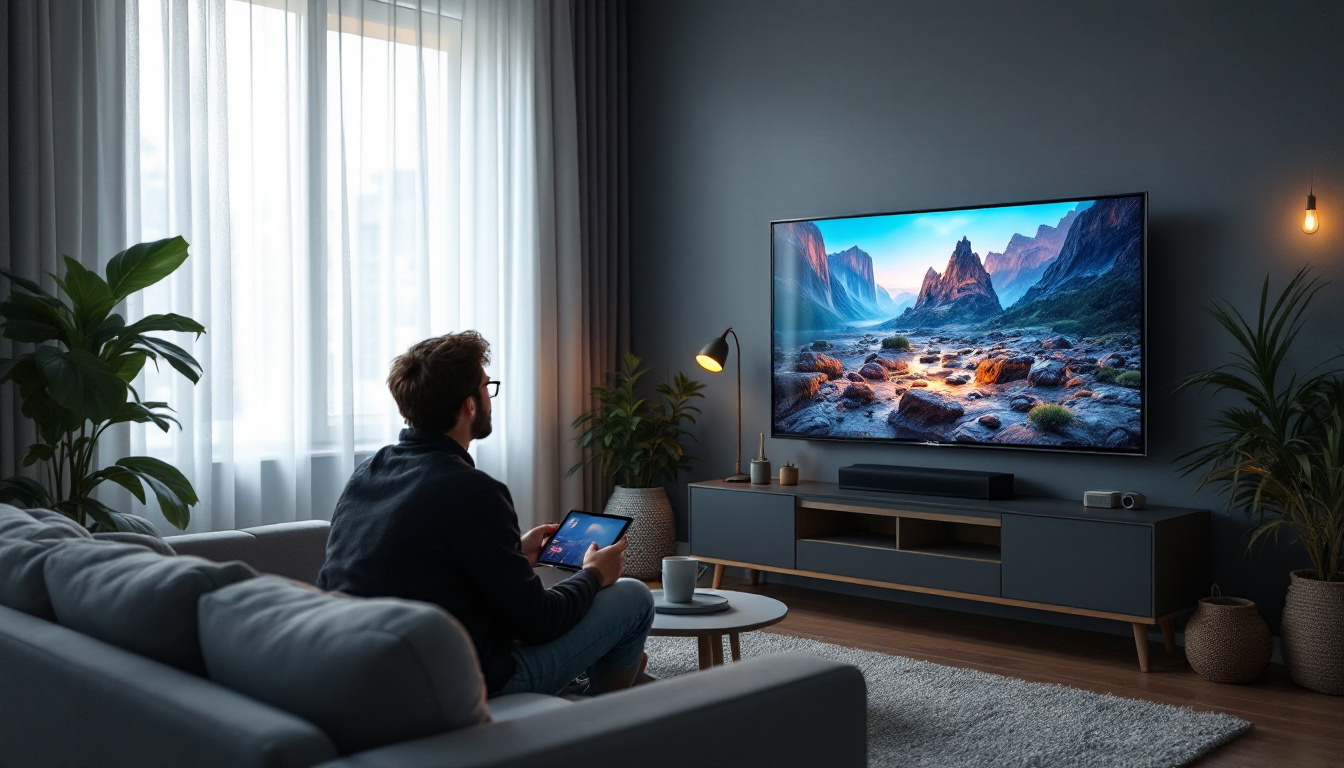
In an era where interactive technology is rapidly evolving, touch screen TVs are becoming increasingly popular for both home entertainment and professional use. Combining the vibrant visuals of LED displays with the intuitive control of touch technology, these devices offer a unique viewing and interaction experience. This article delves into the world of touch screen TVs, exploring LED display technology, its advantages, and what to consider when choosing the best touch screen TV for your needs.
Understanding LED Display Technology in Touch Screen TVs
LED, or Light Emitting Diode, displays have revolutionized the television industry by providing brighter images, better contrast, and energy efficiency compared to traditional LCD and plasma screens. When integrated with touch screen capabilities, LED TVs become not just a passive viewing device but an interactive platform.
At the core, LED TVs use an array of light-emitting diodes to backlight the screen or form the pixels themselves, depending on the type (such as OLED or QLED). This results in sharper images, deeper blacks, and more vibrant colors. The touch screen overlay allows users to interact directly with the display, enabling functions such as navigating menus, drawing, or even controlling smart home devices.
Types of LED Displays Used in Touch Screen TVs
There are several types of LED display technologies commonly found in touch screen TVs, each with its unique characteristics:
- Edge-Lit LED: LEDs are placed along the edges of the screen, providing a thinner design but sometimes uneven brightness.
- Direct-Lit LED: LEDs are positioned directly behind the screen, offering better uniformity and contrast.
- Full-Array LED: A more advanced version of direct-lit, with local dimming zones for enhanced contrast and black levels.
- OLED (Organic LED): Each pixel emits its own light, enabling perfect blacks and exceptional color accuracy, often considered the gold standard in display technology.
- QLED (Quantum Dot LED): Uses quantum dots to enhance brightness and color volume, providing vivid and lifelike images.
When selecting a touch screen TV, understanding these types helps in balancing image quality, price, and energy consumption.
Advantages of Touch Screen TVs with LED Displays
Touch screen TVs combine the best of visual display technology with interactive features, creating a versatile device that caters to various users. Here are some key advantages:
Enhanced User Interaction
Traditional TVs rely on remote controls or voice commands, which can sometimes be cumbersome or imprecise. Touch screen TVs allow users to interact directly with the content on the screen, making navigation faster and more intuitive. This is particularly beneficial for smart TV applications, gaming, and educational content where direct manipulation enhances user engagement.
Improved Accessibility
For individuals with mobility or dexterity challenges, touch screen TVs can offer an easier way to control the device without needing to handle small remote buttons. The ability to tap, swipe, or pinch on the screen provides a more accessible interface, which can also be customized with assistive technologies.
Versatility Across Applications
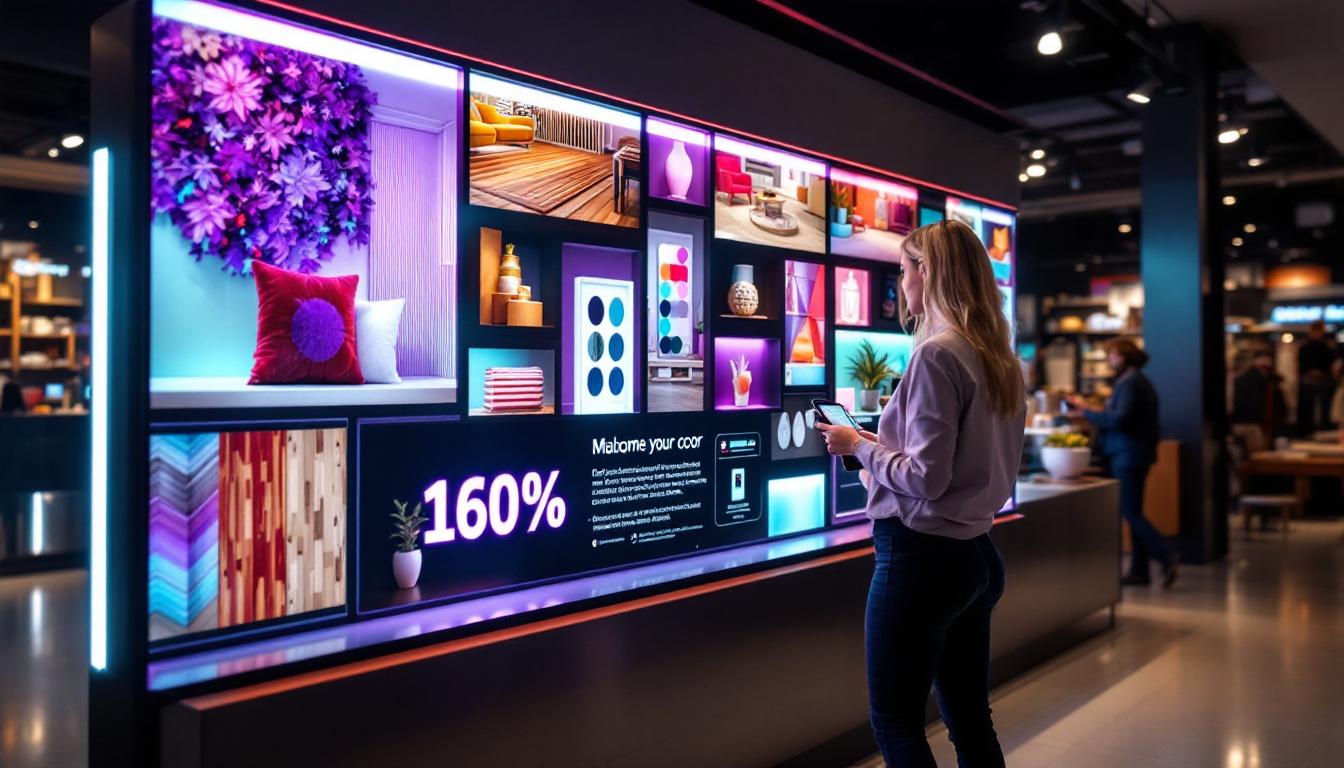
Beyond entertainment, touch screen TVs are valuable in professional and educational settings. They serve as interactive whiteboards in classrooms, collaborative tools in conference rooms, and digital signage in retail environments. The combination of LED’s bright, clear images with touch functionality makes them suitable for a wide range of uses.
Energy Efficiency and Longevity
LED displays are known for their energy efficiency compared to older technologies like plasma or CCFL-backlit LCDs. This translates to lower electricity bills and a reduced environmental footprint. Additionally, LED panels tend to have longer lifespans and better resistance to burn-in, especially when compared to some OLED models, making them a durable choice for touch screen TVs.
Key Features to Consider When Choosing the Best Touch Screen TV
Selecting the right touch screen TV involves more than just picking the latest model. It requires a careful evaluation of features that impact performance, usability, and value. Below are essential factors to consider:
Screen Size and Resolution
The size of the TV should correspond to the viewing environment and intended use. Larger screens (55 inches and above) are ideal for living rooms or conference rooms, while smaller sizes may suffice for kitchens or bedrooms. Resolution is equally important; 4K Ultra HD has become the standard for sharp and detailed images, with some models offering 8K for future-proofing.
Touch Technology Type
Touch screen TVs employ different touch technologies, including:
- Capacitive Touch: Offers high sensitivity and multi-touch support, commonly found in smartphones and tablets.
- Infrared Touch: Uses an array of IR sensors around the screen edges, allowing touch detection without a screen overlay, preserving image quality.
- Resistive Touch: Less common in modern TVs, it requires pressure to register touch and supports single-touch only.
Capacitive and infrared technologies are preferred for their responsiveness and clarity, but they may affect the price.
Smart TV Capabilities and Operating System
Most touch screen TVs come equipped with smart features, allowing access to streaming services, apps, and internet browsing. The operating system (OS) plays a vital role in the user experience. Popular OS options include Android TV, Roku TV, webOS, and Tizen. Each has its ecosystem of apps and interface style, so choosing one that aligns with your preferences and existing devices is beneficial.
Connectivity Options
Robust connectivity is essential for maximizing the use of a touch screen TV. Look for multiple HDMI ports, USB inputs, Bluetooth, Wi-Fi, and possibly Ethernet. These connections enable integration with gaming consoles, external storage, sound systems, and smart home devices.
Touch Accuracy and Responsiveness
For a satisfying interactive experience, the touch screen must be precise and responsive. Lag or inaccurate touch detection can frustrate users, especially in professional or gaming contexts. Reading reviews and testing models in-store can provide insight into real-world performance.
Price and Warranty
Touch screen TVs with LED displays vary widely in price, influenced by size, technology, brand, and features. Setting a budget and comparing options within that range helps in making an informed choice. Additionally, a solid warranty and customer support are critical, as touch screen components may require specialized servicing.
Popular Models and Brands of Touch Screen LED TVs in 2024
The market for touch screen TVs continues to grow, with several brands offering innovative models that cater to different needs and budgets. Here’s a snapshot of some notable options:
Samsung Smart Touch LED TVs
Samsung remains a leader in display technology, offering QLED touch screen TVs that combine vibrant colors with smooth touch responsiveness. Their models often feature Tizen OS, a user-friendly interface, and extensive app support. Samsung’s integration with smart home ecosystems adds to the appeal for tech-savvy users.
LG OLED Touch Screen TVs
LG’s OLED touch screen TVs are renowned for their exceptional picture quality, with perfect blacks and wide viewing angles. Their webOS platform is intuitive and supports voice control. Though typically more expensive, LG’s models are favored by those prioritizing image quality and design.
Sony Bravia Touch Screen TVs
Sony combines LED and OLED technologies with the Android TV platform, delivering a rich app ecosystem and Google Assistant integration. Their touch screen TVs are praised for color accuracy and motion handling, making them suitable for gaming and cinematic experiences.
ViewSonic Interactive LED Touch Displays
While primarily known for monitors and projectors, ViewSonic offers interactive LED touch displays designed for educational and business environments. These displays emphasize multi-touch functionality and durability, often with anti-glare coatings and flexible mounting options.
Hisense Touch Screen TVs
Hisense provides budget-friendly touch screen LED TVs without compromising essential features. Their models often include 4K resolution, smart capabilities, and reliable touch responsiveness, making them accessible for a wider audience.
How to Maintain and Care for Your Touch Screen LED TV
Proper maintenance ensures longevity and optimal performance of your touch screen TV. Here are some practical tips:
Cleaning the Screen
Use a soft, lint-free microfiber cloth to clean the screen. Avoid harsh chemicals or abrasive materials that can damage the touch surface or LED panel. For stubborn smudges, lightly dampen the cloth with distilled water or a screen-safe cleaner.
Protecting the Touch Surface
Consider applying a screen protector designed for touch displays to guard against scratches and fingerprints. Avoid using sharp objects on the screen and discourage children from tapping excessively hard.
Software Updates
Keep the TV’s firmware and apps up to date to benefit from improved touch responsiveness, security patches, and new features. Most smart TVs offer automatic updates or manual options accessible through settings.
Environmental Considerations
Place the TV in a location free from direct sunlight and excessive humidity, which can degrade the LED panel and touch sensors. Ensure proper ventilation to prevent overheating.
The Future of Touch Screen TVs and LED Technology
As technology advances, touch screen TVs are expected to become even more immersive and versatile. Innovations such as flexible OLED panels, higher refresh rates, and AI-enhanced touch recognition are on the horizon. Additionally, integration with augmented reality (AR) and virtual reality (VR) could transform how users interact with content.
LED technology itself continues to evolve, with microLED displays promising even brighter images, better energy efficiency, and longer lifespans without the burn-in risks associated with OLED. These developments will likely influence the next generation of touch screen TVs, making them more affordable and feature-rich.
Conclusion
Touch screen TVs with LED displays represent a significant leap forward in how users engage with television content. By understanding the underlying LED technologies, the benefits of touch interaction, and the key features to look for, consumers can make informed decisions that enhance their viewing and interactive experiences.
Whether for home entertainment, professional collaboration, or educational purposes, the best touch screen TV balances image quality, touch responsiveness, smart features, and price. As the market continues to innovate, these devices will become central to the connected lifestyles of the future.
Discover the Future of Interactive Viewing with LumenMatrix
Ready to elevate your viewing experience with the latest in touch screen TV technology? LumenMatrix is at the forefront of LED display innovation, offering a wide array of solutions that bring your content to life. From captivating Indoor LED Wall Displays to dynamic Outdoor LED Wall Displays, and even specialized options like Vehicle LED Displays and LED Sports Displays, LumenMatrix has the cutting-edge technology to transform your space. Embrace the future of visual communication and check out LumenMatrix LED Display Solutions today to see how we can enhance your engagement and deliver your message with unparalleled clarity.