Choosing the right TV screen can be a daunting task given the variety of technologies available today. Among these, LED displays have become the most popular choice for consumers worldwide. This article delves into the intricacies of LED TV screens, explaining what makes them stand out, how they work, and why they might be the best option for your viewing needs.
Understanding LED TV Technology
What is an LED TV?
LED TV stands for Light Emitting Diode television. Contrary to popular belief, an LED TV is not a completely different type of television but rather a variation of the LCD (Liquid Crystal Display) TV. The key difference lies in the backlighting technology. While traditional LCD TVs use cold cathode fluorescent lamps (CCFLs) for backlighting, LED TVs use light-emitting diodes (LEDs) to illuminate the screen.
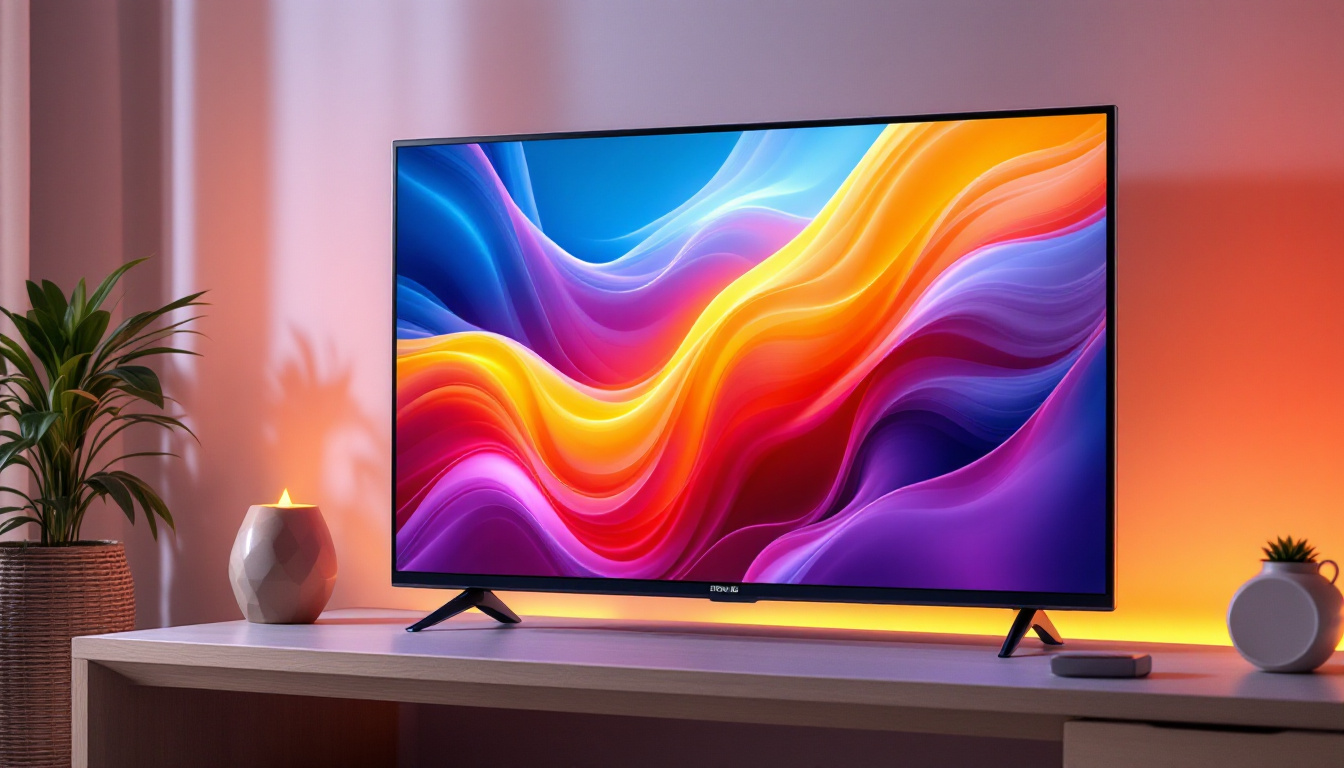
This shift to LED backlighting has allowed manufacturers to produce thinner, more energy-efficient TVs with improved picture quality. The LEDs can be placed either behind the screen (full-array) or along the edges (edge-lit), each configuration affecting the display’s brightness and contrast differently. Furthermore, the use of LEDs contributes to a wider color gamut, enabling viewers to experience more vibrant and lifelike colors. As a result, LED TVs have become increasingly popular among consumers seeking high-definition viewing experiences, particularly for movies and gaming.
How Does LED Backlighting Work?
In an LED TV, the LCD panel itself does not emit light. Instead, LEDs positioned behind or around the screen provide the necessary illumination. The liquid crystals then manipulate this light to create images by blocking or allowing light to pass through specific pixels.
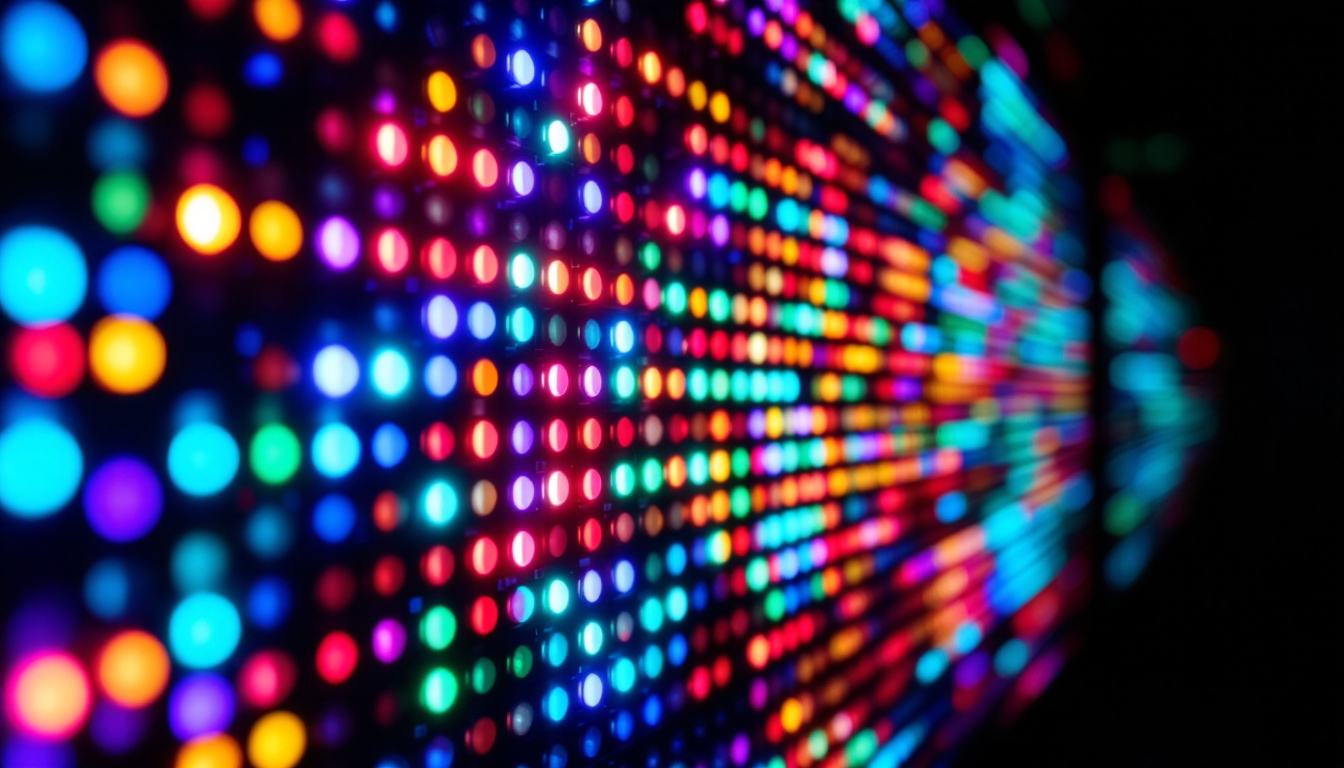
Full-array LED TVs have a grid of LEDs directly behind the screen, enabling localized dimming zones that enhance contrast by dimming dark areas while keeping bright areas illuminated. Edge-lit LED TVs place LEDs along the screen’s edges, allowing for thinner designs but often at the cost of less precise lighting control. Additionally, advancements in technology have led to the development of features such as HDR (High Dynamic Range), which further enhances the viewing experience by allowing for a greater range of brightness and color detail. This means that scenes with both bright highlights and deep shadows can be displayed with remarkable clarity, making it an essential feature for cinematic experiences.
Advantages of LED TVs Over Other Screen Types
Superior Energy Efficiency
One of the most significant benefits of LED TVs is their energy efficiency. Compared to older CCFL-backlit LCD TVs and plasma screens, LED TVs consume considerably less power. According to the U.S. Department of Energy, LED TVs can use up to 40% less energy than traditional LCD TVs, making them an environmentally friendly and cost-effective choice for consumers. This energy efficiency not only helps reduce electricity bills but also contributes to a lower carbon footprint, making LED TVs a more sustainable option for eco-conscious buyers.
Enhanced Picture Quality
LED backlighting allows for better brightness levels and improved contrast ratios. Full-array LED TVs with local dimming can achieve deep blacks and vibrant colors, which are crucial for an immersive viewing experience. This is especially noticeable when watching high dynamic range (HDR) content, where the contrast between light and dark is more pronounced. The ability to display a broader color gamut enhances the viewing experience, allowing viewers to enjoy films and shows as the creators intended, with rich and lifelike colors.
Additionally, LED TVs generally offer faster refresh rates and better motion handling compared to older technologies, reducing blur during fast-moving scenes such as sports or action movies. This is particularly beneficial for gamers as well, as many LED TVs are designed with low input lag, providing a smoother and more responsive gaming experience. The advancements in technology have led to features like variable refresh rates, which can further enhance the performance during high-action sequences.
Thin and Lightweight Designs
The compact size of LEDs enables manufacturers to design ultra-thin and lightweight TVs. This makes LED TVs easier to mount on walls and integrate into modern living spaces without bulky frames or heavy backs. The sleek design not only enhances the aesthetic appeal of a room but also allows for more flexible placement options, such as in entertainment centers or above fireplaces, where space may be limited. Furthermore, many LED TVs come with customizable stands and mounting options, giving consumers the freedom to choose how they want to display their television.
In addition to their physical attributes, the thinness of LED TVs often allows for innovative features such as edge-lit designs, which can create a stunning visual effect when the TV is turned on. Some models even incorporate smart technology, enabling users to access streaming services and apps directly from their televisions without the need for additional devices. This convergence of technology and design not only enhances the user experience but also reflects the modern lifestyle where convenience and aesthetics go hand in hand.
Comparing LED TVs with OLED and QLED Screens
LED vs. OLED
Organic Light Emitting Diode (OLED) TVs differ fundamentally from LED TVs. OLED panels emit their own light at the pixel level, which allows for perfect blacks and exceptional contrast. However, OLEDs tend to be more expensive and can suffer from image retention or burn-in over time.
LED TVs, especially those with full-array local dimming, have narrowed the gap in picture quality but generally remain more affordable and offer higher peak brightness. This makes LED TVs better suited for brightly lit rooms where glare is an issue.
LED vs. QLED
Quantum Dot LED (QLED) TVs are a subset of LED TVs that use quantum dots to enhance color accuracy and brightness. QLED displays can achieve wider color gamuts and better HDR performance than standard LED TVs.
While QLEDs often come at a premium price, they offer an excellent balance between the affordability of LED TVs and the superior picture quality of OLEDs. For consumers seeking vibrant colors and high brightness without OLED’s risk of burn-in, QLED is an attractive option.
Key Features to Consider When Buying an LED TV
Backlighting Type: Edge-Lit vs. Full-Array
Understanding the backlighting method is crucial. Edge-lit LED TVs are usually thinner and less expensive but may suffer from uneven brightness and reduced contrast. Full-array LED TVs with local dimming provide superior picture quality by controlling brightness zones independently, resulting in better blacks and highlights.
Resolution and Screen Size
Most LED TVs today come in 4K resolution, offering four times the pixels of Full HD. This higher resolution is ideal for larger screens, typically 50 inches and above, where pixel density impacts image sharpness. For smaller screens or budget models, Full HD might still be sufficient.
HDR Compatibility
High Dynamic Range (HDR) technology enhances the contrast and color range of the TV. When paired with LED’s bright backlighting, HDR can significantly improve the viewing experience. Look for TVs that support popular HDR formats such as HDR10, Dolby Vision, or HLG for the best results.
Refresh Rate and Motion Handling
A higher refresh rate (120Hz or more) is beneficial for watching sports, gaming, or action-packed movies, as it reduces motion blur and judder. Many LED TVs offer motion interpolation features to smooth out fast-moving scenes.
Common Misconceptions About LED TVs
LED TVs Are Not OLEDs
It’s a common misconception that LED TVs are the same as OLED TVs. While both use LEDs in some form, their display technologies differ significantly. LED TVs rely on LED backlighting for an LCD panel, whereas OLED TVs have self-emissive pixels. This distinction affects picture quality, price, and longevity.
Not All LED TVs Are Created Equal
The term “LED TV” covers a broad range of products with varying quality. Factors such as backlighting type, panel quality, processing power, and brand reputation all influence the final performance. Therefore, it’s important to research specific models rather than assuming all LED TVs offer the same experience.
Practical Tips for Choosing the Best LED TV for Your Needs
Assess Your Viewing Environment
Consider the lighting conditions of your room. LED TVs with higher brightness levels and anti-reflective coatings perform better in bright rooms. For darker rooms, full-array LED TVs with local dimming can deliver deeper blacks and richer contrast.
Match Screen Size to Viewing Distance
For an optimal viewing experience, the size of the TV should correspond to your seating distance. A general rule is that the viewing distance (in inches) should be about 1.5 to 2.5 times the diagonal screen size. For example, a 55-inch TV is best viewed from 6.5 to 11.5 feet away.
Set a Realistic Budget
LED TVs are available across a wide price range. While premium models offer advanced features like full-array local dimming and QLED technology, budget-friendly options can still provide excellent performance for everyday viewing. Prioritize the features that matter most to you to find the best value.
Check for Smart TV Capabilities
Most modern LED TVs come with smart features, allowing access to streaming services, apps, and internet browsing. Ensure the TV’s operating system is user-friendly and supports your preferred apps. Regular software updates are also important for security and functionality.
Conclusion: Why LED TVs Remain the Best Choice for Most Consumers
LED TVs strike a compelling balance between picture quality, energy efficiency, design, and affordability. Their versatility suits a wide range of environments and budgets, making them the dominant technology in the TV market. Whether opting for a basic edge-lit model or a premium full-array QLED variant, LED TVs offer excellent value and performance for everyday entertainment.
As technology continues to evolve, LED displays are likely to incorporate even more advanced features, further enhancing the viewing experience. For now, understanding the fundamentals of LED technology empowers consumers to make informed decisions and enjoy their favorite content with stunning clarity and vibrant colors.
Discover the Future of LED Displays with LumenMatrix
Ready to elevate your viewing experience with the latest in LED technology? LumenMatrix is at the forefront of LED innovation, offering a wide array of solutions that cater to your every need. From immersive Indoor LED Wall Displays to dynamic Outdoor LED Wall Displays, and from versatile Vehicle LED Displays to sleek LED Poster Displays, our products are designed to transform your visual communication. Whether you’re looking to engage audiences with an LED Sports Display, captivate shoppers with a Floor LED Display, or make a bold statement with a Custom LED Display, LumenMatrix has the perfect solution. Experience the pinnacle of picture quality, energy efficiency, and design with our All-in-One and Transparent LED Displays. Check out LumenMatrix LED Display Solutions today and join the revolution in visual storytelling.