In today’s rapidly evolving world of television technology, LED screens have become the standard for delivering vibrant, high-quality images to consumers worldwide. But what exactly is an LED television screen, and how does it differ from other display technologies? This article dives deep into the world of LED displays, explaining their working principles, advantages, and why they have become the preferred choice for both manufacturers and viewers alike.
Understanding LED Television Screens
What Does LED Stand For?
LED stands for Light Emitting Diode. In the context of television screens, LEDs are tiny semiconductor devices that emit light when an electric current passes through them. Unlike traditional LCD (Liquid Crystal Display) screens that rely on fluorescent backlighting, LED TVs use these light-emitting diodes as their light source, which can be arranged in various configurations to enhance picture quality. This technology not only improves brightness and energy efficiency but also contributes to a thinner, more lightweight design, making LED TVs a popular choice for modern homes.
How Do LED TVs Work?
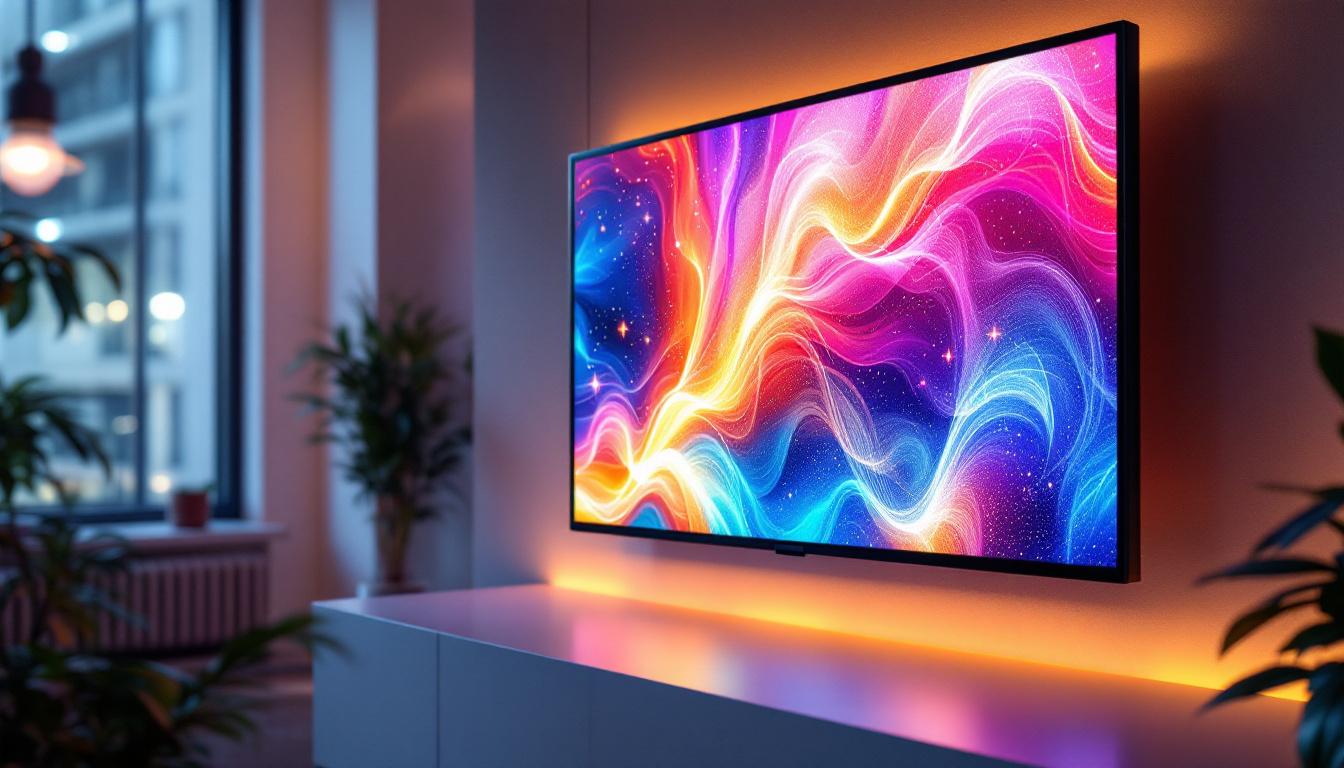
At their core, LED TVs are a type of LCD television that uses LEDs for backlighting instead of the older cold cathode fluorescent lamps (CCFLs). The LCD panel itself doesn’t produce light; it manipulates light passing through it to create images. LEDs provide the illumination behind the LCD panel, and by controlling the brightness and color of these LEDs, the TV can produce a wide range of colors and dynamic contrasts. The result is a more vibrant viewing experience, with colors that appear more saturated and lifelike compared to older technologies.
There are two primary types of LED backlighting used in televisions:
- Edge-Lit LED: LEDs are positioned along the edges of the screen, and light is spread across the display using light guides. This design allows for thinner TVs but may have some limitations in uniformity and contrast. While edge-lit models can be aesthetically pleasing and easy to mount, they may struggle with producing deep blacks and may exhibit some light bleed in darker scenes.
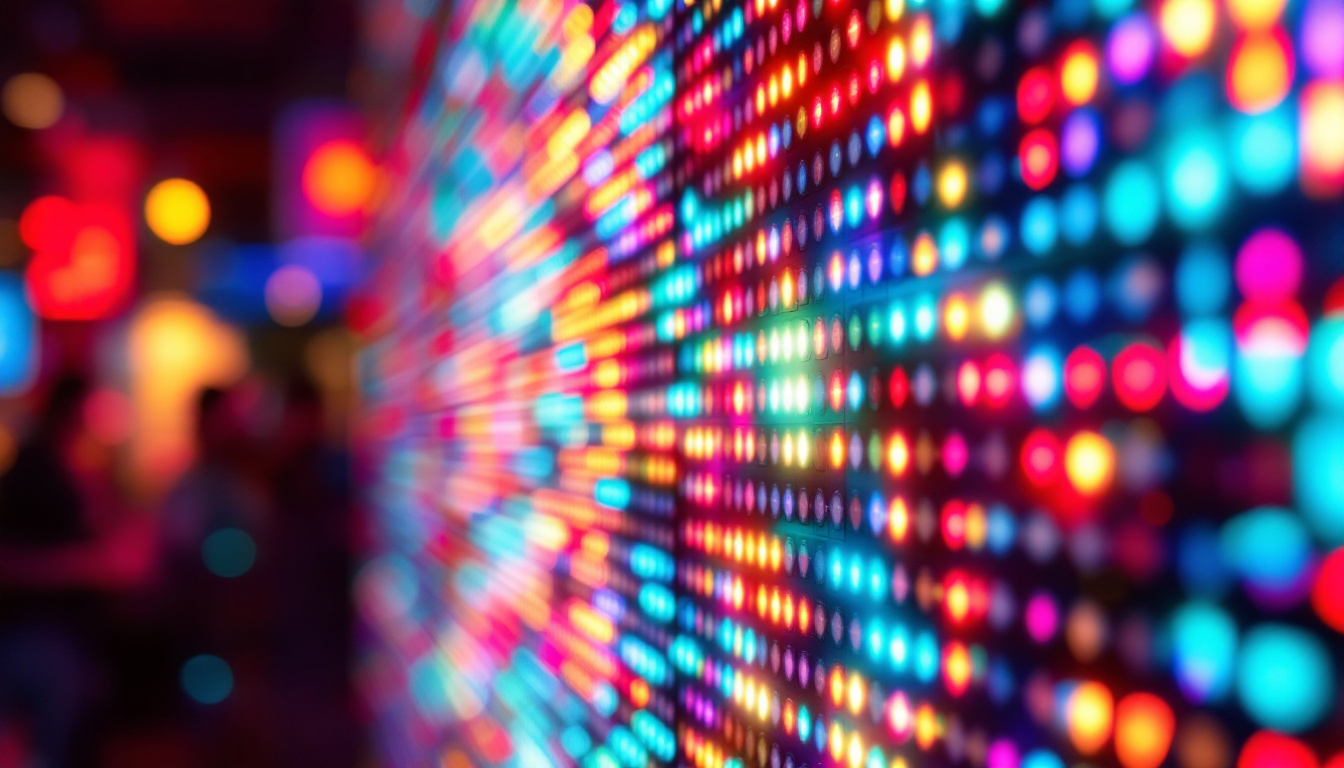
- Full-Array LED: LEDs are placed directly behind the entire screen in a grid-like pattern. This arrangement enables local dimming, where specific zones can be dimmed or brightened independently, resulting in better contrast and deeper blacks. Full-array LED TVs often provide a superior viewing experience, especially in dark environments, as they can achieve higher levels of contrast by selectively dimming areas of the screen without affecting the brightness of other areas.
In addition to these backlighting technologies, many LED TVs now incorporate advanced features such as HDR (High Dynamic Range) support, which enhances the range of colors and brightness levels displayed on the screen. HDR content can showcase more detail in both the brightest and darkest parts of an image, making scenes appear more realistic and immersive. Furthermore, some models utilize quantum dot technology to improve color accuracy and expand the color gamut, resulting in an even more captivating viewing experience.
As technology continues to evolve, LED TVs are also becoming smarter. Many modern models come equipped with built-in streaming services, voice control capabilities, and compatibility with smart home devices. This integration allows users to access a vast array of content and control their viewing experience with ease, making LED TVs not just a source of entertainment, but a central hub for home media consumption.
The Evolution of Television Display Technologies
From CRT to LED
Television technology has undergone significant transformations over the past few decades. Cathode Ray Tube (CRT) TVs dominated the market for much of the 20th century, using electron beams to illuminate phosphors on the screen. These sets were bulky, heavy, and limited in resolution.
The introduction of LCD technology marked a turning point, offering thinner, lighter screens with improved energy efficiency. However, early LCDs relied on CCFL backlighting, which had drawbacks such as uneven brightness and limited color accuracy.
Why LED Became the Game-Changer
The shift from CCFL to LED backlighting brought several advantages:
- Improved Energy Efficiency: LEDs consume less power than fluorescent lamps, making LED TVs more environmentally friendly and cost-effective to operate.
- Better Picture Quality: LED backlighting allows for higher brightness levels and better contrast ratios, enhancing the viewing experience.
- Thinner Designs: LEDs are smaller and can be arranged flexibly, enabling ultra-slim TV designs that appeal to modern aesthetics.
- Longer Lifespan: LEDs generally last longer than CCFLs, reducing the need for repairs or replacements.
Key Features of LED Television Screens
High Dynamic Range (HDR) Compatibility
One of the most significant advancements in LED TV technology is support for High Dynamic Range (HDR). HDR enhances the contrast between the brightest whites and the darkest blacks, delivering more lifelike images. LED TVs with local dimming capabilities are particularly well-suited for HDR content, as they can adjust backlighting zones to maximize contrast.
Color Accuracy and Wide Color Gamut
Modern LED TVs often support wide color gamuts such as DCI-P3 or Rec. 2020 standards, which means they can display a broader spectrum of colors. This capability is crucial for accurately reproducing cinematic content and vibrant visuals in video games and sports broadcasts.
Refresh Rates and Motion Handling
LED TVs typically feature high native refresh rates, commonly 60Hz or 120Hz, with some models offering even higher rates. A higher refresh rate improves motion clarity, reducing blur during fast-moving scenes. This feature is particularly important for sports enthusiasts and gamers who demand smooth, responsive visuals.
LED TV vs. Other Display Technologies
LED vs. OLED
While LED TVs use LED backlighting behind an LCD panel, OLED (Organic Light Emitting Diode) TVs employ self-emissive pixels that generate their own light. This fundamental difference leads to several distinctions:
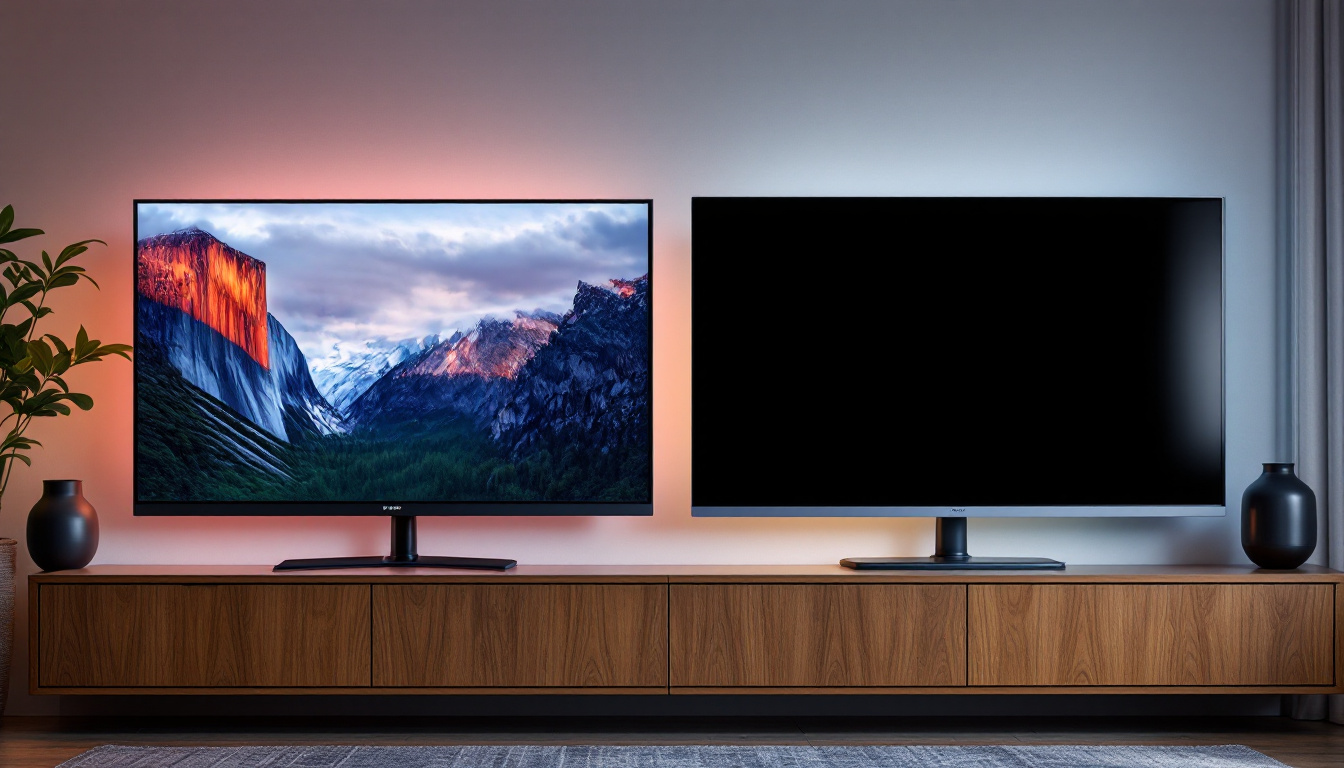
- Contrast and Black Levels: OLEDs can turn off individual pixels completely, resulting in perfect blacks and infinite contrast ratios. LED TVs, even with local dimming, cannot achieve the same level of black depth.
- Brightness: LED TVs generally achieve higher peak brightness levels, making them better suited for bright rooms or HDR content.
- Longevity and Burn-in: OLEDs are susceptible to burn-in over time, where static images can leave permanent marks. LED TVs do not have this issue.
- Price: OLED TVs tend to be more expensive due to their complex manufacturing process.
LED vs. QLED
QLED (Quantum Dot LED) TVs are a subset of LED TVs that incorporate quantum dot technology to enhance color and brightness. Quantum dots are nanocrystals that emit precise colors when illuminated by LEDs, improving the display’s color accuracy and vibrancy.
While QLED TVs still use LED backlighting, their enhanced color performance often places them between traditional LED and OLED TVs in terms of picture quality. They also tend to be more affordable than OLEDs while offering superior brightness and color compared to standard LED models.
Choosing the Right LED Television Screen
Consider Your Viewing Environment
When selecting an LED TV, it’s essential to consider the lighting conditions of your room. For bright rooms with lots of ambient light, TVs with high peak brightness and anti-reflective coatings will provide a better experience. Full-array LED TVs with local dimming are preferable for darker rooms where contrast and black levels are more noticeable.
Screen Size and Resolution
Screen size should be chosen based on viewing distance and room size. For most living rooms, 55 to 65 inches is a popular range. Additionally, 4K resolution has become the standard for LED TVs, offering four times the pixel count of Full HD and delivering sharper images, especially on larger screens. For those seeking the latest technology, 8K LED TVs are available but remain niche due to limited content and high prices.
Smart Features and Connectivity
Most modern LED TVs come equipped with smart platforms, allowing users to stream content from popular services like Netflix, Amazon Prime Video, and Disney+. When choosing a TV, consider the user interface, app availability, and compatibility with voice assistants such as Alexa or Google Assistant. Additionally, ensure the TV has sufficient HDMI ports and supports features like HDMI 2.1 for gaming consoles and high-bandwidth devices.
Future Trends in LED Television Technology
Mini-LED and Micro-LED Innovations
Recent advancements in LED technology include Mini-LED and Micro-LED displays. Mini-LED TVs use thousands of tiny LEDs for backlighting, allowing for even more precise local dimming and improved contrast. This technology bridges the gap between traditional LED and OLED displays by offering superior picture quality without the risk of burn-in.
Micro-LED, on the other hand, is an emerging self-emissive technology similar to OLED but uses inorganic LEDs. This approach promises exceptional brightness, color accuracy, and longevity, potentially revolutionizing the TV market in the coming years.
Integration with AI and Enhanced Processing
Artificial intelligence (AI) is playing an increasing role in TV technology. AI-powered processors can optimize picture and sound quality in real-time, upscale lower-resolution content to near-4K or 8K quality, and improve motion handling. These enhancements make LED TVs smarter and more adaptable to diverse content types.
Conclusion
LED television screens have transformed the way people experience visual media by combining energy efficiency, vibrant colors, and sleek designs. Their evolution from traditional LCDs to advanced LED and QLED models has significantly improved picture quality, making them the dominant choice in the consumer market.
Understanding the technology behind LED displays helps consumers make informed decisions when purchasing a new TV. Whether prioritizing brightness, contrast, color accuracy, or smart features, LED TVs offer a versatile and high-performing option suitable for a wide range of viewing preferences.
As innovations like Mini-LED and Micro-LED continue to develop, the future of LED television screens looks brighter than ever, promising even more immersive and lifelike viewing experiences for audiences worldwide.
Discover the Future of LED Displays with LumenMatrix
Ready to elevate your visual experience with the latest in LED technology? LumenMatrix is at the forefront of LED display innovation, offering a wide range of solutions from Indoor and Outdoor LED Wall Displays to specialized options like Vehicle and Sports LED Displays. Embrace the future of vibrant, energy-efficient, and dynamic visual communication with our advanced LED modules. Whether for business, entertainment, or creative expression, check out LumenMatrix LED Display Solutions today and see your vision come to life in brilliant clarity.