In the realm of precision craftsmanship and electronic assembly, bezel setting tools play a crucial role in ensuring components are securely and accurately positioned. When it comes to LED displays, the bezel is not just a frame but a critical structural and aesthetic element that affects performance, durability, and user experience. This article explores the intersection of bezel setting tools and LED display technology, providing a comprehensive overview of how these tools contribute to the production and maintenance of modern LED displays.
Understanding the Role of Bezels in LED Displays
The bezel in an LED display refers to the frame or border that surrounds the active display area. While it might seem like a simple cosmetic feature, the bezel serves several important functions:
- Structural Support: It holds the LED panels firmly in place, preventing movement that could damage the delicate components.
- Protection: The bezel shields the edges of the LED modules from physical impacts, dust, and moisture.
- Visual Continuity: A well-designed bezel minimizes the gap between adjacent panels, creating a seamless viewing experience.
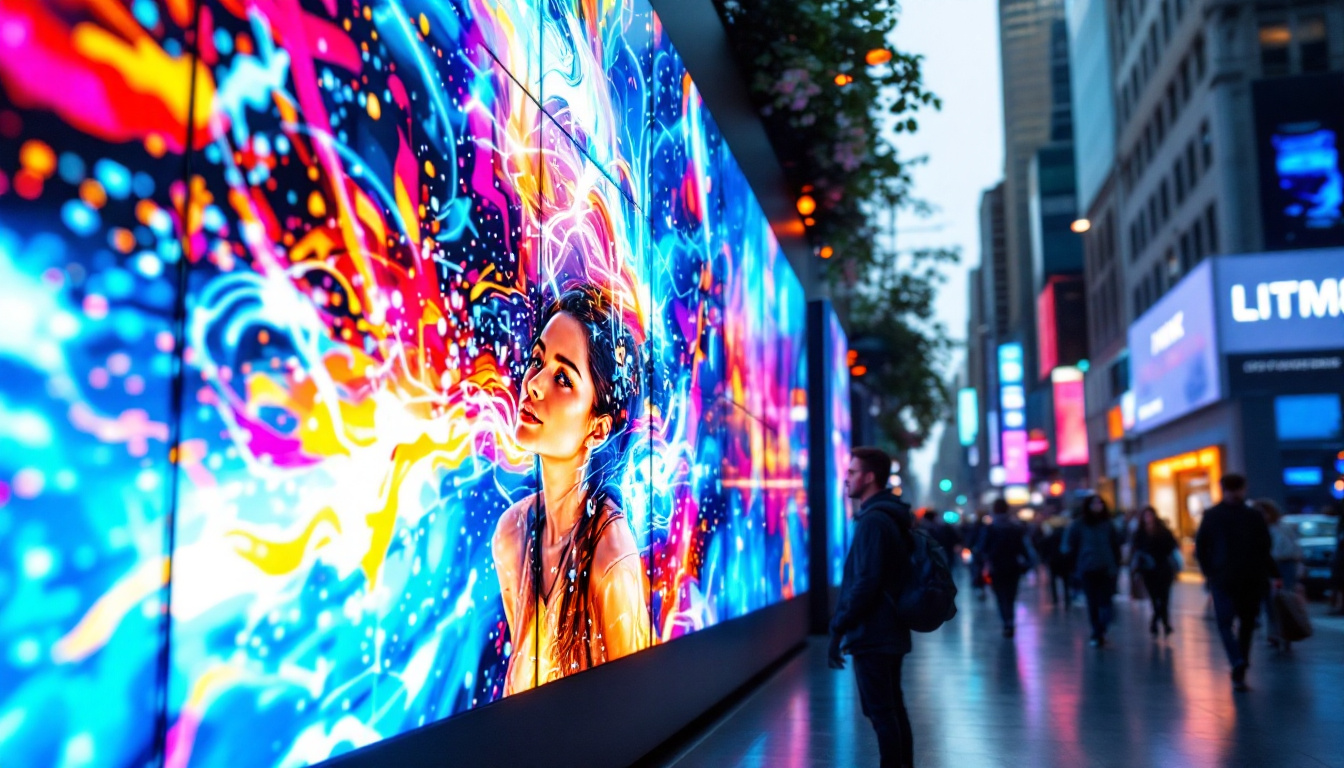
In large-scale LED video walls or digital signage, the bezel width directly affects image quality. Narrow bezels are preferred as they reduce the visible seams between panels, enhancing the overall visual appeal.
The Evolution of LED Display Bezels
Historically, bezels were quite thick, often several centimeters wide, which created noticeable gaps in multi-panel displays. Advances in manufacturing and bezel setting tools have enabled the production of ultra-narrow bezels, sometimes less than 1 millimeter wide. This evolution has been driven by the demand for high-resolution, immersive displays in arenas, retail environments, and broadcast studios.
The transition to ultra-narrow bezels requires precision tools and techniques to ensure that each panel aligns perfectly without damaging the sensitive LEDs or circuitry. This is where bezel setting tools become indispensable. These tools not only facilitate the assembly process but also ensure that the bezels maintain their integrity over time, even in high-traffic environments where displays are frequently interacted with or adjusted.
Moreover, the design of the bezel can also influence the aesthetic appeal of the display. Manufacturers are increasingly experimenting with materials and finishes, such as matte or glossy surfaces, to complement the overall design of the installation. Some bezels are even designed with customizable colors or textures, allowing businesses to align their displays with branding or interior decor. This attention to detail enhances the viewer’s experience, making the display not just a functional tool but also an integral part of the environment it occupies.
Bezel Setting Tools: Types and Functions
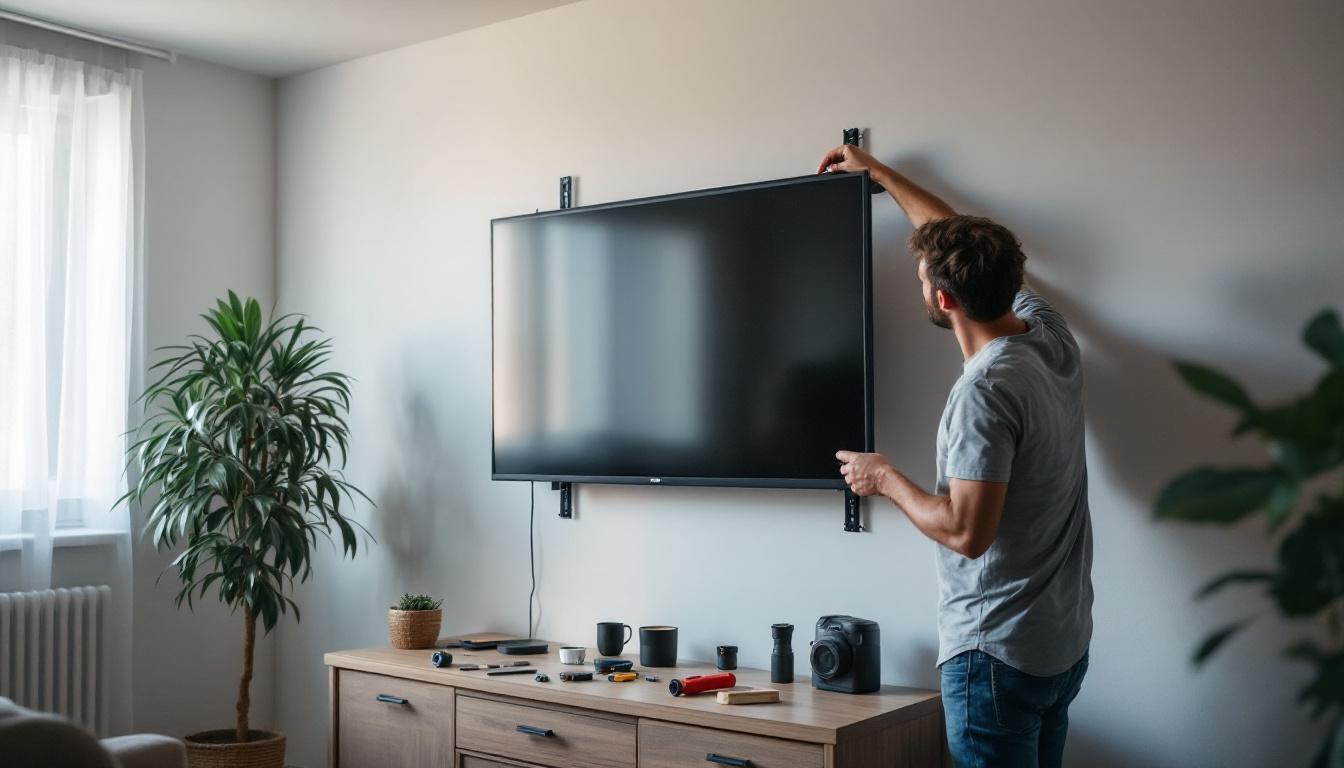
Bezel setting tools encompass a range of instruments designed to assist technicians and manufacturers in installing, adjusting, and maintaining bezels on LED displays. These tools vary depending on the bezel design, display size, and installation environment. The right tools not only enhance the efficiency of the installation process but also ensure that the final product meets the high standards expected in today’s competitive market.
Manual Alignment Tools
Manual bezel setting tools include alignment jigs, clamps, and specialized screwdrivers. These tools help ensure that bezels are positioned correctly during assembly:
- Alignment Jigs: Custom-made fixtures that hold LED panels in precise positions relative to each other, facilitating uniform bezel spacing.
- Clamps: Used to temporarily secure bezels while screws or fasteners are tightened, preventing movement that could misalign the display.
- Torque Screwdrivers: These ensure that screws are tightened to the correct specification, avoiding over-tightening which could warp the bezel or damage internal components.
Manual tools are essential in small-scale or custom installations where flexibility and adaptability are required. Additionally, technicians often rely on their experience and intuition when using these tools, allowing for adjustments on the fly to accommodate unique display configurations or unexpected challenges that may arise during the assembly process.
Automated and Semi-Automated Tools
For large-scale manufacturing, automated bezel setting tools improve efficiency and consistency. These may include robotic arms equipped with precision sensors and vision systems that align and secure bezels with minimal human intervention. Semi-automated tools combine manual operation with mechanized assistance, such as powered screwdrivers with torque control and alignment sensors.
The use of automation reduces human error, speeds up assembly lines, and ensures that each bezel is set to exact tolerances, which is critical for high-end LED displays used in professional environments. Furthermore, automated systems can be programmed to adapt to various bezel designs and sizes, making them versatile solutions for manufacturers looking to streamline their processes while maintaining high quality standards.
Measurement and Calibration Instruments
Accurate bezel setting requires precise measurement tools to verify alignment and spacing:
- Digital Calipers and Micrometers: Measure bezel thickness and gap widths with high precision.
- Laser Alignment Systems: Project laser lines to check the flatness and alignment of bezels across multiple panels.
- Optical Inspection Cameras: Provide magnified views to detect any misalignments or defects in bezel installation.
These instruments are vital for quality control, particularly in displays where bezel uniformity impacts visual performance. In addition to ensuring that the bezels are installed correctly, these measurement tools also play a crucial role in the ongoing maintenance of LED displays. Regular calibration and inspection can help identify wear and tear or misalignments that may occur over time, allowing for timely adjustments that preserve the integrity and functionality of the display.
How Bezel Setting Tools Enhance LED Display Quality
The quality of an LED display is not solely determined by the LEDs themselves but also by how well the panels are integrated and framed. Bezel setting tools contribute to several key quality aspects:
Improved Visual Continuity
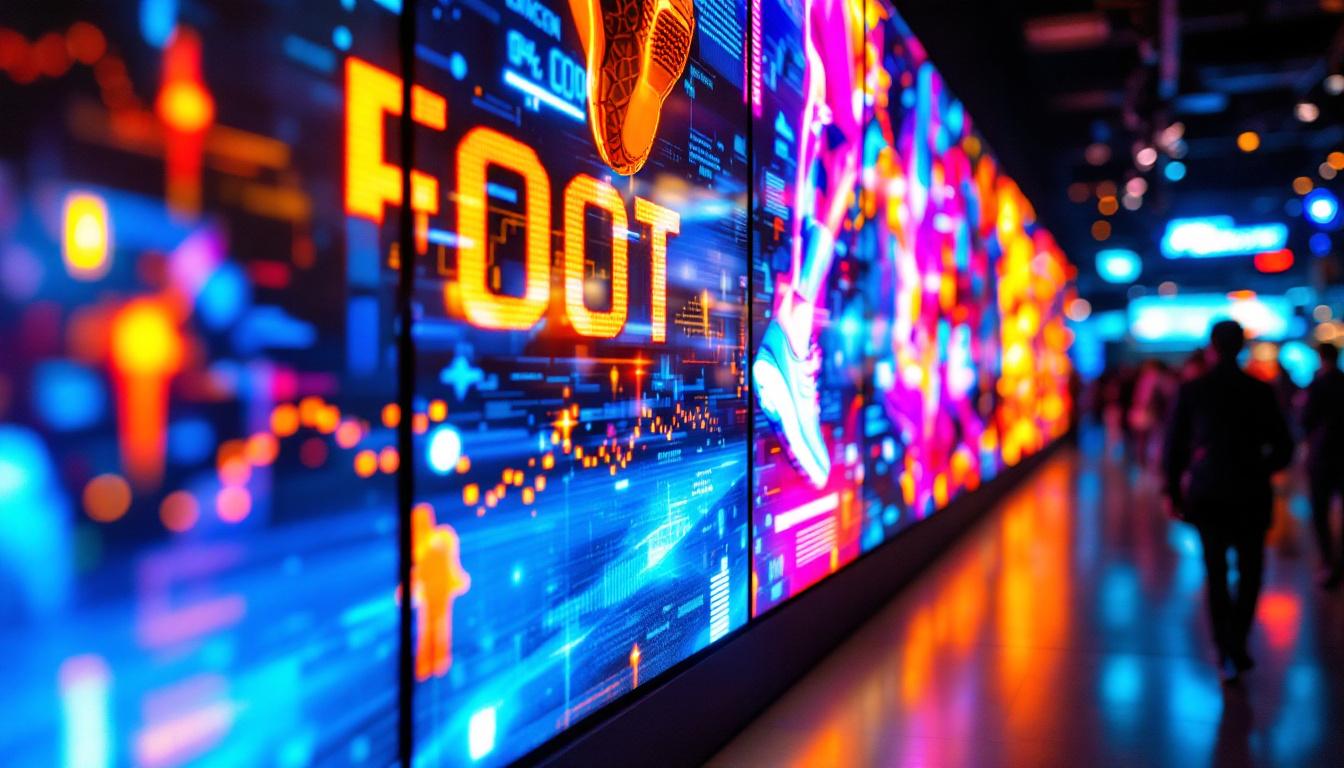
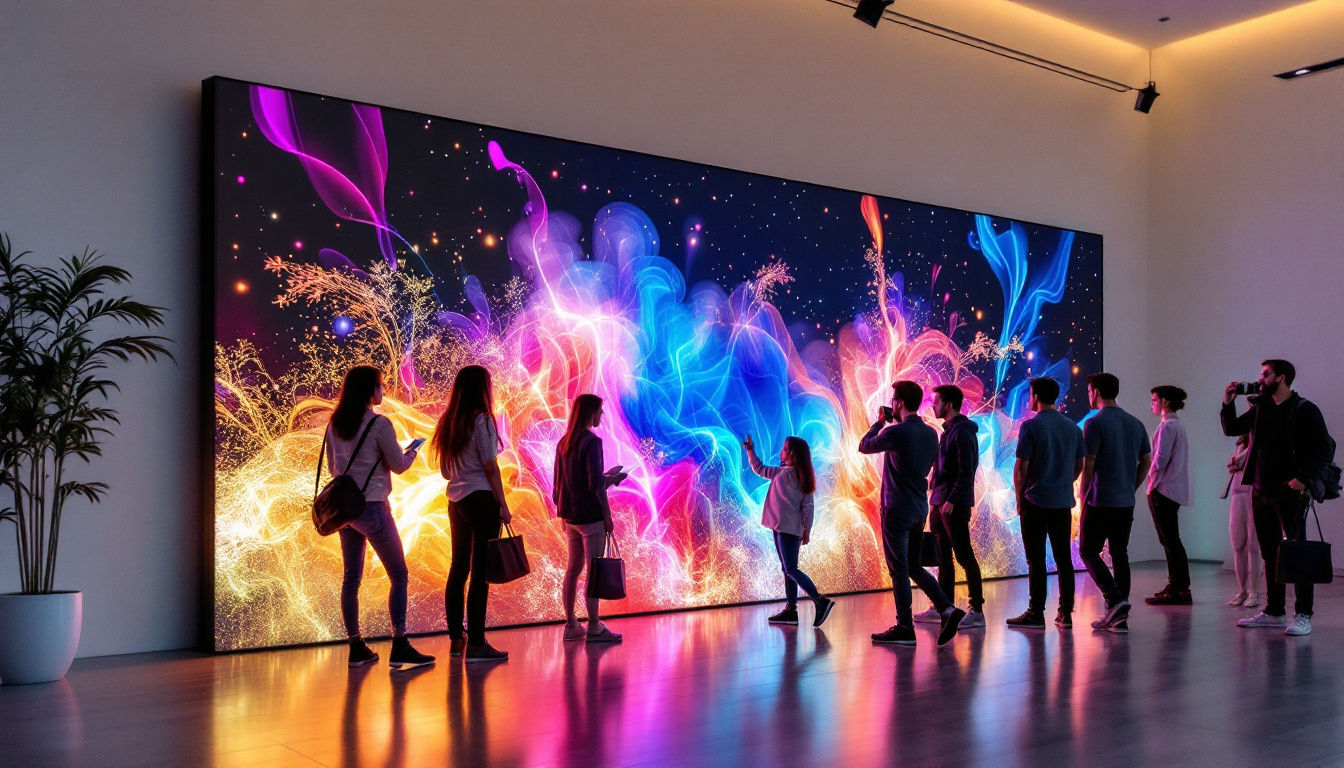
Seamless visual experience is a top priority for LED video walls. Precise bezel setting reduces the visible gap between panels, creating the illusion of a single, continuous screen. This is especially important in environments like sports arenas and control rooms, where image clarity and immersion are critical. The aesthetic appeal of a unified display can significantly enhance audience engagement, drawing viewers into the content being presented. Furthermore, in applications such as digital signage or art installations, the visual continuity provided by expertly set bezels can transform a simple display into an immersive experience, captivating the attention of passersby and creating a more impactful message.
Structural Integrity and Durability
Properly set bezels provide mechanical stability, preventing panel shifts that could cause pixel damage or electrical failures. Tools that ensure uniform pressure and alignment help maintain the display’s integrity over time, even under conditions of vibration or temperature changes. This structural integrity is crucial not only for the longevity of the display but also for maintaining consistent performance. In high-traffic areas or outdoor settings, where displays may be subjected to various environmental factors, the durability afforded by robust bezel settings can mean the difference between a display that remains vibrant and functional for years and one that deteriorates quickly. Additionally, the right bezel tools can help in aligning panels to minimize reflections and glare, further enhancing the viewing experience.
Ease of Maintenance and Upgrades
Bezel setting tools also facilitate easier maintenance by enabling quick removal and replacement of individual panels without disturbing the overall alignment. This modular approach reduces downtime and extends the lifespan of LED displays. With the rapid advancement of LED technology, the ability to upgrade specific panels without needing to dismantle the entire setup is invaluable. This not only saves time and labor costs but also allows for the integration of newer, more efficient LED technology as it becomes available. Moreover, regular maintenance becomes less daunting, encouraging operators to keep displays in optimal condition, which is essential for ensuring that the visual quality remains high and that the investment in the display technology is maximized over time.
Industry Trends and Innovations in Bezel Setting Tools
The LED display industry continues to evolve rapidly, and bezel setting tools are adapting to meet new challenges and opportunities.
Ultra-Narrow and Zero-Bezel Displays
Manufacturers are pushing the limits with bezel widths approaching zero. This demands bezel setting tools with micron-level precision and advanced feedback systems to achieve flawless panel alignment. Innovations include AI-driven alignment robots that learn and optimize the bezel setting process in real-time.
Integration with Smart Manufacturing
Bezel setting tools are increasingly integrated into smart factories, where Internet of Things (IoT) sensors monitor tool performance and assembly quality. Data analytics help identify defects early and improve production workflows, resulting in higher yield and lower costs.
Environmentally Friendly and Ergonomic Designs
Modern bezel setting tools are designed with ergonomics and sustainability in mind. Lightweight materials reduce operator fatigue, while energy-efficient automation minimizes environmental impact. Additionally, tools with modular components allow for easier repair and recycling.
Choosing the Right Bezel Setting Tools for Your LED Display Project
Selecting the appropriate bezel setting tools depends on several factors:
Project Scale and Complexity
Small-scale projects or custom installations may benefit from manual tools that offer flexibility and control. Larger manufacturing operations typically require automated or semi-automated tools to maintain consistency and throughput.
Bezel Design and Specifications
The bezel width, material, and mounting mechanism influence the choice of tools. For example, metal bezels might require different clamps and torque settings than plastic frames. Understanding the design specifications ensures compatibility and prevents damage.
Budget and Resource Availability
While automated tools offer efficiency, they come with higher upfront costs. Balancing budget constraints with quality requirements is essential. Investing in high-quality measurement instruments can prevent costly rework and improve overall project outcomes.
Conclusion
Bezel setting tools are an integral part of the LED display production and installation process. They ensure that bezels are aligned accurately, secured firmly, and maintained properly, directly impacting the display’s visual quality, durability, and serviceability. As LED technology advances towards ultra-narrow bezels and higher resolutions, the precision and sophistication of bezel setting tools will continue to grow.
For manufacturers, installers, and maintenance professionals, understanding the types, functions, and innovations in bezel setting tools is essential to delivering high-performance LED displays that meet today’s demanding standards. By investing in the right tools and techniques, the industry can achieve seamless, durable, and visually stunning LED displays that captivate audiences worldwide.
Discover Cutting-Edge Bezel Technology with LumenMatrix
Ready to experience the pinnacle of LED display quality and innovation? LumenMatrix is at the forefront of LED display technology, offering a comprehensive range of solutions that bring your visual communications to life. From ultra-narrow bezels for seamless video walls to robust outdoor displays that withstand the elements, our products are designed to captivate and engage. Elevate your brand visibility and create immersive visual experiences with our Indoor and Outdoor LED Wall Displays, Vehicle LED Displays, and more. Check out LumenMatrix LED Display Solutions today and transform the way you connect with your audience.