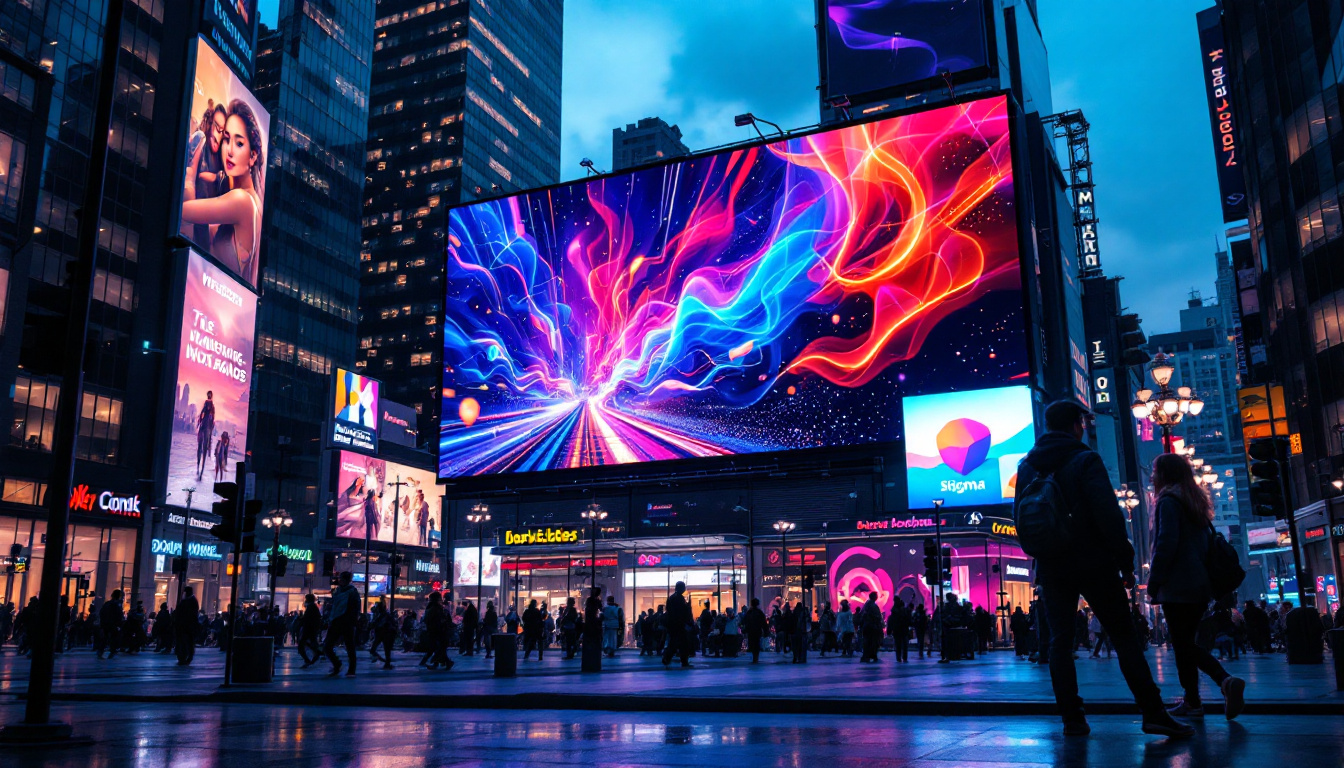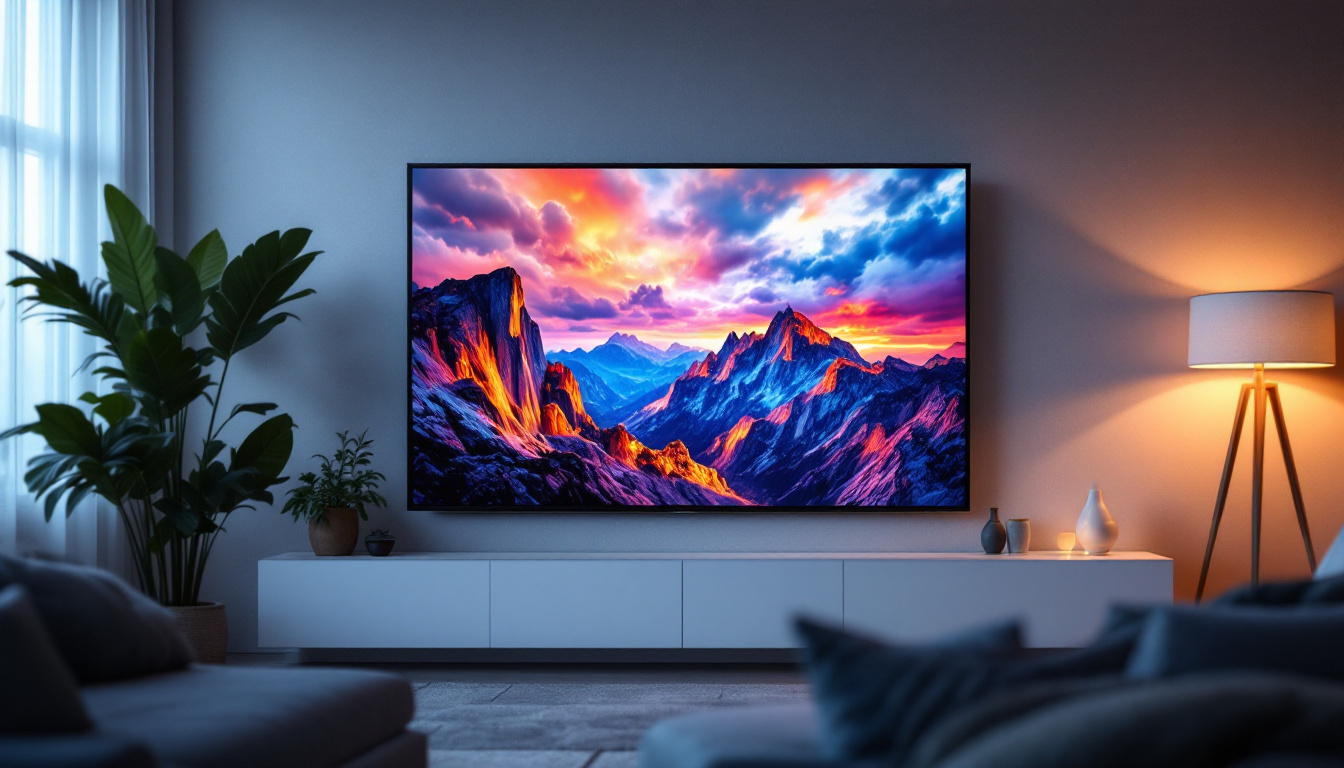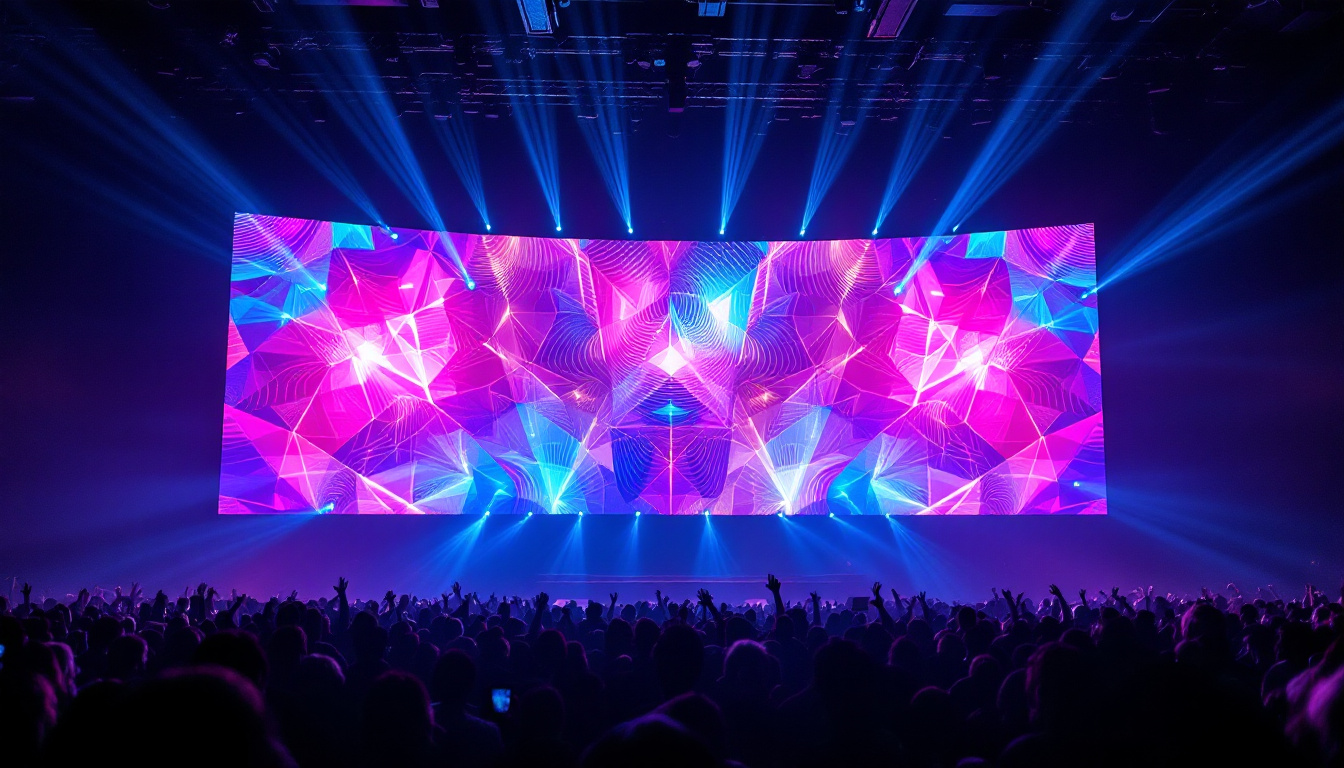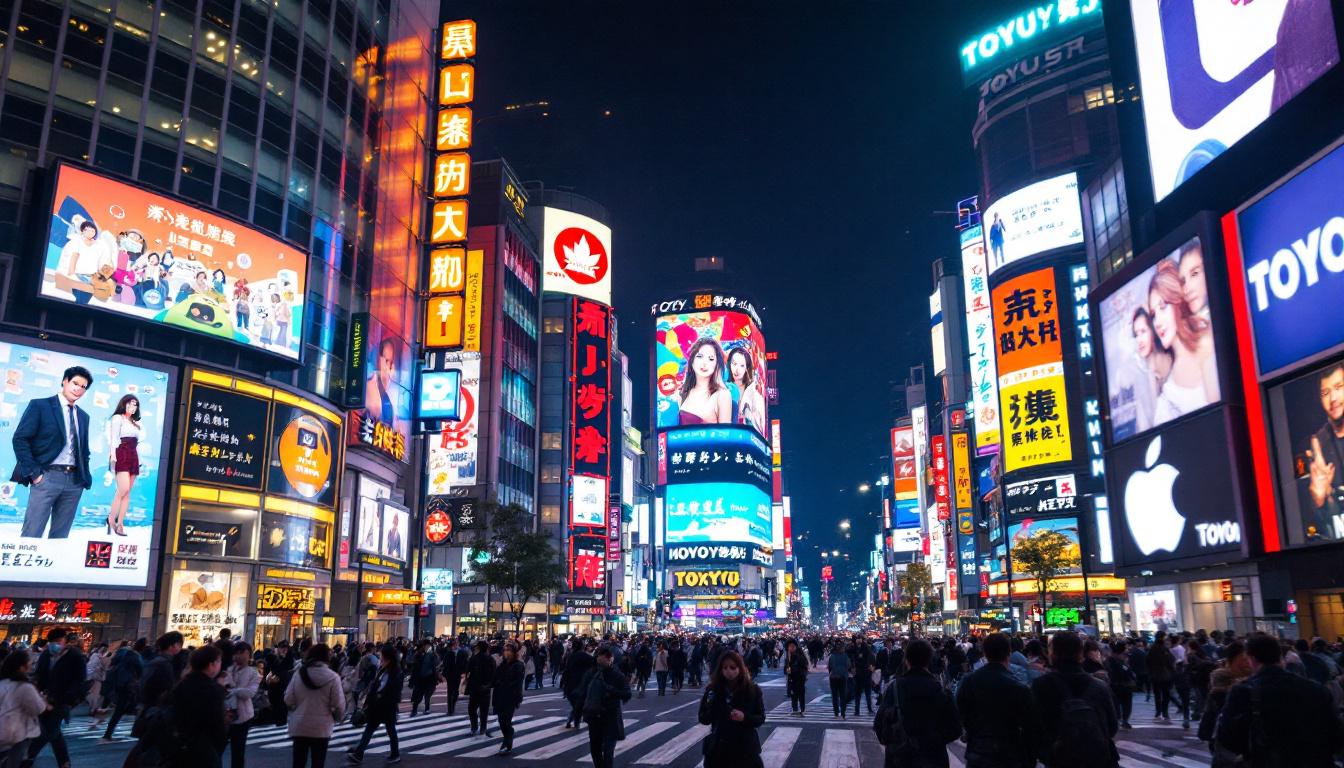
Tokyo’s cityscape is renowned worldwide for its vibrant neon lights and towering billboards that create an electrifying atmosphere. Among these, LED displays have emerged as the dominant technology, transforming how advertisers, city planners, and audiences interact with urban spaces. This article delves into the intricacies of LED displays in Tokyo’s billboards, exploring their technology, impact, and future trends.
The Rise of LED Displays in Tokyo’s Urban Landscape
Tokyo has long been a global hub for advertising innovation, with districts like Shibuya, Shinjuku, and Ginza showcasing some of the most iconic digital billboards. The shift from traditional static billboards to LED displays has been driven by several factors, including technological advancements, environmental considerations, and evolving consumer engagement strategies.
In 2023, it was estimated that over 70% of Tokyo’s large-scale outdoor advertisements utilize LED technology, a significant increase from just 40% five years prior. This rapid adoption reflects the advantages LED displays offer in terms of brightness, flexibility, and energy efficiency.
Why LED Technology Became the Standard
LED (Light Emitting Diode) technology offers superior brightness and color vibrancy compared to older display methods such as fluorescent or incandescent lighting. This is particularly important in Tokyo, where ambient light pollution is high due to the dense concentration of buildings and streetlights. LED displays can maintain visibility even in direct sunlight, ensuring advertisements remain impactful throughout the day.
Additionally, LEDs consume less power and have longer lifespans, reducing operational costs and maintenance frequency. This sustainability aspect aligns with Tokyo’s broader environmental goals, including the Tokyo Metropolitan Government’s initiatives to reduce urban energy consumption by 30% by 2030. The shift to LED technology not only enhances the aesthetic appeal of the city but also contributes to a greener, more sustainable urban environment.
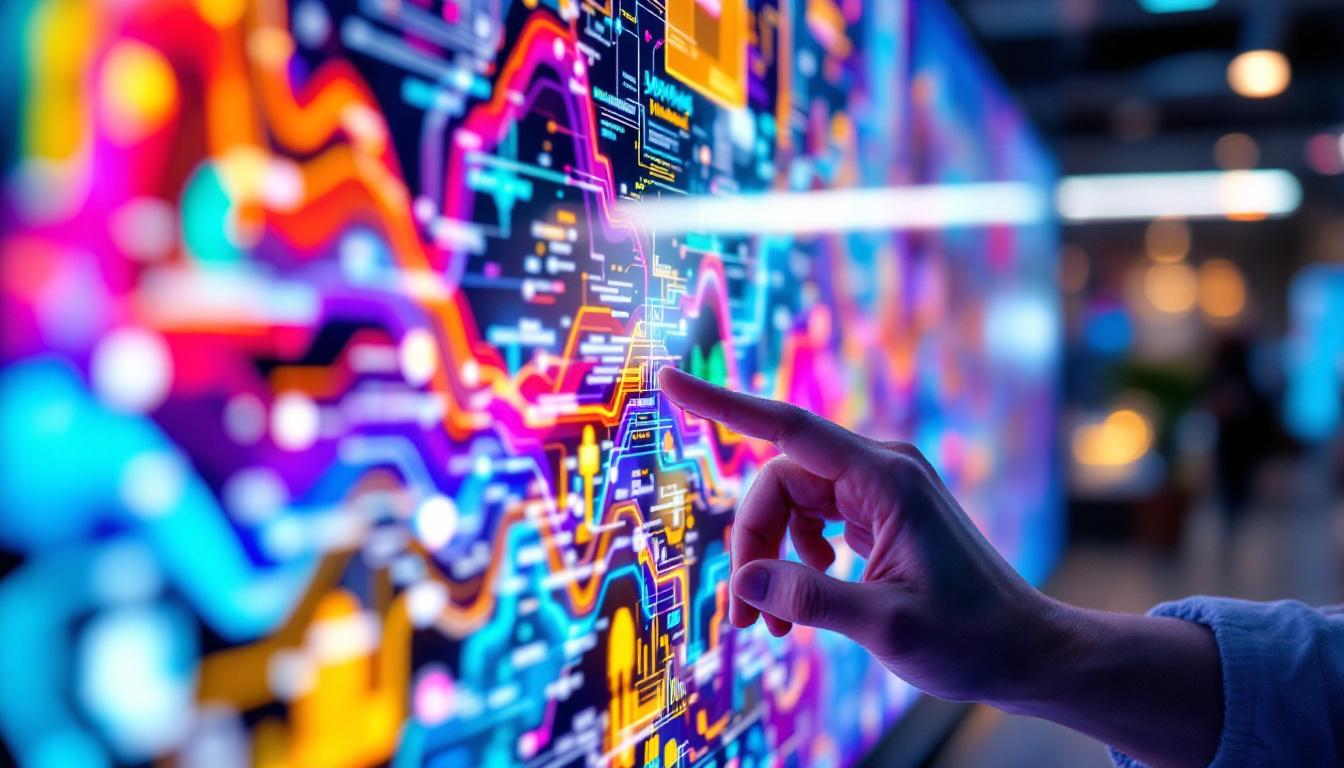
Moreover, the interactive capabilities of LED displays have transformed the way brands engage with consumers. Many of these installations incorporate real-time data feeds, allowing for dynamic content that can change based on weather, time of day, or even trending social media topics. This level of interactivity captivates passersby, encouraging them to engage with the advertisements in a way that static displays simply cannot. As a result, brands are increasingly investing in creative content that leverages this technology, making Tokyo’s streets not just a backdrop for advertising but a vibrant canvas for storytelling.
Furthermore, the proliferation of LED displays has sparked a wave of artistic expression within the urban landscape. Local artists and designers are collaborating with brands to create visually stunning installations that blur the lines between art and advertising. These projects often feature augmented reality elements, inviting viewers to interact with the displays through their smartphones. This fusion of technology and creativity not only enhances the visual appeal of the city but also fosters a sense of community and cultural engagement among its residents and visitors alike.
Technical Aspects of LED Billboard Displays
Understanding the technical foundation of LED displays helps appreciate their versatility and effectiveness in Tokyo’s advertising ecosystem. The core components include the LED modules, control systems, and software that manage content delivery.
LED Modules and Pixel Pitch
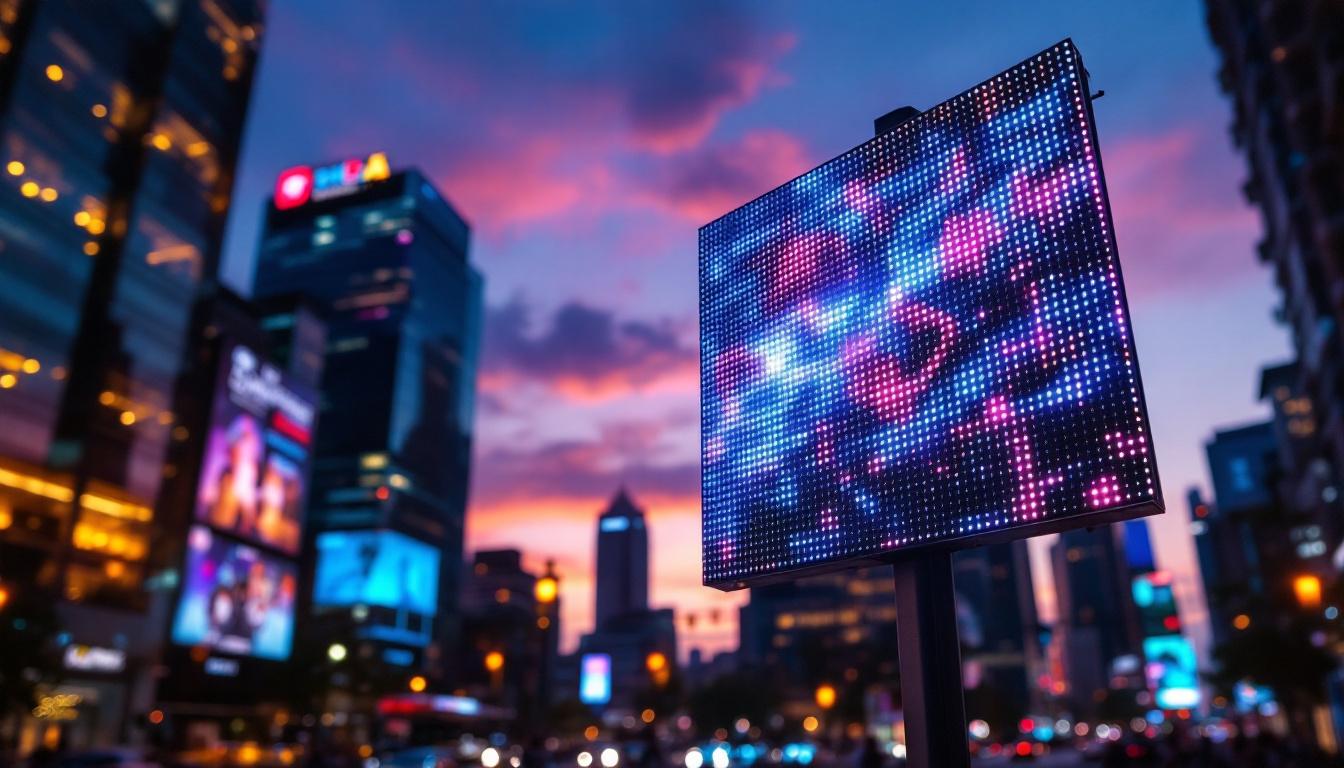
LED billboards are composed of numerous small LED modules, each containing clusters of red, green, and blue diodes. These combine to create full-color images and videos. One critical factor in display quality is the pixel pitch, which refers to the distance between individual pixels measured in millimeters.
In Tokyo’s billboards, pixel pitch varies depending on viewing distance and application. For example, large roadside billboards might have a pixel pitch of 10-20 mm, while displays in pedestrian-heavy areas like Shibuya Crossing use finer pitches of 4-6 mm to ensure crisp visuals at close range. Advances in micro-LED technology are pushing pixel pitches even lower, promising ultra-high-definition displays in the near future. This evolution not only enhances visual clarity but also allows for more intricate designs and animations that can captivate audiences, making the advertising experience more immersive.
Control Systems and Content Management
Modern LED billboards rely on sophisticated control systems that enable real-time content updates, dynamic scheduling, and interactive features. These systems often use cloud-based platforms, allowing advertisers to remotely manage campaigns and respond quickly to market trends or events.
For instance, during major events like the Tokyo Olympics or seasonal festivals, advertisers can tailor content to reflect the occasion, enhancing audience engagement. The integration of AI and data analytics further enables personalized advertising, optimizing the timing and content based on pedestrian flow and demographics. Additionally, these control systems can incorporate feedback loops, allowing advertisers to analyze viewer engagement through metrics such as dwell time and interaction rates. This data-driven approach not only maximizes the effectiveness of campaigns but also fosters a deeper connection between brands and consumers, as advertisers can refine their strategies based on real-time insights and audience behavior.
Impact on Advertising and Urban Experience
LED billboards in Tokyo have reshaped both the advertising industry and the city’s cultural identity. Their dynamic nature offers advertisers unparalleled creative freedom, while simultaneously influencing how residents and visitors experience the urban environment.
Enhanced Advertising Effectiveness
Studies indicate that digital billboards, particularly those using LED technology, increase brand recall by up to 47% compared to static billboards. The ability to display video content, animations, and real-time updates captures attention more effectively in Tokyo’s bustling streets.
Moreover, the flexibility of LED displays allows for multiple advertisers to share a single billboard through time-sliced scheduling, maximizing revenue potential for property owners. This model is especially prevalent in high-traffic areas like Shinjuku Station, where space is at a premium. The rapid rotation of advertisements not only keeps the content fresh but also ensures that various brands can reach their target audiences without the need for permanent installations, thus fostering a more dynamic advertising ecosystem.
Contributing to Tokyo’s Nighttime Economy
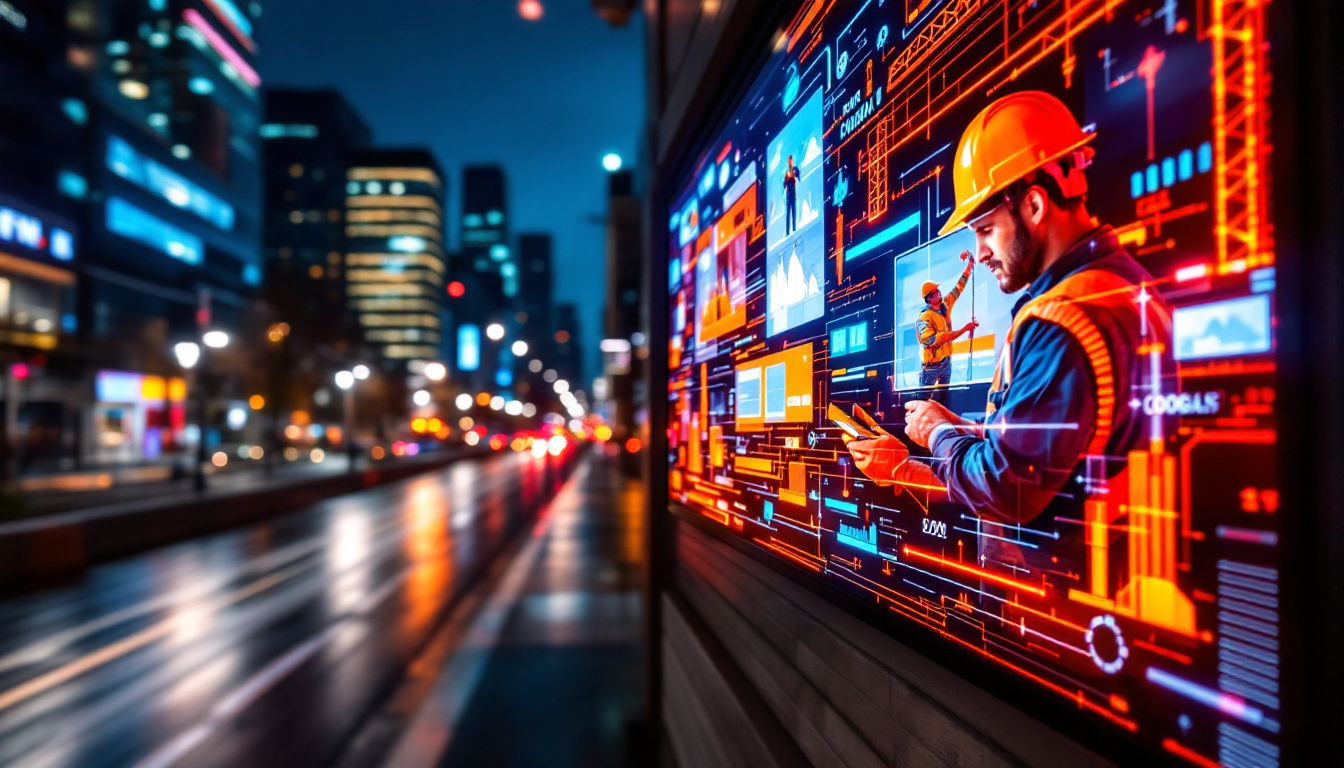
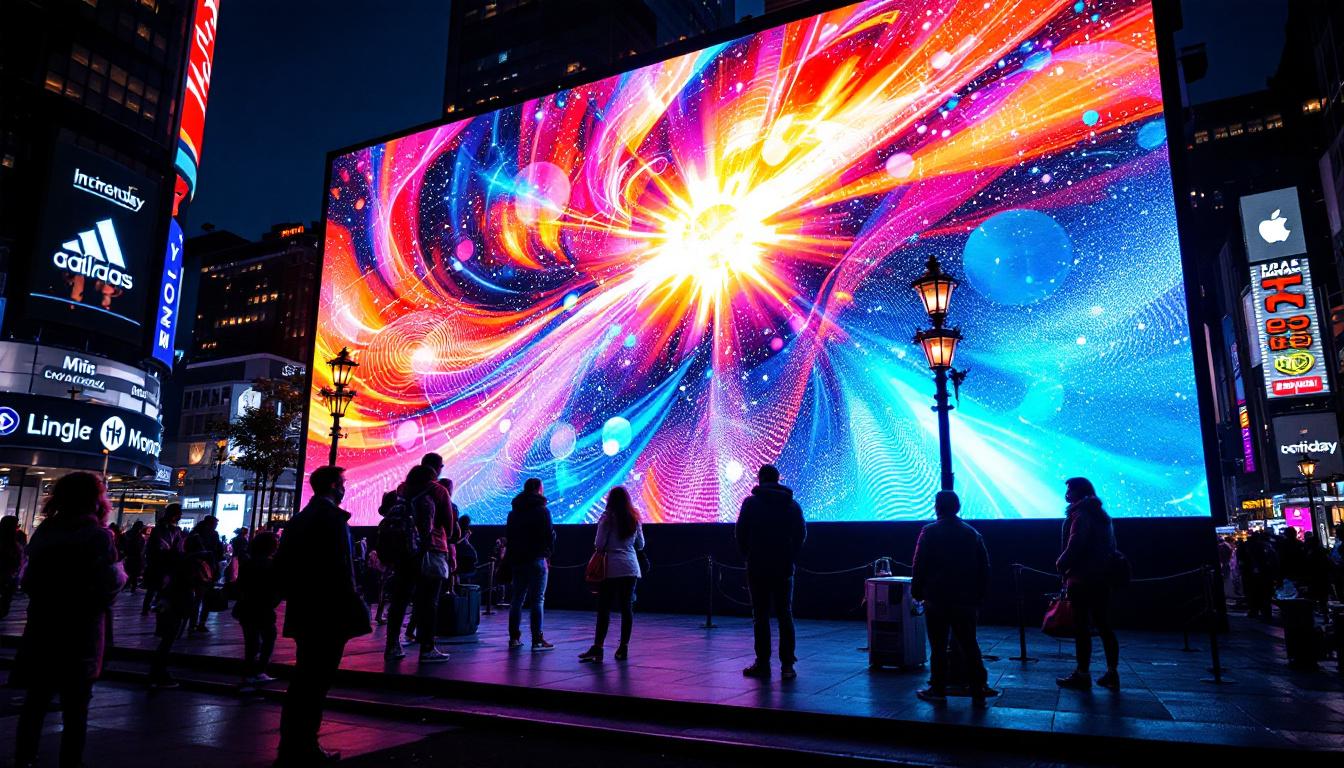
Tokyo’s vibrant nightlife is partly fueled by the dazzling LED billboards that light up the city after dark. These displays not only advertise products but also contribute to the city’s ambiance, attracting tourists and encouraging longer stays in entertainment districts.
According to the Tokyo Tourism Board, areas with high concentrations of LED billboards see a 15% increase in foot traffic during evening hours. This boost supports local businesses such as restaurants, bars, and retail shops, underpinning the economic vitality of these neighborhoods. Additionally, the interplay of light and color from these billboards creates a unique visual landscape that enhances the overall urban experience, encouraging spontaneous exploration and social interaction among visitors. As people gather to take photos and share their experiences on social media, the billboards also become part of the cultural fabric, transforming mere advertisements into iconic landmarks that define the essence of Tokyo’s nightlife.
Furthermore, the integration of LED technology into public spaces has sparked discussions about urban aesthetics and the balance between commercial interests and community well-being. As residents navigate the vibrant yet sometimes overwhelming visual stimuli, there is a growing interest in how these displays can be utilized not only for advertising but also for public service announcements and community engagement initiatives. This evolving dialogue reflects a broader trend in urban design, where the digital and physical realms increasingly intersect, shaping the future of city life in Tokyo and beyond.
Challenges and Considerations
Despite their advantages, LED billboards also present challenges that must be managed carefully to balance commercial interests with public welfare.
Light Pollution and Urban Planning
One of the primary concerns with extensive LED billboard use is light pollution, which can disrupt residents’ sleep patterns and obscure views of the night sky. Tokyo’s government has implemented guidelines to regulate brightness levels and operating hours, particularly in residential zones.
For example, the Tokyo Metropolitan Ordinance on Outdoor Advertisements restricts maximum luminance to 5,000 candelas per square meter during nighttime. Compliance is monitored through regular inspections, ensuring that LED displays do not adversely affect the urban environment.
Energy Consumption and Sustainability
While LEDs are more energy-efficient than traditional lighting, the sheer scale of Tokyo’s digital billboards means their cumulative energy use is substantial. To address this, many installations incorporate solar panels and energy-saving technologies such as motion sensors that dim displays when no pedestrians are nearby.
Furthermore, some companies are exploring recyclable LED components and modular designs to reduce electronic waste, aligning with Japan’s circular economy goals.
The Future of LED Billboards in Tokyo
Looking ahead, LED billboard technology in Tokyo is poised to evolve with innovations that enhance interactivity, sustainability, and integration with smart city infrastructure.
Interactive and Augmented Reality Displays
Emerging trends include the incorporation of touch-sensitive surfaces and augmented reality (AR) features that engage passersby in immersive experiences. For example, some LED billboards now sync with smartphones to offer personalized content or gamified promotions, creating new avenues for consumer interaction.
Such technologies not only increase advertising effectiveness but also contribute to Tokyo’s reputation as a leader in digital innovation.
Integration with Smart City Initiatives
Tokyo’s ongoing smart city projects aim to leverage data from LED billboards for broader urban management purposes. This includes using display sensors to monitor air quality, traffic flow, and pedestrian density, providing valuable insights for city planners.
Additionally, LED billboards may serve as emergency communication tools, broadcasting real-time alerts during natural disasters such as earthquakes or typhoons, thereby enhancing public safety.
Conclusion
LED displays have become an integral part of Tokyo’s urban fabric, transforming billboards from static advertisements into dynamic, multifunctional platforms. Their technological sophistication, combined with thoughtful regulation and innovative applications, ensures they continue to enrich the city’s visual landscape and economic vitality.
As Tokyo advances towards a more connected and sustainable future, LED billboards will undoubtedly play a pivotal role in shaping the city’s identity and the way people experience urban life.
Illuminate Your Brand with LumenMatrix
As Tokyo continues to dazzle with its LED-lit nightscape, your brand has the opportunity to shine amidst the city’s iconic glow. LumenMatrix, a pioneer in LED display technology, offers a spectrum of solutions tailored to elevate your advertising impact. From the bustling streets to the heart of your business, our Indoor and Outdoor LED Wall Displays, Vehicle LED Displays, and more, are designed to captivate and engage. Embrace the future of visual storytelling with our LED Sports Displays, Floor LED Displays, and revolutionary Transparent Displays. Check out LumenMatrix LED Display Solutions today and transform your brand’s visibility in the urban canvas of Tokyo.