In the world of modern architecture and interior design, the integration of technology with traditional materials has opened up new avenues for creativity and functionality. One such innovation is the use of transparent waterproof coatings on tiles, combined with LED displays. This fusion not only enhances the durability and aesthetic appeal of tiled surfaces but also introduces dynamic visual elements that can transform spaces. This article delves into the science and application of transparent waterproof coatings for tiles, explores how LED displays are integrated, and highlights the benefits and considerations for both residential and commercial environments.
Understanding Transparent Waterproof Coatings for Tiles
What Are Transparent Waterproof Coatings?
Transparent waterproof coatings are specialized protective layers applied to tile surfaces to prevent water penetration while maintaining the tile’s original appearance. Unlike traditional sealants that may alter the texture or color of tiles, these coatings are designed to be invisible, ensuring that the natural or decorative look of the tile remains intact.
Typically, these coatings are made from advanced polymers such as silanes, siloxanes, or acrylics, which create a hydrophobic barrier. This barrier repels water molecules, reducing absorption and preventing damage such as staining, efflorescence, or freeze-thaw deterioration. The transparency of the coating is crucial, especially when applied to decorative or patterned tiles, as it preserves their visual appeal. Furthermore, these coatings can enhance the longevity of tiles, making them an excellent investment for both residential and commercial spaces.
In addition to their protective qualities, transparent waterproof coatings can also simplify maintenance. Surfaces treated with these coatings are easier to clean, as dirt and grime are less likely to adhere to the tiles. This means that regular cleaning can be accomplished with less effort and fewer harsh chemicals, contributing to a more sustainable approach to tile care.
Why Waterproof Tiles?
Tiles are widely used in areas exposed to moisture, such as bathrooms, kitchens, swimming pools, and outdoor facades. However, despite their inherent water resistance, tiles and their grout lines can still absorb water over time. This absorption can lead to several issues:
- Structural Damage: Water infiltration can weaken the substrate beneath tiles, causing tiles to loosen or crack.
- Mold and Mildew Growth: Moist environments promote microbial growth, which can be harmful to health and unsightly.
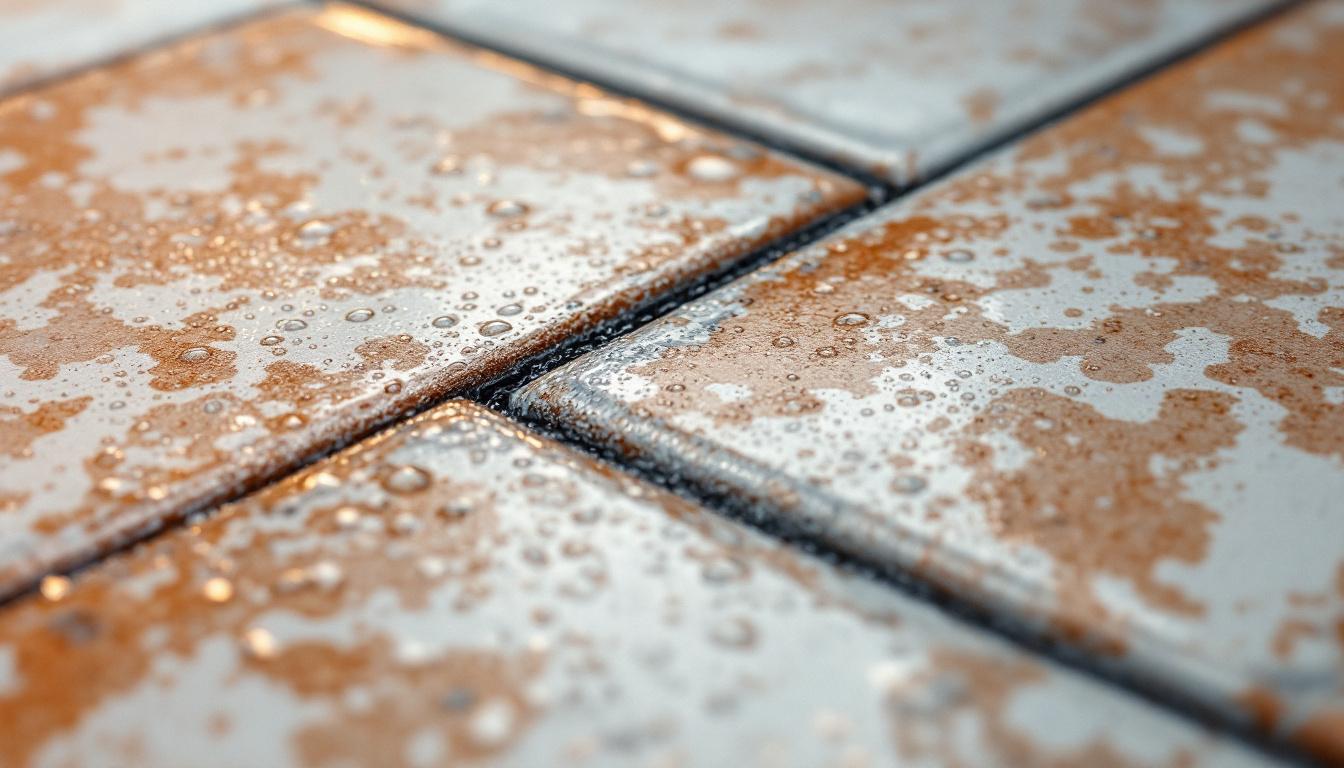
- Staining and Discoloration: Water can carry minerals and contaminants that stain tiles and grout.
Applying a transparent waterproof coating effectively mitigates these problems, extending the life and maintaining the beauty of tiled surfaces. Additionally, it can enhance the overall hygiene of the space, as the prevention of mold and mildew growth contributes to a healthier environment. This is particularly important in homes with children or individuals with respiratory issues, where maintaining clean and dry surfaces is paramount.
Types of Transparent Waterproof Coatings
There are several types of transparent waterproof coatings available, each with unique properties suited to different applications:
- Silane/Siloxane-Based Coatings: These penetrate deeply into porous tiles, offering long-lasting water repellency without forming a surface film.
- Acrylic Coatings: Form a thin, transparent film on the surface, providing a durable barrier against water and stains.
- Polyurethane Coatings: Known for their toughness and chemical resistance, these coatings are often used in high-traffic or industrial environments.
Choosing the right coating depends on the tile material, location, and expected exposure to moisture and wear. For instance, silane/siloxane coatings are ideal for natural stone tiles, as they enhance the stone’s natural beauty while providing robust protection. On the other hand, acrylic coatings are often preferred in residential settings due to their ease of application and maintenance. It is essential to consider factors such as the tile’s porosity, the environment in which it is installed, and the level of foot traffic it will experience to ensure optimal performance from the chosen coating.
Integration of LED Displays with Waterproof Coated Tiles
Emergence of LED Displays in Architectural Surfaces
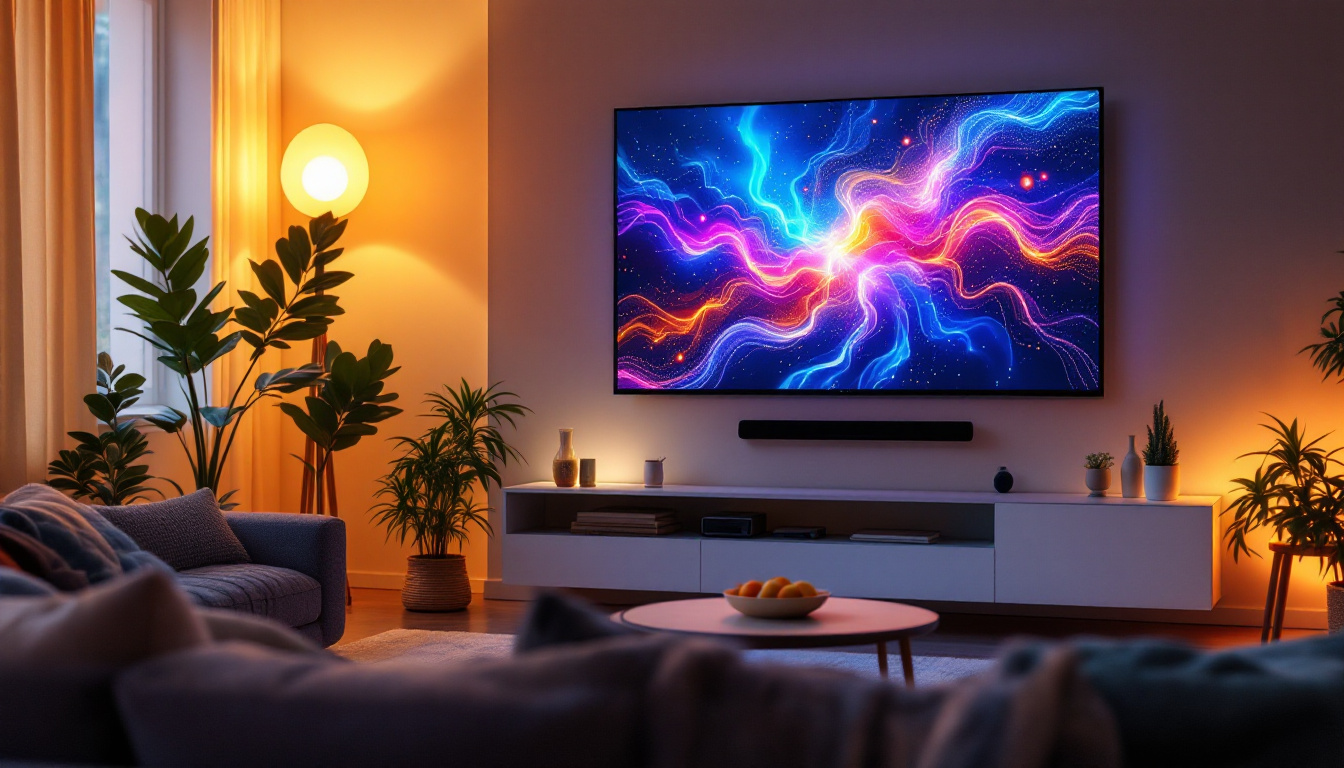
LED (Light Emitting Diode) technology has revolutionized visual displays due to its energy efficiency, brightness, and versatility. Traditionally used in signage and screens, LEDs are increasingly being integrated into architectural elements, including floors, walls, and ceilings. Embedding LED displays beneath or within tiled surfaces offers dynamic visual effects and interactive capabilities.
How LED Displays Work with Transparent Waterproof Coatings
Combining LED displays with tiles requires careful consideration of both waterproofing and light transmission. Here’s how the integration typically works:
- LED Modules Placement: LED panels or strips are installed beneath the tile layer or within specially designed tile units that allow light to pass through.
- Transparent Waterproof Coating Application: The coating is applied over the tile surface, sealing it against moisture while being optically clear to ensure LED light is not obstructed or distorted.
- Protective Encapsulation: Additional layers may be used to protect the LED components from water and mechanical damage, ensuring longevity and performance.
This synergy allows for illuminated tile surfaces that are both functional and visually striking, without compromising on durability.
Types of LED Displays Suitable for Tiles
Several LED display technologies are compatible with tiled surfaces:
- Transparent LED Panels: These panels have a mesh-like structure that allows light to pass through, making them ideal for glass or translucent tiles.
- Mini LED and Micro LED: Smaller LEDs enable higher resolution and finer control, suitable for detailed imagery on tile surfaces.
- Flexible LED Strips: These can be embedded in grout lines or tile edges to create accent lighting or patterns.
The choice depends on the desired visual effect, tile type, and installation environment.
Applications and Benefits of Transparent Waterproof Coated Tiles with LED Displays
Residential Spaces
The integration of transparent waterproof coatings and LED displays in residential settings offers both aesthetic and practical advantages. For instance, bathroom tiles with embedded LED lighting can create ambient moods or serve as night lights. Kitchen backsplashes can display dynamic patterns or notifications, enhancing functionality and style.
Moreover, the waterproof coating ensures that these installations withstand daily exposure to water and cleaning agents, maintaining performance and appearance over time.
Commercial and Public Spaces
In commercial environments such as shopping malls, hotels, and airports, tiled surfaces with integrated LED displays can serve as eye-catching advertising platforms or informational displays. The transparent waterproof coating guarantees that these installations remain operational despite heavy foot traffic, cleaning, and exposure to the elements in outdoor settings.
For example, outdoor plazas with LED-embedded tiled floors can display interactive maps or promotional content, enhancing visitor engagement while resisting weather-related damage.
Industrial and Specialized Environments
In industrial settings, tiled surfaces with transparent waterproof coatings protect against chemical spills and moisture ingress, extending the lifespan of flooring. When combined with LED displays, these surfaces can provide real-time data visualization, safety alerts, or operational instructions, improving workplace efficiency and safety.
Technical Considerations and Installation Best Practices
Surface Preparation and Coating Application
Proper surface preparation is critical for the effectiveness of transparent waterproof coatings. Tiles must be clean, dry, and free from contaminants such as oils or dust. Application methods vary depending on the coating type but commonly include spraying, rolling, or brushing.
Multiple coats may be required to achieve optimal water repellency, with curing times ranging from a few hours to several days. It is essential to follow manufacturer guidelines to ensure maximum adhesion and durability.
LED Display Installation and Waterproofing
Installing LED displays beneath or within tiles requires coordination between electrical and tiling professionals. Waterproofing measures include:
- Sealing LED modules with waterproof encapsulants.
- Using waterproof connectors and cables.
- Ensuring that the transparent coating does not interfere with heat dissipation from LEDs.
Proper ventilation and thermal management are also necessary to prevent overheating, which can reduce LED lifespan.
Maintenance and Longevity
Transparent waterproof coatings generally require minimal maintenance but should be inspected periodically for signs of wear or damage. Cleaning should be done with non-abrasive, pH-neutral cleaners to avoid degrading the coating.
LED displays integrated with tiles should be checked for electrical integrity and performance. Advances in LED technology have improved durability, with many modules rated for over 50,000 hours of operation under optimal conditions.
Future Trends and Innovations
Smart Tiles and IoT Integration
The future of transparent waterproof coated tiles with LED displays lies in smart technology integration. Tiles equipped with sensors can interact with LED displays to respond to environmental changes, user presence, or other inputs. This opens possibilities for adaptive lighting, energy-saving features, and enhanced user experiences.
Advancements in Materials
Research continues into developing coatings with improved transparency, durability, and multifunctionality, such as self-cleaning or anti-bacterial properties. Similarly, LED technology is evolving toward more flexible, thinner, and energy-efficient modules, facilitating easier integration with various tile types.
Sustainability Considerations
As sustainability becomes a priority, manufacturers are focusing on eco-friendly coatings with low volatile organic compounds (VOCs) and recyclable LED components. These advancements align with green building standards and contribute to healthier indoor environments.
Conclusion
The combination of transparent waterproof coatings and LED displays on tiled surfaces represents a significant advancement in architectural design and functionality. By protecting tiles from moisture damage while enabling vibrant, dynamic lighting effects, this technology enhances both the durability and aesthetic potential of spaces.
Whether in residential bathrooms, commercial lobbies, or industrial floors, these innovations offer practical benefits and creative opportunities. As materials and technologies continue to evolve, the integration of transparent waterproof coatings and LED displays is poised to become a standard feature in modern construction and design, merging beauty, resilience, and smart functionality seamlessly.
Illuminate Your Space with LumenMatrix
Ready to elevate your architectural designs with the seamless integration of transparent waterproof coatings and dynamic LED displays? Discover how LumenMatrix, a pioneer in LED display technology, can transform your spaces into captivating experiences. From Indoor and Outdoor LED Wall Displays to innovative solutions like Vehicle, Poster, Sports, Floor, and Custom LED Displays, LumenMatrix is committed to revolutionizing visual communication. Explore our range of LED Transparent Displays and All-in-One solutions designed to engage and inspire. Check out LumenMatrix LED Display Solutions today and step into the future of architectural design.